A decade of data from the Murchison Widefield Array telescope suggests that the universe was heating up around 800 million years after the Big Bang, challenging the idea of a 'cold start' for reionization and indicating early heating likely caused by black holes and stellar remnants.
Israeli scientists have proposed a novel method to study dark matter by detecting faint radio waves emitted during the universe's early period, potentially revealing the properties of dark matter through space-based observations, such as those planned with the Square Kilometre Array.
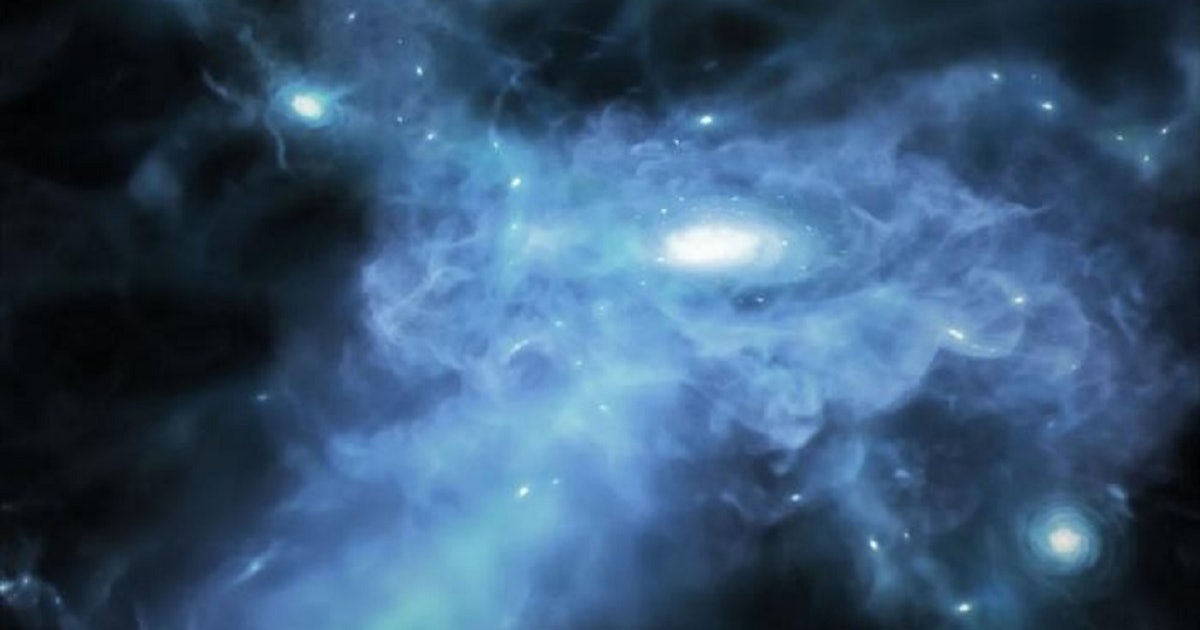
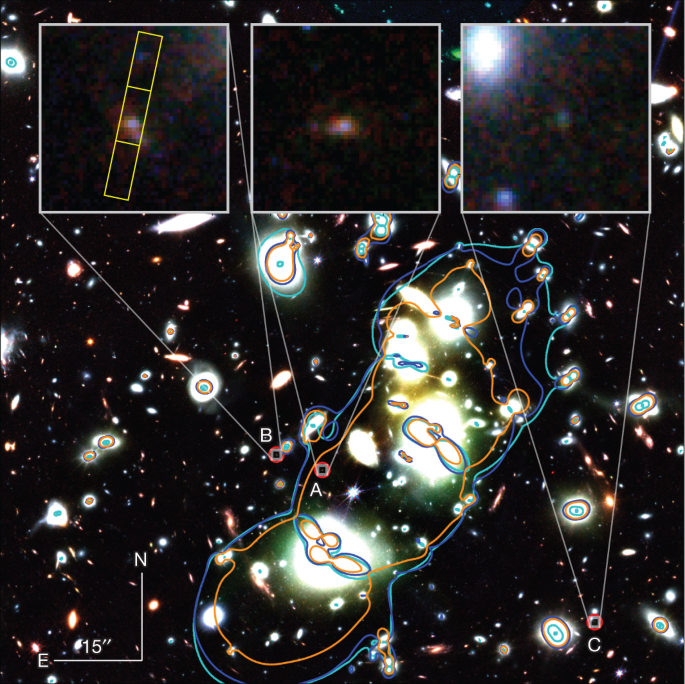
The James Webb Space Telescope (JWST) has captured images of three of the universe's earliest galaxies forming from dense hydrogen gas clouds, providing a glimpse into galaxy formation between 400 and 600 million years after the Big Bang. This discovery, published by University of Copenhagen astrophysicists, reveals a previously unseen stage of galaxy assembly during the Cosmic Dark Ages, where cold, neutral hydrogen gas is absorbed and eventually forms new stars.
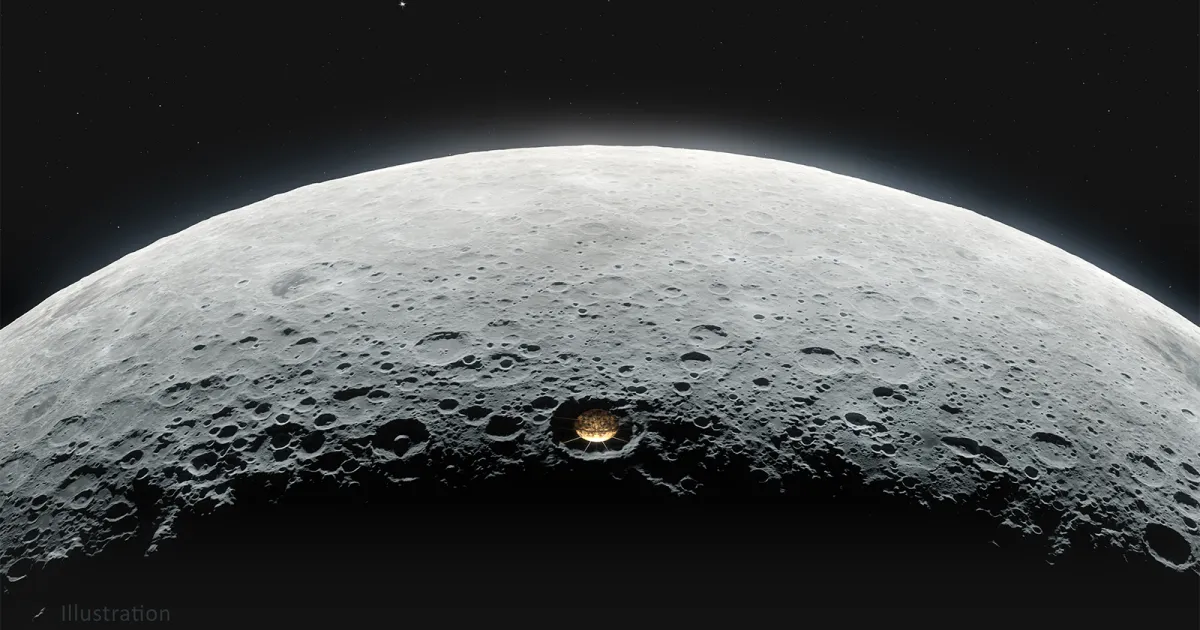
Tel Aviv University researchers have published a study in Nature Astronomy, proposing that radio telescopes on the moon could provide groundbreaking insights into the early universe, specifically the cosmic dark ages just 50 million years after the Big Bang. By detecting radio waves emitted from hydrogen gas during that time, scientists could test the standard cosmological model, determine the composition of the universe, and potentially gain clues about dark matter. The study also suggests that a lunar antenna array could accurately measure the amount of hydrogen and helium in the universe, as well as the weight of cosmic neutrinos.
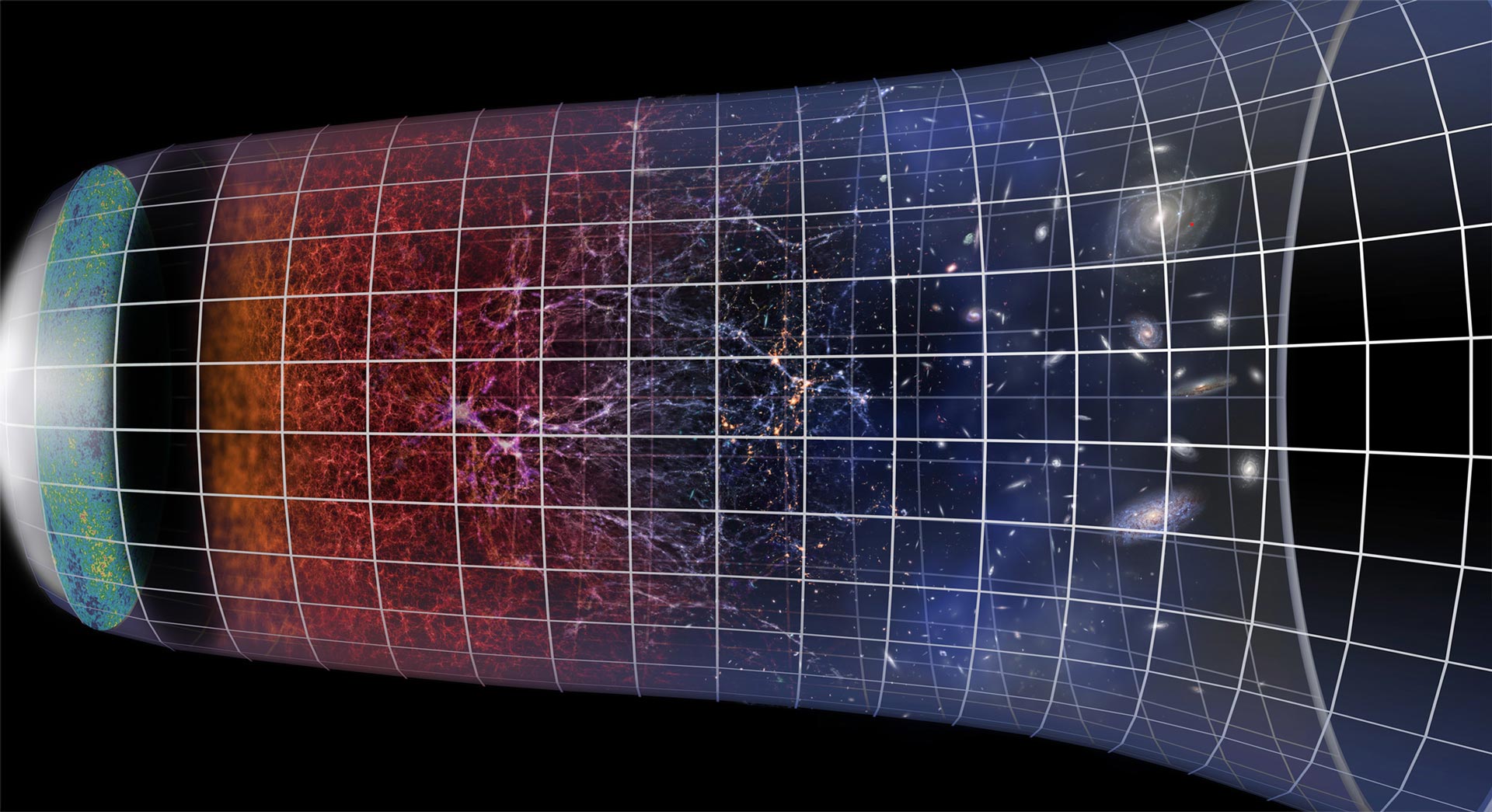
The cosmic dark ages were a period in the early Universe when neutral atoms formed and photons stopped scattering off of free electrons. This marked the time when radiation began to travel in a straight line. The temperature of the photon bath during this period was around 2970.8 K. Overdense regions, with more matter, had stronger gravity and emitted colder photons, while underdense regions emitted hotter photons. Gravity and radiation pressure played crucial roles in the growth of matter clumps, but it took around 50 to 100 million years for the first star to form. The formation of neutral atoms and the subsequent emission of 21 cm light from hydrogen atoms were important milestones before the formation of stars.
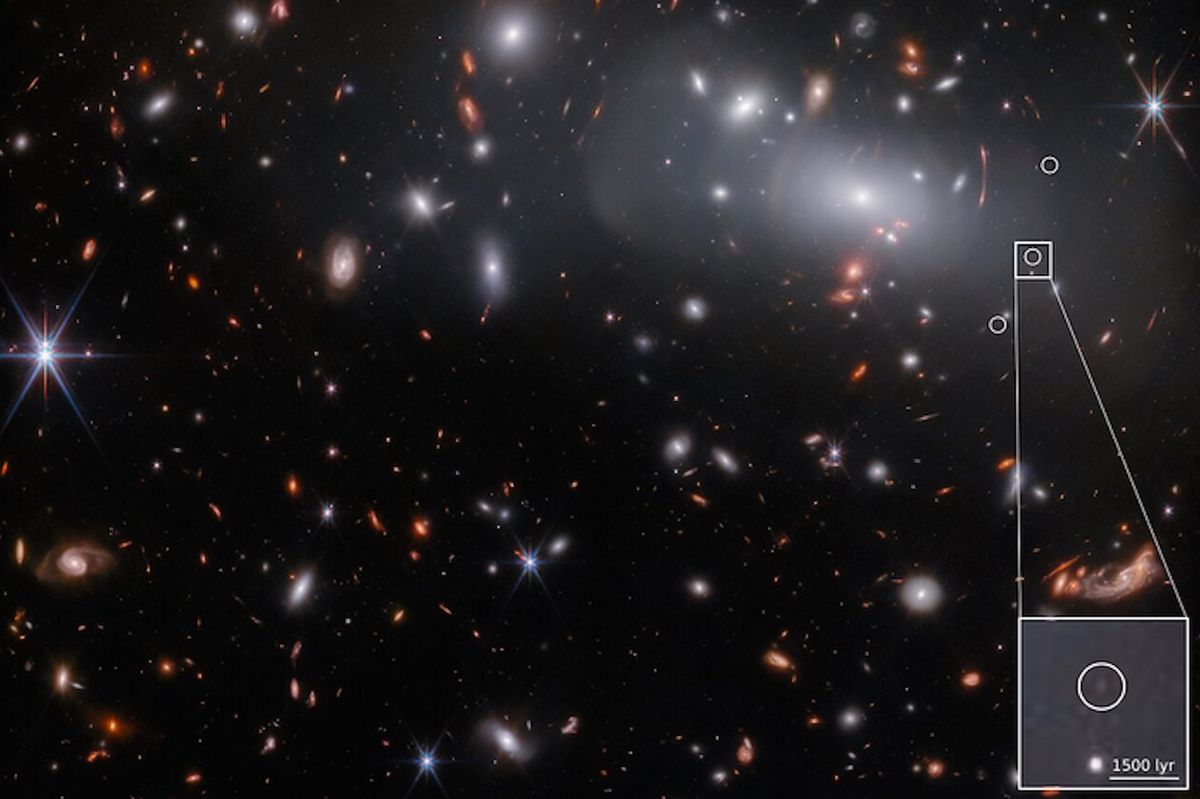
UCLA astrophysicists have discovered the faintest galaxy ever observed in the early universe, JD1, using NASA’s James Webb Space Telescope. This galaxy is one of the most distant galaxies known and was discovered through gravitational lensing. The James Webb Space Telescope will continue to help us uncover clues about the cosmic dark ages and the Epoch of Reionization era. JD1 was likely formed very close to the beginning of our universe, and these major discoveries will likely change the way we think about different aspects of the known universe.
NASA is considering deploying a radio telescope on the far side of the moon to detect faint radio waves emitted by hydrogen atoms during the "Cosmic Dark Ages," a period when the universe was filled with hydrogen gas and no visible or infrared light could escape. The agency is currently working on a small instrument called LuSEE-Night to test the feasibility of a moon telescope, and is also funding the development of larger lunar telescopes, including the FarView Observatory and the Lunar Crater Radio Telescope. However, concerns about radio interference from other lunar missions have led astronomers to urge the United Nations to protect part of the moon's far side as an internationally protected area.
Using the James Webb Space Telescope (JWST), astronomers have observed an ultra-faint galaxy in the cosmic dark ages, providing insights into the early universe. The galaxy, located 13 billion light-years away, was detected using spectroscopy and photometric redshift analysis. The observations suggest that the galaxy formed stars at a high rate in its early history, but then stopped abruptly. The findings shed light on the processes that shaped the early universe and the formation of galaxies.
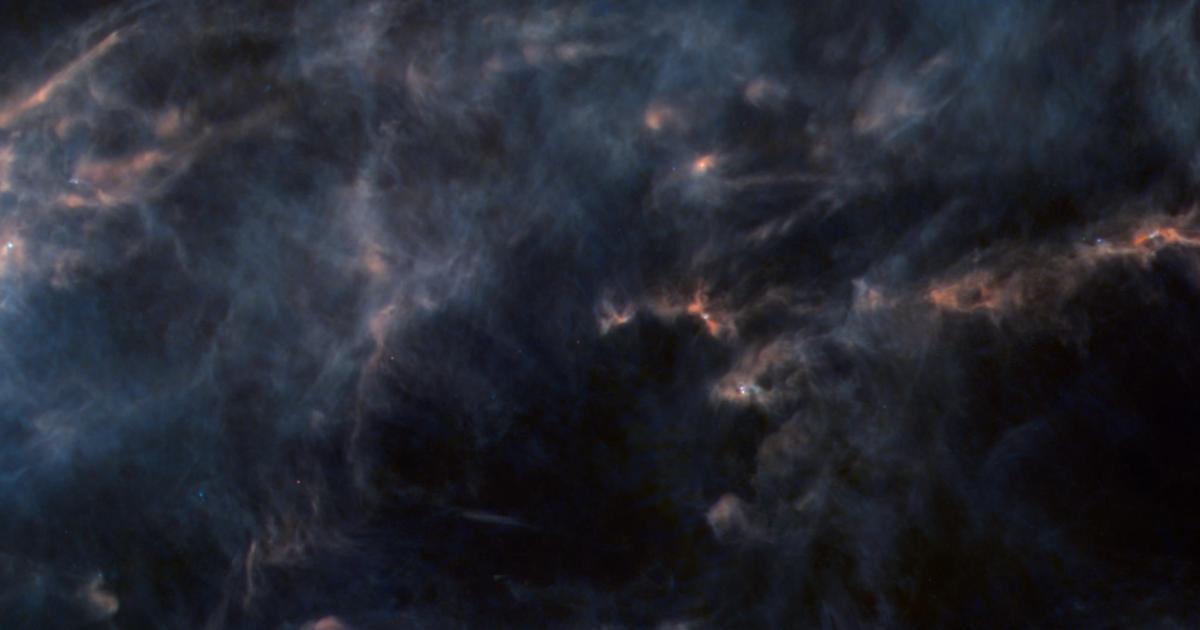
The early universe, known as the Cosmic Dark Ages, was devoid of light sources, consisting of a hot soup of subatomic particles that formed ionized atoms. As it cooled, these atoms became neutral, allowing light to travel freely. This era transitioned to the epoch of reionization, where ultraviolet light ionized these atoms again. The source of this UV light is still under investigation. Advances in technology have enabled astronomers to observe distant stars and early galaxies, yet many mysteries about the early universe remain. The Extremely Large Telescope, currently under construction in Chile, will be instrumental in understanding the early Universe.
The James Webb Space Telescope has discovered a tiny galaxy in the early universe that is growing rapidly as it forms stars at a tremendous rate, revealing more about the progenitors of galaxies such as our own. The galaxy, referred to as RX J2129-z95, is seen at a redshift of 9.51, meaning that we are seeing it as it existed just 510 million years after the Big Bang. Despite being tiny compared to the Milky Way, RX J2129-z95's rate of star formation is the same as our galaxy's, meaning it is much more intense. The findings were published on April 13 in the journal Science.