Tag

47 Tucanae

All articles tagged with #47 tucanae

astronomy2 years ago

"Discovery of Radio Signal Emanating from Ancient Star Cluster"

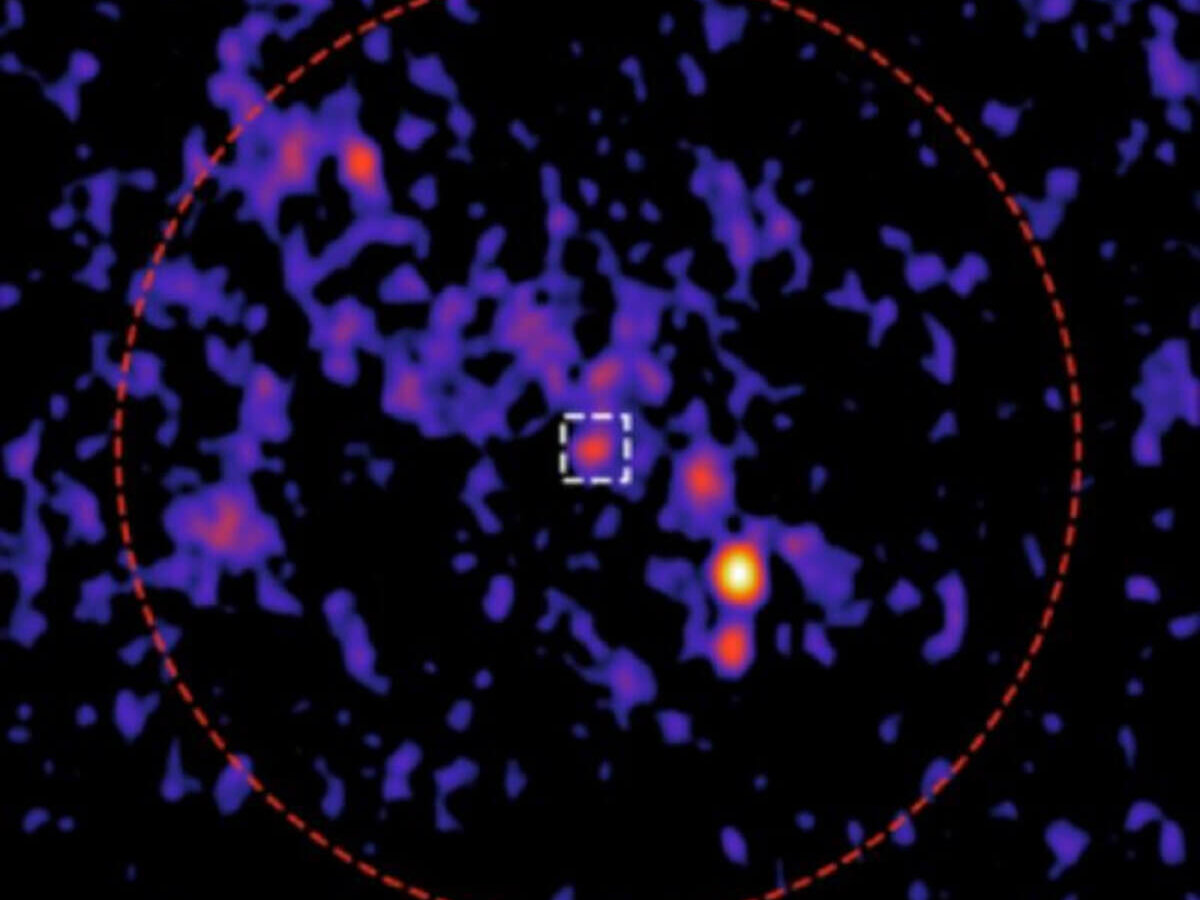
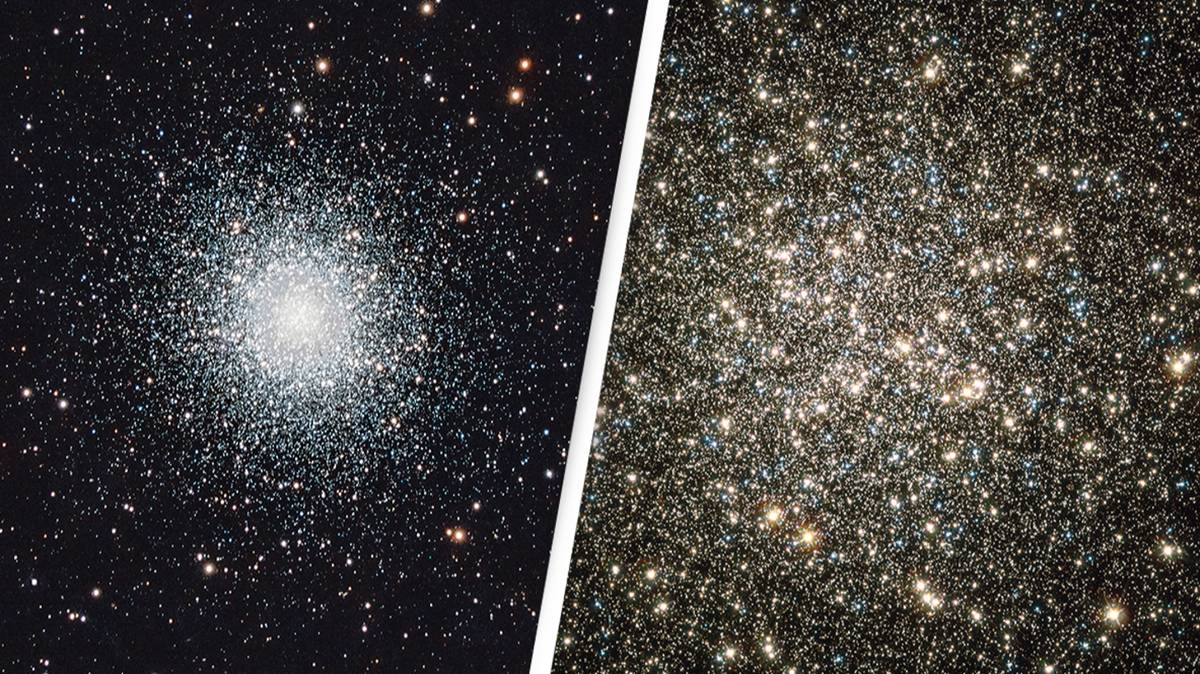
Scientists have detected a radio signal from the ancient star cluster 47 Tucanae, dating back to 1700, using advanced technology to create the most sensitive image of the cluster. The signal could indicate the presence of a black hole or a pulsar, potentially leading to significant discoveries. This breakthrough has pushed the boundaries of scientific capabilities and could provide valuable insights into the early universe.

astronomy2 years ago

"Uncovering a Mysterious Radio Signal from an Ancient Star Cluster"

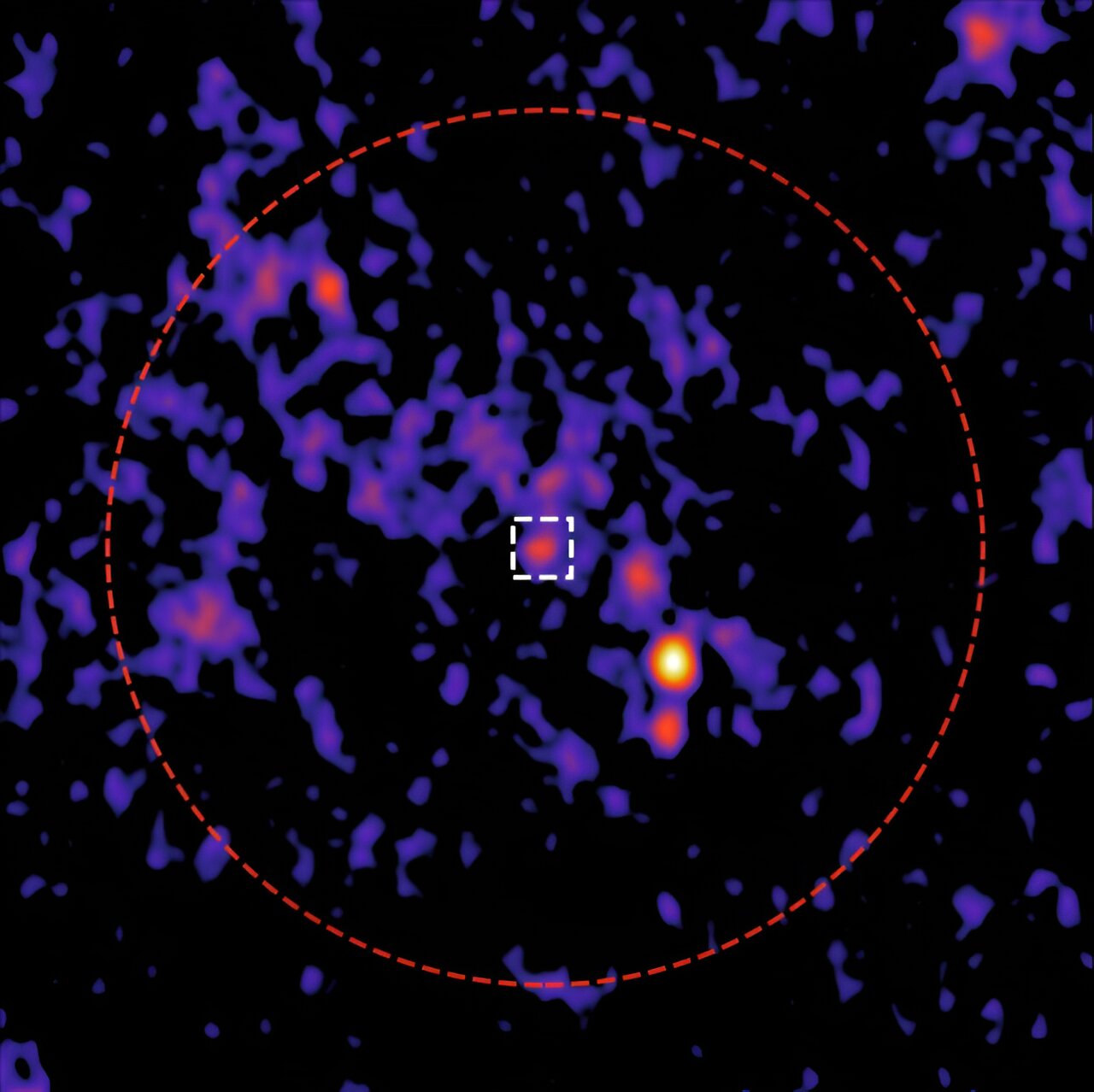
Scientists have discovered a radio signal within the ancient star cluster 47 Tucanae, using the most sensitive radio image to date created after over 450 hours of research and observations. The signal could indicate the presence of a black hole or a pulsar, potentially leading to a significant discovery and the first-ever radio detection of a black hole inside a cluster.

astronomy2 years ago

"Uncovering a Mysterious Radio Signal from an Ancient Star Cluster"

Astronomers have produced the most sensitive radio image ever of the ancient star cluster 47 Tucanae, revealing a previously undiscovered radio signal at its center. The image, created by a global team led by the Curtin University node of the International Centre for Radio Astronomy Research, was compiled from over 450 hours of observations using CSIRO's Australia Telescope Compact Array. The signal could potentially indicate the presence of an intermediate-mass black hole or a pulsar, and the research demonstrates the capabilities of current radio telescopes while hinting at the potential of future telescopes like the SKA.

astronomy2 years ago

"Mysterious Radio Signal Detected in Ancient Star Cluster"

Scientists have detected a new radio signal originating from the center of the ancient star cluster 47 Tucanae, using the most sensitive radio image ever created of a globular cluster. The signal could potentially be from a black hole or a pulsar, marking a significant discovery if confirmed. This breakthrough was achieved through over 450 hours of observations using the CSIRO’s Australia Telescope Compact Array, and it paves the way for future discoveries with the upcoming SKA radio telescopes.