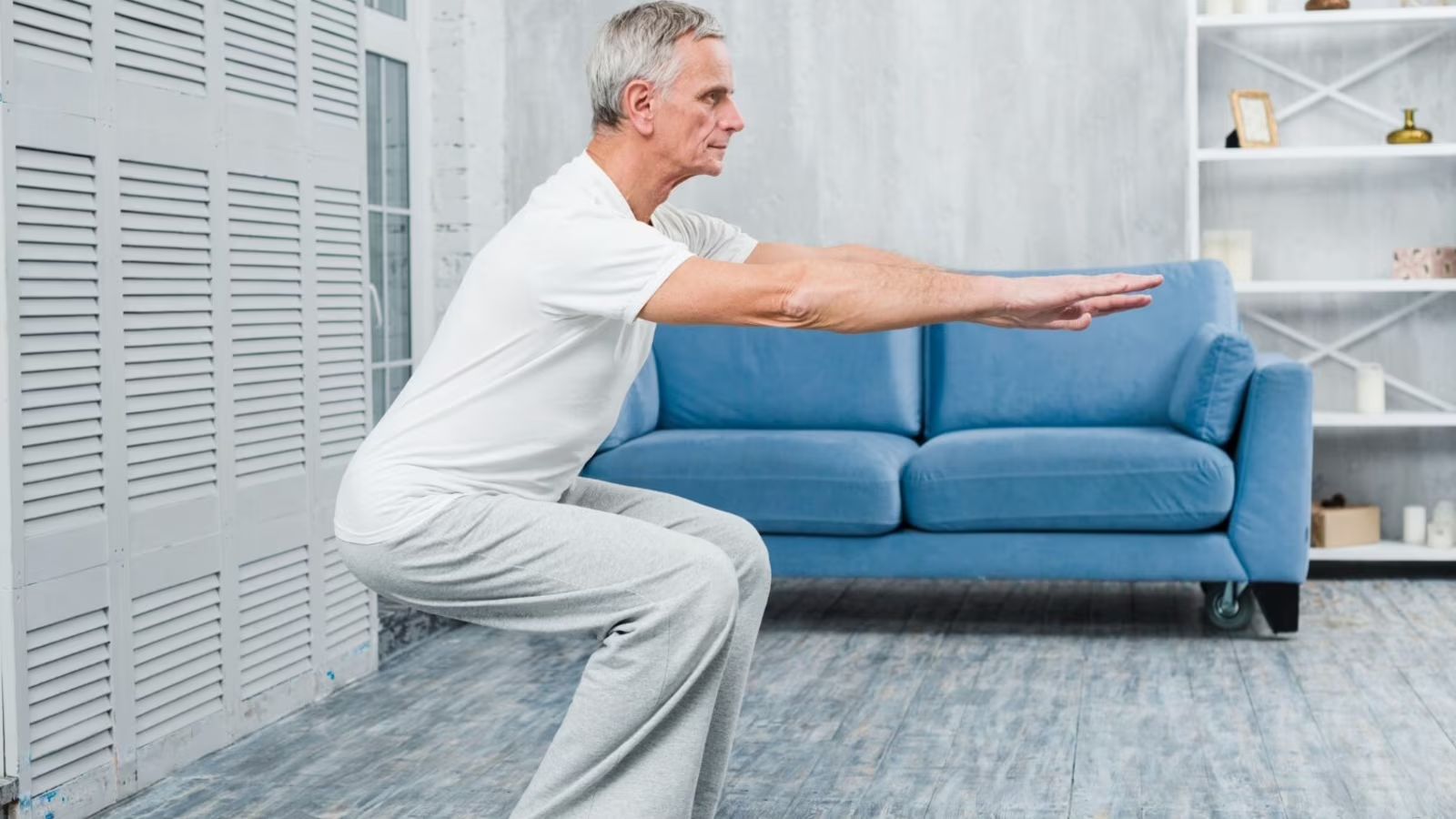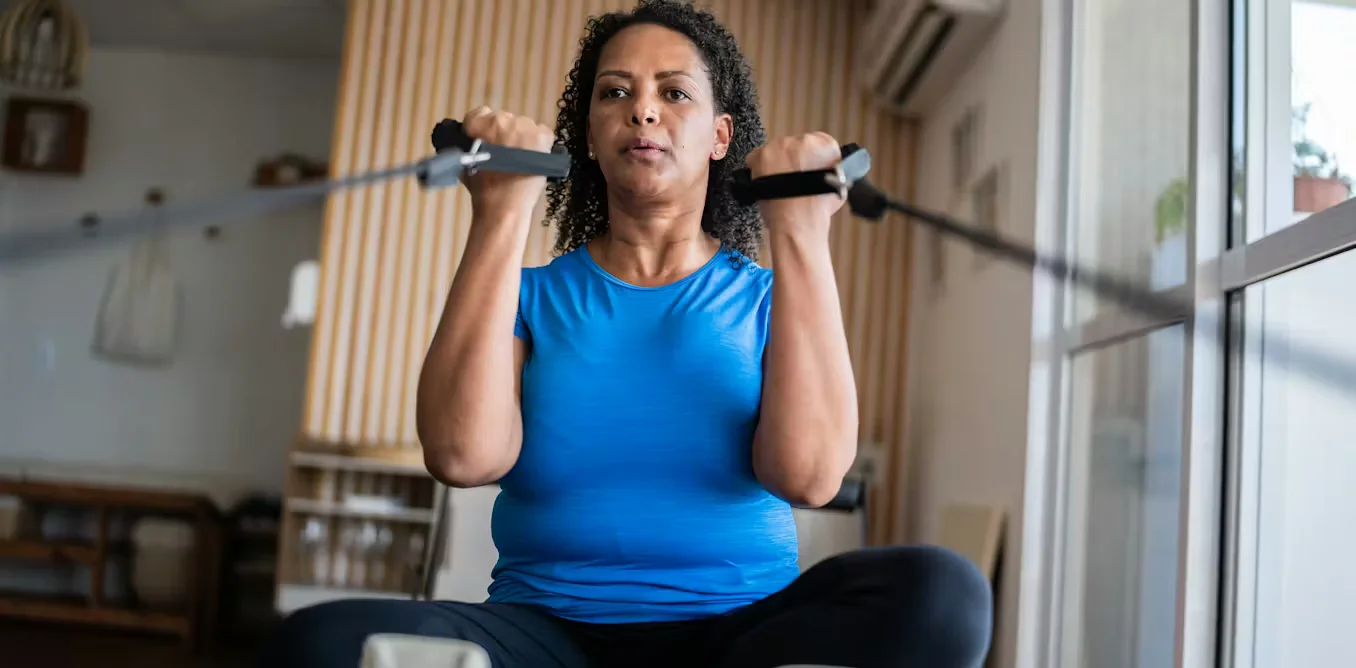
Gentle physiotherapy exercises like chair squats, wall push-ups, brisk walking, heel-to-toe walk, and supported one-leg stands can help older adults improve mobility, strength, and balance, thereby reducing fall risk. These exercises should be tailored to individual energy levels and performed regularly with proper precautions, ideally under professional guidance.
A study published in The Lancet found that regular walking, combined with physiotherapist-guided education, can significantly reduce the recurrence of low back pain and is cost-effective. The Australian WalkBack program showed that participants who walked regularly had fewer repeat episodes and longer periods before recurrence compared to a control group. The study highlights the benefits of walking and education in managing low back pain, though further research is needed to evaluate its effectiveness across diverse populations.
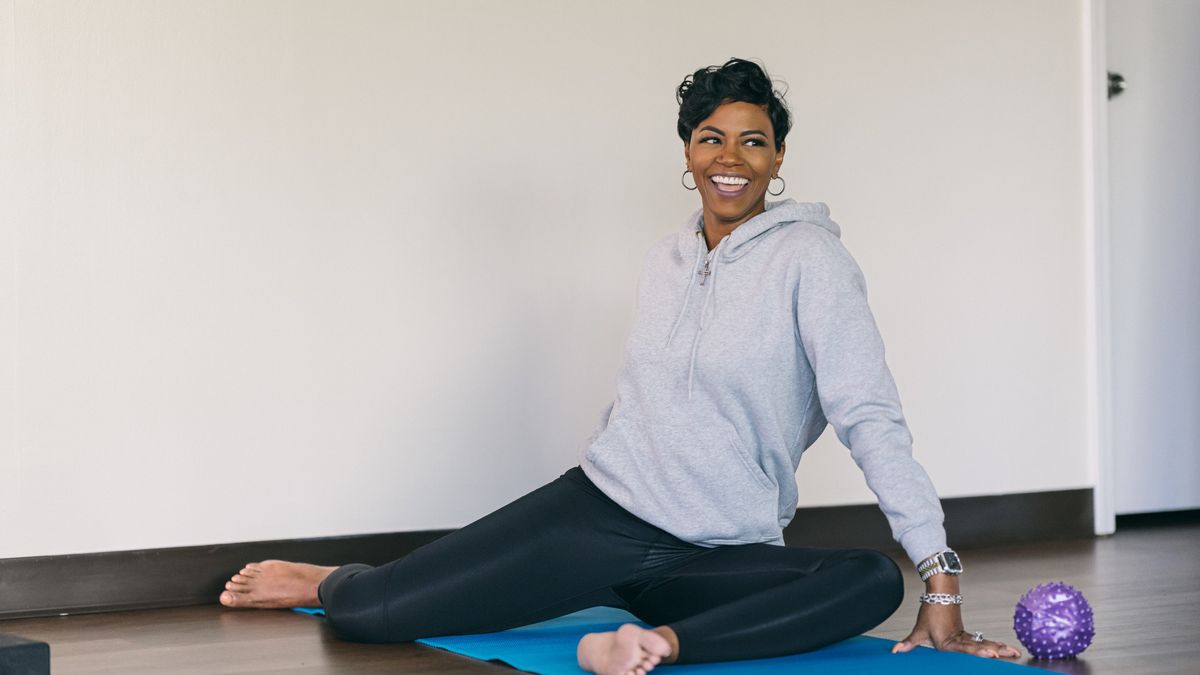
Physiotherapist Sam Caddick recommends the supported 90/90 rotation exercise to improve hip mobility, especially for those with stiff hips from prolonged sitting or aging. This drill helps practice both internal and external hip rotation, identifying weaknesses and enhancing overall joint flexibility.
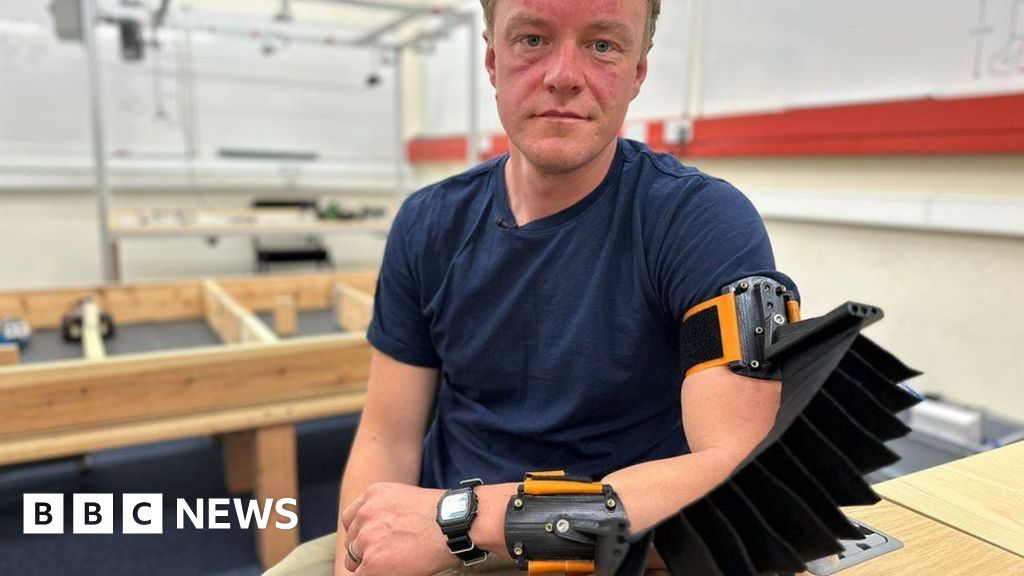
A PhD student at the University of Aberdeen is developing a "Soft Robo Arm" to aid stroke patients in their recovery by allowing them to perform essential repetitive movements at home without a physiotherapist. The lightweight and affordable device, which uses air-inflated material to mimic muscle movements, is still in the development phase and will undergo extensive testing before clinical trials.
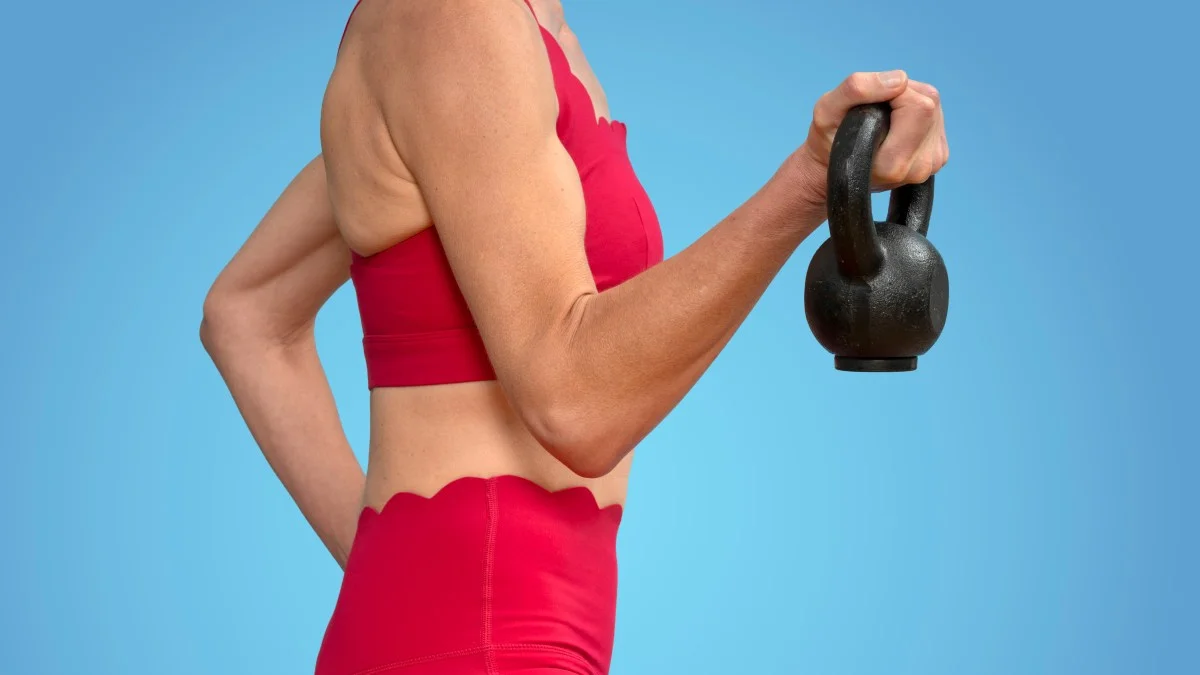
To maintain healthy joints, experts recommend full-body strength training, regular movement breaks, shoulder and grip exercises, proper footwear, and changing posture every 30-40 minutes when seated to avoid discomfort and pain.
Gemma Cooke, a 45-year-old fitness instructor, shares her struggles with bladder weakness despite her active lifestyle and physical fitness. She experienced incontinence incidents while exercising, teaching classes, and even sneezing, leading her to limit water intake and wear pads. After trying various methods without success, she discovered a PelviPower chair at a physiotherapy clinic, which significantly improved her condition after several sessions. Gemma encourages other women facing similar issues to seek professional help and consider pelvic floor strengthening treatments.
Physiotherapist and nutritionist Rebecca Pinto provides advice on relieving knee pain, restless legs syndrome, tingling sensation in the legs, post-knee surgery physiotherapy, leg muscle imbalance, and back stiffness. She recommends strengthening specific muscle groups, using heat or cold packs, practicing good sleep hygiene, getting an orthopaedic consultation, and considering a change in sleeping surface. However, it is important to consult a qualified health professional for personalized advice and not rely solely on online information.
Knuckle-cracking does not appear to cause arthritis, according to a doctor who cracked the knuckles of his left hand for 50 years without developing the condition. The satisfying pop of a knuckle crack is believed to come from small bubbles in the synovial fluid surrounding the joint. While occasional joint cracking is normal, persistent pain, swelling, or deformity may indicate an injury or arthritis and should be checked by a health professional. Overdoing knuckle-cracking can lead to acute injuries, as described in a report by a hand surgeon.
Physiotherapist Kieran Sheridan shares five effective exercises to burn belly fat from home. These exercises include leg lifts, toe touches, standing leg lifts, bicycle crunches, and squat thrusts. Sheridan provides detailed instructions for each exercise, emphasizing proper form and technique. These exercises can help individuals stay trim and maintain their fitness during the indulgent holiday season.
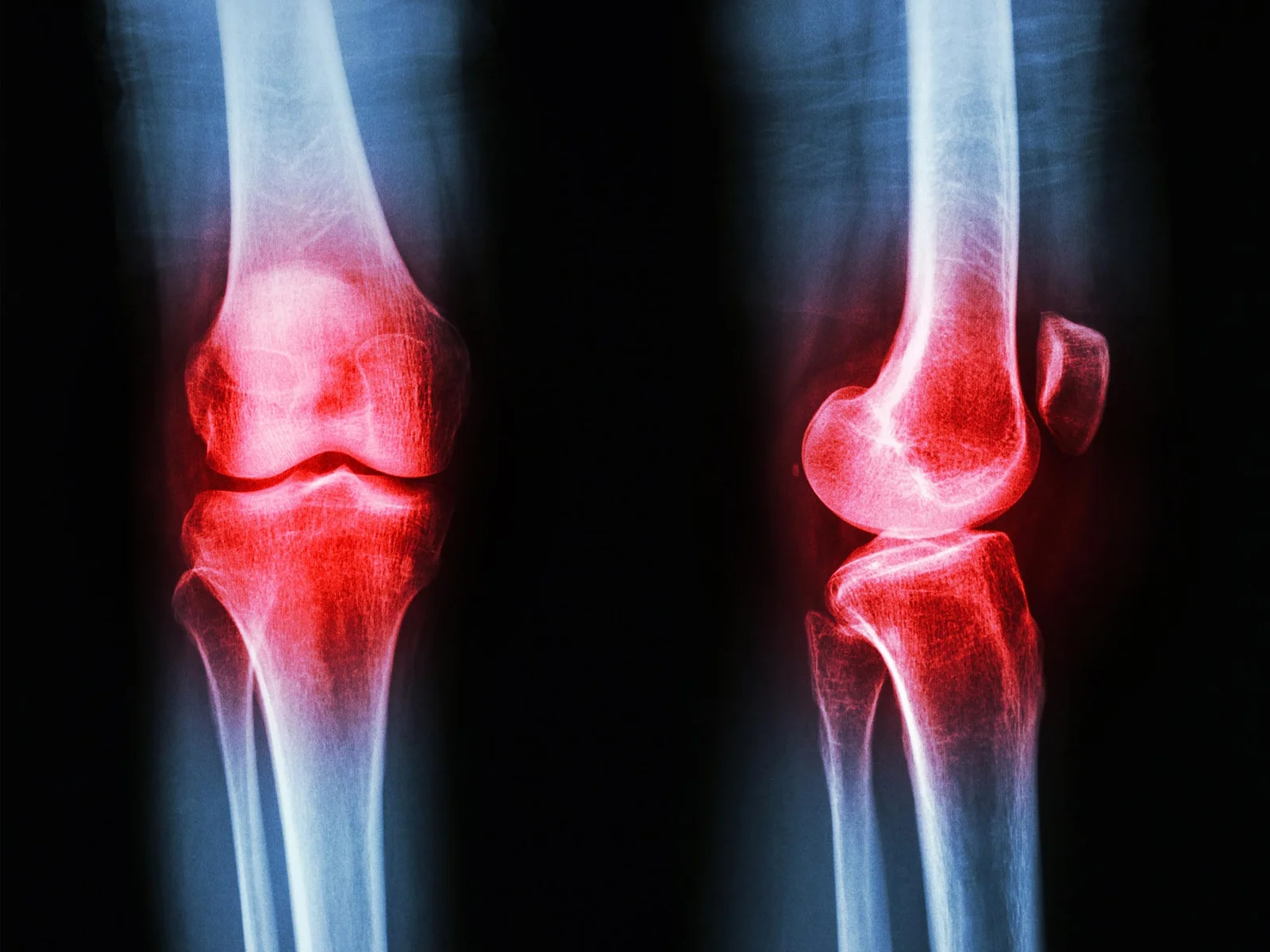
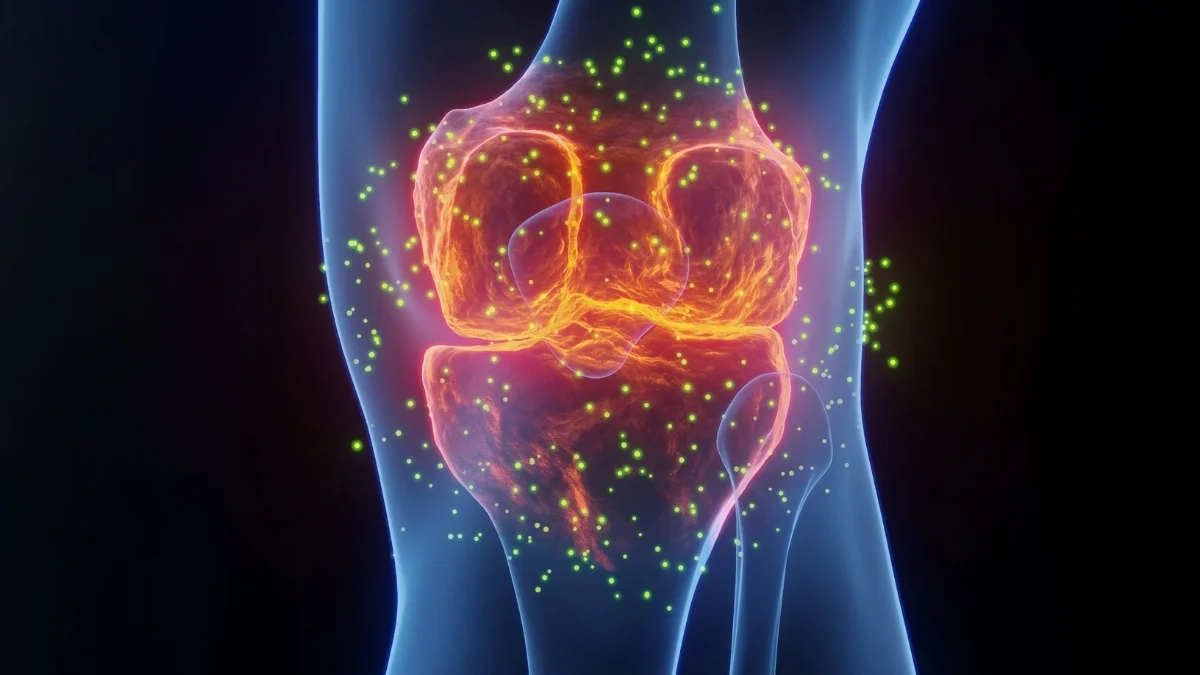
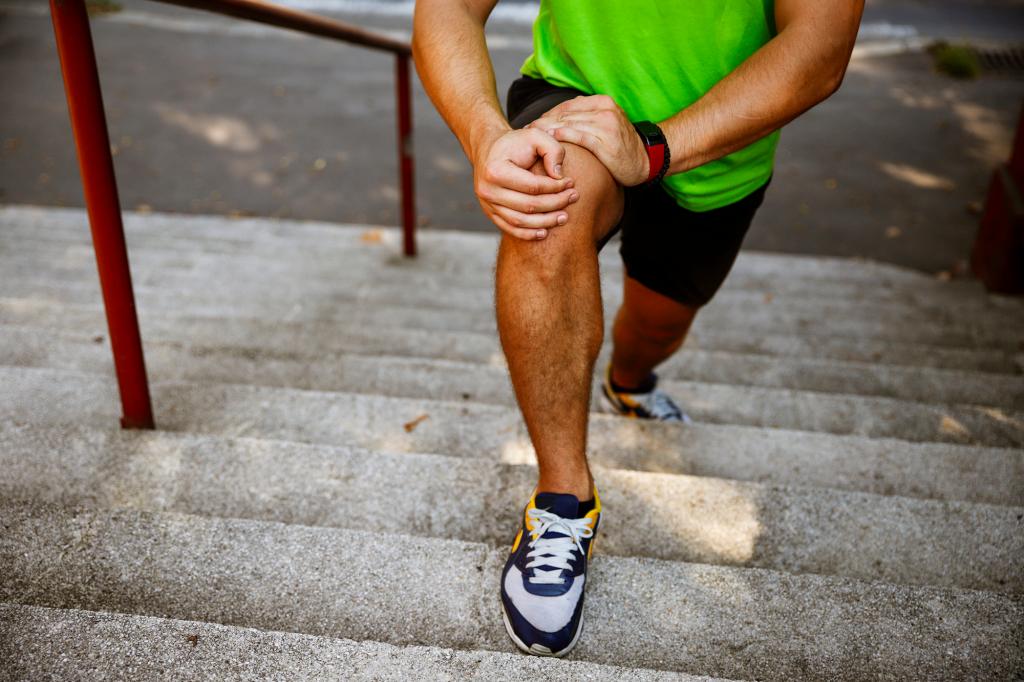
Knee pain is a common problem that can be caused by various factors such as injury, arthritis, or weak muscles. While younger individuals may experience knee pain due to sports injuries or sudden movements, those over 40 are more likely to have arthritis-related knee pain. Swelling, pain, and stiffness are common symptoms of knee arthritis. Basic exercises, including muscle strengthening and stability exercises, can significantly help alleviate knee pain. Surgery should be considered as a last resort for severe cases of knee arthritis. It is important to consult a doctor if knee pain worsens or does not improve.
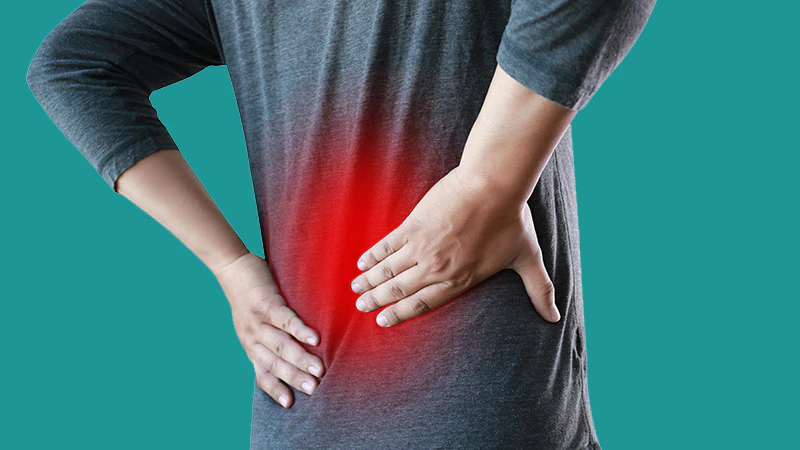
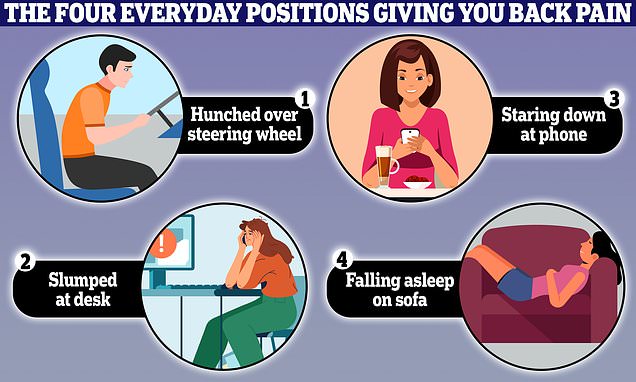
Physiotherapist Sammy Margo has identified four everyday positions that can cause back pain, including slumping at a desk, hunching over a phone, falling asleep on a sofa, and hunching over a steering wheel. To prevent back pain, Margo recommends maintaining good posture, taking regular breaks, stretching, exercising, and using hot, cold, or anti-inflammatory treatments. She also advises sitting with your ear, shoulder, and hip in line, with shoulders rested, and having your screen right in front of you at eye level.
Mark Consuelos had to pixelate his bulge during a physiotherapy session on "Live With Kelly and Mark" to play it safe for daytime TV audiences. The actor had injured himself playing soccer and wore tight athletic shorts to get treated. Consuelos explained that he didn't need to pixelate it, but he did it to avoid any uproar. Kelly Ripa was so unprepared for the sight that she ended up crying in laughter.
Jeremy Renner's miraculous recovery from a near-fatal accident on New Year's Day has been attributed to his fighter spirit and motivation to heal by his physiotherapist, Dr. Christopher Vincent. Despite suffering from over 30 broken bones, blunt force trauma to the chest, and a split open head, Renner remained conscious and aware throughout the ordeal. In a recent interview with Diane Sawyer, Renner admitted his mistake of leaving the Sno-Cat's engine running but also said he would go through it all again to save his nephew. Renner's journey of healing and recovery has drawn praise from across the world, and he is defying all human capabilities in the process.