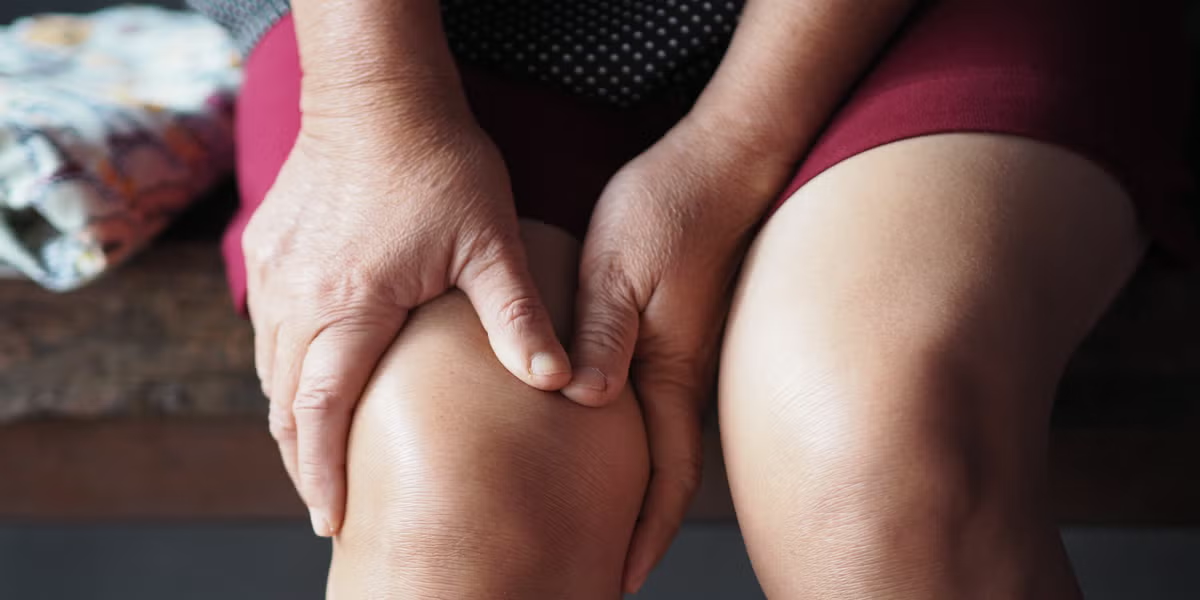
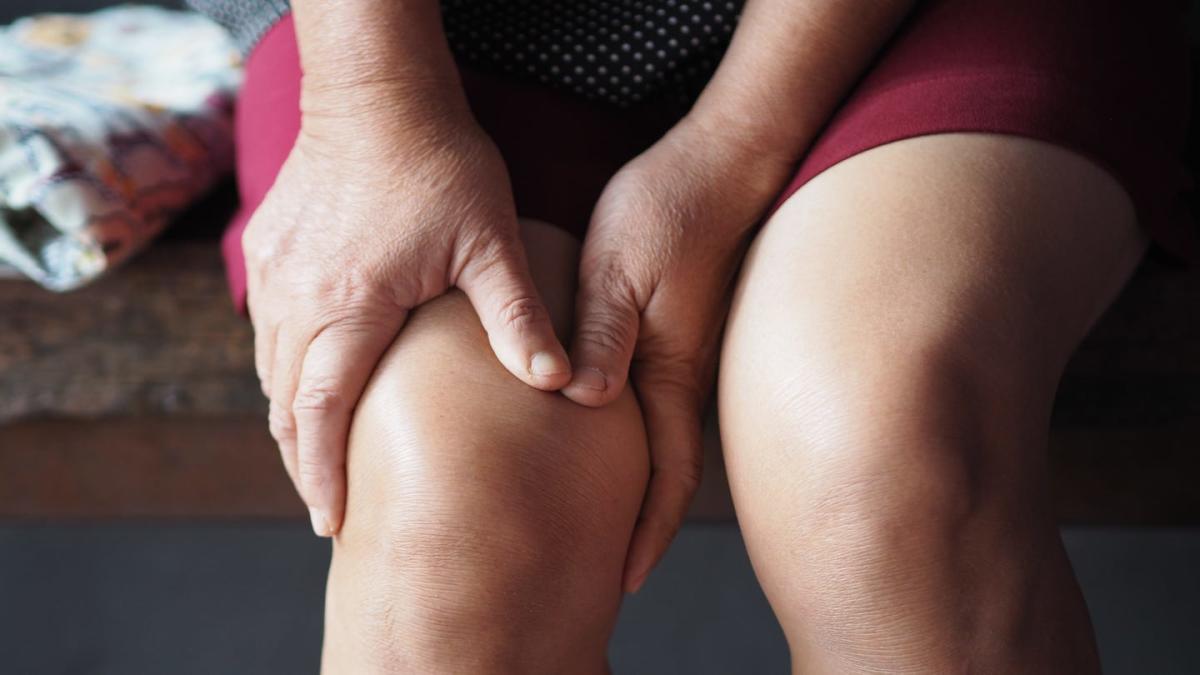
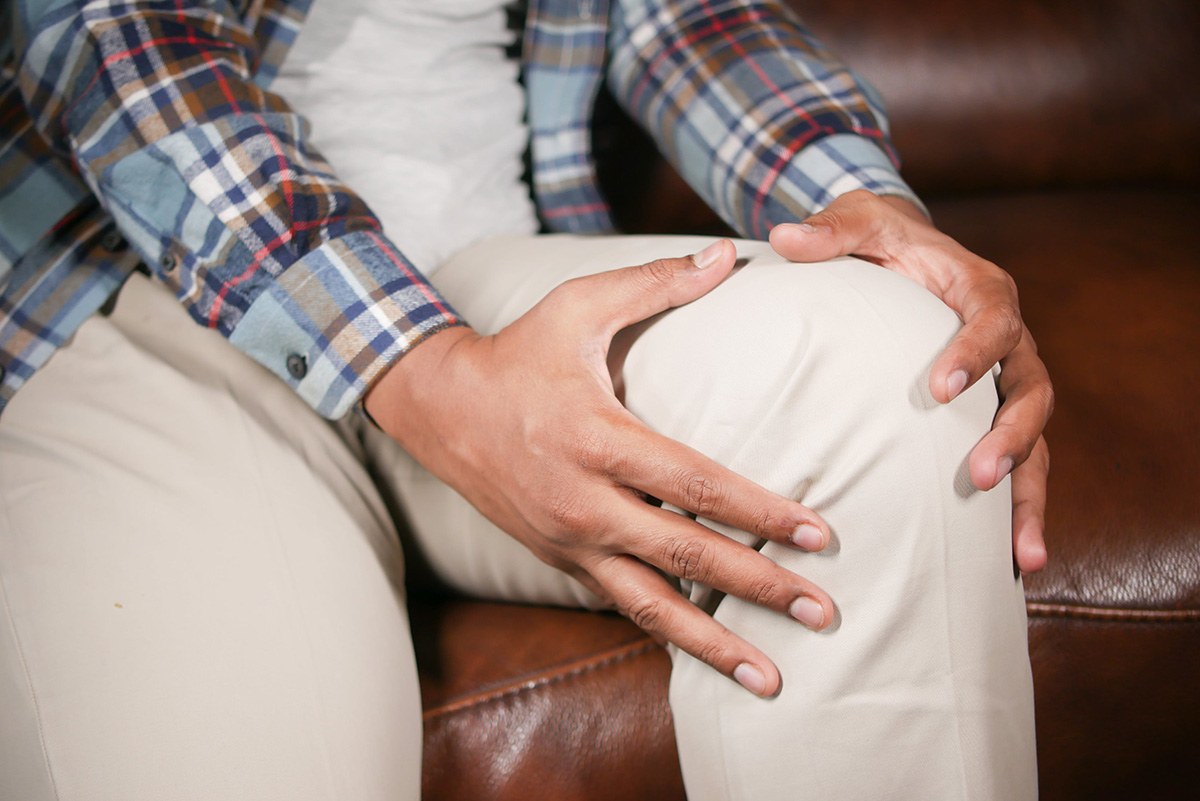
Winter can worsen knee pain due to reduced blood flow, muscle tightness, and decreased activity; maintaining warmth, exercising gently, strengthening muscles, and proper nutrition can help manage symptoms and keep knees healthy during colder months.
Aerobic exercise, such as walking, cycling, and swimming, can significantly reduce knee pain, improve mobility, and enhance quality of life for those with osteoarthritis, with low to moderate-impact activities recommended for managing symptoms effectively.
A comprehensive review of over 200 studies has found that aerobic exercises like walking, cycling, and swimming are the most effective for relieving knee pain and improving mobility in adults over 45 with osteoarthritis, with these activities showing the best short- and long-term outcomes.
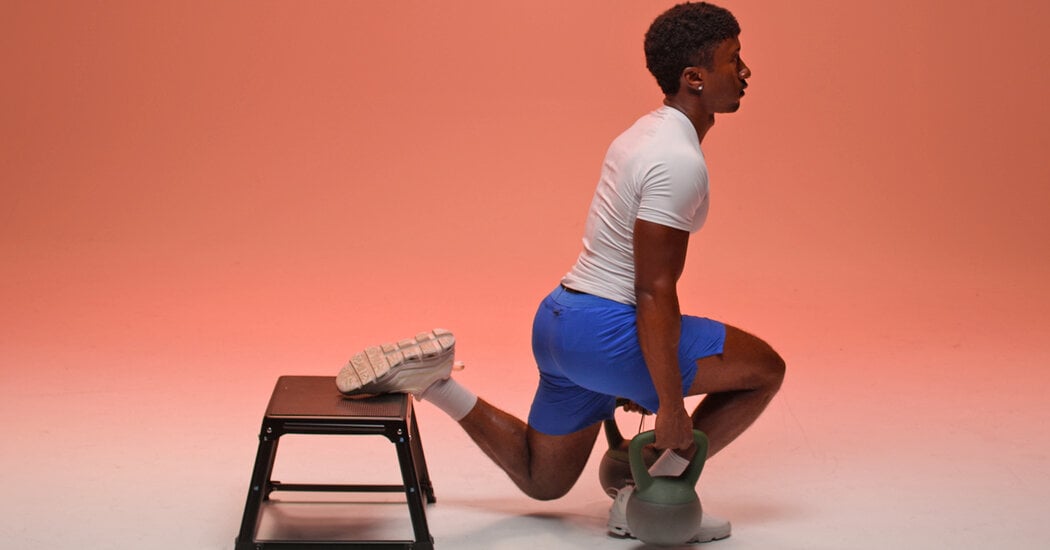
A weekly workout focusing on strengthening the muscles around the knees can help prevent or reduce knee pain, which is common due to overuse or osteoarthritis. Maintaining muscle strength, flexibility, healthy weight, and proper footwear are key strategies for knee health.
A physical therapist recommends isometric holds as a safe and effective way to reduce knee pain and strengthen the muscles around the knee, particularly the quadriceps, which help stabilize the kneecap. These exercises involve holding positions without joint movement and can be performed with minimal equipment, providing immediate pain relief and aiding in long-term recovery when done regularly and with professional guidance.
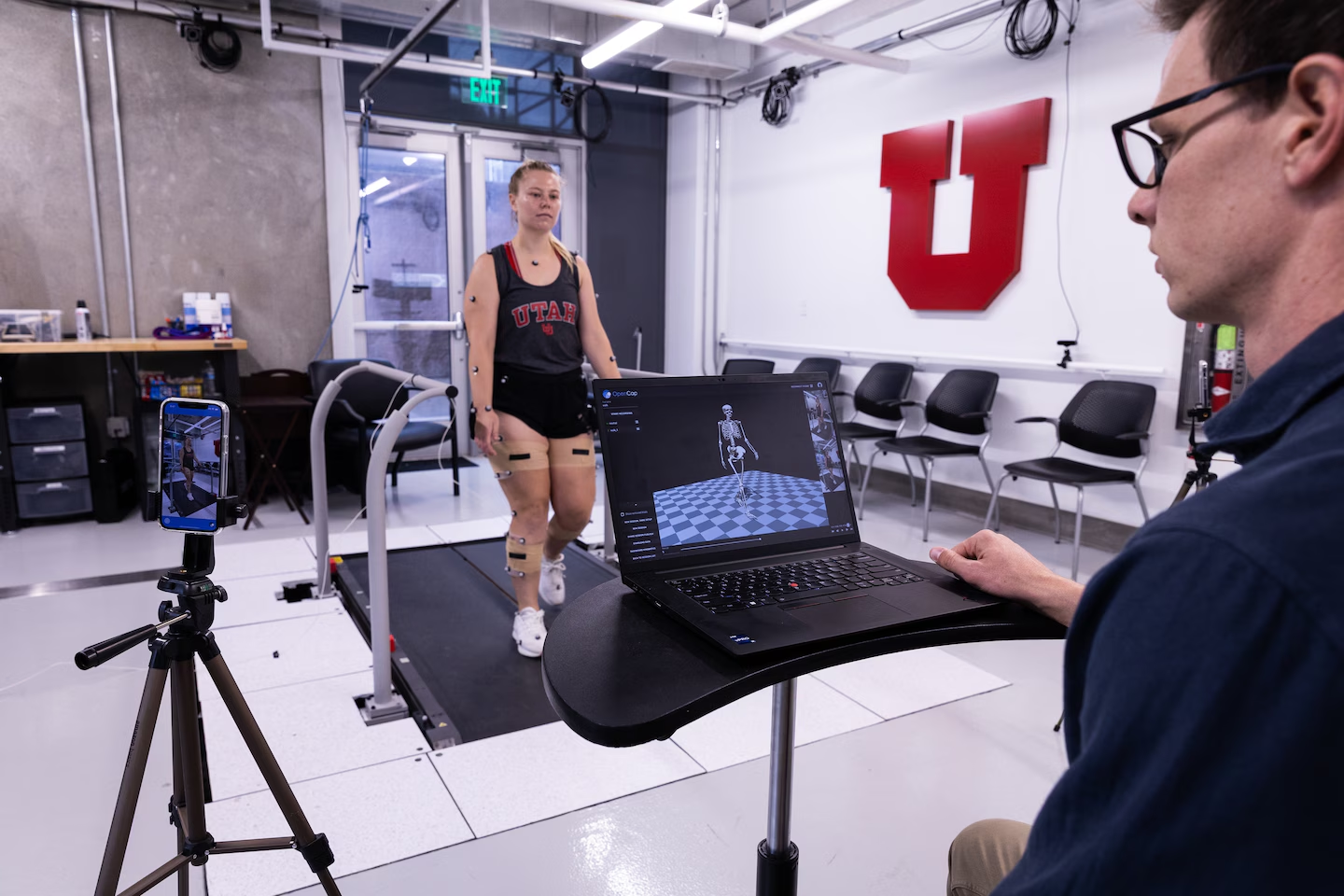
A study published in The Lancet Rheumatology demonstrates that personalized gait retraining, involving small adjustments to foot angle during walking, can significantly reduce knee pain and slow cartilage degradation in people with mild-to-moderate osteoarthritis, offering a drug- and surgery-free treatment option.
A recent study found that a slight change in walking gait, such as pointing toes in or out, can significantly reduce knee pain in adults with osteoarthritis, offering relief comparable to over-the-counter medications.
A study suggests that changing the way you walk by adjusting the foot angle can significantly reduce knee osteoarthritis pain and slow cartilage degeneration, offering a potential alternative to medication, though it requires specialized training and technology for effective implementation.
A study suggests that changing the angle of your feet while walking can reduce knee osteoarthritis pain and slow cartilage degeneration, offering a potential non-pharmacological treatment option that could be as effective as medication, though it requires specialized training and technology for implementation.
A person experienced severe knee pain after taking OTC allergy medication levocetirizine, which resolved upon discontinuation, highlighting a rare side effect and the importance of awareness about medication reactions.
Pilates can be an effective exercise regimen for alleviating knee pain, which affects about 25% of adults. Common causes of knee pain include osteoarthritis, injuries, and muscle imbalances. Pilates helps by strengthening the muscles supporting the knee, improving alignment, and enhancing flexibility. While not a cure-all, incorporating specific Pilates exercises can reduce knee pain by 20% to 30%. Experts recommend complementing these exercises with proper footwear, adequate protein intake, and maintaining an active lifestyle.
New research suggests that Ozempic, known for managing type-2 diabetes and aiding weight loss, may also reduce knee pain in osteoarthritis patients. A study showed that participants taking semaglutide, the active ingredient in Ozempic, experienced significant pain reduction compared to a placebo group. Experts believe the pain relief is primarily due to weight loss, which reduces stress on joints, but it may also involve anti-inflammatory effects. This finding could make Ozempic a potential treatment option for osteoarthritis-related knee pain.
New research suggests that Ozempic, known for managing type-2 diabetes and aiding weight loss, may also significantly reduce knee pain in people with osteoarthritis. A study found that participants taking semaglutide, the active ingredient in Ozempic, experienced a notable reduction in knee pain compared to those on a placebo. While weight loss is a likely factor, experts suggest Ozempic may also reduce inflammation, contributing to pain relief. This finding could make Ozempic a potential treatment option for osteoarthritis-related knee pain.
Knee strengthening exercises can help prevent cartilage degeneration, lower inflammation, and improve pain, stiffness, and joint dysfunction. Leg lifts, standing hamstring curls, hamstring curls on a weight bench, step exercises, single leg dips, and wall squats are effective exercises to strengthen the knees. Post-exercise stretching, including quadricep stretch, toe touches, and standing hamstring stretch, is essential for reducing soreness, improving recovery times, and increasing knee range of motion. These exercises are beneficial for people with knee pain or stiffness and can also be done preventatively, but it's important to consult a healthcare provider before starting a new exercise routine.
Physiotherapist and nutritionist Rebecca Pinto provides advice on relieving knee pain, restless legs syndrome, tingling sensation in the legs, post-knee surgery physiotherapy, leg muscle imbalance, and back stiffness. She recommends strengthening specific muscle groups, using heat or cold packs, practicing good sleep hygiene, getting an orthopaedic consultation, and considering a change in sleeping surface. However, it is important to consult a qualified health professional for personalized advice and not rely solely on online information.