A rising menopause tech market is drawing investment in wearables, apps and temperature-check devices like MyCelsius to help manage symptoms, signaling stigma reduction; however experts urge caution about hype and stress the need for solid, independently tested evidence.
Despite a long-standing pledge to phase out fax machines in the NHS, three trusts in England still use them, with plans to eliminate their use within the next year, highlighting ongoing challenges in digital modernization in healthcare.
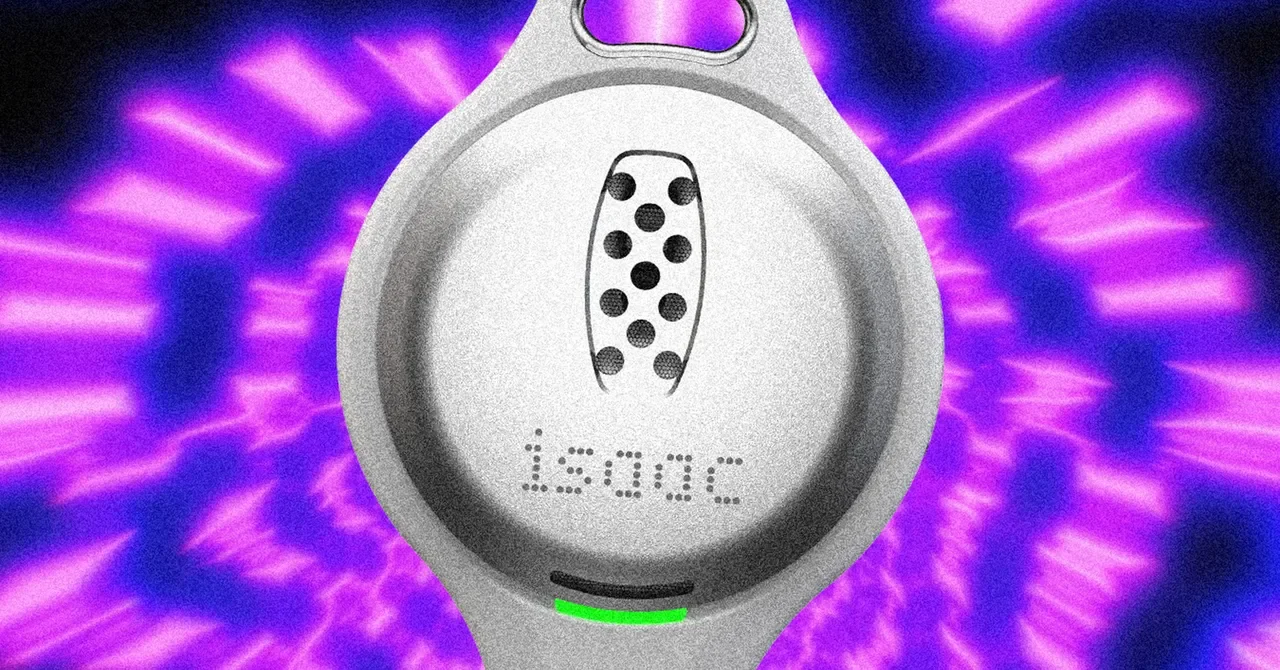
The article discusses the innovative PreEvnt Isaac device showcased at CES 2026, which noninvasively detects blood glucose levels by analyzing breath biomarkers, offering a significant improvement for diabetics and others needing continuous glucose monitoring. Currently in clinical trials and seeking FDA approval, the device aims to enhance quality of life by eliminating the need for finger pricks, especially for children and the elderly.
Advanced AI-powered fall detection systems in senior homes monitor residents' movements to predict and prevent falls, significantly improving safety and reducing injuries, as exemplified by Kathy Doyle's experience at The Bristal assisted-living facility.
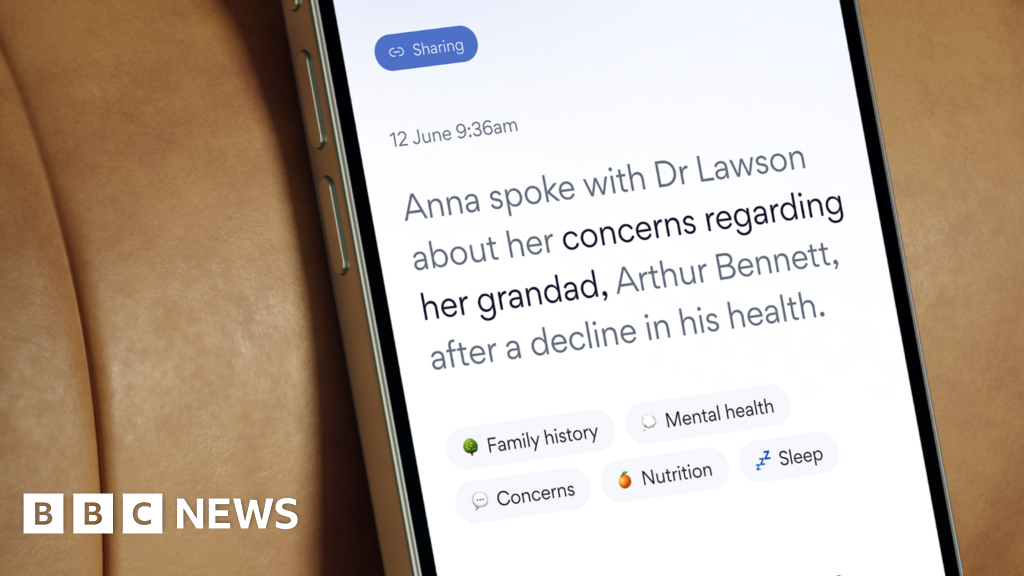
An app called Mirror, developed by Aide Health in Oxford, uses AI to record and summarize medical appointments, helping patients recall and share important information, inspired by the creator's concern for his father with Alzheimer's. The app currently works during in-person visits and aims to evolve into a proactive health advocate, ensuring better communication and understanding in healthcare.
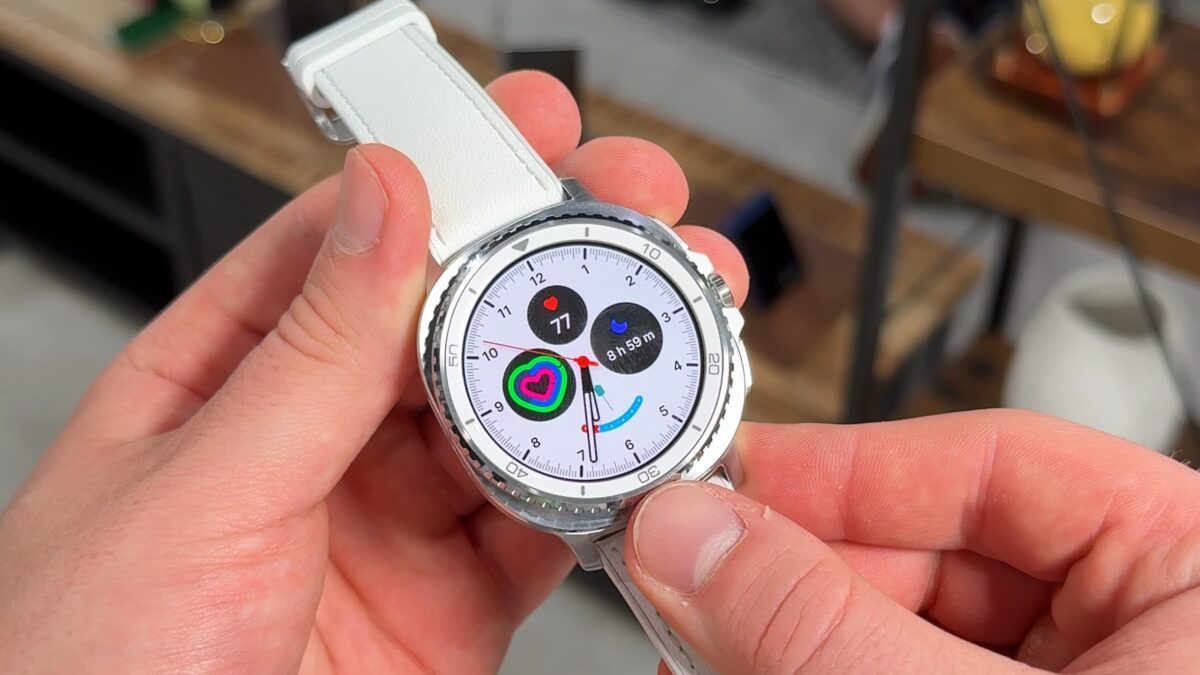
Samsung is developing AI-powered features for its Galaxy Watch to detect signs of heart failure, specifically Left Ventricular Systolic Dysfunction, using advanced ECG analysis in collaboration with Medical AI. The technology, already in use in South Korean hospitals, aims for early detection and improved treatment outcomes, pending regulatory approvals for global release.
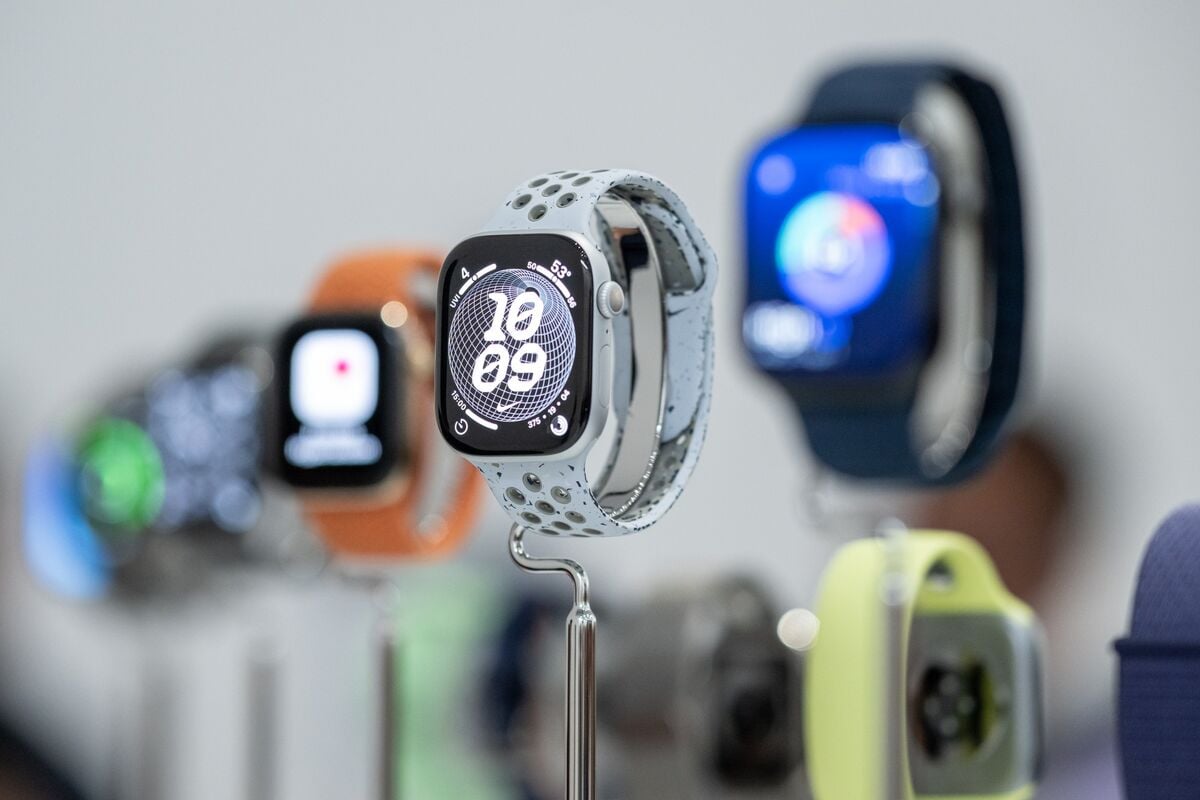
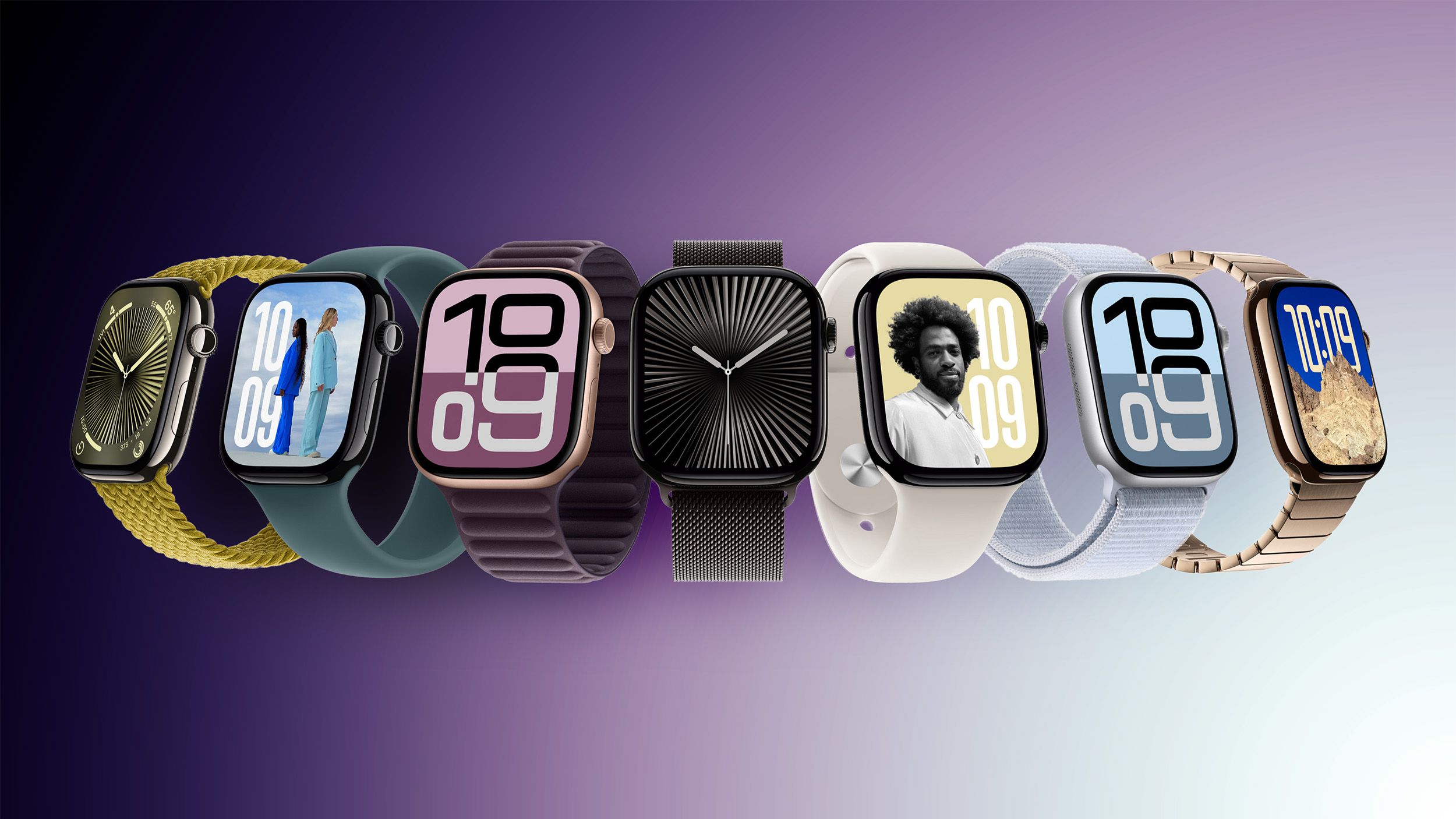
Apple announced that its hypertension detection feature for the Apple Watch, approved by the FDA, will be available next week in 150 countries, using optical heart sensor data to monitor blood vessel response and alert users to potential high blood pressure, expanding its health-focused features amid increasing competition.
Researchers at UCSC have developed Pulse-Fi, a system that uses existing Wi-Fi signals and machine learning to accurately measure heart rate without wearable devices, working reliably at various distances and positions, and potentially expanding to respiratory monitoring for health diagnostics.
The article discusses the rising trend of celebrities and influencers without diabetes wearing continuous glucose monitors (CGMs), raising concerns about their usefulness and potential risks for healthy individuals, as current evidence suggests limited benefits and possible psychological downsides. Experts warn that using CGMs without medical need may lead to unnecessary anxiety and restrictive behaviors, emphasizing the importance of consulting health professionals for personalized advice.
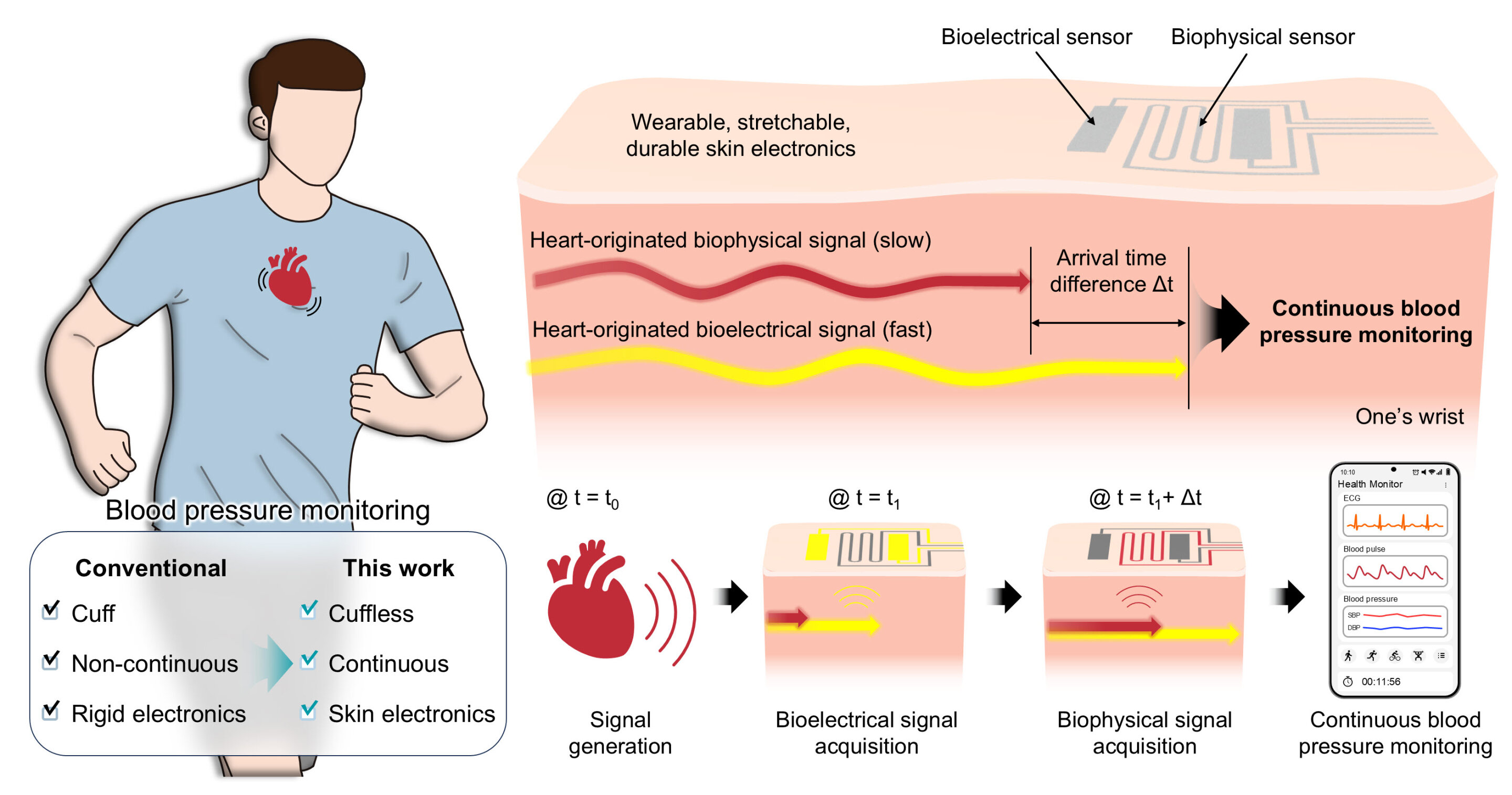
Researchers at Seoul National University have developed a flexible, bandage-like wearable device that uses liquid metal circuits and a novel laser sintering process to enable real-time, continuous blood pressure monitoring, offering a more comfortable and accurate alternative to traditional cuff-based methods, with potential applications in healthcare, fitness, and daily health management.
Continuous glucose monitors (CGMs), small devices that track blood sugar levels, are now approved for use by people without diabetes, sparking debate about their benefits. While they have revolutionized diabetes care and can help some individuals identify carbohydrate sensitivities or motivate healthier eating, evidence on their effectiveness for the general population is mixed. Experts warn that data can be confusing, inaccurate, or misleading, and emphasize the importance of proper interpretation and context. Overall, CGMs may be helpful for specific individuals but are not universally proven to improve health outcomes for those without diabetes.
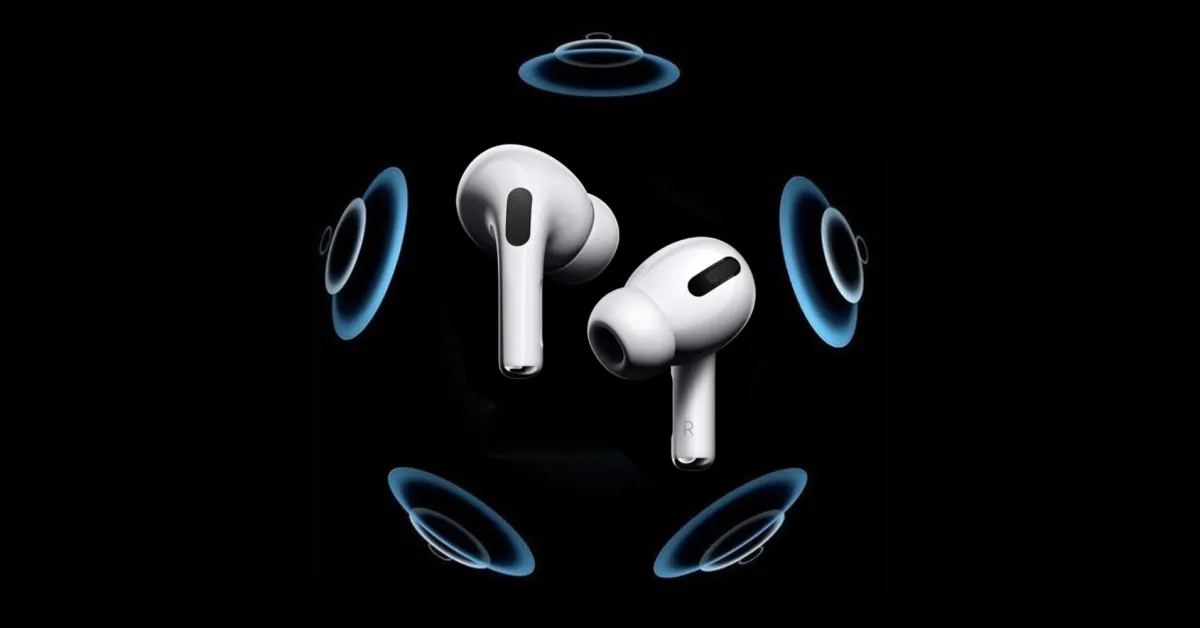
Apple's latest software update for AirPods Pro 2 introduces Hearing Protection, a feature that automatically reduces noise levels in loud environments across all noise modes, potentially helping to combat the global rise in hearing loss and marking a significant advancement in health-focused audio technology.
The FDA has launched its agency-wide AI tool, Elsa, ahead of schedule, aiming to streamline clinical protocol reviews and speed up regulatory processes, as highlighted by Commissioner Marty Makary.
Apple is developing a blood pressure monitoring feature for the Apple Watch, potentially launching in 2025. This feature will track blood pressure trends and alert users to possible hypertension, allowing them to seek medical advice. While not providing exact measurements, it aims to aid early detection of high blood pressure, a condition often without symptoms. Apple is also working on noninvasive blood glucose monitoring, though it's not ready for release.
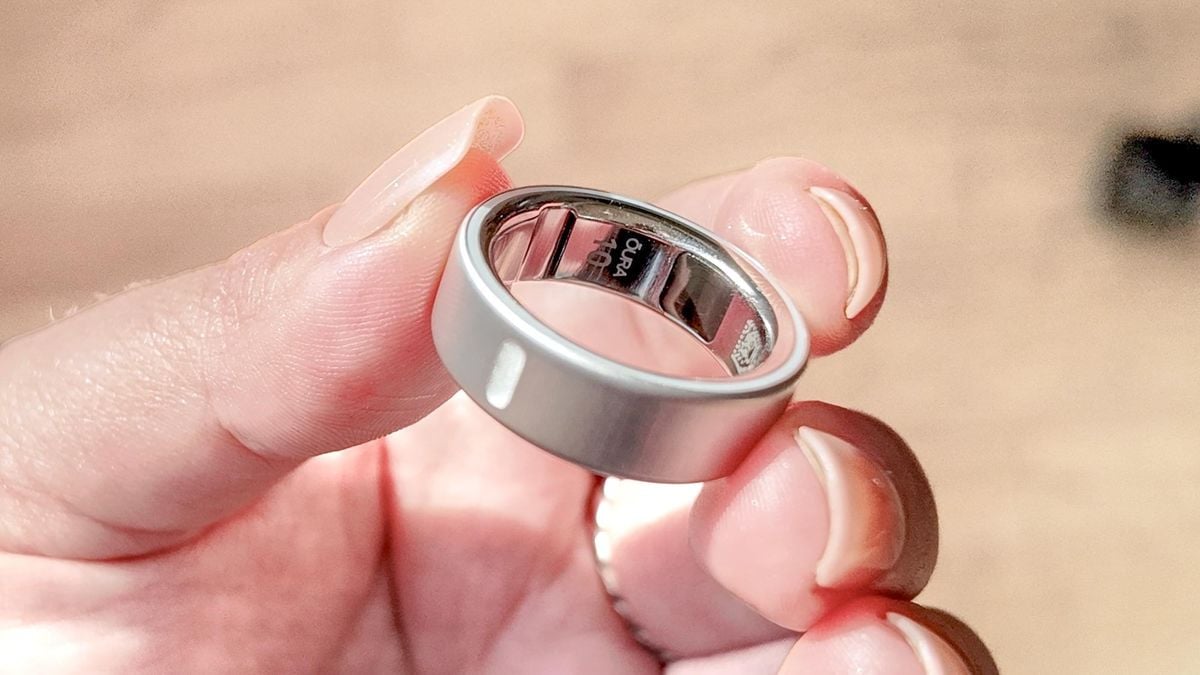
Oura has introduced a new feature called Symptom Radar for its smart rings, which analyzes biometric data to detect early signs of respiratory strain, such as colds and flu. This feature, available to Oura Ring 3 and 4 users, assesses metrics like heart rate variability and temperature against personal baselines to alert users of potential health issues. It encourages users to activate Rest Mode for recovery when deviations are detected. The feature, developed from the TemPredict initiative, highlights Oura's commitment to health monitoring with high accuracy.