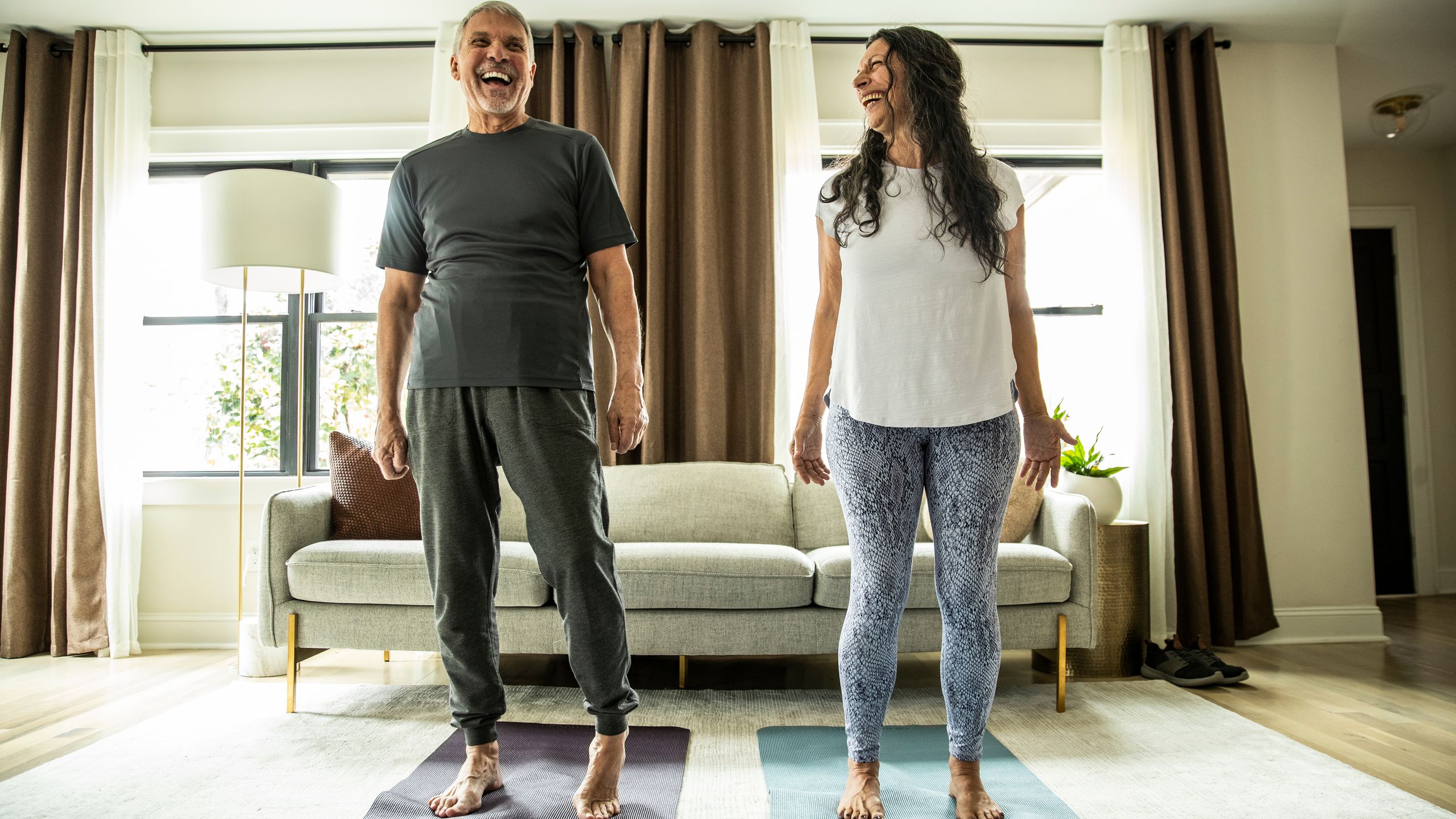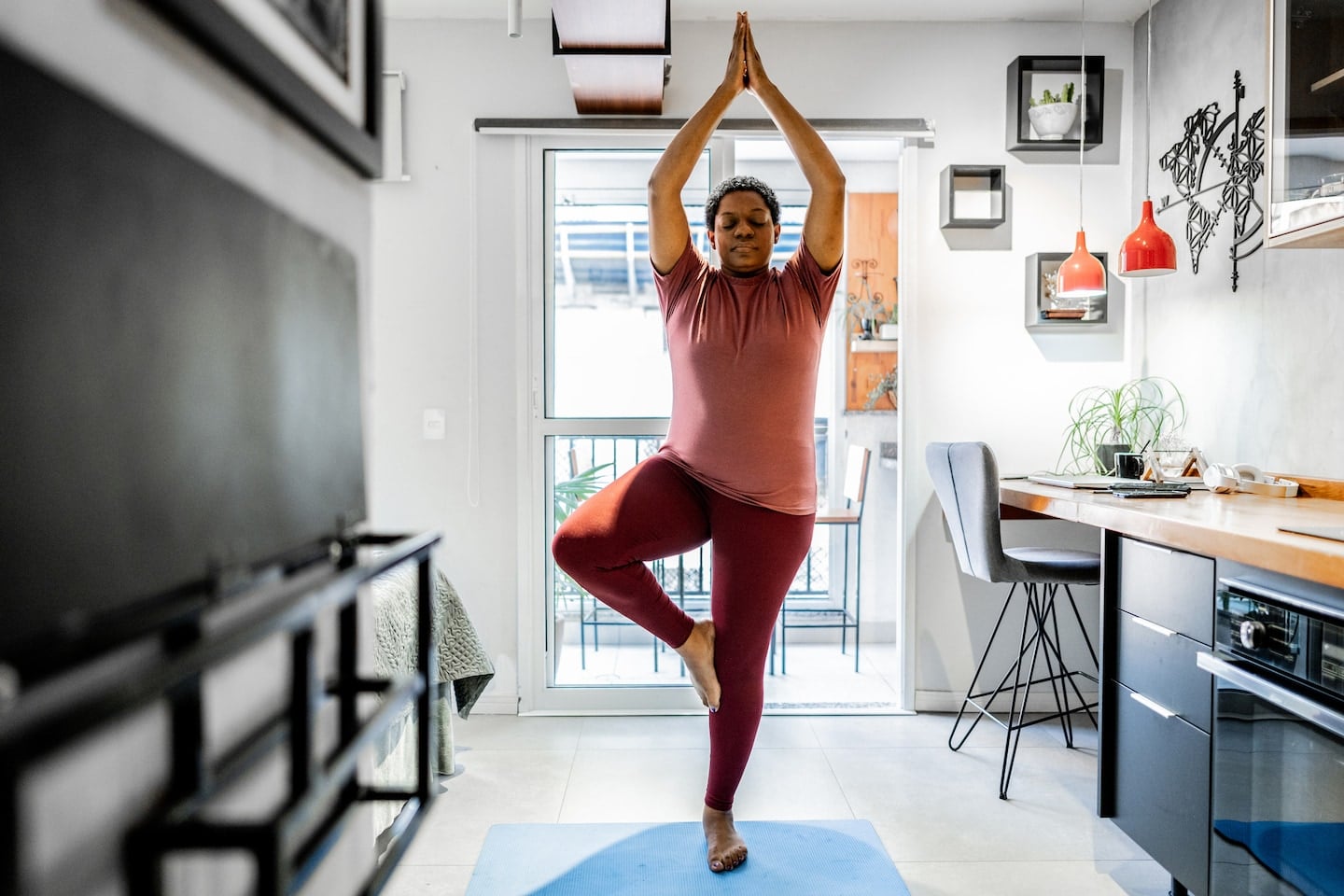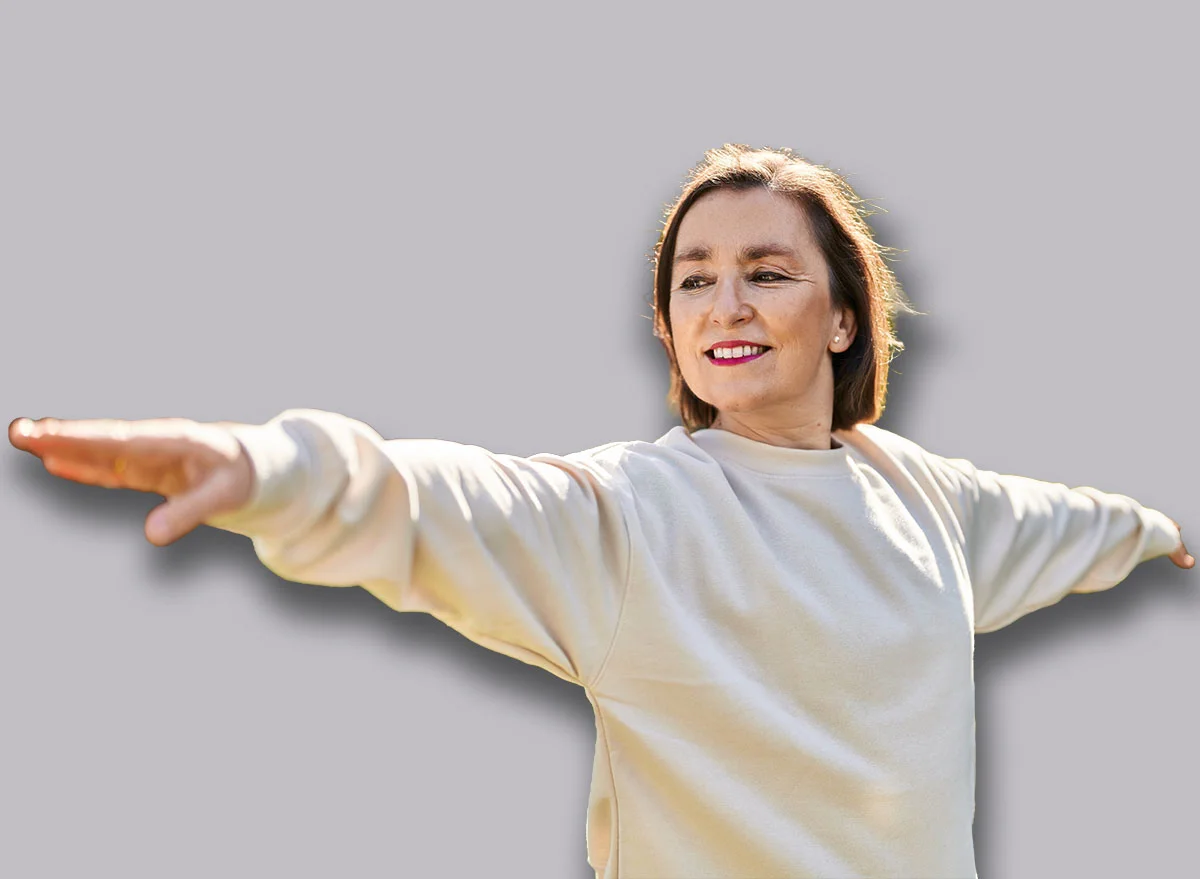
A Pilates instructor shares a 10-minute standing routine with exercises like ball rolling, heel raises, and balance steps to help improve balance and prevent falls as we age, which can be modified with support and tailored to individual needs.
Core strengthening is crucial for older adults as it helps prevent falls, supports proper posture, and makes daily activities safer. Many older adults neglect exercises that target deep trunk muscles, which are essential for maintaining mobility and stability as they age.
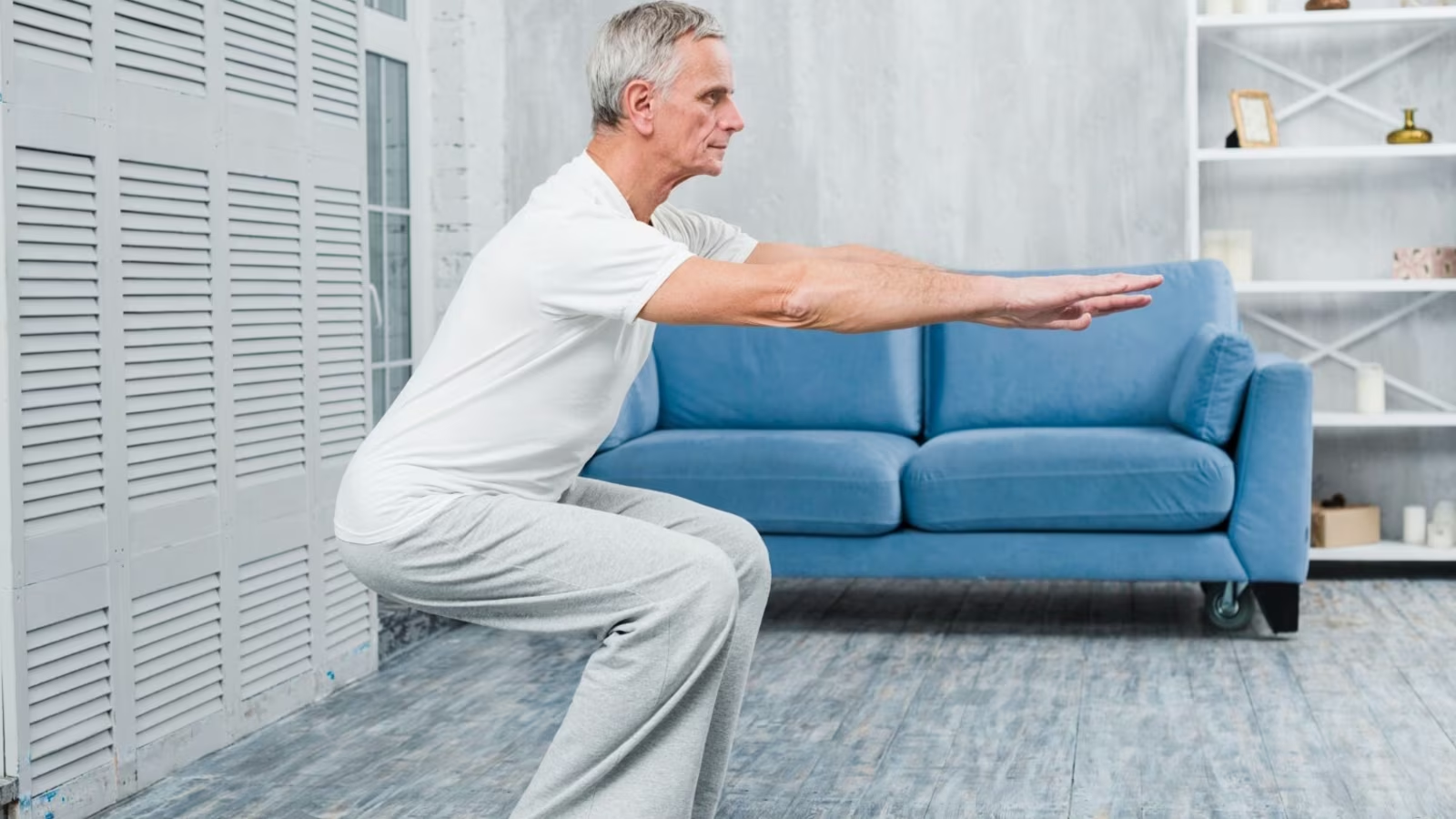
A personal trainer shares three simple, chair-based exercises for seniors to improve leg mobility and strength, helping them walk longer and more comfortably while reducing fall risk, with just body weight and a stable chair needed for a quick, safe workout.
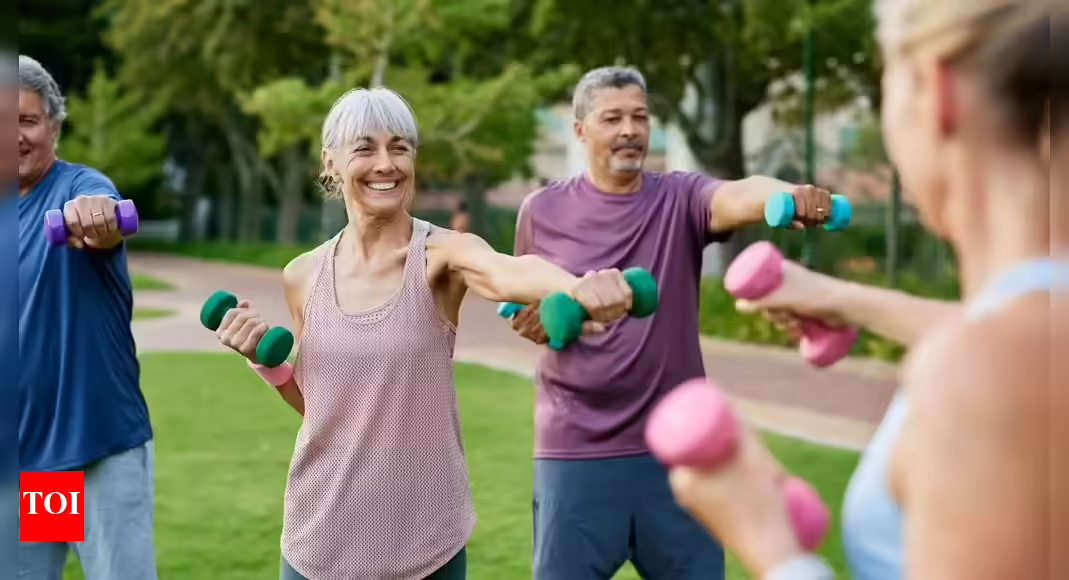
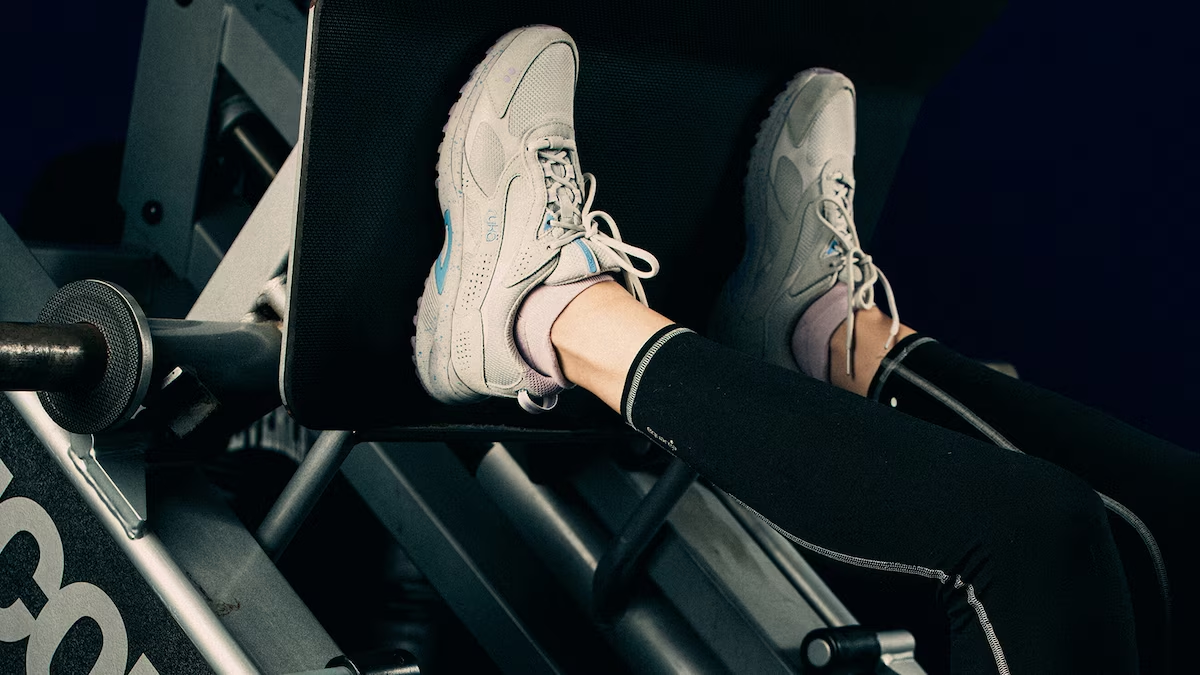
Dumbbell exercises are a practical and effective way for older adults to build strength, improve balance, and prevent falls, with key movements like goblet squats, bench presses, deadlifts, shoulder raises, and rows supporting functional daily activities. Regular practice, proper form, and gradual progression are essential for safety and effectiveness.
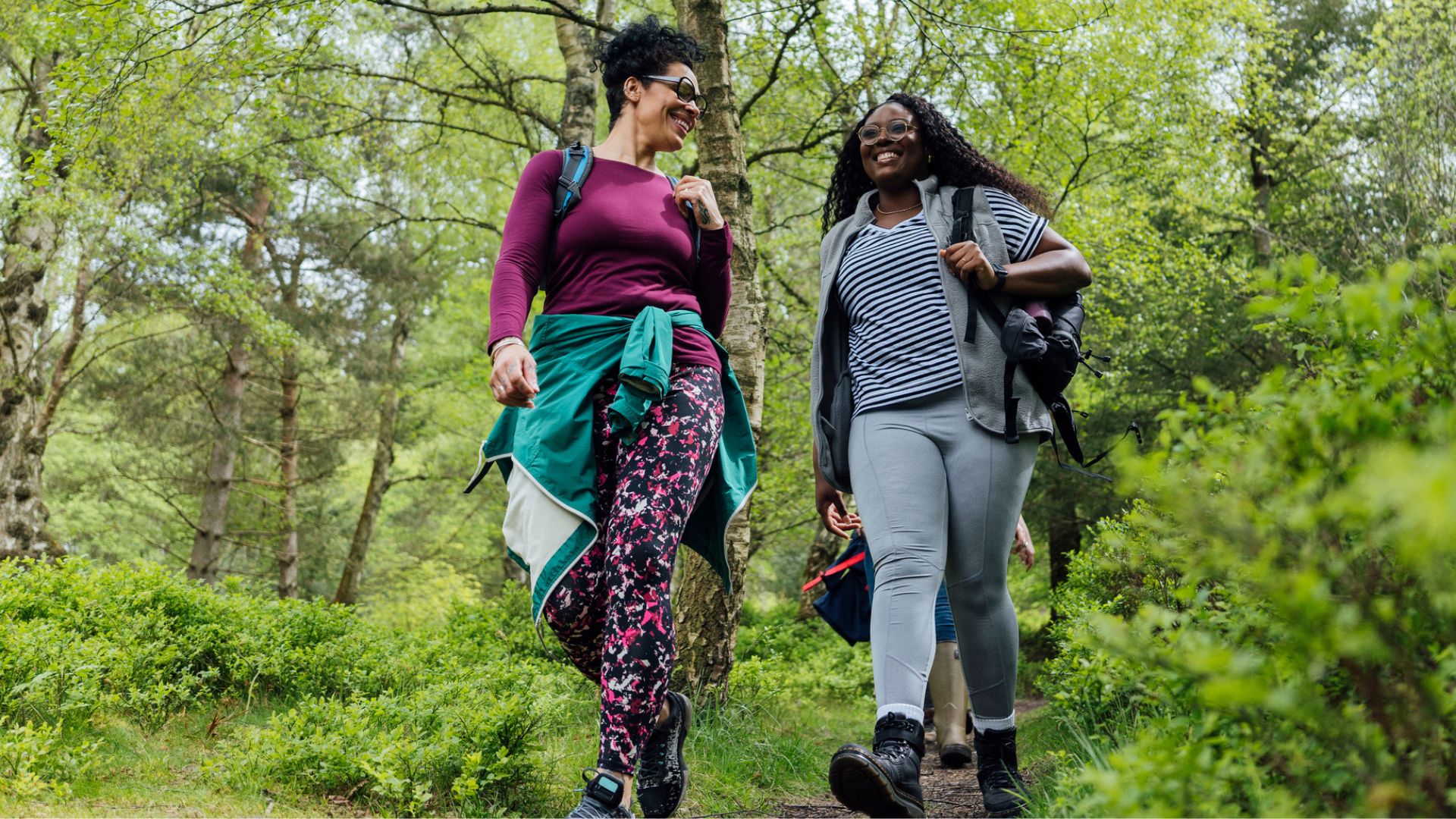
A physical therapist has designed a 15-minute walking workout for people over 60 that combines warm-up, interval walking, and cool-down to improve balance, reduce fall risk, and boost heart health, adaptable to different fitness levels.
Falls among Mainers aged 65 and older have increased dramatically over the past decade, with mortality rates rising by 165%, likely due to factors such as fewer residential facilities, aging infrastructure, and mobility issues. Experts emphasize the importance of home modifications, health assessments, and community resources to prevent falls and related injuries among seniors.
As we age, muscle power declines faster than strength, affecting balance and increasing fall risk. Incorporating power training—exercises that focus on moving quickly with lighter weights—can help preserve mobility, improve reaction time, and make daily activities easier. This type of training is safe, effective, and accessible for older adults, and can be integrated into regular routines at gyms or at home.
A study from Tohoku University shows that practicing Rei-ho, a mindful Japanese movement routine involving slow, deliberate sitting, standing, and walking, can significantly increase knee strength in just five minutes a day, potentially reducing fall risk among seniors.
Gentle physiotherapy exercises like chair squats, wall push-ups, brisk walking, heel-to-toe walk, and supported one-leg stands can help older adults improve mobility, strength, and balance, thereby reducing fall risk. These exercises should be tailored to individual energy levels and performed regularly with proper precautions, ideally under professional guidance.
A walking expert recommends six exercises—single leg swing, sit to stand, calf raise, single leg balance, arm swing, and big toe press—to help individuals rebuild strength, balance, and confidence for walking after a break due to illness or injury, thereby reducing fall risk and ensuring a safer return to walking.
As people age, balance issues become more common due to factors like muscle loss, sensory decline, and chronic conditions. To reduce fall risks, older adults should regularly review medications, get vision and hearing checks, engage in strength and balance exercises, wear appropriate footwear, and ensure their homes are safe. Simple balance tests at home can help gauge stability, and consulting a doctor for any concerns is recommended.
Geriatric healthcare providers should follow the "Geriatric 5Ms" (mobility, medications, mind, multicomplexity, and matters most) to manage patients with osteoporosis. This includes fall risk assessment, medication management, and considering the patient's medical complexity and preferences. Shared decision-making can help patients understand the risks and benefits of treatment. Exercise programs can also help reduce fear of falling and social isolation. Clinicians should address vision problems, psychotropic drugs, and heart rate and rhythm abnormalities, and suggest modifications to the home environment to prevent falls.