Tag

Health Study

All articles tagged with #health study

Intermittent Fasting May Hinder Hair Growth, Study Finds

Originally Published 1 year ago — by Medical News Today

Featured image for Intermittent Fasting May Hinder Hair Growth, Study Finds
Source: Medical News Today

A new study published in the journal Cell suggests that intermittent fasting may slow hair growth, as observed in both human and animal models. The research indicates that hair follicle stem cells may struggle with oxidative stress during fasting, leading to slower hair regrowth. While intermittent fasting is popular for its health benefits, such as weight loss, experts advise being aware of potential side effects like reduced hair growth. Further research is needed to understand the mechanisms and explore dietary modifications to mitigate these effects.


Dark Chocolate Linked to Lower Type 2 Diabetes Risk

Originally Published 1 year ago — by The Washington Post

Featured image for Dark Chocolate Linked to Lower Type 2 Diabetes Risk
Source: The Washington Post

A new study indicates that consuming dark chocolate may lower the risk of developing Type 2 diabetes, unlike milk chocolate. Researchers suggest that dark chocolate's lower sugar content and higher levels of beneficial plant compounds could improve insulin sensitivity and reduce inflammation, offering metabolic benefits.

Dark Chocolate Consumption May Lower Type 2 Diabetes Risk

Originally Published 1 year ago — by The Guardian

Featured image for Dark Chocolate Consumption May Lower Type 2 Diabetes Risk
Source: The Guardian

A study published in the BMJ suggests that consuming dark chocolate five times a week may reduce the risk of developing type 2 diabetes by 21%, compared to those who rarely eat it. The research, which analyzed data from long-term studies involving over 192,000 people, highlights the potential health benefits of dark chocolate over milk chocolate, which is linked to weight gain. The findings underscore the need for further trials to confirm these results, amid rising diabetes rates driven by obesity and poor diet.

Dark Chocolate Consumption May Lower Type 2 Diabetes Risk, Study Reveals

Originally Published 1 year ago — by CNN

Featured image for Dark Chocolate Consumption May Lower Type 2 Diabetes Risk, Study Reveals
Source: CNN

A new observational study suggests that consuming at least five small servings of dark chocolate weekly may reduce the risk of developing type 2 diabetes by 21%. The study highlights the benefits of flavanols, antioxidants found in cacao, which are more abundant in dark chocolate compared to milk chocolate. However, experts caution against relying on chocolate for diabetes prevention due to its sugar content and potential contamination with heavy metals. They recommend alternative flavonoid sources like berries and tea.

Simple Dietary Tweaks to Lower Blood Pressure Naturally

Originally Published 1 year ago — by Surrey Live

Featured image for Simple Dietary Tweaks to Lower Blood Pressure Naturally
Source: Surrey Live

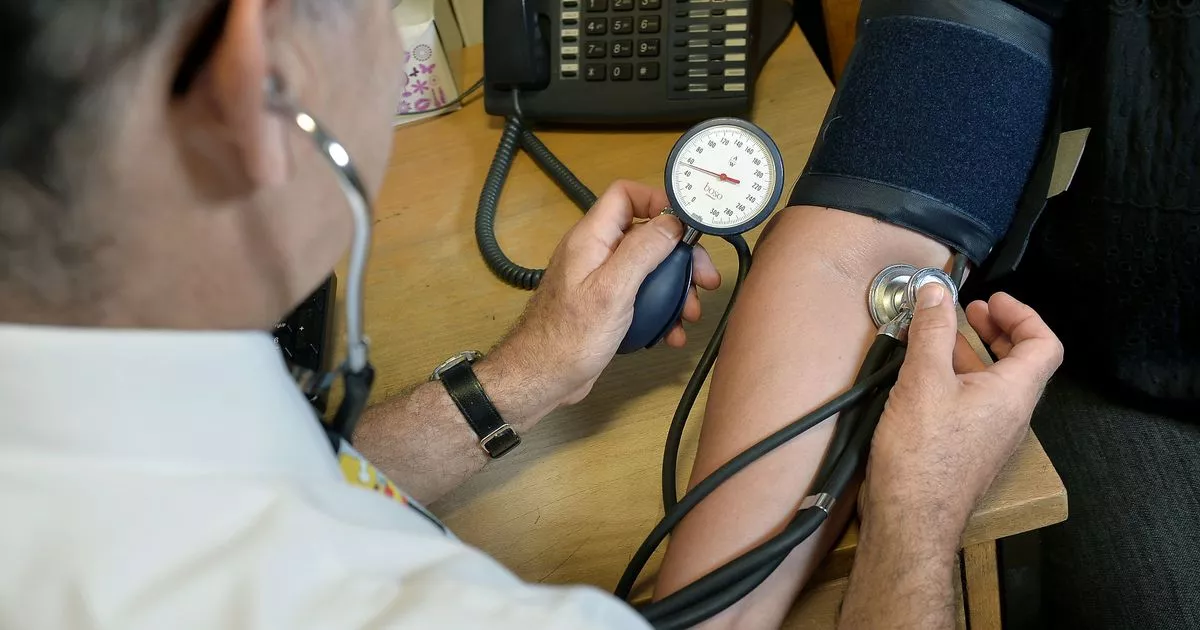
A study by Northwestern Medicine, Vanderbilt University, and the University of Alabama found that reducing salt intake by one teaspoon daily can lower systolic blood pressure by about six mm Hg, comparable to the effect of blood pressure medications. This reduction benefits 70-75% of people, including those already on medication. The research highlights the significant health benefits of dietary sodium reduction, emphasizing its potential to improve public health by lowering the risk of heart-related issues.

Early-Onset Type 2 Diabetes and Cardiovascular Risks Linked to Accelerated Brain Decline

Originally Published 1 year ago — by Medical News Today

Featured image for Early-Onset Type 2 Diabetes and Cardiovascular Risks Linked to Accelerated Brain Decline
Source: Medical News Today

A study by NYU Rory Meyers College of Nursing reveals that adults diagnosed with type 2 diabetes before age 50, particularly those with obesity, have a significantly higher risk of developing dementia compared to those diagnosed later in life. The research highlights a 'dose-response' pattern where earlier diabetes onset correlates with increased dementia risk, suggesting that early intervention and management of diabetes and obesity could mitigate this risk. The findings underscore the importance of monitoring cognitive health in younger diabetes patients.

New Study Explores Vitamin D's Role in Lowering Blood Pressure

Originally Published 1 year ago — by EatingWell

Featured image for New Study Explores Vitamin D's Role in Lowering Blood Pressure
Source: EatingWell

A study from the American University of Beirut Medical Center suggests that vitamin D supplementation, alongside calcium citrate, may help reduce blood pressure in older adults, particularly those with high blood pressure, low vitamin D levels, or a BMI over 30. The study found that both low and high doses of vitamin D led to reductions in blood pressure, with no additional benefits from higher doses. The findings highlight the importance of assessing dietary intake and possibly supplementing vitamin D and calcium, especially for those with limited sun exposure or dietary restrictions.

Combat Night Leg Cramps with This Essential Vitamin

Originally Published 1 year ago — by Miami Herald

Featured image for Combat Night Leg Cramps with This Essential Vitamin
Source: Miami Herald

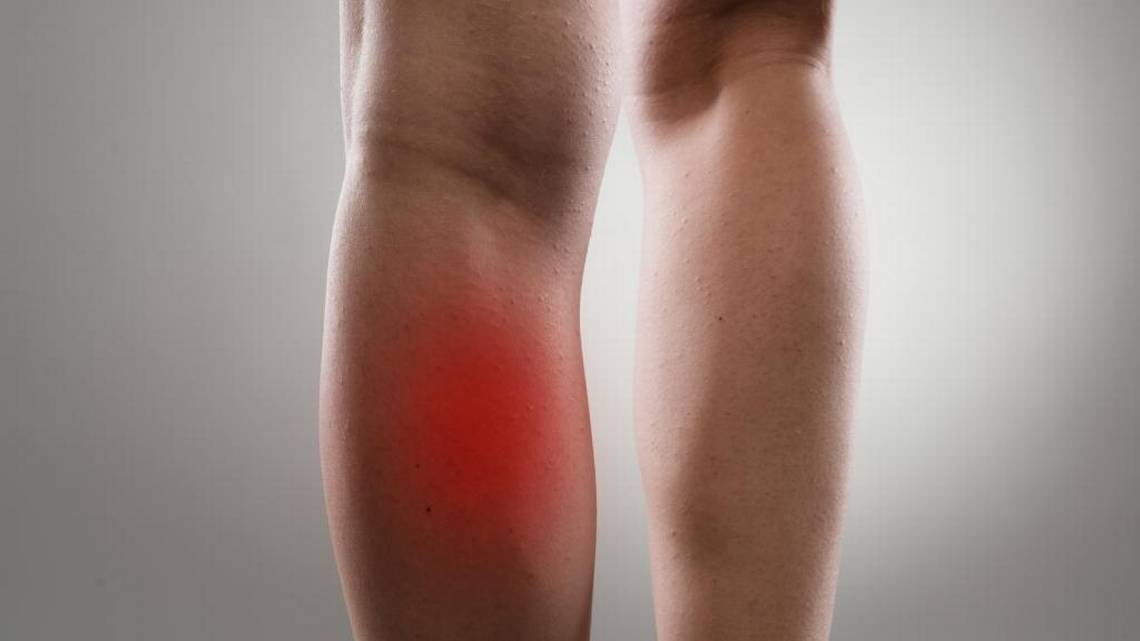
A recent study published in JAMA Internal Medicine suggests that vitamin K2 may help reduce nocturnal leg cramps, which are common involuntary muscle contractions occurring during sleep. The study involved participants over 65 who experienced night cramps, with those receiving 180 micrograms of vitamin K2 showing a significant decrease in cramps compared to a placebo group. Vitamin K is essential for bone health and blood clotting, and is found in foods like dark leafy greens and fermented products. However, individuals on blood thinners should consult a physician before increasing vitamin K intake.

Cutting One Daily Drink Lowers Blood Pressure and Cholesterol

Originally Published 1 year ago — by Surrey Live

Featured image for Cutting One Daily Drink Lowers Blood Pressure and Cholesterol
Source: Surrey Live

A study published in the journal Hypertension reveals that even one alcoholic drink per day can increase blood pressure and cholesterol levels, challenging the notion that moderate drinking is harmless. The research, involving over 19,548 participants from the US, Korea, and Japan, found a link between alcohol consumption and elevated systolic and diastolic blood pressure, particularly in men. Experts recommend limiting or avoiding alcohol to manage blood pressure, alongside other lifestyle changes like exercise and a balanced diet.

Balancing Daylight Exposure: A Key to Better Health

Originally Published 1 year ago — by NPR

Featured image for Balancing Daylight Exposure: A Key to Better Health
Source: NPR

A new study involving nearly 90,000 participants in the UK suggests that exposure to bright light during the day and darkness at night is linked to lower mortality risk. Participants with bright nights had a 21% to 34% higher risk of premature death, while those with bright days had a 17% to 34% lower risk. The study highlights the importance of maintaining a strong contrast between day and night light exposure to support healthy circadian rhythms, which influence various physiological functions. The findings suggest that light exposure is an emerging risk factor for health and longevity.

COVID-19 Vaccination Reduces Long COVID Risk

Originally Published 1 year ago — by University of Minnesota Twin Cities

Featured image for COVID-19 Vaccination Reduces Long COVID Risk
Source: University of Minnesota Twin Cities

A study from Japan's VENUS project, published in Vaccine, indicates that recent COVID-19 vaccination significantly reduces the risk of developing long COVID symptoms. The study analyzed 84,464 participants, categorizing them by vaccination timing relative to infection. Those vaccinated 14 to 149 days before infection showed the lowest incidence of long COVID symptoms, particularly respiratory and heart conditions, compared to those vaccinated earlier. However, recent vaccination did not significantly lower the risk of mood disorders or depression. The findings highlight the effectiveness of timely COVID-19 vaccination in mitigating long-term health impacts.

Optimal Exercise Times Identified to Lower Bowel Cancer Risk

Originally Published 1 year ago — by New York Post

Featured image for Optimal Exercise Times Identified to Lower Bowel Cancer Risk
Source: New York Post

A study published in BMC Medicine suggests that exercising in the early morning or late evening can reduce the risk of colorectal cancer by 11%. Conducted by Germany's University of Regensburg, the research tracked 86,252 individuals and found that physical activity at around 8 a.m. and 6 p.m. was most beneficial. This finding highlights the importance of not just physical activity but also its timing in cancer prevention strategies. Colorectal cancer is a leading cause of cancer-related deaths, and these insights could help shape future prevention efforts.

"Breakthrough Study Unveils Method to Drastically Lower Biological Age"

Originally Published 1 year ago — by Newsweek

Featured image for "Breakthrough Study Unveils Method to Drastically Lower Biological Age"
Source: Newsweek

A new study published in Nature Aging reveals that a reduced-calorie diet can significantly reduce biological aging, as evidenced by data from the CALERIE study. The research, funded by Singapore's Ministry of Education, shows that even moderate caloric restriction (12%) over two years can lower cardiovascular disease risk factors and slow the pace of biological aging.