health-technology3.85 min read
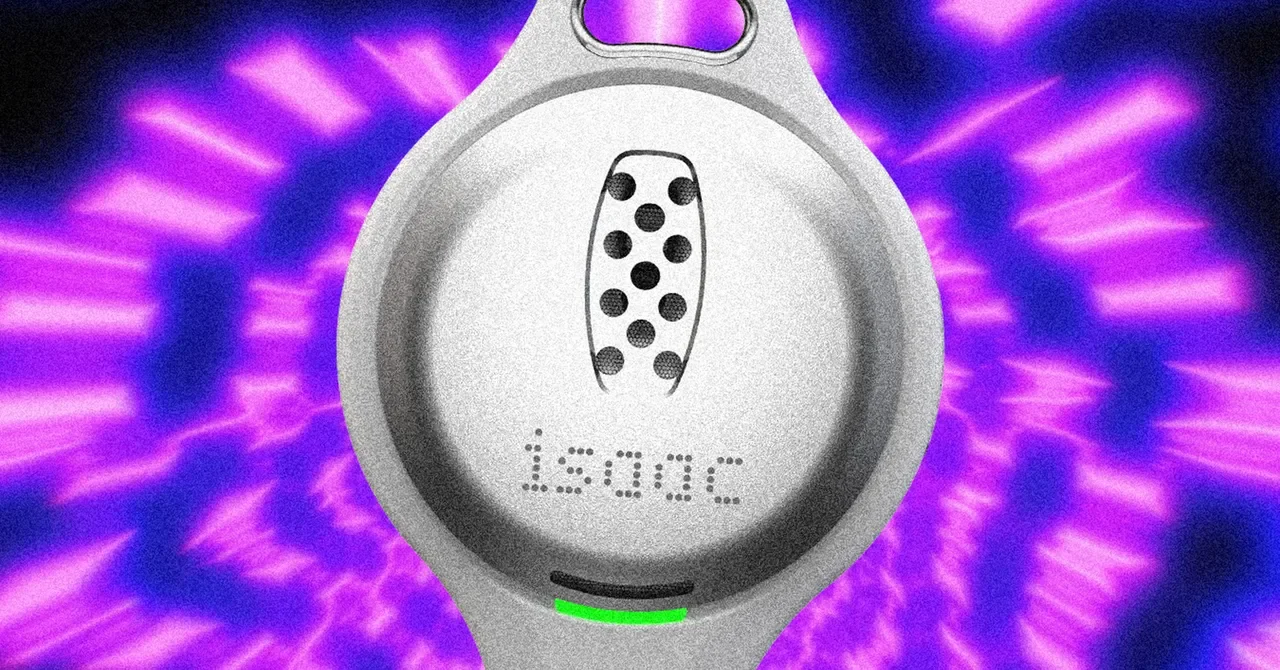
Revolutionary Blood Glucose Monitoring Tech Nears Launch
1 month ago•Source: WIRED

The latest health technology stories, summarized by AI
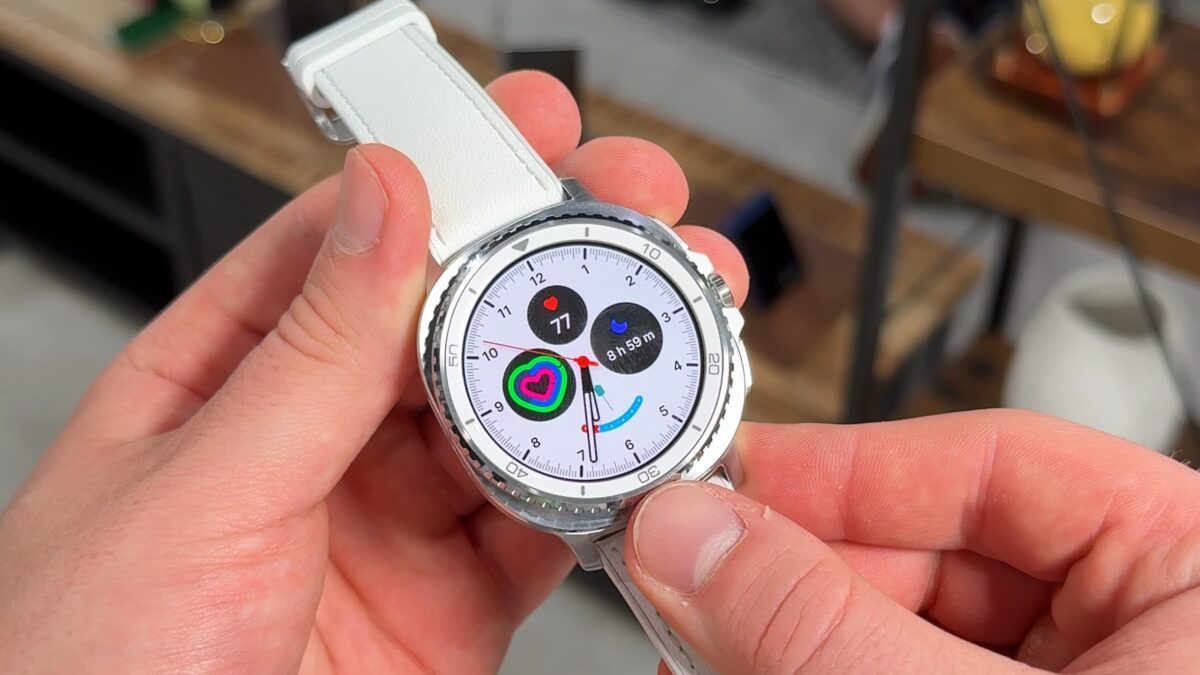
Samsung is developing AI-powered features for its Galaxy Watch to detect signs of heart failure, specifically Left Ventricular Systolic Dysfunction, using advanced ECG analysis in collaboration with Medical AI. The technology, already in use in South Korean hospitals, aims for early detection and improved treatment outcomes, pending regulatory approvals for global release.
MacRumors•1 year ago
The Verge•1 year ago
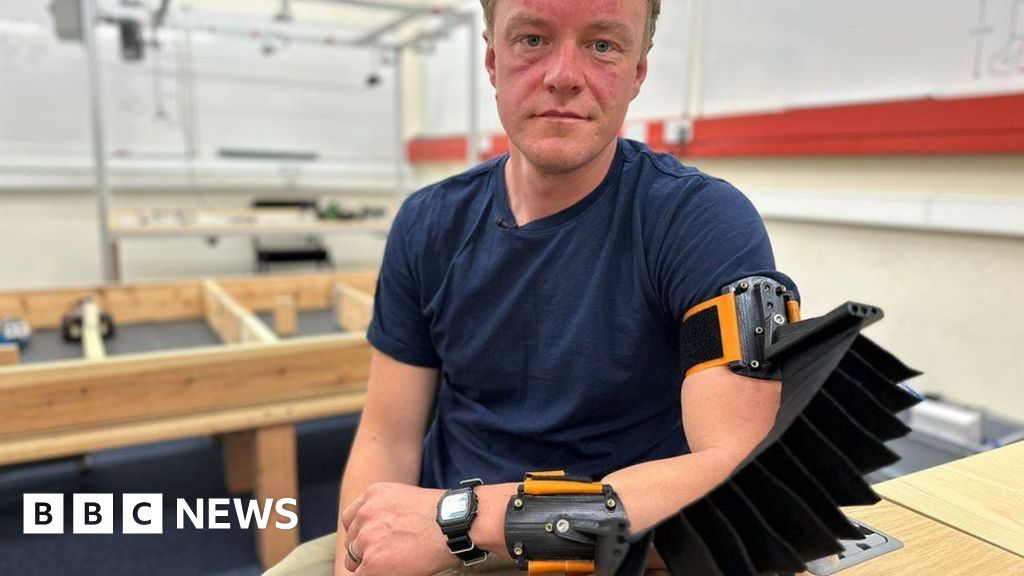
A PhD student at the University of Aberdeen is developing a "Soft Robo Arm" to aid stroke patients in their recovery by allowing them to perform essential repetitive movements at home without a physiotherapist. The lightweight and affordable device, which uses air-inflated material to mimic muscle movements, is still in the development phase and will undergo extensive testing before clinical trials.
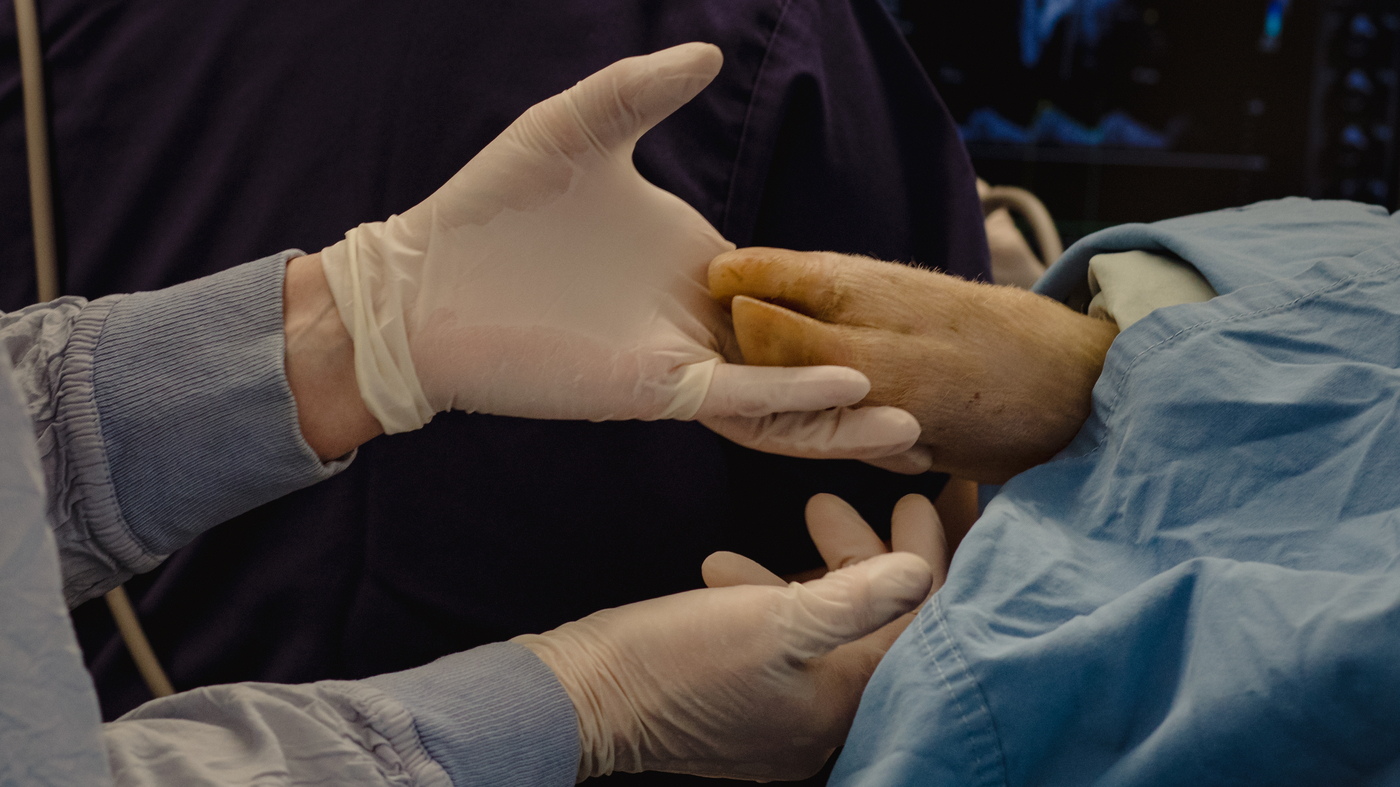
Surgeon Christoph Haller and his team are developing an artificial womb to help extremely premature babies survive and avoid complications, using a pig fetus as a test subject. The technology aims to allow fetuses to mature more physiologically and could be a game changer in treating extreme prematurity. While generating excitement, the prospect of an artificial womb raises ethical concerns and questions about safety, candidacy, and moral status. The FDA is discussing the latest scientific efforts and ethical issues surrounding artificial wombs, while researchers are optimistic about the potential to save babies but acknowledge the need for careful regulation and consideration of potential misuse.
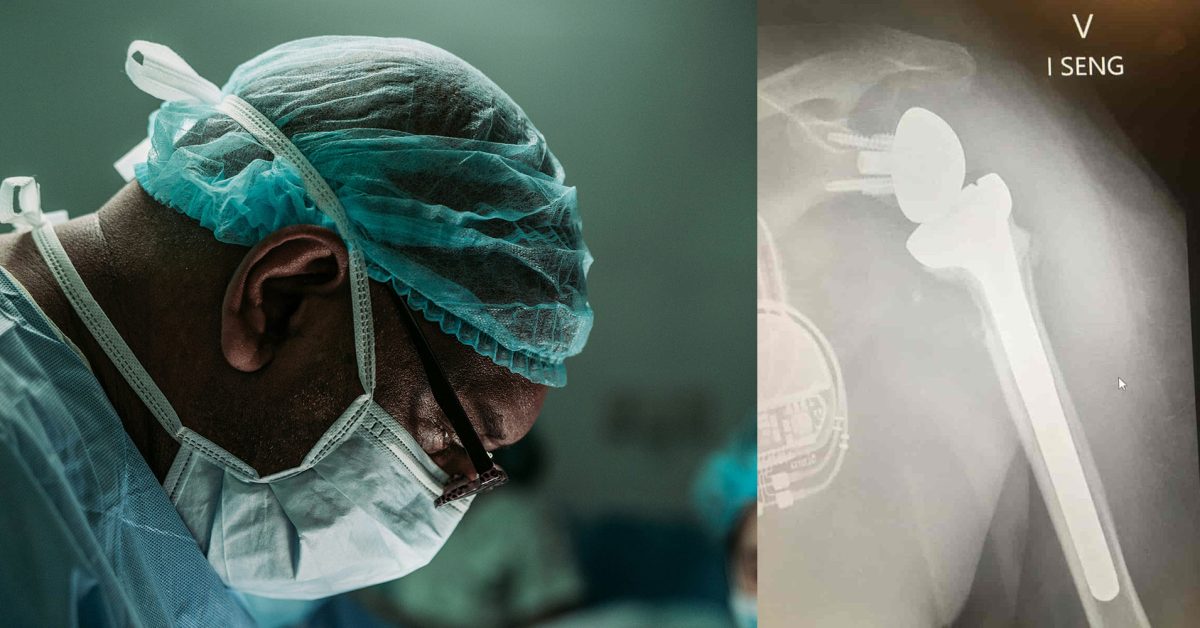
The Vision Pro headset has been used in various surgeries, including shoulder replacement and spinal surgery, to provide touch-free access to surgical setup, inventory, and procedural guides within the operating room. This technology has been praised for its potential to eliminate human error and improve surgical efficiency, with the possibility of becoming commonplace in operating rooms in the future.

A major international study of 250,000 mobile users over 17 years found no evidence linking long-term or heavy mobile phone use to an increased risk of developing brain cancer. Researchers from Imperial College London and Sweden’s Karolinska Institute concluded that newer phones emitting weaker electromagnetic fields and changes in phone usage habits have contributed to the lack of association between mobile phone use and brain tumors. The study's findings were published in the journal Environment International and are considered reassuring in dispelling concerns about the health risks of mobile phone usage.
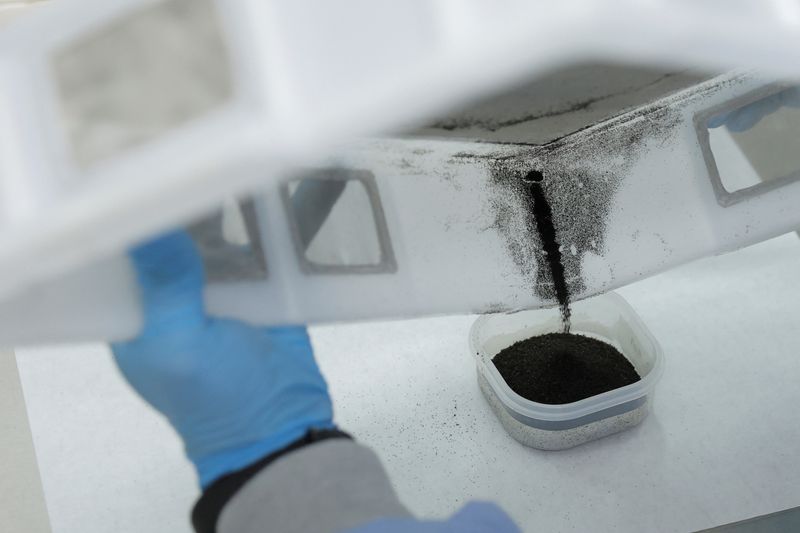
British biotech company Oxitec is releasing genetically modified mosquitoes in Brazil to combat the surge in dengue fever cases. The modified male Aedes aegypti mosquitoes carry a gene that kills female offspring, reducing the overall mosquito population. Brazil has seen over 973,000 likely dengue cases and 195 deaths so far this year. The city of Suzano, in the state of Sao Paulo, has declared a state of emergency and is using the solution to combat the outbreak.
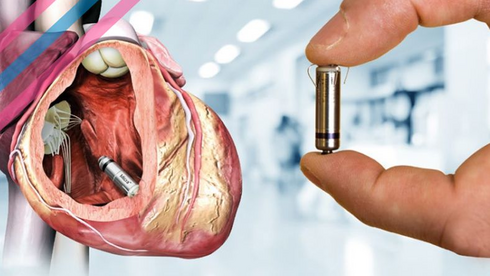
Israeli medical centers have successfully implanted the new Micra AV-2 miniature heart pacemakers, which are smaller and less intrusive than traditional pacemakers, directly into patients' hearts, reducing the risk of infection and improving performance. The new technology, developed by Medtronic, offers better tracking of heart rates, automatic programming, and suitability for MRI scans, making it a significant advancement in cardiology.
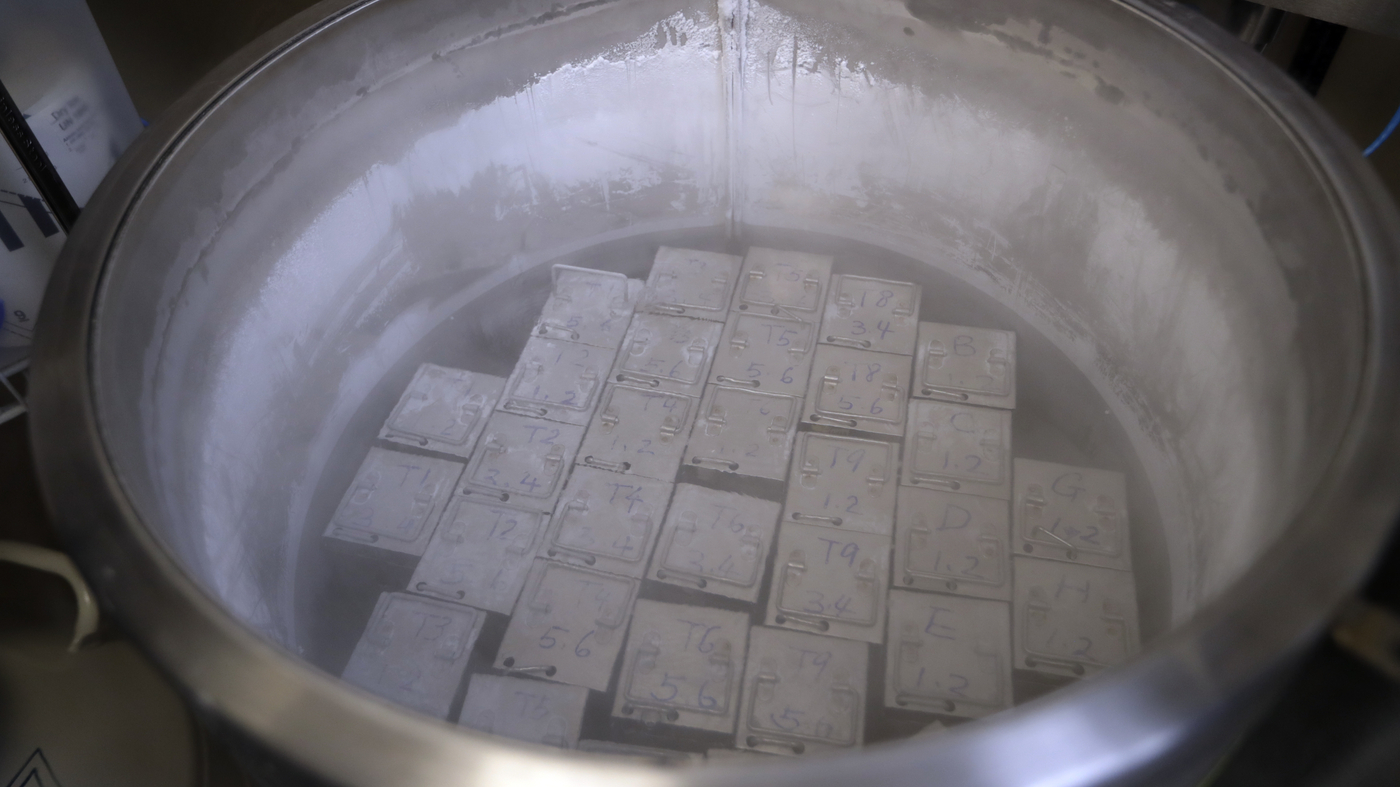
Alabama lawmakers are working to protect IVF services following a state Supreme Court ruling that considers frozen embryos as children under Alabama law, while a massive leak reveals Chinese hacking operations targeting critics of the Chinese government. Additionally, space company Intuitive Machines has completed the first commercial spacecraft landing on the moon, and Ukraine marks the second anniversary of Russia's invasion with progress in attacking Russian targets in Crimea. Lastly, Taiwan's unique cuisine is explored, and NPR recommends movies, TV shows, books, music, and a quiz for the weekend.
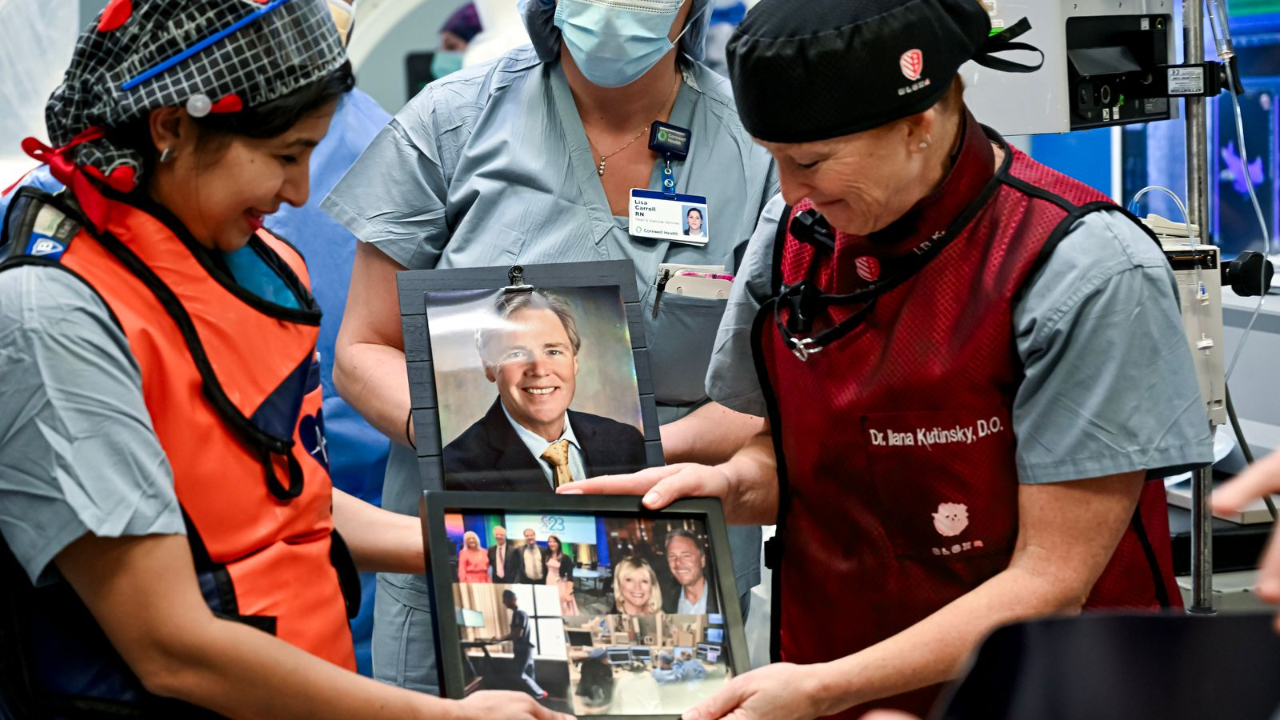
Dr. David Haines, a key figure in the development of Corewell Health's Pulsed Field Ablation System for treating atrial fibrillation, passed away just days before the technology's launch at a Michigan hospital. The system, which uses pulsed electric fields to isolate pulmonary veins without causing harm to surrounding tissues, was successfully used at two hospitals following Haines' unexpected death. Colleagues remember Haines as a world-class researcher and innovator, and are committed to continuing his legacy in advancing medical technology.

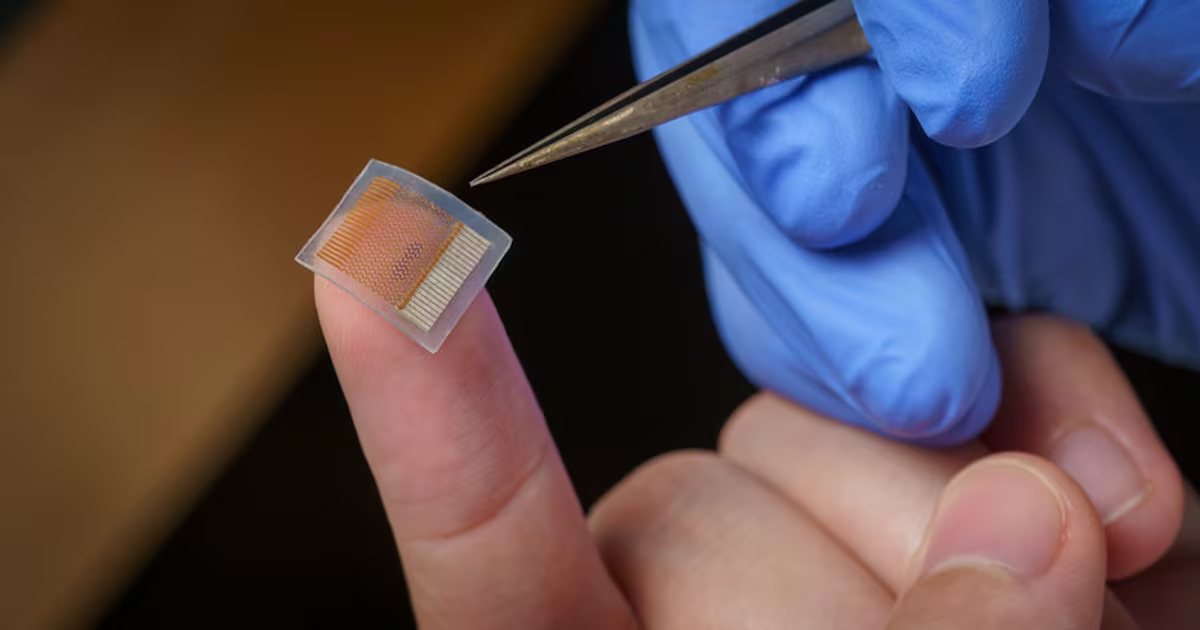
Researchers in Florida and Taiwan have developed a portable spit test that can detect breast cancer using a single drop of saliva in just five seconds, costing only $5. The palm-sized handheld device uses common components like glucose tests and open-source hardware to analyze cancer biomarkers in saliva, providing a low-cost alternative to invasive procedures like mammograms and ultrasounds. The test has shown promising results in differentiating between healthy individuals and those with breast cancer, but it may take several years to be available to patients pending regulatory approval.
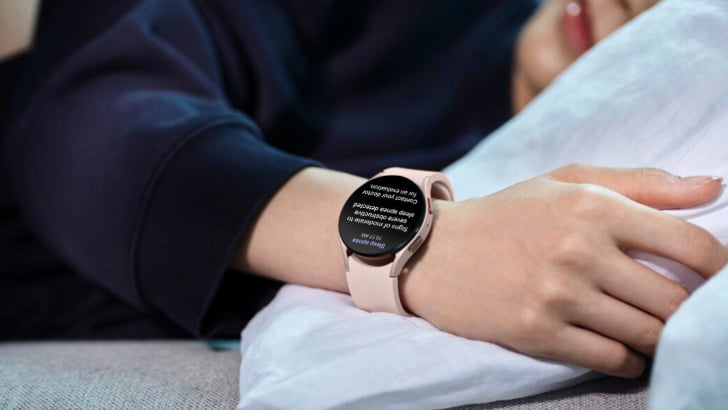
Samsung's sleep apnea feature on the Samsung Health Monitor app, which has received De Novo authorization from the U.S. FDA, allows users to detect signs of moderate to severe obstructive sleep apnea using a compatible Samsung Galaxy Watch and phone. The feature aims to help users proactively detect sleep apnea, a common and chronic condition often undiagnosed and untreated, and seek medical care to reduce health-related complications. This marks Samsung's commitment to providing Galaxy users with tools to improve their sleep health habits, with the feature set to be available in the U.S. via the Samsung Health Monitor app in the third quarter.