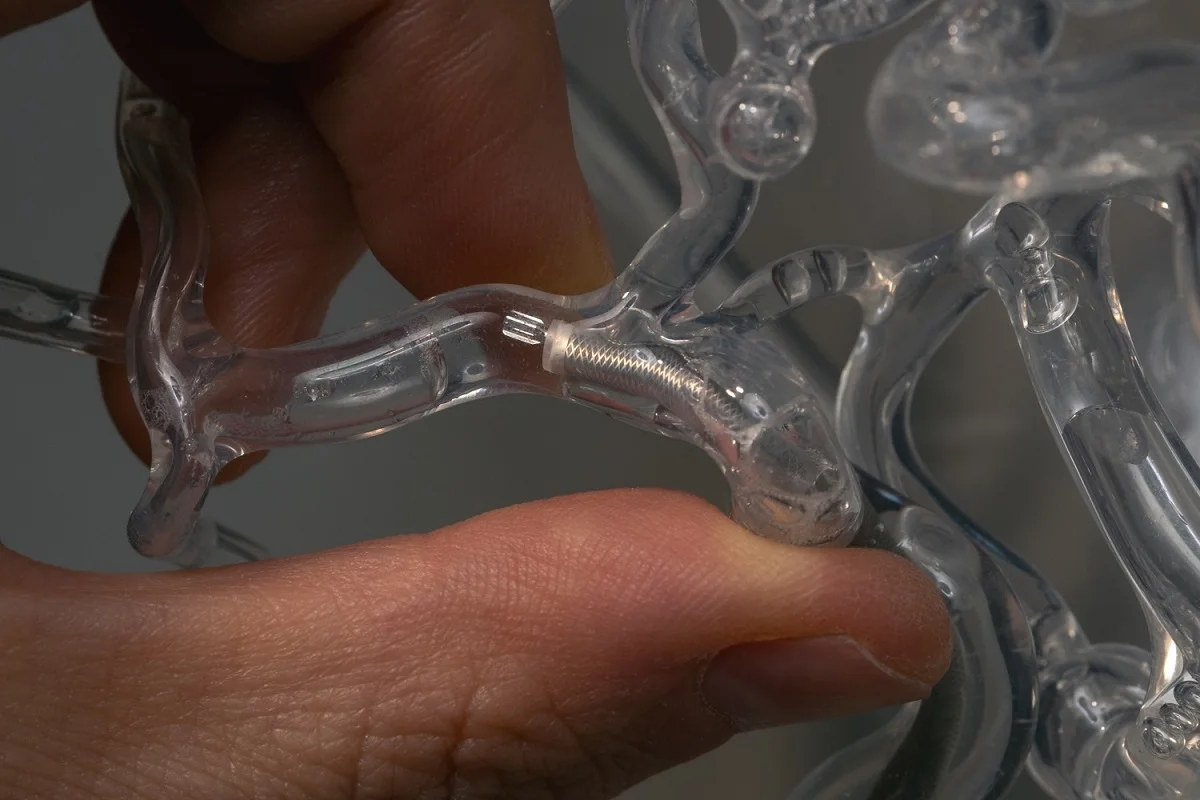
Stanford researchers have developed a novel device called the milli-spinner that can more effectively and precisely remove blood clots causing strokes, potentially saving many patients' lives by significantly improving clot removal success rates compared to traditional methods.
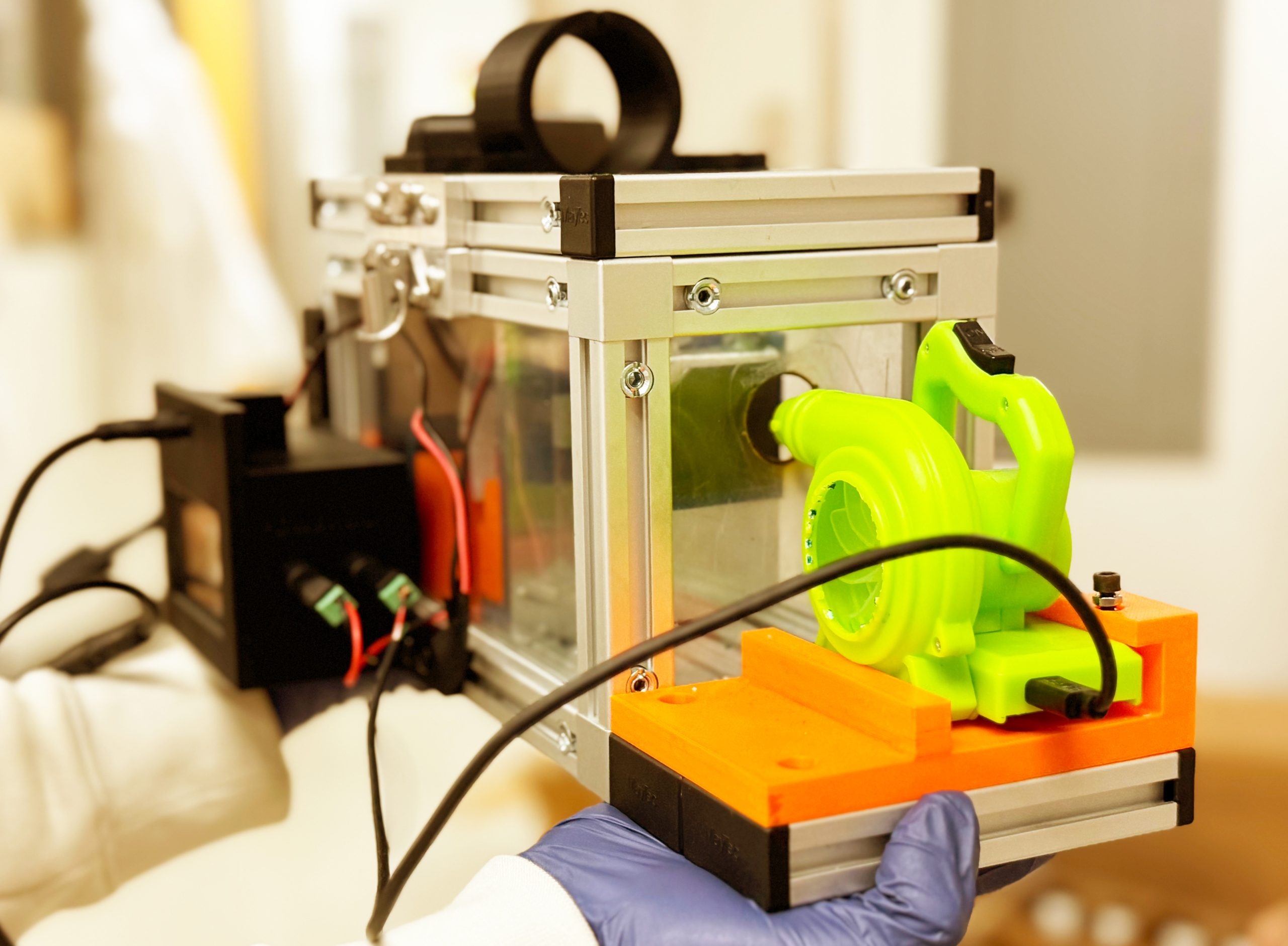
Researchers at the University of Chicago have developed a portable device called ABLE that can detect molecules in the air, such as viruses, bacteria, and biomarkers, by condensing airborne particles into liquid for analysis, potentially revolutionizing non-invasive medical diagnostics and public health monitoring.
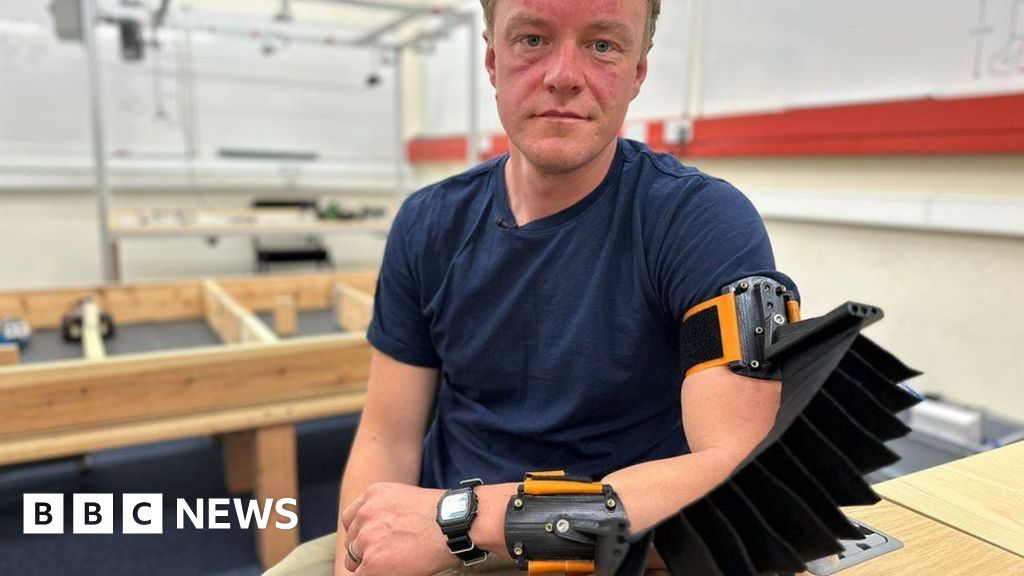
A PhD student at the University of Aberdeen is developing a "Soft Robo Arm" to aid stroke patients in their recovery by allowing them to perform essential repetitive movements at home without a physiotherapist. The lightweight and affordable device, which uses air-inflated material to mimic muscle movements, is still in the development phase and will undergo extensive testing before clinical trials.
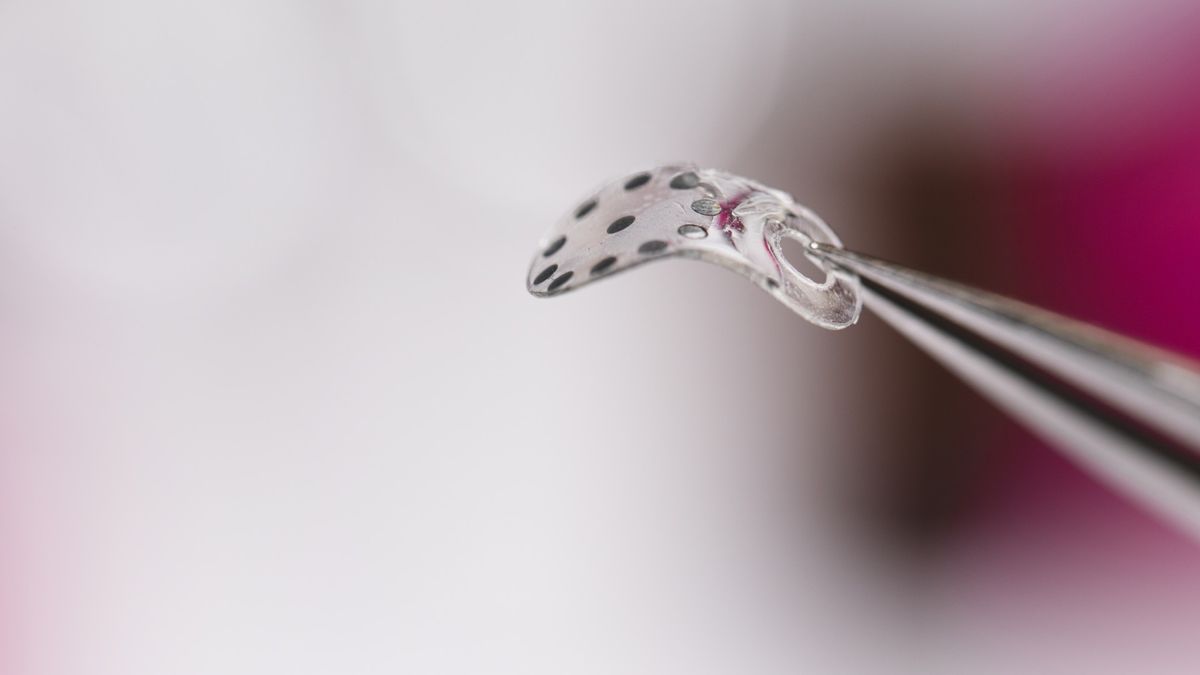
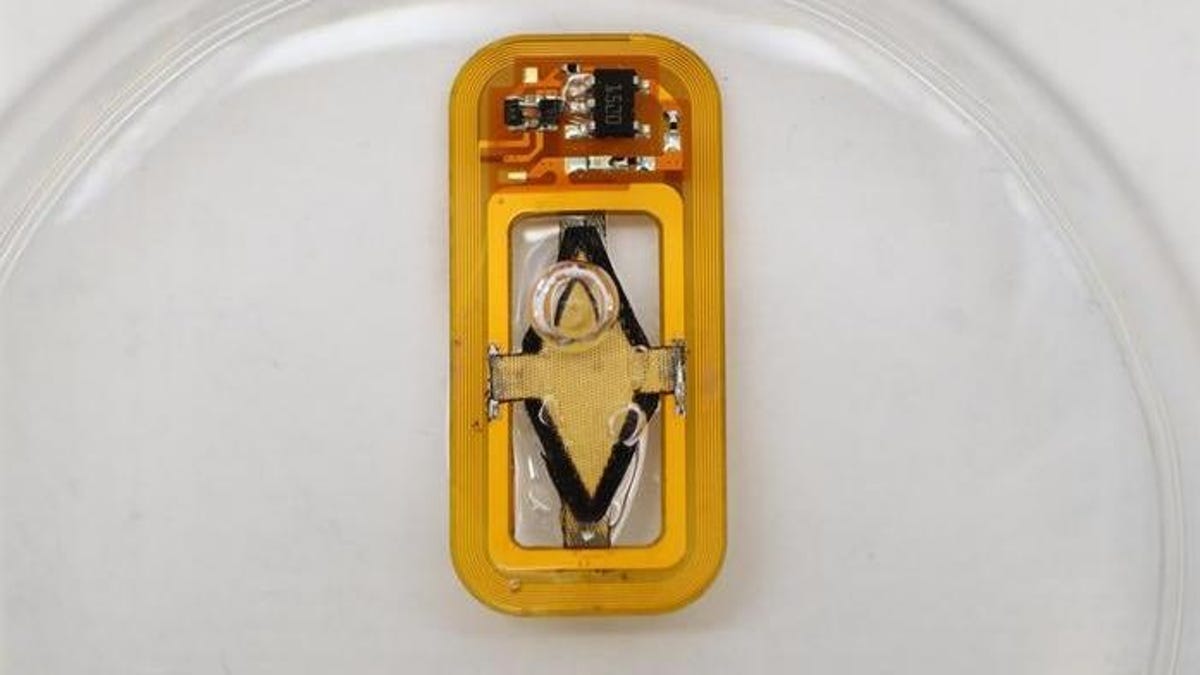
A new implantable device called BioSUM has been developed to detect leaks in the body following gastrointestinal surgery, potentially preventing deadly complications. The device, which changes shape in response to changes in acidity, was successfully tested in rats and pigs, detecting harmful leaks within 10 to 30 minutes of being implanted. The researchers plan to seek FDA approval to test the device in humans, with the hope that it could lead to earlier detection and treatment of leaks, ultimately improving patient outcomes and reducing healthcare costs.
Laura Perryman, former CEO of medical device company Stimwave, was found guilty of conspiracy to commit health care fraud and wire fraud, as well as substantive health care fraud, for creating and selling a fake medical device component called the "White Stylet." This component, made entirely of plastic, was marketed as a receiver alternative to the Pink Stylet, allowing doctors to bill Medicare and private insurance companies approximately $18,000 for each implantation. Perryman's actions led to doctors implanting the non-functional component into patients and submitting fraudulent reimbursement claims. She faces a maximum sentence of 20 years in prison.
Elon Musk announced that a patient with a Neuralink brain implant can now control a computer mouse through thought, with no reported ill effects. Neuralink, Musk's startup, aims to use neural signals to control external technologies and restore lost capabilities. The company implanted its device in a human for the first time in January and is currently recruiting patients for its first in-human clinical trial after receiving FDA approval.
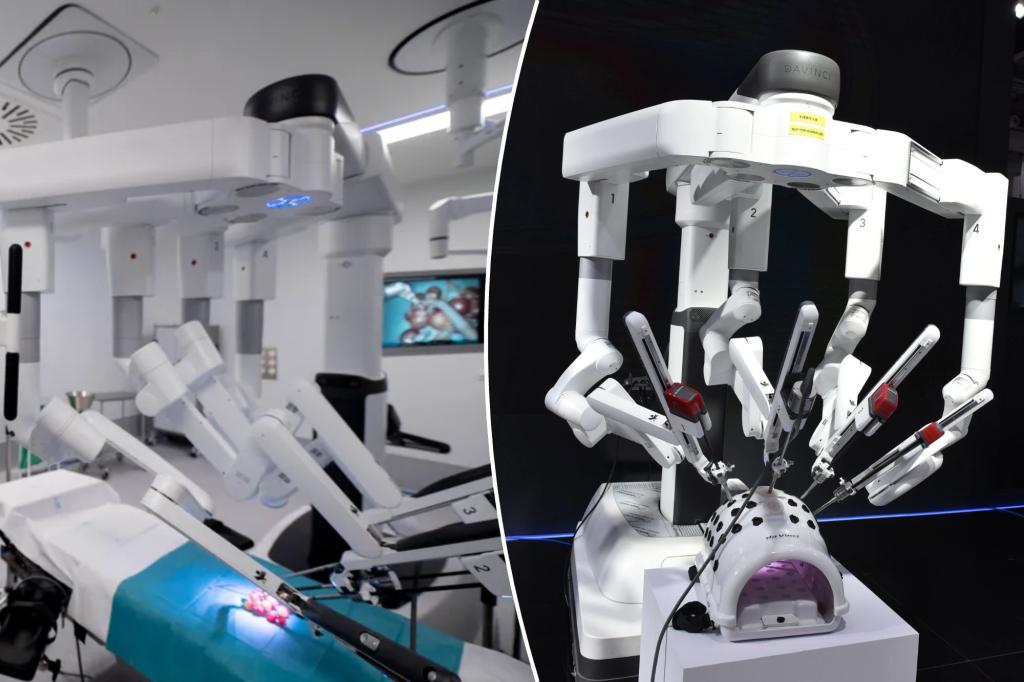
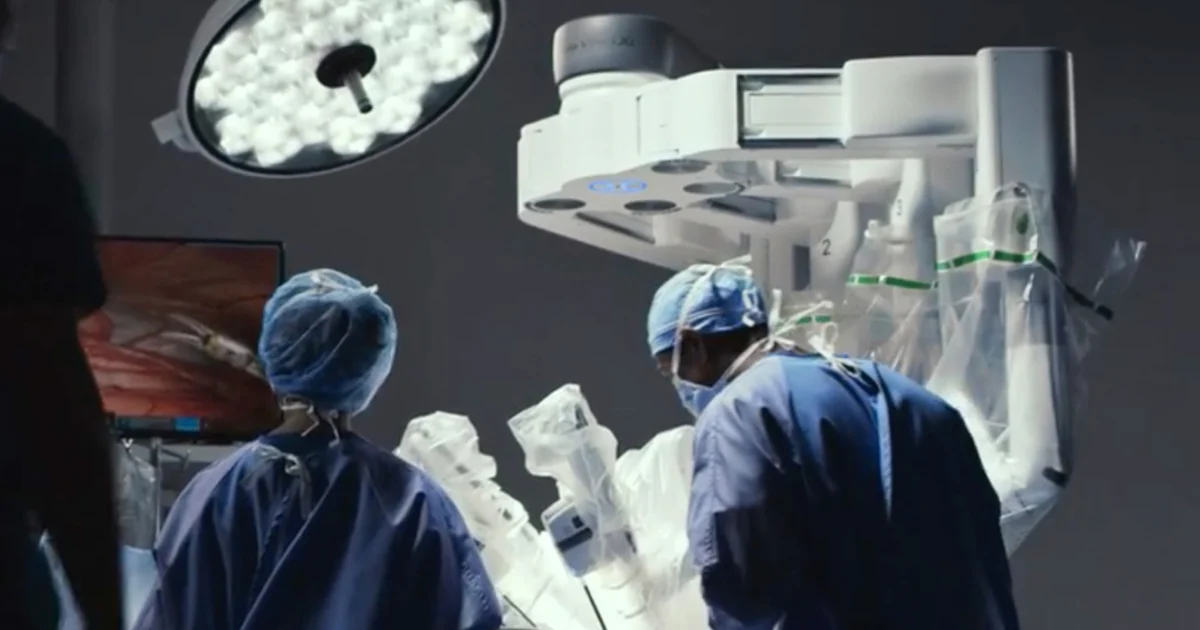
A widower is suing medical manufacturer Intuitive Surgical, claiming that its da Vinci surgical robot burned a hole in his wife's organs during a procedure to treat her colon cancer, leading to her death. The lawsuit alleges that the company knew about insulation issues that could cause the device to burn internal organs but didn't disclose the risk. The lawsuit also claims that the manufacturer sells its robots to hospitals with no experience in robotic surgery and doesn't properly train surgeons in how to use the device. The widower is seeking over $75,000 in damages for negligence, product liability, loss of consortium, and punitive damages.
A wrongful death lawsuit alleges that a woman's small intestine was burned and torn by a robotic device during surgery for colon cancer, leading to her death. The lawsuit claims that the maker of the device, Intuitive Surgical, knew about insulation problems that could cause electricity to leak and burn internal organs but didn't disclose the risk. Intuitive Surgical has faced previous lawsuits and FDA warnings related to its da Vinci robot, with reports of injuries and deaths associated with the device.
The FDA has approved Osteoboost, a vibrating belt developed by Bone Health Technologies and NASA, as a medication-free treatment option for post-menopausal women with weakened bones. The belt, worn for 30 minutes daily, mechanically stimulates bone strength in the hips and spine, preventing further bone density disintegration. Clinical trials showed improved bone density in patients, offering a promising alternative to current lifestyle interventions. Osteoboost is expected to be available for pre-order later this year, with pricing and insurance coverage still being determined.
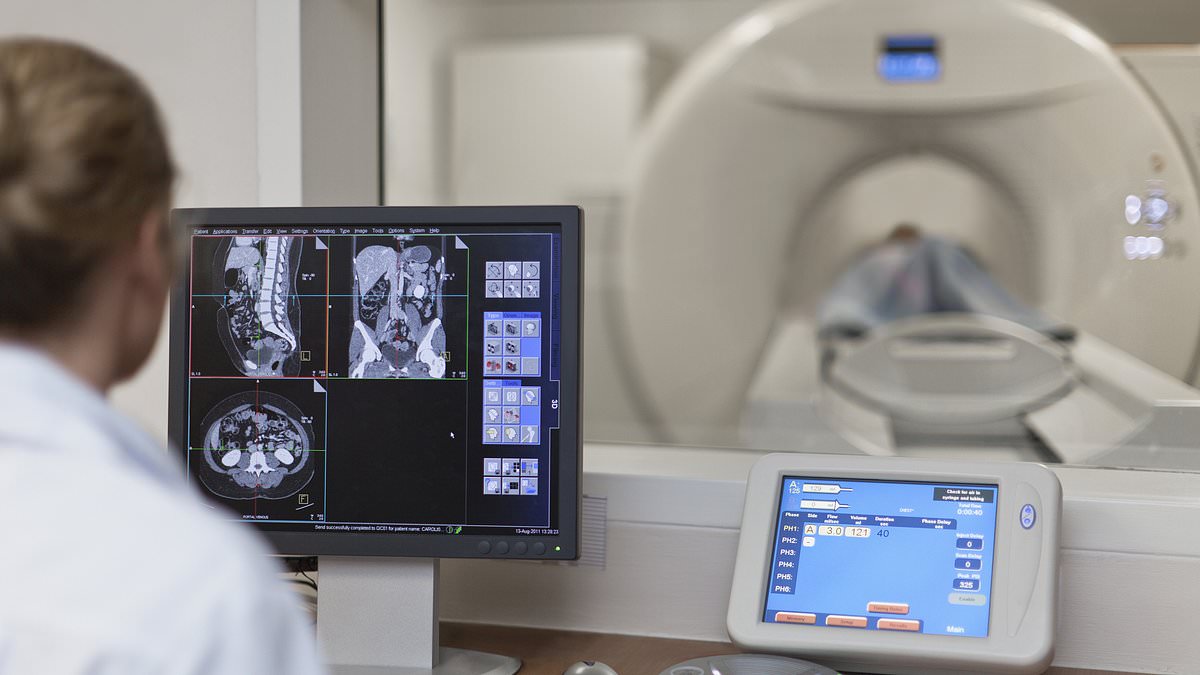
A woman in Wisconsin accidentally shot herself in the buttocks after sneaking a gun into an MRI appointment. The firearm was attracted to the MRI machine's powerful magnet, causing it to discharge. The incident occurred in June 2023, and the woman suffered a minor injury but fully recovered. The FDA's Manufacturer and User Facility Device Experience (MAUDE) database has recorded 102 adverse events related to MRI machines. Patients are explicitly instructed to leave any objects that could be attracted to the magnet outside the room.
Vivos Therapeutics has received clearance from the US FDA for its oral device designed to treat severe obstructive sleep apnea (OSA). This marks the first-ever clearance for an oral appliance to treat moderate and severe OSA in adults. The device gradually repositions the airway's hard and soft tissues, optimizing its function and flow. Study data supported the FDA's decision, showing a 50% improvement in the index used to determine the presence and severity of the disease. Shares of Vivos Therapeutics more than doubled in premarket trading following the announcement.
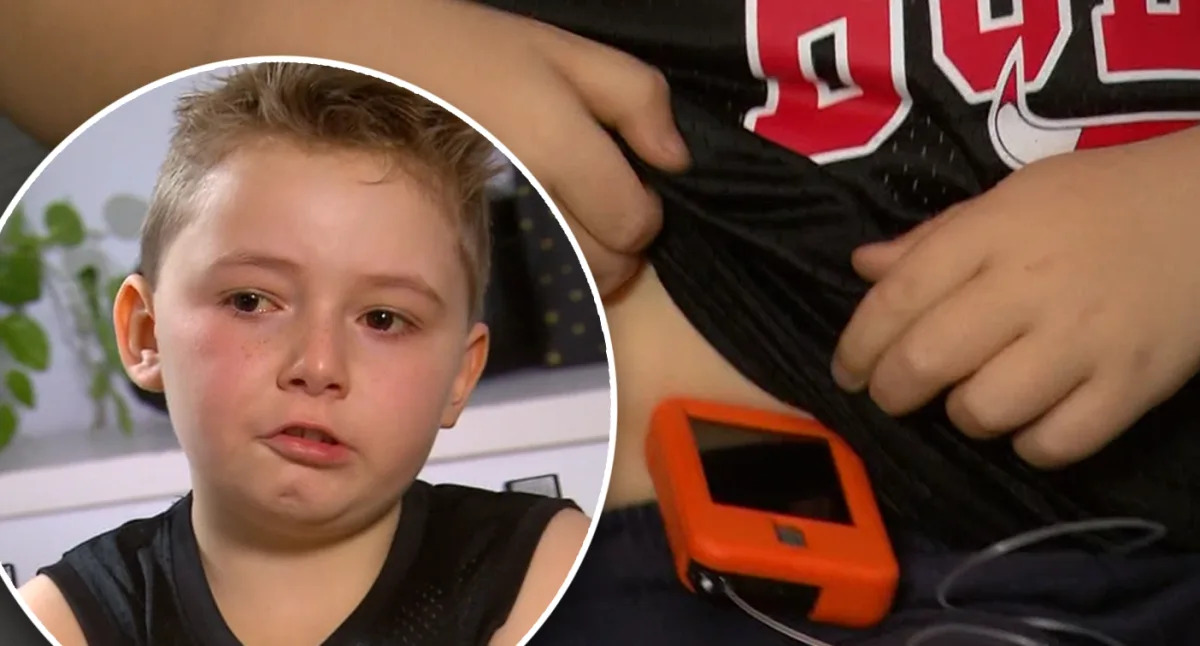
Melbourne Airport has apologized after a seven-year-old boy with diabetes was forced to remove his life-saving diabetes device at security, despite his parents' warnings that it would be dangerous for his health. The family spent over an hour explaining the risks, but the boy was still made to remove his insulin pump and continuous glucose monitor. The airport has acknowledged that it did not meet expectations and is seeking feedback to improve the overall traveler experience for passengers with accessibility needs.
Scientists in Thailand have developed lightweight gloves equipped with accelerometers and gyroscopes that can detect and counter tremors in people with Parkinson's disease. The gloves send a Bluetooth signal to a battery-powered stimulator that applies a gentle electrical current to the hand muscles, reducing tremors. The researchers plan to partner with entrepreneurs to refine the gloves and make them smaller and more aesthetically pleasing. The gloves can also connect to mobile phones for real-time monitoring of tremors. The cost of producing the gloves is expected to be considerably lower than medication or surgery.
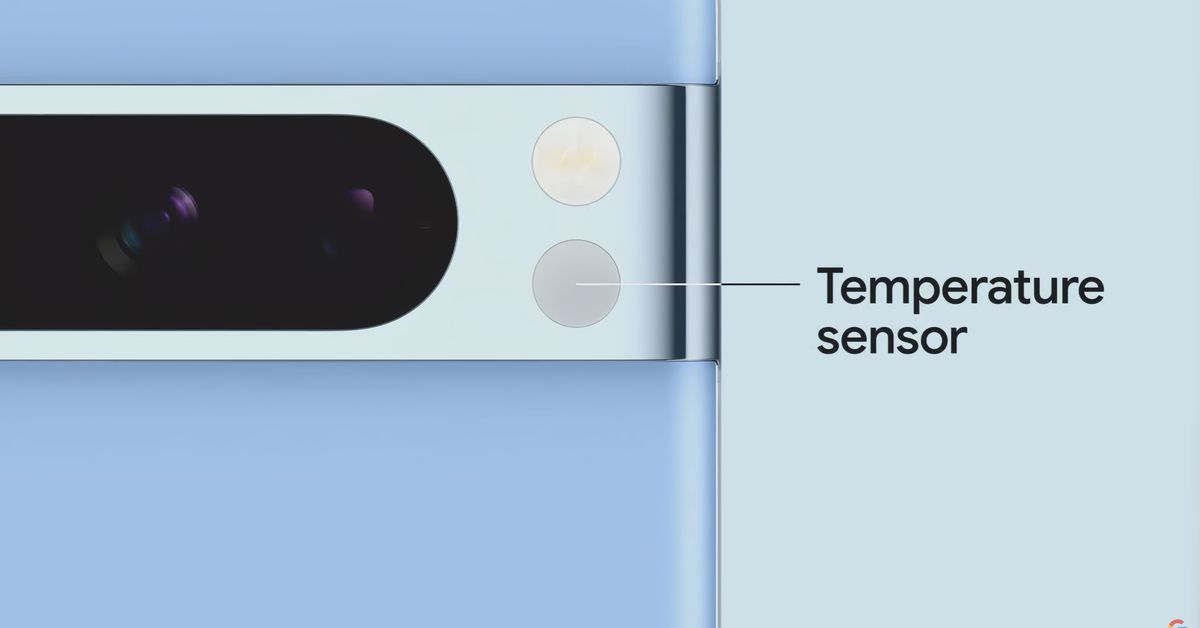
The Pixel 8 Pro smartphone from Google features an infrared temperature sensor, but the company has not provided much information about its purpose. While the phone can measure the temperature of objects like pans and bottles, using it to measure body temperature requires FDA clearance. Google has not disclosed which clearance avenue it is pursuing or when it filed for approval. The temperature app saves data to Fitbit instead of Google accounts to comply with HIPAA regulations. The reason for including the temperature sensor and seeking FDA clearance remains unclear, but it could be related to illness prediction, cycle tracking, or future medical tech plans. Obtaining FDA clearance can be a lengthy process, as seen with other devices, and no smartwatch or phone has been cleared to offer body temperature data via an infrared sensor.
MIT scientists have developed a medical device that can be implanted in mice to produce its own supply of insulin for up to a month, potentially eliminating the need for insulin injections. The device features a membrane that splits water molecules to create an indefinite supply of oxygen, ensuring the survival of donor islet cells. In lab experiments, diabetic mice implanted with the device maintained healthy blood sugar levels for at least a month. The researchers hope to further test the device in larger animals and eventually move on to human trials.