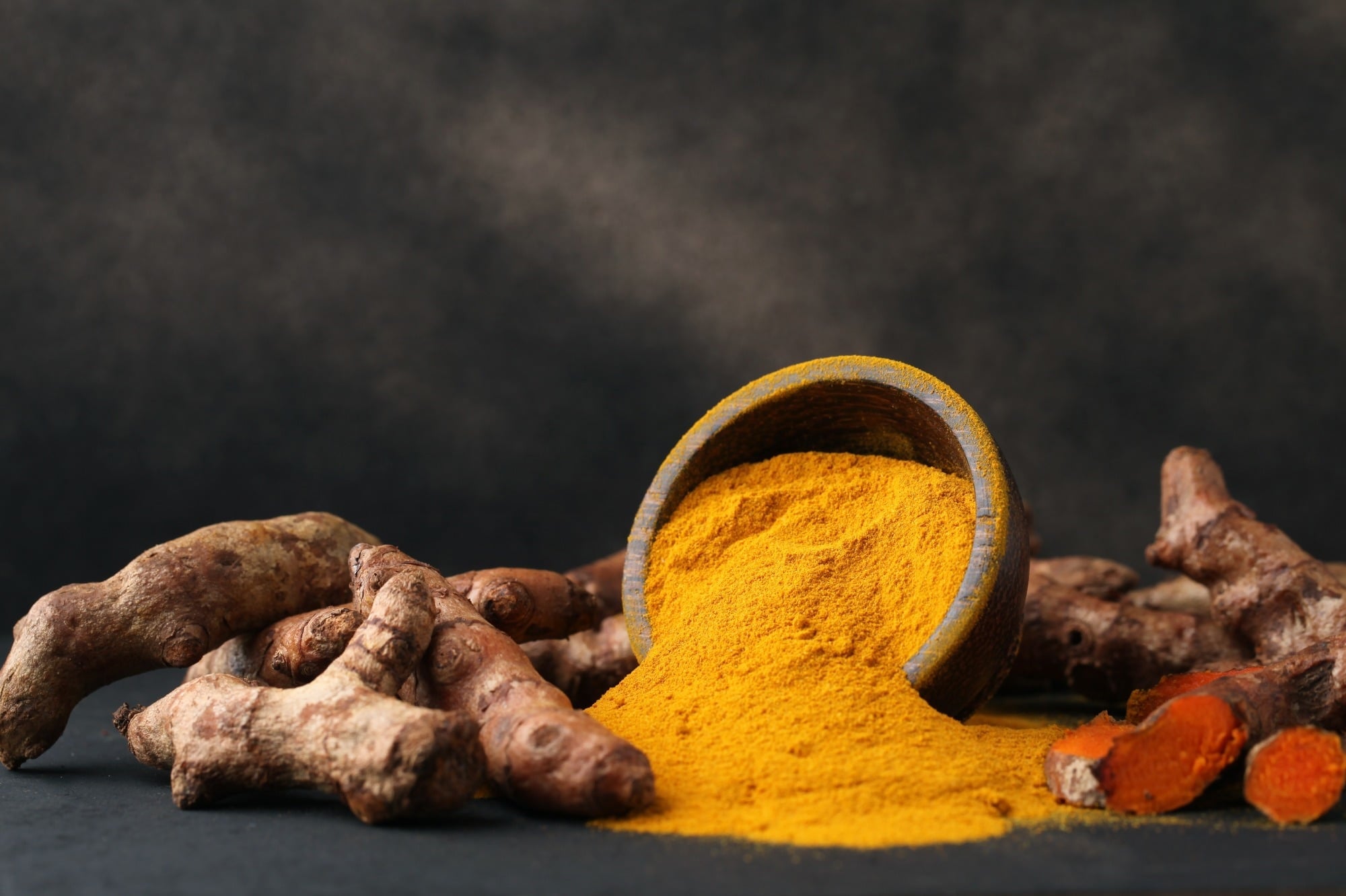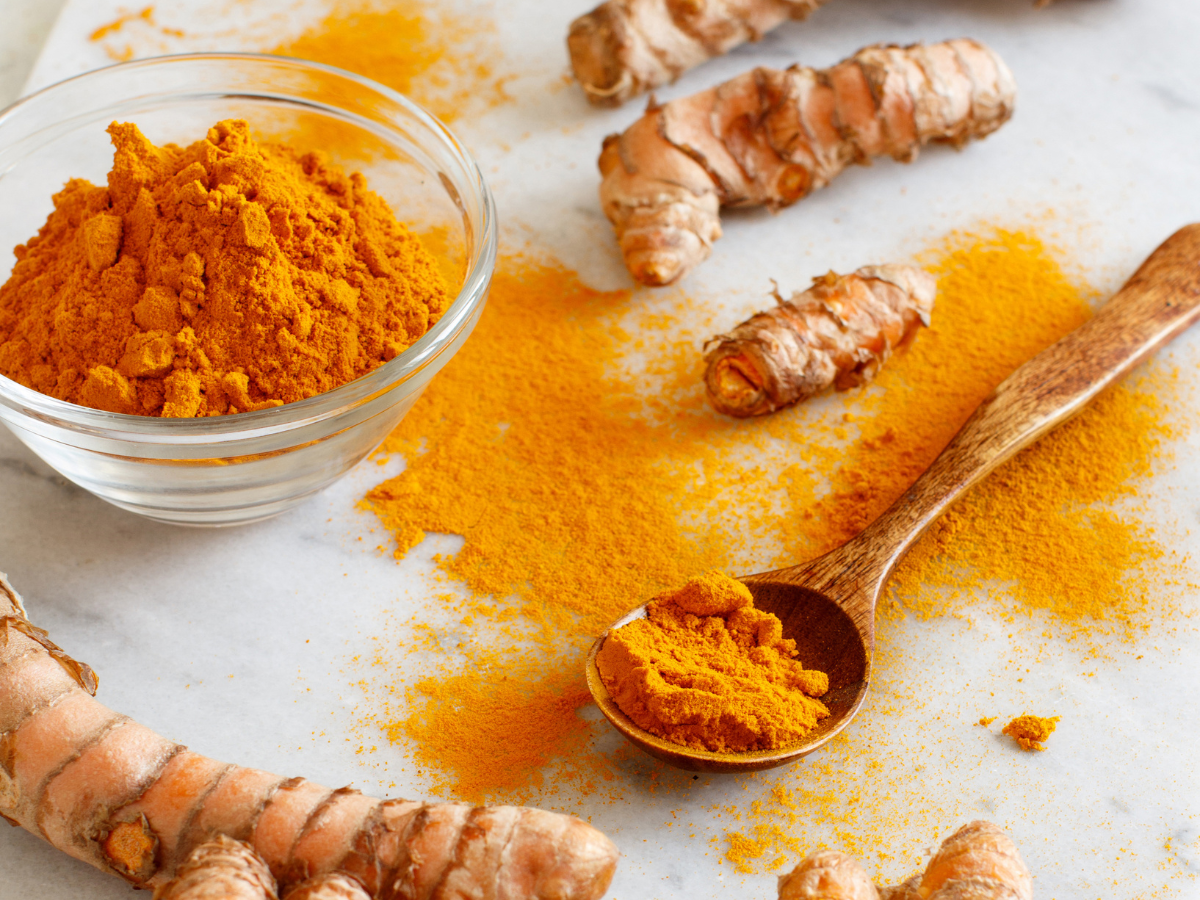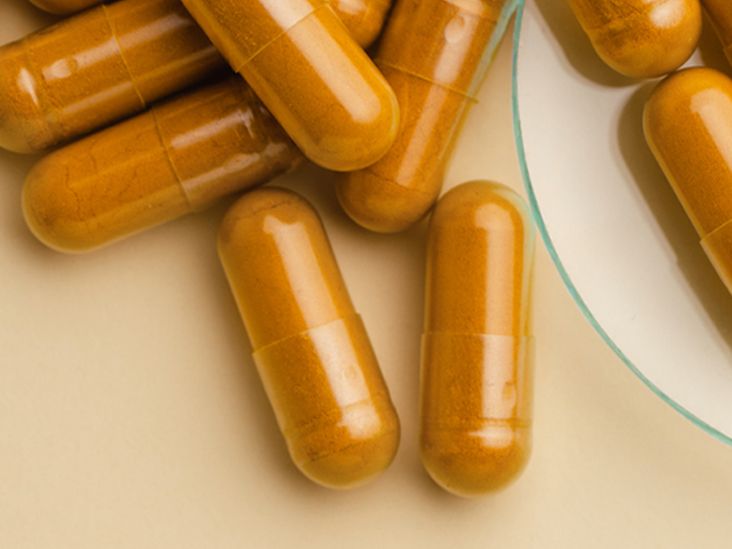
Turmeric, containing the active compound curcumin, is considered the best spice to reduce inflammation, especially when paired with black pepper to enhance absorption. It can be incorporated into various recipes and may support the body's natural inflammatory response, though supplements may provide stronger effects than food sources. Turmeric is a flavorful addition to a healthy diet but should complement, not replace, medical treatments.
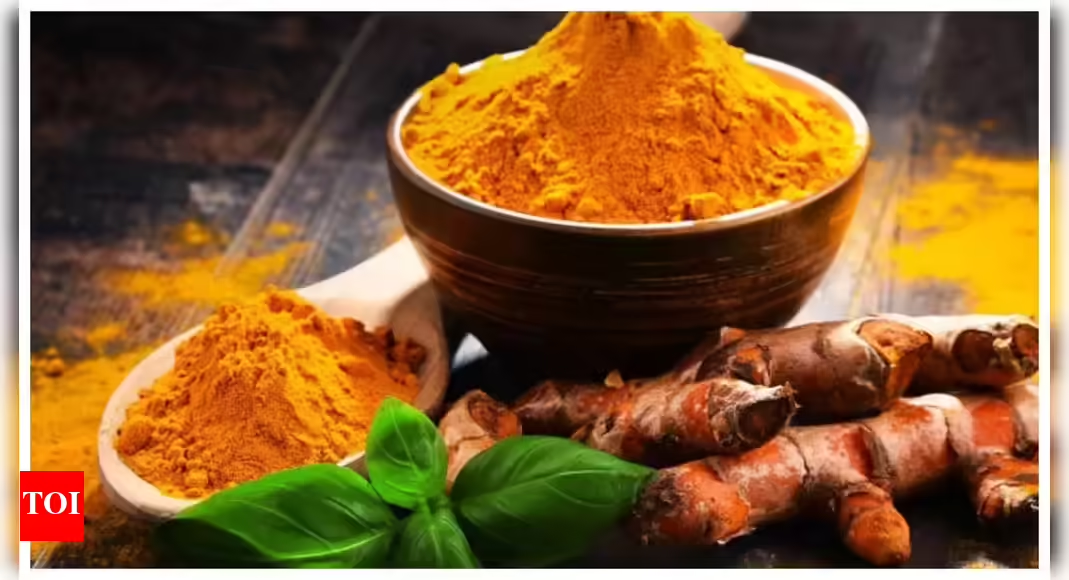
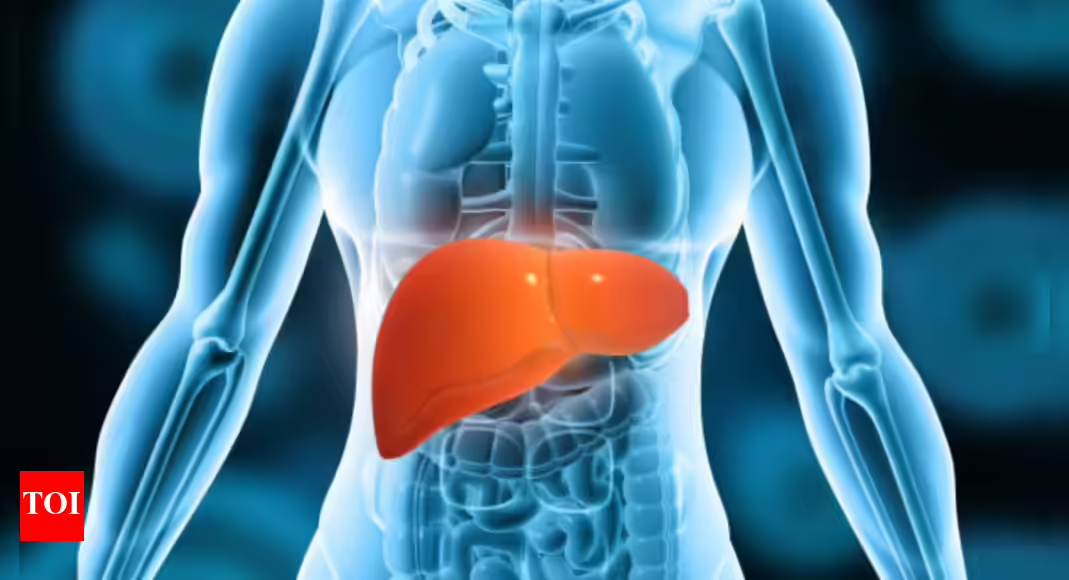
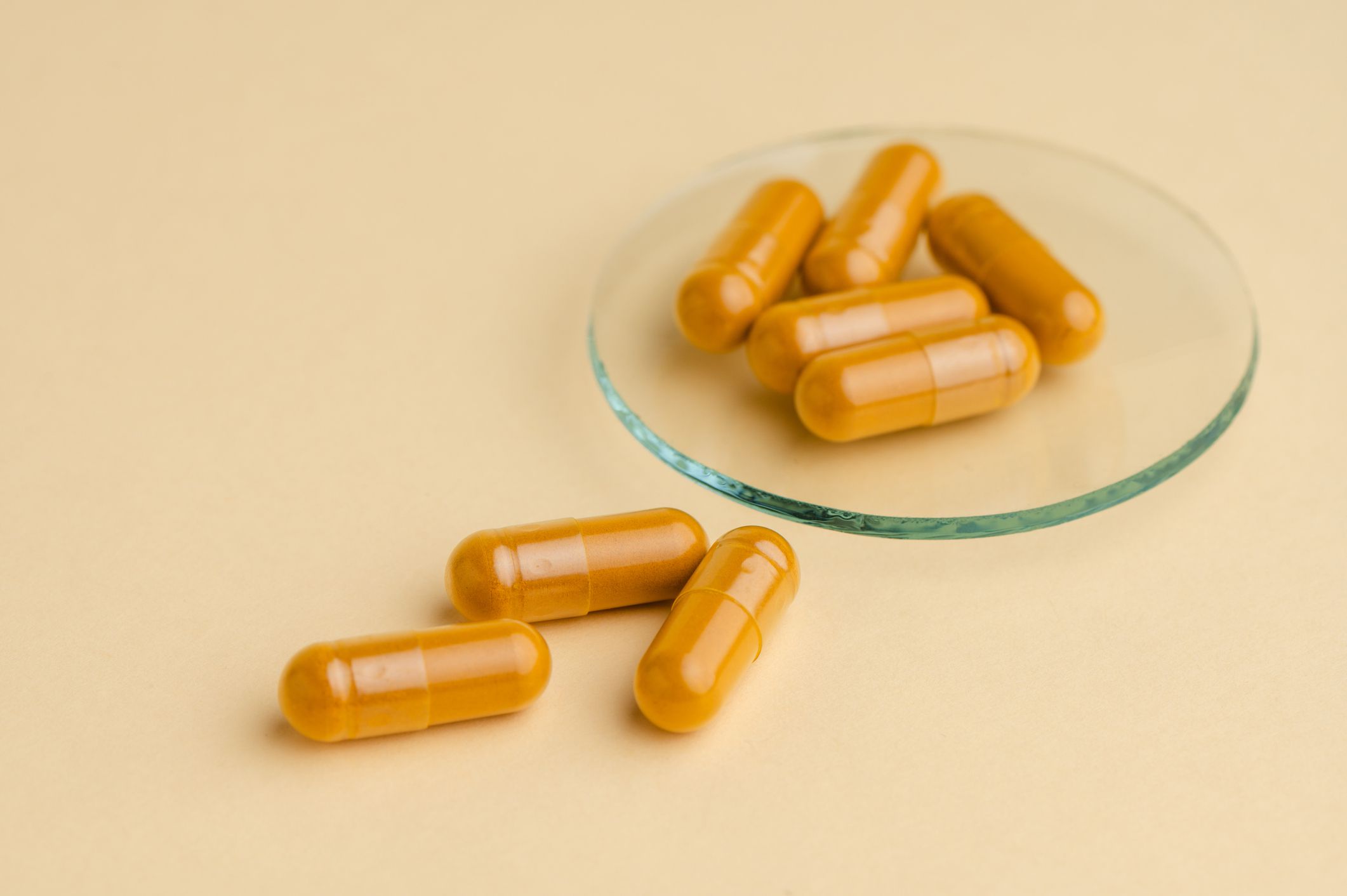
Turmeric, especially in food, is generally safe and may support liver health due to its anti-inflammatory properties, but high-dose supplements can pose risks of liver damage, particularly in individuals with genetic predispositions or pre-existing liver conditions. It's advisable to consume turmeric through diet and consult a healthcare provider before taking high-dose supplements, monitoring for signs of liver issues.
Turmeric water and turmeric milk are popular ways to consume turmeric, each offering unique benefits: water is ideal for detox and hydration, while milk provides better absorption of curcumin for anti-inflammatory and immune support. The choice depends on individual health goals, with water suited for mornings and detox, and milk for inflammation, immunity, and sleep. Combining both can optimize turmeric's health benefits.
A review of 20 studies suggests that turmeric or curcumin supplements may modestly aid weight loss and improve obesity indicators in people with prediabetes and type 2 diabetes, with effects influenced by dosage and duration, though more diverse and long-term research is needed.
A comprehensive review suggests that turmeric, especially its active compound curcumin, may offer health benefits such as reducing inflammation, supporting blood pressure and cholesterol management, and improving cognitive health, though more high-quality research is needed to confirm these effects.
Recent reports link high-dose turmeric supplements to severe liver damage, including cases of drug-induced liver injury and acute liver failure. Experts recommend sticking to recommended dosages, avoiding combining turmeric with alcohol or certain medications, and consulting a doctor, especially for those with existing liver issues, to safely enjoy turmeric's benefits without risking liver health.
Arthritis affects about 1 in 5 U.S. adults and can be managed with supplements such as omega-3 fatty acids, curcumin, glucosamine and chondroitin, SAMe, and vitamin D, which may help reduce inflammation and alleviate joint pain. It's important to discuss taking supplements with a healthcare provider and ensure the products are third-party tested for purity and quality.
Researchers explore the potential of nano-formulations to enhance the bioavailability and bioactivity of curcumin, a bioactive compound in turmeric, to amplify its antioxidant properties and disease-preventing effects. Various nano-formulations have been developed to address curcumin's bioavailability limitations, showing promising outcomes in preclinical studies across various diseases. Curcumin exhibits therapeutic potential in diseases such as cancer, inflammation, neurodegeneration, liver diseases, and Alzheimer's. Clinical trials suggest positive effects of curcumin on body weight, body fat, and metabolic markers in overweight/obese individuals, as well as in the prevention of cardiovascular diseases. Further research in clinical settings is warranted to optimize curcumin's anti-inflammatory effects in human chronic inflammation.
Turmeric, with its active compound curcumin, offers numerous health benefits such as anti-inflammatory and antioxidant properties. To maximize its benefits, incorporate turmeric with black pepper to enhance absorption, prepare golden milk elixir for a soothing bedtime ritual, infuse it into cooking for flavorful and nutrient-rich meals, consume it with fatty foods for better absorption, and enjoy turmeric tea for a refreshing antioxidant boost.
A new study suggests that turmeric, specifically its active ingredient curcumin, may be as effective as the acid reducer omeprazole in relieving indigestion symptoms such as bloating and abdominal pain. The study compared the effectiveness and safety of curcumin to omeprazole in 206 participants with chronic indigestion. The results showed that curcumin provided similar symptom relief to omeprazole, with no major differences in effectiveness or side effects. However, curcumin may take longer to take effect and is more suitable as a preventative measure rather than for immediate relief. It is important to consult a healthcare provider before taking turmeric or curcumin supplements, as high doses can interact with certain medications and increase the risk of stomach ulcers.
A small study suggests that turmeric, specifically the compound curcumin found in turmeric, may be as effective as the over-the-counter drug Omeprazole in treating indigestion. Participants in the study experienced a significant reduction in symptom severity after taking turmeric supplements for 28 days. Turmeric's anti-inflammatory properties and ability to stimulate bile production are believed to contribute to its effectiveness in alleviating indigestion symptoms. While the study has limitations and further research is needed, turmeric could be considered as a complementary approach to indigestion treatment, especially for those looking for natural remedies or experiencing side effects from medications. However, it's important to consult with a healthcare professional before making any changes to medication regimens.
A study published in the medical journal BMJ compared the effectiveness of omeprazole, turmeric (containing curcumin), or a combination of both in treating indigestion. The study found no significant differences in symptom improvement between the groups. Turmeric has been used for centuries in Southeast Asia to treat stomach discomfort, and its primary medicinal use in the US is as an anti-inflammatory and antioxidant supplement. While more research is needed, experts suggest discussing the use of turmeric with a doctor, as it may interact with other medications and have potential side effects.
Turmeric, specifically its bioactive compound curcumin, has been used for centuries in traditional medicine to treat various ailments. Curcumin's most proven ability is its anti-inflammatory properties, which make it an effective pain reliever. Studies have shown that curcumin can reduce joint pain, tenderness, and swelling in patients with arthritis. Unlike ibuprofen, curcumin has no toxic effects and can be taken long-term. One woman's experience with chronic knee pain was greatly improved by incorporating turmeric into her diet and drinking turmeric tea. Turmeric has also been found to have other health benefits, including easing depression, reversing fatty liver, and potentially fighting cancer.
Turmeric, specifically its bioactive compound curcumin, has been used for centuries in traditional medicine to treat various ailments. Curcumin's most proven ability is its anti-inflammatory properties, which make it an effective pain reliever. Studies have shown that curcumin can reduce joint pain, tenderness, and swelling in patients with arthritis. Unlike ibuprofen, curcumin has no toxic effects and can be taken long-term. One woman's experience with turmeric tea highlights its effectiveness in relieving chronic knee pain and improving overall quality of life. Turmeric tea can be easily incorporated into the diet and offers numerous health benefits beyond pain relief, including easing depression, reversing fatty liver, and potentially fighting cancer.
Turmeric, a spice known for its yellowish-orange color, has gained popularity as a dietary supplement due to its potential health benefits. Its active component, curcumin, has been studied for its potential to treat various health conditions. Turmeric is rich in antioxidants, aids digestion, improves brain function, supports healthy skin, and may relieve symptoms of mild arthritis and improve heart health. It may also have cancer-fighting properties. However, taking too much turmeric can cause side effects such as diarrhea, nausea, and headache. It may also slow down blood clotting and interact with certain medications. The recommended daily intake of turmeric varies depending on the form and condition being treated, and it is advisable to consult a healthcare professional before taking turmeric supplements.