A large international clinical trial found that daily fish oil supplements significantly reduce serious heart and vascular complications in dialysis patients, lowering major cardiovascular events by 43%.
A 2024 meta-analysis of 29 studies suggests that omega-3 supplements, commonly found in fish oil, can reduce aggression by up to 28%, indicating potential benefits for mental health and behavior management across various demographics.
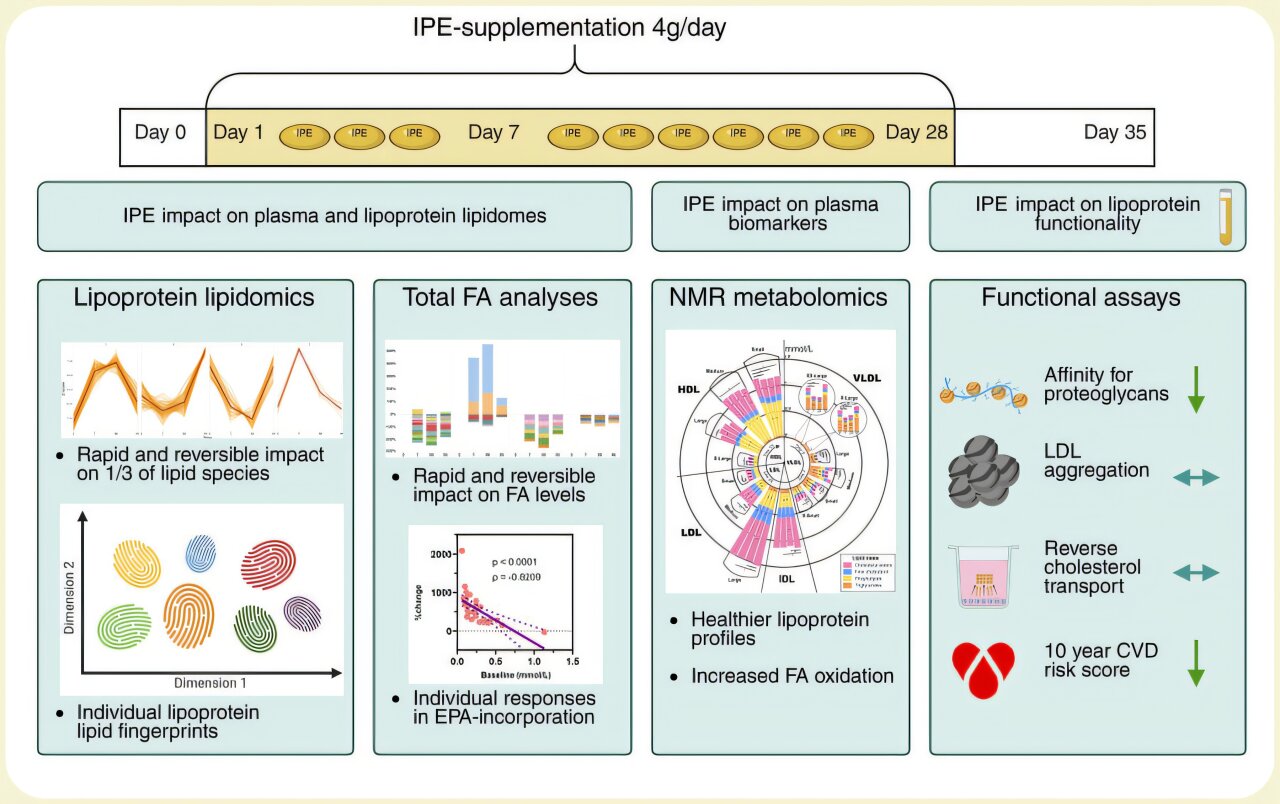
A study published in JCI Insight found that the effects of fish oil-derived EPA on blood lipids and cardiovascular risk vary significantly between individuals, with effects dissipating quickly after supplementation ends, highlighting the importance of personalized approaches in cardiovascular disease prevention.
Research suggests that dietary omega-3 polyunsaturated fatty acids may help protect against myopia and support neurological health, with sources including fatty fish, seafood, and certain plant oils. Quality and sourcing are important to avoid rancidity and contamination. While eating fish like salmon provides benefits, supplements can be useful, especially if dietary intake is low. Overall, increasing omega-3 intake through diet or supplements may offer significant health benefits, but individual needs vary.
While fish oil supplements have been linked to heart and brain health benefits in some studies, large clinical trials have largely failed to confirm these benefits, and there are concerns about increased risk of irregular heart rhythms. The only clear recommendation is for individuals with very high triglycerides, who may benefit from prescription-grade fish oil. For most people, over-the-counter fish oil appears safe but offers uncertain benefits, though some recent research suggests potential advantages for specific groups, such as those with the APOE4 gene linked to Alzheimer’s risk.
Research indicates that omega-3 fatty acids, particularly EPA and DHA found in fish oil, can significantly improve depressive symptoms, though they may not prevent depression. Consuming 1-1.5 grams daily through high-quality supplements or fatty fish like salmon is recommended for mental health benefits.
A 2024 meta-analysis of 29 studies suggests that omega-3 supplements, commonly found in fish oil, can reduce aggression by up to 28%, indicating potential benefits for mental health and behavior management.
A meta-analysis from the University of Pennsylvania found that daily omega-3 fish oil supplements can reduce aggression by up to 28%, with benefits observed even at low doses, suggesting that increasing omega-3 intake could be a simple, low-risk way to help manage aggressive behavior across different age groups.
A health expert claims that cod liver oil, rich in EPA (an omega-3 fatty acid), is a natural superfood that can help unclog arteries and prevent heart attacks or strokes, potentially outperforming aspirin by reducing inflammation and stabilizing plaques. While aspirin prevents blood clots, EPA from fish oil sources like salmon and mackerel may offer a safer alternative for arterial health, though more research is needed. Consulting a healthcare professional before making changes is advised.
Dr. Ellie Cannon explains that while fish oil containing omega-3 may slightly reduce dementia risk, more effective prevention involves lifestyle changes such as not smoking, exercising, socializing, managing blood pressure, and following a Mediterranean diet. Supplements are not a substitute for these larger health strategies.
A study by the University of Georgia suggests that omega-3 and omega-6 fatty acids, found in fish oil and certain plant-based foods, may reduce the risk of several types of cancer, including colon, stomach, and lung cancers. The research, which analyzed data from over 250,000 participants in the UK Biobank, found that higher blood levels of these fatty acids were associated with a lower incidence of cancer. While the findings support increased intake of these unsaturated fats, further research is needed to understand their effects across different populations and cancer types.
A study from the University of Georgia indicates that omega-3 and omega-6 fatty acids may lower the risk of various cancers, particularly in the digestive tract, brain, and skin, based on data from over 250,000 participants. While fish oil supplements, rich in these fatty acids, are popular for their health benefits, the study also notes a potential slight increase in prostate cancer risk with high omega-3 intake. The findings suggest incorporating more of these fatty acids into diets could be beneficial, especially for women.
A recent study in BMJ Medicine suggests that while fish oil supplements may benefit those with existing cardiovascular disease, they could slightly increase the risk of heart events in the general population. Experts emphasize that the study's findings are not definitive and recommend getting nutrients from food rather than supplements. They also advise consulting a doctor before starting any supplement regimen, as individual health needs vary.
A recent British Medical Journal report and various clinical trials reveal mixed outcomes for omega-3 fish oil supplements. While they may reduce major cardiovascular events in those with existing cardiovascular disease (CVD), they can increase the risk of atrial fibrillation (AF) and stroke in those without CVD. High doses of omega-3s are particularly linked to increased AF risk. Prescription omega-3s are FDA-approved for certain conditions, but over-the-counter supplements should be used cautiously and never as a substitute for a healthy diet and lifestyle.
While fish oil supplements are popular for their supposed heart health benefits, recent research suggests they may increase heart risks in healthy individuals and often lack scientific backing for their health claims. Many over-the-counter fish oil supplements are found to be rancid, potentially harming heart health. Experts recommend obtaining omega-3s from food sources like fatty fish, as supplements can interfere with medications and may not provide the same benefits. Prescription fish oil may be safer and more effective for certain patients.