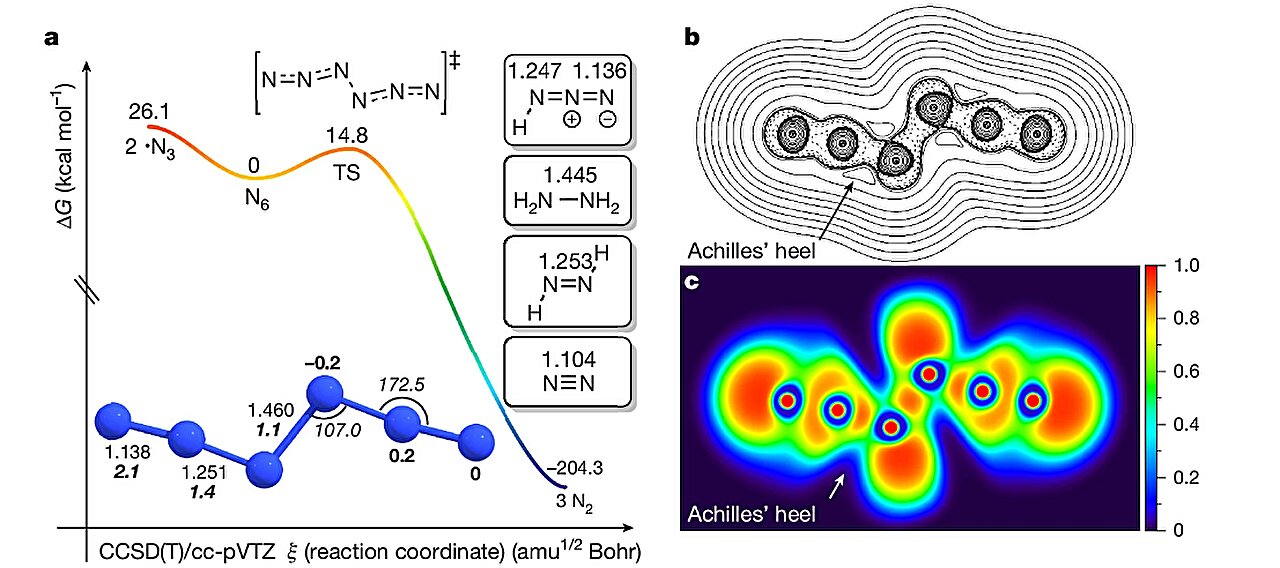
Scientists have successfully synthesized a stable neutral hexanitrogen (N6) molecule, a breakthrough that could advance energy storage technologies due to its high energy release upon decomposition, and its potential as a carbon-neutral energy material.
Scientists from Sorbonne University in Paris have proposed a new theory on the origin of life on Earth, suggesting that it was triggered by lightning from volcanic eruptions in Turkey, Peru, and Italy, which emitted high levels of nitrogen. The study indicates that the combination of nitrogen and lightning created nitrogen oxide, releasing amino acids into the soil and potentially fostering the earliest lifeforms. This challenges the idea that life on Earth originated from space, providing evidence that volcanic lightning played a crucial role in creating the necessary conditions for life to emerge on our planet.
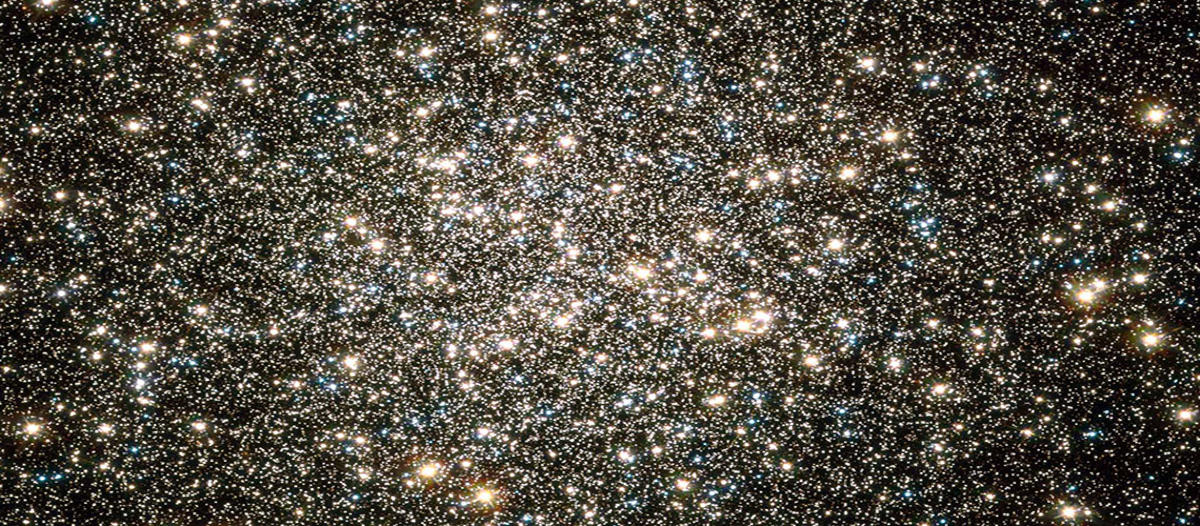
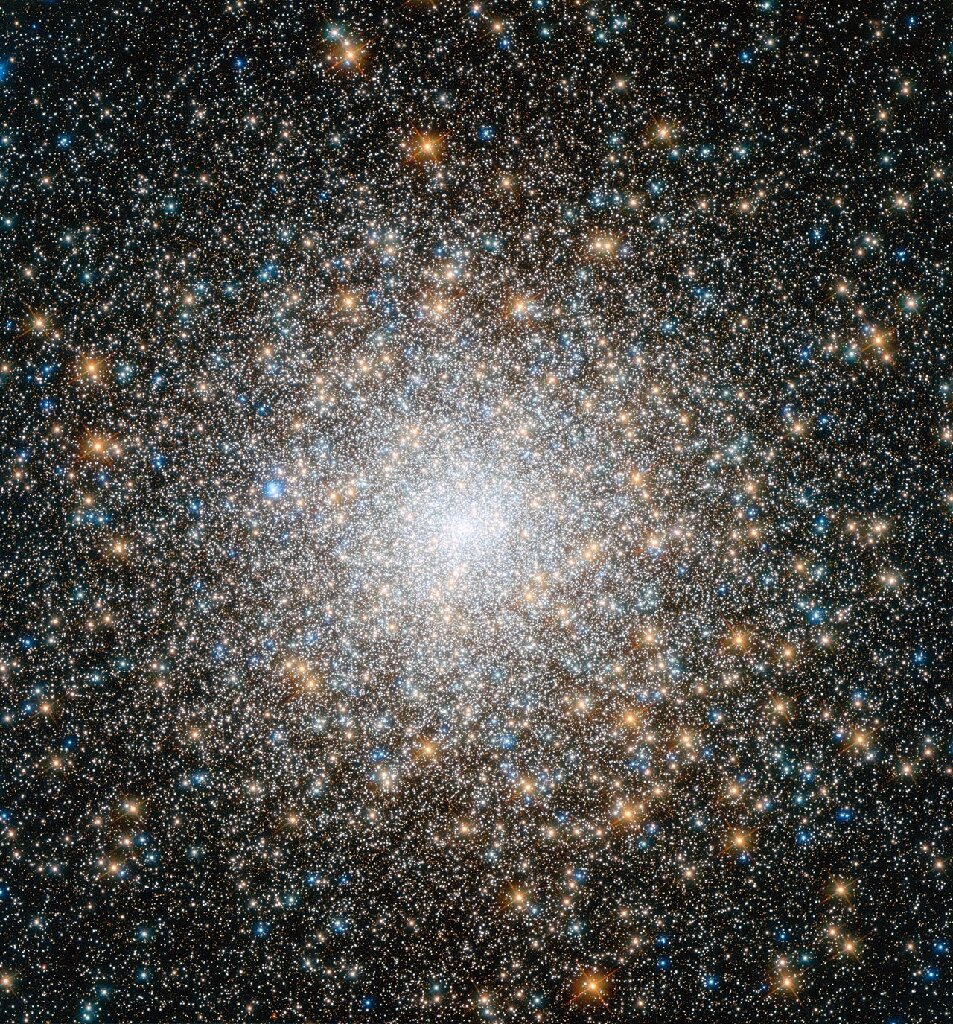
Researchers from the universities of Geneva, Paris, and Barcelona have found evidence that supermassive stars existed within globular clusters when they formed 13 billion years ago. These clusters are the universe’s most massive and ancient star groupings, housing up to a million individual stars. The researchers believe that they have detected the initial chemical evidence of these stars in globular proto-clusters, which came into existence approximately 440 million years following the Big Bang. The results were obtained thanks to observations by the James-Webb space telescope.
Lightning was not a major source of bioavailable nitrogen for life on early Earth, according to a new study. Although lightning was responsible for breaking apart N2 molecules, the isotopic composition found in rock records suggests that microorganisms have been able to convert N2 gas into bioavailable forms for more than three billion years. The study also provides insight into identifying the source of nitrate deposits on Mars and other planets and moons in our solar system.
The James Webb Space Telescope has detected the first chemical signs of supermassive stars, which are "celestial monsters" that blaze with the brightness of millions of Suns in the early universe. The largest stars observed so far have a mass of around 300 times that of our Sun, but the supermassive star described in a new study has an estimated mass of 5,000 to 10,000 Suns. The researchers theorize that these huge stars are born from successive collisions in the tightly packed globular clusters, and they shoot out chemical "pollution" that feeds young forming stars, giving them a greater variety of chemicals.
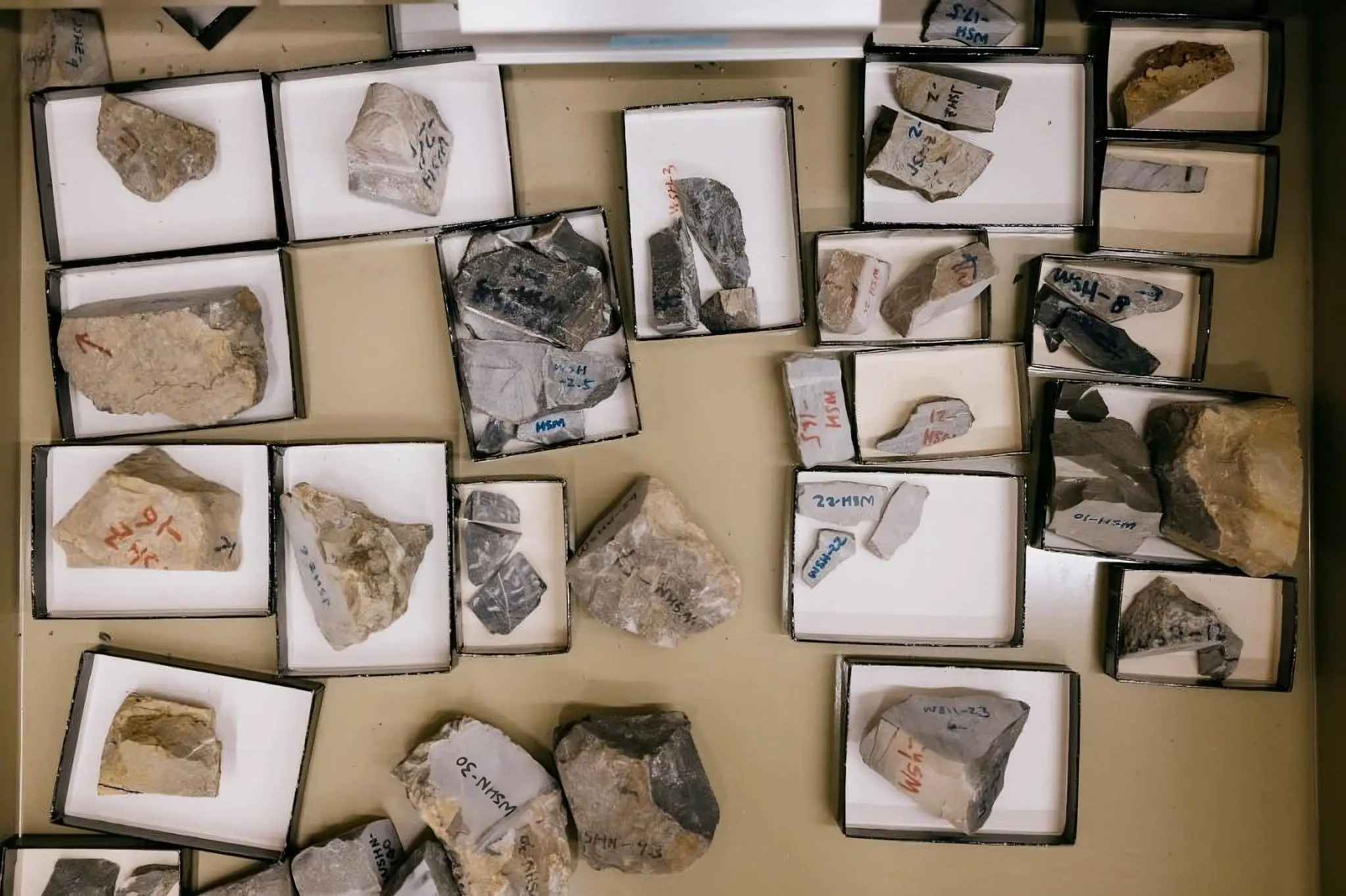
Geoscientists from Virginia Tech have discovered evidence that suggests a rise in biologically accessible nitrogen during the period when marine eukaryotes gained dominance. The evolution of complex eukaryotic cells into multicellular beings marked a significant turning point in the history of life on Earth, leading to the emergence of animals, plants, and fungi. The team’s research findings show that nitrate could be responsible for algae, flowers, and even neighbors. By examining rocks, we can connect Earth’s past to its present and future, gaining a deeper understanding of our planet’s history.
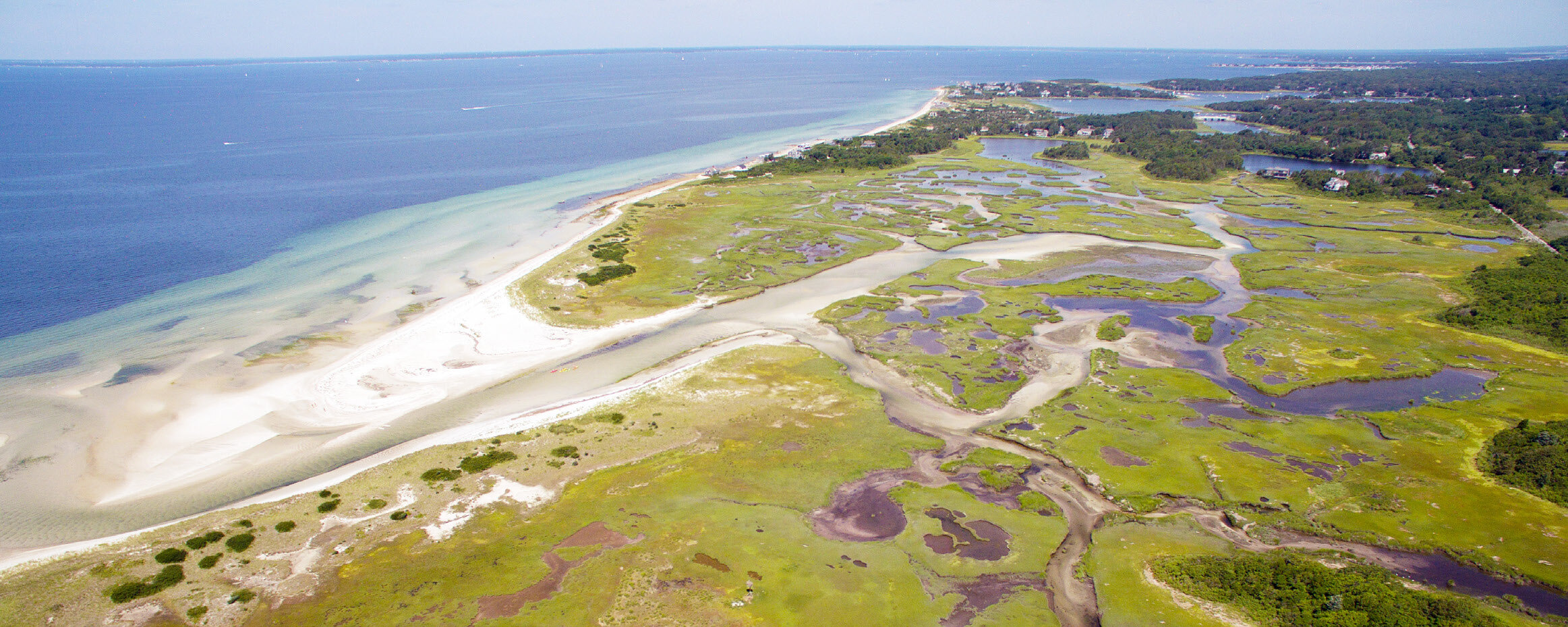
A 50-year study by the Marine Biological Laboratory (MBL) has found that over 90% of the world's salt marshes are likely to be underwater by the end of the century due to sea level rise. The study, conducted in Great Sippewissett Marsh in Massachusetts, examined the impact of increased nitrogen on marsh grass species and found that even with increased vegetation and accretion of the marsh surface, the ecosystems won't be able to outpace submergence from global sea level rise. The study highlights the importance of understanding the impact of sea level rise on ecosystems and the need to prevent or adapt to losses.
Geoscientists from Virginia Tech have discovered evidence that an increase in biologically available nitrogen may have played a role in the rise of eukaryotes, organisms with a nucleus, which led to the evolution of multicellular organisms, including animals, plants, and fungi. The team's findings, published in Science Advances, reveal that nitrates rose around 800 million years ago, which coincided with the time that marine eukaryotes became dominant. The research sheds light on the key event that shifted ecosystems from dominantly prokaryotic to eukaryotic, which enabled the evolution of complex life on Earth.