Tag

Geoscience

All articles tagged with #geoscience

Scientists Uncover the Hot Secret Stabilizing Earth's Continents and Life

Originally Published 2 months ago — by Indian Defence Review

Featured image for Scientists Uncover the Hot Secret Stabilizing Earth's Continents and Life
Source: Indian Defence Review

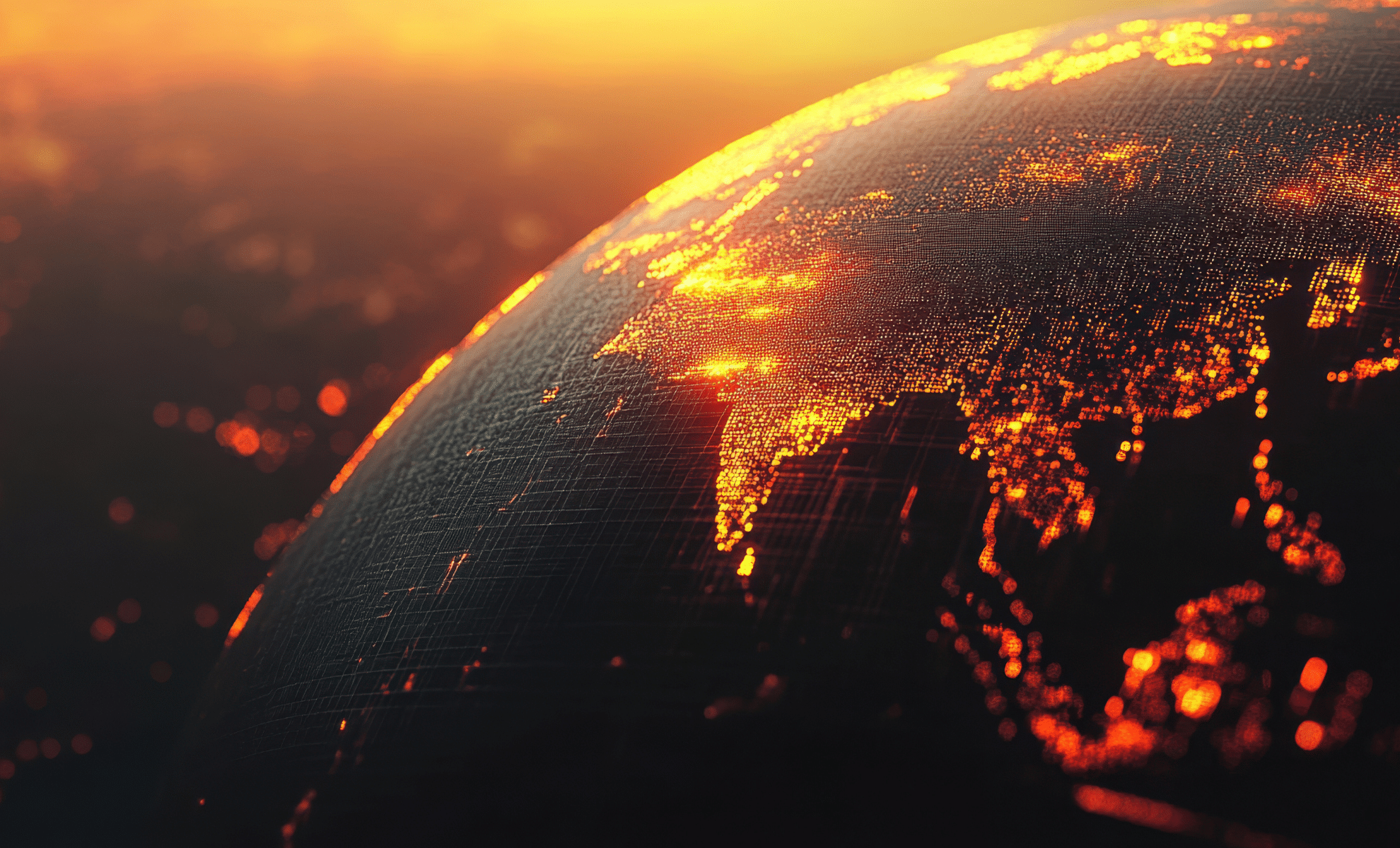
New research reveals that Earth's stable continents were formed by extremely high temperatures deep within the crust, driven by radioactive decay of elements like uranium and thorium, which facilitated the cooling and solidification of the crust. These processes, akin to forging metal, shaped Earth's landmasses and created a stable foundation for life, offering insights into planetary habitability and guiding the search for life on other planets.

Scientists Warn of Major Landmass Shift Due to Powerful Force

Originally Published 2 months ago — by Yahoo

Featured image for Scientists Warn of Major Landmass Shift Due to Powerful Force
Source: Yahoo

Greenland has been shifting northwest by about two centimeters annually over the past 20 years due to ice melt caused by climate change, affecting its size and shape, with implications for geoscience and navigation; this movement underscores the accelerating impact of global warming on the Arctic, prompting increased awareness and conservation efforts worldwide.

Scientists Discover Hidden Ocean Beneath Earth's Surface, Suggesting New Survival Possibilities

Originally Published 4 months ago — by Rude Baguette

Featured image for Scientists Discover Hidden Ocean Beneath Earth's Surface, Suggesting New Survival Possibilities
Source: Rude Baguette

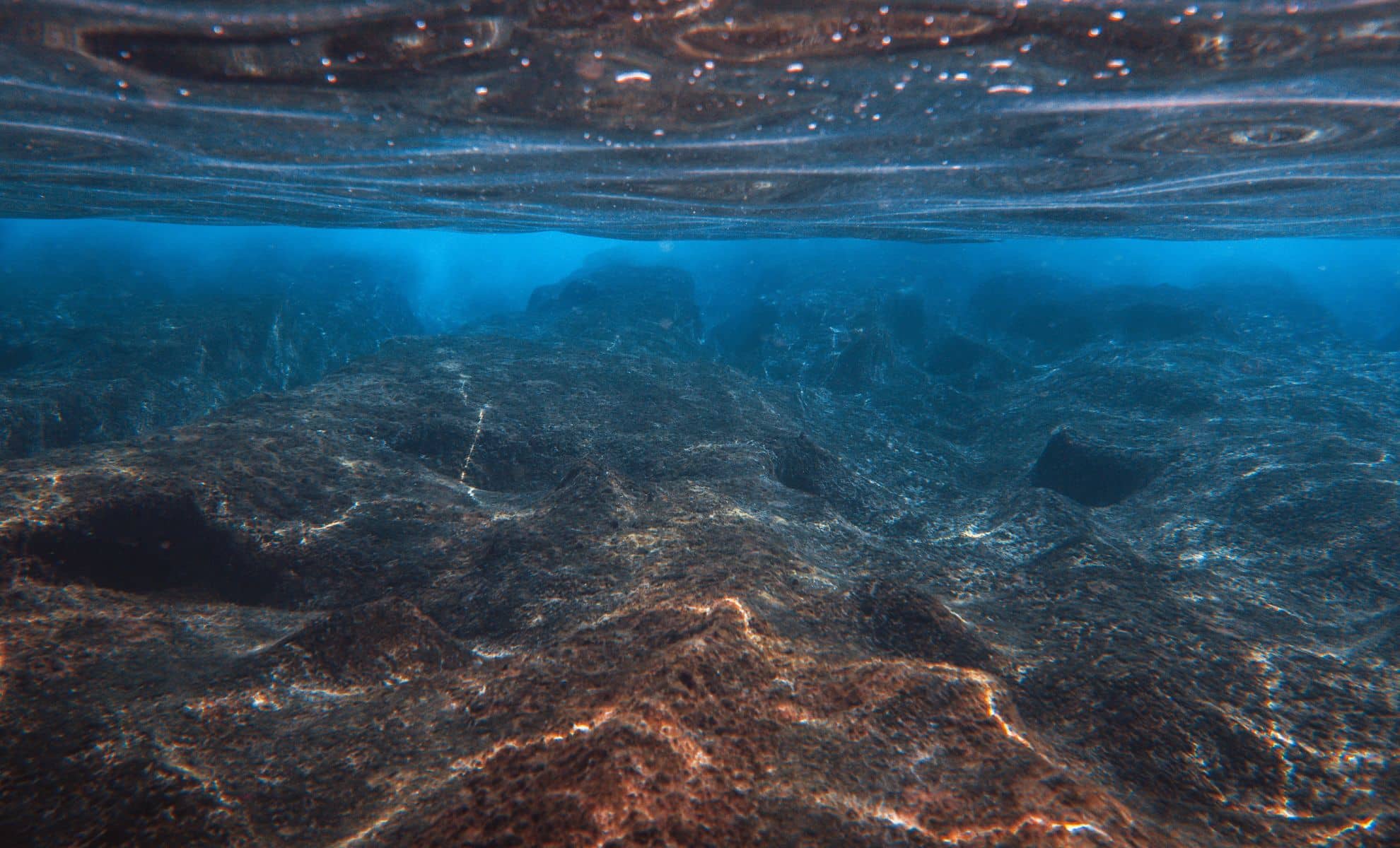
Recent research highlights olivine's role in transporting water deep into Earth's mantle, revealing that only older, fast-moving oceanic plates can carry water to significant depths, which has major implications for understanding tectonic processes, seismic activity, and Earth's hidden water reservoirs.

Scientists Discover 117-Million-Year-Old Structures Beneath Atlantic Ocean

Originally Published 5 months ago — by Indian Defence Review

Featured image for Scientists Discover 117-Million-Year-Old Structures Beneath Atlantic Ocean
Source: Indian Defence Review

Scientists have discovered massive 117-million-year-old mud waves beneath the Atlantic Ocean, indicating that the ocean's formation began earlier than previously thought, around 117 million years ago, driven by salt-laden water flows that reshaped the seafloor and redefined geological timelines.

Enhanced Machine Learning Models Improve Glacier Erosion Predictions

Originally Published 5 months ago — by Phys.org

Featured image for Enhanced Machine Learning Models Improve Glacier Erosion Predictions
Source: Phys.org

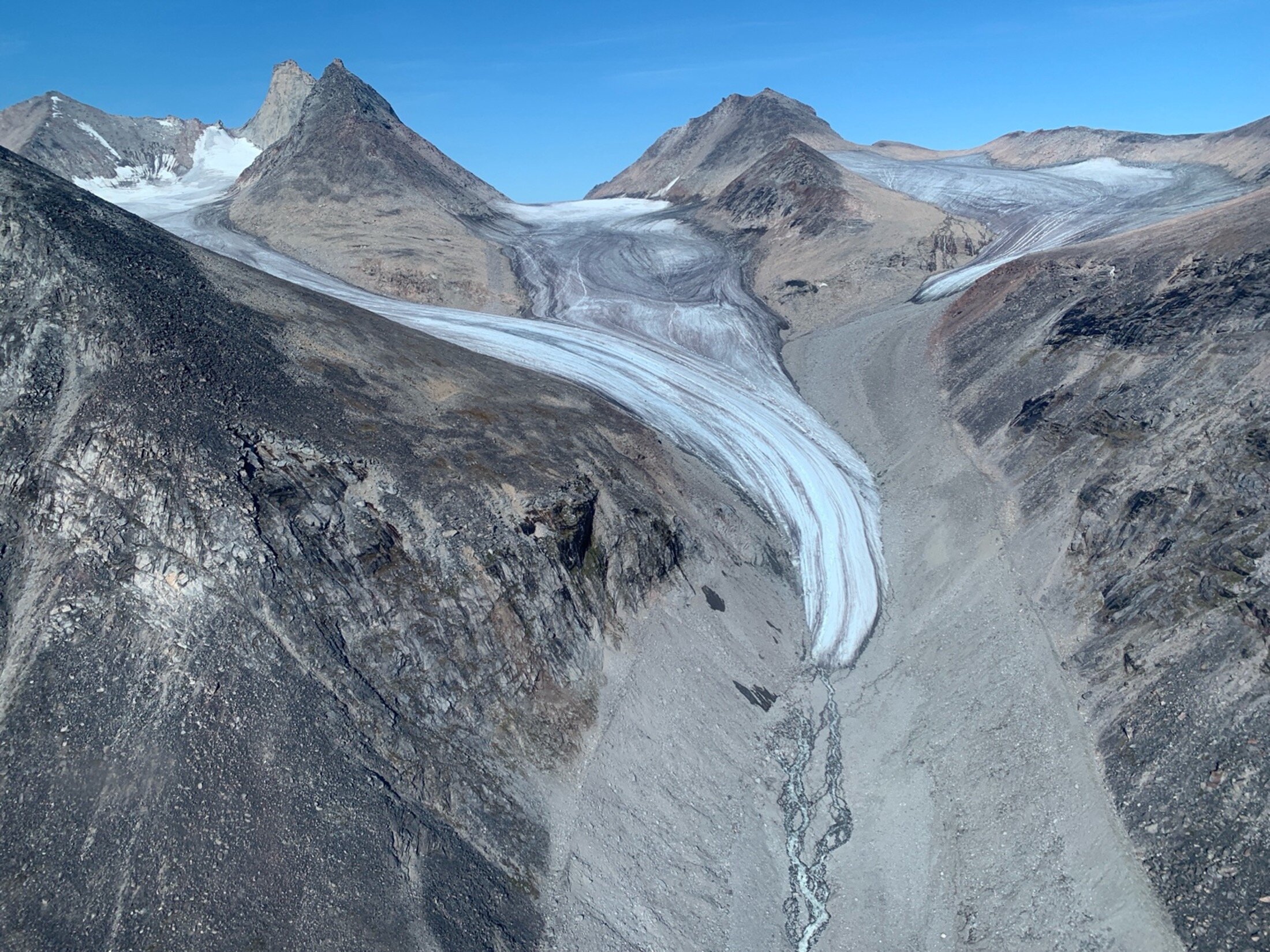
A study using machine learning predicts the erosion rates of over 180,000 glaciers worldwide, revealing that most erode between 0.02 and 2.68 millimeters annually, with various environmental factors influencing these rates, providing crucial insights into landscape evolution and environmental management.

China's 10,000-Meter Deep Earth Drill: The Hidden Agenda

Originally Published 5 months ago — by The Daily Galaxy

Featured image for China's 10,000-Meter Deep Earth Drill: The Hidden Agenda
Source: The Daily Galaxy

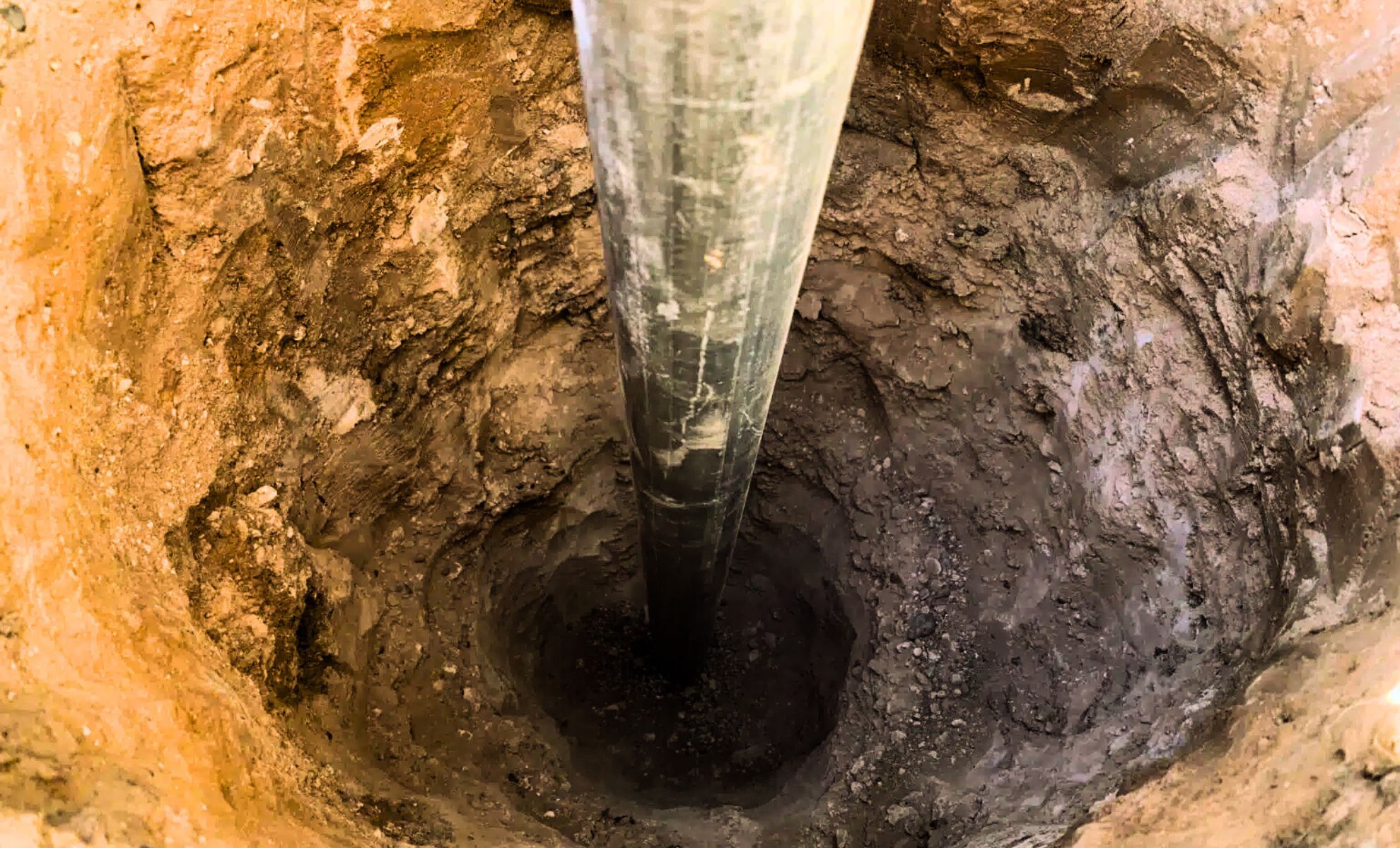
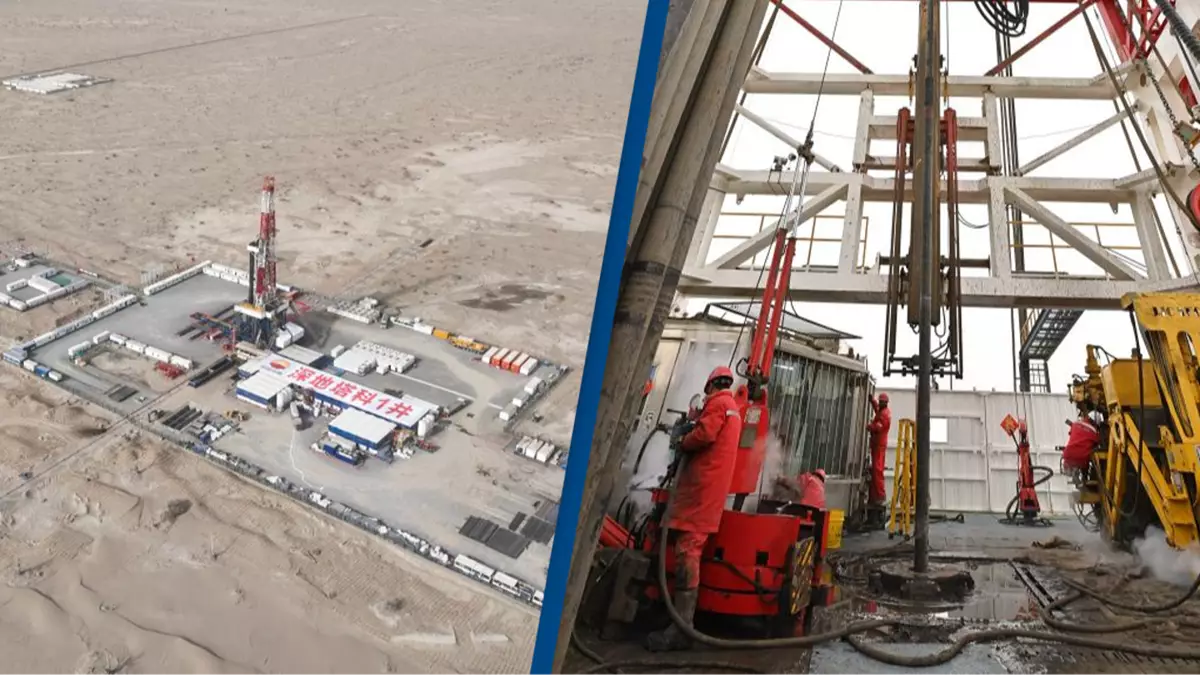
China has begun drilling a 10,000-meter borehole in the Tarim Basin to explore Earth's deep layers, aiming to uncover fossil fuels, understand seismic activity, and study Earth's geological history, with potential scientific and economic benefits.

Scientists Reveal Eerie Sound of Earth's Magnetic Field Flipping from 780,000 Years Ago

Originally Published 6 months ago — by ScienceAlert

Featured image for Scientists Reveal Eerie Sound of Earth's Magnetic Field Flipping from 780,000 Years Ago
Source: ScienceAlert


Researchers sonified an ancient magnetic pole reversal from 780,000 years ago, creating an eerie auditory representation of Earth's magnetic upheaval during the Matuyama-Brunhes event, which likely impacted early life and marked the start of the Middle Pleistocene.

Moving Hotspot Forms World's Longest Underwater Mountain Chain

Originally Published 1 year ago — by ScienceAlert

Featured image for Moving Hotspot Forms World's Longest Underwater Mountain Chain
Source: ScienceAlert

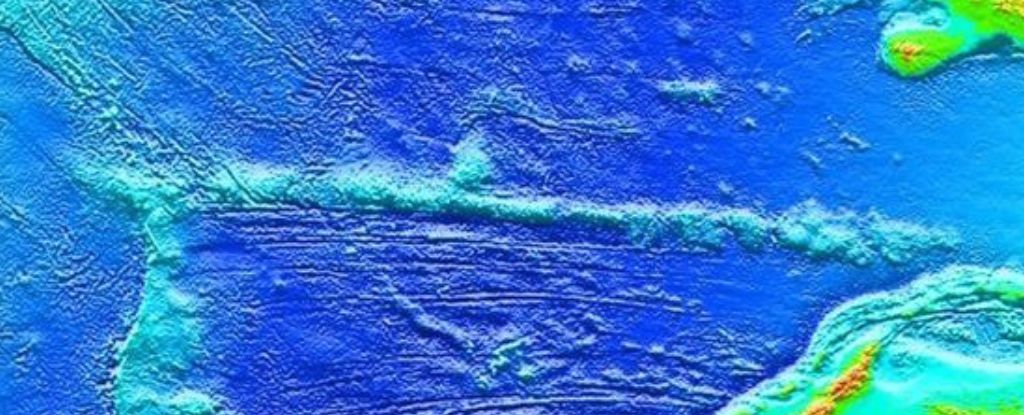
A new study reveals that the Ninetyeast Ridge, a massive underwater mountain range in the Indian Ocean, was formed by a moving hotspot, challenging previous beliefs that hotspots remain stationary. Researchers found that the Kerguelen hotspot moved several hundred kilometers within the mantle, creating the ridge as the Indian Plate drifted northward. This discovery, supported by basalt sample analysis, provides new insights into the dynamics of mantle plumes and tectonic plate movements, refining models of Earth's geological history.

Volcanic Caves on Earth Offer Clues to Life on Mars

Originally Published 1 year ago — by BBC Discover Wildlife

Featured image for Volcanic Caves on Earth Offer Clues to Life on Mars
Source: BBC Discover Wildlife

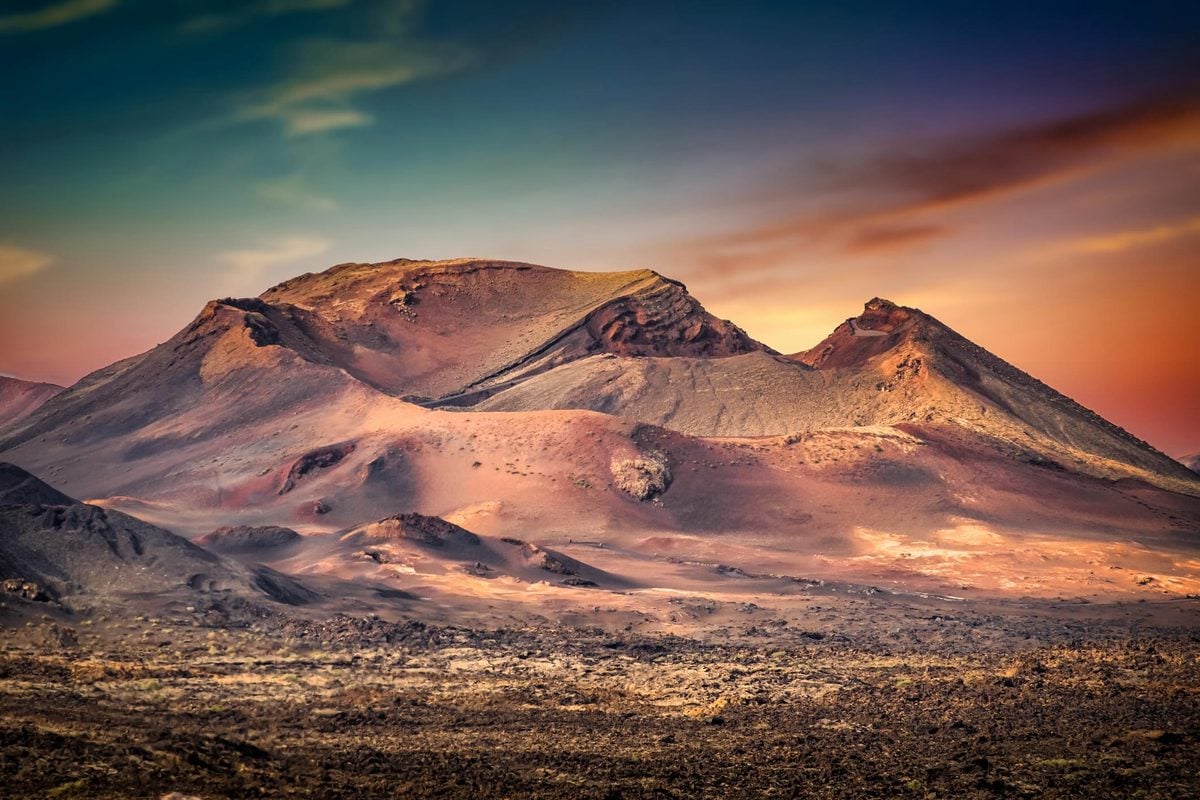
An international team of researchers has conducted the first detailed study of minerals and microorganisms in lava tubes on Lanzarote, revealing insights into Earth's ancient ecosystems and potential implications for finding life on Mars. The study, led by Professor Bogdan P. Onac, found that the volcanic rock in these tubes preserves biosignatures, suggesting microbial activity. This research highlights the potential of lava tubes as refuges for microbial life, which could guide future Mars missions in identifying biosignatures.

China Embarks on Deep Earth Drilling Project for Scientific Research

Originally Published 1 year ago — by UNILAD

Featured image for China Embarks on Deep Earth Drilling Project for Scientific Research
Source: UNILAD

China is drilling a deep borehole, Shenditake 1, in the Taklamakan Desert, aiming to reach 36,418 feet into the Earth's crust to study its internal structure and evolution. The project, led by China National Petroleum Corporation, has already reached over 32,808 feet in just 10 months, despite challenging conditions like high temperatures and pressure. This effort is part of a broader geoscience research initiative, contrasting with Russia's Kola Superdeep Borehole, which took 19 years to reach a greater depth.

Scientists Uncover Origin of Mysterious Earth Layer

Originally Published 1 year ago — by Newsweek

Featured image for Scientists Uncover Origin of Mysterious Earth Layer
Source: Newsweek

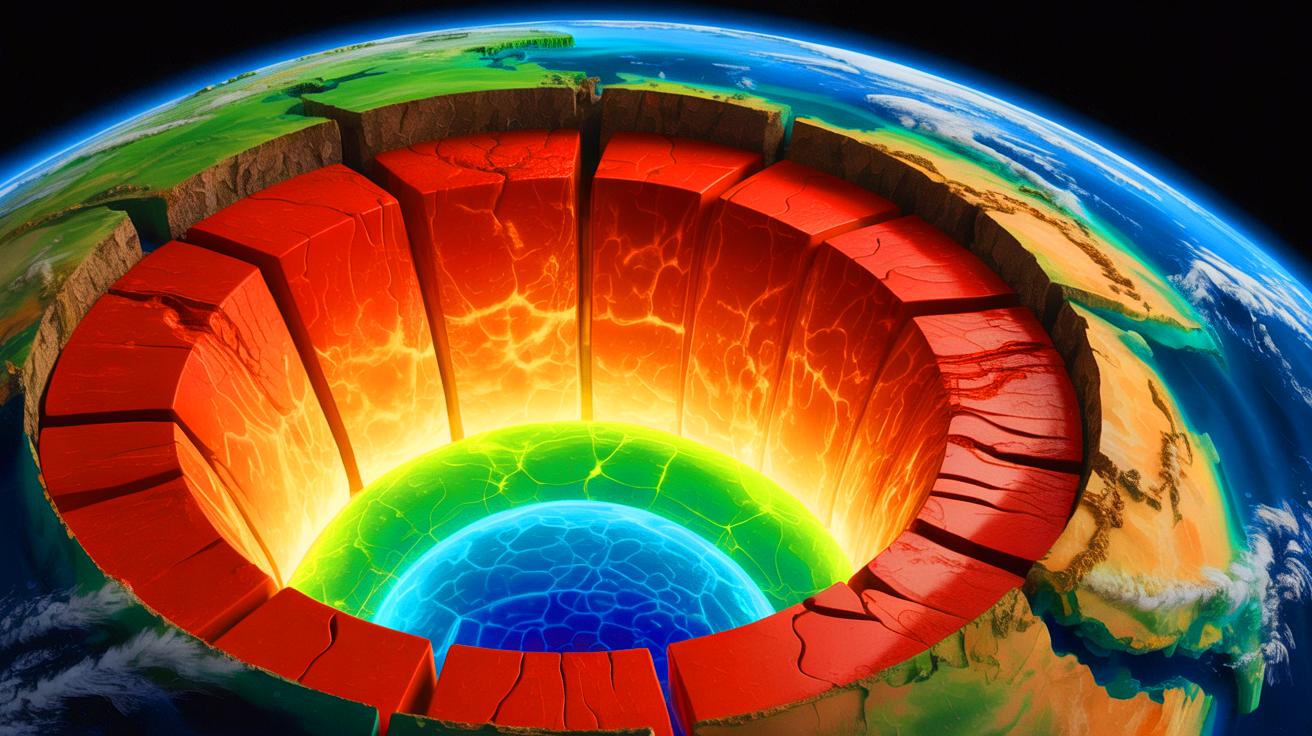
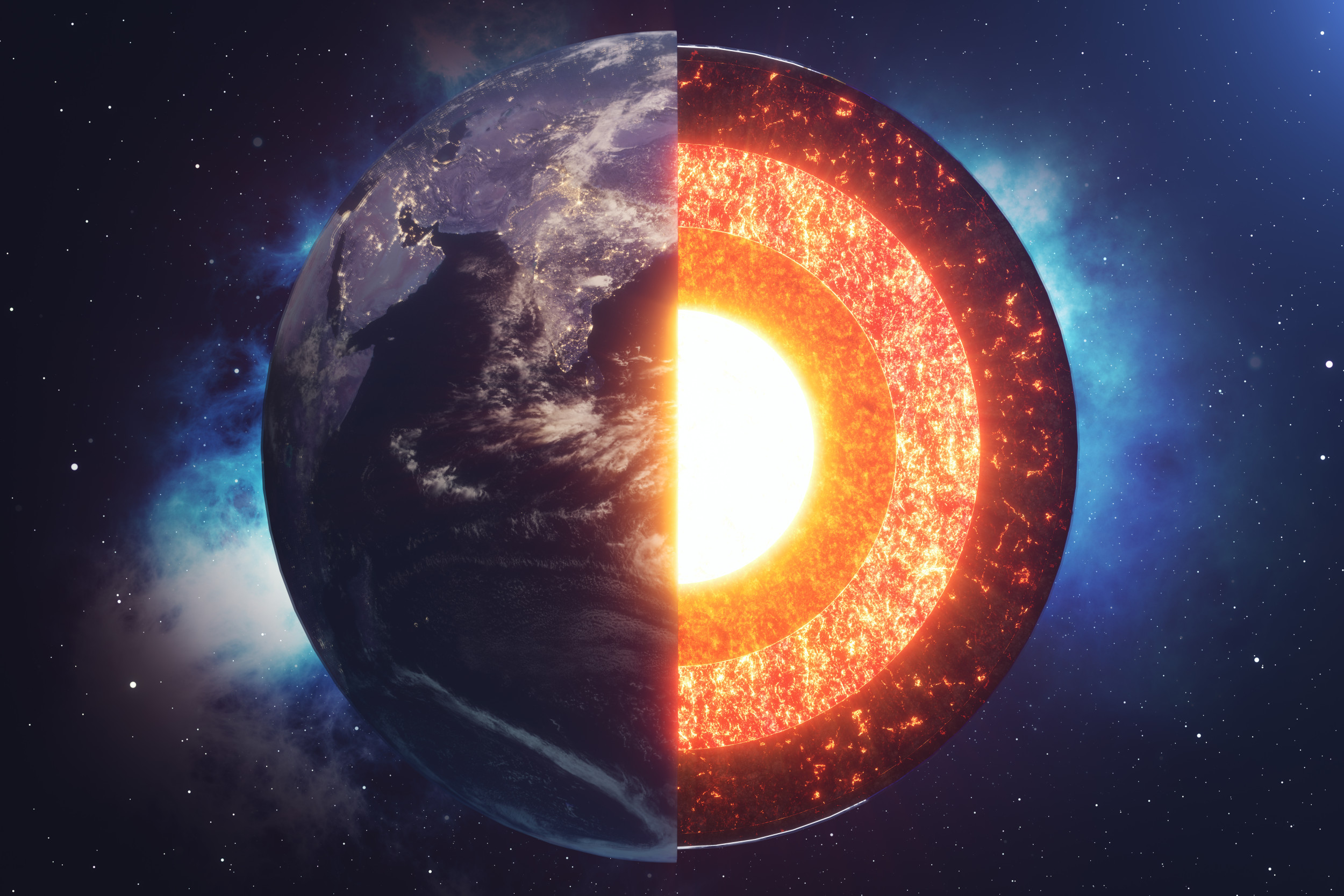
Geoscientists have potentially solved the mystery of the D" layer, a molten rock layer deep within the Earth, suggesting it was formed by a collision with a Mars-sized planet billions of years ago. This impact created a magma ocean, where unique chemical reactions led to the formation of an iron-rich phase called iron-magnesium peroxide, explaining the layer's seismic heterogeneity and varying thickness.

Unveiling the Hidden Threat: Santorini's Volcanic Hazard Reassessment

Originally Published 1 year ago — by Kathimerini English Edition

Featured image for Unveiling the Hidden Threat: Santorini's Volcanic Hazard Reassessment
Source: Kathimerini English Edition

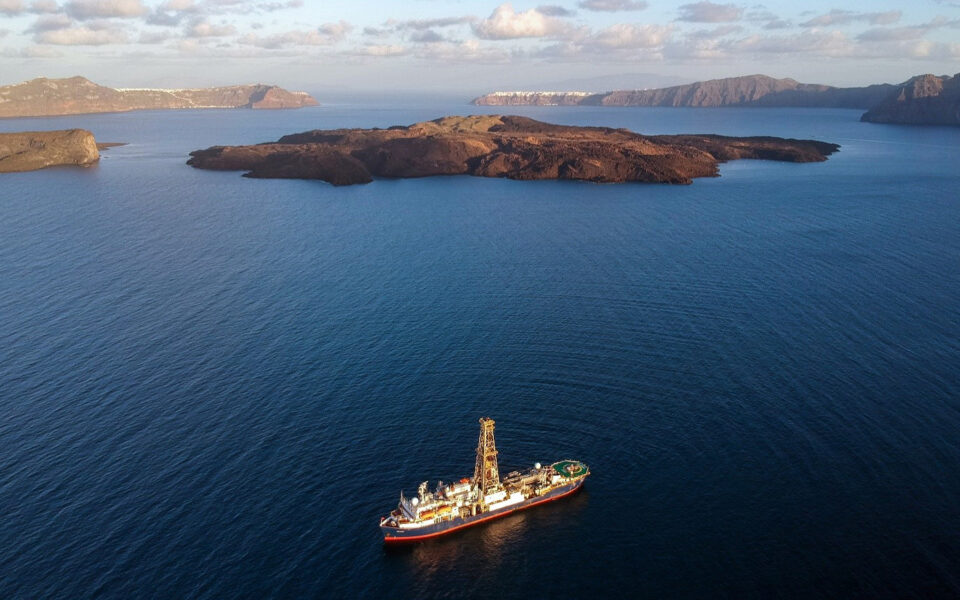
A study published in the Nature Geoscience journal reveals that the 726 AD eruption of the Santorini volcano was larger than previously estimated, indicating an increased hazard potential. The findings challenge the belief that the volcano has been predominantly effusive since the Minoan eruption and suggest that it is capable of highly explosive eruptions. The study warns that a similar event today could have severe consequences for Santorini and its neighboring areas, including tsunamis, pumice rafts, and significant impacts on coastal communities, aviation, and maritime transportation.

"Unraveling Santorini's Historical Mystery Through Scientific Drilling"

Originally Published 1 year ago — by Phys.org

Featured image for "Unraveling Santorini's Historical Mystery Through Scientific Drilling"
Source: Phys.org

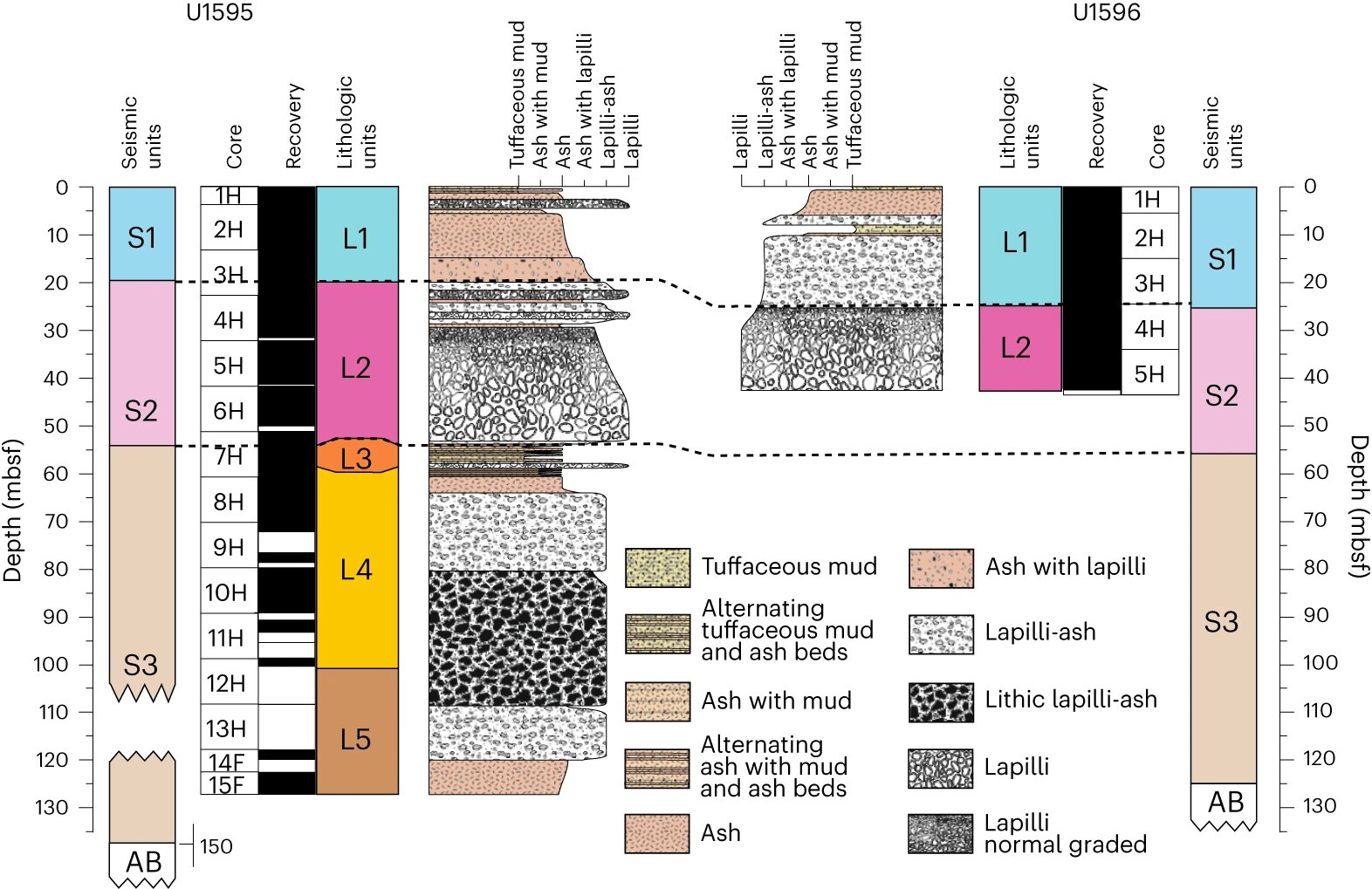
An international team of scientists has uncovered evidence of a historical submarine eruption of the Kameni volcano on Santorini, supporting historical records of an underwater eruption in 726 CE. Through drilling and geochemical analyses, they found a layer of pumice and ash, up to 40 meters thick, linked to the eruption, challenging previous hypotheses about the volcanic system's behavior. These findings have significant implications for hazard assessment and highlight the need for greater attention to submarine eruptions.

"Deep Earth Bacteria Converts Carbon Dioxide to Crystals"

Originally Published 1 year ago — by IFLScience

Featured image for "Deep Earth Bacteria Converts Carbon Dioxide to Crystals"
Source: IFLScience

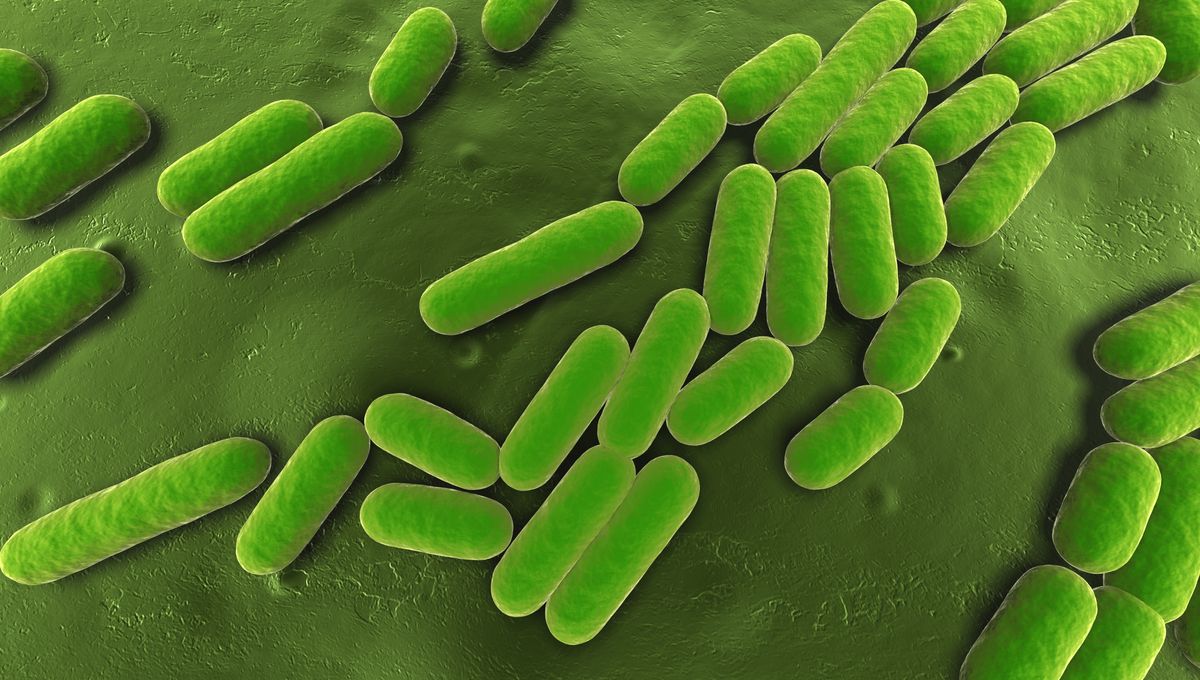
Researchers have discovered bacteria living 1,250 meters underground in South Dakota's Black Hills that can convert carbon dioxide (CO2) into solid mineral crystals under extreme conditions. These extremophilic bacteria, including a Bacillus species, could potentially be used to capture greenhouse gases in depleted fossil fuel reserves. Lab experiments showed that the bacteria can produce calcite crystals from CO2 at 500 times greater pressure than at sea level and 80°C within 10 days. This discovery offers a promising avenue for carbon capture technology, although it should not replace the urgent need to reduce fossil fuel consumption.

"Discovery of Seafloor Superstructures Confirmed by Scientists"

Originally Published 2 years ago — by Livescience.com

Featured image for "Discovery of Seafloor Superstructures Confirmed by Scientists"
Source: Livescience.com

The Melanesian Border Plateau, an undersea plateau in the Pacific Ocean, has been growing since the dinosaur age through multiple volcanic events, according to new research. This plateau, larger than Idaho, formed over millions of years through different volcanic pulses, and its timeline is crucial for understanding similar features in the Pacific basin. The study's findings shed light on the complex formation of undersea features and may lead to the identification of similar structures in the South Pacific.