Tag

Globular Clusters

All articles tagged with #globular clusters

Webb Telescope Uncovers New Star System Types and Solves Cosmic Mysteries

Originally Published 3 months ago — by Earth.com

Featured image for Webb Telescope Uncovers New Star System Types and Solves Cosmic Mysteries
Source: Earth.com

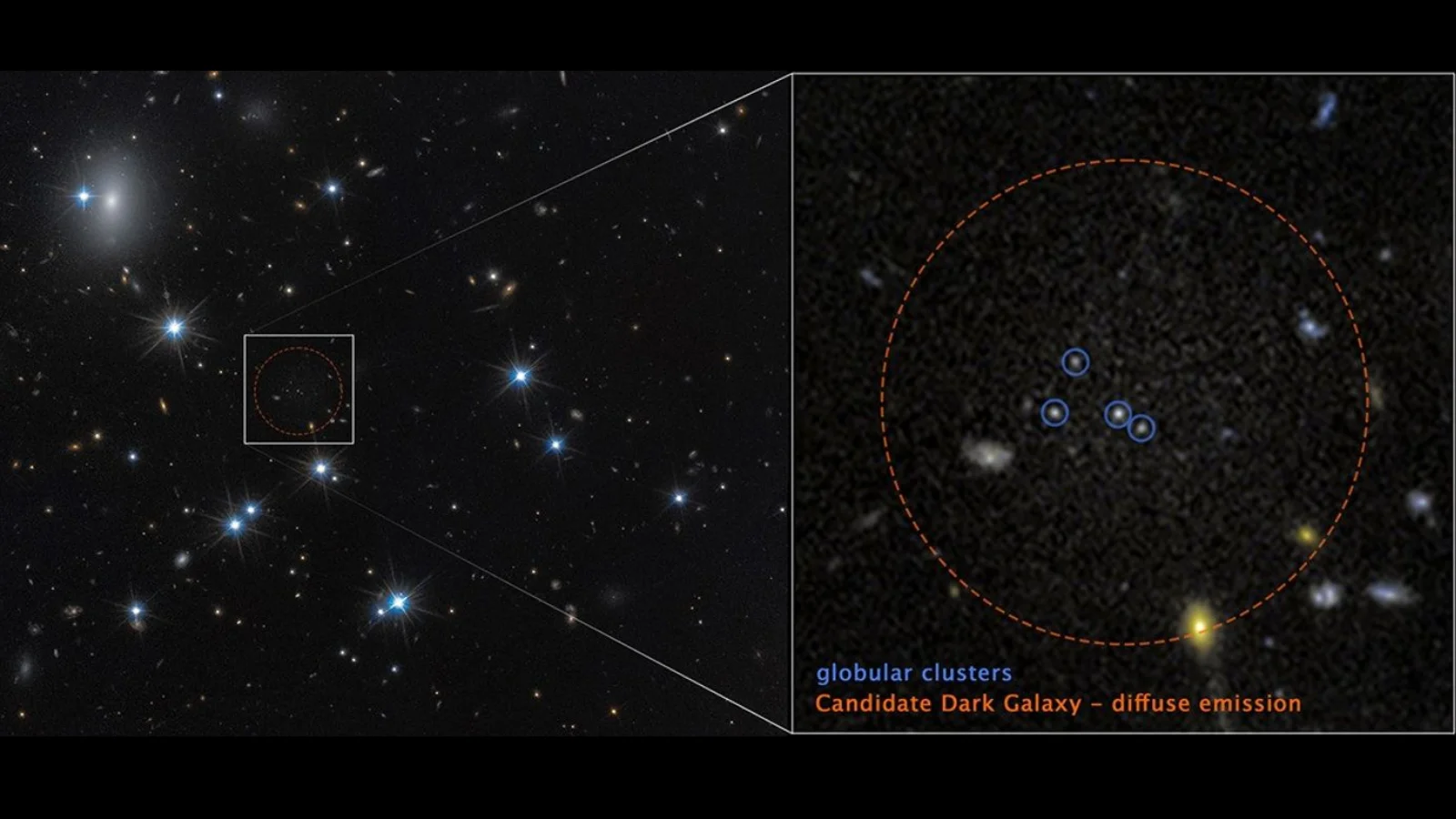
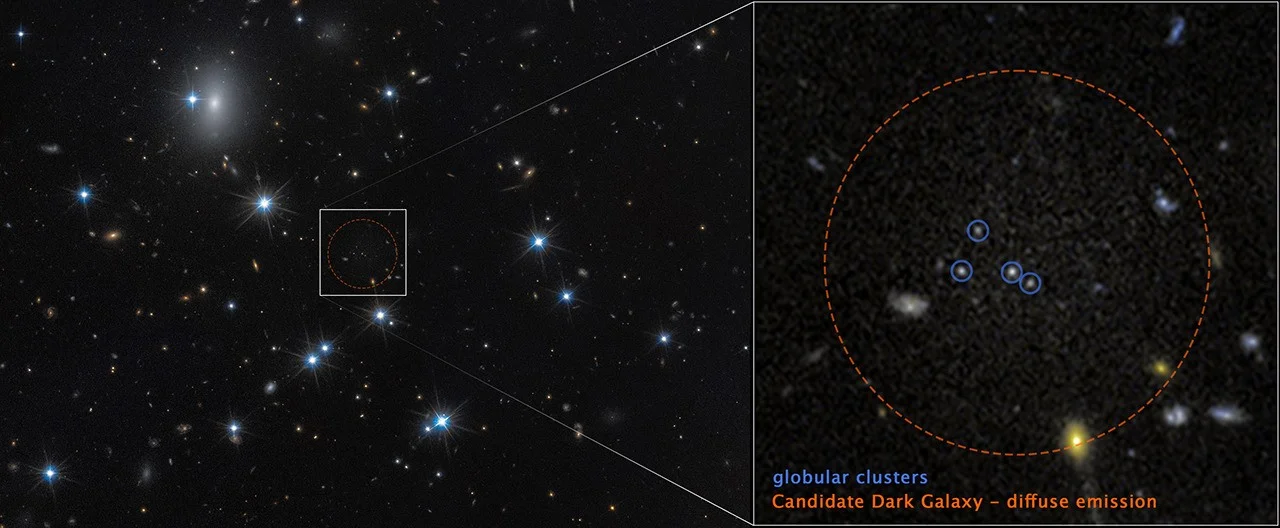
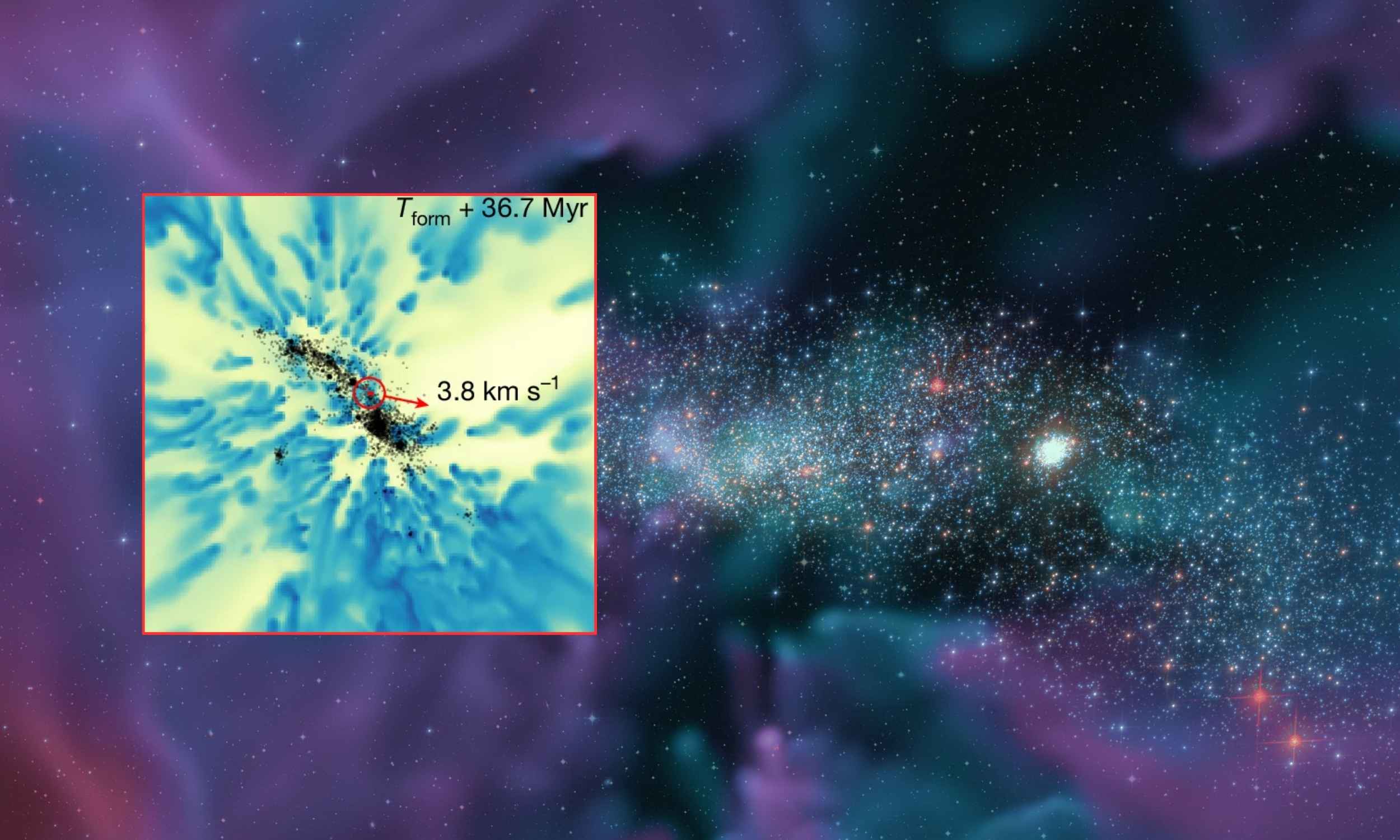
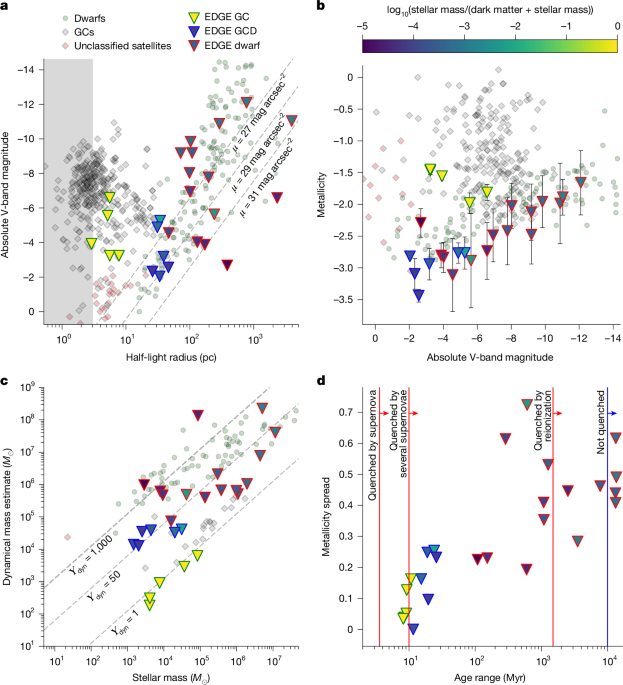
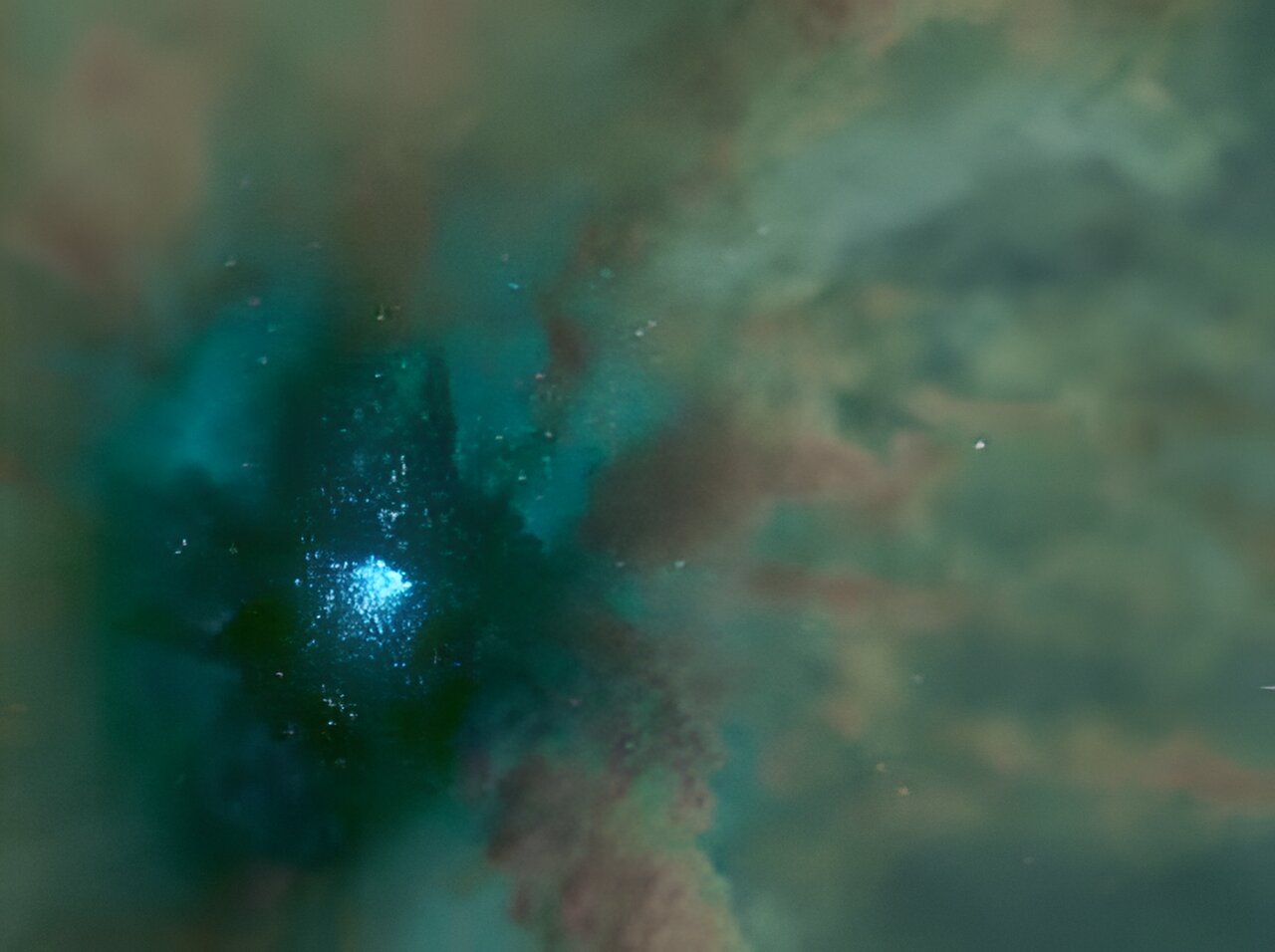
A new study using computer simulations suggests the existence of a new class of star systems called globular cluster-like dwarfs (GCDs), which bridge the gap between traditional globular clusters and dwarf galaxies, forming without dark matter and potentially observable in nearby galaxies like Reticulum II with the James Webb Space Telescope.

Astronomers Investigate VCC 615's Globular Clusters

Originally Published 1 year ago — by Phys.org

Featured image for Astronomers Investigate VCC 615's Globular Clusters
Source: Phys.org

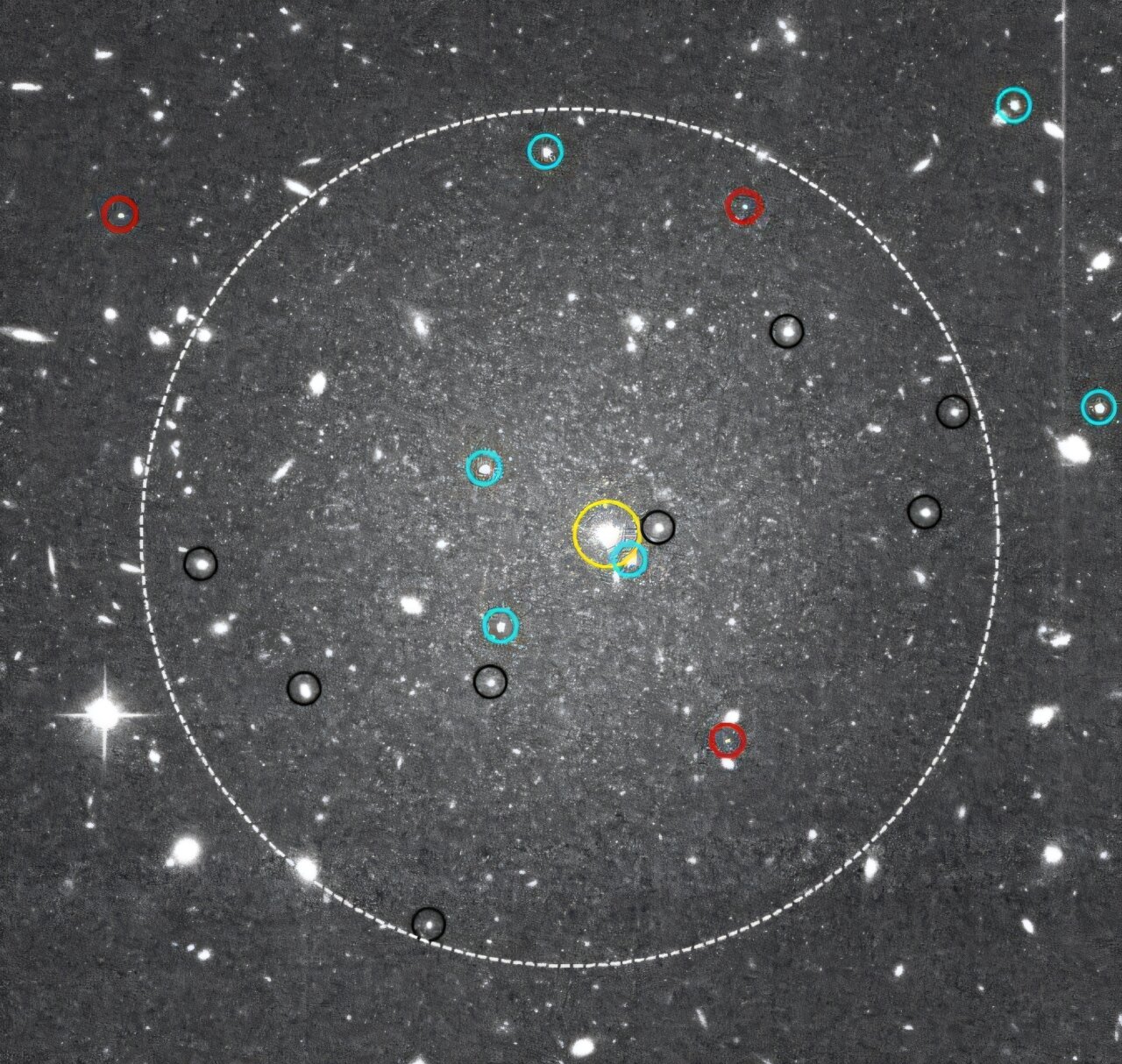
Astronomers using the Hubble Space Telescope have studied the globular cluster system of the ultra-diffuse galaxy VCC 615, located in the Virgo Cluster. The study identified 22 globular cluster candidates and estimated the total globular cluster population to be 25.1, indicating a high specific frequency compared to similar dwarf galaxies. The findings suggest a large mass-to-light ratio for VCC 615, with a total mass between 90 and 160 billion solar masses. The galaxy's compact nucleus may eventually form a new ultracompact dwarf galaxy.

Study Reveals Dual Stellar Populations in Globular Cluster Gran 5

Originally Published 1 year ago — by Phys.org

Featured image for Study Reveals Dual Stellar Populations in Globular Cluster Gran 5
Source: Phys.org

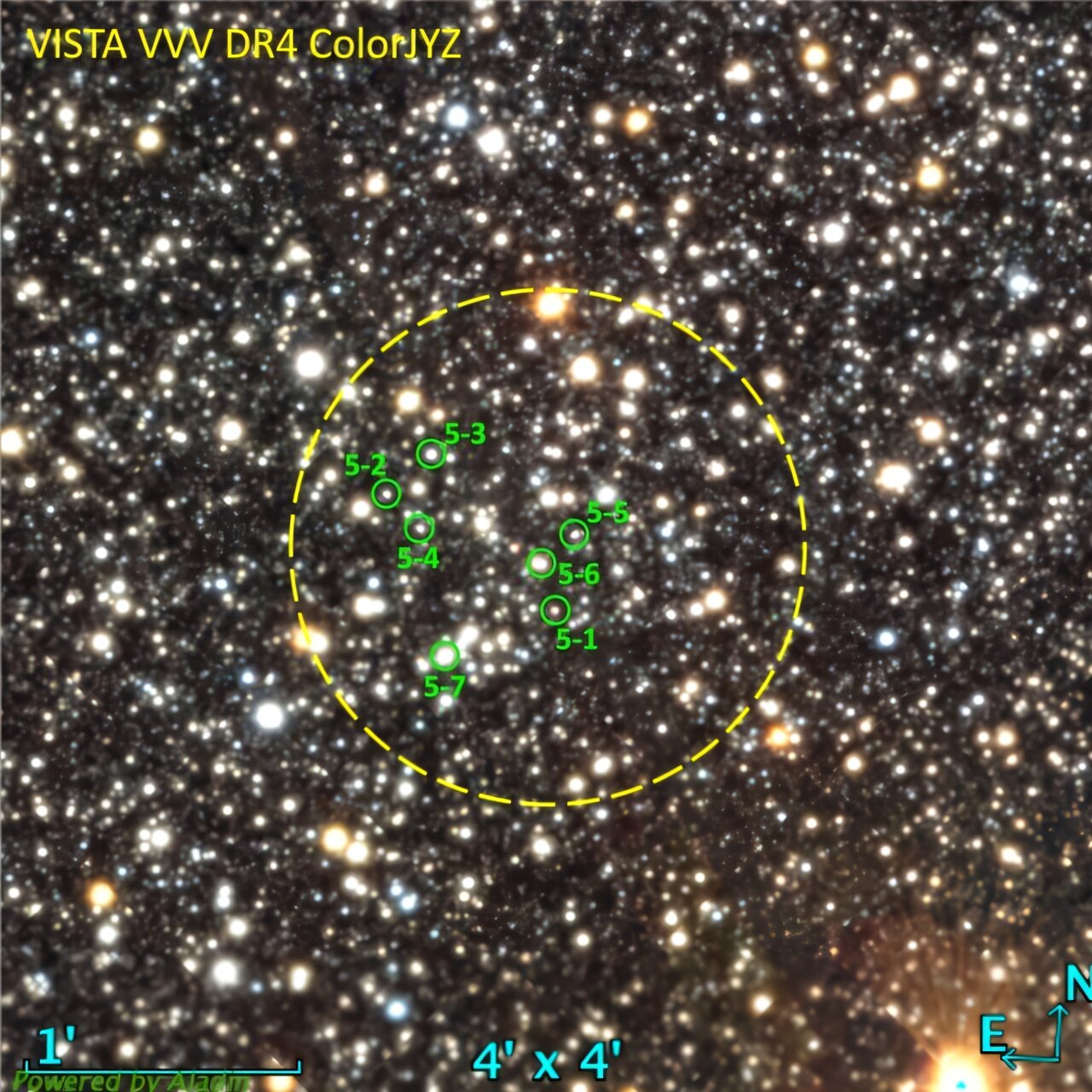
Astronomers using the Gemini-South telescope have discovered that the globular cluster Gran 5, located near the Galactic center, contains two distinct stellar populations with different metallicities. This finding, based on high-resolution near-infrared spectroscopy of seven stars, marks the first detection of such diversity in a low-mass globular cluster. The study suggests that Gran 5 is not linked to the Gaia–Enceladus–Sausage structure but is part of the Galactic bulge or disk, with its metallicity variation possibly due to different evolutionary processes or mass loss.

3D Insights into Globular Cluster Formation and Evolution

Originally Published 1 year ago — by Phys.org

Featured image for 3D Insights into Globular Cluster Formation and Evolution
Source: Phys.org

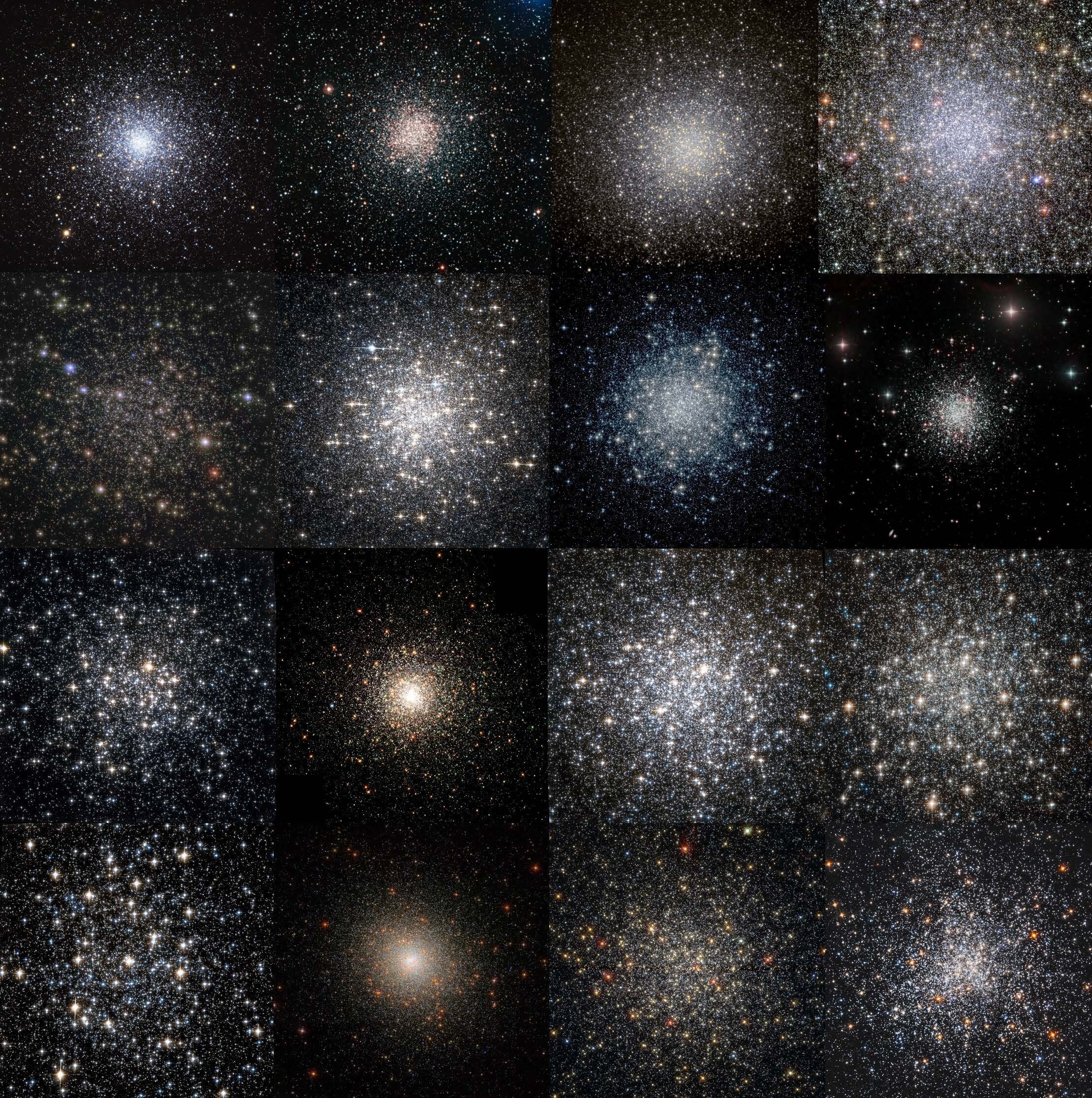
A groundbreaking study published in Astronomy & Astrophysics provides the first 3D kinematic analysis of multiple stellar populations in 16 globular clusters, revealing key insights into their formation and evolution. Conducted by researchers from INAF, the University of Bologna, and Indiana University, the study shows that globular clusters formed through multiple star formation events, with stars exhibiting distinct kinematic properties based on their chemical composition. This research, utilizing data from the ESA Gaia telescope and ESO VLT, offers a new framework for understanding these ancient cosmic structures.

"Intermediate-Mass Black Holes Born in Dense Globular Clusters"

Originally Published 1 year ago — by Phys.org

Featured image for "Intermediate-Mass Black Holes Born in Dense Globular Clusters"
Source: Phys.org

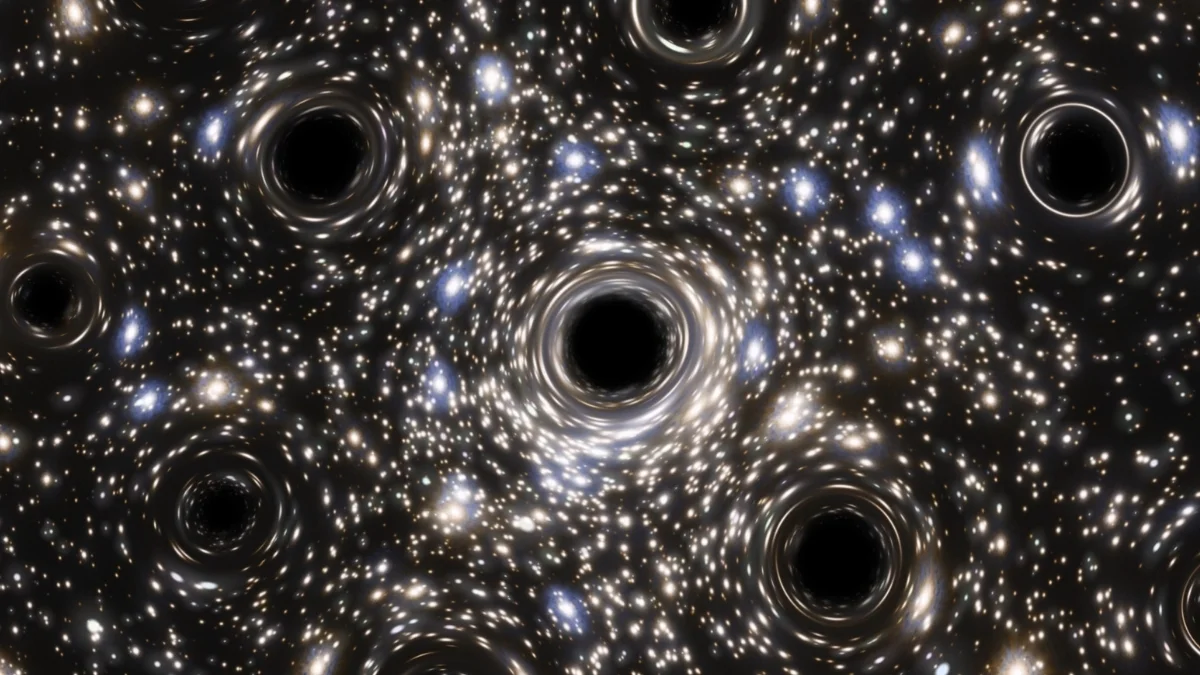
Researchers led by Michiko Fujii from the University of Tokyo have used star-by-star simulations to demonstrate a potential mechanism for the formation of intermediate-mass black holes in globular clusters. These simulations show that dense molecular clouds can lead to the formation of very massive stars through repeated stellar collisions, which then evolve into intermediate-mass black holes. The findings align with observational data and provide new insights into the birth of such black holes in star clusters.

"NASA's Roman Mission: Hunting for Dark Matter in Interstellar Gaps"

Originally Published 2 years ago — by NASA

Featured image for "NASA's Roman Mission: Hunting for Dark Matter in Interstellar Gaps"
Source: NASA

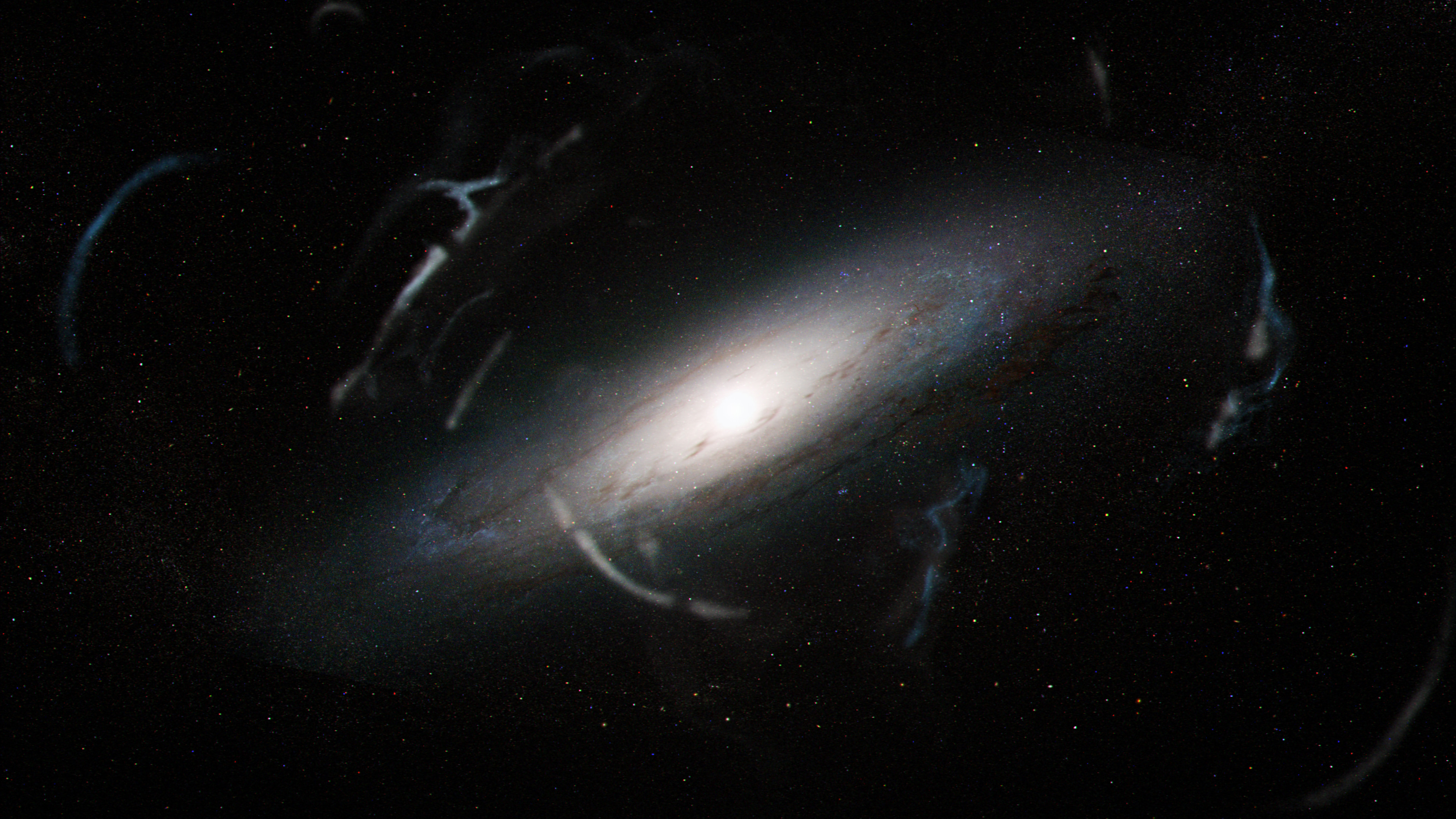
NASA's upcoming Nancy Grace Roman Space Telescope will use its advanced imaging capabilities to search for signs of dark matter by studying the gaps between elongated groups of stars, known as tidal streams, pulled from globular clusters orbiting the Andromeda galaxy. The telescope's wide field instrument will allow astronomers to detect stars individually and capture detailed images of Andromeda, potentially revealing new information about the nature of dark matter and its interaction with globular cluster streams. This research could provide insights into the existence and properties of dark matter sub-halos within galaxies, ultimately redefining our understanding of the universe.

Unveiling the Secrets of Pandora's Cluster: Astronomers Peer into Billions of Years Past

Originally Published 2 years ago — by Phys.org

Featured image for Unveiling the Secrets of Pandora's Cluster: Astronomers Peer into Billions of Years Past
Source: Phys.org

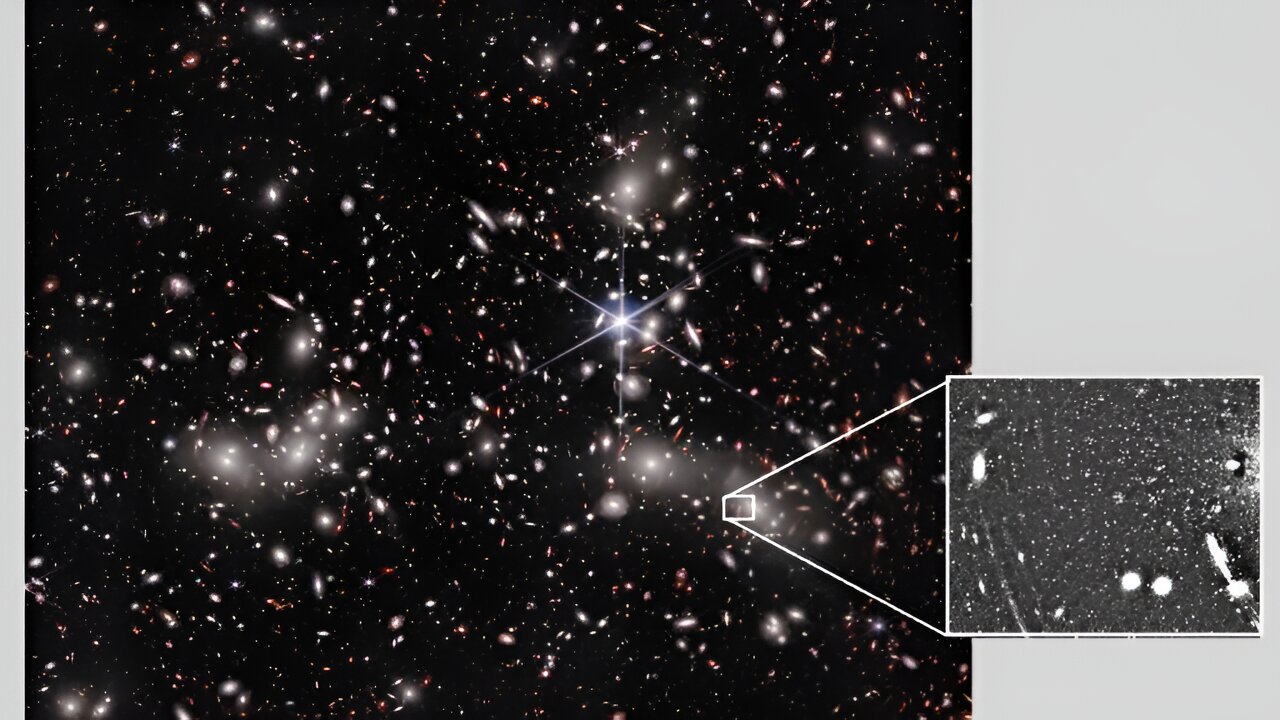
Astronomers have used data from the James Webb Space Telescope to study Pandora's Cluster, a remote giant cluster of galaxies located 3.5 billion light years away. Specifically, they focused on the old, compact clusters of stars known as globular clusters within the galaxies. By examining these clusters, they can gain insights into the past history and evolution of galaxies. The James Webb Space Telescope's deep imaging capabilities have allowed them to observe features of star clusters from 3.5 billion years ago, providing new tests for theoretical predictions and enhancing our understanding of galaxy histories.

"Galactic Theft: The Milky Way's Pilfered Globular Clusters"

Originally Published 2 years ago — by Phys.org

Featured image for "Galactic Theft: The Milky Way's Pilfered Globular Clusters"
Source: Phys.org

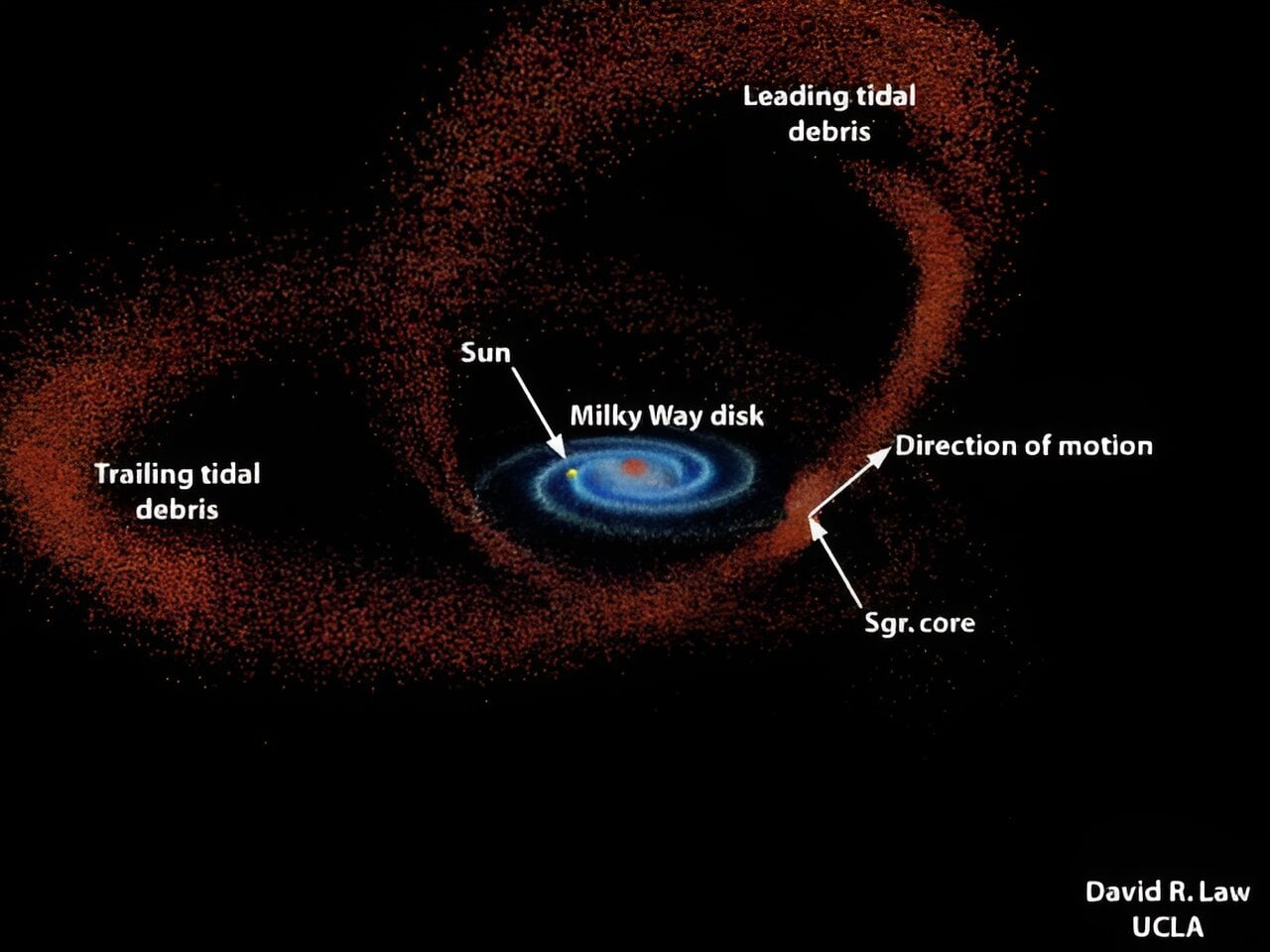
Recent research suggests that a significant number of globular clusters in the Milky Way may have been stolen from other galaxies or cannibalized by the Milky Way itself. Astronomers have identified associations between these clusters and dwarf galaxies such as the Sagittarius dwarf galaxy, as well as intact companion galaxies like the Magellanic Clouds. Studies have modeled the orbits of these galaxies and found that the percentage of clusters pulled off varied, with some galaxies more likely to lose their clusters than others. The research also identifies specific globular clusters that are likely to have been stolen from various galaxies, shedding light on the complex history of cluster formation in the Milky Way.

Cosmic Heist: The Milky Way's Pilfered Globular Clusters

Originally Published 2 years ago — by Universe Today

Featured image for Cosmic Heist: The Milky Way's Pilfered Globular Clusters
Source: Universe Today

Recent research suggests that a significant number of globular clusters in the Milky Way may have been stolen from other galaxies or cannibalized from intact companion galaxies. Astronomers have identified associations between these clusters and various dwarf galaxies, including the Sagittarius Dwarf Galaxy, the Fornax Galaxy, and the Magellanic Clouds. Studies have found that between 12% and 93% of clusters can be separated from their host galaxies, depending on their orbits and the mass of the galaxy. The research also identifies new globular clusters associated with these dwarf galaxies, bringing the total number of known associated clusters to 29. However, further investigation is needed to fully understand the complex 3-dimensional structure of these galaxies and confirm the associations.

Unusual Globular Clusters Spotted Near Milky Way's Center by Hubble

Originally Published 2 years ago — by Universe Today

Featured image for Unusual Globular Clusters Spotted Near Milky Way's Center by Hubble
Source: Universe Today

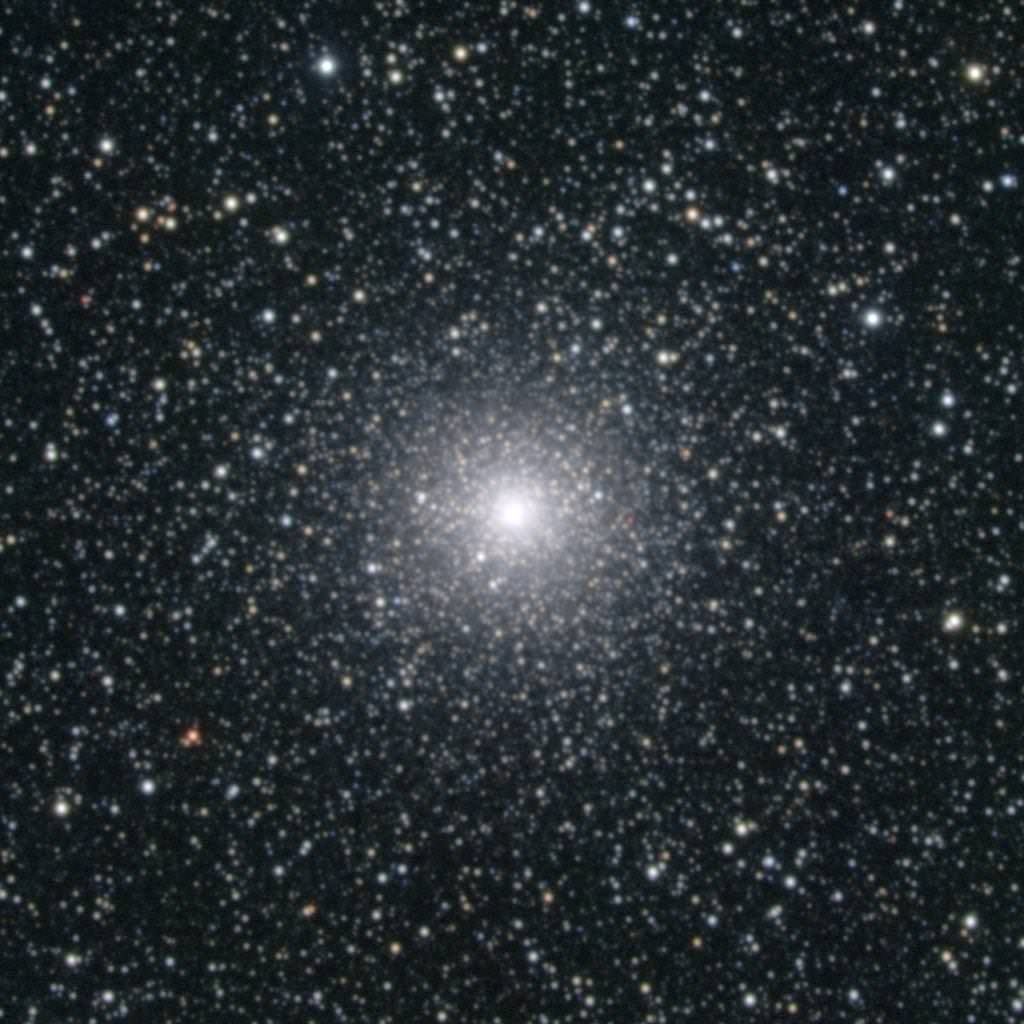
The Hubble Space Telescope has imaged globular clusters (GCs) near the Milky Way's galactic center, challenging the notion that most GCs are located in the galaxy's halo. These ancient spherical associations of stars provide insights into the formation and evolution of the Milky Way. The Hubble observing program revealed that some GCs near the galactic center, such as Djorgovski 1 and Terzan 10, follow typical halo orbits and are not part of the bulge. Additionally, research suggests a correlation between the mass of GCs and a galaxy's supermassive black hole, possibly due to mergers. While many mysteries remain, the beauty and scientific significance of GCs continue to captivate astronomers.

The Origins of Globular Clusters: Unveiling Celestial Monsters.

Originally Published 2 years ago — by SciTechDaily

Featured image for The Origins of Globular Clusters: Unveiling Celestial Monsters.
Source: SciTechDaily

Researchers from the universities of Geneva, Paris, and Barcelona have found evidence that supermassive stars existed within globular clusters when they formed 13 billion years ago. These clusters are the universe’s most massive and ancient star groupings, housing up to a million individual stars. The researchers believe that they have detected the initial chemical evidence of these stars in globular proto-clusters, which came into existence approximately 440 million years following the Big Bang. The results were obtained thanks to observations by the James-Webb space telescope.

First detection of monster stars 10,000 times larger than the Sun.

Originally Published 2 years ago — by indy100

Featured image for First detection of monster stars 10,000 times larger than the Sun.
Source: indy100

Scientists using the James Webb Space Telescope have discovered evidence of "monster stars" that were 10,000 times bigger than the Sun and formed in the early universe. These stars were found in globular clusters, which are collections of between 100,000 and 1 million stars that were formed at the same time. The cores of these stars were much hotter than those seen in stars today, and scientists suggest it could be due to an excess of hydrogen burning at high temperatures. Most of these globular clusters are approaching the end of their life spans, but the discovery could provide important insights into the formation of supermassive stars.

First-ever detection of 'monster stars' 10,000 times larger than the Sun

Originally Published 2 years ago — by indy100

Featured image for First-ever detection of 'monster stars' 10,000 times larger than the Sun
Source: indy100

Scientists using the James Webb Space Telescope have discovered evidence of "monster stars" that were 10,000 times bigger than the Sun and formed in the early universe. These stars were found in globular clusters, which are collections of between 100,000 and 1 million stars that were formed at the same time. The cores of these stars were much hotter than those seen in stars today, and scientists suggest it could be due to an excess of hydrogen burning at high temperatures. Most of these globular clusters are approaching the end of their life spans, but the discovery could provide important insights into the formation of supermassive stars.

First-ever detection of 'monster stars' 10,000 times larger than the Sun

Originally Published 2 years ago — by indy100

Featured image for First-ever detection of 'monster stars' 10,000 times larger than the Sun
Source: indy100

Scientists using the James Webb Space Telescope have discovered evidence of "monster stars" that were 10,000 times bigger than the Sun and formed in the early universe. These stars were found in globular clusters, which are collections of between 100,000 and 1 million stars that were formed at the same time. The cores of these stars were much hotter than those seen in stars today, and scientists suggest it could be due to an excess of hydrogen burning at high temperatures. Most of these globular clusters are approaching the end of their life spans, but the discovery could provide important insights into the formation of supermassive stars.