A UCLA study challenges the nearly 100-year-old Bredt's rule by demonstrating the synthesis of anti-Bredt olefins, molecules previously thought impossible due to structural strain, opening new avenues in chemical research, drug discovery, and materials science.
Scientists have replicated a key step in the origin of life by demonstrating how RNA and amino acids could have naturally combined on early Earth, using simple chemistry and a high-energy mediator called thioester, providing insights into the molecular processes that led to the emergence of life.
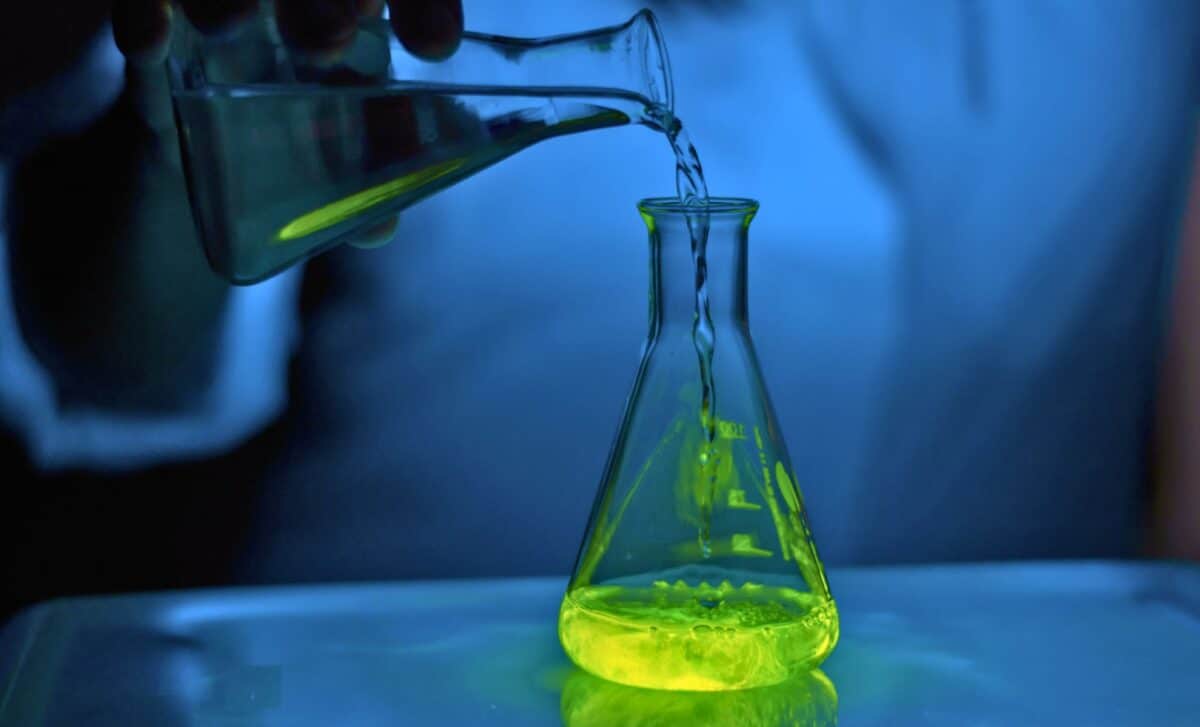
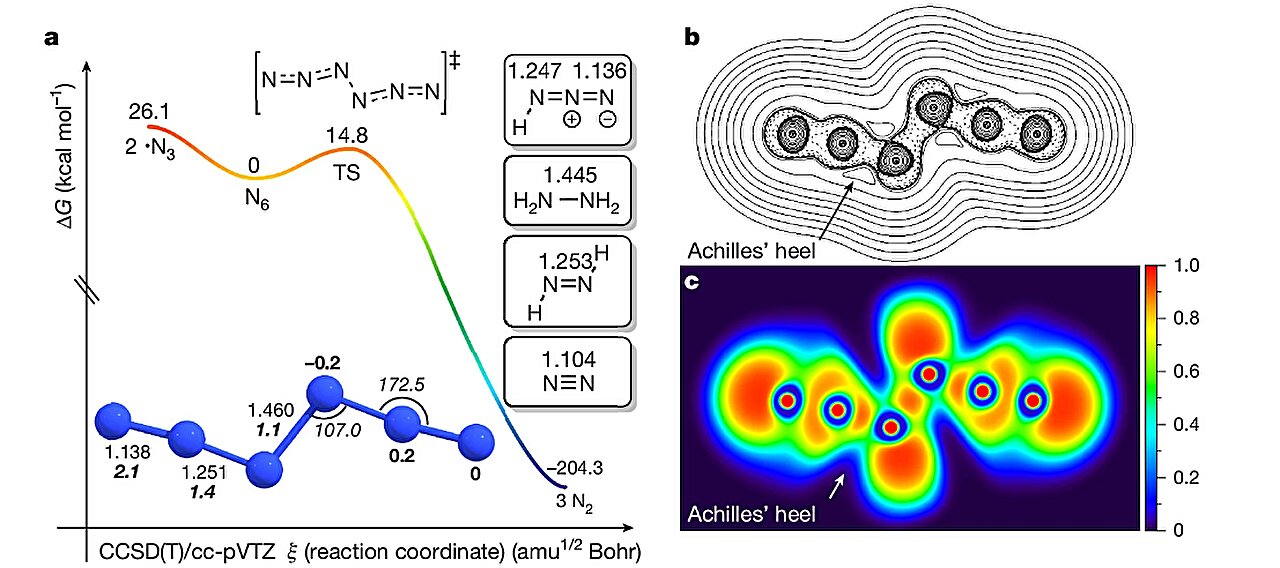
Scientists have successfully synthesized a stable neutral hexanitrogen (N6) molecule, a breakthrough that could advance energy storage technologies due to its high energy release upon decomposition, and its potential as a carbon-neutral energy material.
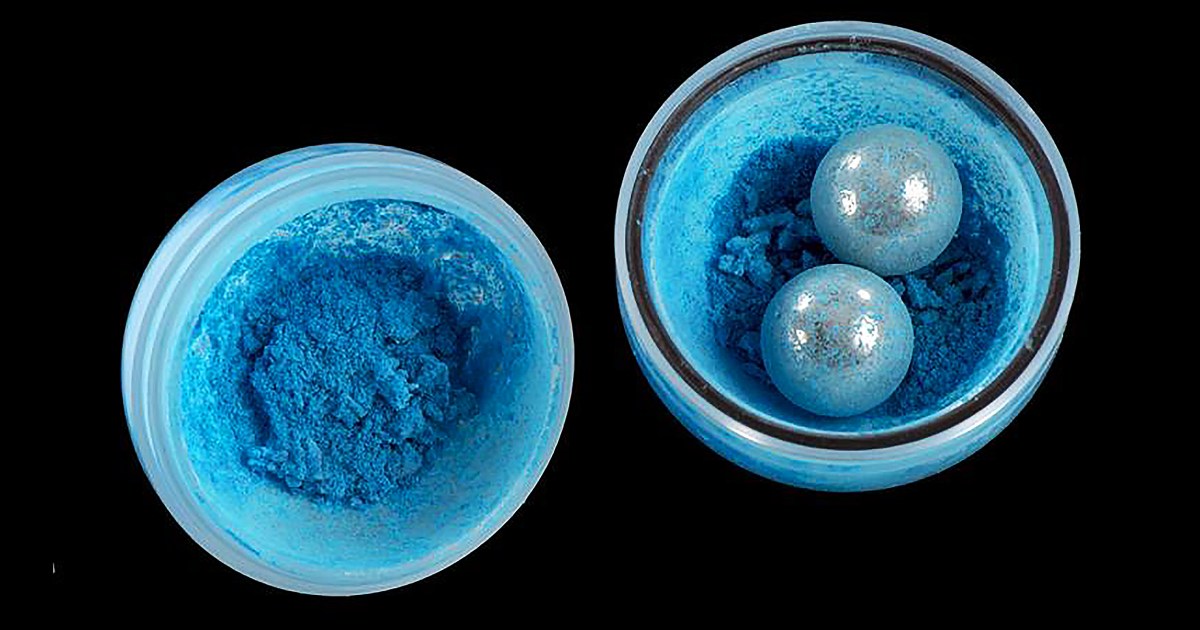
Mechanochemistry, a field that uses mechanical force to combine reactants, shows promise in revolutionizing the creation of new materials. By grinding reactants with a ball mill, compounds can be synthesized without the need for traditional liquid solutions and solvents. However, the technique is still not widely adopted in industry due to a lack of quantitative understanding and precise control. Real-time measurements and better theoretical understanding are needed to encourage commercialization, but further research is required to fully comprehend the mechanics and dynamics of mechanochemical reactions.
Researchers at the University of Science and Technology of China have developed an AI-equipped robot capable of producing oxygen from Martian materials. The robot, resembling a large box with a robotic arm, analyzed Martian ore and searched through millions of combinations to find an oxygen-evolution reaction catalyst. It can produce 60 grams of oxygen per hour from a single square meter of Martian dirt. The robot's ability to find a path towards any target compound with available materials makes it valuable for synthesizing various catalysts and compounds.
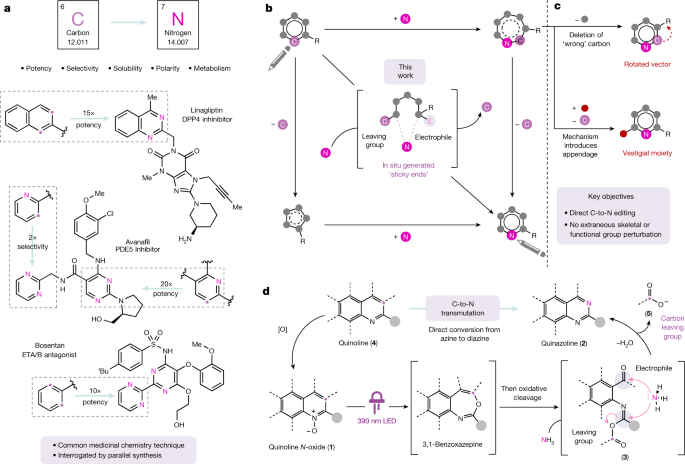
Researchers have developed a method for the carbon-to-nitrogen single-atom transmutation of azaarenes, which are important building blocks in drug discovery and the synthesis of nitrogen heterocycles. This breakthrough in chemical synthesis opens up new possibilities for the creation of diverse nitrogen-containing compounds, which are crucial in the development of pharmaceuticals. The technique involves the use of photochemical carbon deletion and subsequent nitrogen insertion reactions, providing a powerful tool for the modification and functionalization of azaarenes. This advancement has the potential to significantly impact the field of drug discovery and the synthesis of nitrogen-containing compounds.
Researchers from Penn State have developed a safe and efficient method for creating cyclopropanes, which are important chemical structures found in many drugs. The traditional methods for creating cyclopropanes are limited and require highly reactive ingredients. The new method uses a previously undescribed chemical process that utilizes visible light and common chemical ingredients, including oxygen. It bypasses the need for unstable ingredients and produces cyclopropanes on a wide variety of molecules. This breakthrough could have significant implications for drug development and creation.
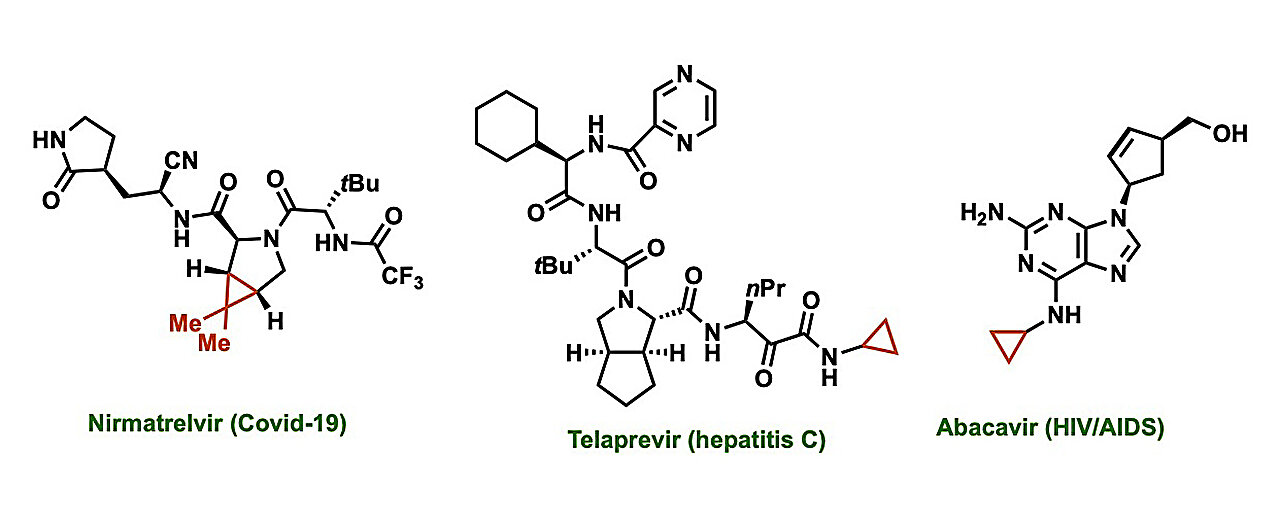
Researchers at Penn State have developed a safe and practical method to create cyclopropanes, a chemical structure that increases the potency of drugs. Cyclopropanes are found in many FDA-approved drugs, including those used to treat COVID-19, asthma, hepatitis C, and HIV/AIDS. The traditional methods for creating cyclopropanes are limited and require reactive ingredients, but the new method uses visible light and common chemical ingredients, making it accessible and efficient. The researchers successfully transformed a variety of compounds into cyclopropanes, including pharmaceutically relevant ones. The method has the potential to revolutionize drug development and creation.
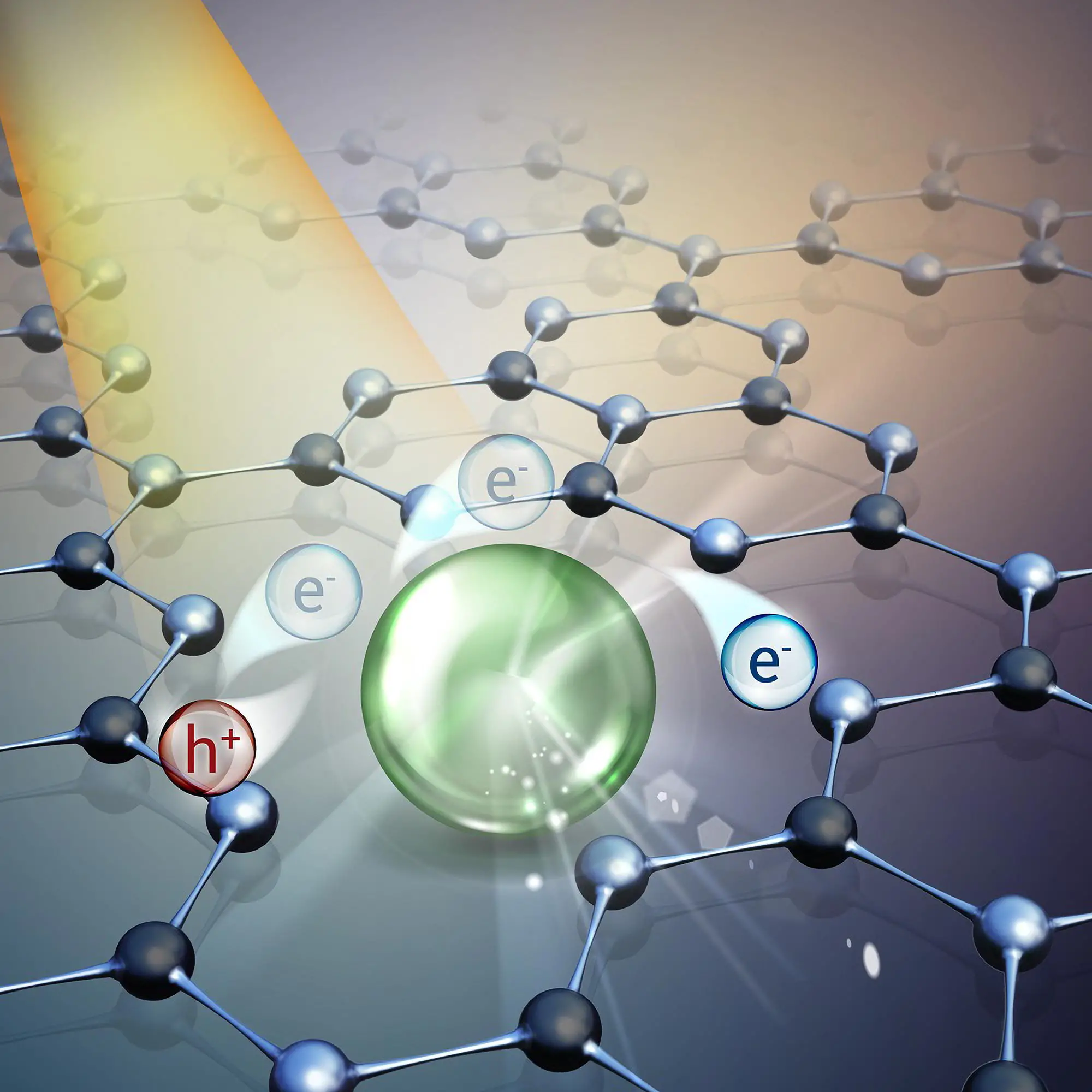
Researchers have developed a sun-activated catalyst that enhances the efficiency of esterification reactions, crucial for producing medicines and polymers. The catalyst, which reduces reliance on rare metals, is dispersed on carbon nitride supports and can be activated by sunlight, reducing energy consumption. This breakthrough in chemical synthesis offers significant sustainability improvements by conserving finite resources and lowering environmental impact.
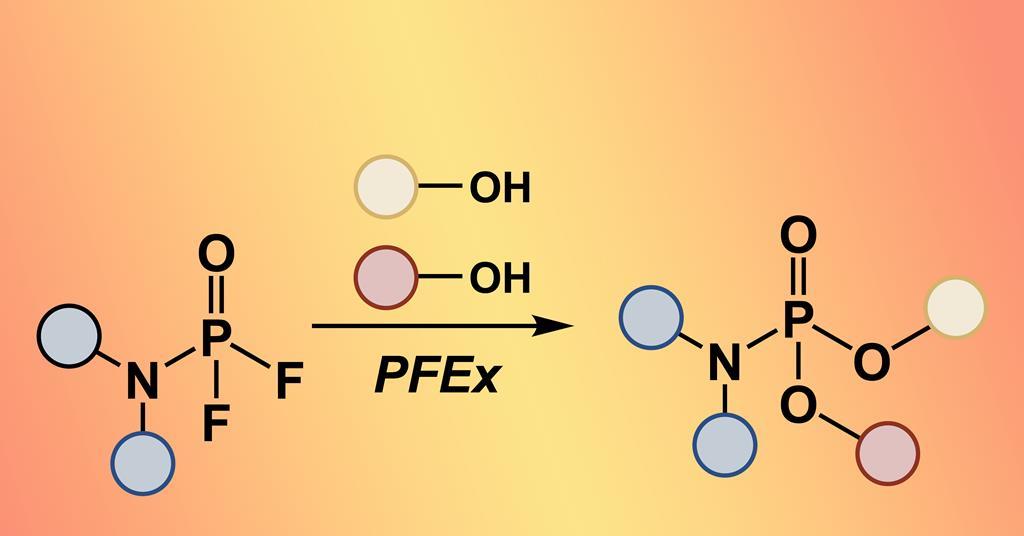
Chemists John Moses and Barry Sharpless have developed a new technique called phosphorus fluoride exchange (PFEx) that enables scientists to easily build oxygen and nitrogen-linked products from a central phosphorus hub. The PFEx reaction is done under mild conditions and operates orthogonally to other click reactions, allowing the new technique to function harmoniously alongside established reactions. The researchers hope that greater diversity in clicked molecules will lead to discoveries, including new bioactive molecules.
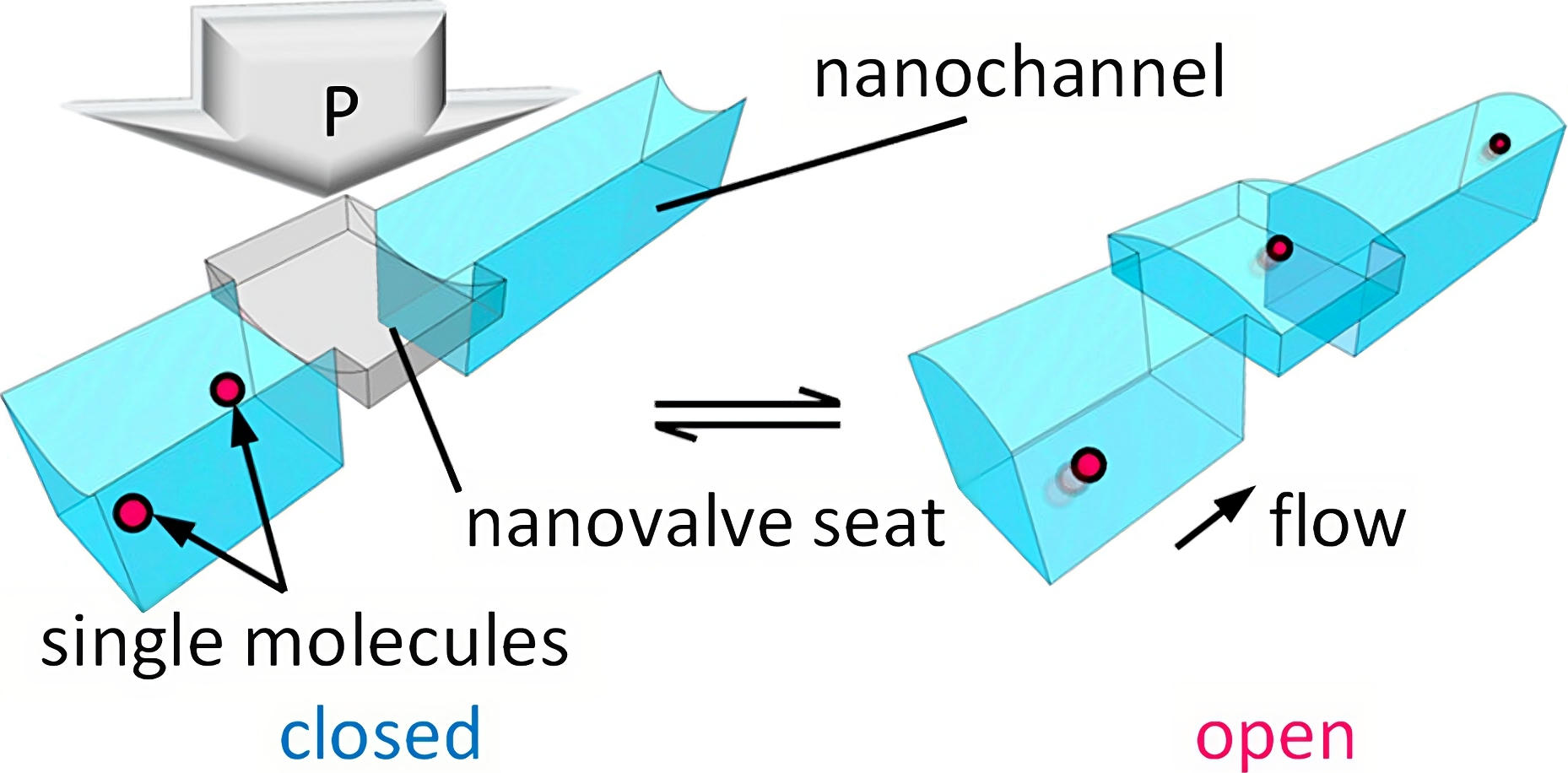
A joint research team led by Associate Professor Yan Xu of the Osaka Metropolitan University Graduate School of Engineering has succeeded in regulating the flow of single molecules in solution by opening and closing a nanovalve in a nanofluidic device by applying external pressure. The findings of this study could be a significant step towards freely assembling materials using single molecules as building blocks in solution, which has the potential to be useful in various fields, such as developing personalized medicines for rare diseases and creating better displays and batteries.