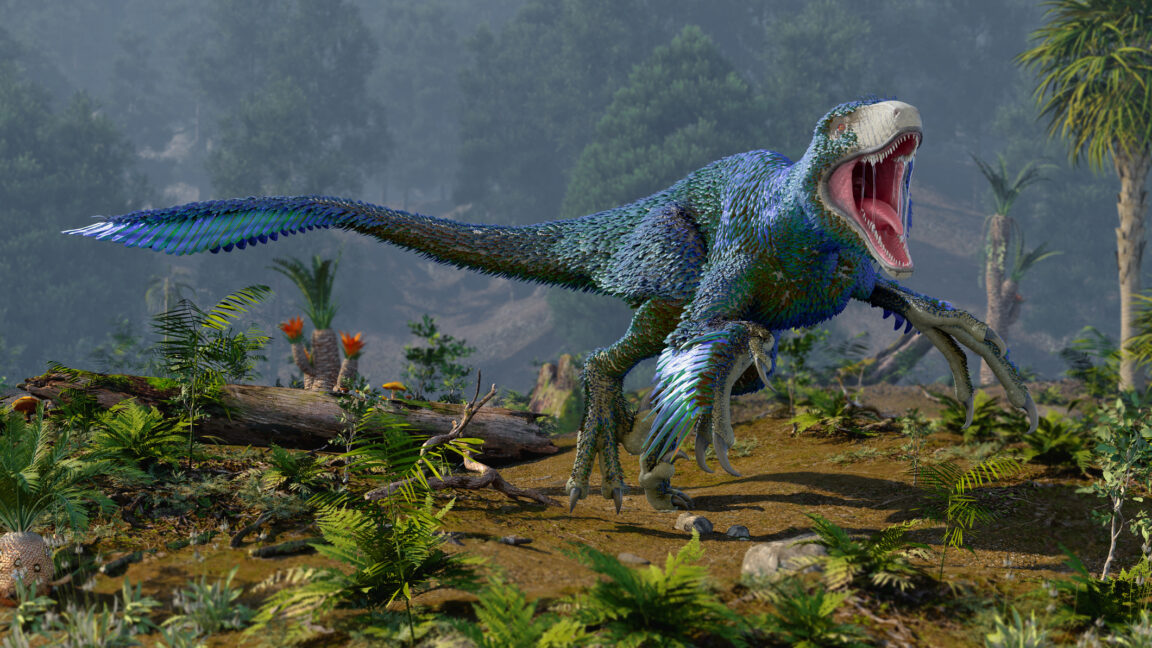
New dating of fossils from New Mexico suggests dinosaurs thrived until the asteroid impact, challenging previous beliefs that they declined long before the mass extinction, and revealing diverse ecosystems in the late Cretaceous period.
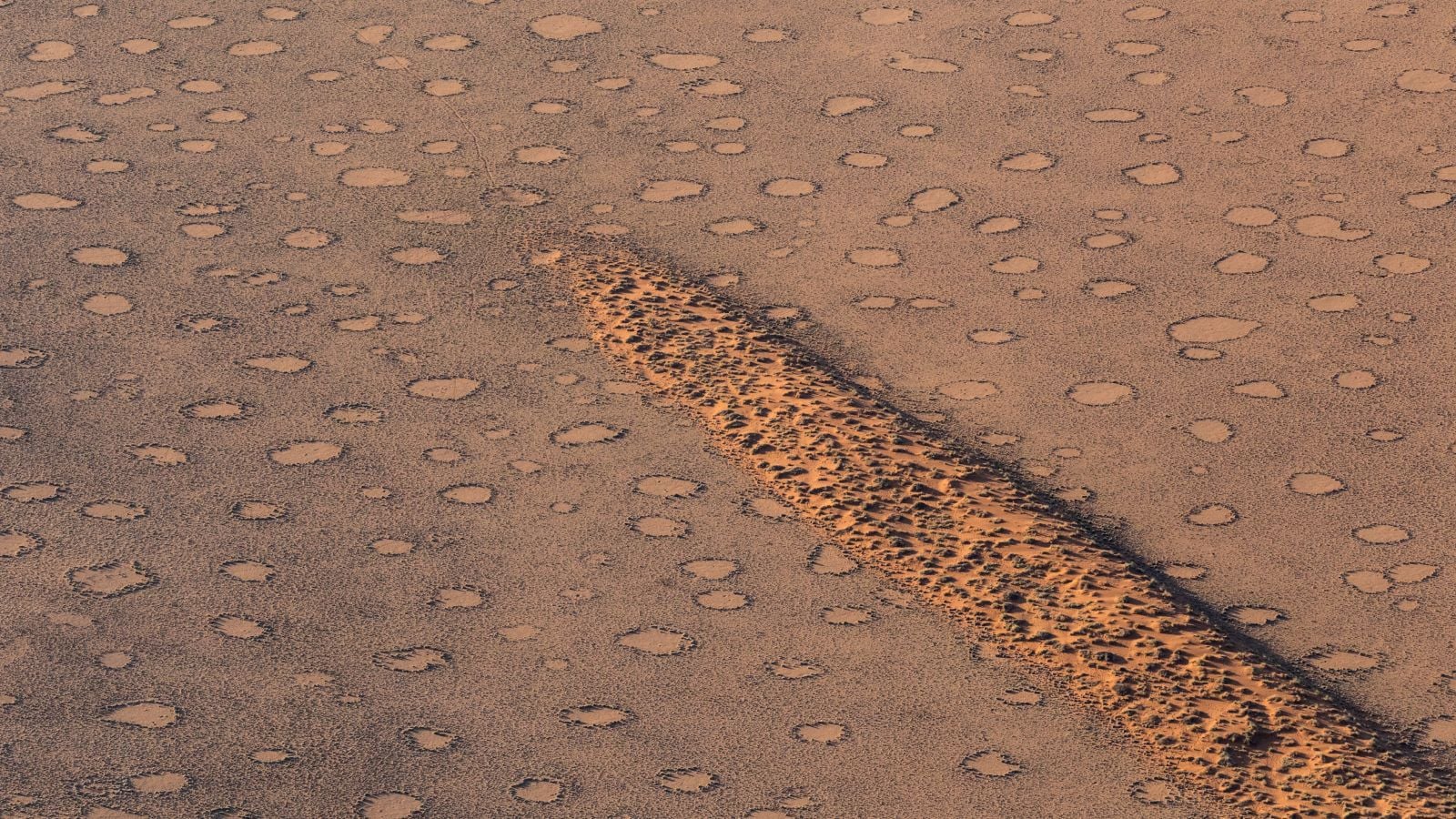
Scientists have discovered a widespread 'hidden order' in drylands worldwide, where plants self-organize into a disordered hyperuniform pattern that optimizes resource use and enhances survival in extreme conditions, with implications for ecosystem resilience and early warning signs of environmental stress.
The article highlights the increasing pressure on Europe's water resources due to pollution, droughts, and floods, emphasizing the importance of ecosystem protection and better wastewater management through a series of reports and debates by Euronews.
Research indicates that the Antarctic Circumpolar Current (ACC), the world's largest ocean current, may shift its location and change its strength over the coming centuries due to natural cycles and climate change, potentially impacting global climate, sea levels, and ecosystems.
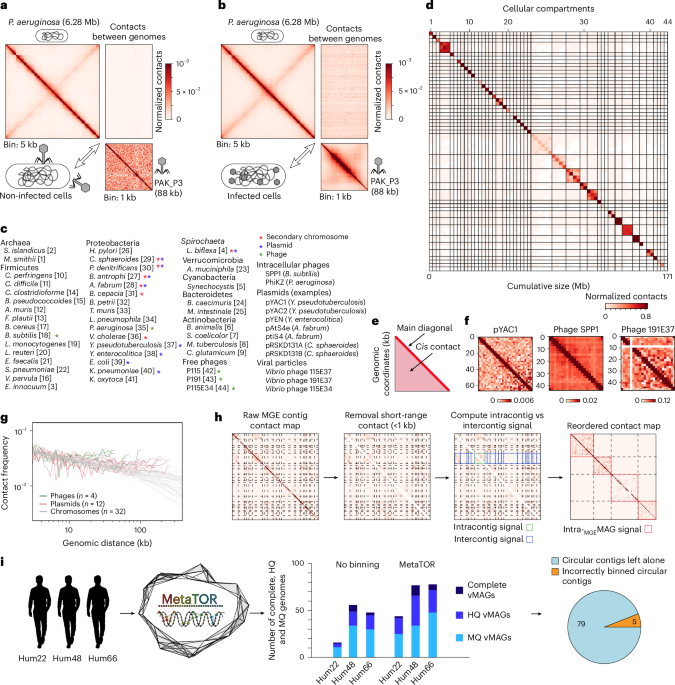
The study finds that phages with broad host ranges are common across various ecosystems, supported by extensive metagenomic data and advanced genomic analysis pipelines, highlighting their ecological significance and diversity.
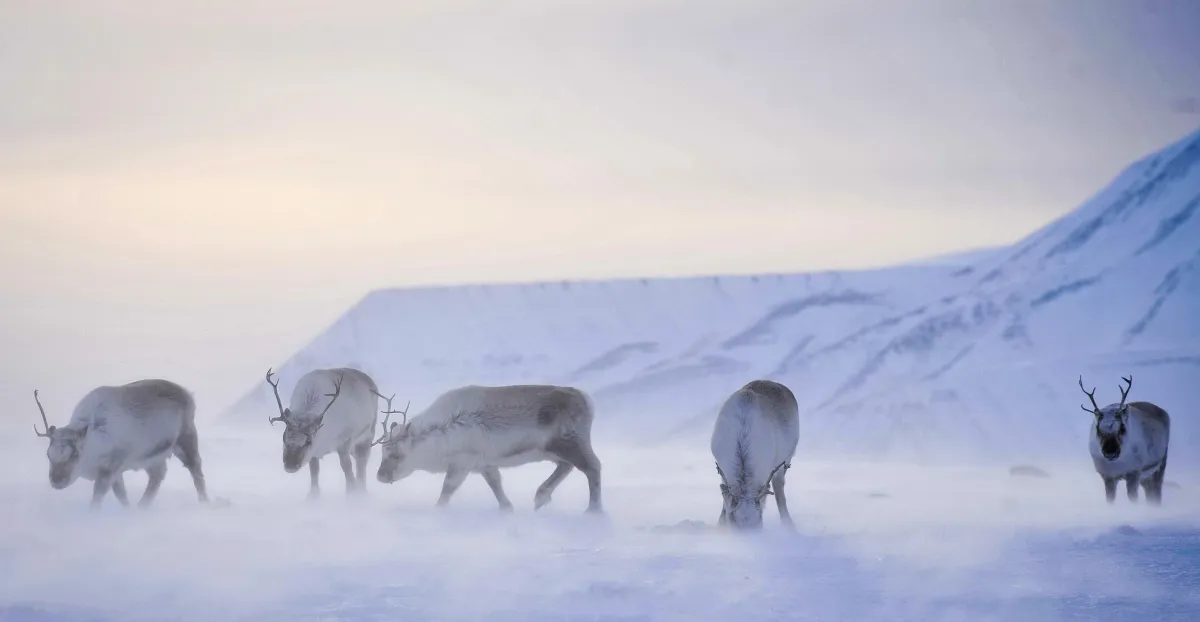
Climate change poses a severe threat to Arctic reindeer populations, with potential declines of nearly 60% globally and over 80% in North America by the end of the century if greenhouse gas emissions are not reduced, impacting biodiversity, indigenous communities, and Arctic ecosystems.
The article highlights various critical issues on the brink of collapse, including ecosystems like the Salish Sea's salmon populations, water shortages due to droughts, aging infrastructure, societal systems such as education and the economy, and broader concerns like climate change, AI's impact on critical thinking, and insect extinction, emphasizing that these problems are often overlooked despite their severity.
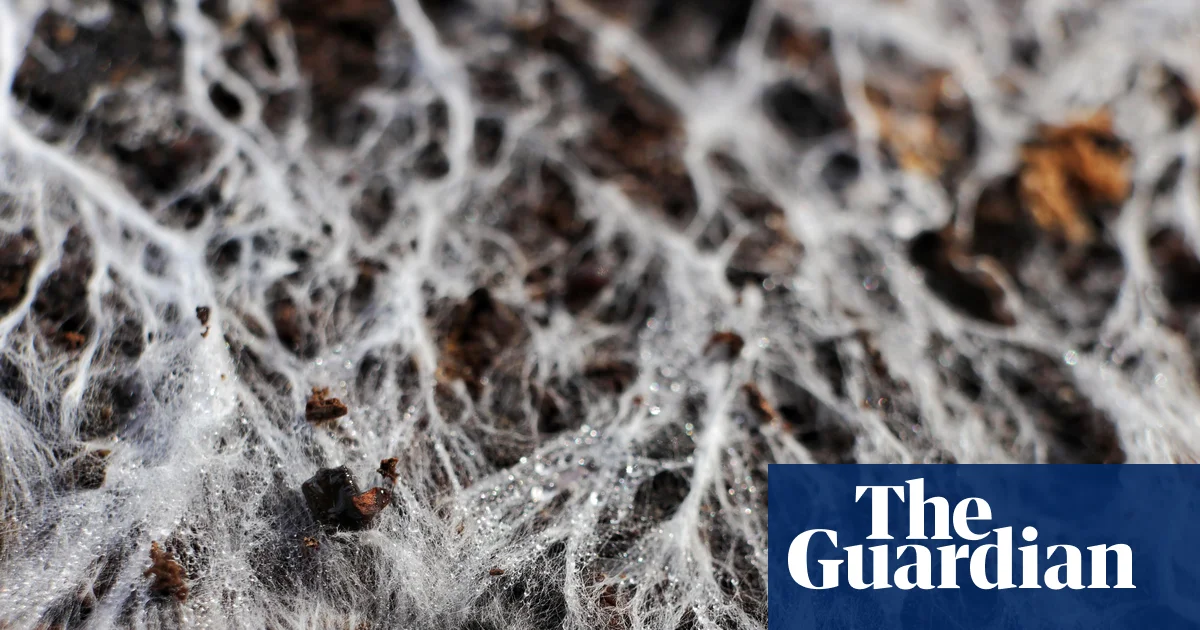
Researchers highlight the urgent need to protect Earth's underground fungal networks, which are vital for ecosystem health, carbon storage, and agriculture, but are largely unprotected and threatened by human activities, calling for immediate conservation efforts.
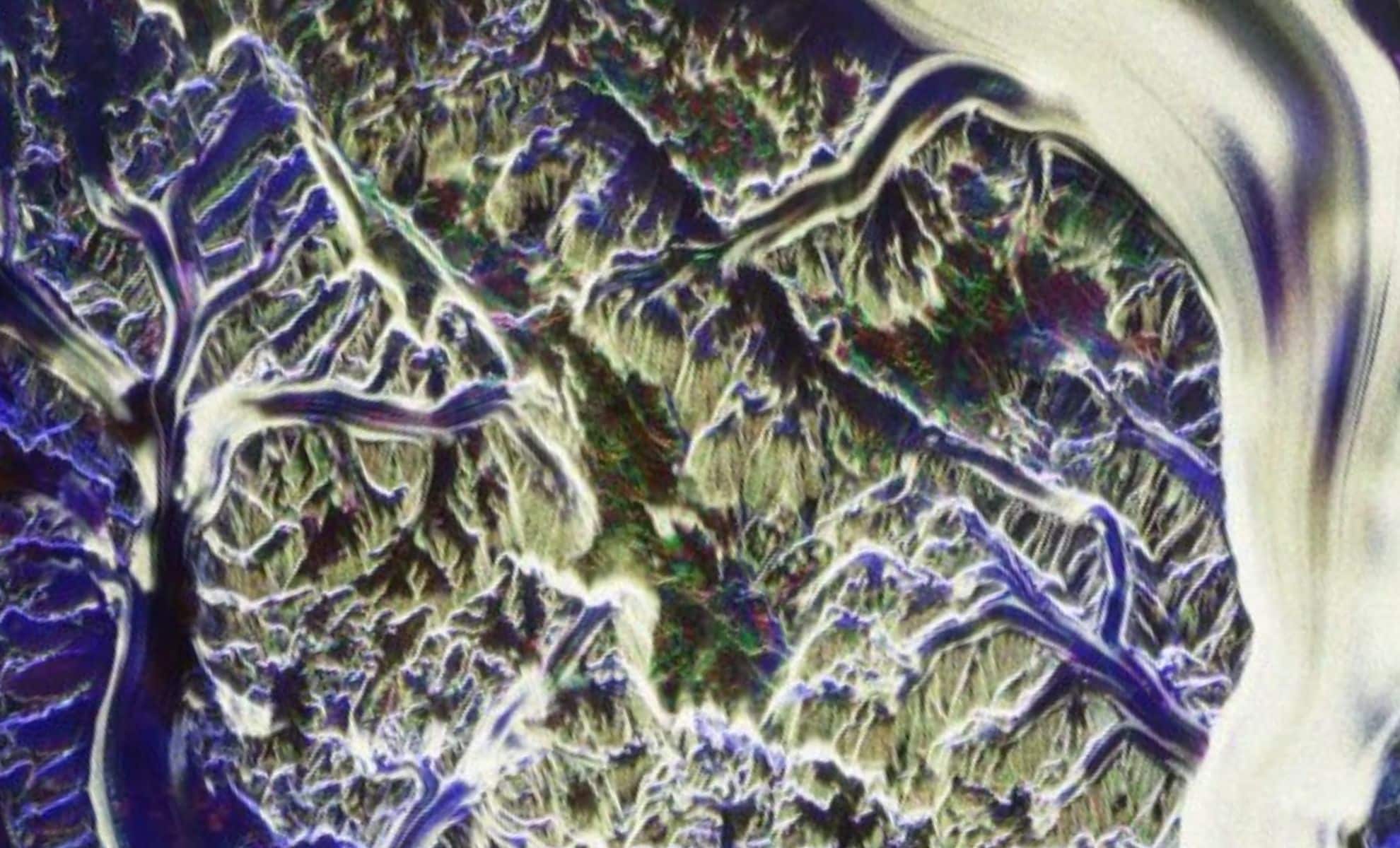
ESA's new Biomass satellite has released its first images, showcasing Earth's most intact ecosystems like forests, deserts, and glaciers, using advanced radar technology to provide unprecedented insights into carbon storage, climate change, and environmental health, marking a significant advancement in global environmental monitoring.
New research suggests that all life on Earth follows a hidden rule, with life radiating from core areas within bioregions, which could enhance our understanding of ecosystems and aid conservation efforts.
New research suggests that all life on Earth follows a hidden rule, originating from a core area in each bioregion and radiating outward, which could enhance our understanding of ecosystems and aid conservation efforts.
A new study provides empirical evidence that all life on Earth follows a 'core-to-transition' organization, where most species originate from biodiversity-rich core regions and expand outward, with environmental factors like heat and drought influencing their spread, offering insights into biodiversity patterns and responses to climate change.
Scientists drilling into Antarctica's ice uncovered a hidden subglacial river and a school of lobster-like creatures, revealing insights into ice melt processes that could accelerate sea level rise and impact global ecosystems and coastal communities.
Scientists drilling into Antarctica's ice uncovered a hidden, slow-moving subglacial river that may accelerate ice melting and sea level rise, and even found lobster-like creatures, highlighting the importance of understanding these hidden ecosystems and their impact on global climate.
A recent study suggests that the organization of life on Earth is governed by a simple rule where species cluster in core hotspots, from which they expand outward, influenced by environmental filtering. This pattern is consistent across various bioregions and species, indicating a predictable distribution that can inform conservation efforts and our understanding of biodiversity and ecosystem resilience.