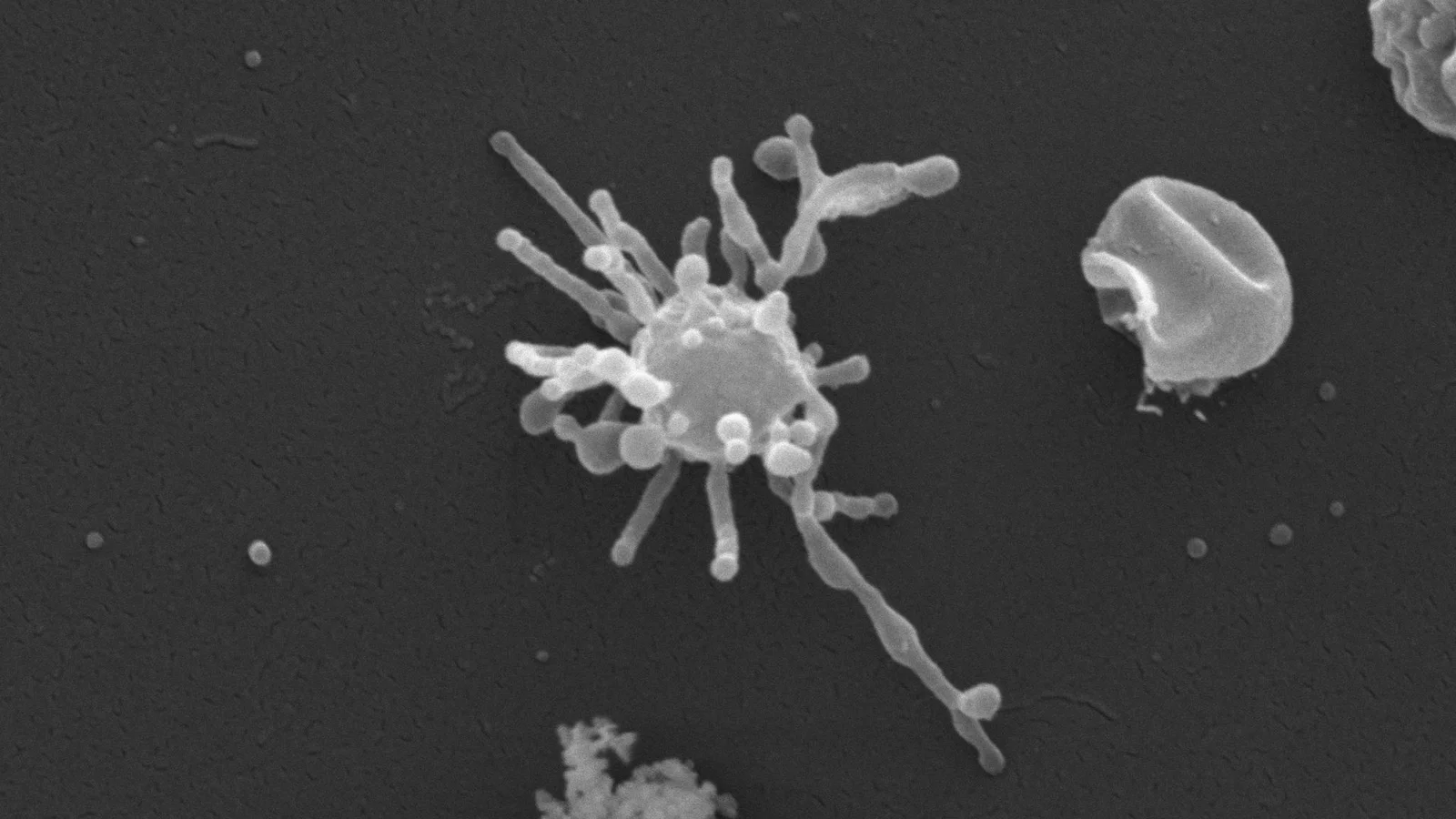
Scientists have identified a lineage of archaea called Asgard archaea, specifically Hodarchaeales, as the common ancestor of all eukaryotic life, shedding light on the origins of complex cells in organisms like animals, plants, and fungi.
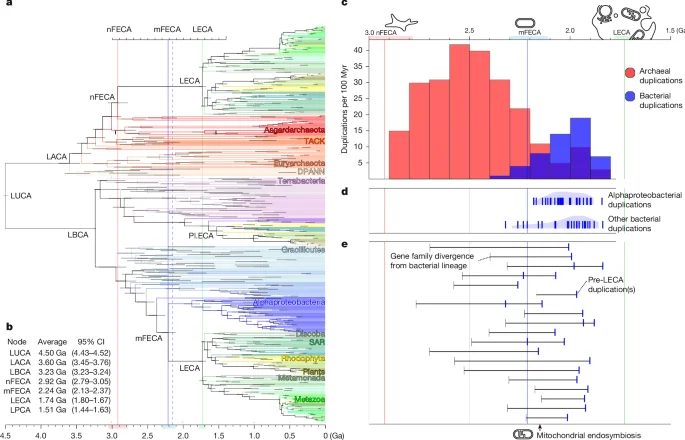
The article uses molecular clock analyses of gene duplications to establish a timeline for eukaryotic cell evolution, suggesting that key features like the nucleus, cytoskeleton, and endomembrane system developed before mitochondrial endosymbiosis, with the divergence of eukaryotic lineages occurring around 1.8 billion years ago.
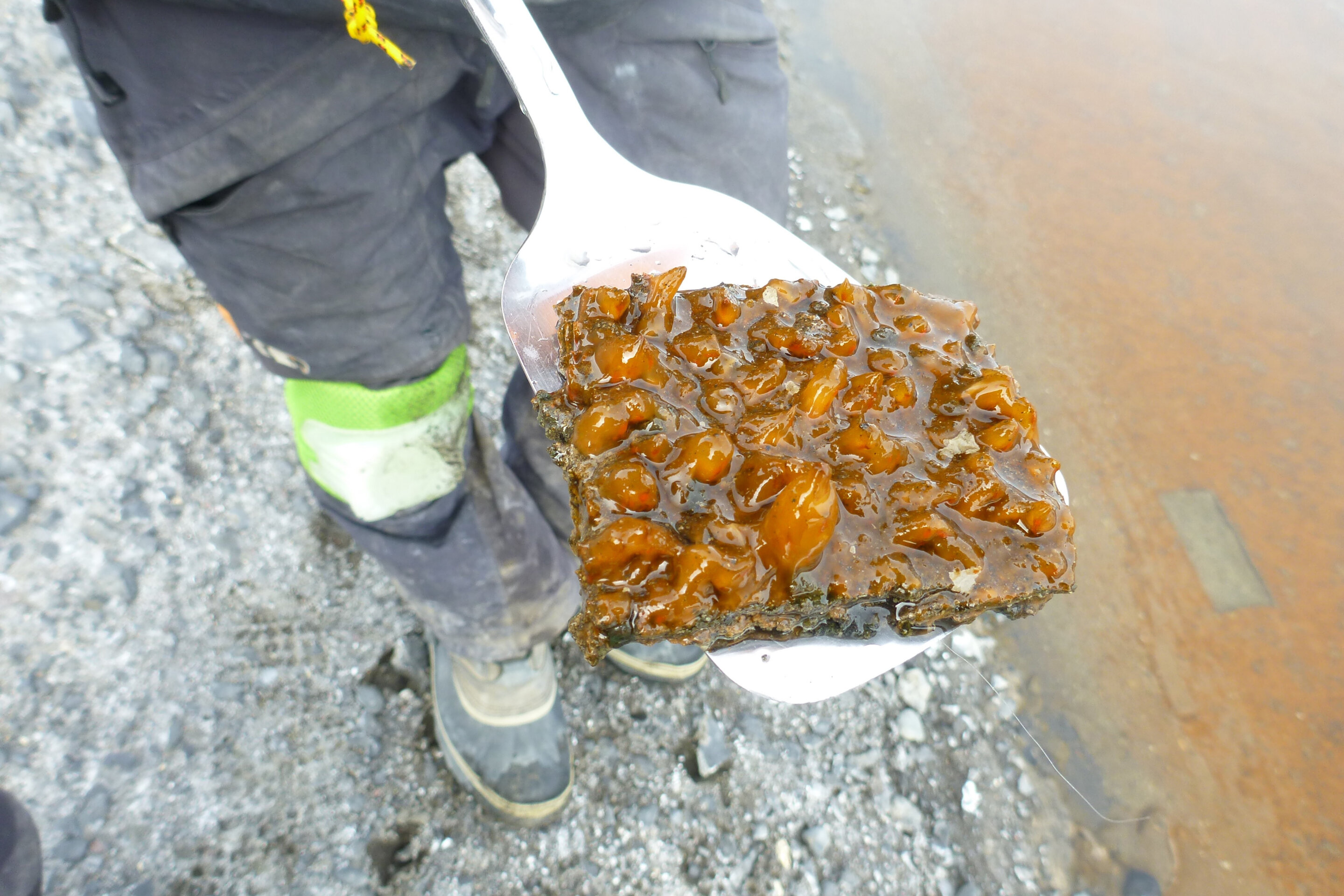
MIT scientists suggest that during Snowball Earth, early eukaryotic life may have survived in meltwater ponds on the planet's surface, as evidenced by modern analogs in Antarctica, highlighting life's resilience in icy conditions.
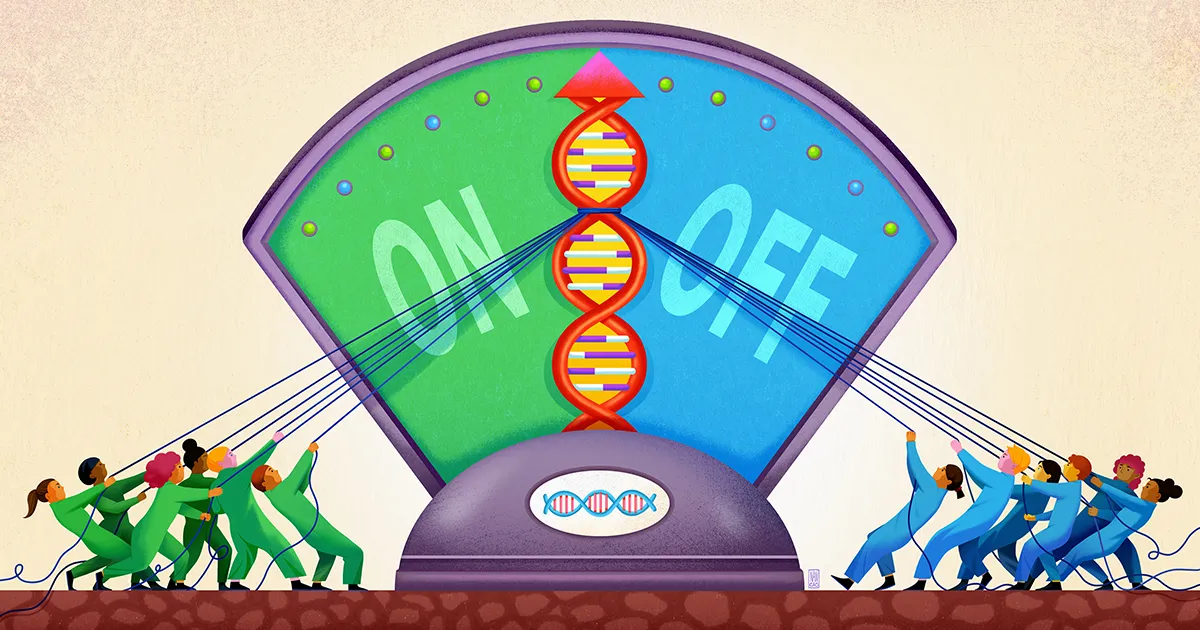
Researchers at Stanford have discovered that short tandem repeats (STRs) in DNA can influence gene regulation by acting as "lobbies" where transcription factors gather near regulatory binding sites, affecting gene expression. These weak interactions may play a significant role in the complex and flexible gene regulation systems of eukaryotic organisms, allowing for adaptability and evolution. The findings suggest that the influence of STRs on gene expression is combinatorial and involves cooperative interactions between transcription factors and other regulatory molecules. This fuzzy and analog regulation contrasts with the more digital regulatory logic found in prokaryotes like bacteria.
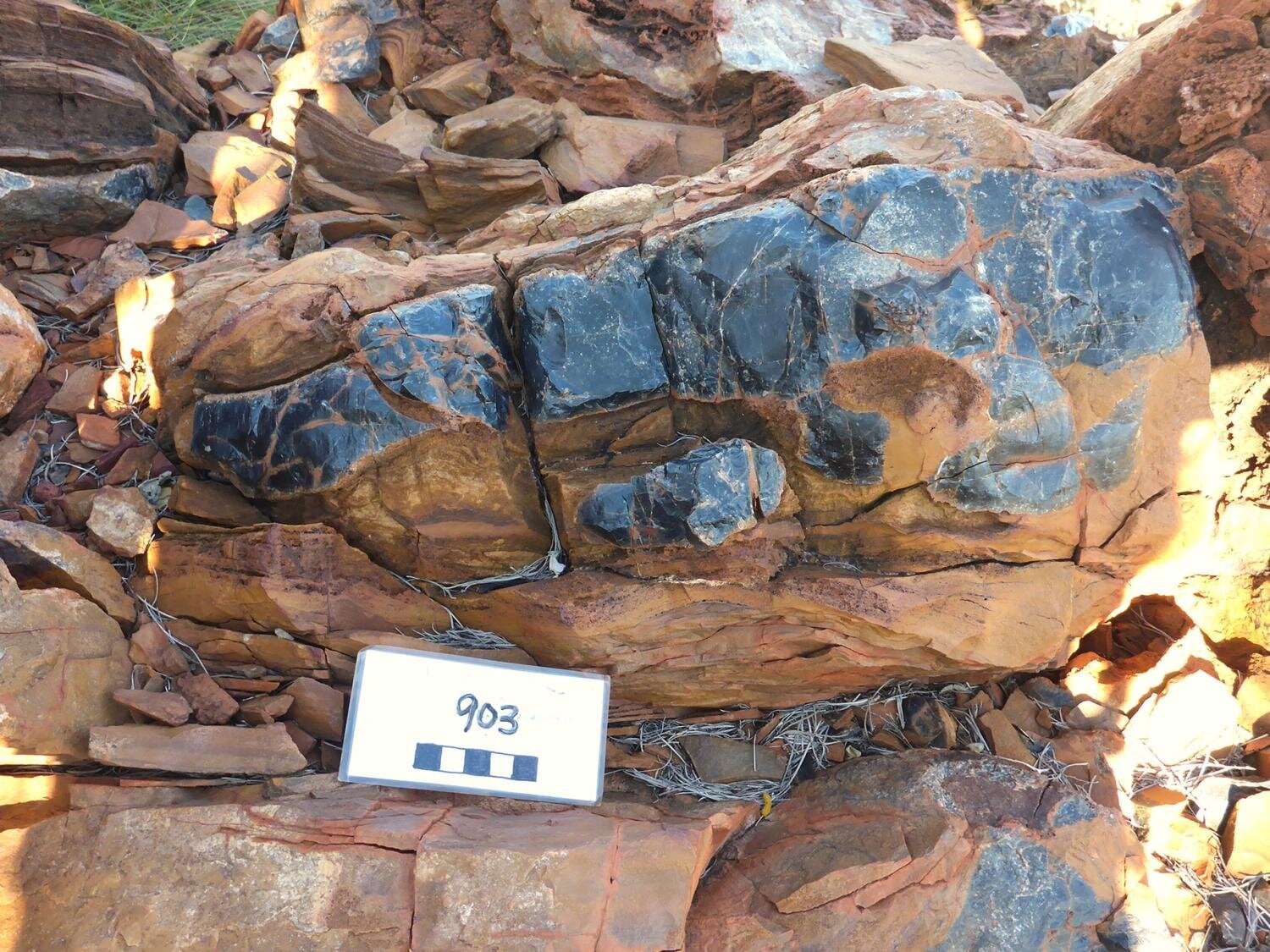
A 1.63-billion-year-old fossil discovered in North China challenges previous assumptions about the timeline of multicellular life on Earth. The fossil, named Qingshania magnifica, is a multicellular eukaryote that lived during the "boring billion" period, suggesting that this era may not have been as uneventful as previously thought. This finding extends the timeline for the evolution of multicellularity by 700 million years, indicating that complex multicellular organisms appeared earlier than previously believed. The discovery underscores the challenges of relying solely on fossil evidence and highlights the need for renewed attention to older rock formations to shed light on Earth's early history.
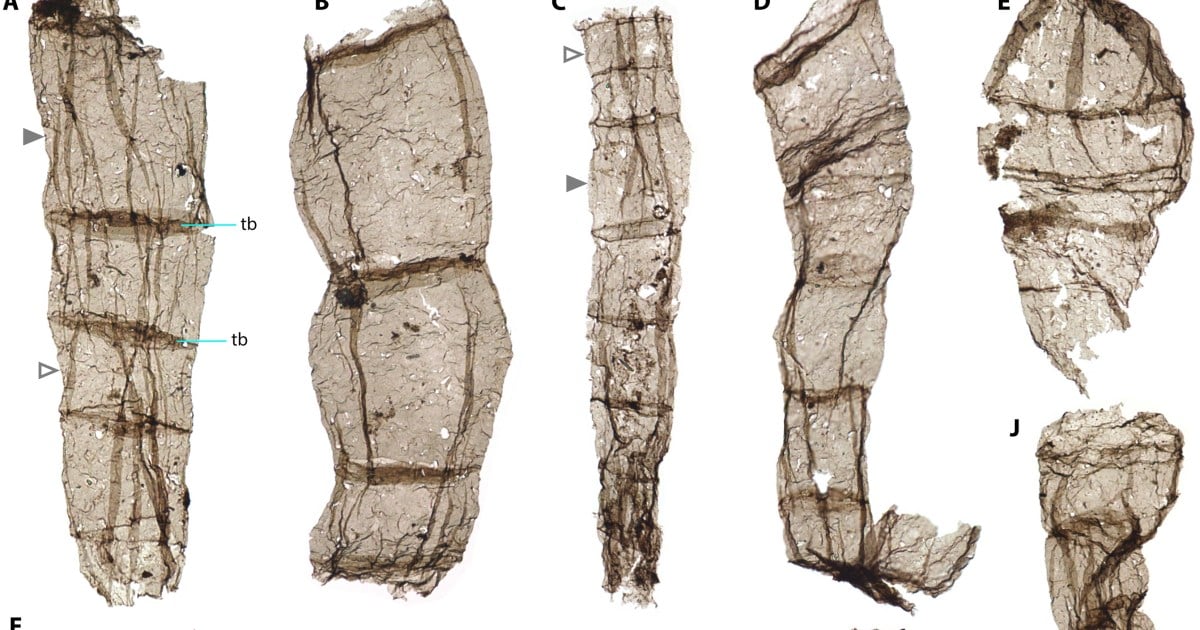
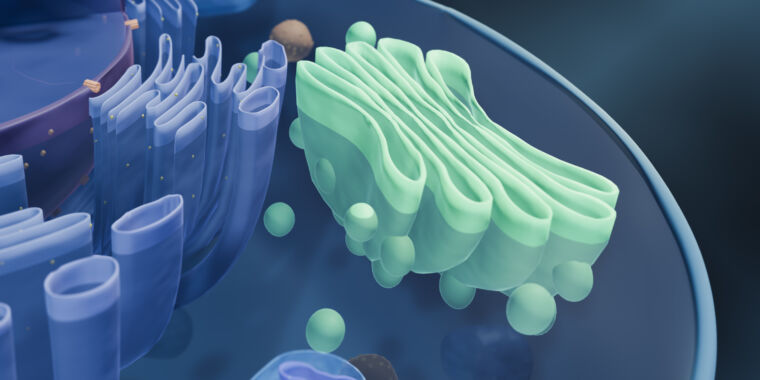
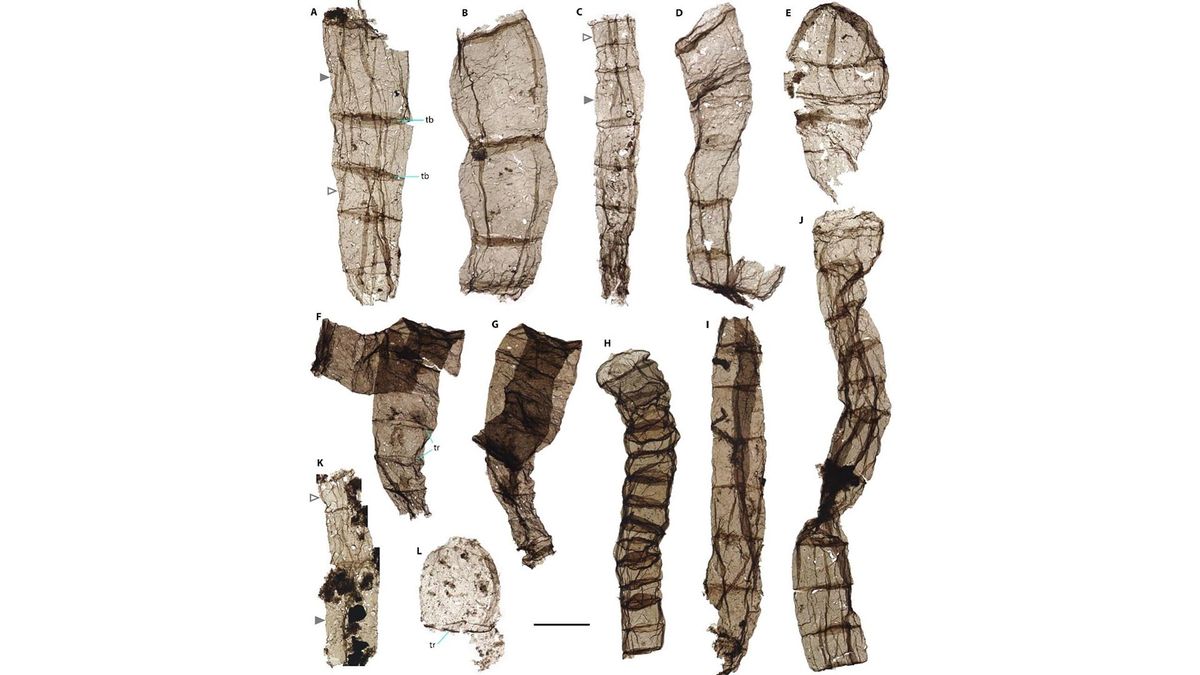
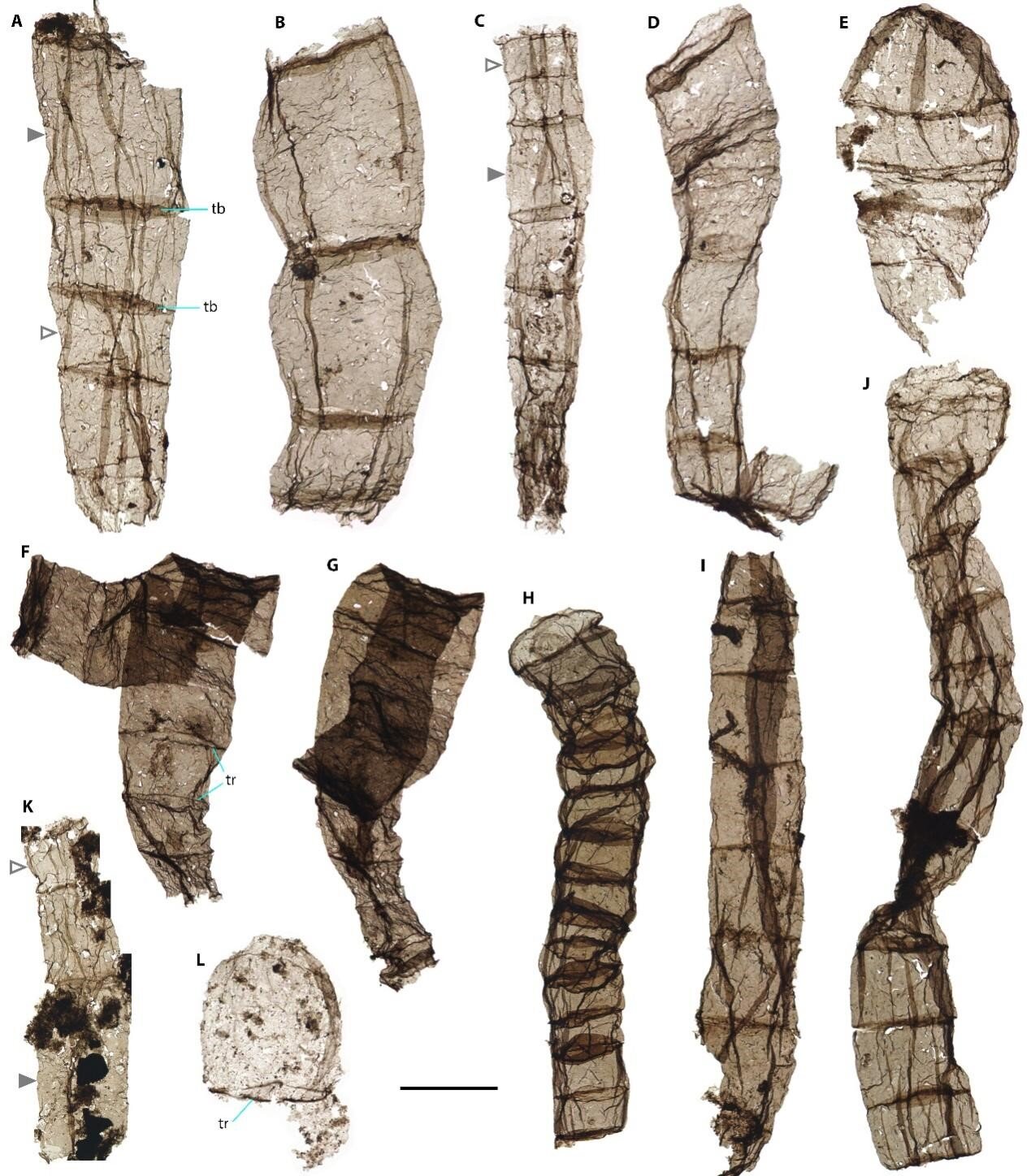
Researchers have discovered 1.64 billion-year-old eukaryote microfossils with surprisingly sophisticated features, suggesting that eukaryotes have a much deeper history than previously thought. The fossils, found in Australia, exhibit advanced characteristics such as protective cysts and complex cellular structures, indicating the presence of Golgi bodies. These findings shed new light on the complexity and diversity of eukaryotes, pushing back our understanding of their evolution by hundreds of millions of years.
Fossils of ancient multicellular organisms, possibly an early type of photosynthetic alga, have been discovered in China and date back more than 1.6 billion years, pushing back the origin of multicellular life by around 70 million years. The fossils, representing a species called Qingshania magnifica, suggest that multicellularity in eukaryotes evolved earlier than previously thought, shedding light on the evolutionary history of complex life on Earth.
Researchers have discovered 1.63-billion-year-old multicellular fossils in North China, providing evidence that eukaryotes first acquired multicellularity around this time. The fossils, found in the late Paleoproterozoic Chuanlinggou Formation, are considered the oldest record of multicellular eukaryotes and demonstrate a certain degree of complexity based on their morphological variation. Named Qingshania magnifica, these fossils suggest that eukaryotes likely reproduced by spores and show eukaryotic affinity due to their large cell size and morphological features. This discovery pushes back the emergence of multicellularity in eukaryotes by about 70 million years.
Researchers have discovered exquisitely preserved microfossils of eukaryotic organisms dating back 1.64 billion years, revealing a surprising diversity and complexity in their forms. The fossils, found in Australia's Northern Territory, exhibit advanced characteristics such as evidence of cytoskeletons and structures suggestive of internal vesicles, challenging previous assumptions about the uniformity of early eukaryotes. This discovery prompts further exploration into the environments and adaptations of early eukaryotes, shedding light on their evolution and the emergence of key characteristics such as aerobic metabolism and mitochondria.
Microfossils discovered in Western Australia provide direct evidence of a rise in the complexity of life during the Great Oxidation Event, a time when oxygen concentration increased on Earth around 2.4 billion years ago. The microfossils resemble algae and suggest the presence of early eukaryotic organisms, pushing back the known eukaryotic microfossil record by 750 million years. The findings have implications for understanding the timeline of complex life formation on Earth and the potential for complex life elsewhere in the universe.
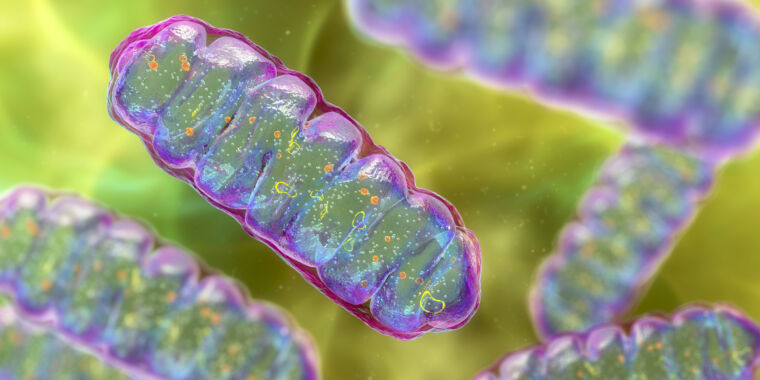
The origin of complex structures within eukaryotic cells, such as the nucleus and endoplasmic reticulum, has long been a mystery. Recent research suggests that these structures may have evolved soon after the mitochondrion, a primitive cell that merged with another cell over 1.5 billion years ago. The "mitochondria early" hypothesis proposes that the endomembrane system, which includes various membrane structures, could have arisen from vesicles released by the mitochondrial ancestor. These vesicles would have helped sequester harmful chemicals and protect the cell. Additionally, the membrane surrounding the nucleus may have evolved to keep mRNA away from ribosomes until it was properly processed, allowing for the production of functional proteins.
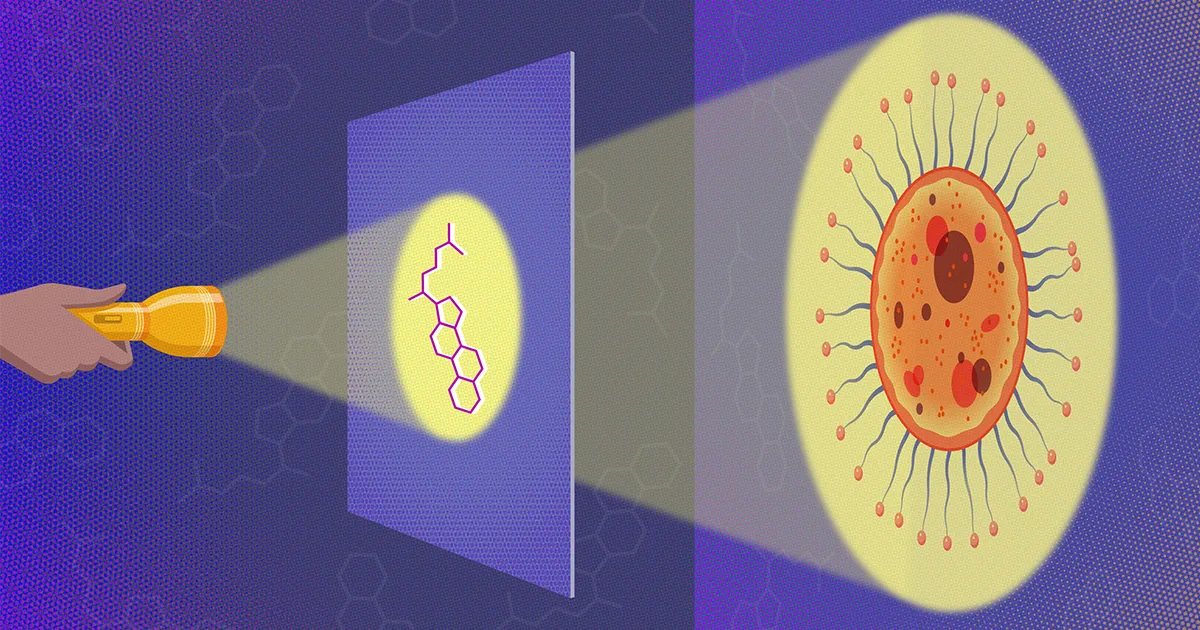
A recent study published in Nature has revealed a "lost world" of ancient eukaryotes that lived 800 million to at least 1.6 billion years ago. The study challenges the previous understanding of early eukaryotic history by suggesting that scientists may have been searching for the wrong fossilized molecules. The researchers discovered abundant molecular fossils of primitive sterols, known as protosterols, which were produced by these ancient eukaryotes. The findings fill an 800-million-year gap in the fossil record and provide new insights into the dynamics and evolution of early eukaryotic life.
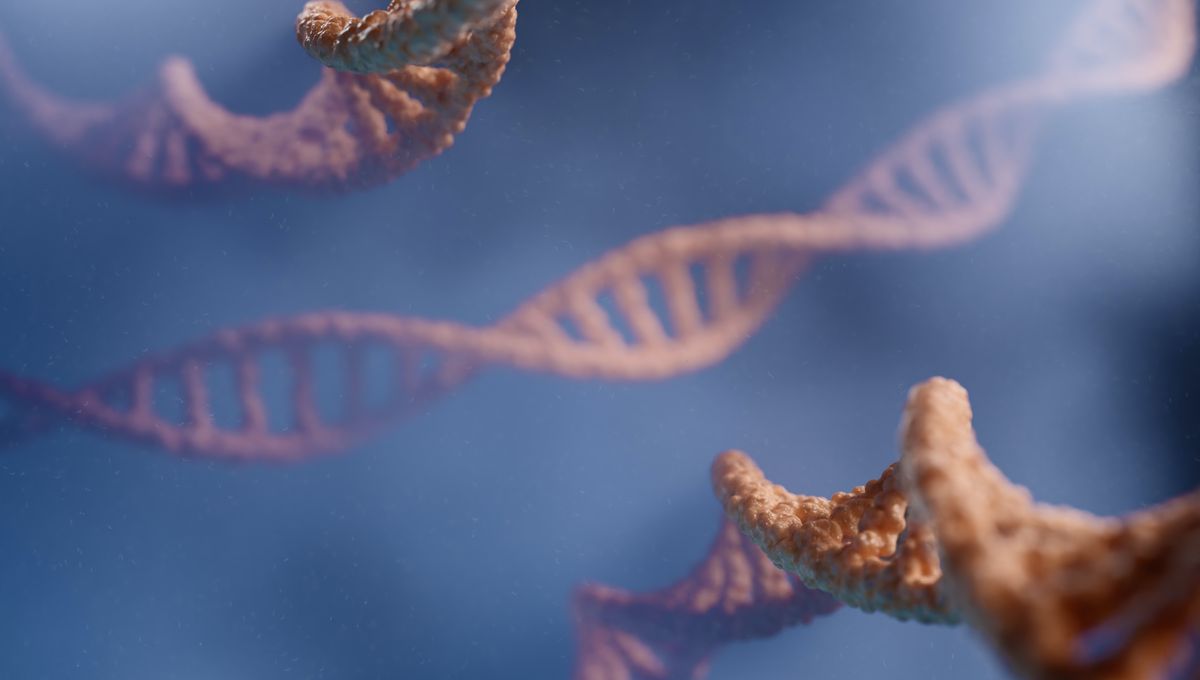
Thousands of DNA-cutting enzymes called Fanzors, similar to CRISPR, have been discovered in various eukaryotic species, including snails, algae, and amoeba. These RNA-guided enzymes have the potential to be developed into tools for gene editing in medicine and biotechnology. The researchers hope that Fanzors, which are naturally evolved in eukaryotes, will provide a safer and more efficient genome editing system for humans. The Fanzor system is more compact than CRISPR proteins, making it easier to deliver to cells and tissues, and may have fewer off-target effects. The discovery of Fanzors opens up new possibilities for RNA-guided biology and the development of novel gene editing tools.
Scientists from Syracuse University are studying protists that inhabit extreme environments, such as hot and acidic geothermal lakes, to gain insight into the evolutionary processes that shaped eukaryotic life. By analyzing previous studies, they discovered that certain lineages of amoebae are often found in extremely high-temperature environments, suggesting their potential for adaptation. The researchers traveled to Lassen Volcanic National Park in California to study a specific amoeba species and search for other extremophilic eukaryotes. They collected samples and are currently isolating single cells for genome sequencing and characterizing the amoebae. The findings will contribute to understanding the distribution and evolution of life on Earth.
Asgard archaea, a group of microorganisms, have been identified as the origin of all complex life forms on Earth, marking the evolutionary shift from single-celled prokaryotes to multicellular eukaryotes billions of years ago. Through the analysis of their genetic makeup, scientists have discovered that proteins in Asgard archaea are related to those found in more complex life forms that developed millions of years later. This study challenges previous understanding of the origin of complex life forms and sheds light on the mysteries of evolution.