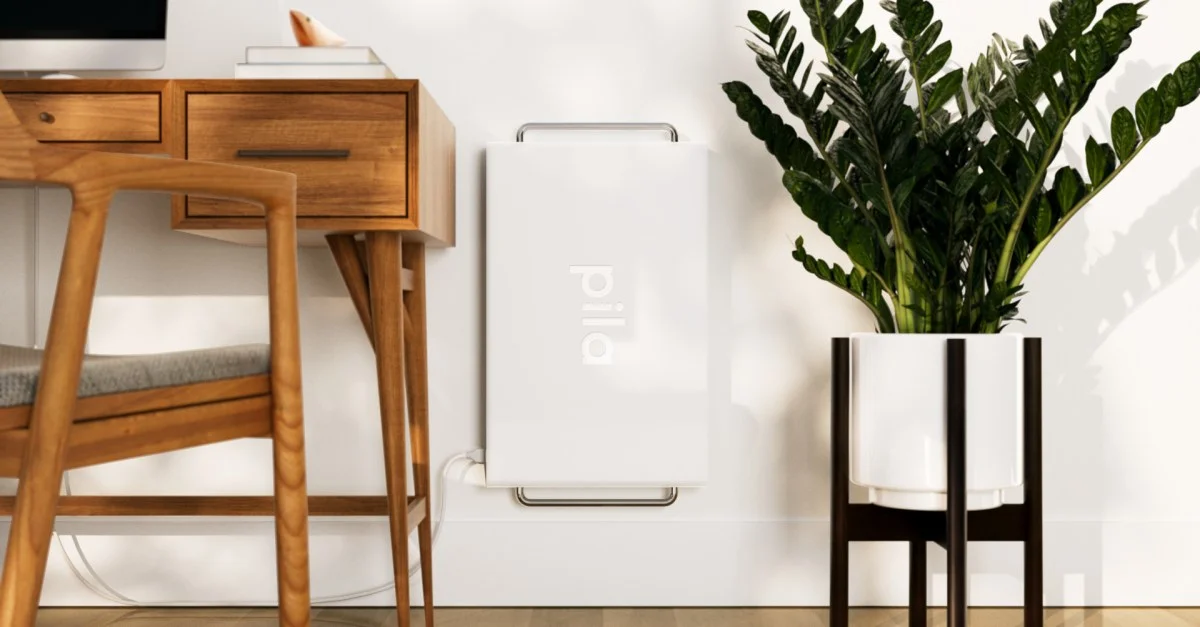
Pila Energy is launching stylish home batteries designed to be both functional and visually appealing, capable of powering critical devices during outages and reducing energy costs, with preorders starting and deliveries expected in February 2026.
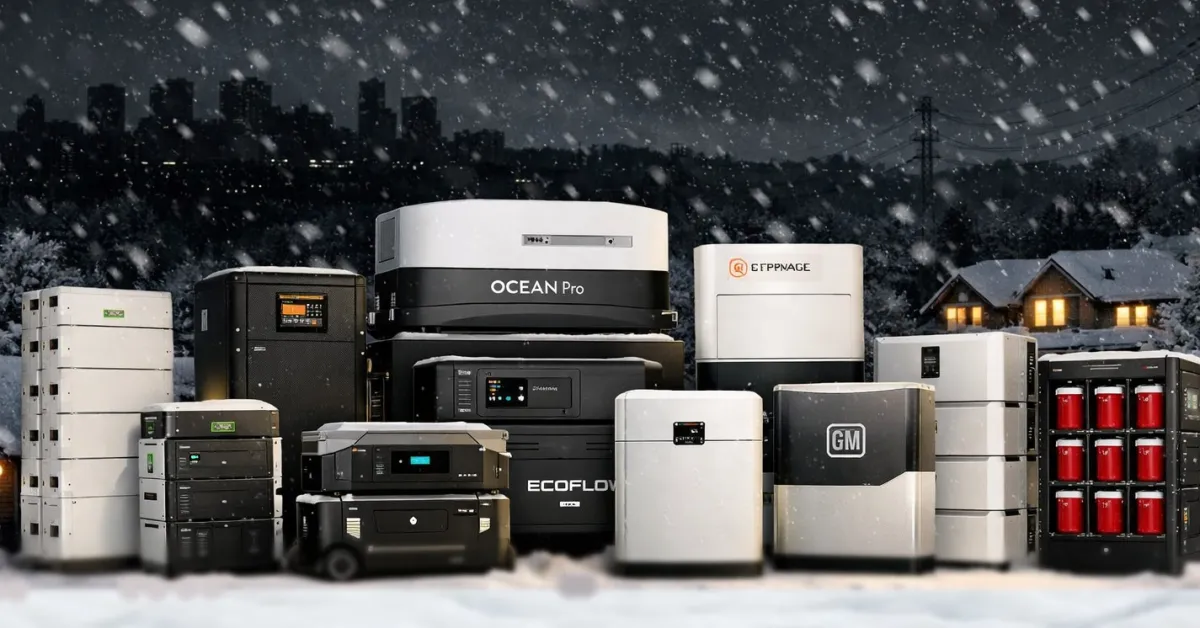
Due to recent safety recalls and Elon Musk's political controversies, consumers are encouraged to consider alternative home battery solutions such as Bluetti EP800, Briggs & Stratton SimpliPHI, EcoFlow DELTA Pro Ultra X, EG4 PowerPro, Enphase IQ Battery, Franklin aPower 2, GM Energy Home System, Sigenergy V2X, StorEn vanadium flow, and Villara VillaGrid+ for more reliable and diverse energy storage options.
Scientists have developed a new form of graphene that significantly enhances supercapacitors' energy and power density, potentially enabling faster charging and higher capacity energy storage for electric vehicles, electronics, and household devices, overcoming previous limitations of space efficiency and charge speed.
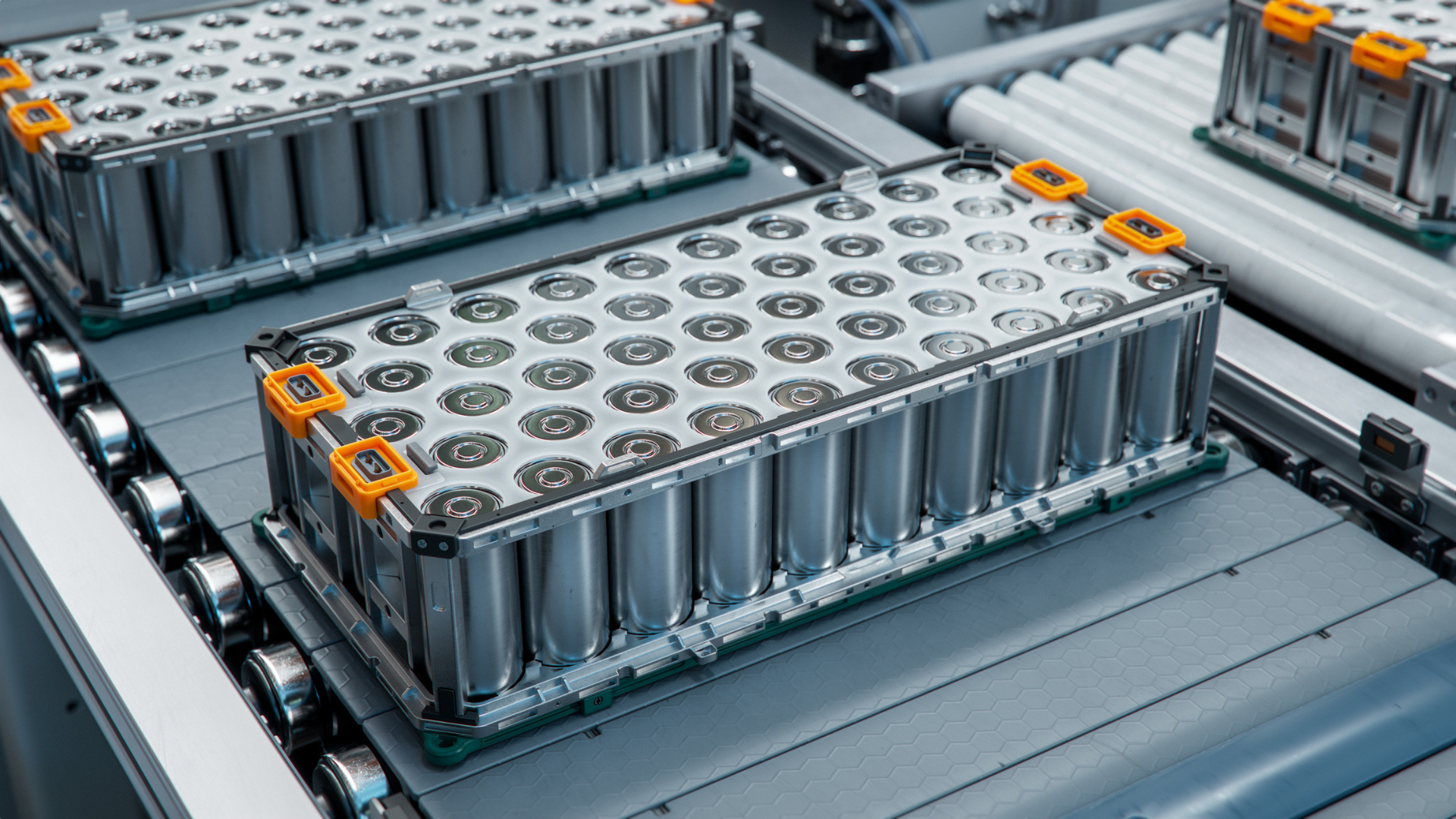
Ford is repurposing its Kentucky battery plant in Glendale to focus on advanced energy storage systems, leading to the layoff of about 1,600 workers, as the company takes full ownership following a partnership split with SK On. The new energy storage business aims to start with 2,100 employees, and workers may apply for new roles within the company. The move is part of Ford's broader shift towards electric vehicles and energy solutions, including plans to produce a new electric truck in Louisville.
Ford's initial investment in electric vehicles didn't meet expectations, leading the company to shift focus towards hybrids and energy storage solutions as part of its strategic pivot in the automotive industry.
Researchers at Monash University have developed a new graphene-based material called multiscale reduced graphene oxide (M-rGO) that significantly enhances supercapacitors, enabling them to store energy comparable to batteries while offering rapid charging and high power output, with potential for commercial applications in electric vehicles and electronics.
A Stanford-led team has discovered a way to push iron into a higher-energy state, enabling the development of more powerful and cheaper lithium-ion batteries, potentially revolutionizing energy storage technology and other electronic applications.
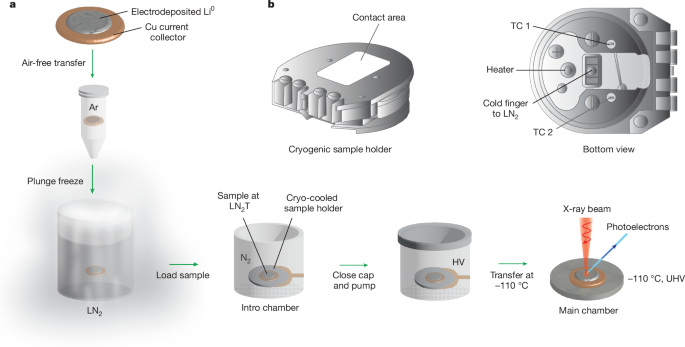
The article discusses the use of cryogenic X-ray photoelectron spectroscopy (XPS) to analyze battery interfaces, particularly the solid electrolyte interphase (SEI), providing insights into its composition and evolution under different conditions, which is crucial for improving battery performance.
Tesla is set to report its Q3 earnings with analyst expectations showing a slight decline in EPS but potential for beating estimates due to record vehicle deliveries and energy storage deployments. Investor focus will be on Musk's comments about robotaxi scaling, new vehicle models, and the impact of the end of ZEV credits. The stock remains near a buy point, but earnings results could influence its trajectory.
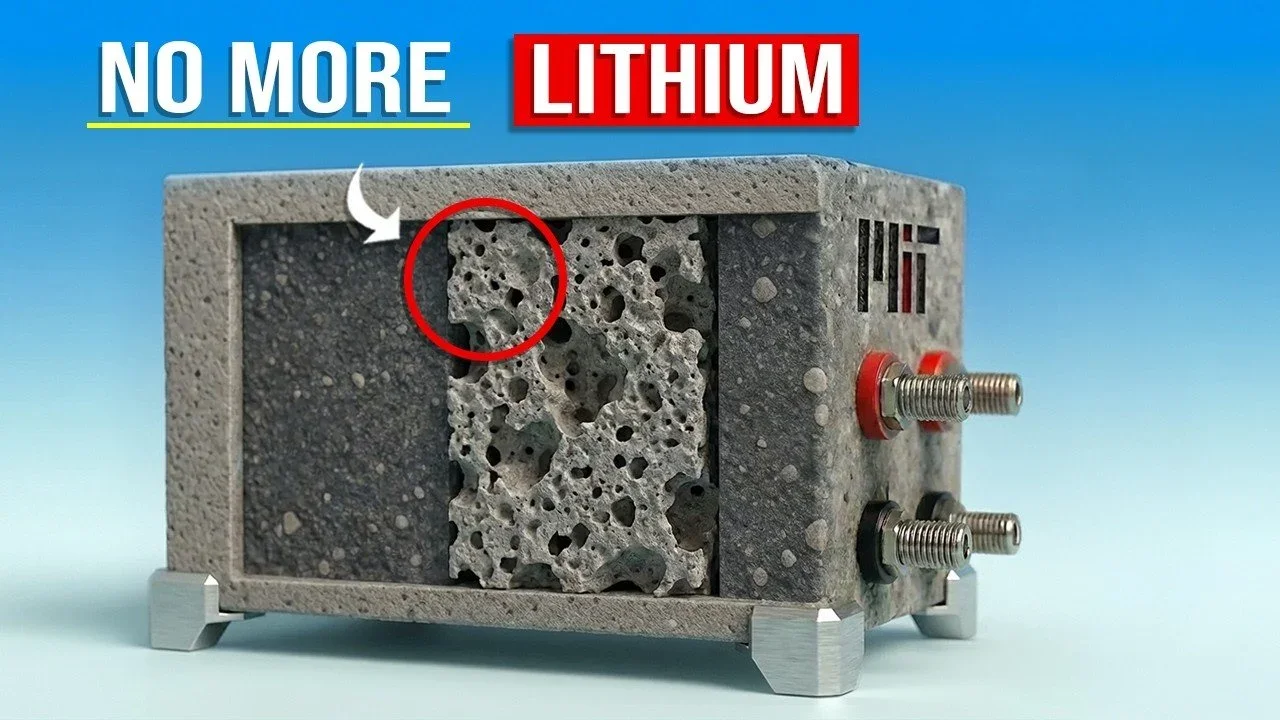
Researchers have developed a sodium-based solid-state battery that performs reliably from room temperature to below freezing, offering a cheaper and more environmentally friendly alternative to lithium batteries, and advancing the field of energy storage technology.
EcoFlow announced the Delta Pro Ultra X, a powerful and scalable home battery system capable of powering a home for weeks, with up to 12kW continuous output and 180kWh capacity, compatible with solar, gas generators, and EV chargers, and designed for easy installation and modular expansion.
A new liquid air energy storage facility in the UK, set to open in 2026, aims to provide a cost-effective alternative to batteries and hydro for storing renewable energy, helping to stabilize the grid and accelerate the transition away from fossil fuels, despite current economic challenges.
Homeowners are rushing to install battery storage systems before the 30% tax credit expires at the end of 2025, causing demand surges, supply chain challenges, and potential installation delays, while new technologies highlight the growing interest in sustainable energy solutions.
China's new export restrictions on batteries and related materials could significantly impact US energy storage and battery industries, as China dominates key supply chains and the US faces increasing demand for energy storage to support data centers and grid stability amid ongoing trade tensions.
Tesla delivered a record 497,099 EVs in Q3, driven by the expiring US tax credits, and its stock rose over 3% amid optimism about future growth and energy storage deployments.