Tag

Chemical Makeup

All articles tagged with #chemical makeup

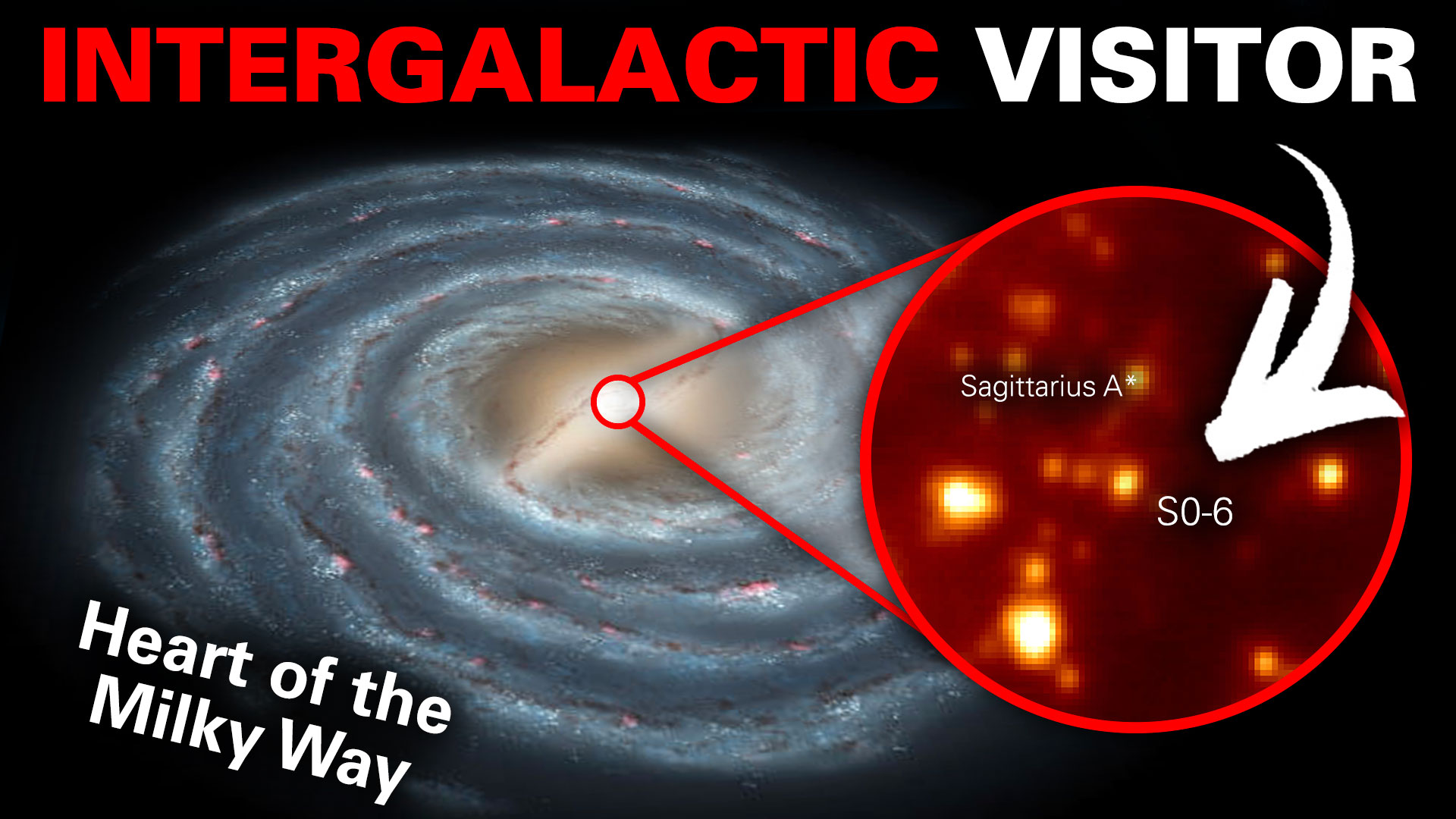
Interstellar Star Found Orbiting Milky Way's Black Hole

Originally Published 2 years ago — by Universe Today

Featured image for Interstellar Star Found Orbiting Milky Way's Black Hole
Source: Universe Today

Astronomers have discovered an alien red giant star, S0-6, orbiting the supermassive black hole Sagittarius A* at the center of the Milky Way. S0-6 and its sibling stars have chemical fingerprints indicating they were born outside the Milky Way, possibly in a nuclear star cluster in a dwarf galaxy. The star's metallicity suggests it is rather metal-poor and has an age of around 10 billion years. As S0-6 spirals closer to the black hole, its motions provide valuable information about the gravitational conditions surrounding Sagittarius A*.

AI Model Validates Bordeaux Wine Snobs' Expertise, Detects Counterfeit Bottles

Originally Published 2 years ago — by The New York Times

Featured image for AI Model Validates Bordeaux Wine Snobs' Expertise, Detects Counterfeit Bottles
Source: The New York Times

Scientists have developed a computer model that can identify the Bordeaux estate that produced a wine and predict its vintage based solely on its chemical composition. The model, created by computational neuroscientist Alex Pouget and his colleagues, aims to bring chemical precision to the concept of terroir, which refers to the unique combination of soil, climate, and traditional methods that contribute to a wine's character. This research could also help in detecting wine fraud.

ESA's Ariel Mission: Unveiling the Secrets of Distant Worlds

Originally Published 2 years ago — by SciTechDaily

Featured image for ESA's Ariel Mission: Unveiling the Secrets of Distant Worlds
Source: SciTechDaily

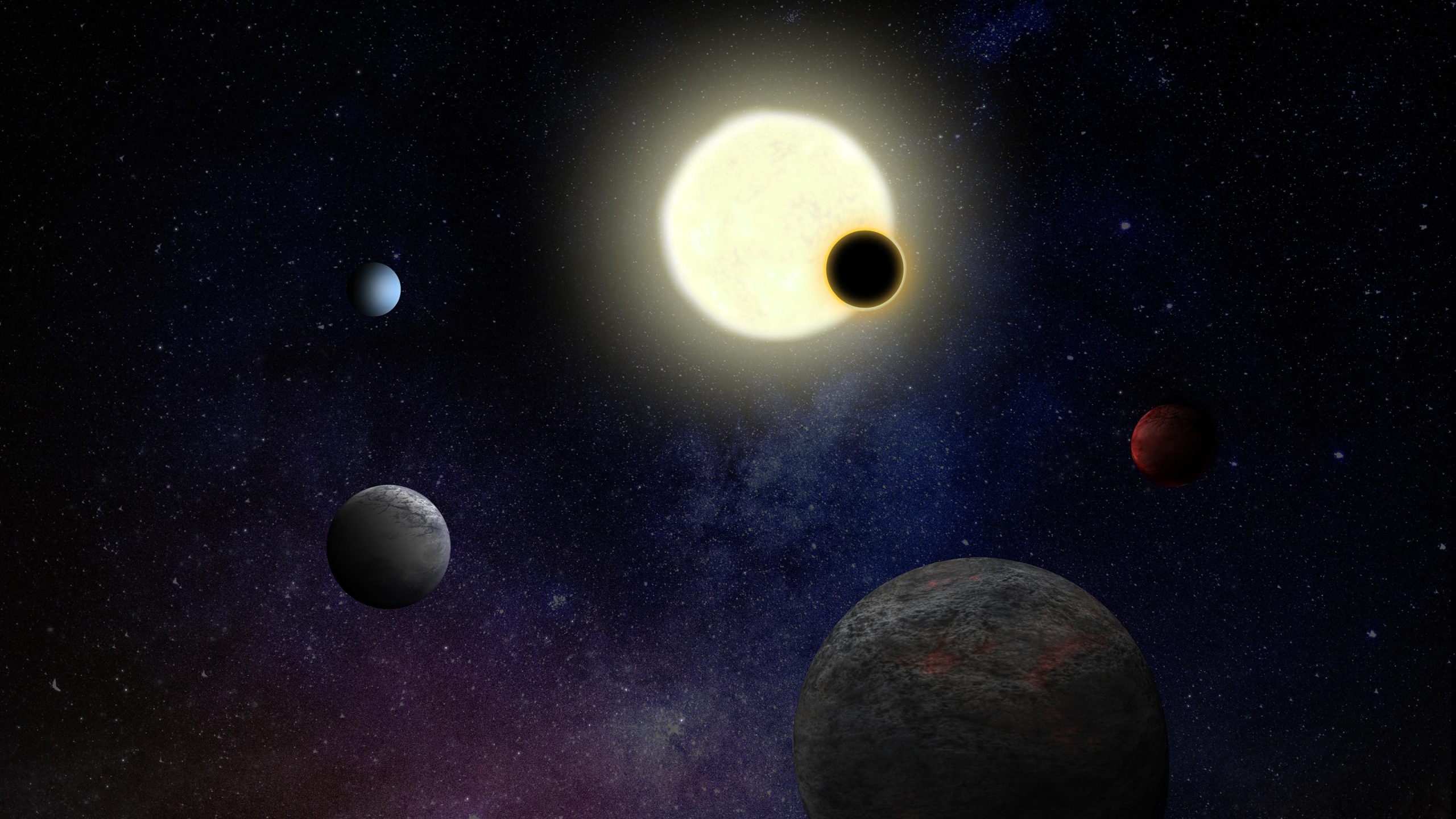
ESA's Ariel mission, designed to study the chemical composition of distant exoplanets, has successfully completed its Preliminary Design Review (PDR), clearing the way for a 2029 launch. The mission aims to examine approximately 1000 exoplanets and contribute to our understanding of planetary formation and the search for extraterrestrial life. The payload will include a telescope, infrared spectrometer, and guidance module, allowing for the study of exoplanet atmospheres and chemical environments. This milestone achievement allows the mission to proceed to the Critical Design Review (CDR) phase and begin manufacturing prototype models.

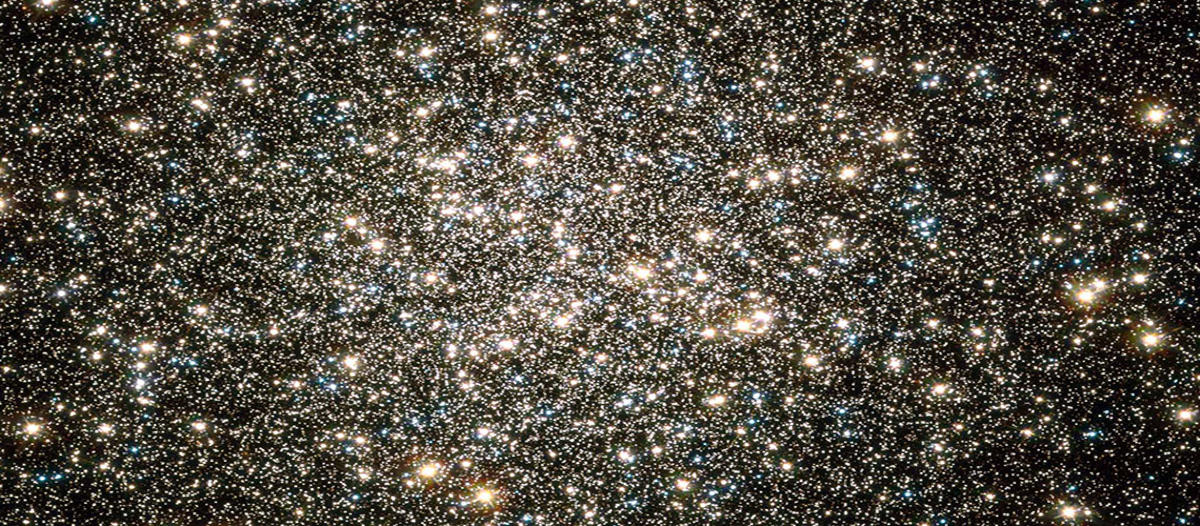
The Origins of Globular Clusters: Unveiling Celestial Monsters.

Originally Published 2 years ago — by SciTechDaily

Featured image for The Origins of Globular Clusters: Unveiling Celestial Monsters.
Source: SciTechDaily

Researchers from the universities of Geneva, Paris, and Barcelona have found evidence that supermassive stars existed within globular clusters when they formed 13 billion years ago. These clusters are the universe’s most massive and ancient star groupings, housing up to a million individual stars. The researchers believe that they have detected the initial chemical evidence of these stars in globular proto-clusters, which came into existence approximately 440 million years following the Big Bang. The results were obtained thanks to observations by the James-Webb space telescope.