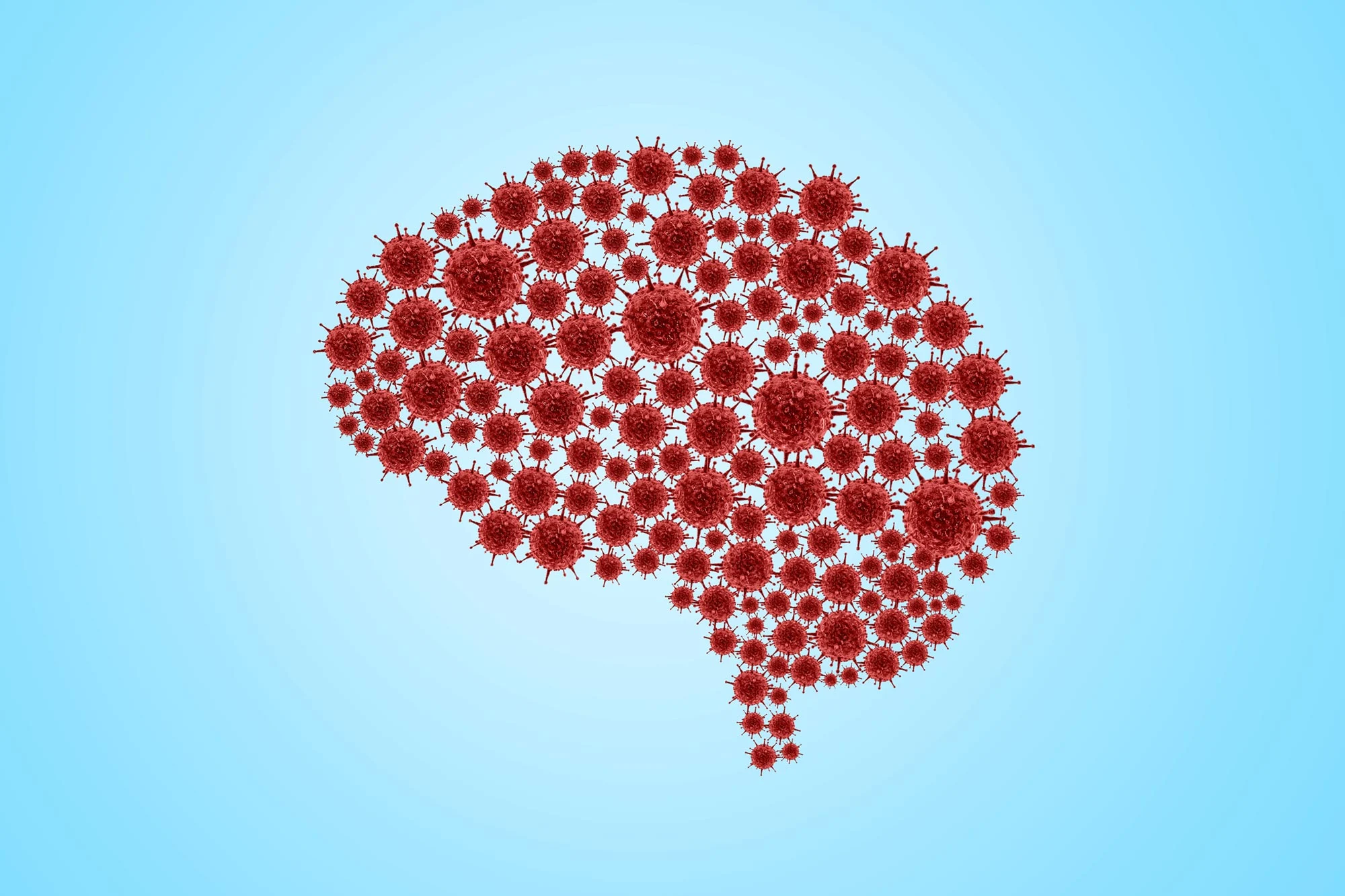
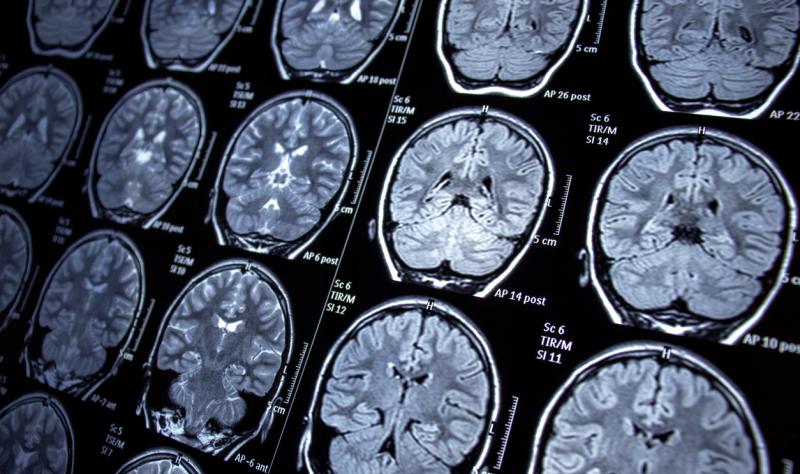
Research using advanced MRI techniques shows that COVID-19 can cause lasting changes in the brain even after full recovery, potentially leading to long-term neurological effects and cognitive issues, regardless of ongoing symptoms.
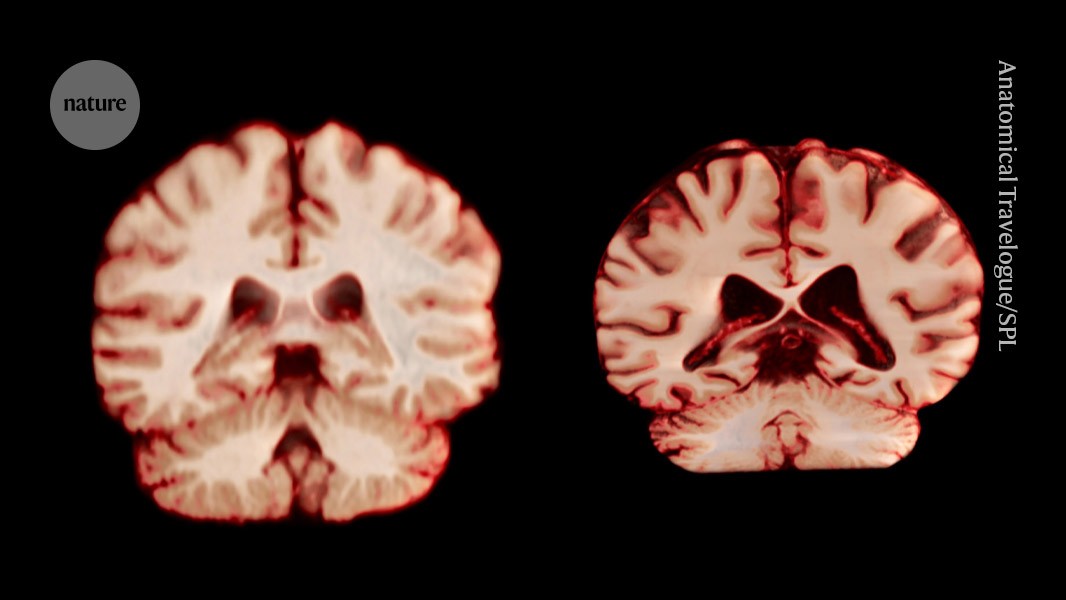
A large MRI study found that men's brains shrink faster than women's during aging, suggesting that age-related brain volume loss does not explain why women are more frequently diagnosed with Alzheimer's disease, prompting further research into other factors like susceptibility and survival differences.
A large MRI study finds that poor sleep is associated with faster brain aging, partly mediated by inflammation, suggesting that improving sleep could help slow neurobiological aging and potentially reduce cognitive decline.
A study using fMRI reveals that the right insula and dorsolateral prefrontal cortex become more active during mental fatigue, influencing decisions to continue or quit effortful tasks, with external incentives like money encouraging continued effort. These findings could inform treatments for fatigue-related conditions such as depression and PTSD.
An 18-month international study suggests that a Green Mediterranean diet, which enhances blood sugar control, can slow brain aging and reduce cognitive decline risks. The study, part of the DIRECT PLUS Brain MRI trial, found that improved glycemic control is linked to positive changes in brain regions affected by age-related atrophy. The diet, rich in polyphenols from plant-based sources, may protect brain structure and function, offering a potential pathway to mitigate age-related cognitive decline.
A study by Washington University School of Medicine reveals that psilocybin, the active compound in magic mushrooms, can influence brain activity for weeks, particularly affecting the default mode network and anterior hippocampus. This disruption may explain the altered perceptions of space, time, and self during a trip and supports the potential of psilocybin in treating severe depression by increasing brain plasticity.
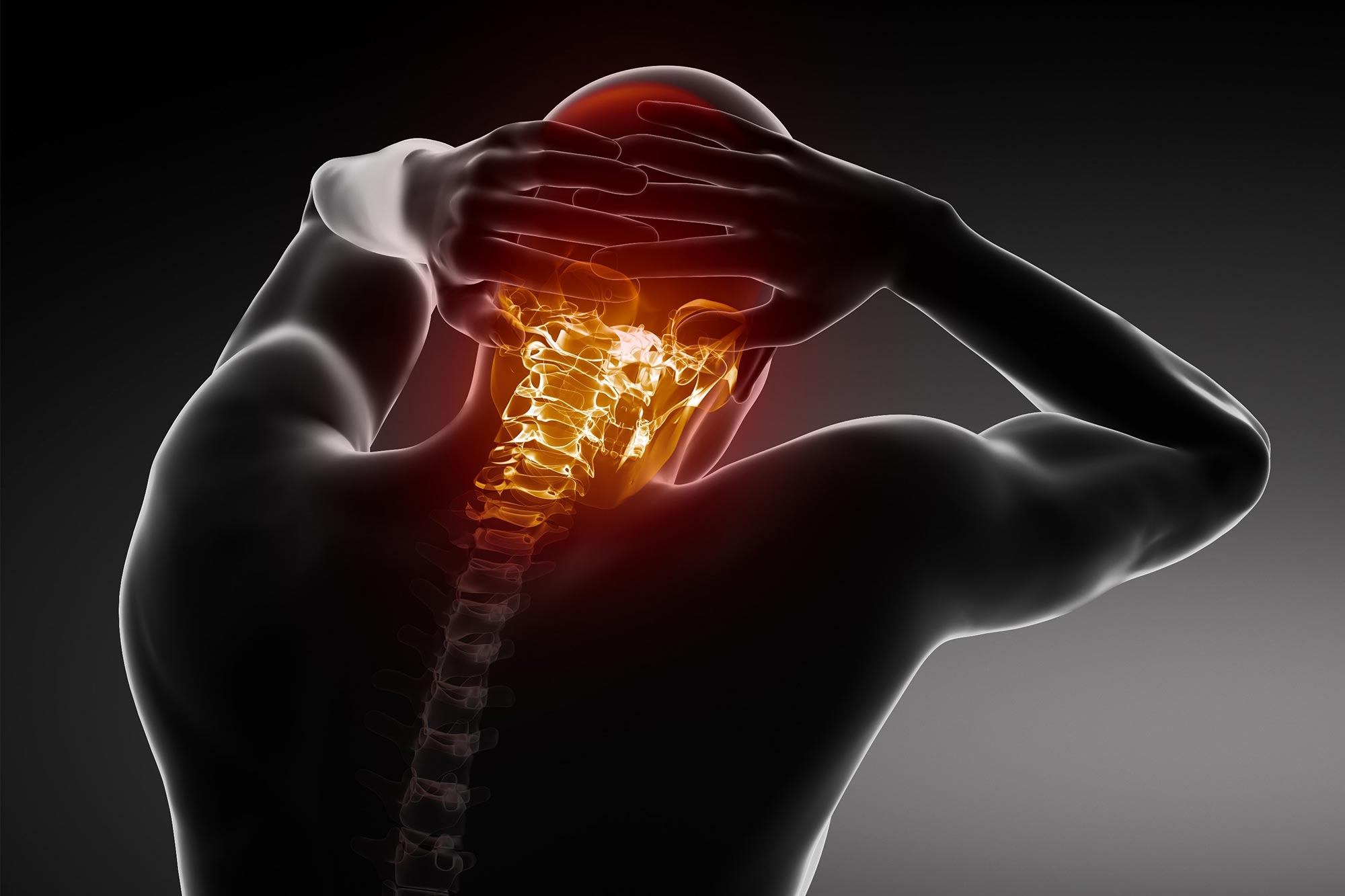
Recent research has uncovered objective evidence linking neck muscle inflammation to primary headaches, such as migraines and tension-type headaches, providing potential for more effective treatments. The study used MRI to quantify inflammation in neck muscles and found that muscle T2 values were significantly associated with the number of headache days and the presence of neck pain. This breakthrough could lead to targeted treatments that directly address neck muscle inflammation, offering potential relief for both neck pain and headaches.
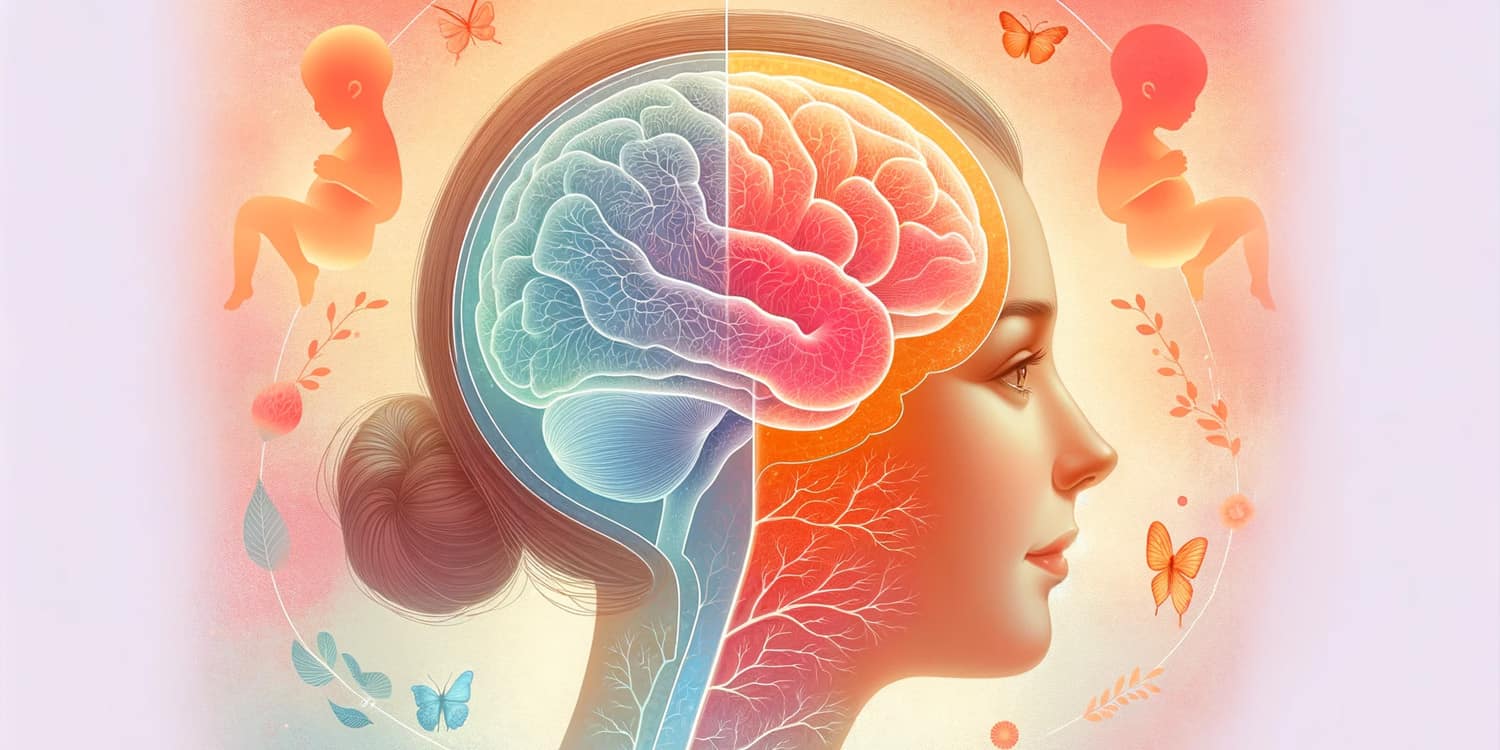
A new study published in Nature Neuroscience reveals that the brains of first-time mothers undergo significant changes in volume and thickness during late pregnancy and the early postpartum period. The study, based on the largest longitudinal neuroimaging research of mothers to date, found that pregnancy and childbirth impact brain structure, with mothers experiencing decreased global cortical volume and thickness during late pregnancy, followed by significant increases in these measures in the early postpartum period. The type of childbirth also impacted these changes, with mothers who had a scheduled cesarean section showing larger increases in cortical volume, thickness, and surface area postpartum than those who went through labor. The study also found links between stress, depression, and maternal attachment during pregnancy and the postpartum period.
A new MRI study comparing patients with long COVID, fully recovered COVID-19 survivors, and healthy controls reveals microstructural changes in different brain regions in long-COVID patients. The study, which used diffusion microstructure imaging (DMI), a novel MRI technique, detected smaller brain changes than traditional MRI. The findings suggest a pathophysiological basis for long COVID symptoms and provide insight into the impact of COVID-19 on the brain. However, the study does not explain why some patients develop long COVID while others do not.