Certain foods like omega-3-rich fish, magnesium-rich greens, ginger, nuts, seeds, cinnamon, vitamin B2 foods, turmeric, whole grains, and water-rich fruits may help alleviate headaches and migraines, while avoiding triggers like processed foods, alcohol, cheese, chocolate, gluten, and excessive caffeine can also be beneficial.
Magnesium deficiency often develops silently and can cause signs like eye twitching, muscle spasms, headaches, sleep issues, and mood changes. Recognizing these early signs and increasing intake of magnesium-rich foods or supplements under medical guidance can prevent long-term health problems.
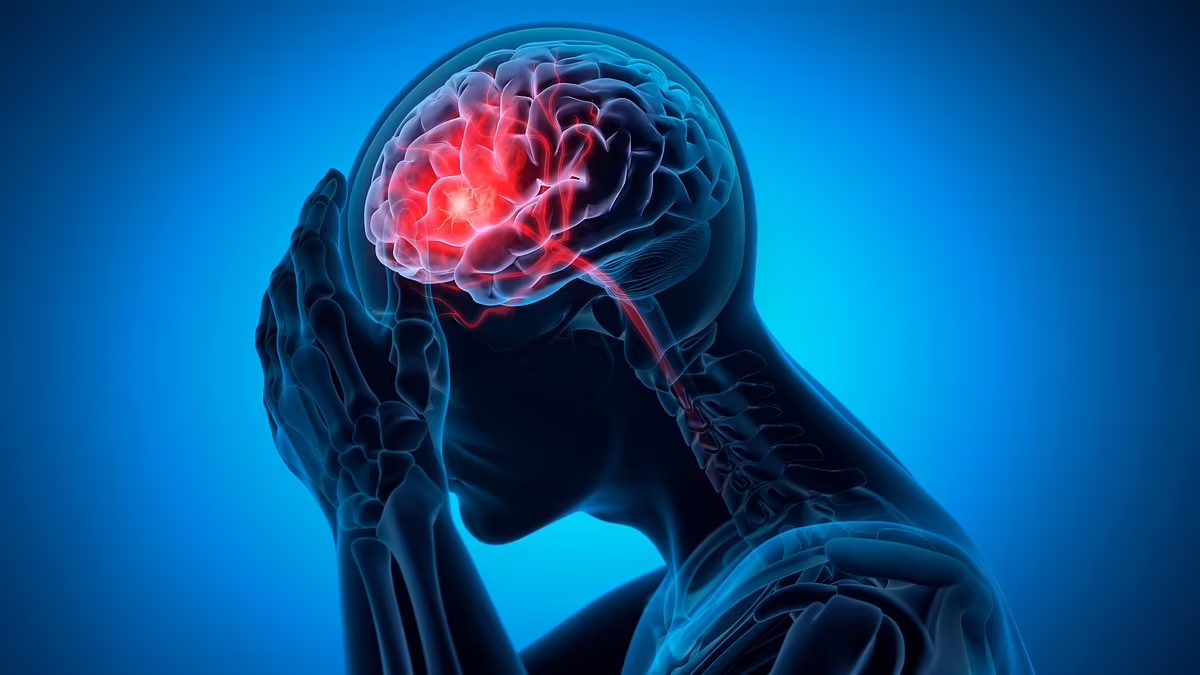
Headaches and migraines are caused by stress-related changes in blood vessels and nerves around the brain, even though the brain itself doesn't feel pain. They can be triggered by factors like weather, sleep, hydration, and emotional stress. Treatment includes lifestyle changes, medication, and consulting a doctor for proper diagnosis and management.
The article discusses how to manage headaches effectively, highlighting the benefits of tracking triggers, using caffeine wisely to enhance pain relief, maintaining a balanced diet, avoiding certain painkillers like codeine, and adopting healthy lifestyle habits such as regular exercise and hydration.
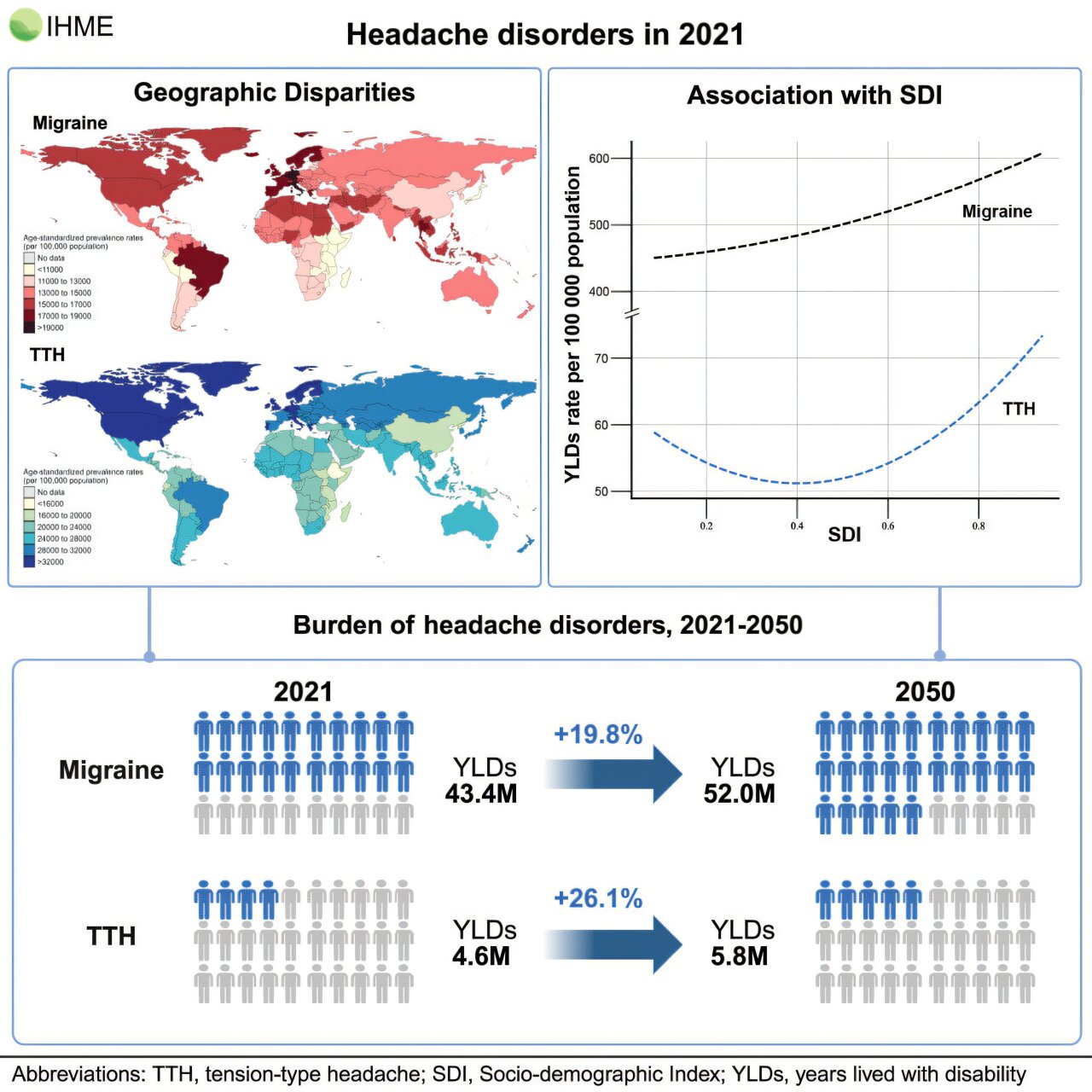
A comprehensive international study highlights that migraines and headaches affect over a third of the global population, with modern lifestyle factors and the COVID-19 pandemic exacerbating the issue, calling for increased healthcare recognition and targeted interventions.
Certain foods like omega-3-rich fish, magnesium-rich greens, ginger, nuts, cinnamon, vitamin B2 foods, turmeric, whole grains, water-rich fruits, and hydration can help reduce the frequency and severity of headaches and migraines, while avoiding triggers like processed foods, alcohol, cheese, chocolate, gluten, and excessive caffeine is also recommended.
Caffeine withdrawal headaches, which can be intense and migraine-like, occur when regular caffeine intake is suddenly stopped, likely due to blood vessel dilation and adenosine buildup, and are best managed by gradual reduction of caffeine consumption.
Logan Coleridge, a high school football player with a history of concussions, suffered severe headaches and neurological symptoms that were eventually diagnosed as an arteriovenous malformation (AVM) in his brain. After surgery to remove the AVM, he has recovered well and is returning to normal activities, highlighting the importance of early diagnosis and treatment for similar conditions.
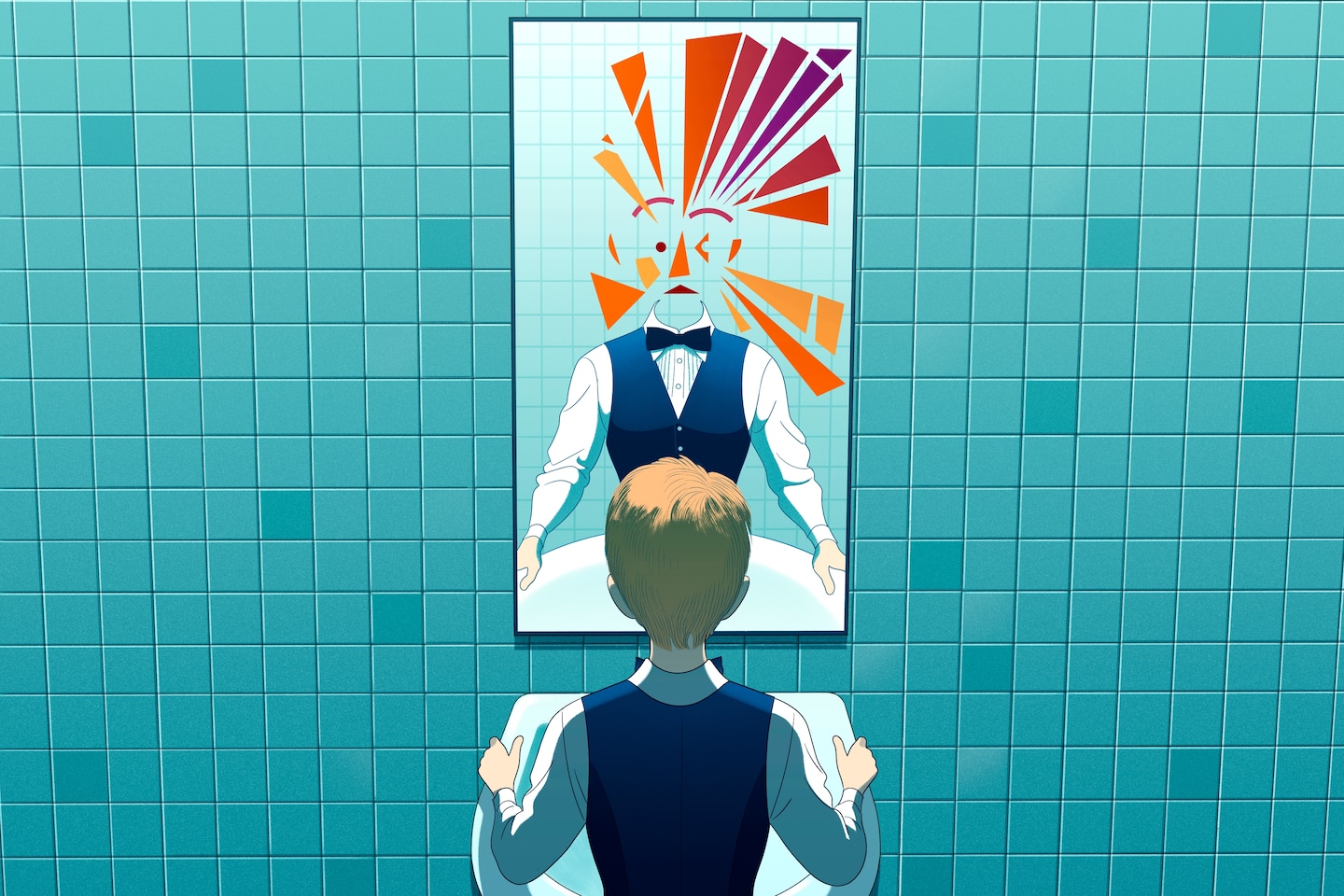
The article discusses the often overlooked severity of primary headaches like migraines and cluster headaches, highlighting the limited research funding, the stigma surrounding these conditions, and recent advances in treatment such as CGRP blockers, while emphasizing the profound impact these headaches have on sufferers' lives.
Eating specific foods such as omega-3-rich fish, magnesium-rich greens, ginger, nuts, seeds, cinnamon, vitamin B2 foods, turmeric, whole grains, and water-rich fruits can help alleviate headache and migraine symptoms when combined with healthy habits like hydration, exercise, sleep, and stress management. Conversely, triggers like chocolate, cheese, alcohol, gluten, caffeine, and processed foods should be avoided to prevent worsening symptoms.
Neurologist Dr. Baibing Chen warns that certain types of headaches, such as thunderclap headaches, could indicate serious conditions like brain bleeds or tumors. He advises seeking immediate medical attention for sudden, severe headaches. Dr. Chen also cautions against neck manipulation due to the risk of vertebral artery dissection, which can lead to strokes and locked-in syndrome. Additionally, he emphasizes the importance of adequate sleep to prevent neurological issues, including dementia.
Patti Glover suffered from excruciating "ice pick" headaches for over a decade, initially misdiagnosed as migraines. After seeing multiple neurologists, a headache specialist finally identified her condition as SUNCT (short-lasting, unilateral neuralgiform headache attacks with conjunctival injection and tearing), a rare and difficult-to-treat type of headache. The correct diagnosis brought her relief and better management of her symptoms, although effective treatment remains challenging.
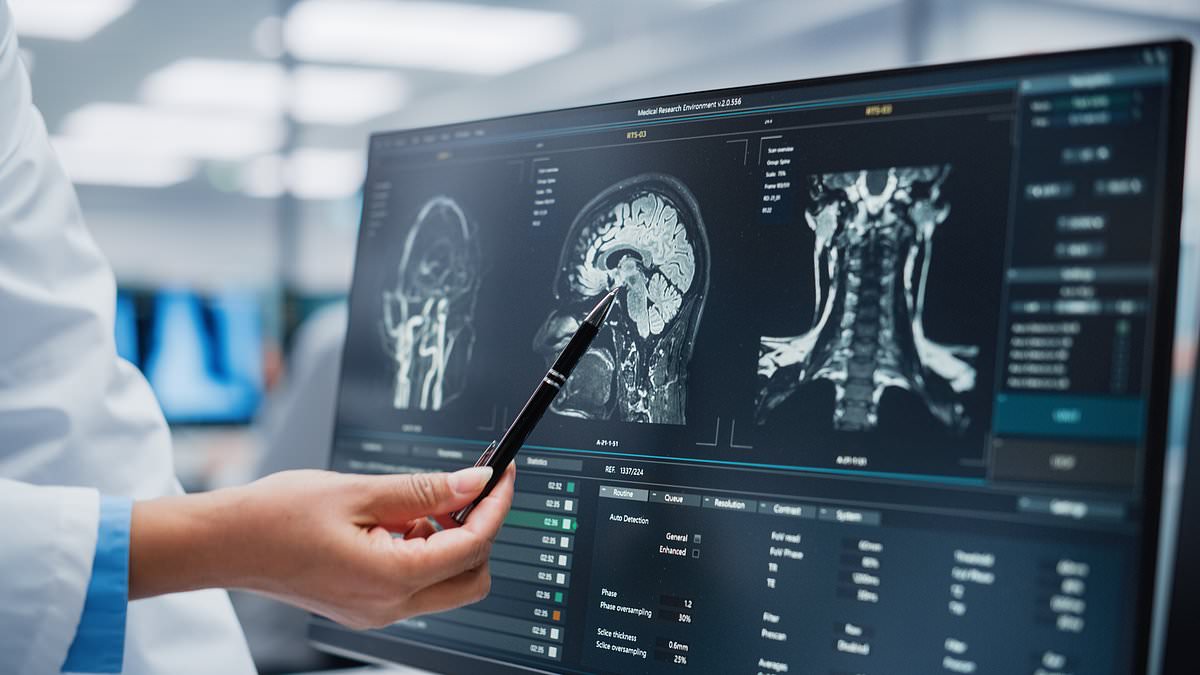
Top neurologists warn that persistent headaches requiring painkillers could be a sign of brain cancer, which is often difficult to diagnose early. Symptoms like new-onset severe headaches, nausea, and vision changes should prompt immediate medical evaluation. Early detection is crucial for better outcomes, though brain cancer remains rare with a lifetime risk of less than one percent.
Users of Apple's $3,500 Vision Pro goggles are reporting black eyes, headaches, and neck pain from wearing the device, with complaints of discomfort and pain after just a short period of use. Some users have experienced constant headaches and eye strain, while others likened the experience to a "torture session." Apple recommends taking a break every 20 to 30 minutes during the acclimation period and advises users experiencing discomfort to stop wearing the device altogether.
Some Apple Vision Pro owners have reported experiencing headaches, neck pain, and even black eyes from wearing the headset, with complaints also surfacing on Reddit. Apple has not commented on the complaints but recommends taking breaks every 20 to 30 minutes and stopping use if feeling unwell. In other news, iPhone users in Canada can now submit claims for up to $150 payout from Apple as part of the "Batterygate" settlement, and Best Buy is offering record low prices on the 10th generation iPad.