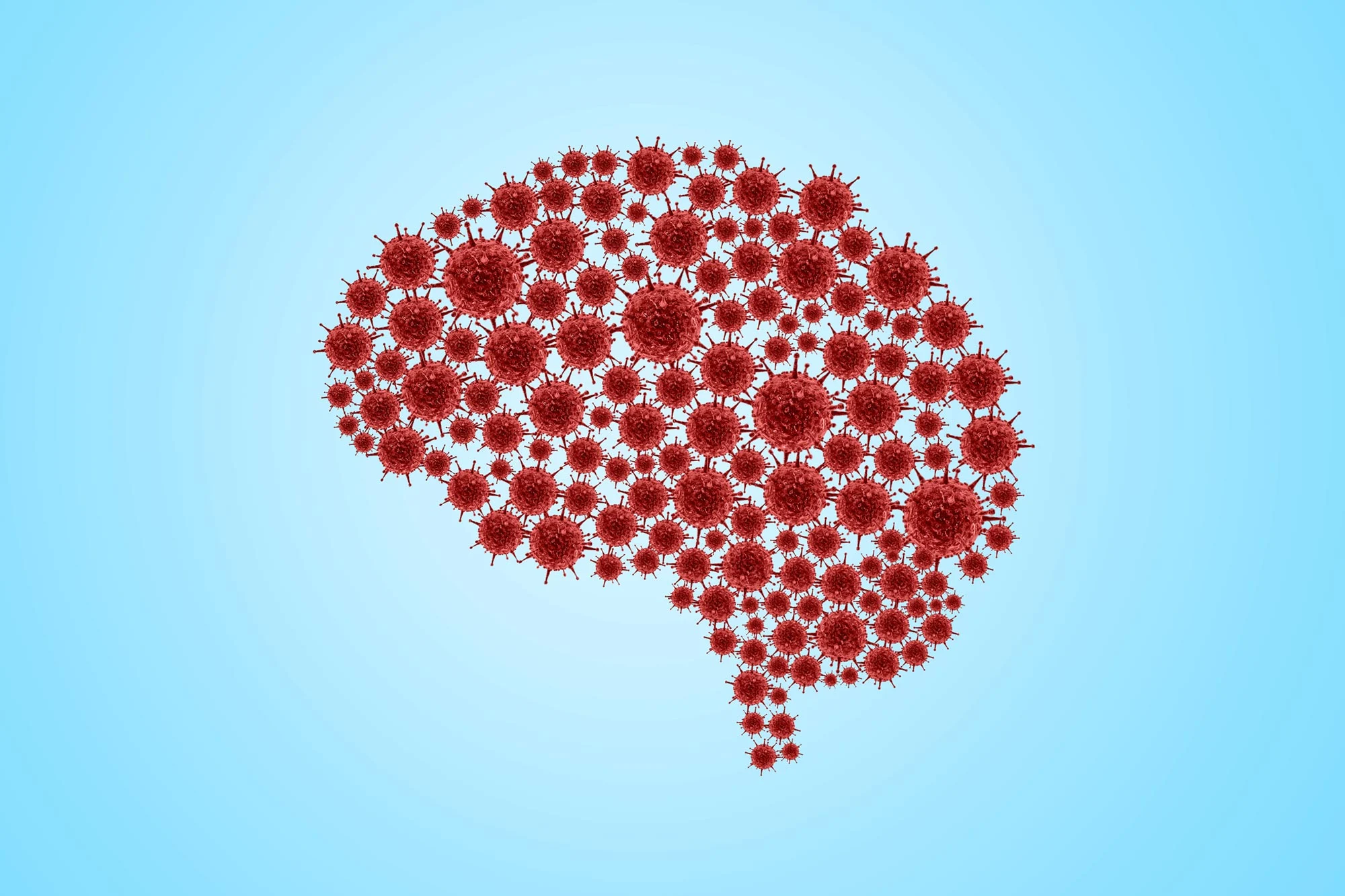
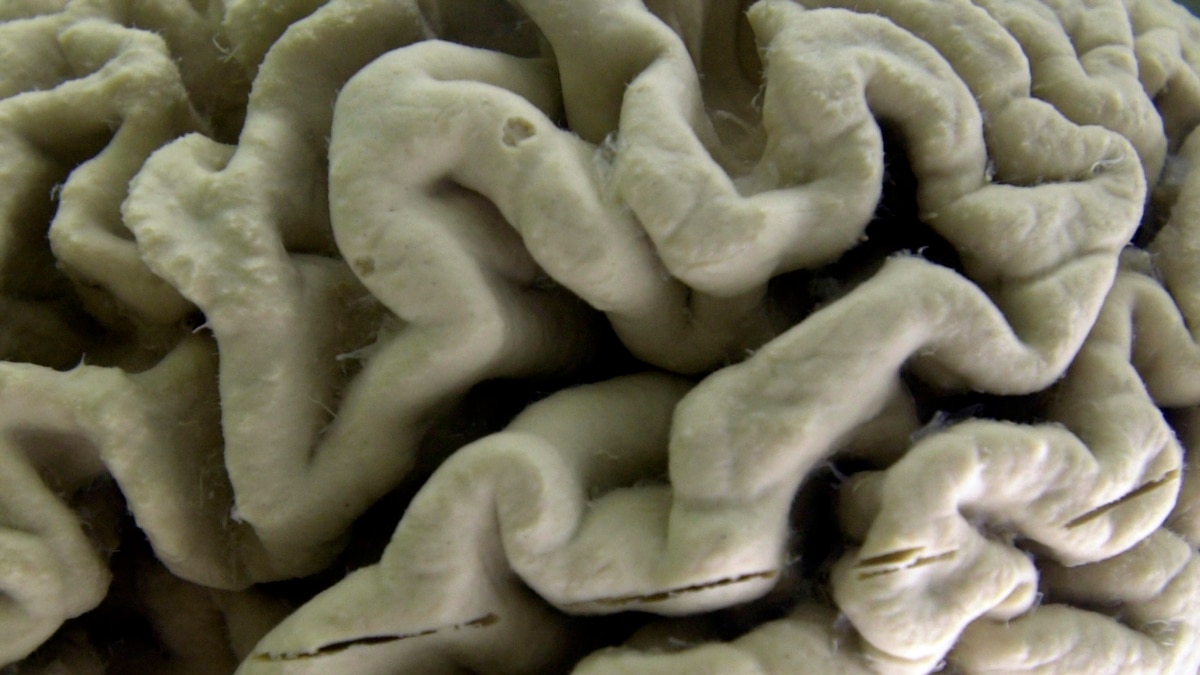
Research using advanced MRI techniques shows that COVID-19 can cause lasting changes in the brain even after full recovery, potentially leading to long-term neurological effects and cognitive issues, regardless of ongoing symptoms.
A Singapore study links heavy screen time before age two to brain development changes associated with slower decision-making and increased anxiety in teenagers, highlighting concerns about early digital exposure and its long-term effects.
A 7-day immersive retreat combining meditation, reconceptualization, and open-label placebo techniques led to measurable changes in brain activity and blood markers, suggesting rapid and profound effects of mental practices on physical health, neuroplasticity, and molecular pathways.
A small preliminary study suggests that using tobacco with cannabis causes unique brain chemistry changes, particularly involving the enzyme FAAH, which may explain worse addiction and mental health outcomes in co-users compared to those who use only one substance. Further research is needed to confirm these findings and understand the mechanisms involved.
A review presented at The Menopause Society's annual meeting explains that menopause-related brain fog may be caused by structural brain changes due to declining estrogen levels, including reductions in gray matter and increased white-matter hyperintensities. Lifestyle changes, such as a healthy diet, exercise, and hormone therapy, may help manage symptoms, but more research is needed for effective treatments.
During menopause, women experience brain changes such as shrinking brain volume and reduced blood flow, which may contribute to cognitive symptoms like forgetfulness and brain fog. These changes are linked to hormonal shifts and are generally considered normal age-related declines, with most not indicating increased dementia risk. Research is ongoing to better understand these processes and the potential impact of hormone therapy.
A review of recent studies indicates that menopause may cause structural brain changes, such as decreased gray matter and increased white matter hyperintensities, which could impact memory and mood, but these changes might partially recover postmenopause. Experts suggest that hormone replacement therapy could be beneficial if started early, and reassure that cognitive symptoms like brain fog are not necessarily linked to long-term dementia risk.
A 2023 study reveals that a woman's brain undergoes structural changes throughout her menstrual cycle, with estrogen enhancing connectivity during ovulation and progesterone promoting calmness and introspection afterward, highlighting the dynamic nature of female brain biology.
A 2023 study by UC Santa Barbara researchers found that hormonal fluctuations during the menstrual cycle cause structural changes across the entire brain, including white matter and cortical thickness, suggesting a broader impact of menstruation on brain structure than previously understood.
A neuroscientist conducted a pioneering study by scanning her own brain 26 times before, during, and after pregnancy to observe physical changes, revealing decreases in gray matter and improvements in white matter, though the implications of these changes remain unclear. The research aims to better understand brain adaptations during pregnancy and their potential links to postpartum depression.
A study reveals that even after depression symptoms subside, individuals may retain heightened brain activity in the habenula and reduced connectivity with reward regions, which could explain high relapse rates and aid in developing targeted prevention strategies.
A groundbreaking study mapping brain changes in nearly 1,300 individuals with various mental illnesses has revealed the remarkable diversity of brain alterations associated with conditions such as major depression and schizophrenia. By utilizing innovative statistical methods, the research team identified individual differences in brain volume deviations and uncovered connectivity patterns within brain circuits. This approach offers new insights into personalized treatment targets for different disorders, indicating that certain brain circuits may be preferentially involved in specific mental illnesses, but effective targets may only apply to a subset of individuals.
A study published in JAMA Neurology suggests that maintaining a healthy lifestyle, including factors such as diet, cognitive activity, physical activity, smoking cessation, and low alcohol intake, may help older adults maintain better cognitive function even in the presence of brain changes associated with dementia. The research, based on data from the Rush Memory and Aging Project, indicates that healthy habits could enhance cognitive reserve and protect the brain from inflammation and oxidative stress. The findings highlight the potential for lifestyle factors to be integrated into dementia risk reduction strategies and call for further research on diverse groups.
A study by researchers from the Broad Institute of MIT and Harvard, Harvard Medical School, and McLean Hospital has uncovered shared cellular and molecular changes in the brains of individuals with schizophrenia and older adults, indicating a common biological basis for cognitive impairments in these groups. The study identified a coordinated reduction in genes supporting synaptic connections by neurons and astrocytes, known as the Synaptic Neuron and Astrocyte Program (SNAP), which reflects the brain’s synaptic health and declines with age. Understanding SNAP's dynamics could lead to strategies for enhancing synaptic health and potentially identifying interventions to preserve cognitive functions in schizophrenia and aging.
A long-term study in China has revealed that changes in the brains of individuals who develop Alzheimer's disease can be detected up to 18 years before symptoms appear. The study identified high levels of disease-linked protein in the spinal fluid of future Alzheimer's patients, followed by other biomarker changes. The findings offer a timeline for the development of Alzheimer's-related proteins and could be crucial for testing new treatments and prevention methods. The study's significance has been emphasized by experts, as it provides valuable insight into potential targets for Alzheimer's treatment and the timing for addressing them.