A study reveals that Prozac (fluoxetine) not only increases serotonin but also enhances brain plasticity by loosening rigid neural circuits, reducing mitochondrial energy gene expression, and weakening protective nets around neurons, potentially aiding depression recovery.
A study by Washington University School of Medicine reveals that psilocybin, the active compound in magic mushrooms, can influence brain activity for weeks, particularly affecting the default mode network and anterior hippocampus. This disruption may explain the altered perceptions of space, time, and self during a trip and supports the potential of psilocybin in treating severe depression by increasing brain plasticity.
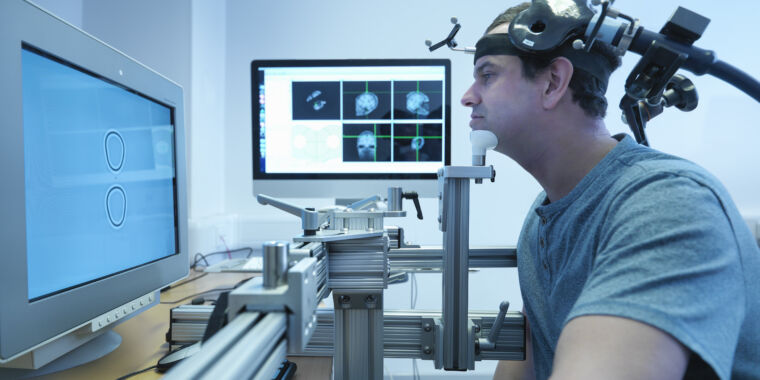
NeuroJust, a Metairie-based clinic specializing in transcranial magnetic stimulation (TMS) for depression, has expanded to Baton Rouge, offering noninvasive treatment for mood disorders. TMS, approved by the FDA in 2008, involves using magnetic pulses to stimulate nerve cells in the brain region associated with depression. The clinic's TMS treatment sessions, overseen by a board-certified psychiatrist, offer minimal side effects and allow patients to resume normal activities immediately after 20-minute sessions.
The Cleveland Clinic is preparing for a new study on treating depression with psilocybin, the psychoactive ingredient in "magic" mushrooms, following a previous clinical trial of LSD for anxiety disorders. More than 50 sites have joined the trial to research the drug's impact on patients with unresolved depression, with participants expected to receive capsules containing psilocybin or a placebo and be monitored by therapists. The FDA has acknowledged the therapeutic potential of psilocybin, and interest in psychedelic drugs for psychiatric treatment is growing among psychiatrists.
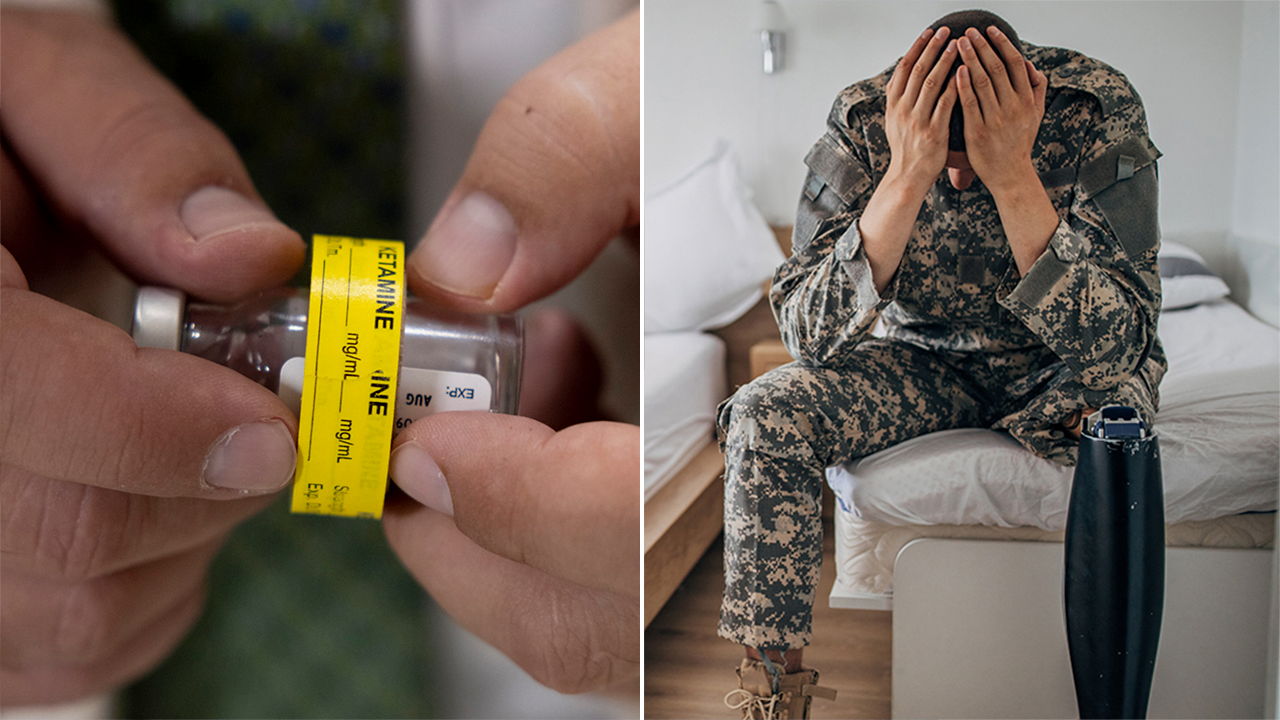
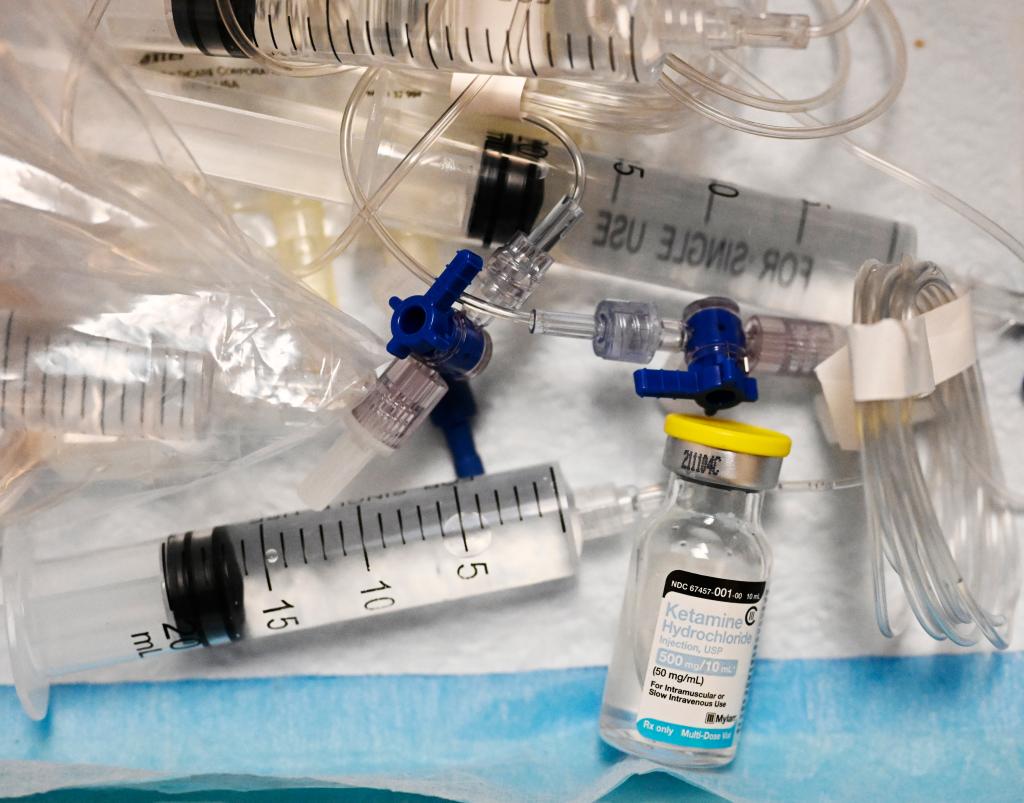
A study by the University of Michigan and VA Ann Arbor Healthcare System found that ketamine therapy could be effective in treating severe or treatment-resistant depression in veterans, with nearly half of the participants experiencing significant relief after six weeks of treatment. VA press secretary Terrence Hayes backed ketamine therapy as an option for veterans, and psychiatrist Dr. Justin Gerstner emphasized the potential benefits of ketamine therapy, including its quick results and elimination of the need for daily medication. However, he also cautioned about the risks and variations in administration methods, urging for further research and regulation in the field.
Ketamine therapy for mental health, although not FDA-approved, has seen a proliferation of for-profit clinics offering off-label treatments for depression, anxiety, and other mental health issues. The industry is growing rapidly, with concerns about variability in treatment protocols and lack of insurance coverage. While some practitioners advocate for its use as a desperate need for effective treatment, others warn of its potential risks and the need for standardized protocols. The emergence of ketamine therapy has also sparked fresh scrutiny following high-profile cases like Matthew Perry's death.
A pilot clinical trial conducted by researchers at the University of Cincinnati has shown that spinal cord stimulation (SCS) is a feasible and well-tolerated method for treating major depressive disorder. The trial involved 20 patients who received active stimulation through SCS sessions over eight weeks. Results revealed a significant decrease in depressive symptom severity in the group receiving active stimulation compared to the control group. This innovative approach suggests that modulating brain-body neural pathways through SCS can have a significant impact on mood regulation and offers a novel direction in treating psychiatric disorders. Further studies are needed to confirm the safety and effectiveness of SCS for psychiatric disorders.
The cause of Matthew Perry's death has been determined as "acute effects of ketamine," according to the Los Angeles County Department of Medical Examiner. Perry had received ketamine infusion therapy for depression and anxiety prior to his death. Ketamine, intended for use as an anesthetic, is also used illegally as a recreational drug. It is a dissociative drug that can cause hallucinations and alter thoughts and emotions. The off-label use of ketamine has increased despite limited data supporting its safety and efficacy. At high doses, ketamine can have adverse effects on cardiovascular, respiratory, and neurologic function, potentially leading to fatal outcomes.
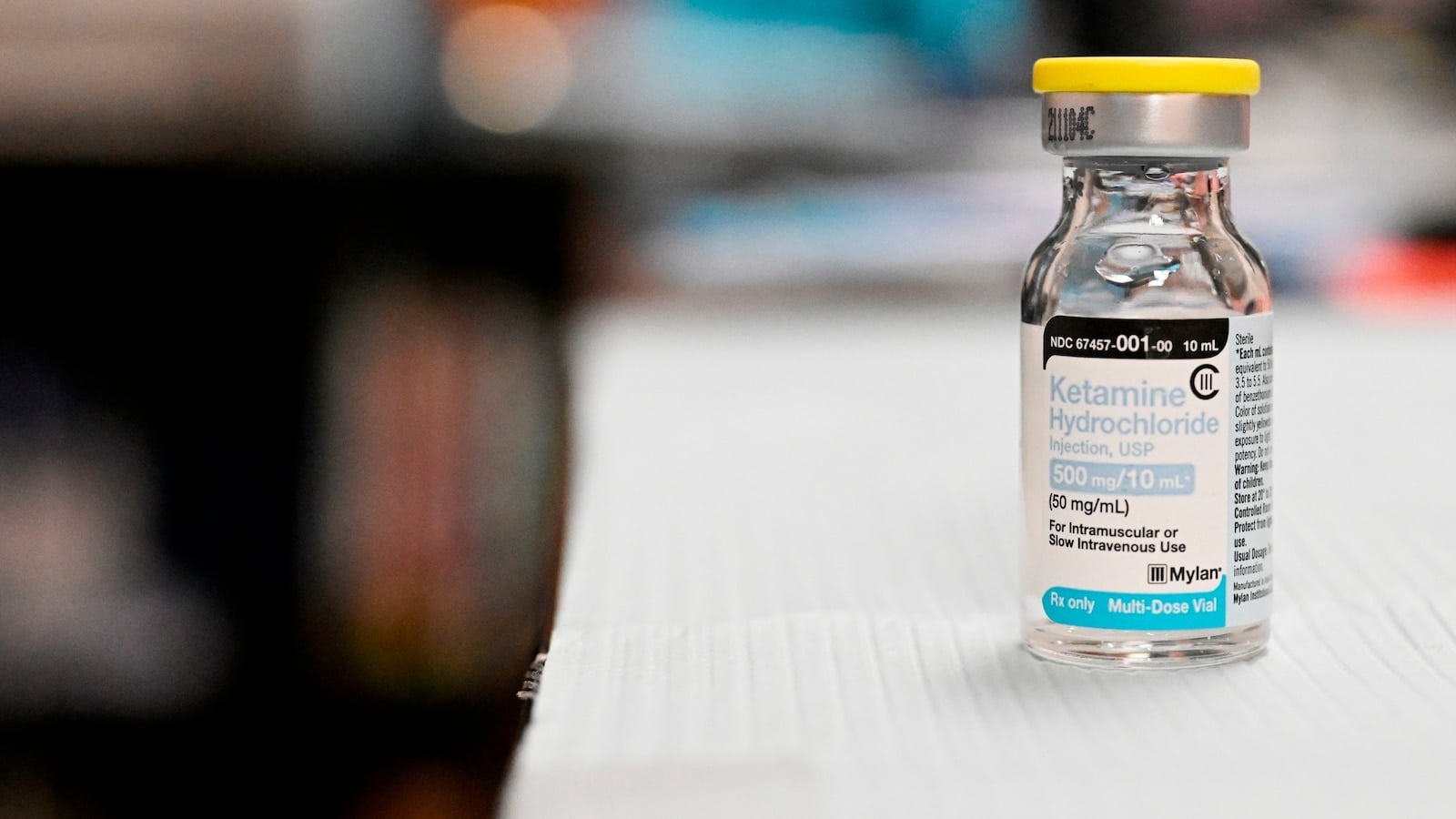
Ketamine, a decades-old surgical drug, is experiencing a surge in prescriptions as a treatment for pain, depression, anxiety, and other conditions. The increase in its use is driven by for-profit clinics and telehealth services, despite limited research on its effectiveness and significant safety and abuse risks. Some experts fear that the U.S. may be repeating the mistakes that led to the opioid crisis by overprescribing a drug with questionable benefits. Ketamine's psychedelic effects and potential for side effects, such as hallucinations and visual disturbances, raise concerns. The booming industry lacks regulation, and compounded versions of ketamine are being used without FDA approval. While there is evidence for ketamine's use in depression, its effectiveness for pain treatment is uncertain.
A new study has found that the placebo effect for antidepressant treatments, specifically transcranial magnetic stimulation, appears to be growing stronger over time. The study, which analyzed over 2,700 individual studies on transcranial magnetic stimulation for depression treatment, revealed that placebos consistently showed improvements in participants' conditions, although the actual treatment had a larger effect. The researchers also found that the placebo effect and the impact of the actual treatment increased in parallel over time, suggesting that changes in study design and the believability of the placebo may be influencing the results.
Researchers in New Zealand caution against a rapid large-scale increase in the use of ketamine as a treatment for depression, despite its potential benefits for treatment-resistant depression. While ketamine shows significant short-term improvements, it is associated with high relapse rates and potential misuse. Careful patient selection, close monitoring, and robust support structures are recommended for its controlled use. The Royal Australian and New Zealand College of Psychiatrists suggests restricting its use to treatment-resistant depression and ensuring familiarity with the drug among clinicians.
GABA receptors and the neurotransmitter GABA have been identified as potential therapeutic targets for managing depressive disorders. Both drugs that enhance and inhibit GABA-A receptor activity could have antidepressant effects, suggesting the complexity of depression treatment mechanisms. The authors propose possible pathways through which GABA-modulating treatments could alleviate cognitive and affective symptoms associated with depression. Additionally, GABA-A receptors may also play a role in treating cognitive impairment often correlated with depression. The research highlights the importance of GABA receptors in depression and their potential as crucial targets for both affective and cognitive symptoms.
Ketamine therapy offers rapid relief for depression within hours, not weeks, and has worked for people with treatment-resistant depression. It has effectively reduced suicidal thoughts and has a high success rate. Ketamine therapy has very few side effects and is safe when administered under proper medical care. If traditional forms of medication and therapy have not worked, ketamine therapy may be a viable option to consider.
US Senator John Fetterman, who flipped a Republican-held seat in last November's midterm elections, has been discharged from hospital where he was treated for weeks for depression. Fetterman's depression is now in remission, his office said in a statement, citing a doctor. The return of Fetterman will be good news for Democrats, who hold a narrow 51-49 majority in the Senate. Fetterman had also suffered a near-fatal stroke months before his election win.