Tag

Microbiota

All articles tagged with #microbiota

Gut bacteria may be key to heart attack risk, not cholesterol

Originally Published 2 months ago — by The Times of India

Featured image for Gut bacteria may be key to heart attack risk, not cholesterol
Source: The Times of India

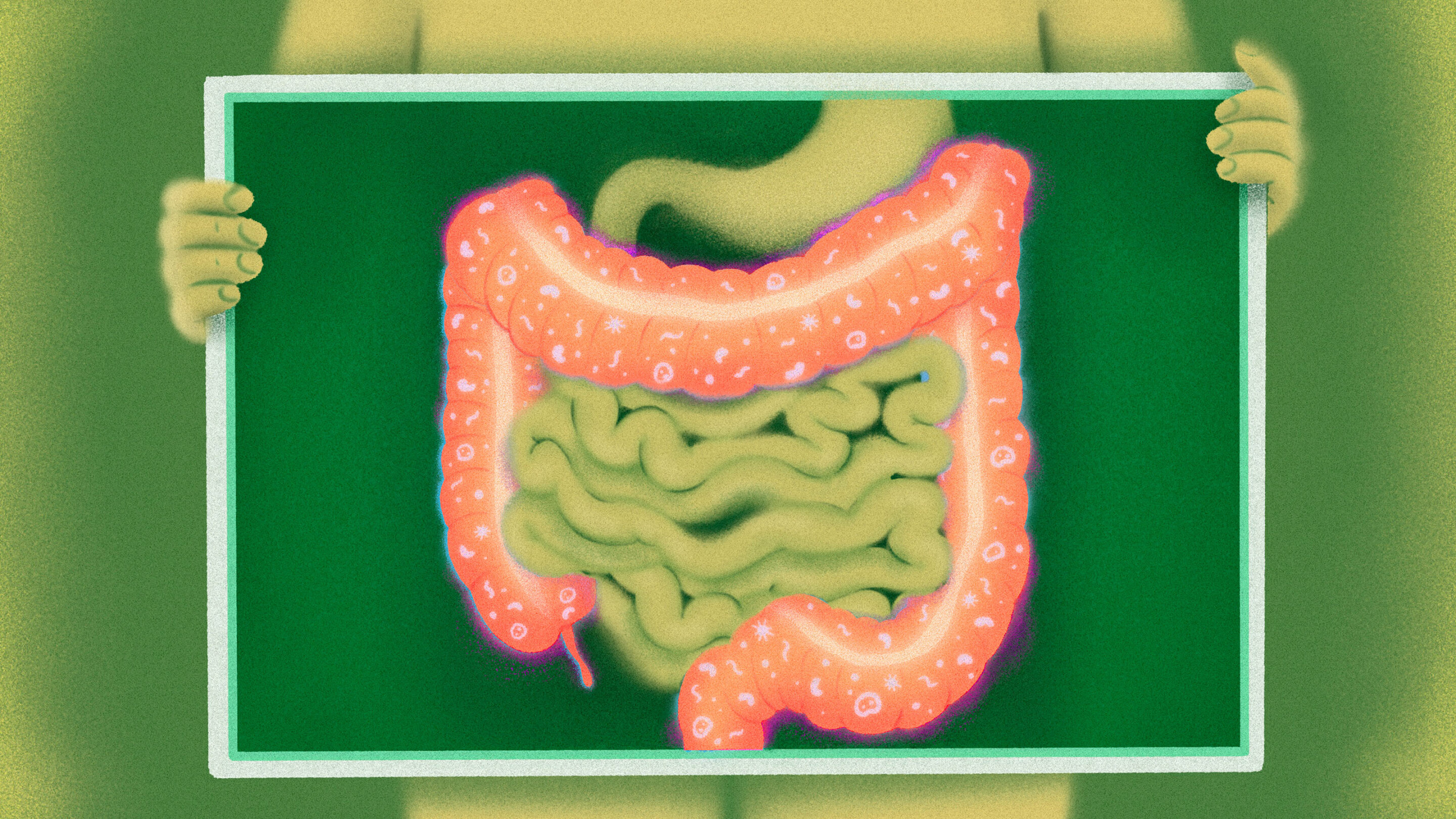
Recent research suggests that gut bacteria, through their metabolites like TMAO and SCFAs, play a significant role in heart attack risk by influencing inflammation, cholesterol, and blood clot formation. Maintaining a healthy gut microbiome via high-fiber diets, probiotics, prebiotics, and lifestyle changes could be a promising strategy for cardiovascular prevention, challenging traditional views that focus solely on cholesterol and blood pressure.

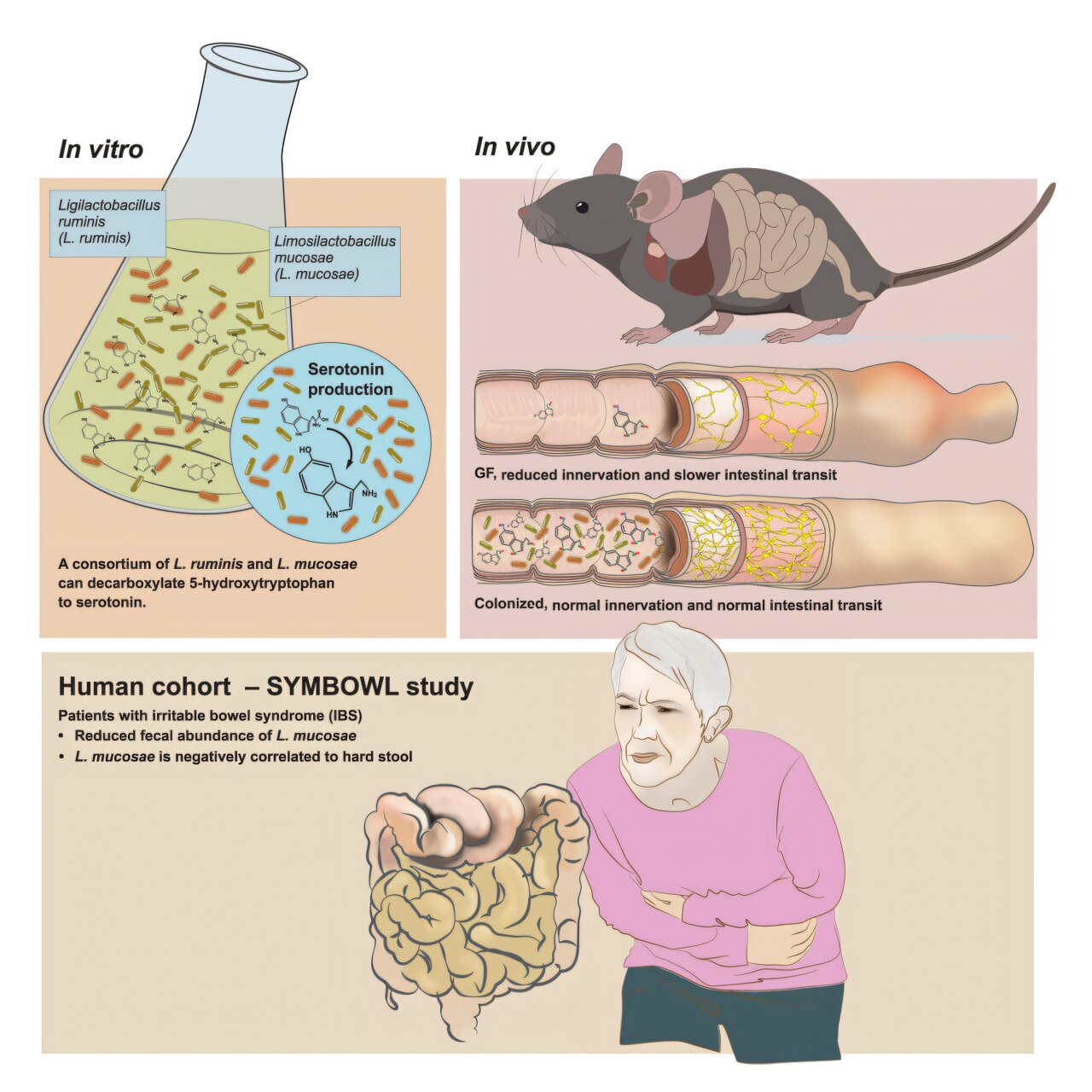
Gut Microbes and Serotonin: New Hope for IBS and Pain Relief

Originally Published 2 months ago — by Medical Xpress

Featured image for Gut Microbes and Serotonin: New Hope for IBS and Pain Relief
Source: Medical Xpress

Research from the University of Gothenburg shows that gut bacteria can produce serotonin, which may lead to new treatments for irritable bowel syndrome (IBS), as certain bacteria like Limosilactobacillus mucosae and Ligilactobacillus ruminis increase serotonin levels and improve gut function, offering hope for addressing IBS symptoms.

New Stool Test Detects 90% of Colorectal Cancers, Potentially Replacing Colonoscopy

Originally Published 3 months ago — by ScienceDaily

Featured image for New Stool Test Detects 90% of Colorectal Cancers, Potentially Replacing Colonoscopy
Source: ScienceDaily

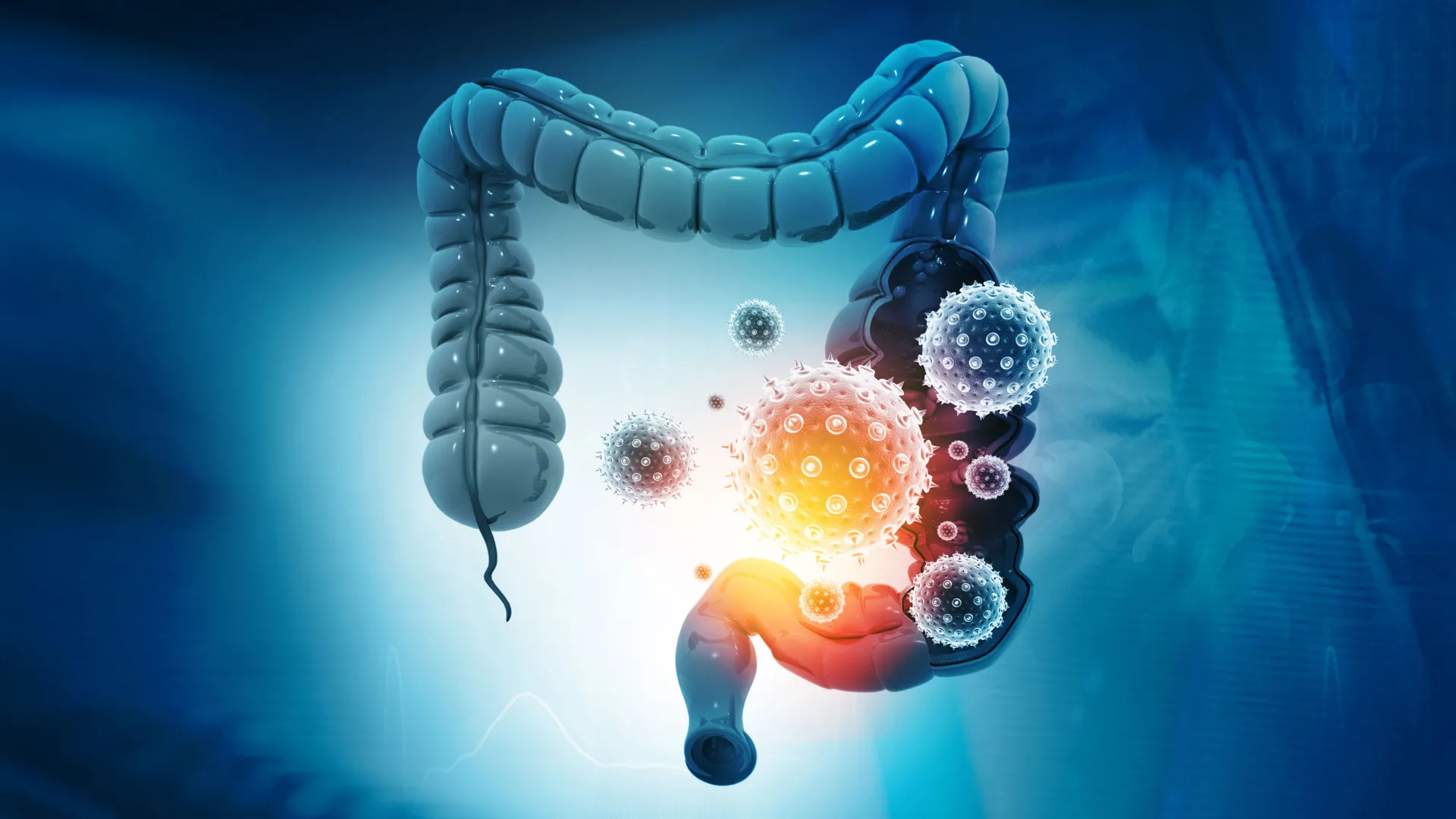
Researchers from the University of Geneva have developed a non-invasive stool test using machine learning to detect 90% of colorectal cancers by analyzing gut bacteria at the subspecies level, offering a promising alternative to colonoscopy for early diagnosis and potentially expanding to other diseases.

"Gut Bacteria's Role in Lowering Heart Disease Risk and Cholesterol Levels"

Originally Published 1 year ago — by Medical News Today

Featured image for "Gut Bacteria's Role in Lowering Heart Disease Risk and Cholesterol Levels"
Source: Medical News Today

Researchers have identified specific gut bacteria, such as Oscillibacter and Eubacterium coprostanoligenes, that can break down cholesterol, potentially reducing the risk of heart disease. Using data from the Framingham Heart Study, the team found that individuals with higher quantities of these bacteria in their intestines exhibited lower cholesterol levels. The study sheds light on the mechanisms by which gut bacteria affect cholesterol levels and opens the door for potential treatments aimed at modifying the gut microbiota to improve heart health. However, further research is needed to determine the potential therapeutic role of these bacteria in reducing cholesterol uptake in actual patients.

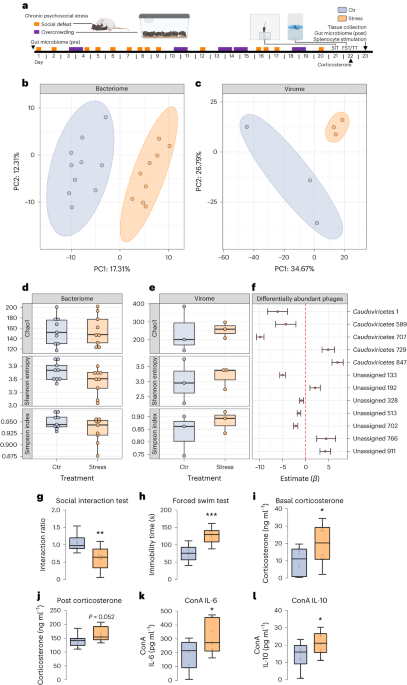
"Stress, Gut Virome, and Immune Responses: A Groundbreaking Discovery"

Originally Published 1 year ago — by Nature.com

Featured image for "Stress, Gut Virome, and Immune Responses: A Groundbreaking Discovery"
Source: Nature.com

A study on mice suggests that chronic social stress alters the gut virome and bacteriome composition, leading to changes in behavior and immune responses. The researchers found that an autochthonous faecal virome transplant (FVT) from healthy mice prevented the manifestation of stress-related behavioral, immune, and neurobiological changes in the stressed mice. The FVT treatment modulated the microbiota and improved stress-related behavioral sequelae, indicating the potential of virome interventions in mitigating the effects of chronic stress.

"Fermented Foods and Gut Health: A Key to Mental Well-being?"

Originally Published 1 year ago — by Medical News Today

Featured image for "Fermented Foods and Gut Health: A Key to Mental Well-being?"
Source: Medical News Today

A new review suggests that consuming fermented foods may be linked to improved cognitive performance and mental health due to their impact on the microbiota-gut-brain axis. Fermented foods help maintain a healthy intestinal barrier, influencing brain functions such as memory, cognition, anxiety, and depression. While fermented foods are known for their gut health benefits, further research is needed to fully understand their effects on appetite and hunger. The review highlights the connection between gut health and brain health, emphasizing the importance of a diverse diet in maintaining a healthy microbiome and overall mental well-being.

"Uncovering the Link Between Cancer Immunotherapy and Colitis"

Originally Published 2 years ago — by Medical Xpress

Featured image for "Uncovering the Link Between Cancer Immunotherapy and Colitis"
Source: Medical Xpress

Researchers at the University of Michigan Health Rogel Cancer Center have identified a mechanism that causes severe gastrointestinal problems with immune-based cancer treatment and found a way to deliver immunotherapy's cancer-killing impact without the unwelcome side effect of colitis. They discovered that colitis developed due to the composition of the gut microbiota, which caused immune T cells to be hyper-activated while regulatory T cells that put the brakes on T cell activation were deleted in the gut. By removing a specific domain in the immune checkpoint antibodies, they were able to achieve a strong anti-tumor response without inducing colitis. This work provides a potential solution to prevent colitis while preserving the anti-tumor effect of immunotherapy.

"Groundbreaking Study Reveals Superfood's Potential in Reducing Breast Cancer Risk"

Originally Published 2 years ago — by New York Post

Featured image for "Groundbreaking Study Reveals Superfood's Potential in Reducing Breast Cancer Risk"
Source: New York Post

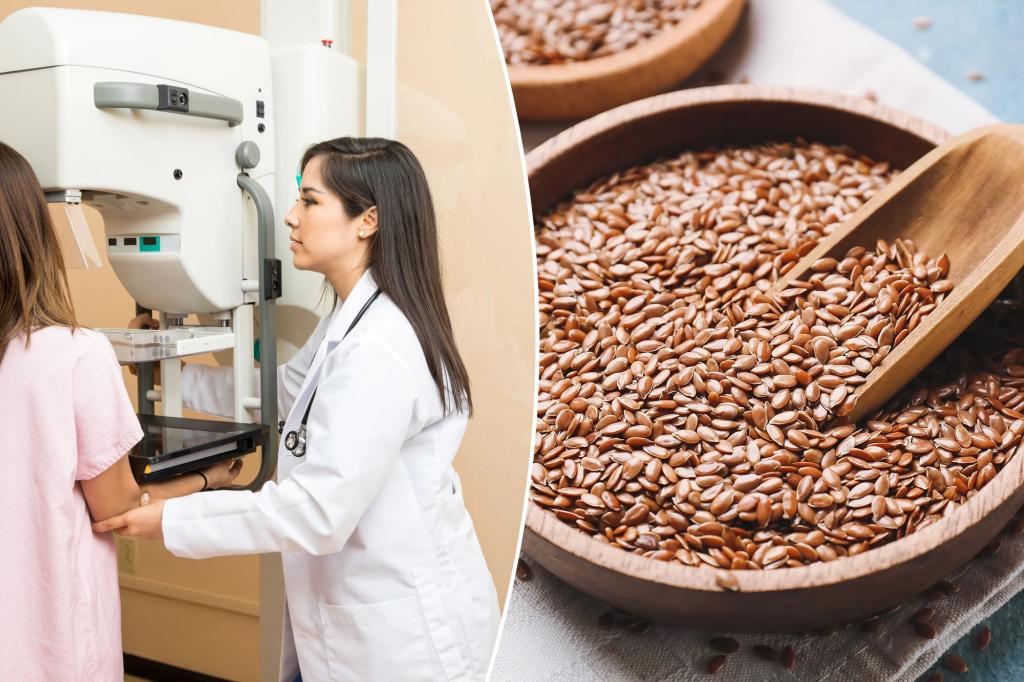
A new study published in the journal Microbiology Spectrum suggests that flaxseeds, which are high in fiber and omega-3 fatty acids, may lower the risk of breast cancer by altering the microorganisms in the gut. The study found that flaxseed lignans change the relationship between gut microorganisms and mammary gland microRNAs, which regulate genes involved in breast cancer cell growth and migration. If confirmed, this discovery could lead to dietary interventions targeting the microbiota to prevent breast cancer. Flaxseeds are also known to improve digestive health, lower cholesterol levels, and can be easily incorporated into various meals.

Fermented Foods: A Path to Improved Mental Health

Originally Published 2 years ago — by Medical Xpress

Featured image for Fermented Foods: A Path to Improved Mental Health
Source: Medical Xpress

Researchers at the University of Virginia School of Medicine have discovered that Lactobacillus, a bacterium found in fermented foods and yogurt, plays a crucial role in managing stress and may help prevent depression and anxiety. The study highlights the potential for new therapies to treat mental health conditions by targeting specific microbes in the gut. The findings provide valuable insights into the role of Lactobacillus and its impact on mood disorders, paving the way for the development of probiotic supplements to optimize levels of this beneficial bacterium and improve mental well-being.

Genetic MS risk linked to variations in gut microbiome

Originally Published 2 years ago — by Multiple Sclerosis News Today

Featured image for Genetic MS risk linked to variations in gut microbiome
Source: Multiple Sclerosis News Today

A small study has found that the gut bacteria of individuals with a higher genetic risk for multiple sclerosis (MS) can differ from those with a lower risk. The study analyzed the gut microbiome composition of 117 people with relapsing-remitting MS and found two distinct groups based on differences in gut bacteria. Patients with a higher genetic risk score tended to have a distinct microbiome compared to those with a lower risk score. However, larger studies are needed to confirm these findings and understand the relationship between genetic risk and gut bacteria in MS patients.

Urban Environment Linked to Increased Respiratory Infections in Children, Study Finds

Originally Published 2 years ago — by Good News Network

Featured image for Urban Environment Linked to Increased Respiratory Infections in Children, Study Finds
Source: Good News Network

A new Australian study has found that babies and young children with diverse bacteria in their gut are less likely to develop allergy-related wheezing and asthma. The study analyzed data from over 1,000 babies and found that a more mature gut microbiota at one year of age was associated with a lower chance of developing food allergies and asthma in childhood. The researchers are planning a new clinical trial to investigate whether giving young children a mixture of dead bacteria can protect them from wheezing illnesses or asthma.

The Importance of Consistent Sleep Patterns for Your Health

Originally Published 2 years ago — by BBC

Featured image for The Importance of Consistent Sleep Patterns for Your Health
Source: BBC

Inconsistent sleeping patterns, known as social jetlag, can lead to unhealthy changes in gut bacteria, according to a study by Kings College London. The research found that even a 90-minute difference in sleep midpoint over the course of a week can influence the types of bacteria in the gut. Social jetlag, affecting over 40% of the UK population, is associated with poorer diets, including higher consumption of sugary drinks and processed foods, and lower intake of fruits and nuts. The study highlights the importance of maintaining regular sleep patterns and a balanced diet to reduce the risk of disease.

"Breakthrough Vaccine Targets Lyme Disease-Carrying Ticks"

Originally Published 2 years ago — by Newsweek

Featured image for "Breakthrough Vaccine Targets Lyme Disease-Carrying Ticks"
Source: Newsweek

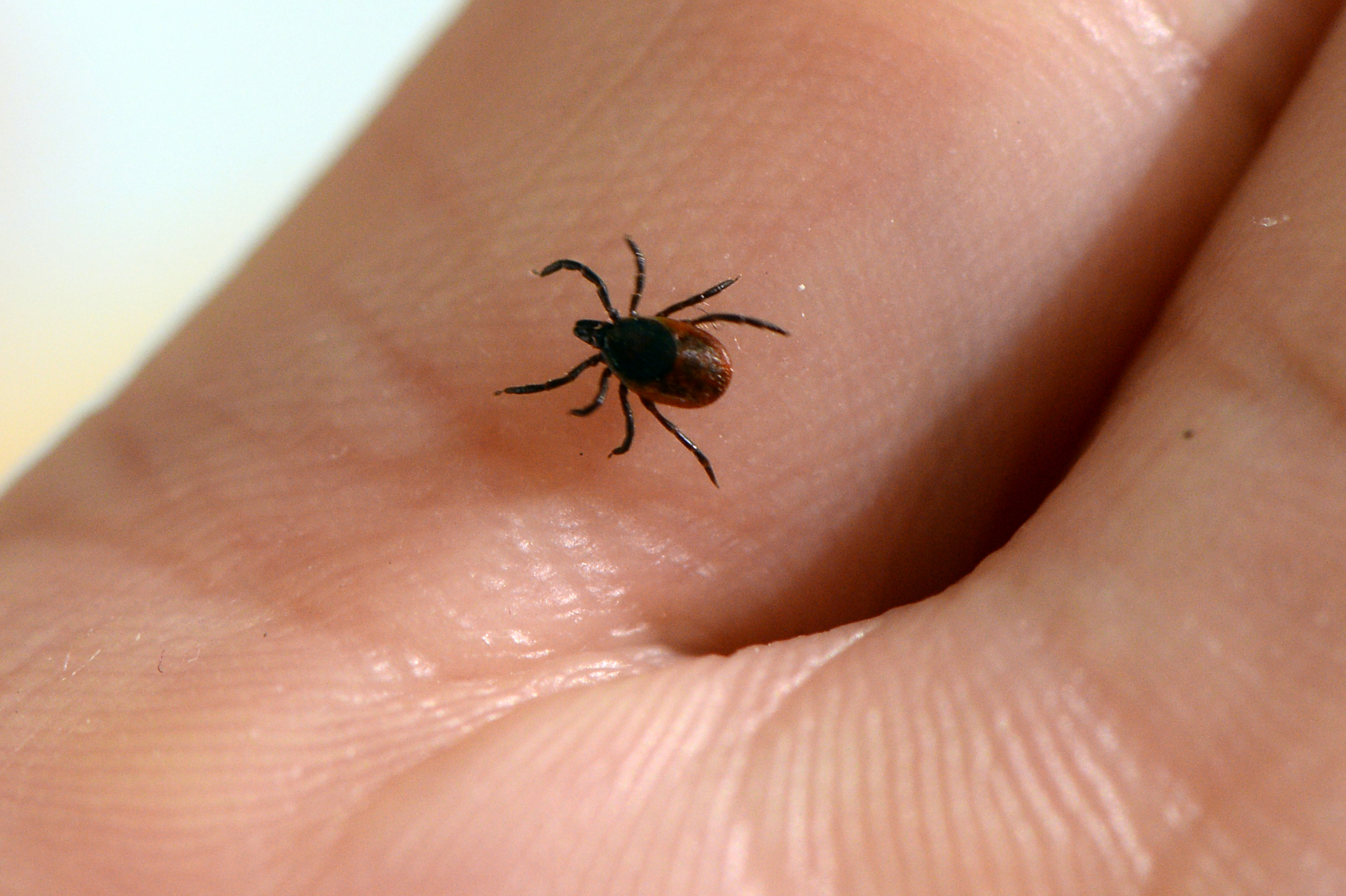
Scientists have developed a vaccine against ticks that transmit Lyme disease, targeting the microbiota of the tick rather than the bacteria that causes the disease. The vaccine uses a harmless bacteria to stimulate the production of antibodies that interact with the tick's microbiota, preventing colonization by the Lyme disease-causing bacteria. The vaccine has shown promising results in mice, protecting ticks from colonization but not preventing disease symptoms in the mice. The researchers hope that this vaccine could be a game-changer in combating Lyme disease and other tick-borne infections, as well as potentially being used to target diseases transmitted by other vectors like mosquitoes.

The Dangers of Consuming Vegetable Oil: Unhealthy Gut Revealed

Originally Published 2 years ago — by Tech Explorist

Featured image for The Dangers of Consuming Vegetable Oil: Unhealthy Gut Revealed
Source: Tech Explorist

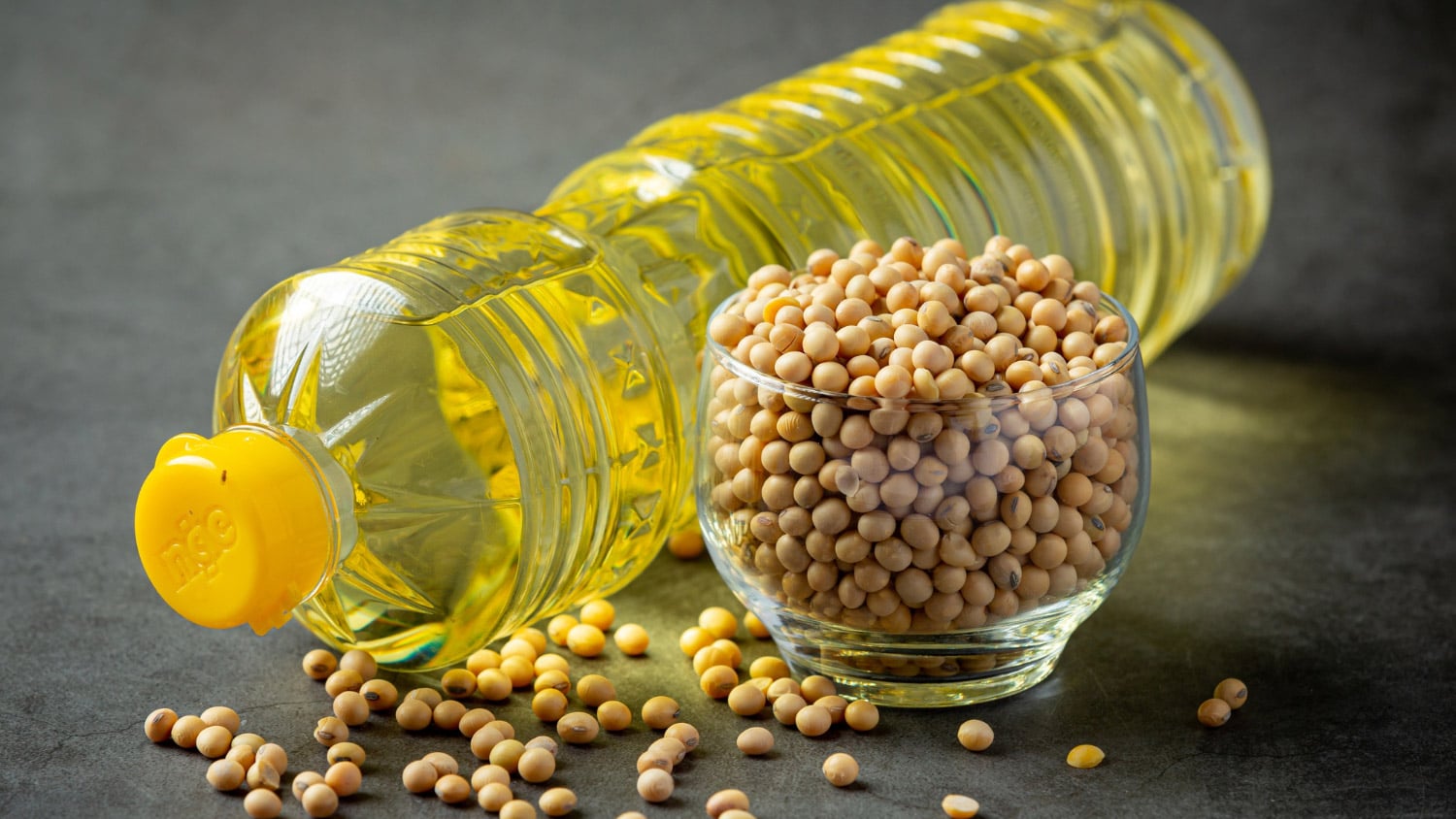
Consuming soybean oil, which is widely used in the American diet, has been linked to gut health issues such as inflammatory bowel disease (IBD). Researchers at the University of California, Riverside found that a diet high in soybean oil led to a decline in helpful bacteria and an increase in dangerous bacteria in the gut, including adherent invasive Escherichia coli. The study challenges the belief that unsaturated fats from plants are always healthier than saturated fats from animal products. The researchers suggest that excessive linoleic acid, found in soybean oil, negatively affects the gut microbiome and increases the risk of inflammation and chronic inflammatory disorders. They recommend avoiding processed foods and opting for healthier oils like olive oil, which contains less linoleic acid.

Exploring Shared Kitchen Microbes in European Homes.

Originally Published 2 years ago — by News-Medical.Net

Featured image for Exploring Shared Kitchen Microbes in European Homes.
Source: News-Medical.Net

A recent study published in the journal Applied and Environmental Microbiology mapped the microbiota on kitchen surfaces and cleaning utensils to determine any associations between microbiota, household objects, and country. The study found that despite the considerable differences in kitchen standards, dietary habits, and food preparation practices, a core microbiota of the kitchen comprising eight taxa at the genus/family level was identified, with three core bacteria observed at the sOTU level. The study findings expand the knowledge base of the kitchen microbiota, and future studies should correlate these results with food safety behaviors and their impact on human health.