Research links thunderstorms to increased asthma attacks, with data showing a significant rise in ER visits during storm days, highlighting the need for asthma patients to take extra precautions during stormy weather.
New research challenges the long-held belief that leukotrienes are the main cause of asthma inflammation, suggesting that 'pseudo leukotrienes' formed through free radical processes may be the real culprits, potentially leading to new treatment approaches targeting these molecules.
The closure of a coal plant in Pennsylvania led to a 41% decrease in children's asthma-related ER visits and a 20.5% drop in respiratory visits overall, highlighting significant public health benefits from reducing fossil fuel emissions and supporting global moves away from coal energy.
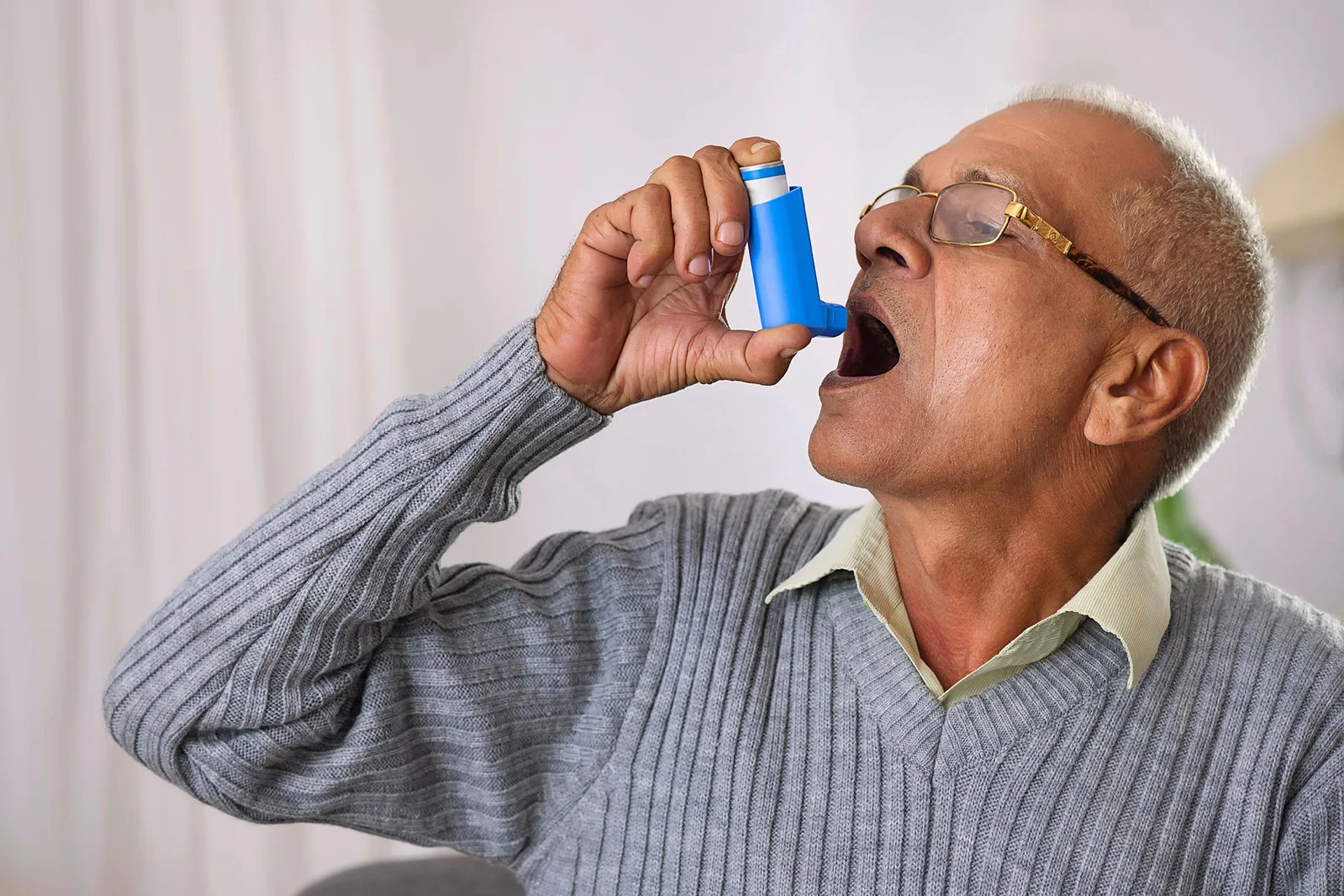
A new inhaler called Airsupra, which combines a bronchodilator and an anti-inflammatory steroid, has been shown to significantly reduce severe asthma attacks and steroid use compared to albuterol alone, potentially changing how mild asthma is treated by addressing both symptoms and underlying inflammation simultaneously.
Wildfire smoke, especially from wildfires in Canada, poses long-term health risks including increased chances of dementia, asthma, and other ailments due to tiny particles that can enter the bloodstream, with climate change exacerbating wildfire frequency and severity, leading to more air quality warnings and health concerns in Michigan.
A study finds that nearly 25% of U.S. infants lack sufficient beneficial Bifidobacteria in their guts, which is linked to increased risks of allergies, asthma, and other non-communicable diseases later in life, with higher deficiency rates observed in C-section births.
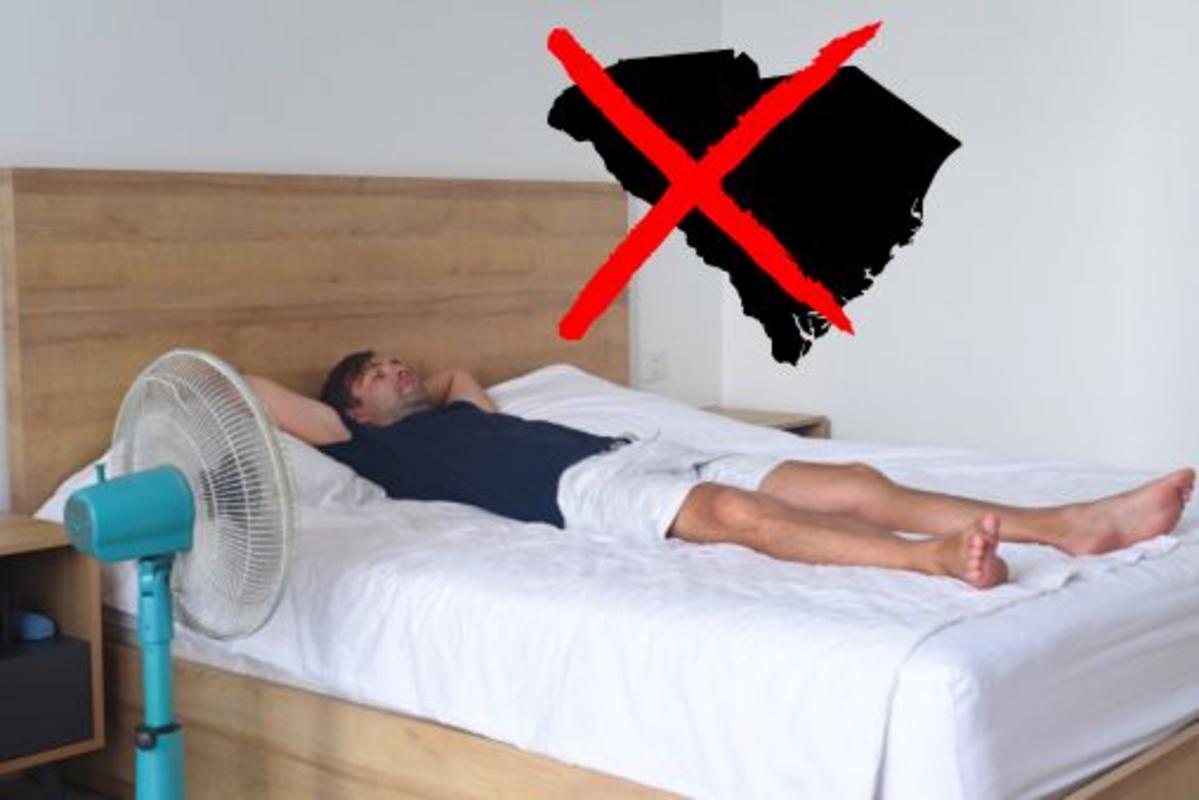
Health experts warn that sleeping with a fan on in South Carolina can worsen allergies and asthma by circulating irritants, dry out the sinuses and throat, and cause muscle stiffness, suggesting alternative cooling methods for safer sleep.
A UK study finds women working night shifts are at a higher risk of moderate to severe asthma, with the risk increasing with more night shifts and longer duration, while no such link is observed in men, highlighting potential hormonal or occupational factors affecting women's respiratory health.
The Schmidtknecht family is suing a pharmacy benefit manager and Walgreens after their son Cole died from an asthma attack, which was exacerbated by a sudden price hike and lack of proper medication access due to formulary changes. The case highlights issues with opaque drug pricing and the influence of pharmacy benefit managers in the US healthcare system.
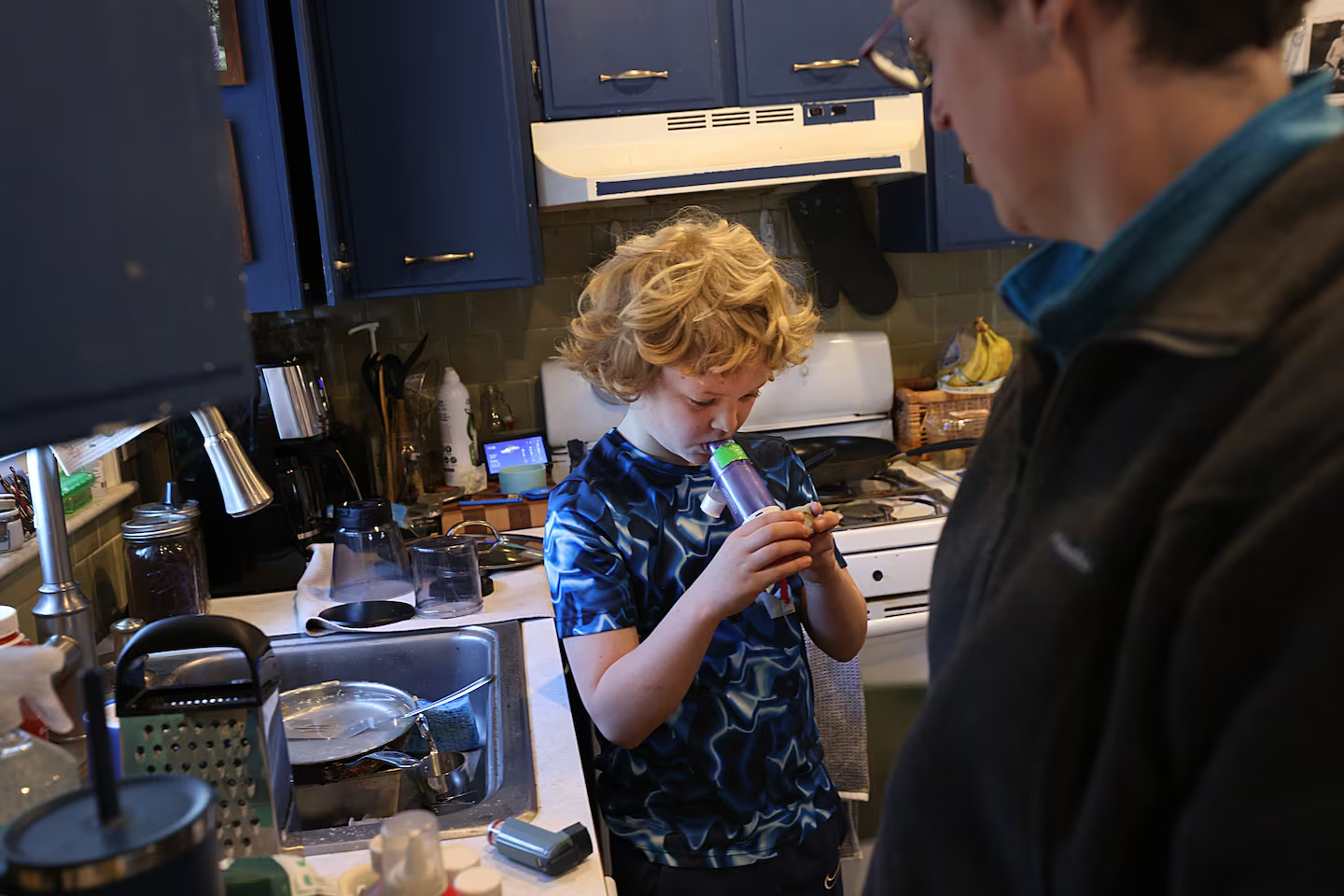
The discontinuation of the asthma drug Flovent by GSK, in response to federal price control penalties, has led to increased costs and access issues for patients, particularly affecting Medicaid providers and pediatric asthma care. The switch to a more expensive generic version has been criticized by Senator Elizabeth Warren as price gouging, with studies indicating a significant rise in Medicaid spending and pediatric asthma-related hospital admissions. Families and healthcare providers are struggling to find affordable and effective alternatives, highlighting the broader challenges in drug pricing and healthcare access.
Scott Blackwell, a 44-year-old man from Wrexham with asthma, nearly died twice after contracting the flu because he forgot to get vaccinated. He was placed in an induced coma and faced severe respiratory issues, leading his family to be called in twice to say their goodbyes. After a month in the hospital and nine months of recovery, Blackwell now advocates for flu and Covid-19 vaccinations, especially for those with underlying health conditions. Health officials in Wales emphasize the importance of timely vaccinations to prevent severe illness during the flu season.
A new clinical trial has shown that the antibody drug benralizumab can significantly reduce asthma and COPD flare-ups, outperforming standard steroid treatments. Conducted by scientists in the UK, Australia, and Sweden, the trial found that patients receiving benralizumab experienced fewer treatment failures and hospital visits. Benralizumab, developed by AstraZeneca, targets eosinophils, white blood cells that contribute to asthma and COPD symptoms. The findings suggest benralizumab could become the first new treatment for these conditions in 50 years, pending further large-scale studies.
A new study published in The Lancet Respiratory Medicine reveals that benralizumab, a monoclonal antibody, may be a breakthrough treatment for asthma and COPD flare-ups, offering a safer alternative to steroids like prednisolone. The trial showed that benralizumab significantly reduced treatment failure rates and improved patient outcomes, with fewer side effects compared to steroids. While benralizumab is already used for long-term asthma management, further phase 3 trials are needed to approve its use during flare-ups.
British scientists have tested a new treatment for asthma attacks and COPD, marking the first advancement in 50 years. The drug, benralizumab, is a monoclonal antibody that targets eosinophils to reduce lung inflammation and has shown to be more effective than traditional steroid tablets, reducing the need for further treatment by 30%. This could be a significant breakthrough for millions suffering from these conditions, as the treatment has fewer side effects and can potentially be administered at home.
A new clinical trial has shown that benralizumab, a monoclonal antibody, is more effective than steroids in reducing symptoms of asthma and COPD flare-ups. The drug, already approved for severe asthma, targets eosinophils, white blood cells that cause lung inflammation. Participants in the trial experienced fewer attacks and improved quality of life compared to those on steroids. This development could revolutionize treatment for asthma and COPD, which have seen little change in treatment options over the past fifty years.