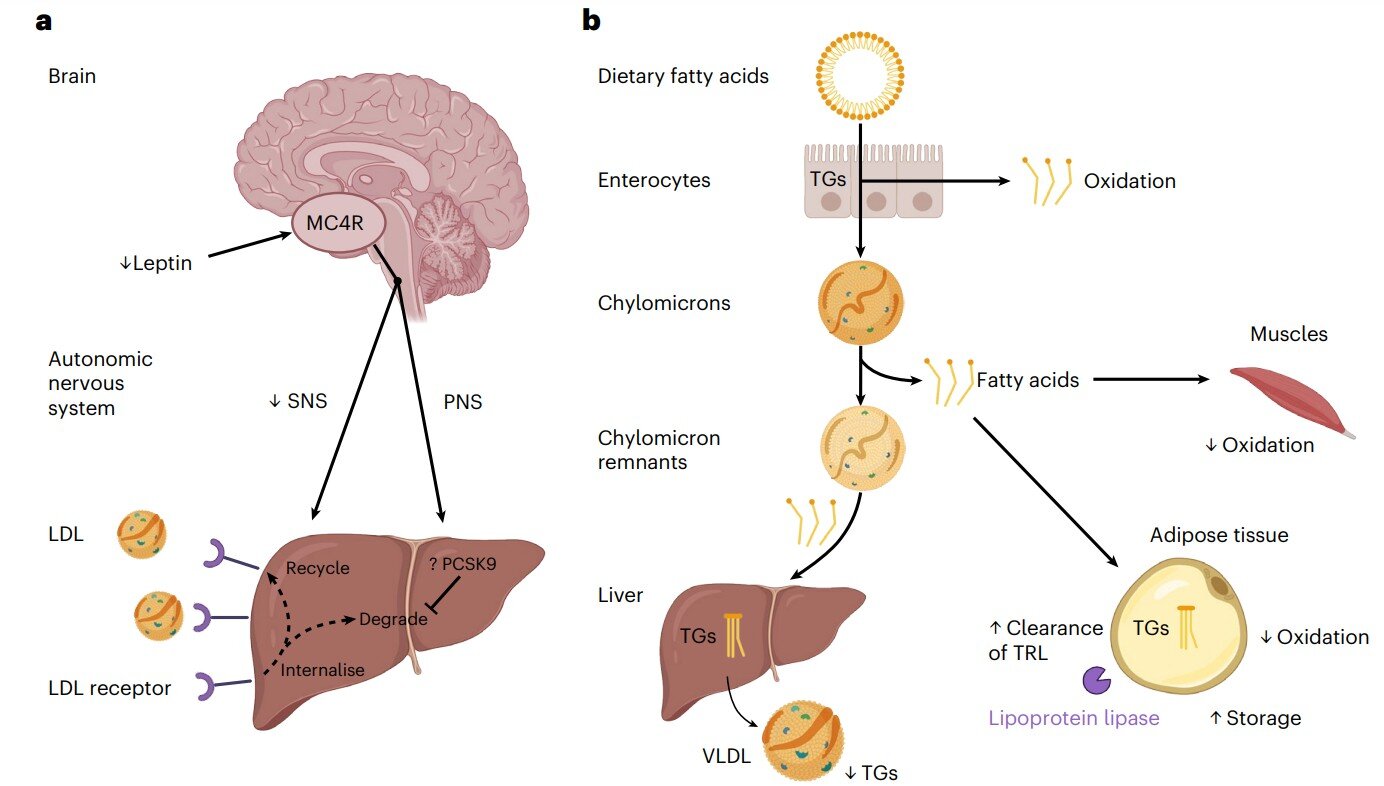
A study found that deficiency of the MC4R gene, which causes obesity, also appears to protect individuals from heart disease by improving lipid profiles and reducing cardiovascular risk, suggesting new potential targets for therapy.
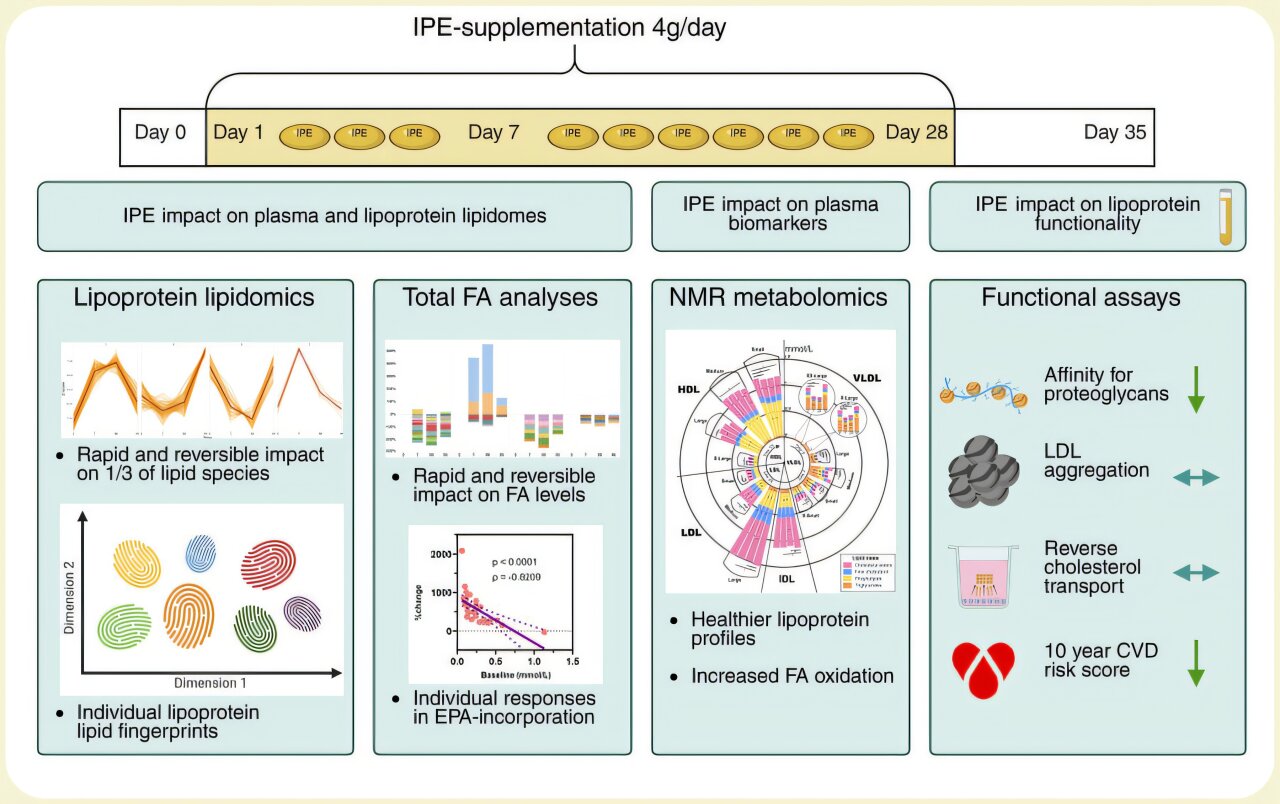
A study published in JCI Insight found that the effects of fish oil-derived EPA on blood lipids and cardiovascular risk vary significantly between individuals, with effects dissipating quickly after supplementation ends, highlighting the importance of personalized approaches in cardiovascular disease prevention.
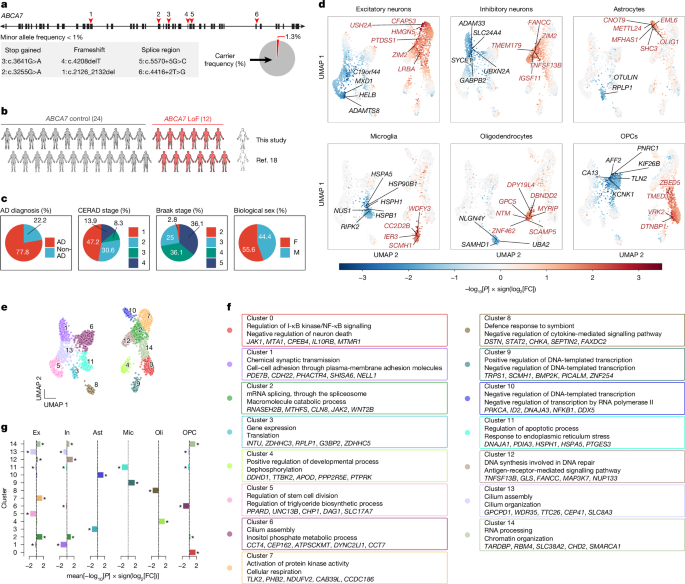
Variants causing loss of function in ABCA7 are linked to Alzheimer's risk by disrupting lipid transport, mitochondrial function, and cellular stress responses in neurons; treatment with CDP-choline can reverse these effects, highlighting potential therapeutic strategies.
A study suggests that lower levels of omega-3 fatty acids in women with Alzheimer's may partly explain why women are at higher risk for the disease, highlighting the importance of diet and the need for further research into sex-specific differences in Alzheimer's development.
A recent study published in Cell reveals that the risk of late-onset Alzheimer's disease associated with different APOE gene variants is linked to lysosomal dysfunction. Researchers found that the high-risk ApoE4 variant, unlike the protective ApoE2 and Christchurch variants, transports lipids into lysosomes, leading to the accumulation of lipofuscin, a toxic byproduct. This process is exacerbated by the strong binding of ApoE4 to low-density lipoprotein receptors, causing increased lipid uptake and oxidative stress in lysosomes. These findings offer new insights into the molecular mechanisms of Alzheimer's and potential therapeutic targets.
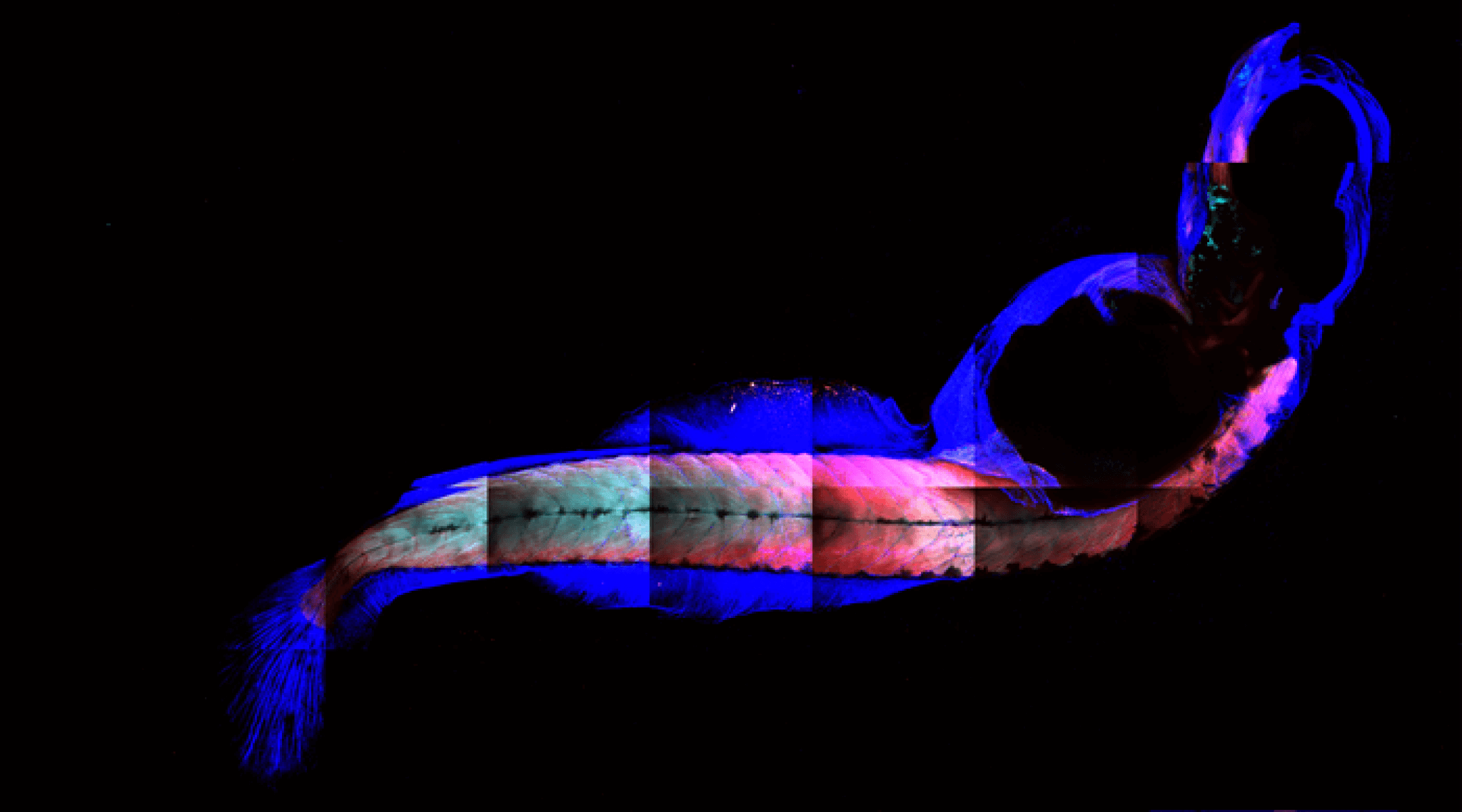
Researchers have discovered that the African turquoise killifish can survive months-long droughts by entering a state of suspended animation called diapause, utilizing ancient genes from over 473 million years ago. This adaptation involves genomic remodeling and increased production of very-long-chain fatty acids, which protect the embryos' developing organs. This finding could lead to new strategies for tissue preservation and combating age-related diseases.
New research published in the journal Neuron suggests that deposits of cholesteryl esters, a form of cholesterol, in the brain are linked to the accumulation of tau proteins, which are associated with Alzheimer's disease. The study found that mice with a high-risk tau gene and the APOE4 gene, which increases the risk of Alzheimer's, had distorted brain lipid metabolism and increased inflammation. However, when given an experimental drug that lowers lipid levels, the mice showed reduced brain damage, less tau accumulation, and lower levels of inflammation. The findings suggest that reducing brain lipid levels could potentially prevent the onset of Alzheimer's and other neurodegenerative diseases.
Changes in immune cell activity, immune signaling molecules, iron regulation, and fat metabolism may explain why multiple sclerosis (MS) progresses differently in individuals. Researchers compared gene expression profiles in secondary progressive MS (SPMS) and benign MS, finding over 200 genes expressed at significantly altered levels in SPMS. SPMS patients showed increased activity in genes associated with B-cells and natural killer cells, as well as differences in cytokines, antigen presentation, lipid metabolism, and iron regulation. These findings provide insights into the molecular mechanisms underlying MS progression and may lead to the identification of new targets for preventing or slowing disease progression.
A study conducted by Northwestern University has found that certain genetic variations related to lipid metabolism and brain function may influence an individual's choice to follow a vegetarian diet. The study, which analyzed over 330,000 genomes, identified 34 genes potentially involved in vegetarianism. The findings suggest that genetics play a role in determining dietary preferences and may help nutritionists develop personalized dietary recommendations based on an individual's genetic makeup. Further research is needed to explore the physiological pathways underlying vegetarianism and lipid synthesis and metabolism in vegetarians compared to non-vegetarians.
Scientists at the University of Tsukuba have discovered a connection between the enzyme ELOVL6, involved in lipid metabolism, and the development of acute myeloid leukemia (AML). The researchers found that higher levels of ELOVL6 correspond to reduced survival rates in leukemia patients. Deleting ELOVL6 in bone marrow stem cells inhibited engraftment and prevented the development of leukemia in a mouse model. The study suggests that ELOVL6 and its associated pathways could be potential targets for novel leukemia therapies.
Researchers at the University of Basel have discovered a molecular switch, known as Arf1, that regulates lipid metabolism in cells. This protein controls the storage or conversion of lipids into energy by altering the contact site between lipid droplets and mitochondria. When the body signals a need for energy, Arf1 allows lipids to enter the mitochondria, but if it is absent or overactive, the system becomes imbalanced, leading to insufficient ATP energy supply and the accumulation of fatty acids in lipid droplets. The researchers aim to further study the feedback process of Arf1 and unravel lipid trafficking in detail.
African Killifish muscles go through a "Benjamin Button" process and start aging backwards, returning to an "early-life" state, which gives them an opportunity to slow their aging down and live longer. Researchers suggest that drugs involved in forming certain lipids may help humans produce age-defying muscles. The study is the first to use killifish to study age-related muscle loss and highlights the important role lipid metabolism plays in age-reversing effects.
Researchers from Monash University have discovered that as organisms age, their muscles revert to an “early-life” state, potentially prolonging life. Utilizing the African killifish as a model, the team identified a critical role of lipid metabolism in this process, suggesting that manipulation of cell metabolism could potentially slow or reverse muscle aging. The study found that our muscles seem to revert to an “early-life” condition towards the end of life, slowing down mortality. This discovery could pave the way to mitigating or even reversing the age-related decline in muscle mass and strength.