Democrats successfully removed a rider from a US appropriations bill that would have limited lawsuits against pesticide companies like Bayer, aiming to protect consumer rights and state warnings about pesticide risks, amidst industry lobbying and ongoing legal battles over glyphosate-based products.
A landmark 2000 study claiming glyphosate in Roundup was safe has been retracted due to ethical concerns and industry influence, renewing fears about the herbicide's carcinogenic potential and prompting calls for regulatory reassessment by the EPA.
The U.S. EPA proposes to weaken Clean Water Act protections for 96% of Ohio's wetlands and many streams, risking increased pollution and environmental degradation, especially after the 2023 Supreme Court ruling that redefined water protections. Public comments are open until January 5 to oppose the rule.
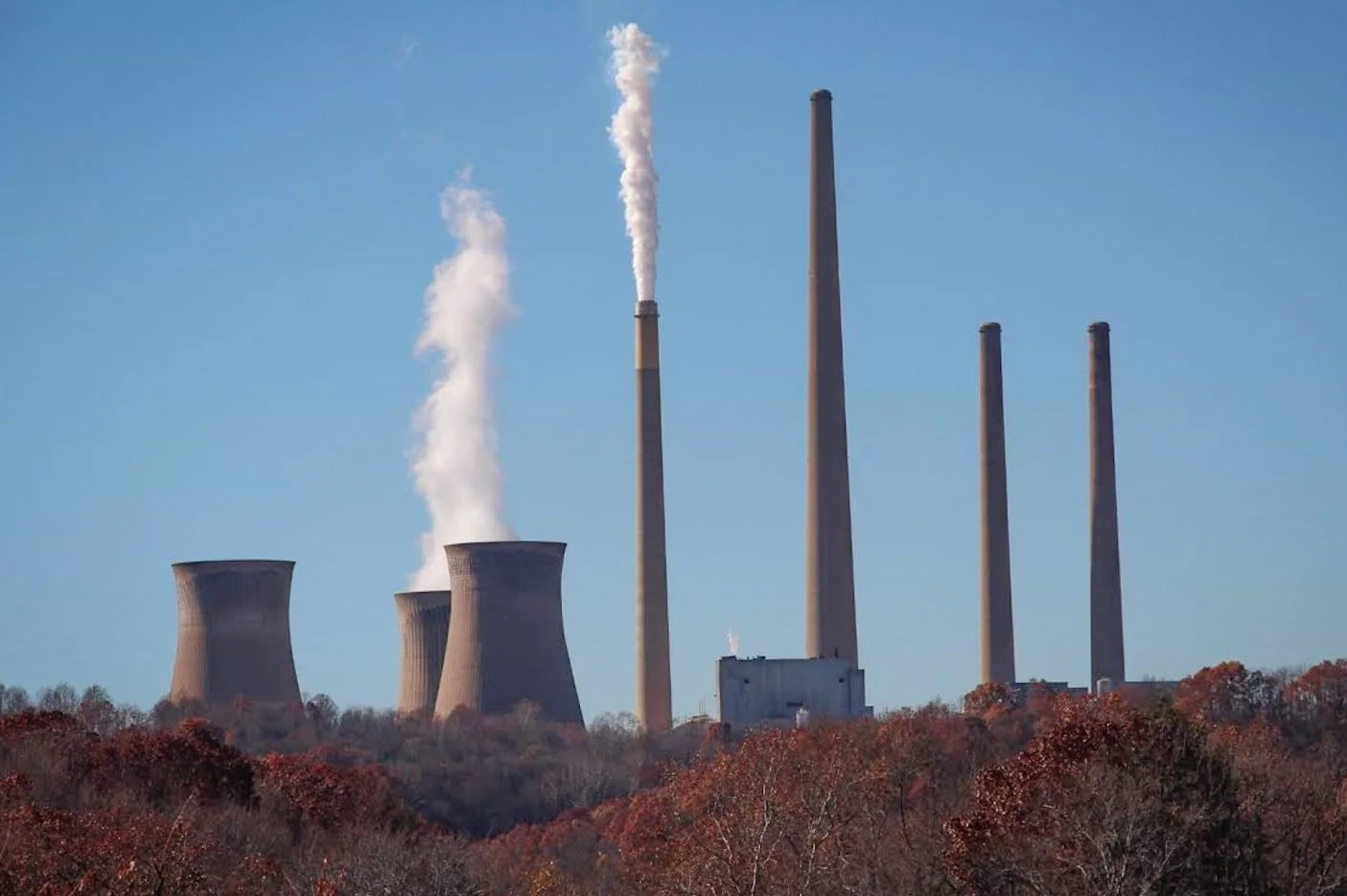
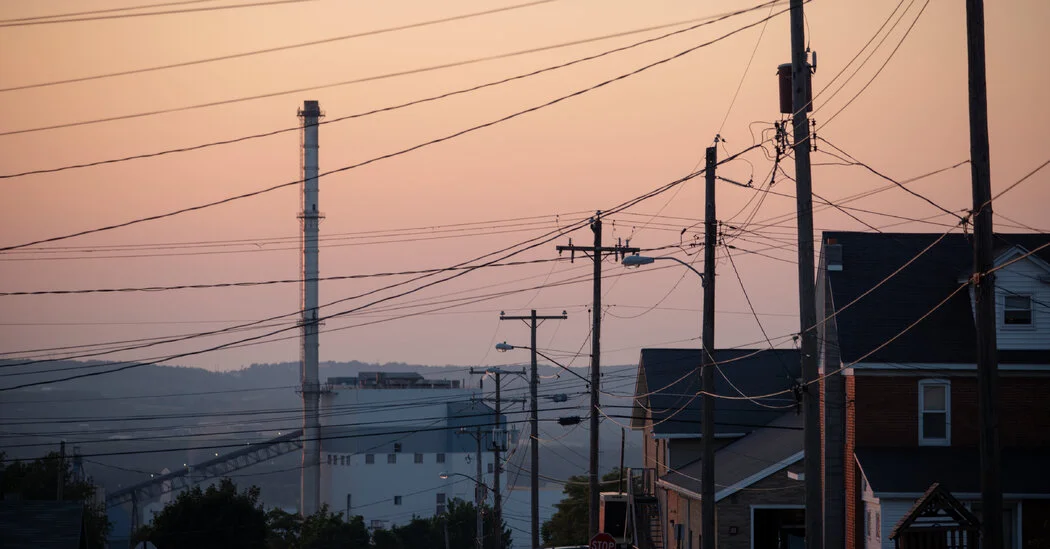
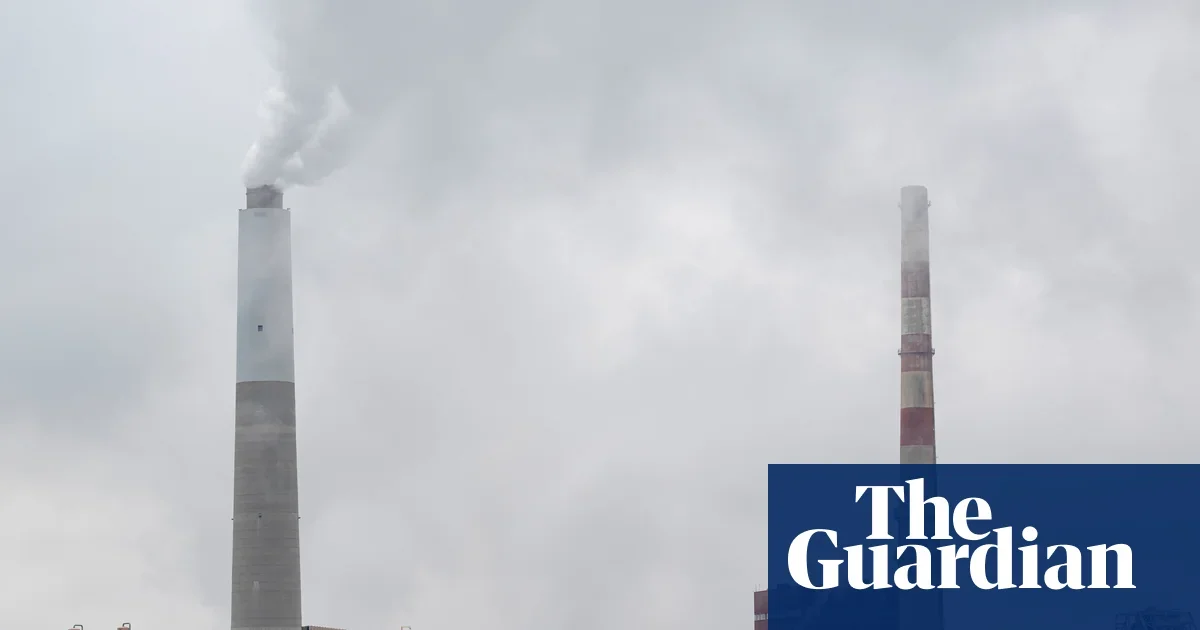
The Trump administration extended the operation of two Indiana coal power plants until 2026 and granted additional time for coal plants to manage toxic waste, as part of efforts to support the struggling coal industry amid broader climate policy shifts.
Researchers have developed a highly detailed map of CO2 emissions across the U.S. for 2022, highlighting major pollution hotspots, especially in densely populated areas, amidst threats to federal emissions tracking programs. The Vulcan dataset provides critical data that could help fill gaps if federal reporting is reduced, despite funding and policy challenges.
A group of governors, led by New Jersey's Phil Murphy, has petitioned the EPA to monitor microplastics in tap water, highlighting concerns about their widespread presence and potential health risks, and urging regulatory action to better understand and address this invisible threat.
The Trump administration is reversing a 2020 law that aimed to phase out harmful refrigerants called HFCs, which are major contributors to global warming, citing industry concerns about costs and supply. This rollback disrupts bipartisan efforts and industry shifts towards eco-friendlier alternatives, raising environmental concerns about increased climate pollution and market confusion.
A recent study links a toxic chemical used in dry cleaning to an increased risk of liver cancer, prompting EPA reconsideration of its phase-out plan amid ongoing regulatory debates.
The EPA has proposed SNAP Rule 27 to expand and update the list of acceptable refrigerants for various cooling and refrigeration systems, supporting the transition to lower-emission options while maintaining safety standards, with public comments open for 45 days.
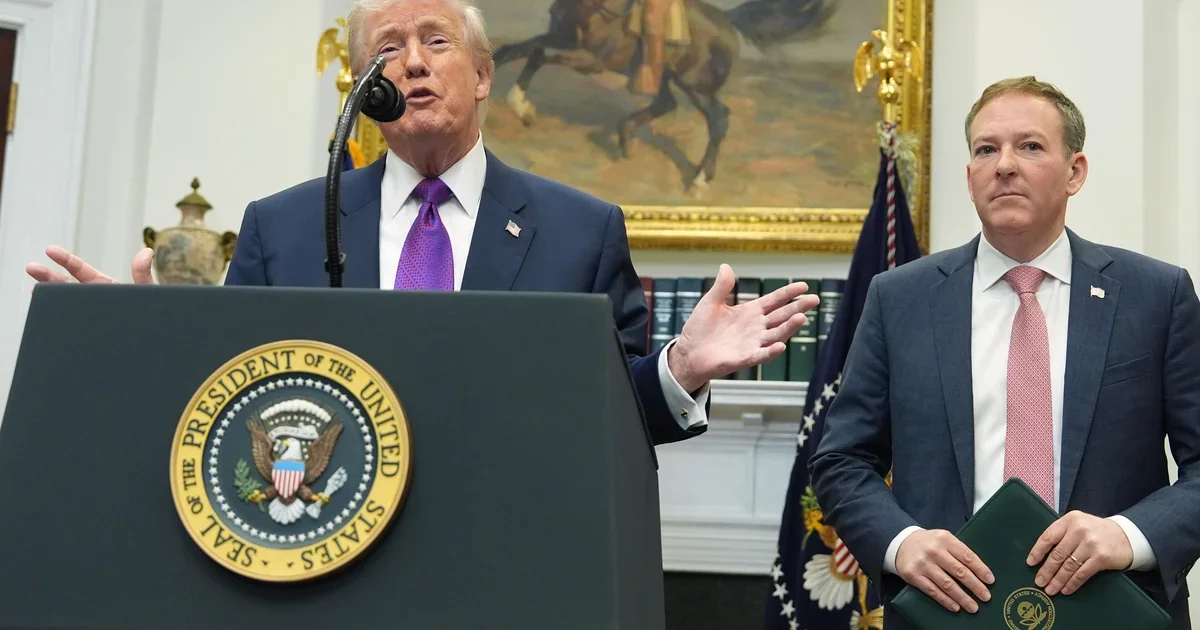
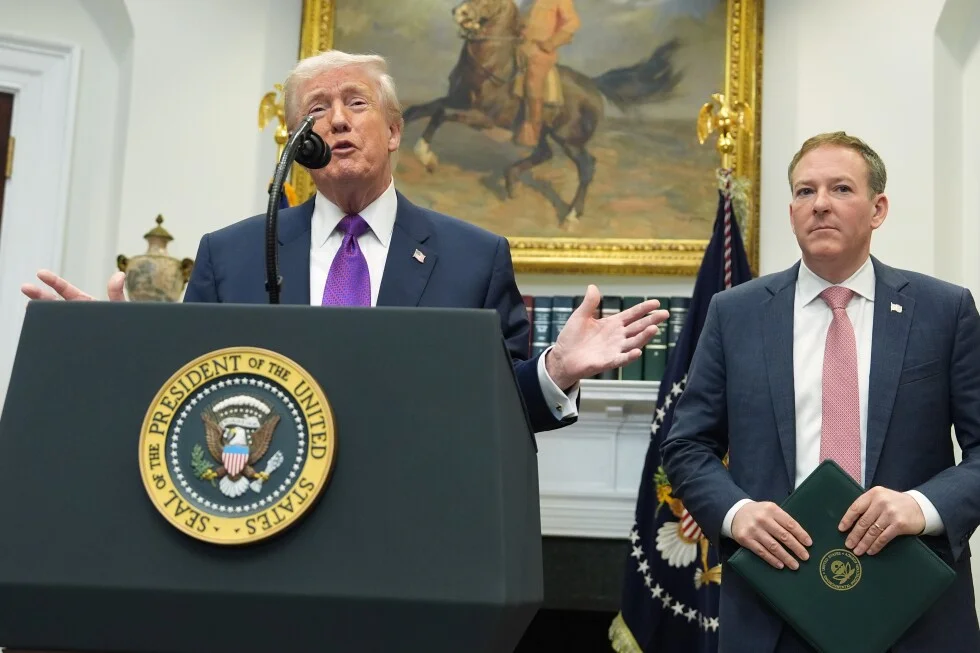
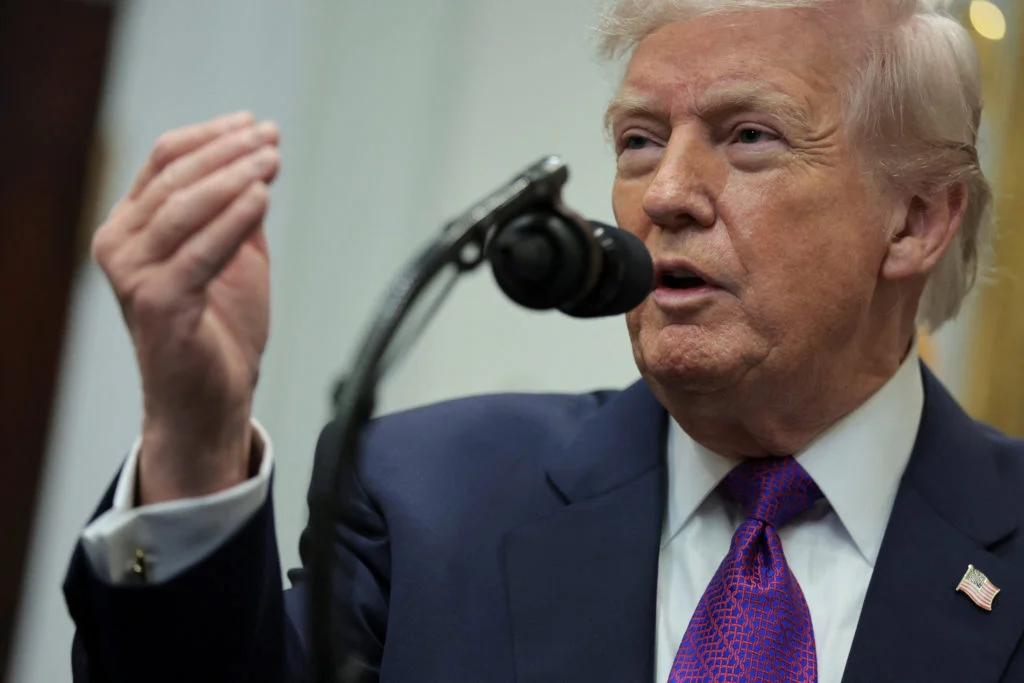
President Trump signed a proclamation granting two years of regulatory relief from Biden-era EPA restrictions on copper smelting to support national security and economic stability, recognizing that overly restrictive environmental standards threaten domestic industry and mineral independence.
A Finnish study shows that the heart health benefits of omega-3 fatty acid EPA vary greatly among individuals due to differences in metabolism, with effects dissipating quickly after supplementation ends, highlighting the importance of personalized approaches in cardiovascular prevention.
A study published in JCI Insight found that the effects of fish oil-derived EPA on blood lipids and cardiovascular risk vary significantly between individuals, with effects dissipating quickly after supplementation ends, highlighting the importance of personalized approaches in cardiovascular disease prevention.
More than 20 states have sued the EPA over its decision to cancel the $7 billion 'Solar For All' program, which aimed to expand solar access for low-income households, arguing that the agency overstepped its legal authority and violated congressional funding approvals. The lawsuit challenges the EPA's withdrawal of funds and seeks to uphold the program's continuation, amid broader disputes over clean energy funding under the Biden administration.
A coalition of groups sued the EPA over its illegal revocation of $7 billion in grants intended for low- and moderate-income solar installations, expanding legal battles over climate funding under the Biden administration.
The EPA has proposed new rules to extend deadlines and adjust GWP thresholds for refrigerants in HVACR sectors, aiming to balance environmental goals with industry and consumer needs amid supply chain challenges and public safety concerns.