Scientists discovered that the amino acid leucine enhances cellular energy by protecting mitochondrial proteins from degradation, thereby improving mitochondrial efficiency and energy production, with implications for health and disease treatments.
Scientists have discovered that the amino acid leucine enhances mitochondrial energy production by stabilizing key proteins on the organelle's outer membrane, which could have implications for treating metabolic disorders and cancer.
Gas prices in the US have fallen to a four-year low, averaging $2.98 per gallon, attributed to increased American energy production under President Trump, with prices expected to stay below $3 for the near future, providing relief to consumers nationwide.
A Neanderthal gene variant affecting energy production in muscles may limit endurance athletic performance in some Europeans, with carriers being less likely to reach elite levels, though it does not significantly impact daily activities or overall health.
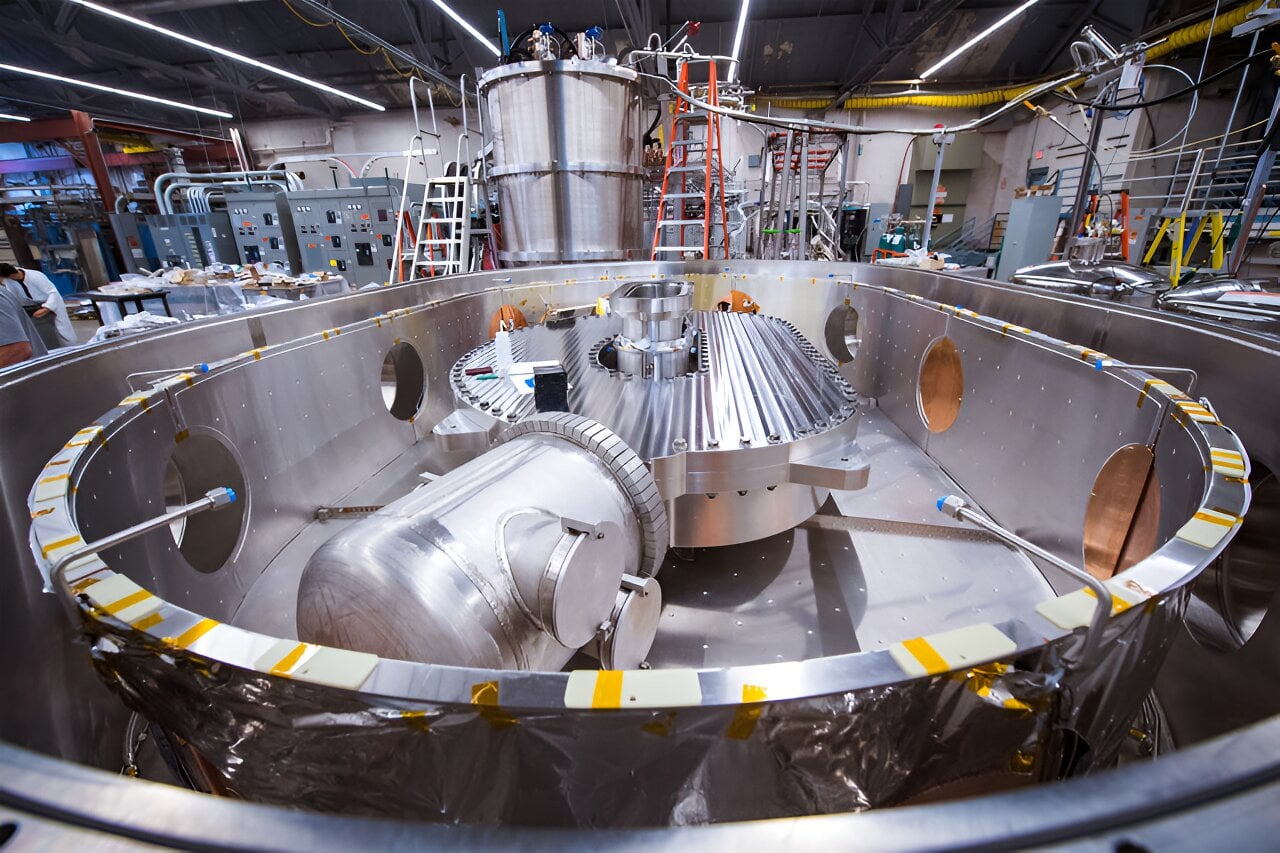
Engineers at MIT's Plasma Science and Fusion Center have achieved a world-record magnetic field strength of 20 tesla for a large-scale magnet made from high-temperature superconducting material, a crucial milestone for building a fusion power plant. The successful test, detailed in six peer-reviewed papers, demonstrates the practicality of such strong magnets at a greatly reduced size, potentially changing the cost per watt of a fusion reactor by a factor of almost 40. The new high-temperature superconducting material, REBCO, allows operation at 20 kelvins, offering significant advantages in material properties and practical engineering. The innovative magnet design, including the elimination of insulation around the superconducting tape, has been validated through rigorous testing, providing a solid foundation for the development of fusion devices.
The Joint European Torus (JET) in the UK has achieved a new fusion energy world record, producing 69 megajoules in its final experiment after 40 years of research. Despite this milestone, the facility still falls short of achieving a net positive energy balance. The International Thermonuclear Experimental Reactor (ITER) in France, set to be JET's successor, aims to produce outputs of up to 700 megawatts, representing a significant step towards establishing reliable and renewable energy. While progress has been made, significant challenges remain in the quest for practical fusion energy production.
After 40 years of operation, the Joint European Torus (JET) fusion experiment in England concluded its final run with a record-breaking achievement, producing 69 megajoules of energy during a 5.2-second continuous fusion, setting a new standard for tokamak reactors. While JET was not designed for commercial energy production, its success has paved the way for future projects such as the ITER experimental tokamak in France, the SPARC tokamak by Commonwealth Fusion Systems in the US, and other private and government-backed initiatives in the pursuit of viable nuclear fusion technology.
Scientists at the Joint European Torus (JET) have set a world record for nuclear fusion by generating 69 megajoules of energy over five seconds from a small amount of fuel, marking a significant step towards a green energy revolution. The facility, which has been pioneering fusion technology since 1983, will now be decommissioned over 17 years to inform future fusion reactors. While the record-breaking results are encouraging for the larger fusion project Iter, commercial fusion energy production still requires further development and training of skilled personnel.
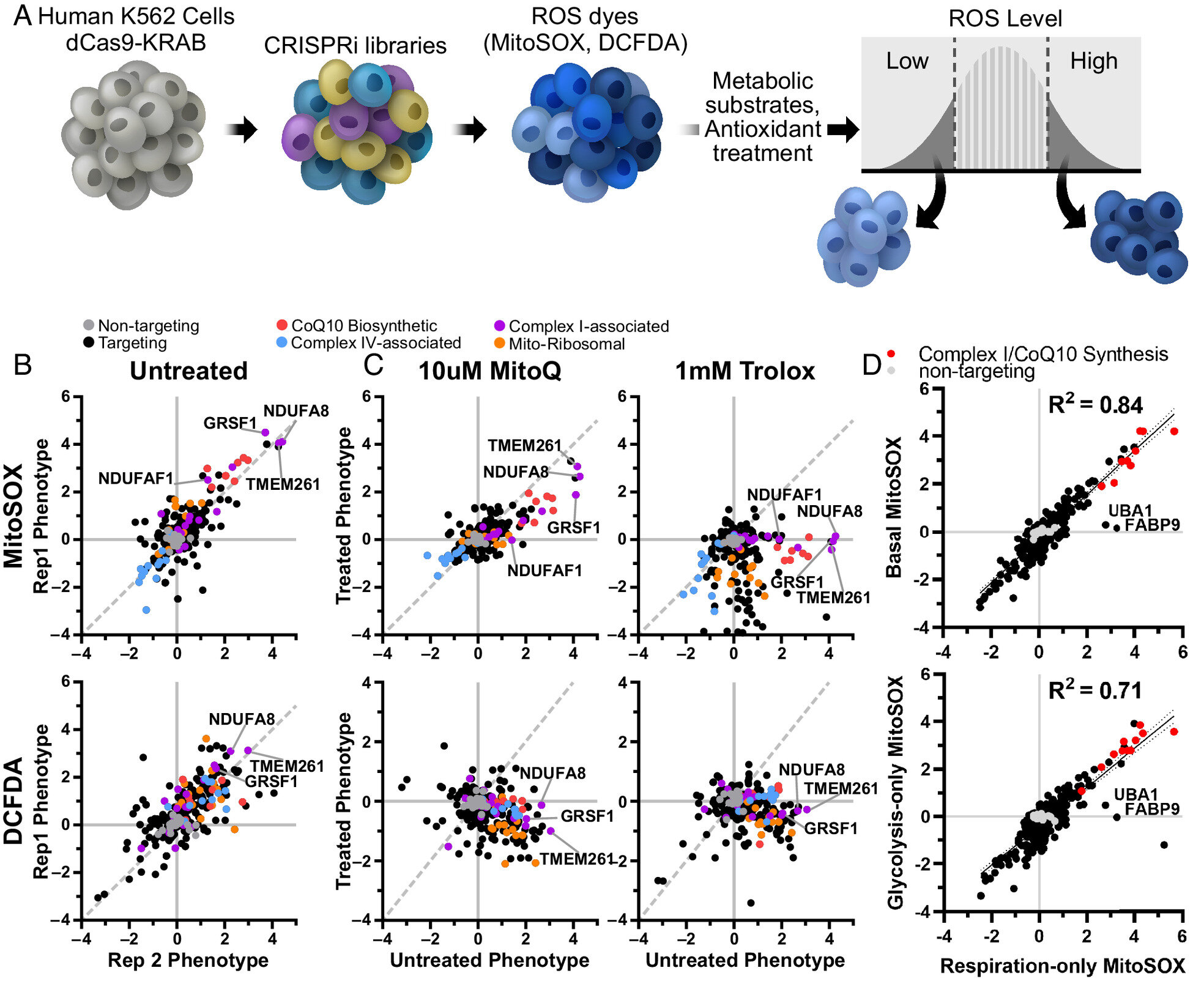
Scientists at Gladstone Institutes used CRISPR to identify molecules responsible for energy production and reactive oxygen species (ROS) in mitochondria, aiming to decouple energy from ROS production to develop therapies for neurodegenerative diseases. Their findings could lead to new treatment approaches for conditions like heart disease, diabetes, and cancer, as well as implications for healthy aging. The team plans to further research the impact of altered ROS levels on cellular health and validate their results in other cell types.
The American Petroleum Institute (API) is launching an eight-figure national ad campaign, called Lights on Energy, to advocate for continued domestic oil and gas production ahead of the 2024 elections. The campaign aims to educate voters and policymakers on the importance of fossil fuels in meeting global energy demands and to push back against policy threats from the Biden administration's climate agenda. API's CEO, Mike Sommers, emphasized the need for regulatory certainty and highlighted the industry's reliance on oil and gas for energy needs, while also advocating for more fossil fuel lease sales to guarantee long-term production.
Researchers have described the full genome of Epulopiscium viviparus, a giant bacterium found in the intestinal tracts of certain surgeonfish. These bacteria, which are visible to the naked eye and 1 million times larger than E. coli, have unique characteristics such as their mode of reproduction and metabolic processes. The study revealed that E. viviparus uses a rare method to produce energy and move, similar to the bacteria that cause cholera. It also devotes a significant portion of its genetic code to making enzymes that can extract nutrients from its host's gut. This research has potential applications in understanding how to efficiently utilize nutrients from algae, which is increasingly used in livestock feeds, renewable energy, and human nutrition.
Court filings have revealed a confidential agreement between the Biden administration and environmental groups seeking to remove four hydroelectric dams in Washington to protect salmon populations. The agreement, which was made public by House lawmakers, has raised concerns about the potential impacts on the region's economy, energy production, and climate goals. The dams currently provide about 8% of the state's electricity and their removal could increase carbon emissions. Industry groups argue that the dams are crucial for agriculture exports and transportation along the Columbia River system. The agreement is set to be implemented as early as December 15, pending a multiyear pause on litigation.
New research published in the journal Nature Genetics sheds light on why mitochondrial DNA (mtDNA) is exclusively inherited from the mother. While it was previously believed that paternal mtDNA was eliminated during fertilization, the study found that mature sperm lack intact mtDNA and a protein essential for mtDNA maintenance. The researchers speculate that this may be due to the high energy usage of sperm during fertilization, which could lead to the accumulation of mtDNA mutations. In contrast, developing eggs primarily draw energy from surrounding cells, maintaining relatively pristine mtDNA. Understanding the role of mtDNA in sperm maturation and fertilization could have implications for treating infertility disorders and improving assisted reproductive technologies.
During the Republican presidential debate, Florida Governor Ron DeSantis responded to a question about the viral song "Rich Men North of Richmond" by blaming the "rich men north of Richmond" in Washington, D.C. for the economic situation in America. DeSantis criticized President Joe Biden's policies, calling for a reversal of "Bidennomics" and a focus on helping middle-class families succeed. He also emphasized the need to lower gas prices and prioritize energy production. The debate featured eight candidates, with DeSantis and tech entrepreneur Vivek Ramaswamy taking the top spots on the stage. Former President Donald Trump did not participate in the conversation.
Researchers have discovered a protein called WASF3 that may be responsible for the exhaustion experienced by individuals with chronic fatigue syndrome (CFS) or myalgic encephalomyelitis (ME/CFS). The study suggests that malfunctioning mitochondria, the energy-making machines in cells, could be a potential cause of energy-limiting illnesses like ME/CFS and long COVID. The protein WASF3 disrupts mitochondrial function, leading to decreased energy production. Elevated levels of WASF3 were found in muscle samples of individuals with ME/CFS, along with lower levels of mitochondrial protein complexes. The study provides a molecular explanation for bioenergetic deficiency in ME/CFS and offers potential avenues for future therapies.