Tag

Ferroptosis

All articles tagged with #ferroptosis

cancer-research2 months ago

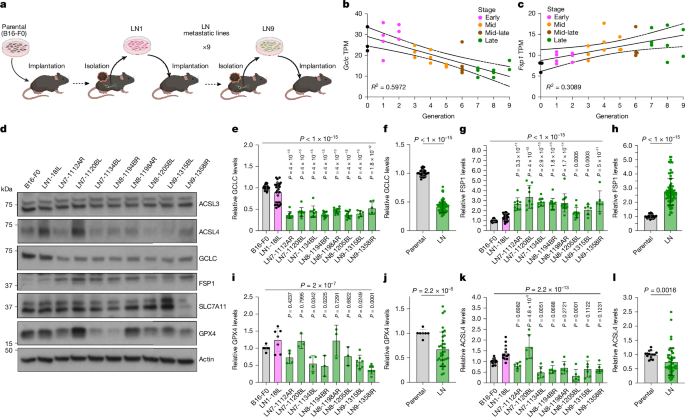
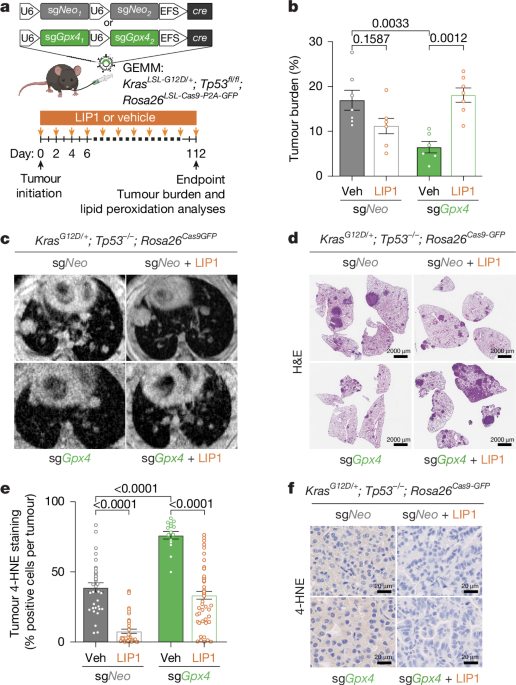
Lymph Node Environment Influences FSP1 Targeting and Ferroptosis in Melanoma and Lung Cancer

The study reveals that the lymph node microenvironment promotes resistance to ferroptosis in metastasizing melanoma by downregulating GSH synthesis and upregulating FSP1, which localizes to lysosomes and provides a GPX4-independent protective mechanism. Oxygen levels and epigenetic regulation influence GPX4 stability and ferroptosis sensitivity, suggesting potential therapeutic strategies targeting FSP1 and GSH synthesis in LN metastases.

science1 year ago

"Lipid Control of Ferroptosis: Unveiling Cell Death Secrets"

Researchers at Columbia University have identified a rare lipid, diPUFA phospholipid, as a crucial factor in promoting ferroptosis, a unique form of cell death. This discovery has significant implications for treating neurodegenerative diseases and cancer, as it opens new avenues for either preventing or inducing cell death. The interdisciplinary research involved the Department of Biological Sciences, Department of Chemistry, and the Columbia University Irving Medical Center, and the findings deepen our understanding of ferroptosis and its potential for controlling cell death.

scientific-research1 year ago

"Cholesterol Precursor 7-Dehydrocholesterol Suppresses Ferroptosis Sensitivity in Cells"

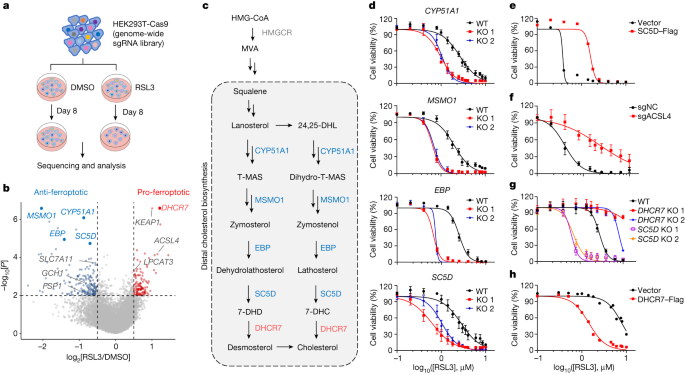
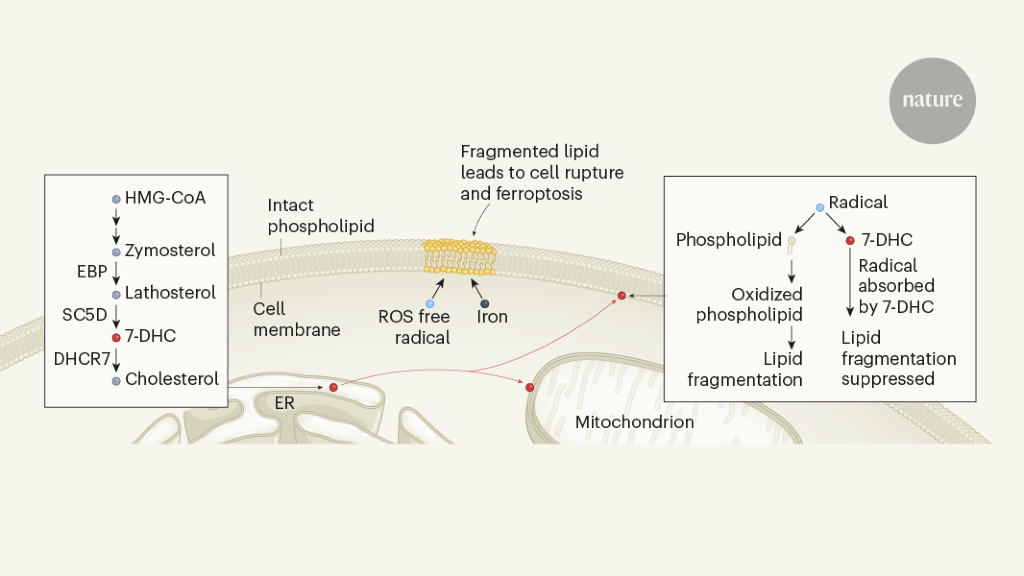
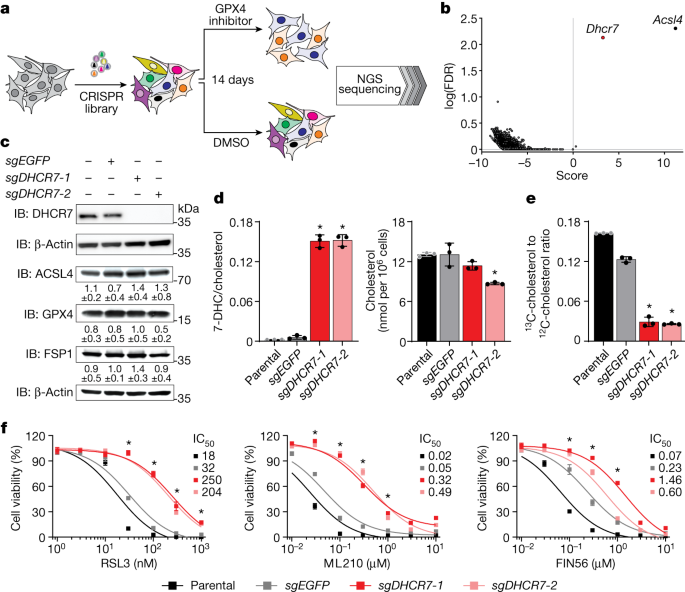
A study has found that 7-dehydrocholesterol, a precursor to cholesterol, plays a crucial role in determining the sensitivity of cells to ferroptosis, a form of cell death. The research, which utilized CRISPR screening and lipidomic analysis, provides insights into the mechanisms underlying ferroptosis and its potential implications for various diseases. The data from the study are available online, contributing to the accessibility and reproducibility of the findings.

scientific-research1 year ago

"Cholesterol Precursor 7-Dehydrocholesterol Suppresses Ferroptosis in Cells"

A study has identified 7-dehydrocholesterol as a natural inhibitor of ferroptosis, a form of cell death driven by lipid peroxidation. The research sheds light on the role of 7-dehydrocholesterol-derived oxysterols in regulating ferroptosis sensitivity and provides insights into the mechanisms of this type of cell death. The data and materials supporting the findings are available in the main text, figures, and extended data figures, as well as in a repository for (epi)lipidomics experiments.

health2 years ago

"Breakthrough Discovery: Tiny Molecule Targets Cancer, Preserves Immune Cells"

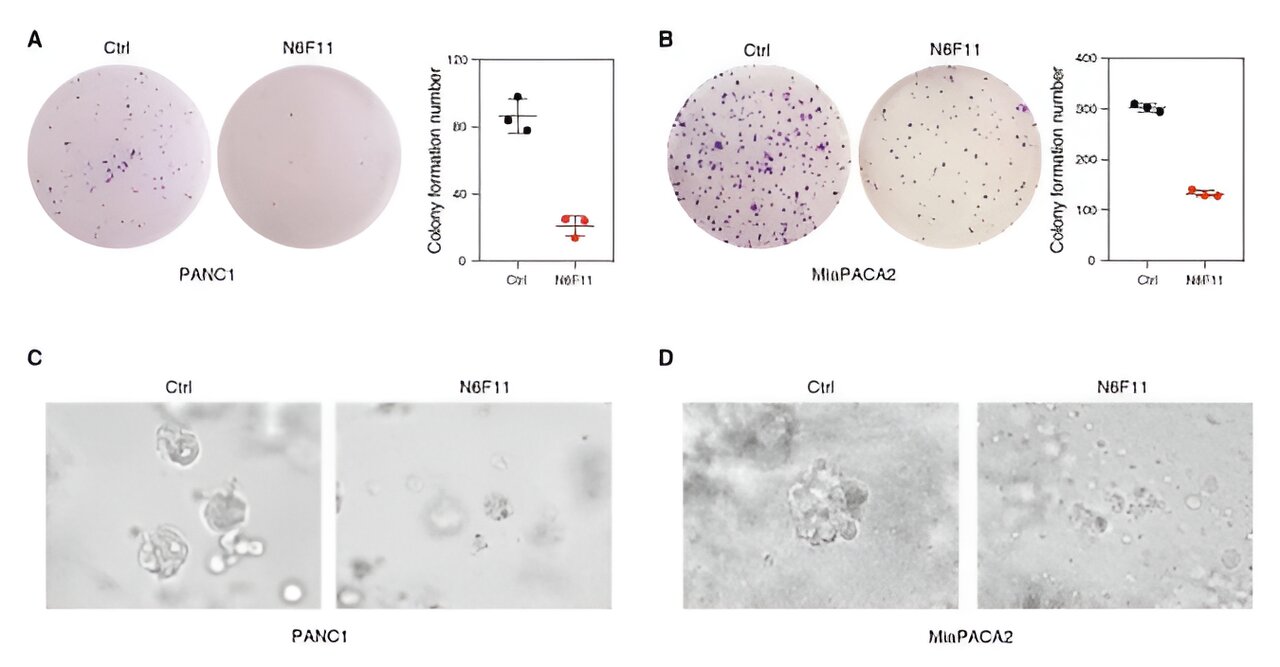
Scientists have discovered a small molecule called N6F11 that induces ferroptosis, a unique form of cell death, to selectively kill various cancers while sparing immune cells. Ferroptosis relies on iron buildup and the generation of reactive oxygen species to trigger cell death. Current cancer treatments often rely on apoptosis, but many tumors have developed resistance to this form of cell death. N6F11 shows promise in degrading a protein called GPX4, which blocks ferroptosis, and has been found to slow tumor growth in mouse models without severe side effects. Further research is needed to evaluate the potential of N6F11 as a cancer treatment.

health2 years ago

Promising Treatment Route Discovered for Alzheimer's Disease

Researchers from the Jawaharlal Nehru Centre for Advanced Scientific Research (JNCASR) in Bengaluru have discovered that plant-based polyphenols, such as tannic acid found in trees like Chestnut and Oak, could be a cost-effective strategy for combating Alzheimer's disease (AD). The study found that these polyphenols have the potential to ameliorate ferroptosis, a form of programmed cell death associated with AD, by activating and enhancing the GPX4 pathway. The findings offer new avenues for targeting novel pathways in the development of therapeutics for AD and may inspire the exploration of natural compounds for enhanced efficacy against neurodegenerative diseases.

neuroscience2 years ago

"Unveiling the Link Between Iron Buildup and Cell Death in Alzheimer's"

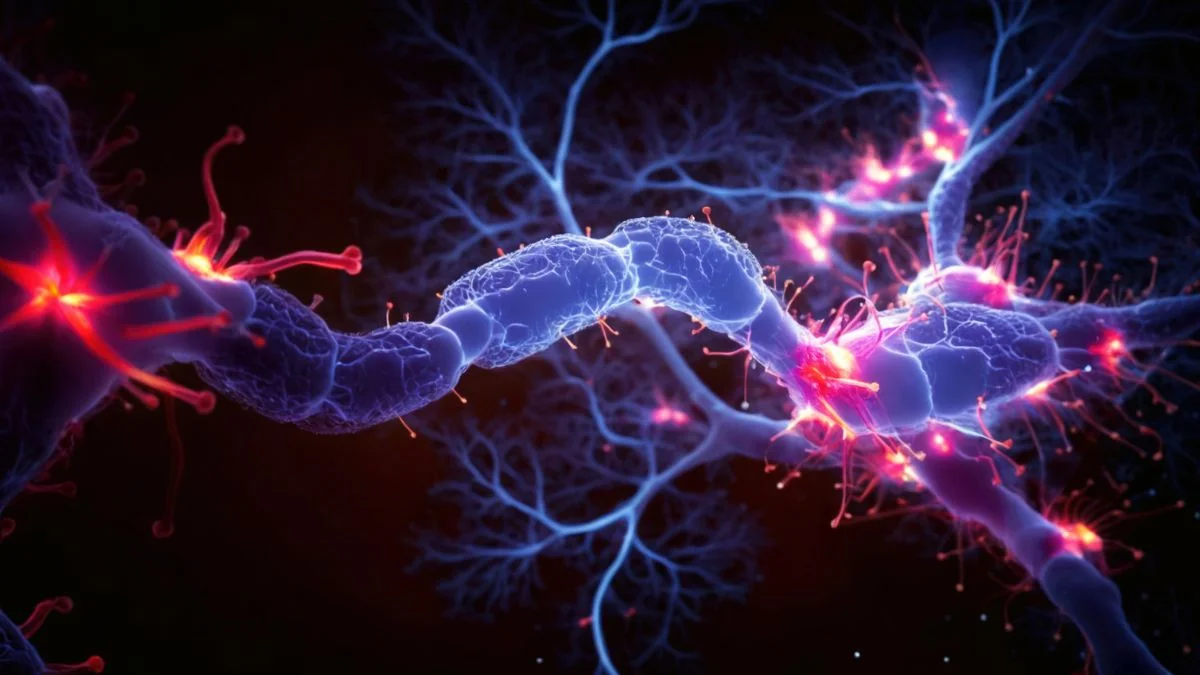
Researchers have discovered a new form of cell death called ferroptosis, triggered by iron accumulation, which destroys microglia cells in Alzheimer's disease and vascular dementia. The study found that microglia degenerates in the white matter of the brain while attempting to clear iron-rich myelin. This new insight into the role of microglial degeneration in neurodegenerative diseases could lead to the development of novel therapeutic interventions.

health2 years ago

"Promising Potential: Blood Thinner Reveals Cancer-Fighting Abilities"

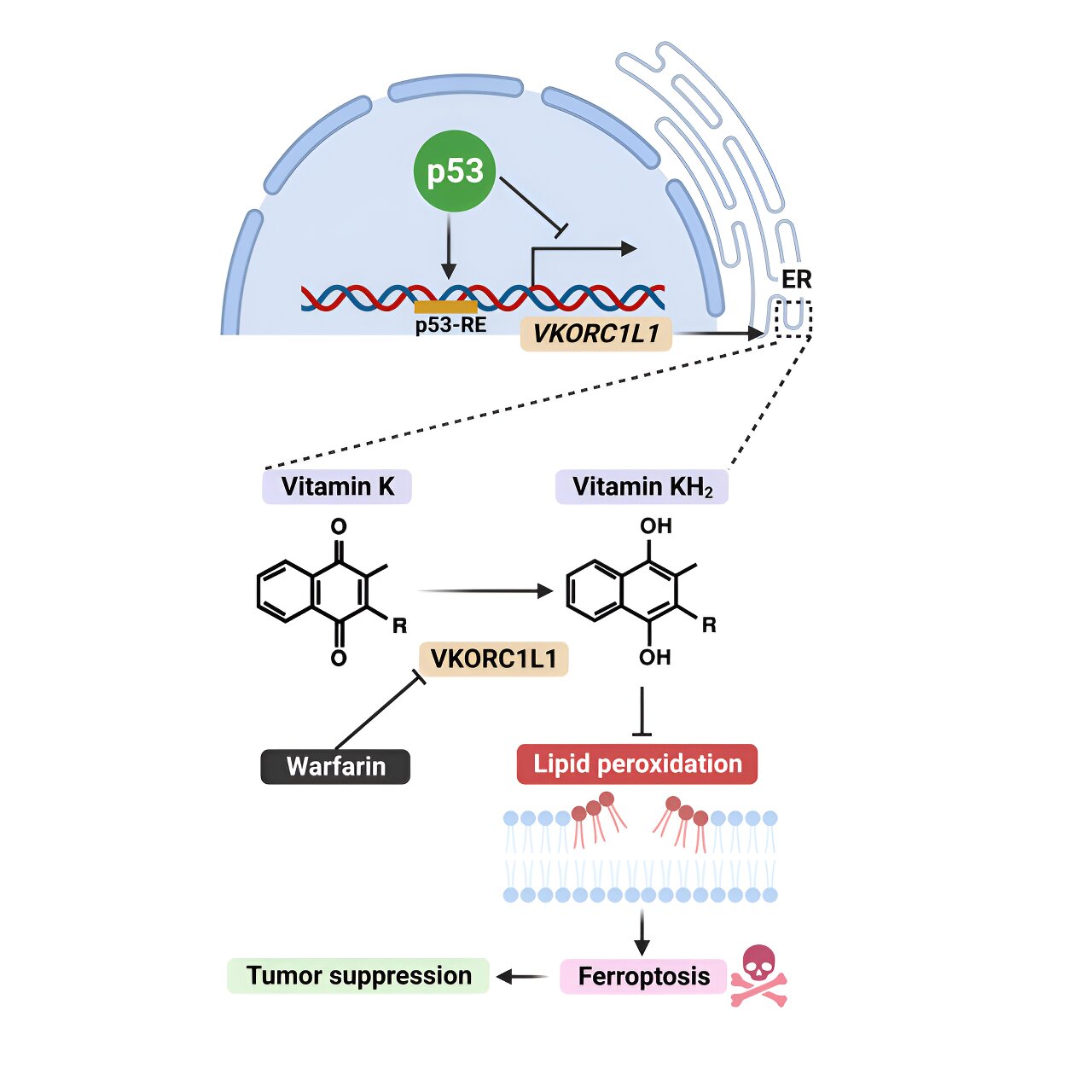
Warfarin, a commonly used blood thinner, has been found to have potent anti-cancer properties. Researchers at Columbia University discovered that warfarin inhibits tumors from interfering with a self-destruct mechanism in cells that is activated when mutations or abnormalities are detected. The study suggests that warfarin could be repurposed to treat various types of cancer, including pancreatic cancer. Warfarin reduces the activity of a gene called VKORC1L1, which promotes ferroptosis, a cell death mechanism that requires iron. The findings indicate that warfarin may be a promising cancer therapy, particularly for tumors with high levels of VKORC1L1 expression.

health2 years ago

The Impact of Diet on Cancer Growth: Insights and Strategies.

A keto diet in mice slowed the growth of cancer cells but also promoted the wasting that is often associated with late-stage cancer, according to a new study. Cachexia can lead to a termination of treatment as a patient becomes too weak to withstand cancer drugs any longer. The study suggests that augmenting a keto diet with corticosteroids may delay the development of cachexia. However, caution is warranted as steroids are powerful drugs and have many effects. A true keto diet, such as the type used in the study, should only be considered under the supervision of a physician.