Tag

Lasers

All articles tagged with #lasers

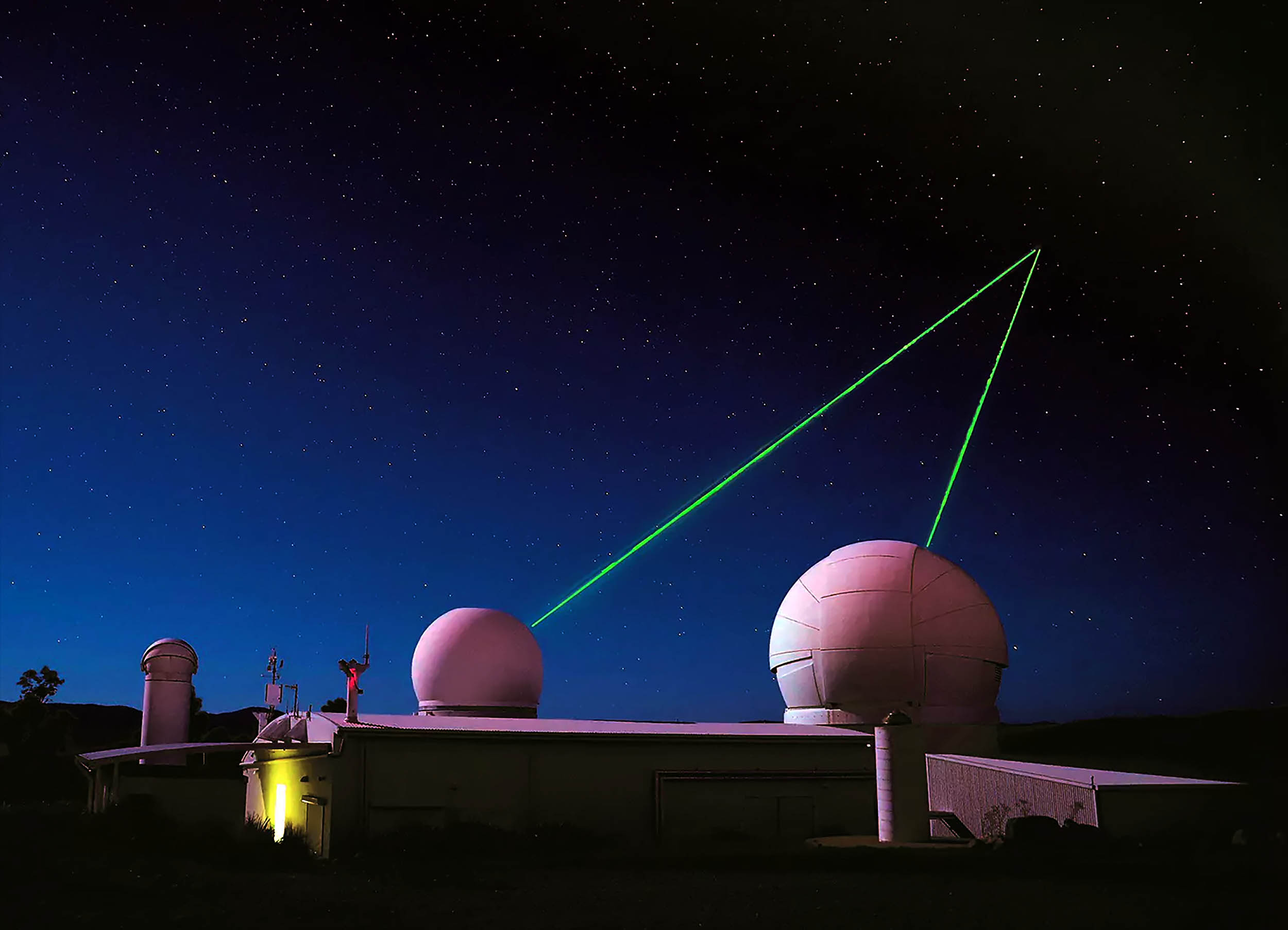
Scientists Achieve 5-Mile Wireless Power Transfer via Laser

Originally Published 2 months ago — by Earth.com

Featured image for Scientists Achieve 5-Mile Wireless Power Transfer via Laser
Source: Earth.com

Scientists have successfully transmitted 800 watts of electricity wirelessly over 5.3 miles using laser technology, demonstrating a scalable and efficient method that could revolutionize power delivery to remote or inaccessible areas, with potential applications in defense, emergency response, and off-grid systems.

Scientists and Industry Collaborate to Advance Fusion Energy Breakthroughs

Originally Published 3 months ago — by The Cool Down

Featured image for Scientists and Industry Collaborate to Advance Fusion Energy Breakthroughs
Source: The Cool Down

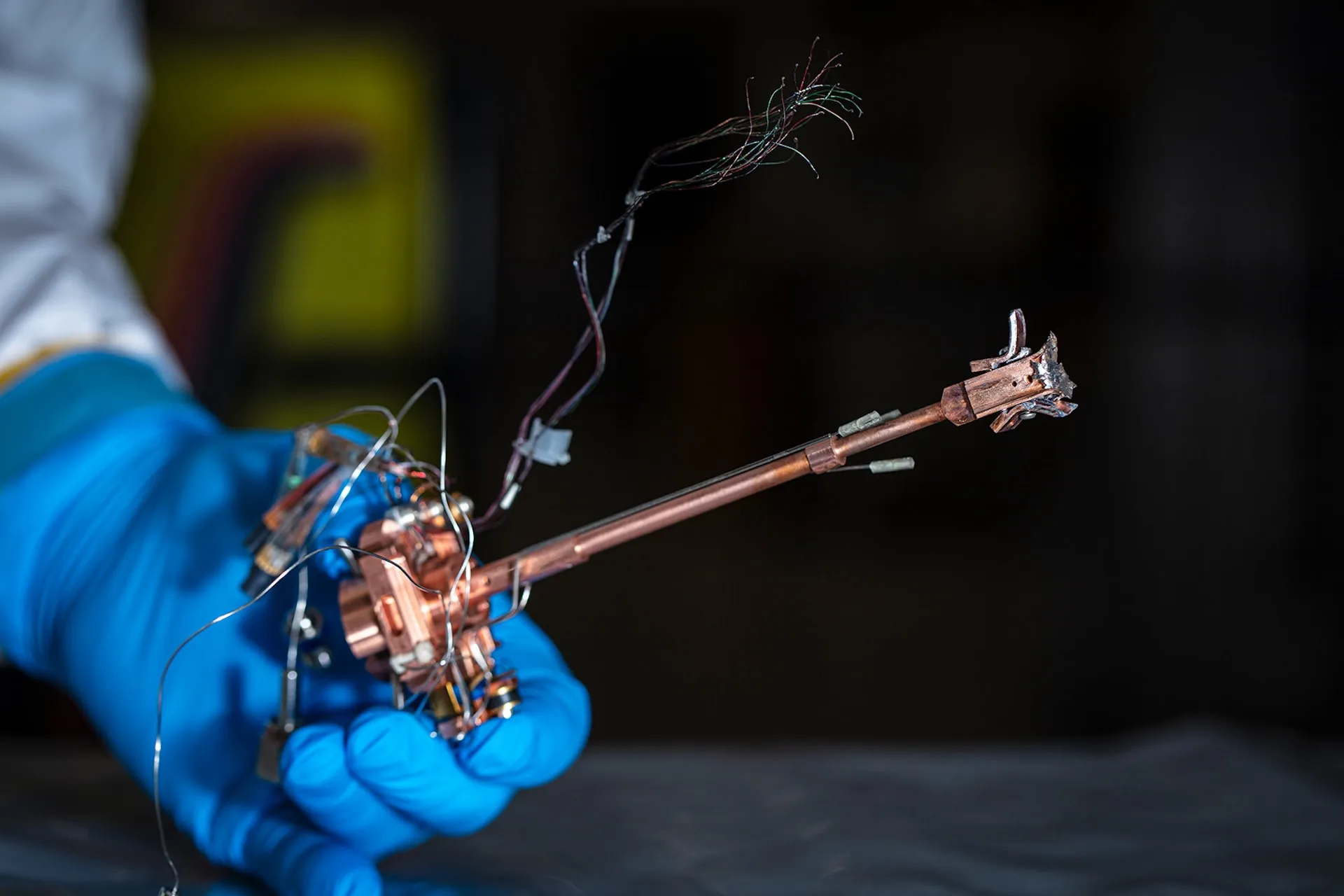
Scientists at Lawrence Livermore achieved a historic fusion ignition using 192 lasers, and a new startup, Inertia, aims to commercialize this technology by developing more powerful lasers and scalable production methods to create affordable, clean, limitless energy within the next decade.

China Demonstrates Advanced Military Technology and Nuclear Ambitions

Originally Published 4 months ago — by South China Morning Post

Featured image for China Demonstrates Advanced Military Technology and Nuclear Ambitions
Source: South China Morning Post

China's recent military parade showcased advanced AI-powered unmanned vehicles, laser weapons, and hypersonic missiles, highlighting the country's focus on integrating emerging technologies like AI, optics, and information systems into modern warfare to enhance its strategic capabilities and deterrence.

Scientists Unveil Lasers Capable of Casting Shadows

Originally Published 1 year ago — by Gizmodo

Featured image for Scientists Unveil Lasers Capable of Casting Shadows
Source: Gizmodo

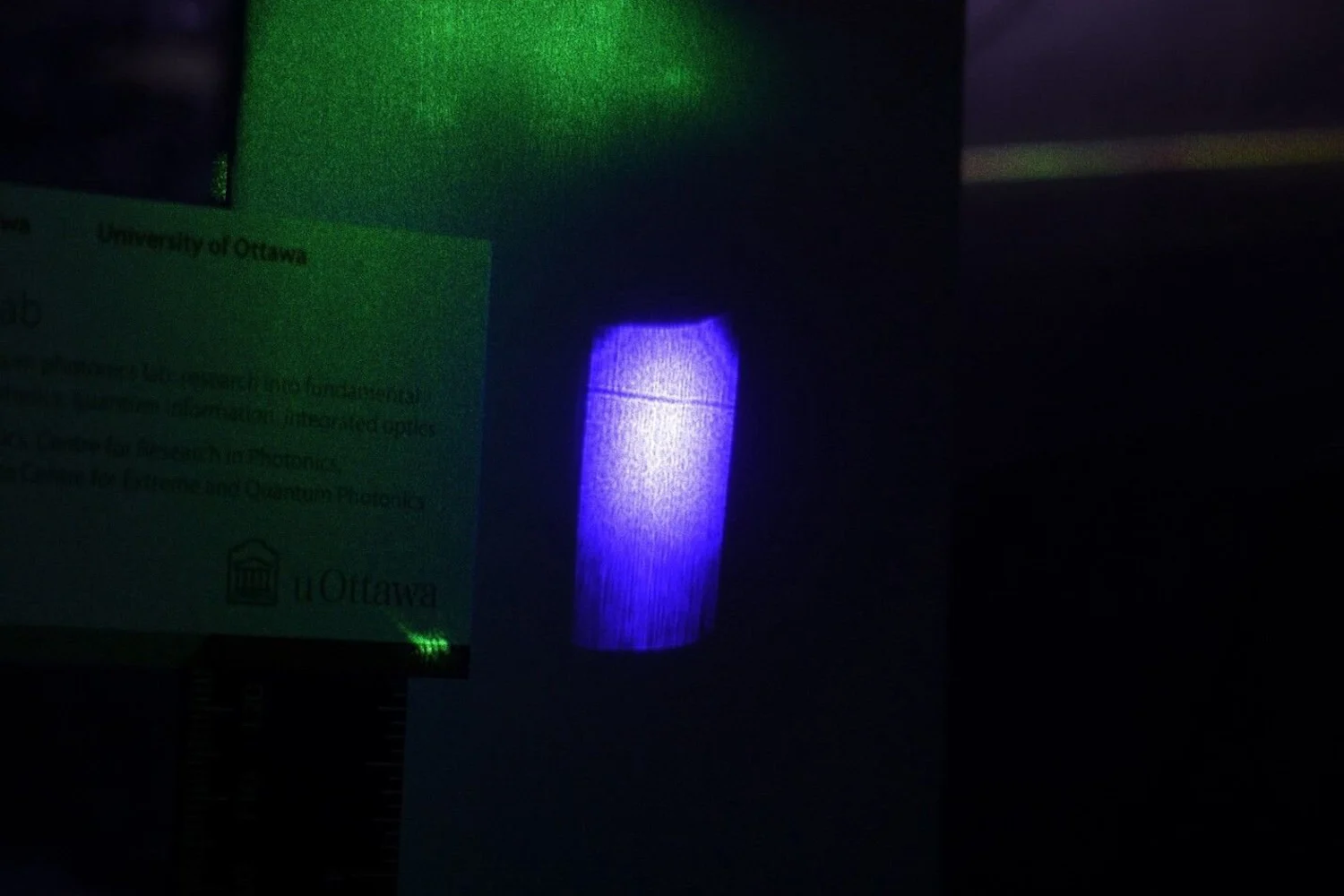
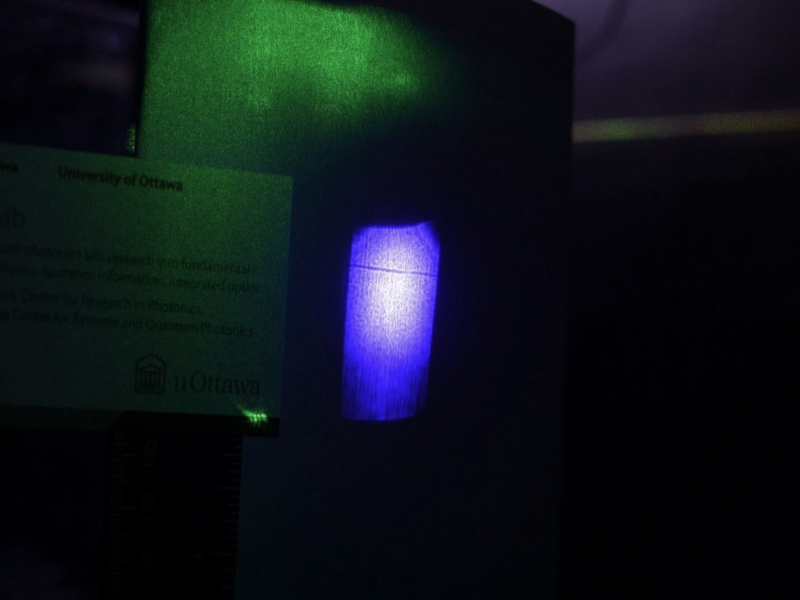
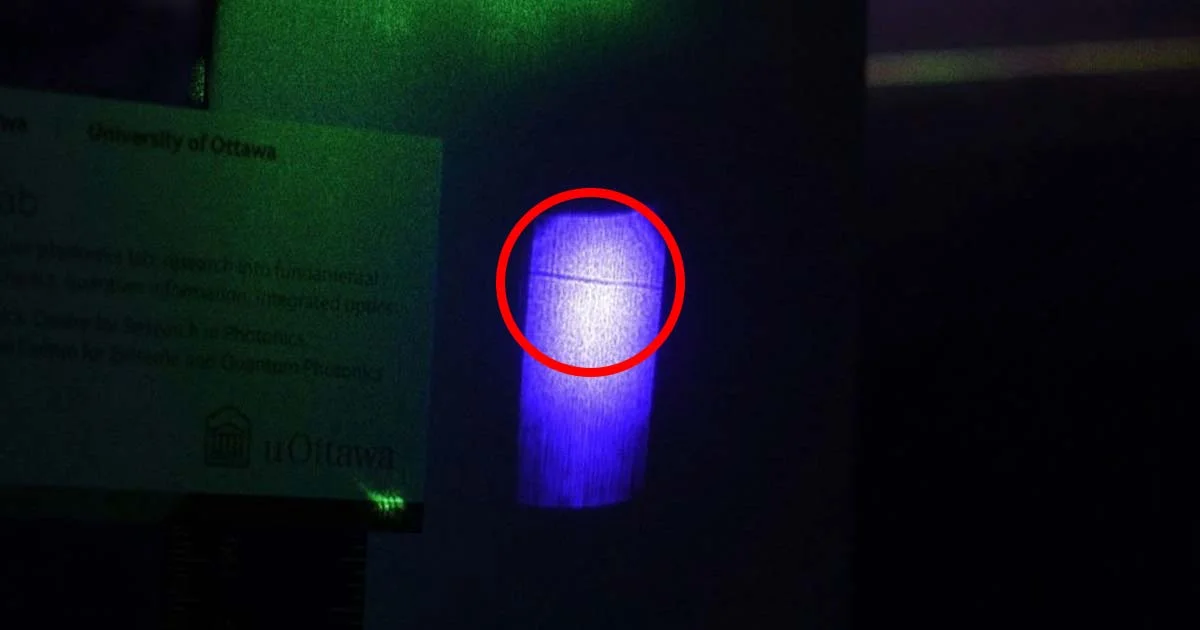
Scientists have demonstrated that lasers can cast shadows, a phenomenon previously thought impossible, by using a green laser to block a blue laser in a ruby crystal. This discovery, published in Optica, challenges traditional notions of shadows and could impact technologies using lasers, like fiber optics. The experiment raises questions about whether the shadow is cast by the laser itself or the ruby crystal, expanding possibilities for laser control.

Scientists Unveil Lasers That Cast Their Own Shadows

Originally Published 1 year ago — by Hackaday

Featured image for Scientists Unveil Lasers That Cast Their Own Shadows
Source: Hackaday

New research demonstrates that a laser beam can cast a shadow under specific conditions using a ruby crystal and certain laser wavelengths. This occurs when a green laser alters the crystal's properties, increasing its absorption of a blue laser beam and creating a shadow effect. This phenomenon could have potential applications in using one laser to control another.

Scientists Uncover Light's Ability to Cast Shadows in Laser Experiment

Originally Published 1 year ago — by Futurism

Featured image for Scientists Uncover Light's Ability to Cast Shadows in Laser Experiment
Source: Futurism

Scientists at Brookhaven National Laboratory have discovered that a narrow green laser beam can cast a shadow when passed through a larger blue laser beam inside a ruby crystal, challenging conventional understanding of light interactions. This phenomenon, attributed to optical nonlinear absorption, could lead to new applications in optical switching and light transmission control. The research, published in Optica, opens up possibilities for further exploration of light-matter interactions using different wavelengths and materials.

Lasers Found to Block Light, Creating Shadows

Originally Published 1 year ago — by ScienceAlert

Featured image for Lasers Found to Block Light, Creating Shadows
Source: ScienceAlert

Scientists have discovered that lasers can create shadows by using nonlinear materials, such as ruby, to block light. When two laser beams intersect in a specific way, the primary beam is obstructed by the secondary, casting a shadow. This finding challenges traditional notions of shadows and light interactions, and could have applications in optical switching and light transmission technologies. The research is set to be published in Optica.

"Laser Technology Demystified: Understanding the Science Behind Lasers"

Originally Published 1 year ago — by Livescience.com

Featured image for "Laser Technology Demystified: Understanding the Science Behind Lasers"
Source: Livescience.com

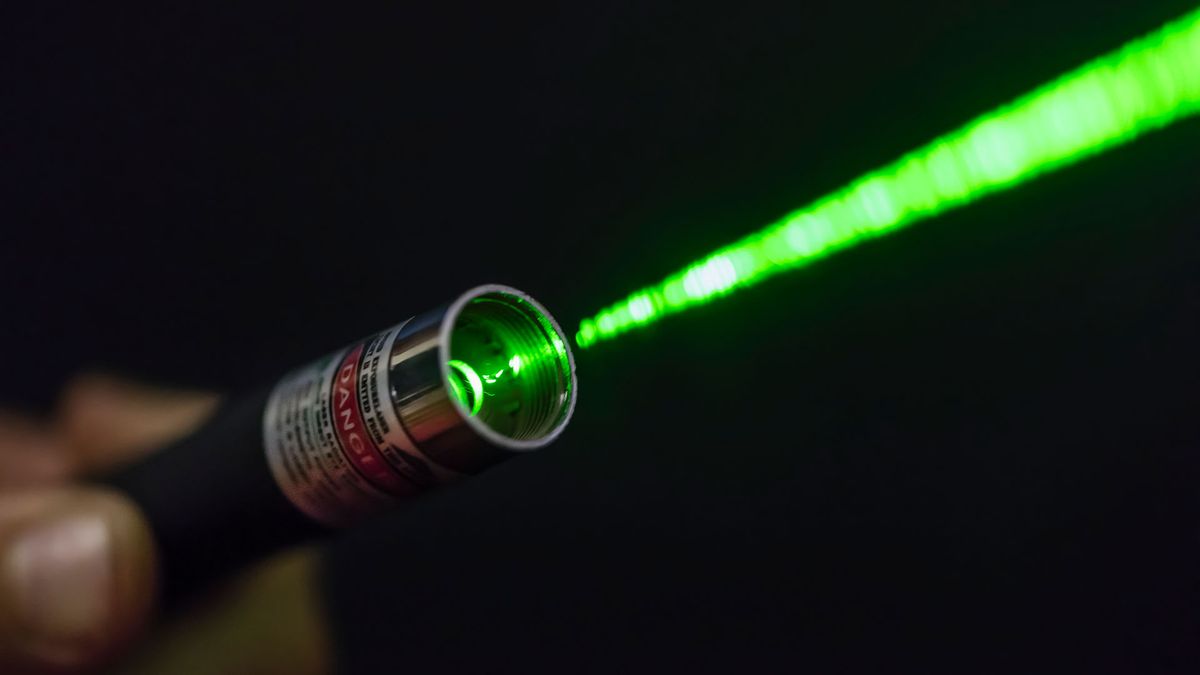
Lasers, which stand for "light amplification by sustained emission of radiation," work by making energetic particles vibrate in sync, emitting light waves with aligned peaks and troughs. First proposed by Albert Einstein in 1917, lasers have since become integral to modern technology, from eye surgery to internet connections. With potential applications in exoplanet imaging and data center miniaturization, the future of laser technology looks promising and limitless.

"Rare 'Gravitational Lasers' Could Exist Throughout the Universe, New Study Suggests"

Originally Published 1 year ago — by Livescience.com

Featured image for "Rare 'Gravitational Lasers' Could Exist Throughout the Universe, New Study Suggests"
Source: Livescience.com

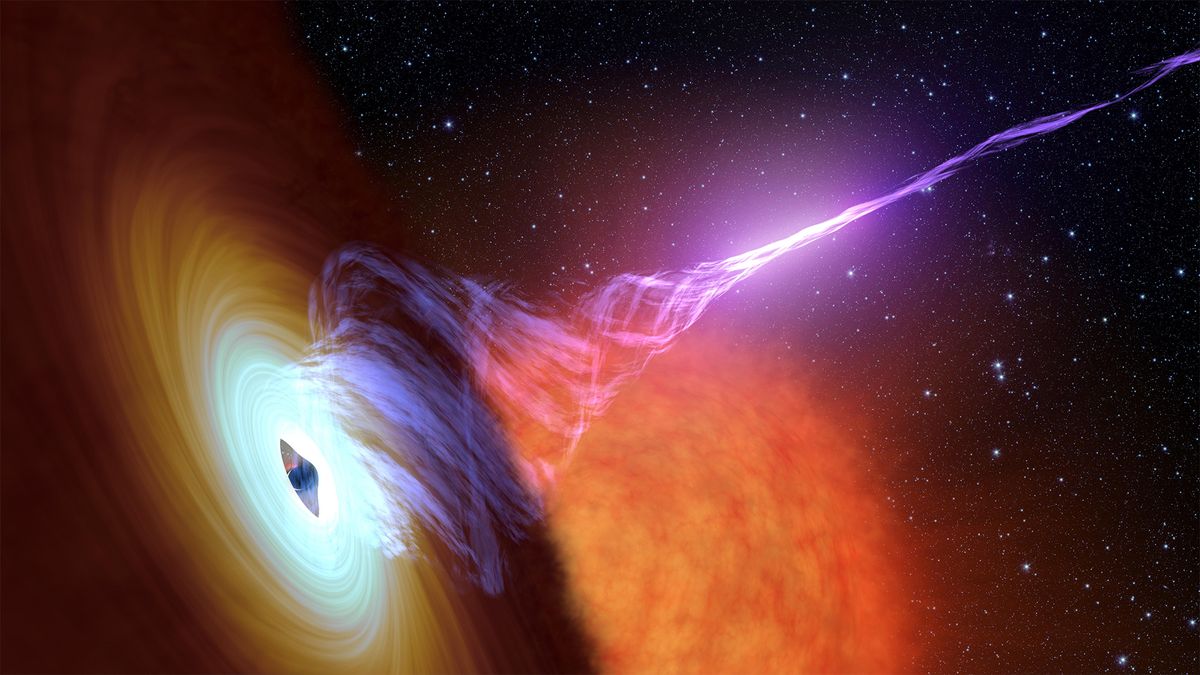
New research suggests that under certain conditions, gravitational waves unleashed by black holes could combine with the effects of stimulated emission of radiation to form rare and exotic "gravitational lasers," providing a potential new way to detect dark matter. These gravitational lasers, if they exist, would be a new kind of gravitational wave signal and could serve as evidence for the existence of dark matter in the form of axions. While they would be very rare and mostly point away from Earth, next-generation gravitational wave observatories might be able to detect them, offering a glimpse into the fascinating and mysterious nature of our universe.

"Chemistry Meets Technology: The Molecular Flip-Flop Controlled by Lasers"

Originally Published 1 year ago — by Hackaday

Featured image for "Chemistry Meets Technology: The Molecular Flip-Flop Controlled by Lasers"
Source: Hackaday

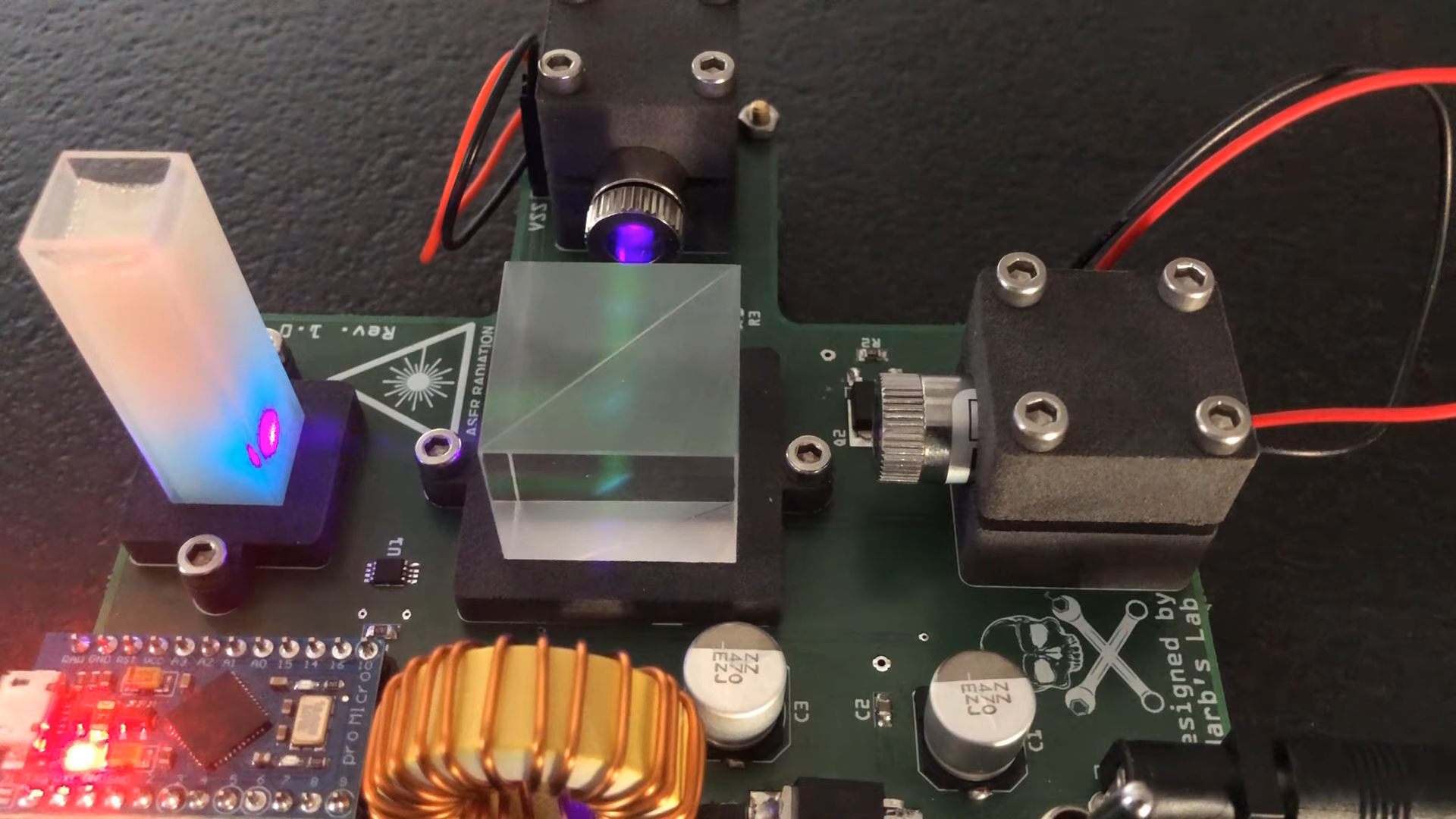
Markus Bindhammer has created a unique flip-flop using photochromic molecular switch, lasers, and chemicals, demonstrating the reversible color-changing property of photochromism. The setup involves two laser modules, an Arduino, and a glass cuvette filled with a photochromic chemical mixed with clear epoxy resin. The spot changes color when exposed to UV light and can be reverted back with a red laser or heat. This innovative use of chemistry and optics showcases the potential for creating optical logic components.

3D Printed Micro-Optics Revolutionize Hybrid Laser Stability

Originally Published 2 years ago — by Phys.org

Featured image for 3D Printed Micro-Optics Revolutionize Hybrid Laser Stability
Source: Phys.org

Researchers have successfully 3D printed micro-optics onto optical fibers, creating a stable hybrid laser that combines the advantages of fiber-based and crystal-based solid-state lasers. The 3D-printed lenses exhibited high damage threshold and stability, allowing the laser to operate at output powers of over 20 mW. This breakthrough enables the development of inexpensive, compact, and stable laser sources that have potential applications in lidar systems for autonomous vehicles, lithography, laser marking, and medical procedures such as precise tissue destruction. The researchers are now working on optimizing the efficiency of the printed optics and exploring different crystals for customized laser outputs.