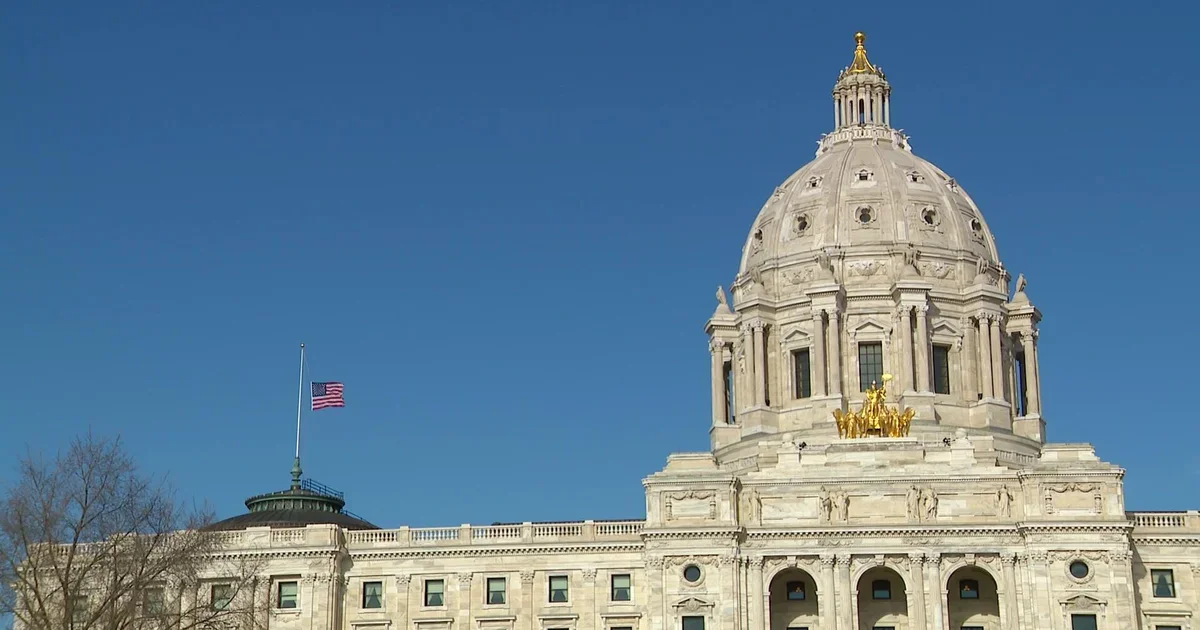
Nearly 12,000 Minnesotans have applied for the state's new paid family leave program since its launch, with the program offering 12 weeks of partial pay for medical and family reasons, and the state expects to approve around 130,000 claims this year.
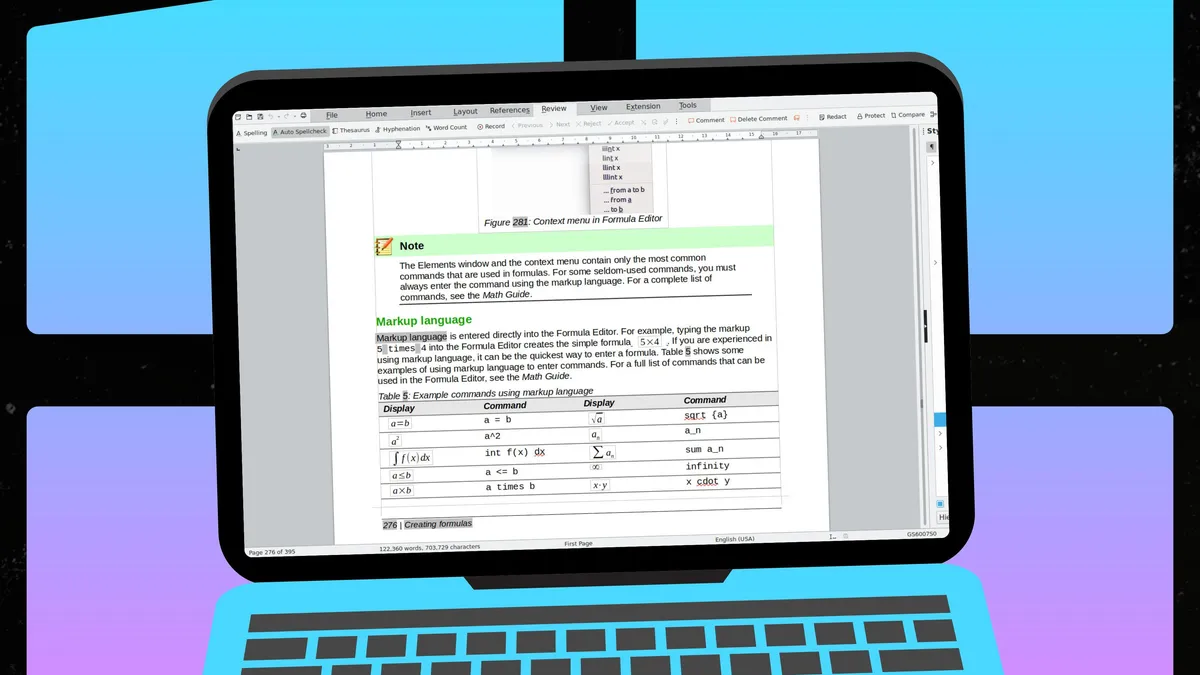
The article highlights ten recommended open-source applications for Windows users, including LibreOffice, Flow Launcher, Duplicati, Nextcloud, Franz, YAZB, File Converter, Bitwarden, AutoHotKey, and Ollama, emphasizing their features, benefits, and free availability.
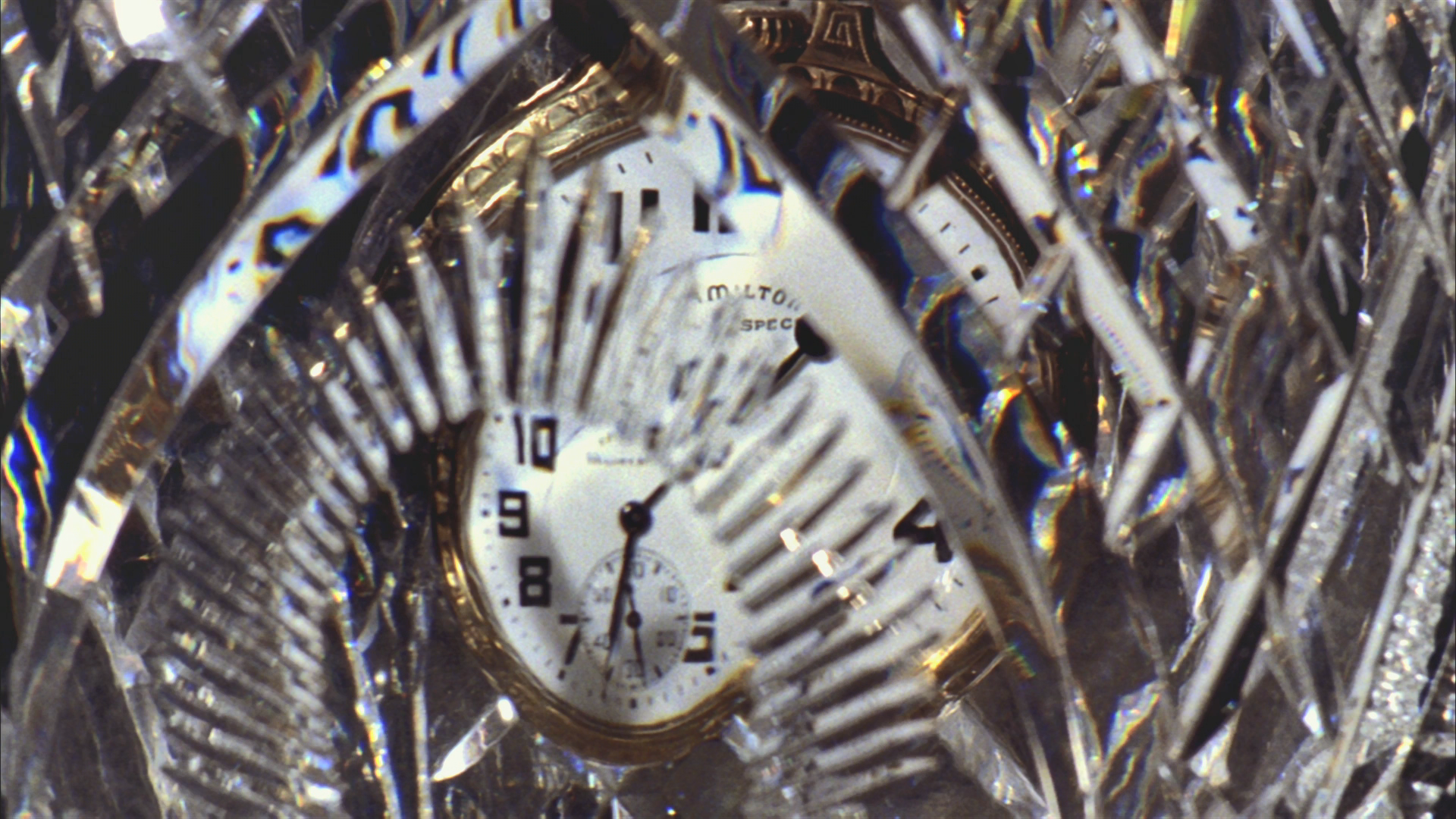
Scientists have created the first visible time crystals using light and liquid crystals, opening potential applications in anti-counterfeiting, data storage, and telecommunications. These crystals, which break symmetry in time and are visible under microscopes, could lead to innovative security features for currency and advanced technological uses.
Many professionals across various fields are integrating AI tools like ChatGPT into their daily work routines to enhance productivity, automate tasks, and generate creative and analytical outputs, though they remain cautious about AI's limitations and accuracy.
Generative AI is expanding beyond traditional uses like chatbots to offer innovative solutions across various fields. It can help build online brands, manage social media, clone voices, enhance oral hygiene with smart toothbrushes, assist in job applications, improve weather forecasting, develop perfumes, and even redecorate homes. These advancements demonstrate AI's growing versatility and potential to transform industries and everyday tasks.
Hulu is launching a new dating series called "Virgin Island," where attractive singles who claim to be virgins will seek romantic connections on an island resort. The 10-episode series, produced by ITV America and Plimsoll Productions, will feature dates, romantic activities, and unexpected twists. Applications are now open for U.S. residents aged 21 and over, with filming expected to take place outside the U.S. before August 2024.
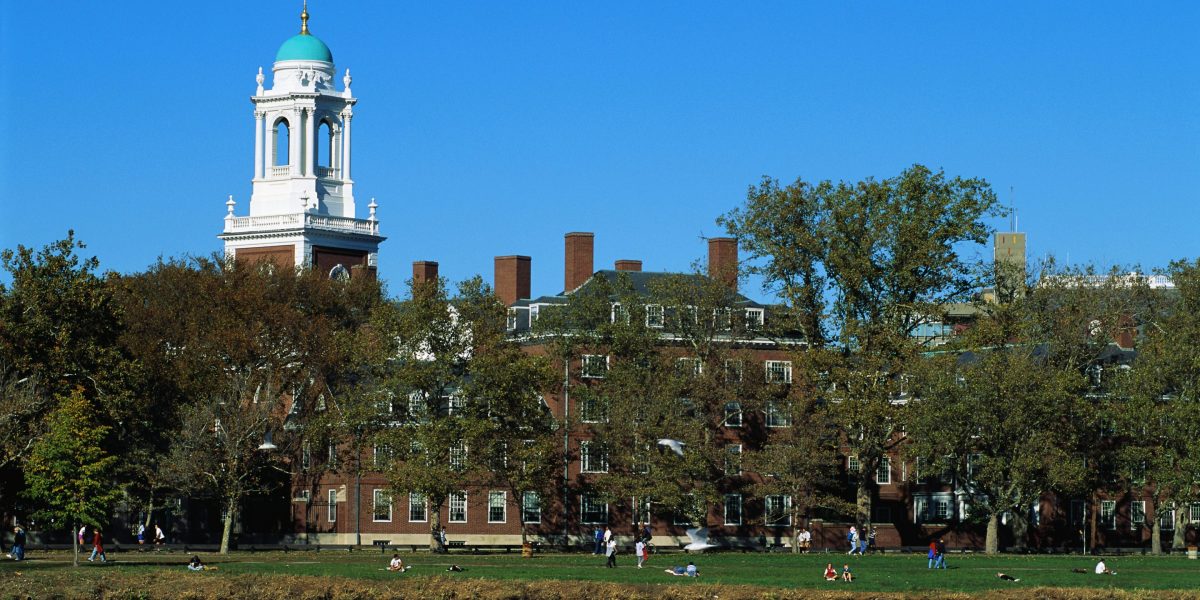
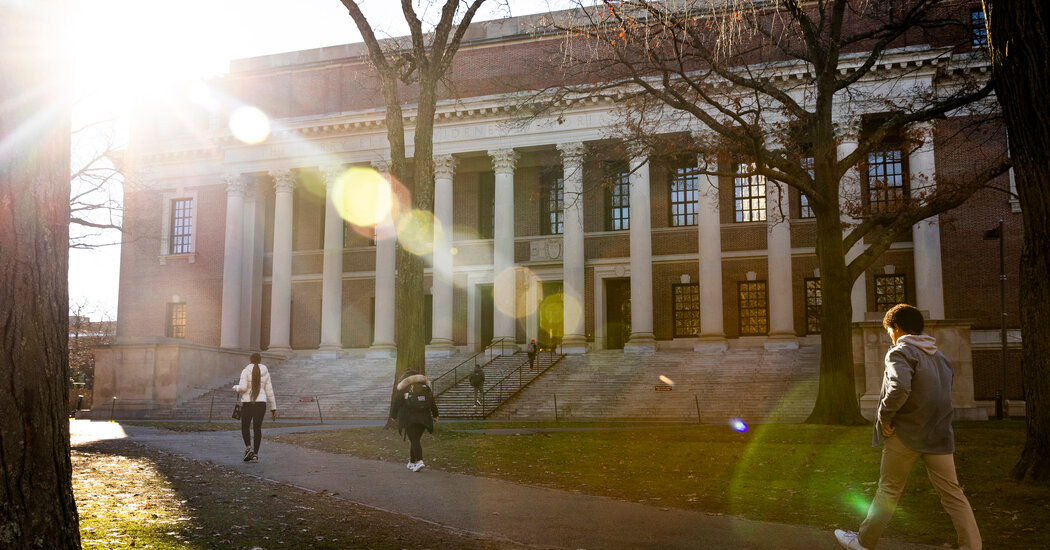
Harvard College saw a 5% decrease in applications for the upcoming freshman class, while rival universities like Yale, Duke, Dartmouth, and the University of Pennsylvania reported increases. The decline in applications to Harvard comes amid a period of turmoil, including the resignation of its president and a Supreme Court defeat. The admissions landscape is being closely watched after a Supreme Court ruling against Harvard and the University of North Carolina regarding race in admissions. Harvard disclosed data showing a 17% decline in non-binding early admissions, fueling concerns about the school's reputation. The school admitted 1,937 students for the upcoming class, with plans to provide full financial support to students from families with incomes of $85,000 or less.
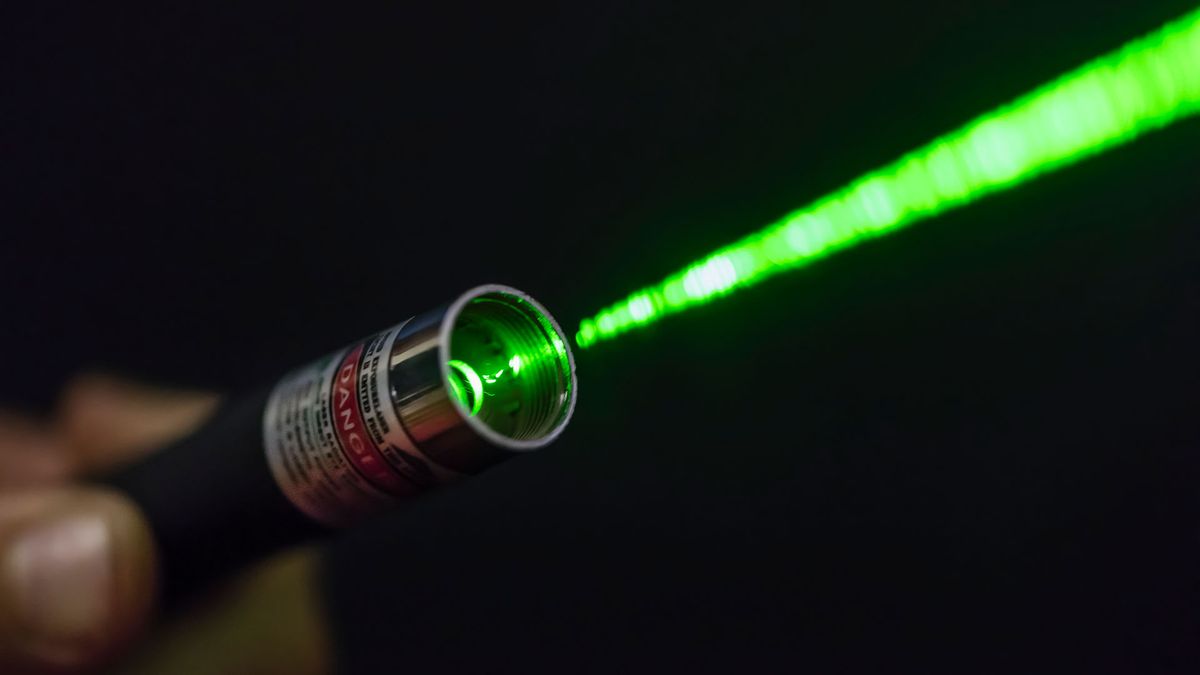
Lasers, which stand for "light amplification by sustained emission of radiation," work by making energetic particles vibrate in sync, emitting light waves with aligned peaks and troughs. First proposed by Albert Einstein in 1917, lasers have since become integral to modern technology, from eye surgery to internet connections. With potential applications in exoplanet imaging and data center miniaturization, the future of laser technology looks promising and limitless.
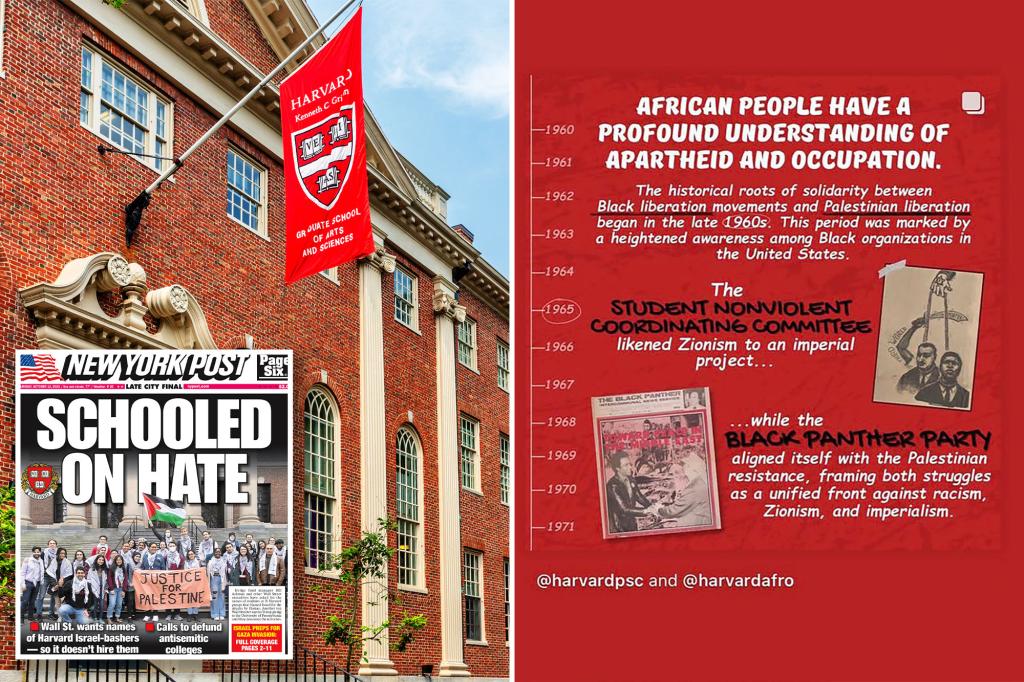
Undergraduate applications to Harvard University dropped by 5% this year, marking the fewest applications since 2020, amidst an antisemitism scandal and the end of affirmative action in higher education. The university has accepted 1,937 students to the class of 2028, with an admission rate of 3.58%, and emphasized the diverse talents and experiences of the incoming class.
Harvard College experienced a decrease in applications this year, while other highly selective schools, except for Brown University, saw a surge in applicants. The decline in Harvard's applications is speculated to be linked to a year of turmoil, including controversies and a historic Supreme Court decision on affirmative action. Despite this, the college remains optimistic about the talents and experiences of the incoming class.
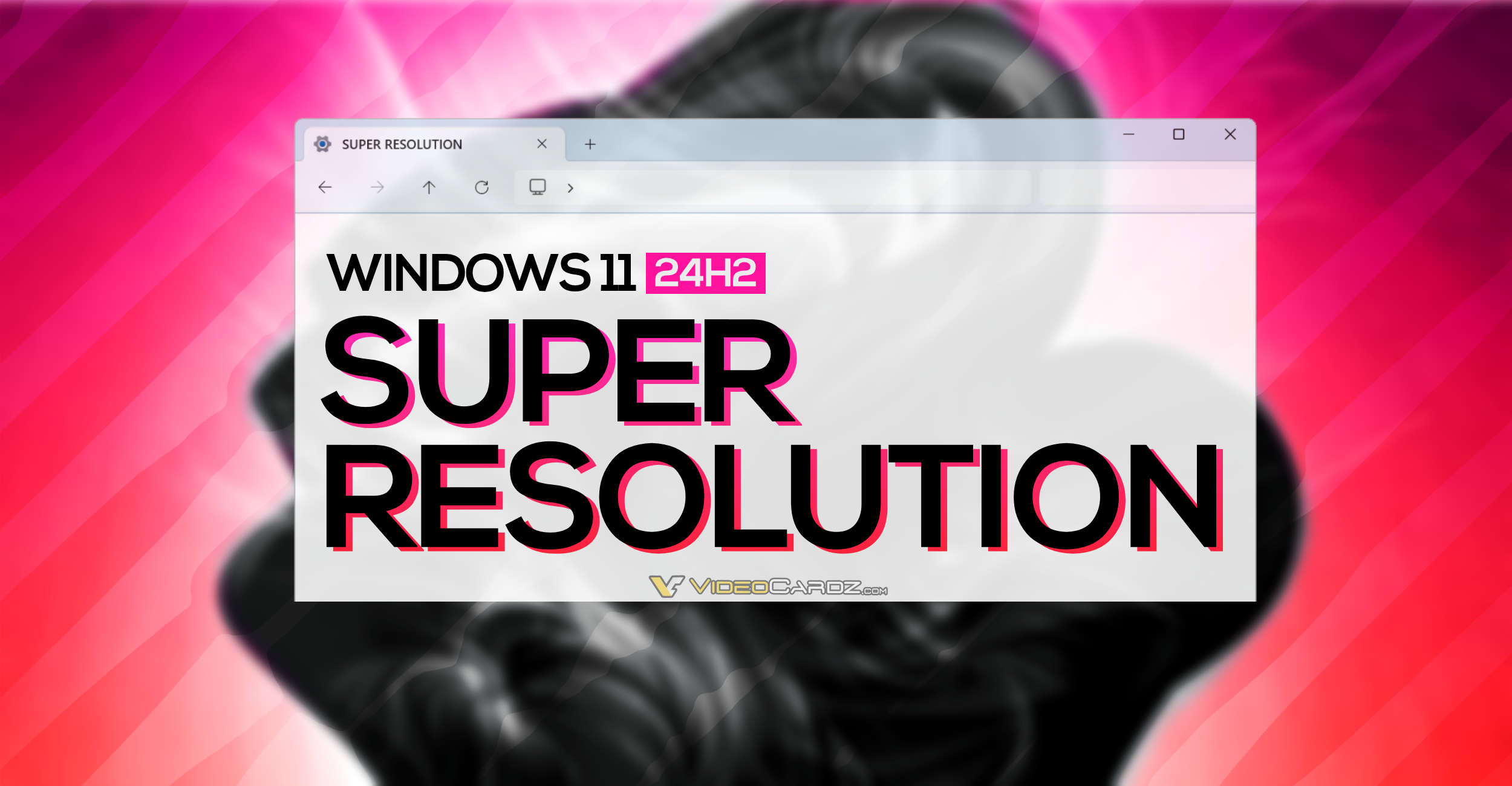
Microsoft is reportedly working on adding super resolution technology to Windows applications, as discovered within the Windows 11 insider build of 24H2 release. The feature, potentially named "Automatic Super Resolution," would allow users to enable upscaling technologies for applications and games, running on NPU/AI-cores and GPU tensor cores. This innovation could significantly enhance the visual experience for users, especially in media players and a broader spectrum of games, and is expected to be included in the Windows 11 24H2 build set to be released later this year.
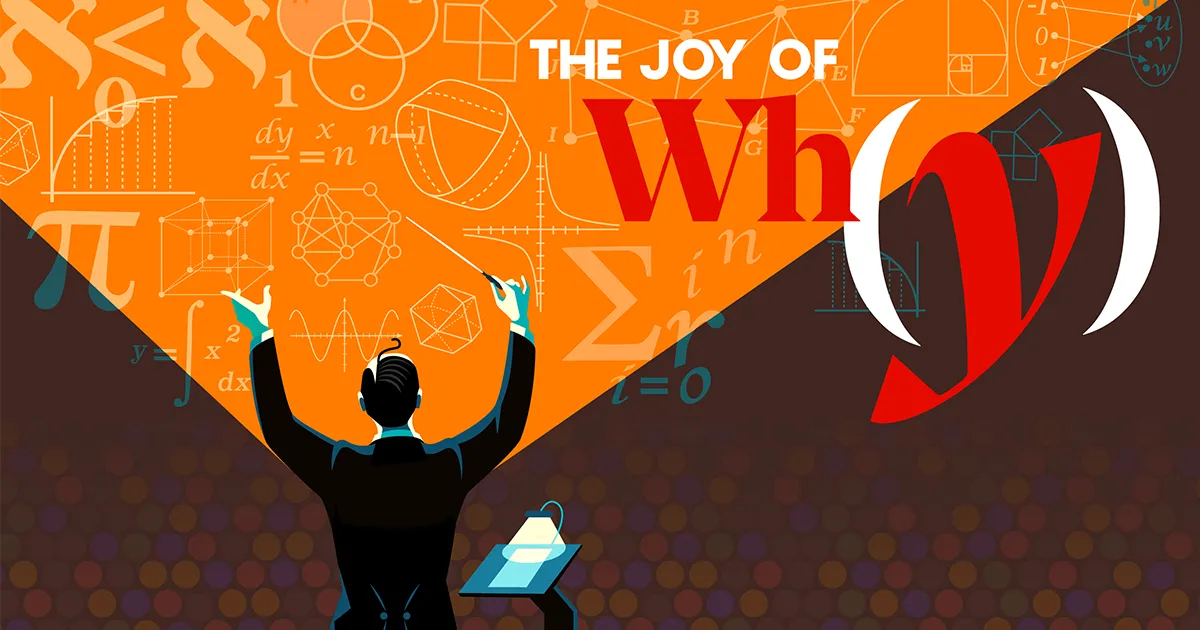
Mathematician Terence Tao revisits the question of what constitutes "good" mathematics in a podcast with Steven Strogatz, reflecting on the diverse values and approaches within the field. Tao emphasizes the convergence of different ideals toward a common objective of "good mathematics," highlighting the importance of grounding mathematical research and the interconnections between different areas of mathematics. He also discusses the philosophical belief that mathematics represents an objective reality waiting to be discovered, and the importance of embracing diverse insights and perspectives in the pursuit of mathematical knowledge.
CNBC's Jim Cramer reflects on the impact of generative artificial intelligence (AI) in various fields, including art, medicine, and productivity. While generative AI has its limitations, it excels in tasks that surpass human capabilities. Cramer highlights the potential of AI and warns of the increasing demand for semiconductors to meet the technology's growing applications.
Generative AI refers to machine-learning models that are trained to create new data rather than making predictions based on existing data. These models have become more complex and powerful over the years, thanks to advancements in deep-learning architectures and larger datasets. Generative AI has a wide range of applications, from creating synthetic image data for training computer vision models to designing novel protein structures. However, there are concerns about worker displacement, biases in training data, and potential copyright issues. Despite these challenges, generative AI has the potential to empower artists and change the economics in various disciplines. It could also be used in fabrication and the development of more generally intelligent AI agents.
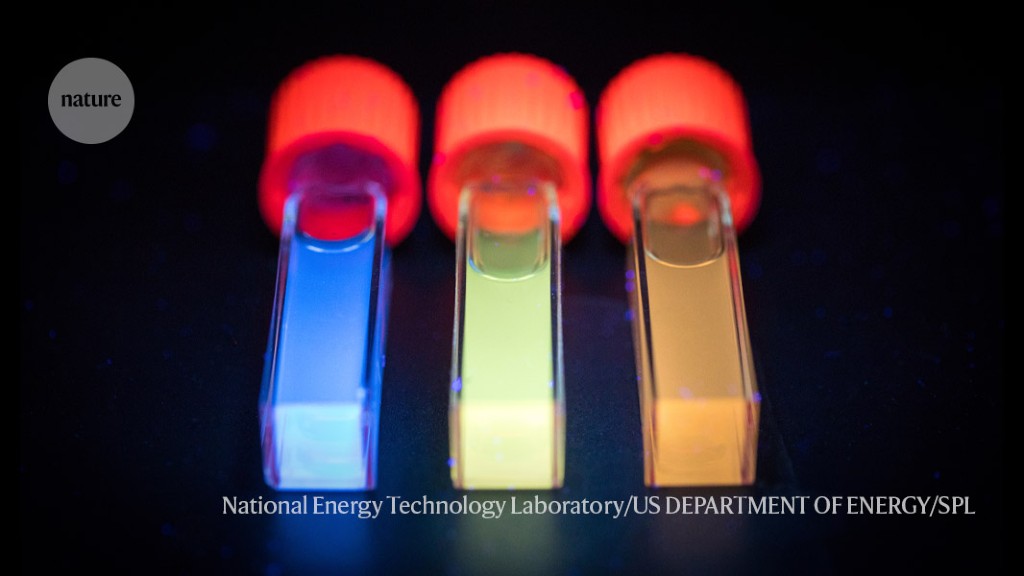
The unsung scientists behind the Nobel Prize in Chemistry for quantum dots, Moungi Bawendi, Louis Brus, and Alexei Ekimov, share their experiences and contributions to the groundbreaking research. Collaborators, postdoctoral fellows, and graduate students played a crucial role in realizing the vision of the Nobel laureates. The researchers developed a strategy to synthesize quantum dots in a controlled manner, leading to the understanding of their behavior and applications. Quantum dots have since found commercial use in various fields, including television displays, lighting, and medical diagnostics. Many of the scientists involved have gone on to connect their expertise with industry applications, while others continue to explore the quantum nature of optical excitations for potential advancements in quantum computing, sensing, and communication.