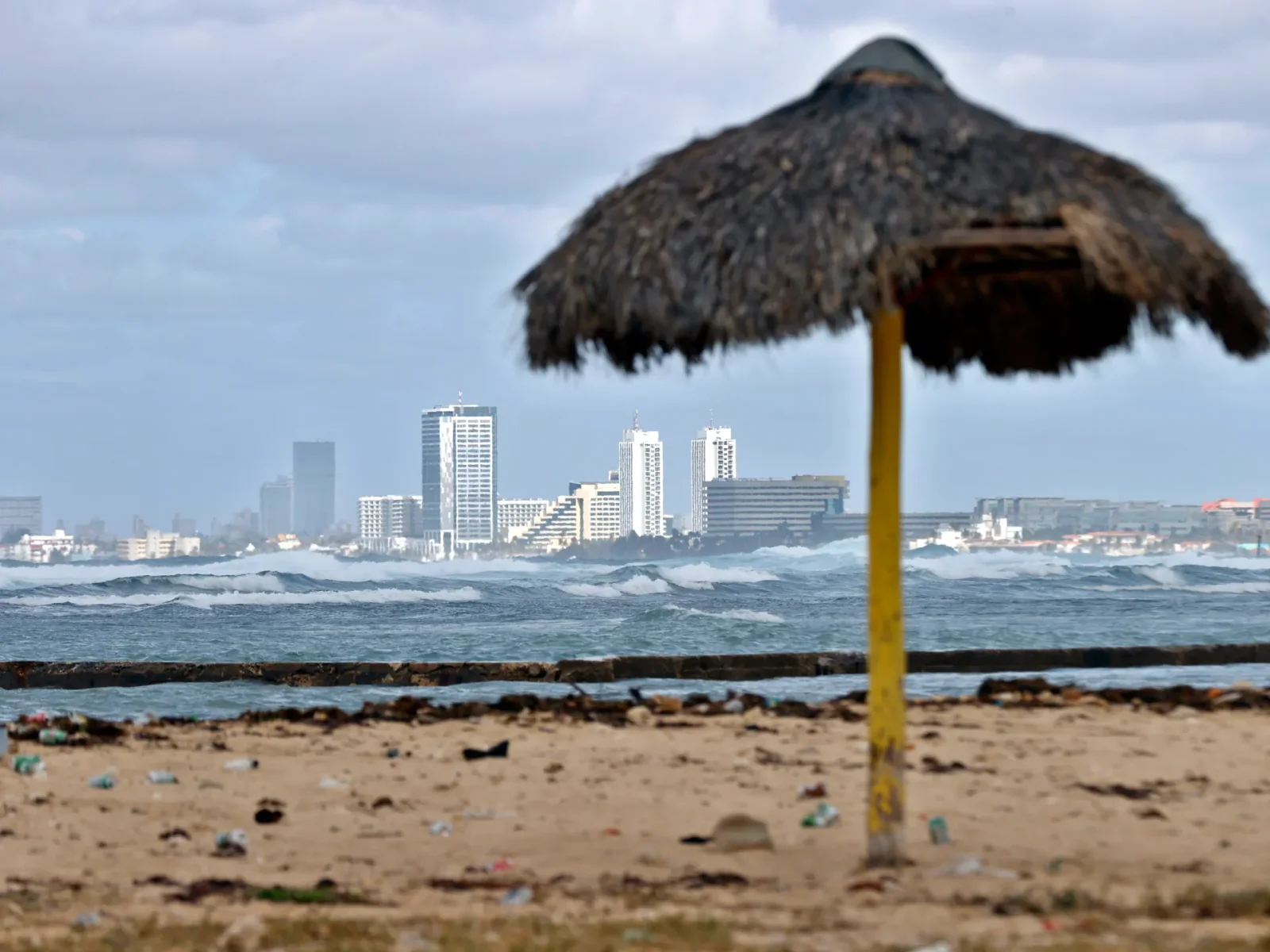
Cuban border patrol fired on a Florida-registered speedboat offshore Cayo Falcones, Villa Clara, killing four people after the vessel allegedly fired first; six crew members were injured and the identities of those aboard remain unknown as investigators review the incident amid ongoing U.S.-Cuba tensions.
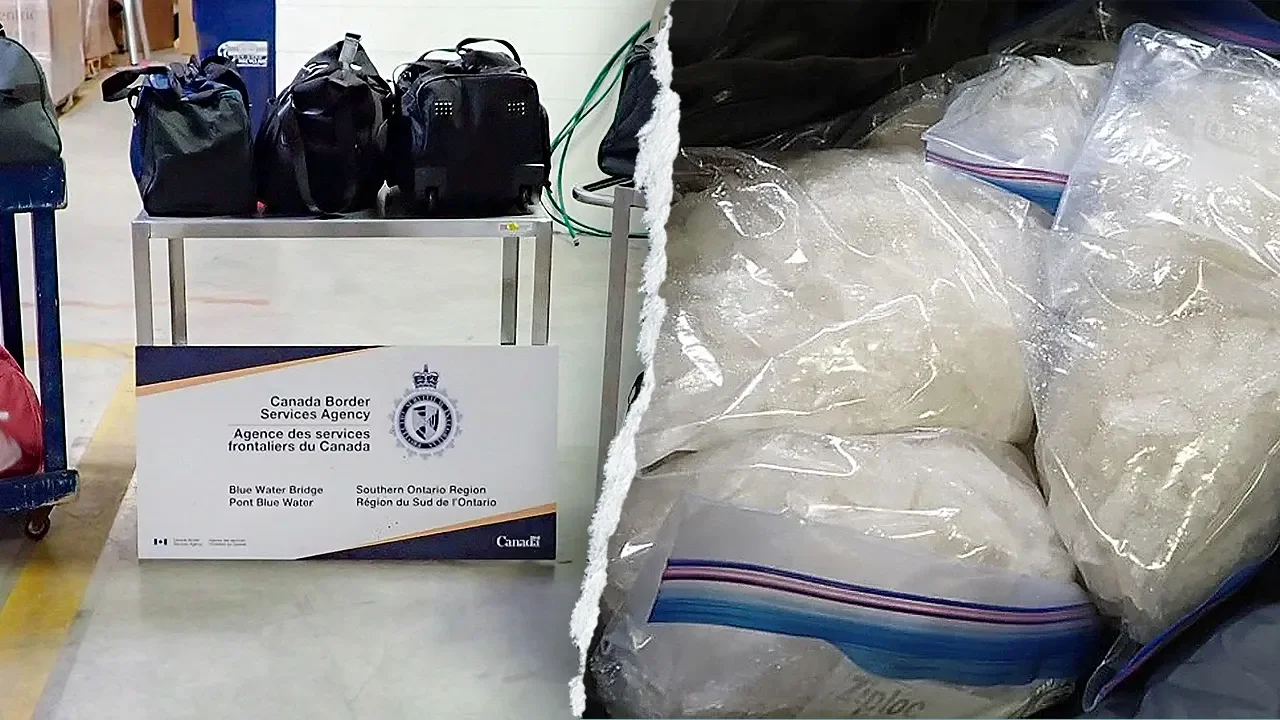
Canadian border officials seized about 266.4 kg (roughly 587 pounds) of suspected methamphetamine in 16 duffel bags at the Blue Water Bridge crossing from the U.S. on Feb. 4, 2026. A 29-year-old Canadian national, Kulbir Singh, was charged with importation and possession for trafficking.
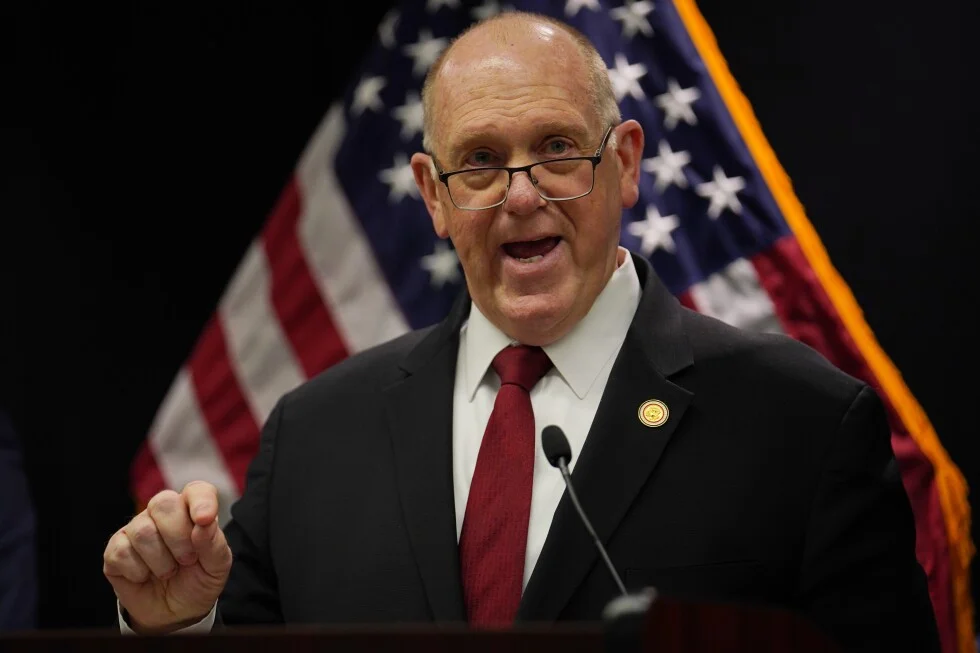
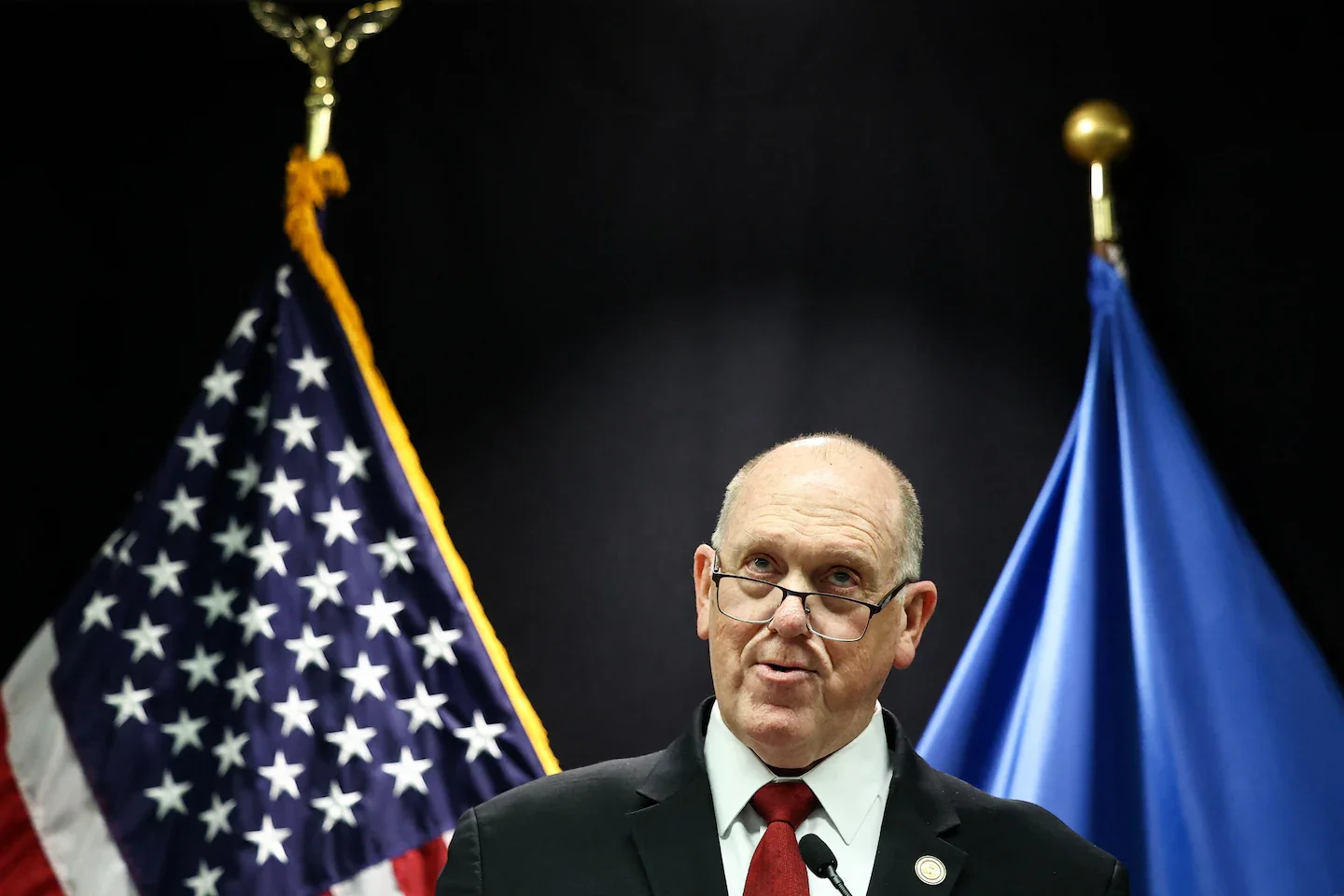
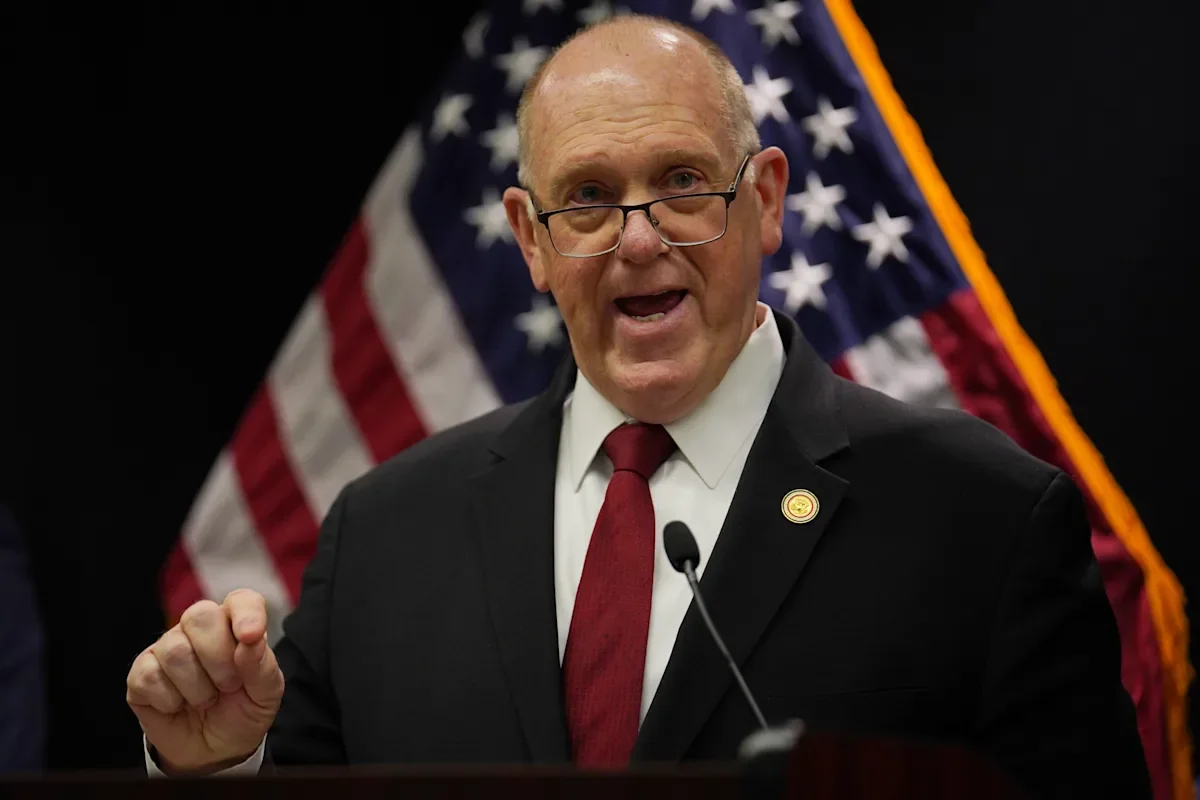
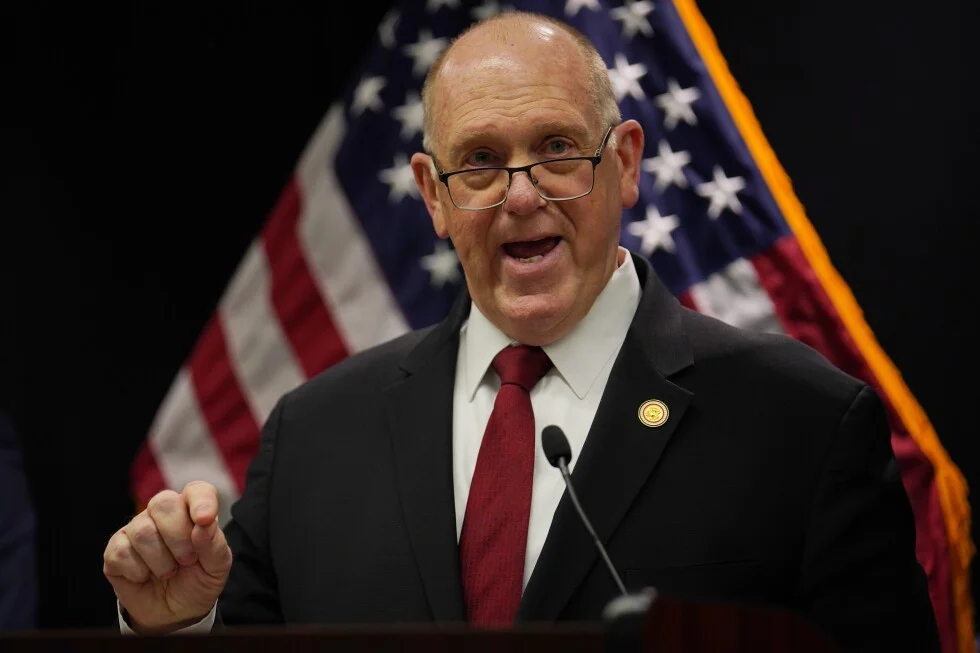
Trump’s border czar Tom Homan said a small federal security force will remain in Minnesota after a drawdown of enforcement, preserving a limited federal presence at the Bishop Whipple Federal Building in Minneapolis.
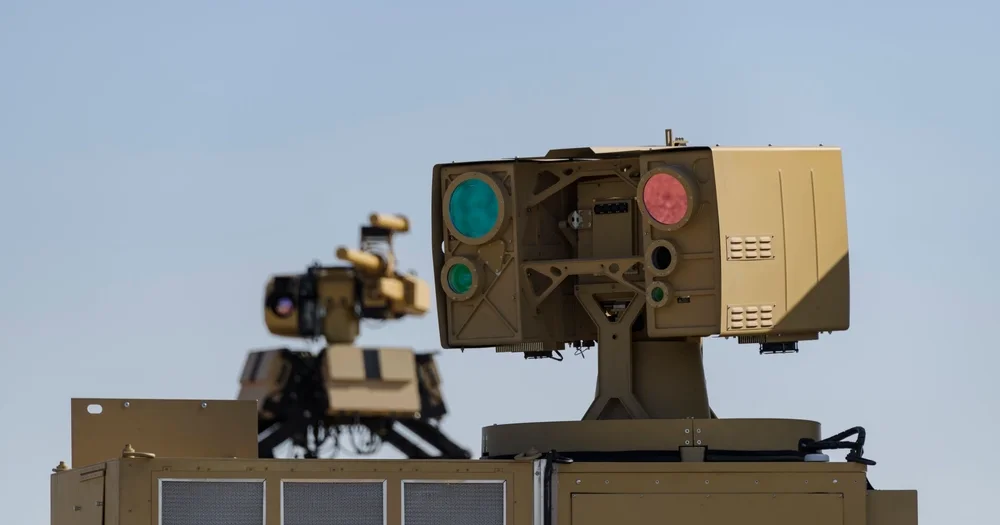
CBP briefly deployed a palletized high-energy laser trained by the military to counter drones near the southern border, despite FAA safety concerns; initial reports indicated the device may have struck a balloon rather than a drone, underscoring policy and safety debates as the government pursues a layered counter-drone approach within a broader homeland-security effort.
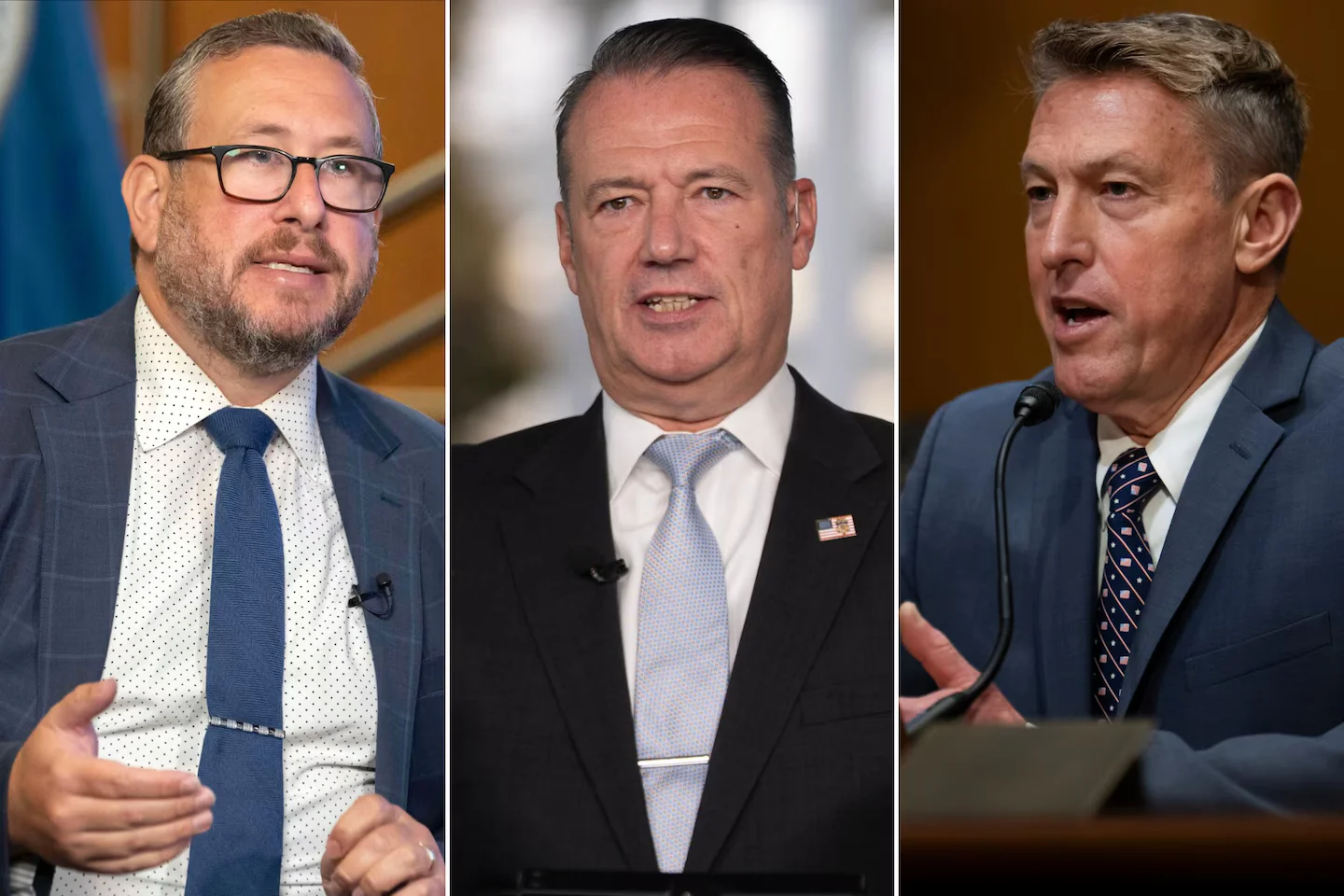
A House Homeland Security Committee hearing questioned Todd Lyons (acting ICE director), Rodney Scott (CBP commissioner) and Joseph Edlow (USCIS director) about immigration enforcement tactics amid scrutiny of the Minneapolis surge, marking the first such appearance before the panel since the start of Trump’s second term and following the deaths of Alex Pretti and Renée Good linked to federal immigration personnel.
Ondas' 4M Defense secured a $30 million multi-year demining contract along the Israel-Syria border, with an initial execution period of up to three years and options for extensions. The project covers about 741 acres in a historically contaminated border region and showcases a technology-driven, autonomous approach to land clearance, aiming to expand Ondas' end-to-end border-security capabilities and serve as a reference for future large-scale demining programs.
The first week of Rafah’s partial reopening saw far fewer Palestinians cross than expected, with about 12 per direction on opening day and a peak around 40 on the best day. Many Gaza medevac patients were blocked from returning to Gaza despite approvals. Gaza health officials say roughly 20,000 patients await medical travel, and about 1,000 have died waiting. Palestinians describe gruelling, multi‑step security checks at Egyptian, EU, and Israeli checkpoints, with reports of belongings confiscated and mistreatment; Israel denies mistreatment and says checks are coordinated with Egypt and the EU, while observers note the system is still being set up under existing agreements. Families reunite amid hardship, but many urge Gaza residents not to leave.
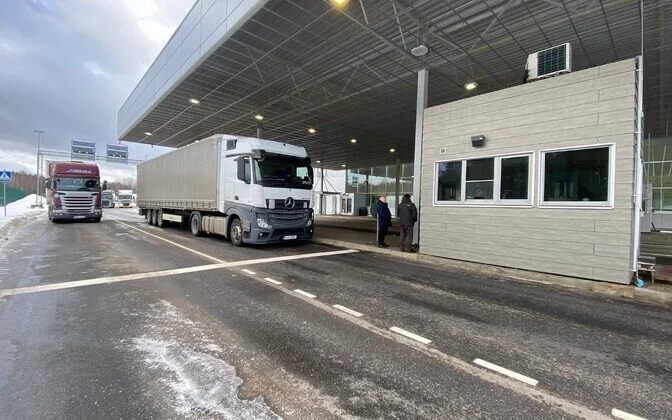
Estonia will shut the Luhamaa and Koidula road border crossings at night for three months from Feb. 24 to free resources for border security, with 12 hours of daytime operation and continued customs control toward Russia. The move comes after a pattern of incidents involving Russian border guards, including navigational buoy removals, airspace incursions, and armed personnel near Estonian territory, and follows a long-term drop in cross-border traffic since 2018 (Narva has been closed at night since 2024).
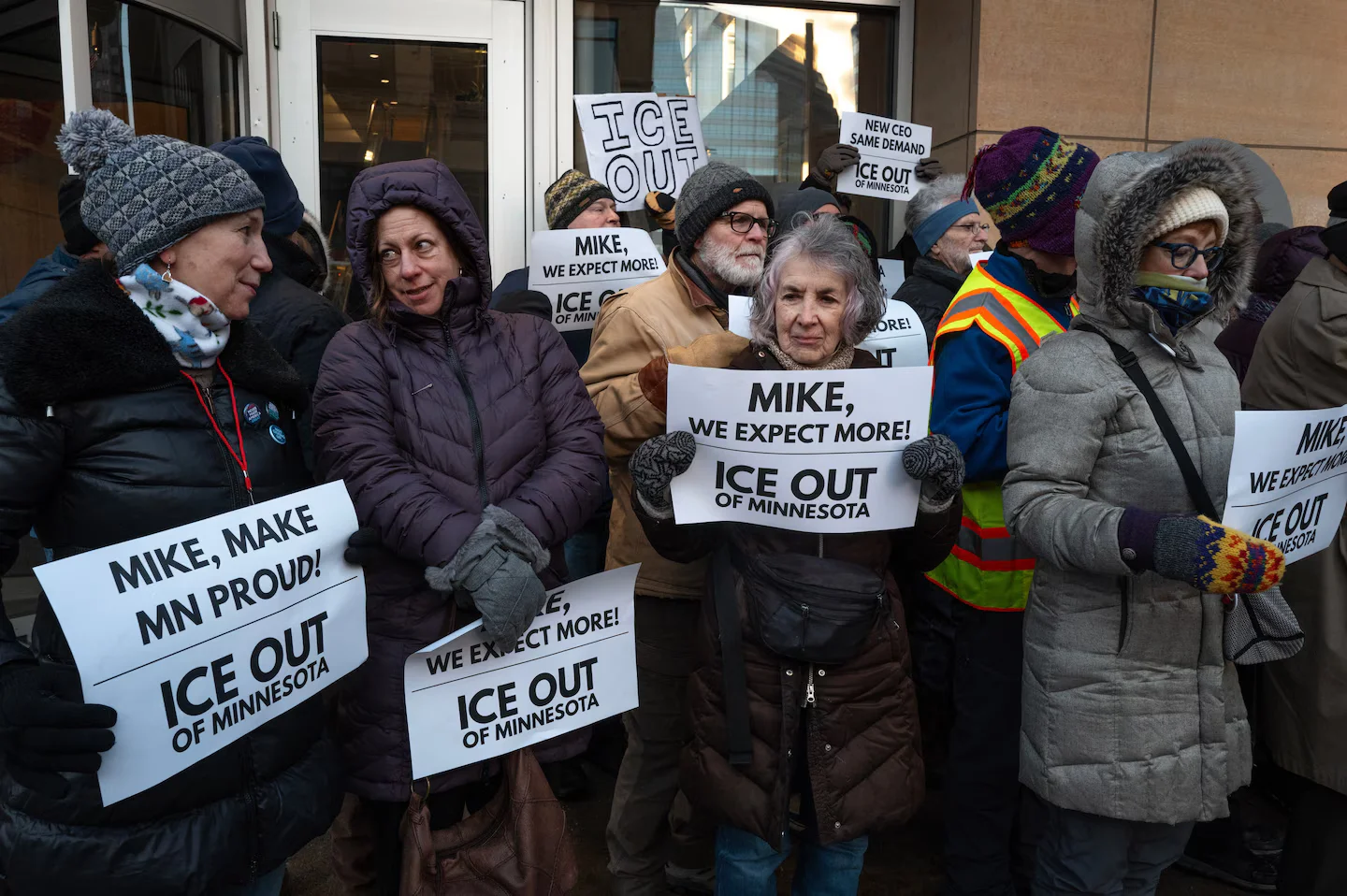
A Trump administration update reports about 700 federal agents will depart Minnesota, leaving roughly 2,000 on the ground. Trump says he supports a 'softer touch' on immigration while promising toughness on criminals, with Minnesota Gov. Walz demanding proof of impact. Senate Minority Leader Schumer says the drawdown is insufficient. This digest also covers other political developments, including a California court ruling on congressional maps and discussions around human trafficking and other national stories.
Border czar Tom Homan says 700 ICE and CBP officers will depart the Minneapolis area after weeks of violence and the fatal shootings of two U.S. citizens, marking a substantial pullback of DHS presence in Minnesota with the move taking effect immediately.
The Trump administration is pulling 700 federal immigration officers out of Minnesota immediately—about a quarter of the state’s total—leaving roughly 2,000 still on duty as local officials continue to cooperate. DHS says the operation has been successful and will continue with fewer officers, while Democratic leaders press for a faster end to the surge and lawsuits challenge enforcement near schools.
Tom Homan, the Trump administration’s border czar, announced at a Minneapolis news conference — his first in the city after fatal shootings by federal law enforcement — that 700 immigration officers will immediately depart Minnesota.
The Bay Area host committee told local officials that ICE has no planned immigration enforcement operations at Super Bowl LX, with NFL security and federal/local law enforcement coordinating security protocols for the game.
Federal immigration officers in Minneapolis will start wearing body cameras immediately, with a nationwide rollout planned as funding allows. The move follows two fatal shootings in the metro area captured by bystanders and is framed by DHS as a transparency effort, though coverage with body cameras varies across agencies (ICE/CBP have thousands of other cameras).
Democrats are shifting to embrace immigration and border-security messaging as a potential midterm lever, arguing Trump’s aggressive agenda has shifted public sentiment and a unified stance—focused on accountability for ICE and measured reform—could win back Latino voters and help swing House and Senate races. The challenge is crafting a cohesive message, avoiding past pitfalls, and aligning it with DHS funding fights and the broader political battlefield ahead.