Image-stabilized binoculars significantly enhance stargazing by providing shake-free views, making them ideal for observing deep space objects, wildlife, and for travelers. They are especially useful for beginners and those without telescopes, though they tend to be more expensive and heavier due to their stabilization systems. High-quality models from brands like Canon, Fujifilm, and Nikon offer varying degrees of stabilization and magnification, catering to different needs and budgets.
Advancements in AR lens technology, specifically geometric reflective waveguides embedded in glass, are making smart glasses lighter, more efficient, and more practical for everyday use, bringing augmented reality closer to mainstream adoption.
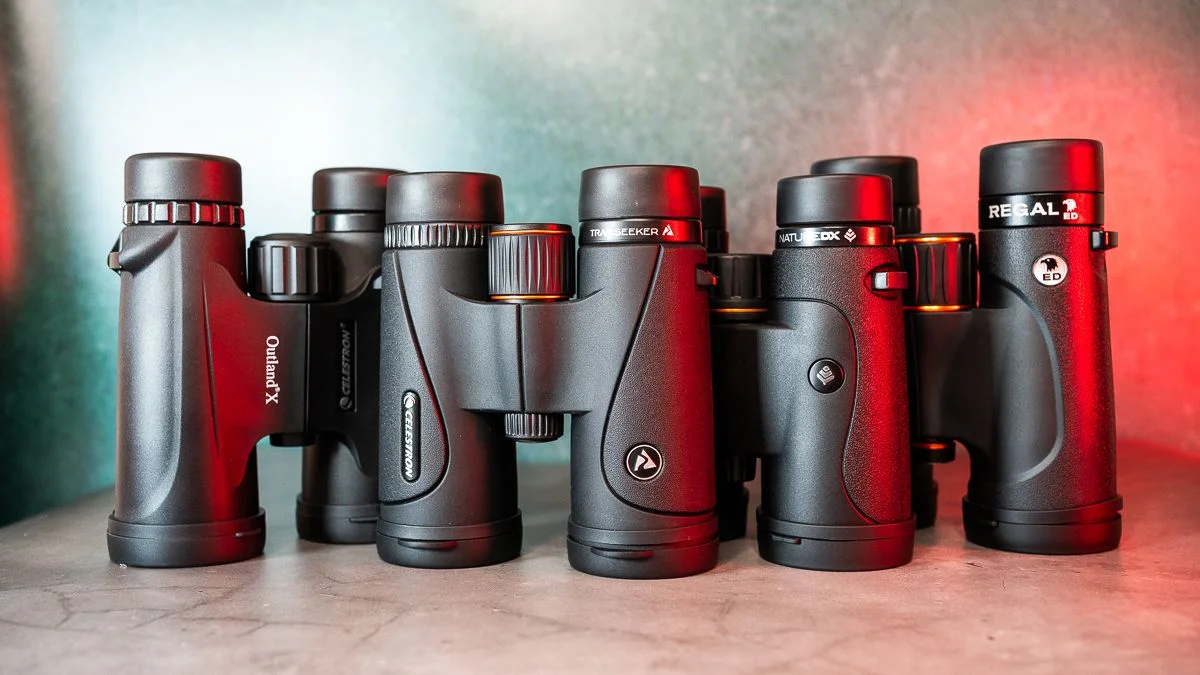
The article compares six models of Celestron's 10x42 binoculars, ranging from budget to premium, highlighting differences in coatings, glass quality, build materials, and performance, with the Regal ED emerging as the top choice for serious birders and stargazers due to its edge-to-edge sharpness and advanced features.
Advancements in AR lens technology, specifically geometric reflective waveguides embedded in glass, are making smart glasses lighter, brighter, and more practical, bringing us closer to seamless, everyday augmented reality experiences.
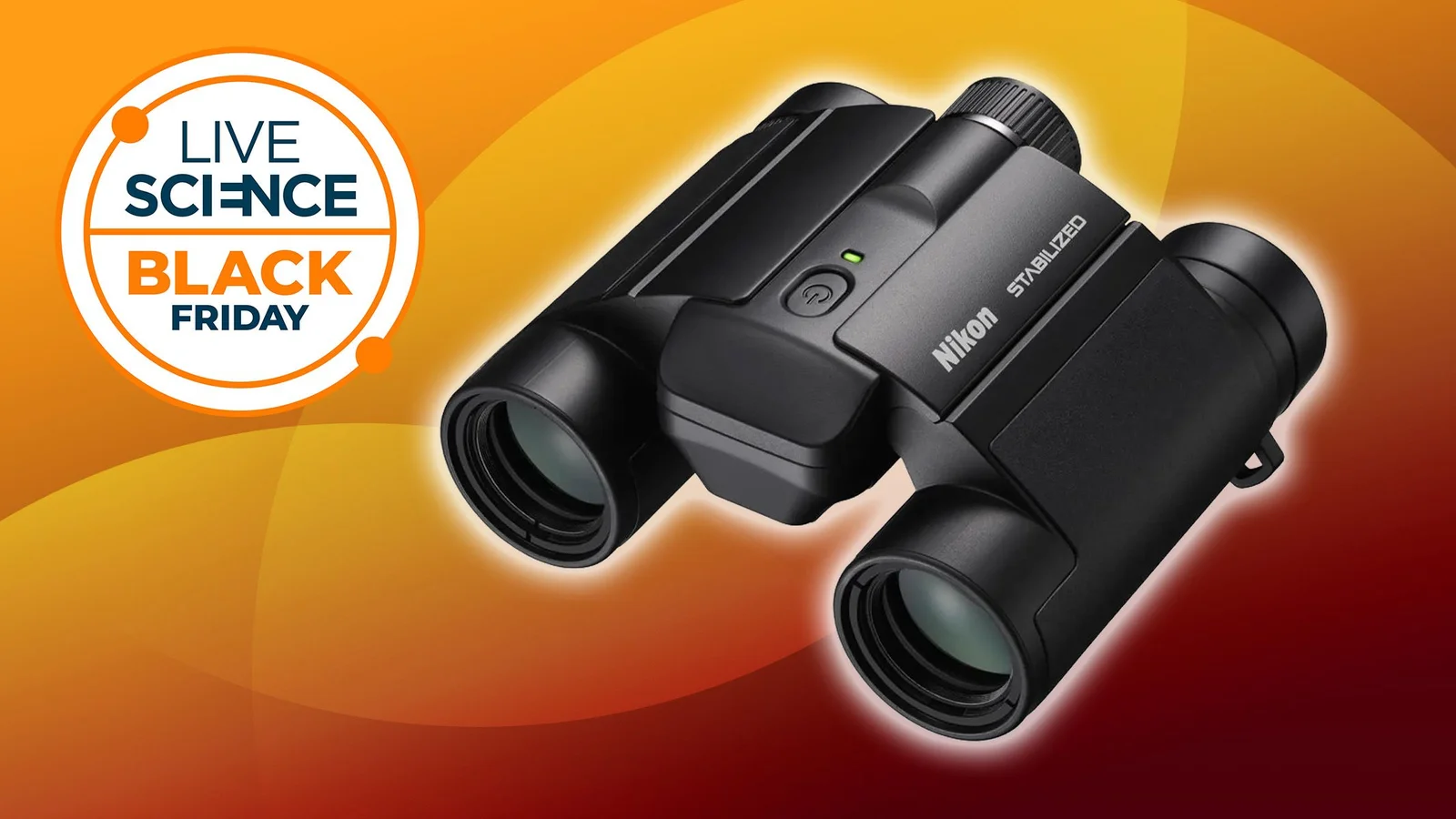
Nikon's 12x25 S image-stabilized binoculars are highly praised for their compact size, lightweight design, and effective stabilization, making them ideal for wildlife watching and stargazing. Currently discounted for Black Friday, they offer excellent value despite some minor optical compromises.
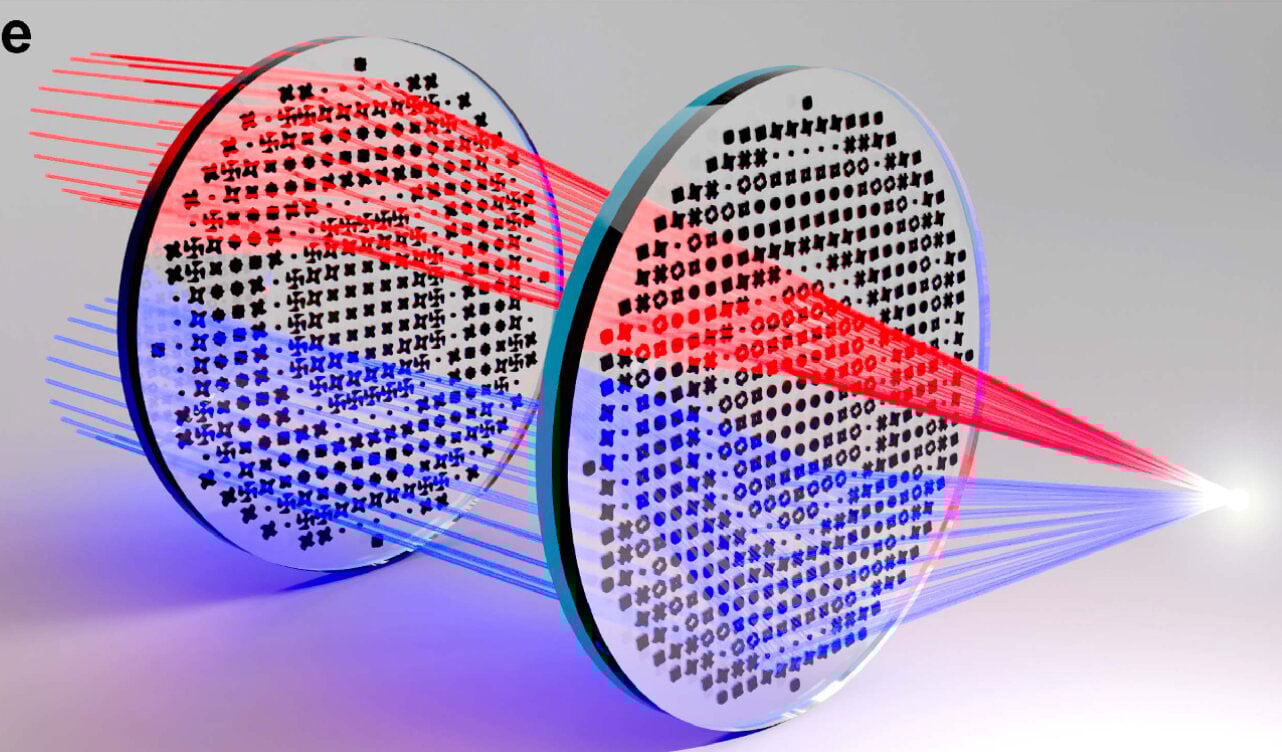
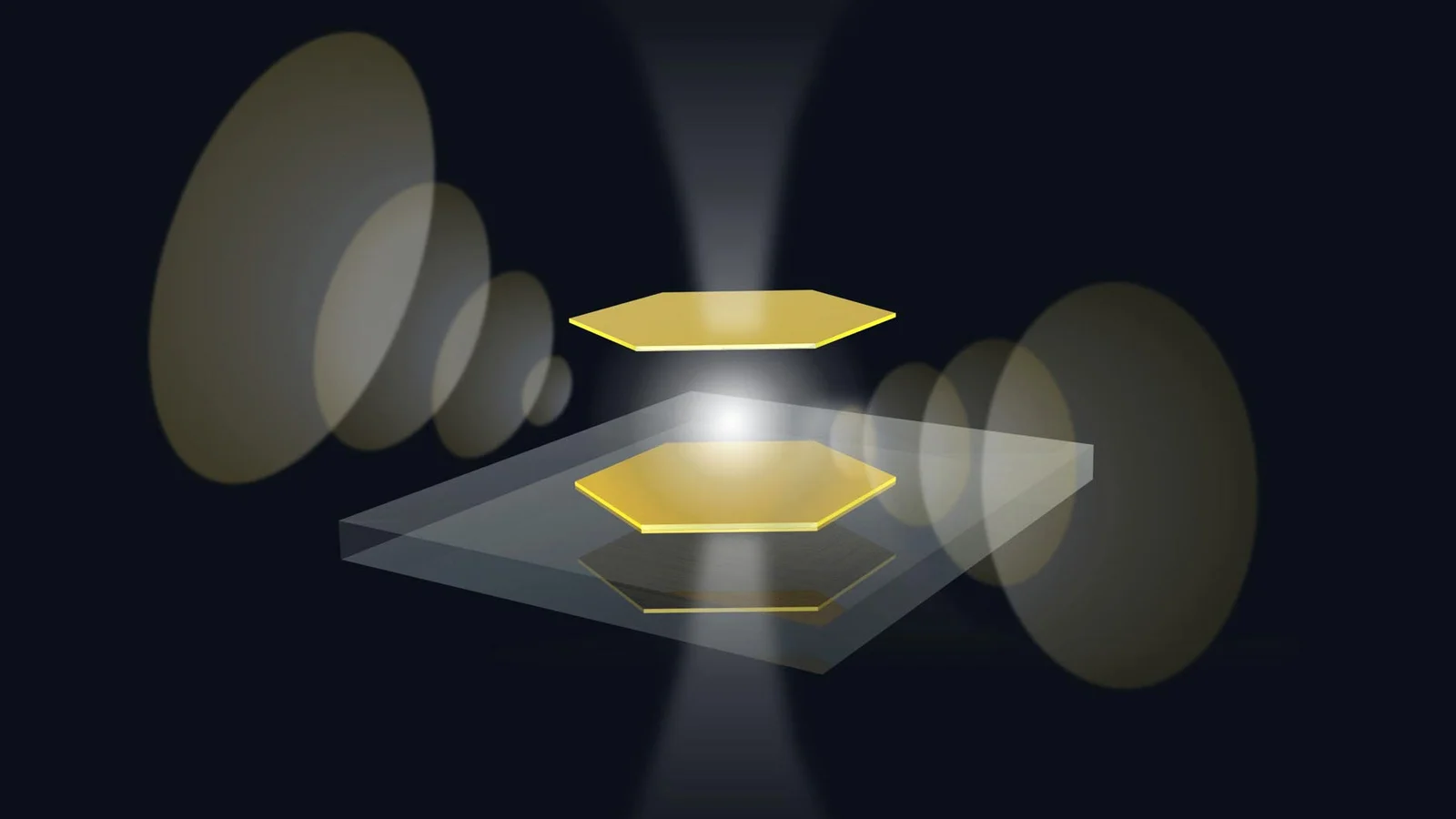
Researchers have developed layered multicolor metalenses using stacked metamaterials that can focus multiple wavelengths simultaneously, overcoming the limitations of single-layer lenses. This innovative design is easy to manufacture, polarization insensitive, and scalable, with potential applications in compact, high-performance optical devices for drones, smartphones, and other portable technologies.
Researchers have developed a new ultra-thin, tunable optical device inspired by butterfly wings, enabling dynamic control of nonlinear optical processes at visible wavelengths, with potential applications in camouflage, biosensing, and quantum computing.
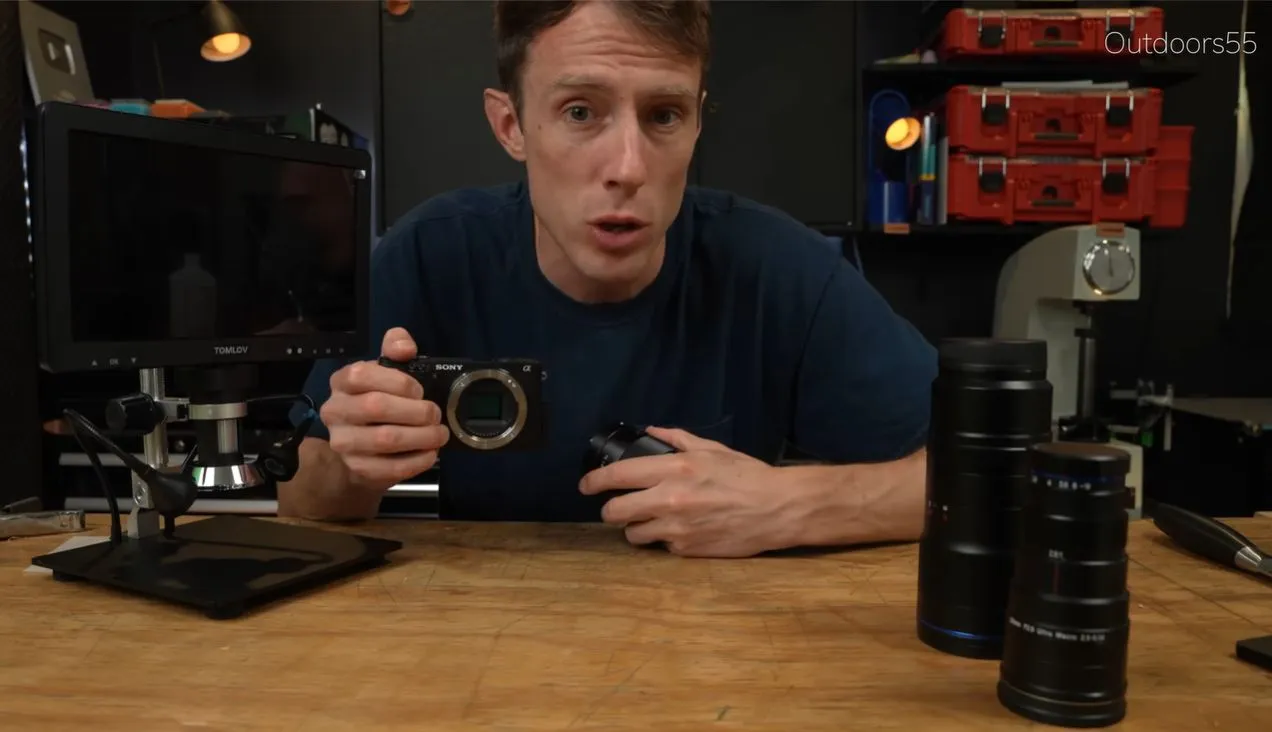
Cheap digital microscopes, like the Tomlov DM9, often overstate their capabilities, especially in magnification and image quality, due to fundamental physics limitations. They have small sensors and limited depth of field, making their images less detailed compared to higher-end macro lenses on larger sensors. While they may be sufficient for casual use, their performance is significantly inferior to more expensive equipment, and their advertised specifications can be misleading.
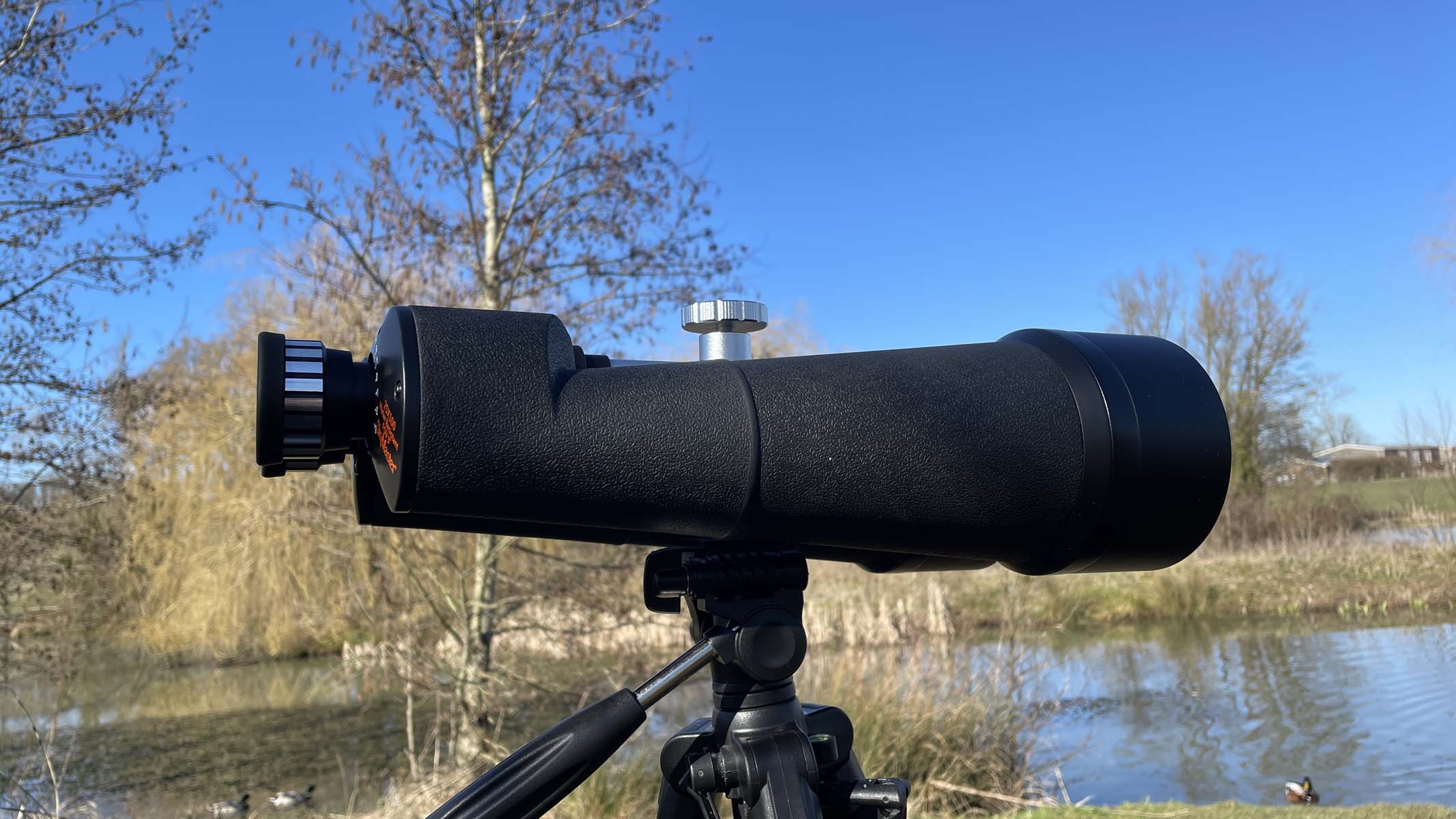
The Celestron SkyMaster 25x100 binoculars offer impressive, detailed views of the night sky, especially when mounted on a sturdy tripod due to their weight, with high-quality BaK-4 prisms and large objective lenses, making them excellent for stargazing and lunar observation despite some handling and stability challenges.
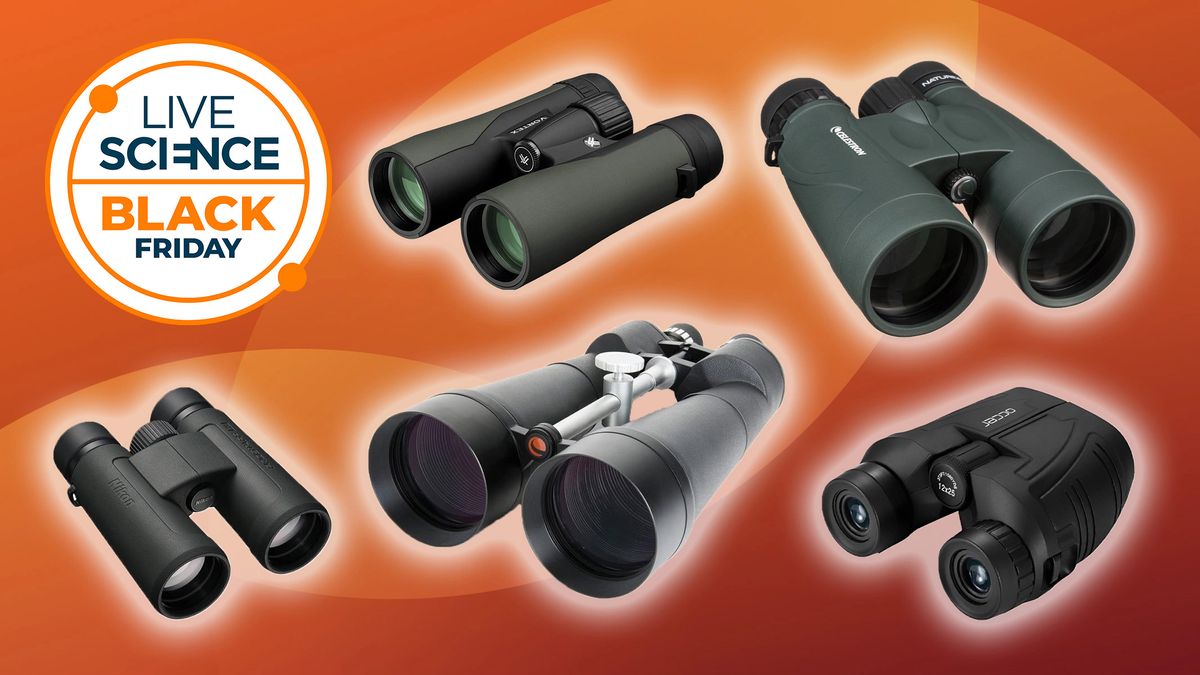
The article highlights the best Black Friday deals on binoculars for 2024, featuring significant discounts on popular models like the Celestron SkyMaster Pro, Vortex Optics Crossfire HD, and Nikon Prostaff. It also mentions a broader range of deals on other products such as air purifiers, electric toothbrushes, and telescopes, available in their Black Friday deals hub. The article is authored by Kimberley Lane, an experienced e-commerce writer and photographer.
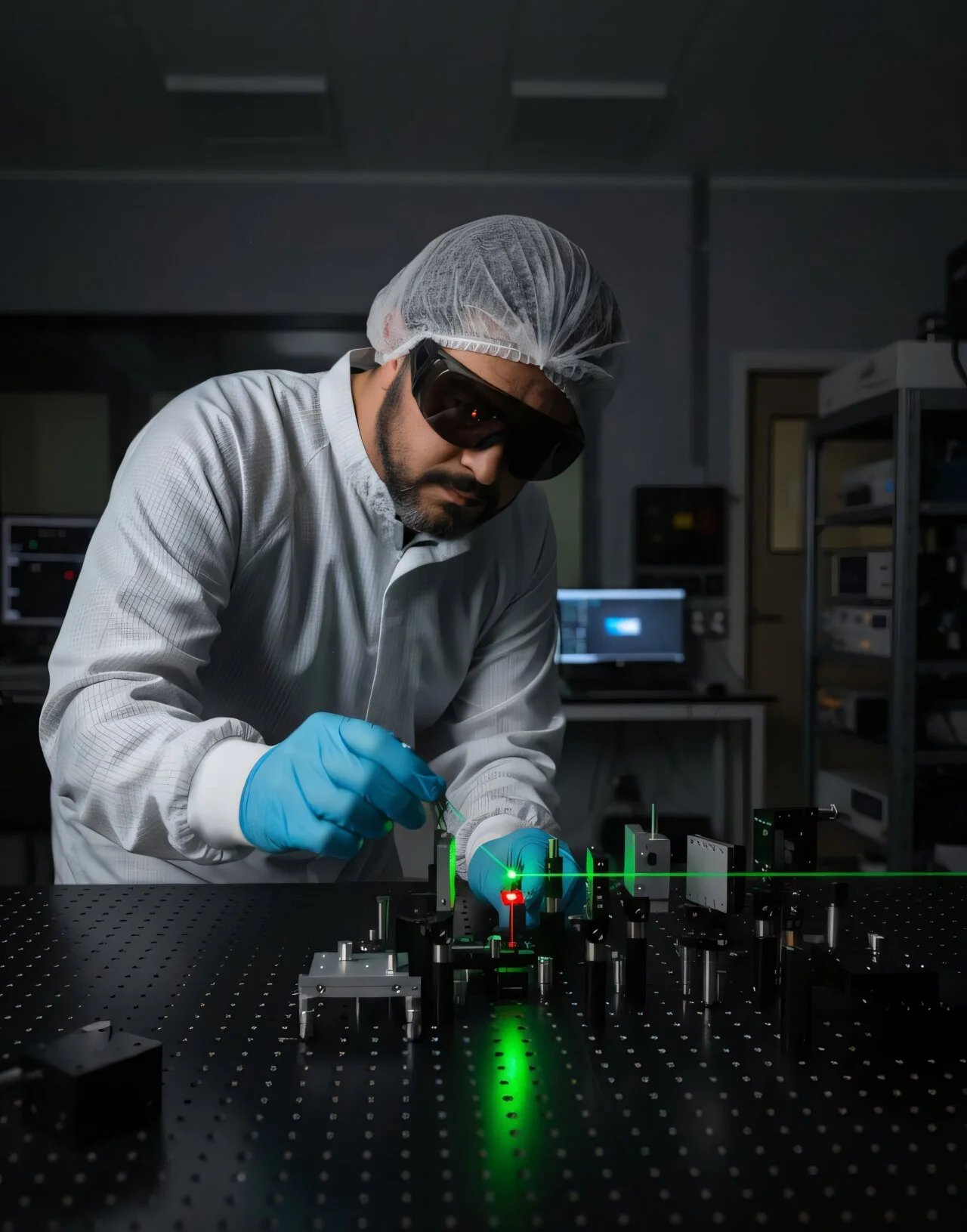
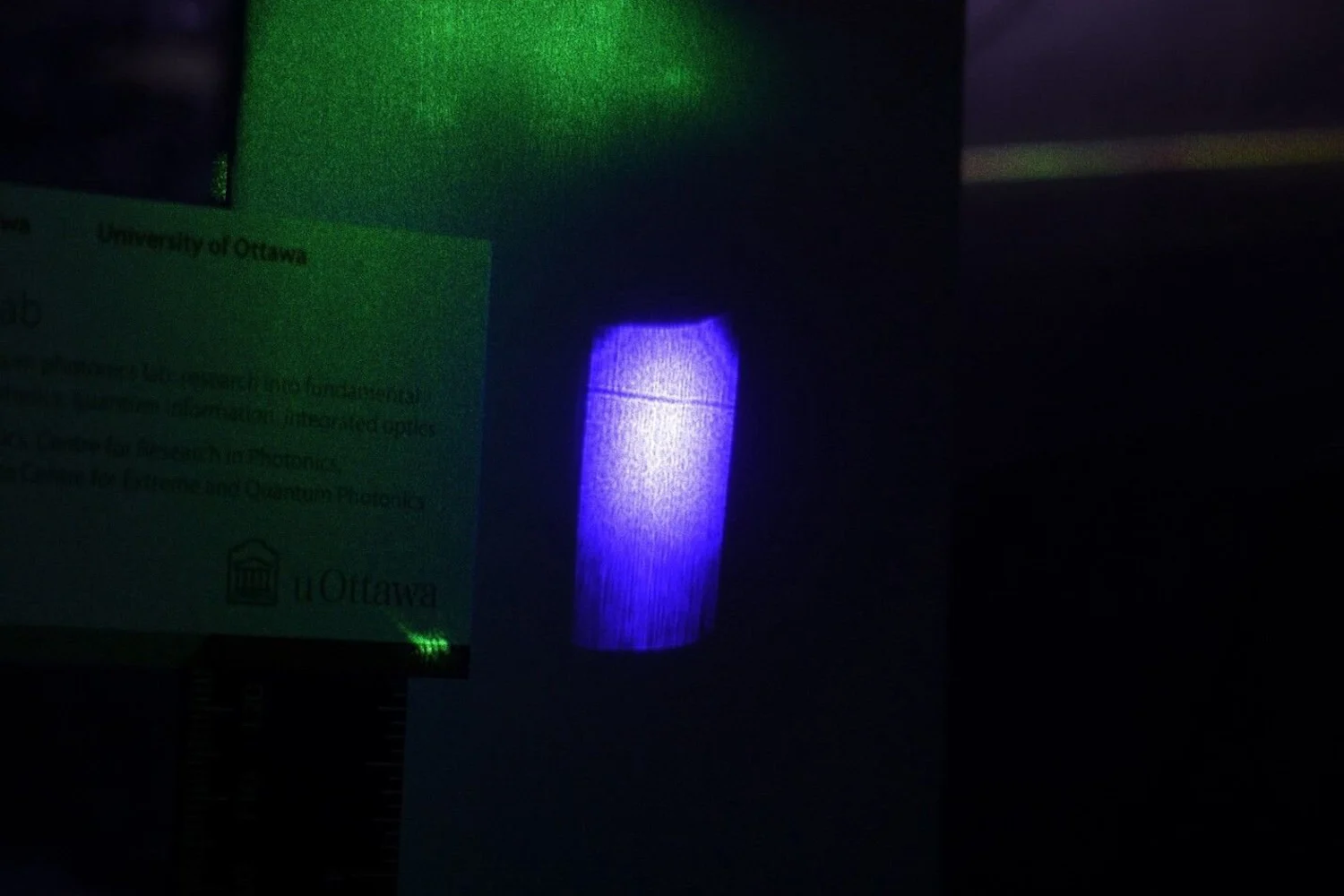
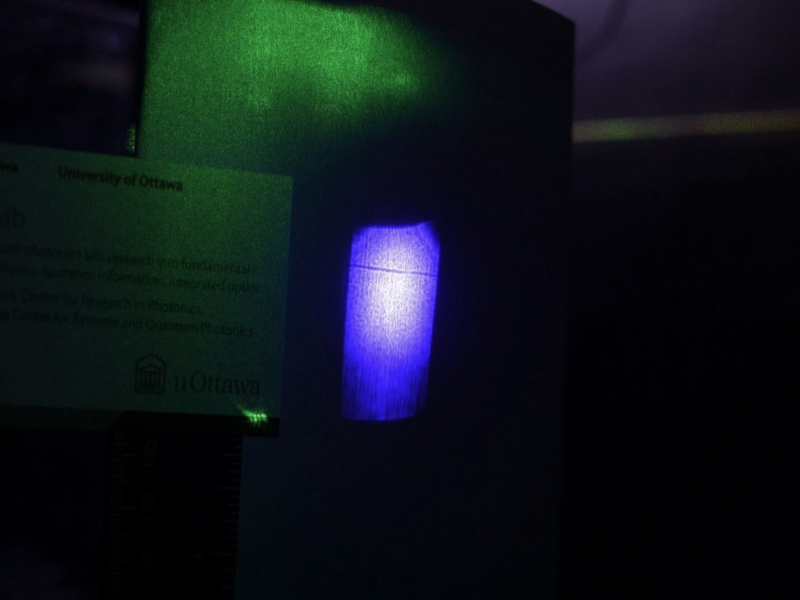
Scientists have demonstrated that lasers can cast shadows, a phenomenon previously thought impossible, by using a green laser to block a blue laser in a ruby crystal. This discovery, published in Optica, challenges traditional notions of shadows and could impact technologies using lasers, like fiber optics. The experiment raises questions about whether the shadow is cast by the laser itself or the ruby crystal, expanding possibilities for laser control.
New research demonstrates that a laser beam can cast a shadow under specific conditions using a ruby crystal and certain laser wavelengths. This occurs when a green laser alters the crystal's properties, increasing its absorption of a blue laser beam and creating a shadow effect. This phenomenon could have potential applications in using one laser to control another.
Scientists at Brookhaven National Laboratory have discovered that a narrow green laser beam can cast a shadow when passed through a larger blue laser beam inside a ruby crystal, challenging conventional understanding of light interactions. This phenomenon, attributed to optical nonlinear absorption, could lead to new applications in optical switching and light transmission control. The research, published in Optica, opens up possibilities for further exploration of light-matter interactions using different wavelengths and materials.
Scientists have discovered that laser beams can cast their own shadows under certain conditions, challenging traditional notions of shadows. This phenomenon was observed when a green laser beam blocked blue light in a ruby crystal, creating a visible shadow. The discovery, which arose from a quirk in 3D modeling, highlights new possibilities in light-matter interactions and could have applications in optical technologies.
Researchers have discovered that under certain conditions, a laser beam can cast a shadow, challenging traditional understandings of light and shadow. By directing a high-power green laser through a ruby crystal and illuminating it with a blue laser, the green laser increased the optical absorption of the blue light, creating a visible shadow. This finding, published in Optica, opens new possibilities for technologies that use laser beams to control other light sources, such as optical switching and precise light transmission control.