The article discusses how the AI boom is driving demand for infrastructure and energy solutions, highlighting stocks like Modine Manufacturing, bitcoin-mining companies, Williams, ProPetro, and utilities like Constellation Energy, which are positioned to benefit from the increasing power needs of advanced chips and data centers.
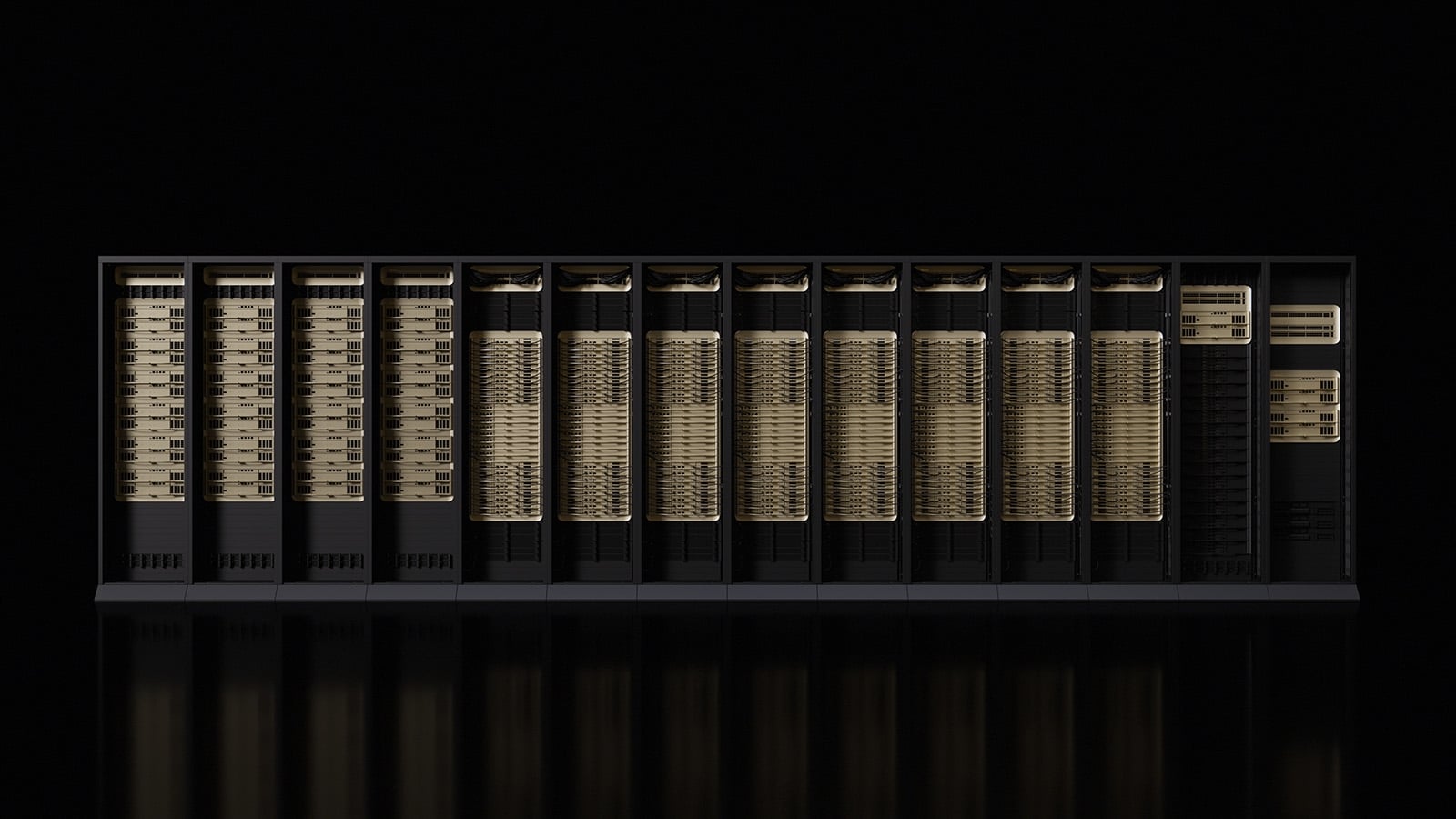
NVIDIA announced the Rubin platform, a new AI supercomputer built with six innovative chips designed to significantly reduce training time and inference costs, support agentic AI, and enable large-scale AI deployments, with major industry and cloud partners adopting the technology by 2026.
The article discusses the potential for a strong 2025 performance in the chip industry, but warns that upcoming earnings reports could pose a challenge, as indicated by chart analysis.
Apple is expected to announce a second-generation HomePod mini with upgraded chips (likely S9 or S10), support for Wi-Fi 6E, potential Ultra Wideband integration, new color options, and a focus on Apple's smart home ecosystem, with a launch imminent amid inventory changes.
Nexperia chips are resuming shipments to Europe after China eased export restrictions, providing short-term relief to the European auto industry, though supply chain risks persist due to unresolved disputes and US-China tensions.
China is expected to lift its ban on chip exports to European carmakers following a recent US-China deal, easing a dispute that threatened to disrupt European and Japanese car production. The deal includes a one-year delay in US export controls on Chinese companies like Wingtech, which owns Nexperia, a key chip supplier. This development is seen as a positive step towards restoring supply chains and stabilizing the global automotive industry.
OpenAI plans to design and deploy its own chips in partnership with Broadcom starting next year, aiming to build a significant AI hardware ecosystem and power large-scale data centers, supplementing its existing agreements with Nvidia and AMD.
Intel announced its next-generation Core Ultra Series 3 CPUs with significant performance and efficiency improvements, aiming to compete with Qualcomm and Apple. Meanwhile, Apple is expected to unveil new iPads and MacBooks, possibly featuring the new M5 chip, along with other hardware updates, in an upcoming October event. Additionally, Sony hinted at a potential PlayStation 6 release in the coming years.
Microsoft Azure has deployed its first major cluster of Nvidia chips, enhancing its cloud computing capabilities with advanced hardware for AI and data processing.
Intel's stock (INTC) declined despite unveiling new chips based on its most advanced technology, indicating market skepticism or other external factors affecting investor confidence.
China has blacklisted TechInsights, a Canadian research firm that exposed Huawei's AI chip secrets and reliance on foreign components, citing activities deemed against China's interests, including alleged military-technical cooperation with Taiwan and malicious remarks. This move restricts TechInsights from doing business in China and adds other foreign entities to China's Unreliable Entity list.
The article discusses Oracle's internal data revealing financial challenges related to renting out Nvidia chips, highlighting issues in the tech and business sectors.
Jensen Huang, CEO of Nvidia, emphasizes that China is 'nanoseconds behind' the US in chip technology but is rapidly advancing, with China’s talent and entrepreneurial spirit making it a significant player. He advocates for open competition and investment in China, highlighting the mutual benefits for both countries amid geopolitical tensions affecting US chip sales to China.
China's recent military parade showcased advanced AI-powered unmanned vehicles, laser weapons, and hypersonic missiles, highlighting the country's focus on integrating emerging technologies like AI, optics, and information systems into modern warfare to enhance its strategic capabilities and deterrence.
The Trump administration plans to take an equity stake in Intel as part of efforts to boost US chip manufacturing, potentially using grants from the CHIPS Act, though experts warn the move could backfire.