Scientists warn that the highly pathogenic bird flu strain H5N1 has spread globally, infecting wild birds, poultry, mammals, and even dairy cattle in the US, raising concerns about potential human transmission and a future pandemic, with experts calling for increased surveillance, vaccination, and global cooperation.
A dog in Alberta died after exposure to highly pathogenic avian influenza, marking the second confirmed case in Canada, likely contracted from a snow goose, highlighting risks of wildlife transmission and the importance of pet safety during migration seasons.
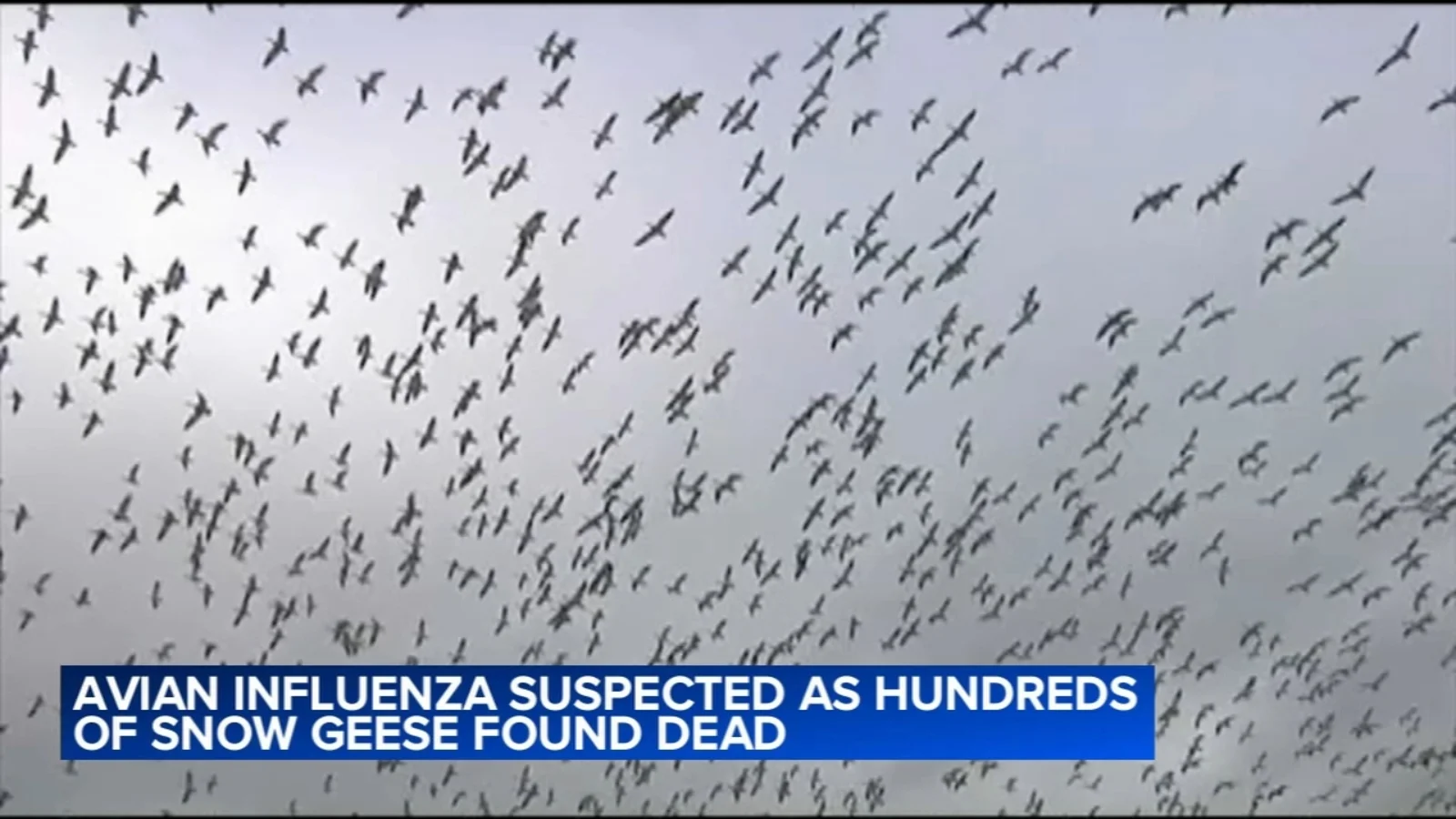
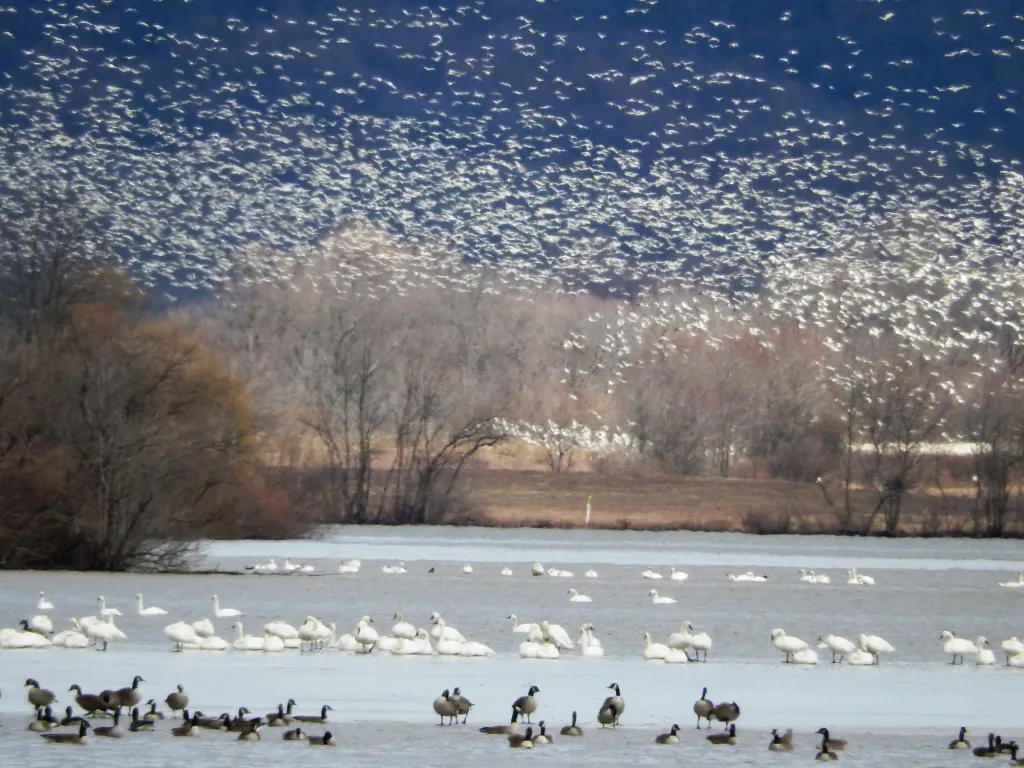
Hundreds of snow geese have died at a Northampton County quarry, with avian influenza suspected as the cause. Authorities are testing the birds and urging the public to report sick or dead wild birds.
Hundreds of snow geese found dead at a Northampton County quarry are suspected to have died from bird flu, with authorities testing and removing the carcasses. The outbreak of highly pathogenic avian influenza (HPAI) has affected waterfowl across the U.S., with the public advised to report sick or dead birds and take precautions to prevent spread. The CDC considers the human health risk low, but recommends safety measures for hunters and pet owners.
The bird flu has caused the death of nearly 9 million birds worldwide and affected multiple animal species, but the risk to humans remains low. The outbreak, driven mainly by the H5N1 subtype, has led to extensive culling and concerns about biodiversity and animal health, with experts emphasizing the importance of biosecurity and international cooperation to control the spread and prevent potential mutations that could threaten human health.
Bird flu cases are increasing across the US, with 67 flocks affected and over 3.7 million birds dead, but monitoring efforts are hampered by federal staffing cuts and policy changes, raising concerns about undetected spillover to humans despite the current low risk to the general public.
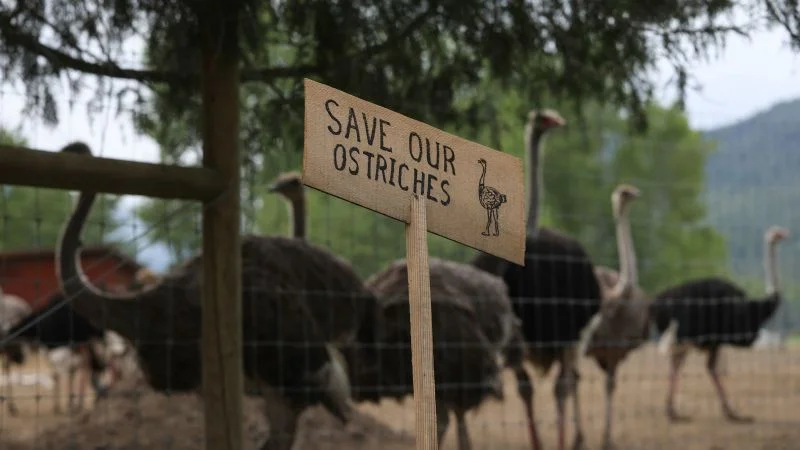
Canada's Supreme Court declined to hear an appeal to save a British Columbia ostrich flock infected with avian influenza, leading to the government's decision to cull the 330 birds, despite efforts by farm supporters and notable figures like RFK Jr. The culling is part of standard disease control measures, and the farm's research claims remain unsubstantiated according to authorities.
The UK is experiencing its worst bird flu outbreak yet, with experts warning farmers to prepare for severe impacts, including mandatory housing orders and increased biosecurity measures, as the highly infectious H5N1 virus spreads across farms.
A bird flu outbreak in East Sussex has led to a public alert, with authorities establishing protection and surveillance zones around a poultry site near Uckfield. The outbreak involves highly pathogenic avian influenza, prompting biosecurity measures and restrictions on bird movements to prevent further spread. Several other cases have been reported across the UK, including at an animal sanctuary and in various counties.
Germany has culled over 500,000 birds due to a widespread outbreak of the highly infectious H5N1 bird flu strain, with cases mainly in northern and eastern regions, and concerns about potential impacts on poultry prices and factory farming vulnerabilities.
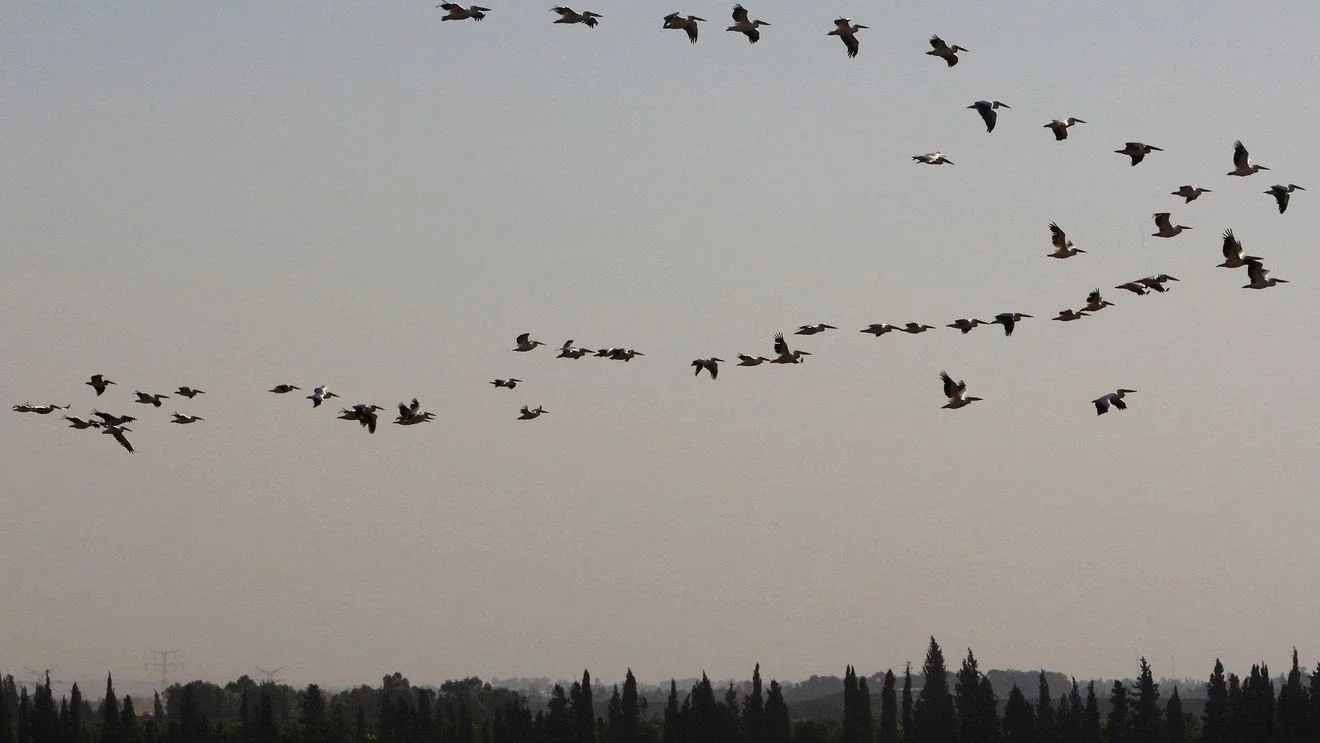
The resurgence of bird flu driven by migratory birds is raising concerns about the US's preparedness to handle outbreaks, complicated by government shutdowns, staff cuts, and delayed responses, with potential risks of transmission to humans and impacts on food prices.
Hawaii officials are monitoring a presumptive case of avian influenza (H5N1) in a sick duck at the University of Hawaii, with confirmation pending. The risk to humans remains low, but authorities urge caution and vigilance as wild bird migration season begins, following previous outbreaks in the region.
Bird flu has reappeared in Kandiyohi County, Minnesota, affecting several turkey flocks, with a total of over 175,000 birds confirmed infected. The virus, spread by migrating wild birds, has led to increased biosecurity measures in the poultry industry, as there is no vaccine available for avian influenza.
Turkey growers in Minnesota are using infrared laser projectors to deter waterfowl and prevent the spread of bird flu, with early reports suggesting they are effective in protecting flocks and reducing the risk of outbreaks.
Nearly 35,000 turkeys were culled in Utah due to a bird flu outbreak, marking the state's first major incident in months, with no expected impact on turkey availability or prices, and ongoing efforts to contain the virus.