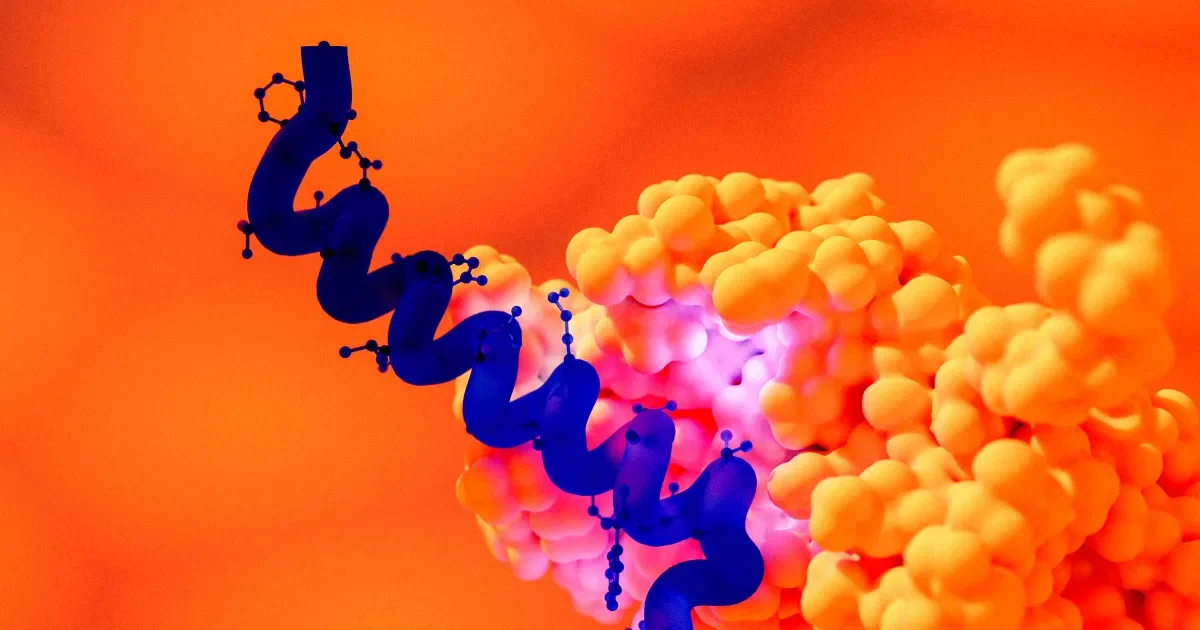
Water-Based Peptide Synthesis Could Cut Waste From Popular GLP-1 Weight-Loss Drugs
The article reports that GLP-1 weight‑loss drugs like Ozempic are produced via solid‑phase peptide synthesis using solvents such as dimethylformamide, generating massive toxic‑chemical waste (estimates exceed 123 million pounds annually for semaglutide alone) and affecting over 80 peptide drugs. A Nature Sustainability study from the University of Melbourne proposes a water‑based synthesis approach—using salts and a biodegradable activating method—to enable high‑concentration peptide production in water, potentially reducing environmental impact if scalable, though industrial rollout remains to be seen.