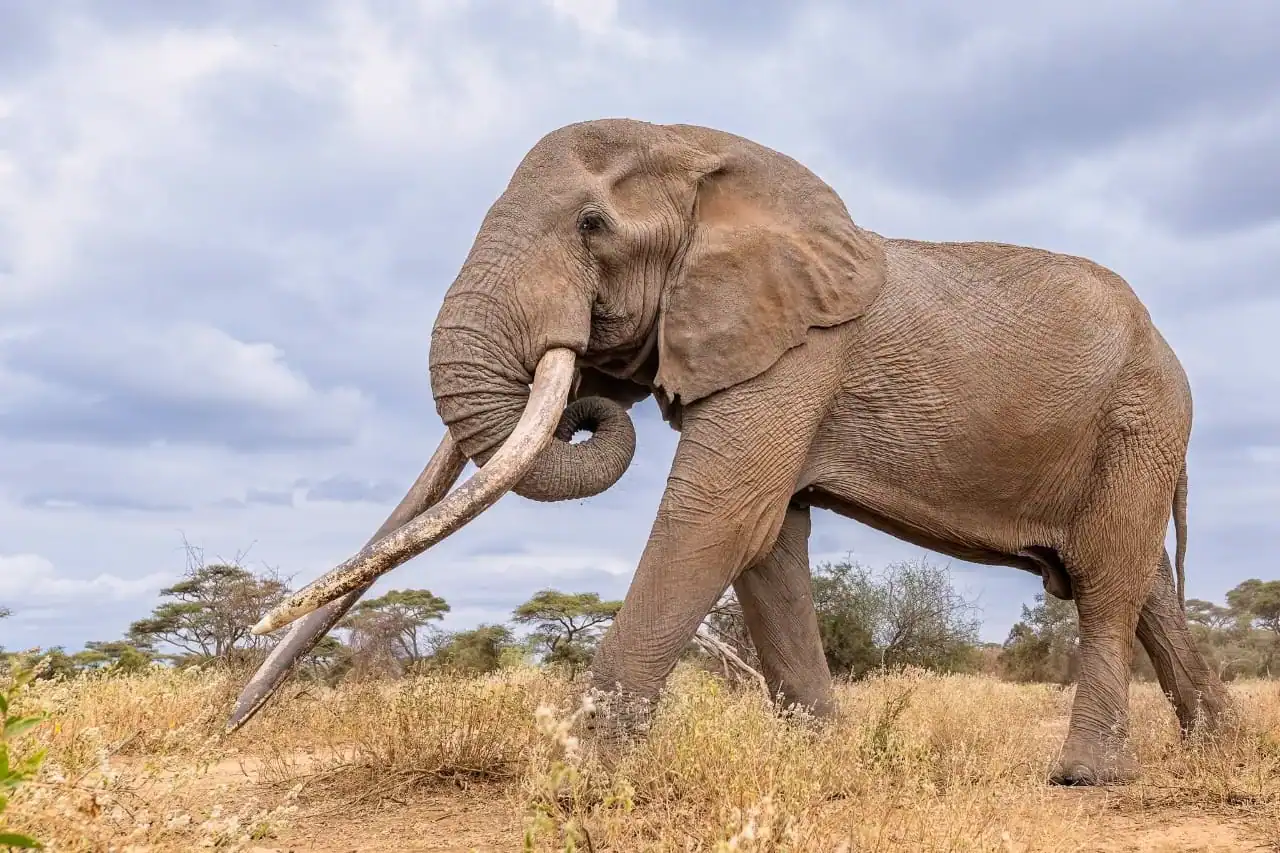
The death of Craig, a renowned Super Tusker elephant in Kenya, highlights the rarity and conservation challenges of these giant elephants with massive tusks, emphasizing ongoing efforts to protect the species and raise awareness about their plight.
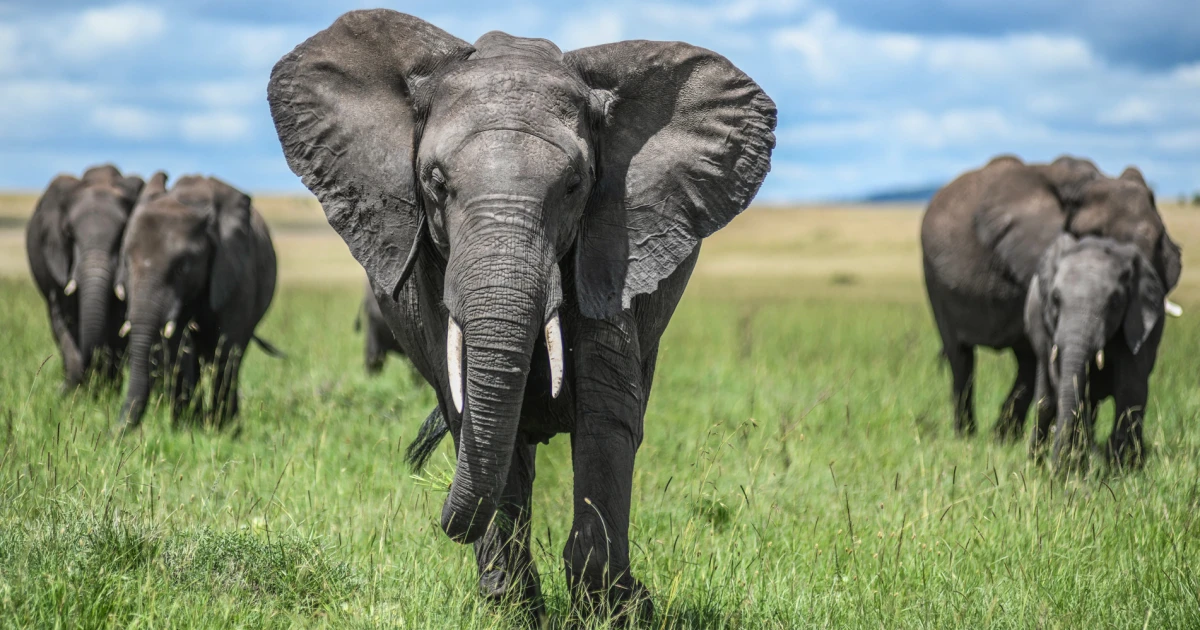
In Kenya, protests erupted after roaming elephants killed four people in a week, driven by resource scarcity and increased elephant movement due to below-average rainfall. Authorities responded by shooting one elephant believed to have caused two deaths and pledged to enhance prevention and response measures, while continuing a compensation program for victims of wildlife conflicts.
In Kenya, protests erupted after elephants killed four people in a week, with experts attributing the increase in elephant sightings and attacks to scarcity of vegetation caused by below-average rainfall, leading to heightened human-wildlife conflict. The Kenya Wildlife Service responded by shooting one elephant believed to be involved and pledged to enhance prevention and response measures.
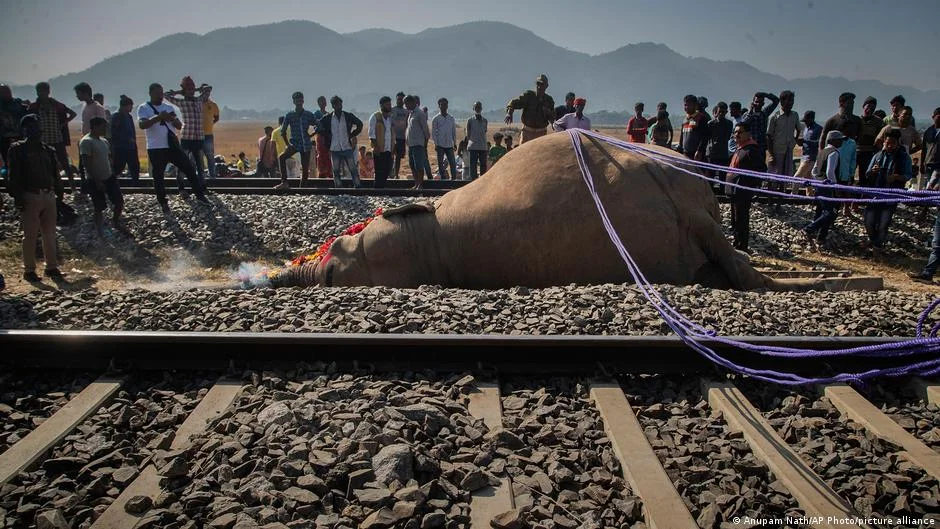
A high-speed train in Assam, India, collided with a herd of crossing elephants, killing seven and injuring one calf, with no injuries to passengers or staff, leading to train cancellations and diversions.
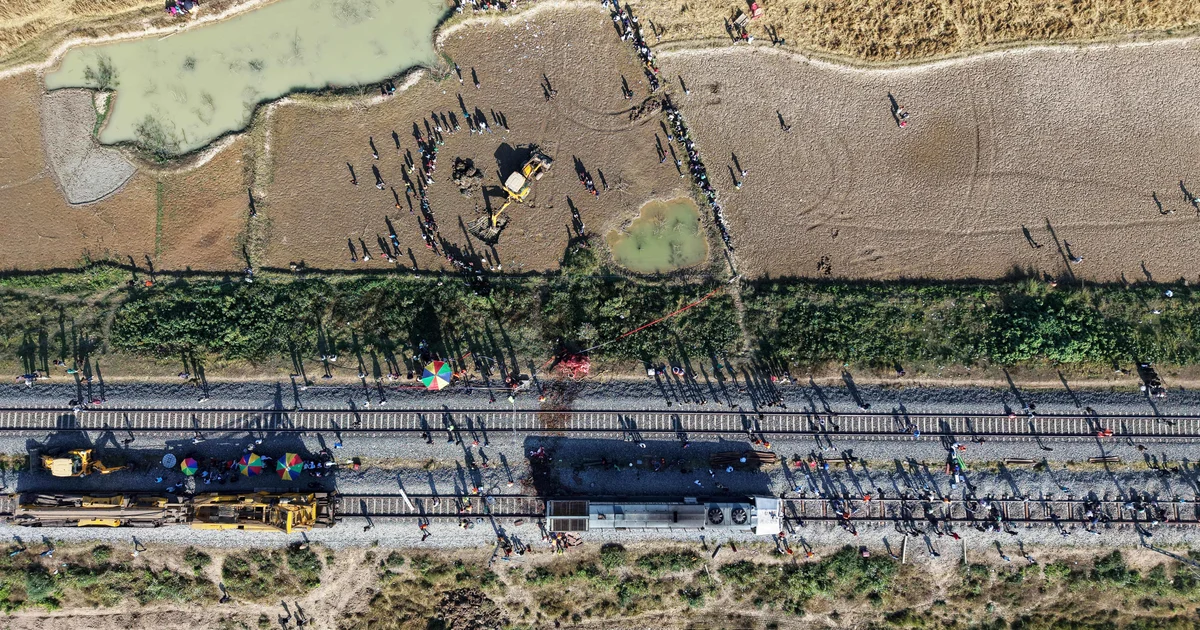
A high-speed train in Assam, India, struck and killed seven wild elephants and injured a calf as they crossed the tracks, causing the derailment of five coaches but no human casualties. The incident highlights ongoing risks to wildlife from railway operations in elephant habitats, especially during harvest season when elephants stray into human areas.
Seven Asiatic elephants were killed and a calf injured after a passenger train collided with a herd crossing tracks in Assam, India. The train, traveling from Mizoram to New Delhi, derailed five coaches but no human injuries occurred. The incident highlights ongoing risks to wildlife from railway traffic in India, where efforts like reduced speed zones and surveillance systems are being implemented to prevent such accidents.
Seven elephants were killed and one injured after a train collided with a herd in Assam, India, causing derailment but no human injuries; the incident occurred outside a designated elephant corridor and rescue efforts are underway.
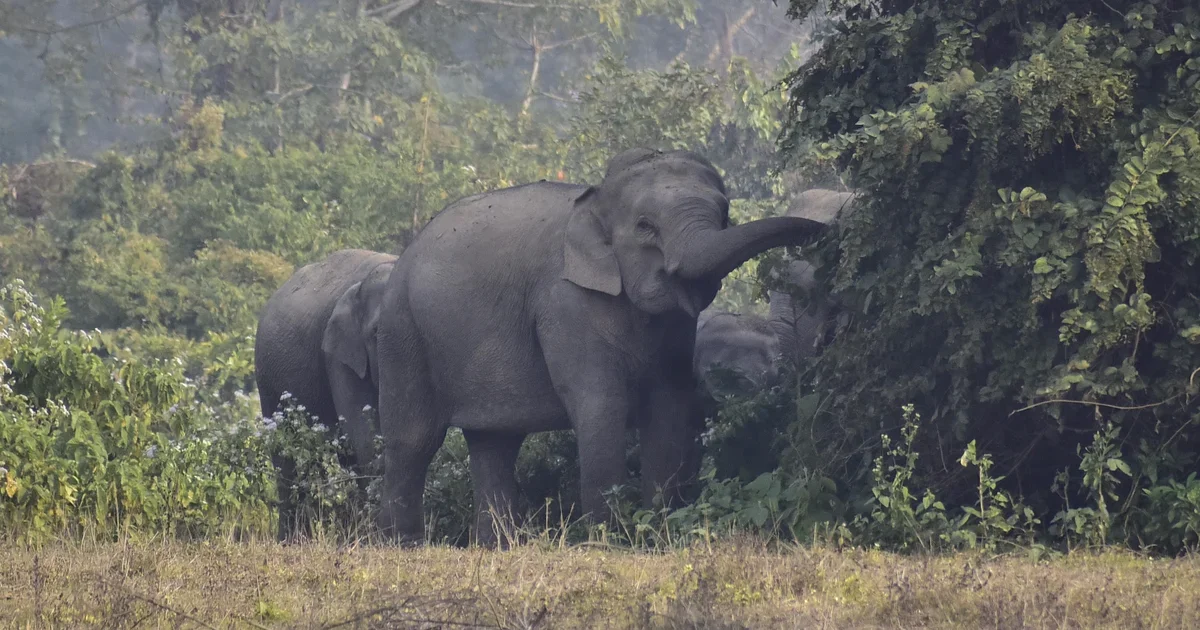
A high-speed train in Assam, India, collided with a herd of about 100 wild Asiatic elephants, killing seven and injuring a calf, with no human casualties. The accident occurred in a non-designated elephant crossing area, highlighting ongoing risks of train-elephant collisions in the region.
Seven wild Asiatic elephants were killed after being hit by a high-speed train in Assam, India, where they were attempting to cross railway tracks. The incident caused derailment of five train coaches but no injuries to passengers. Assam, home to a large elephant population, faces frequent human-elephant conflicts due to habitat fragmentation, with 81 elephants killed in train collisions between 2019 and 2024.
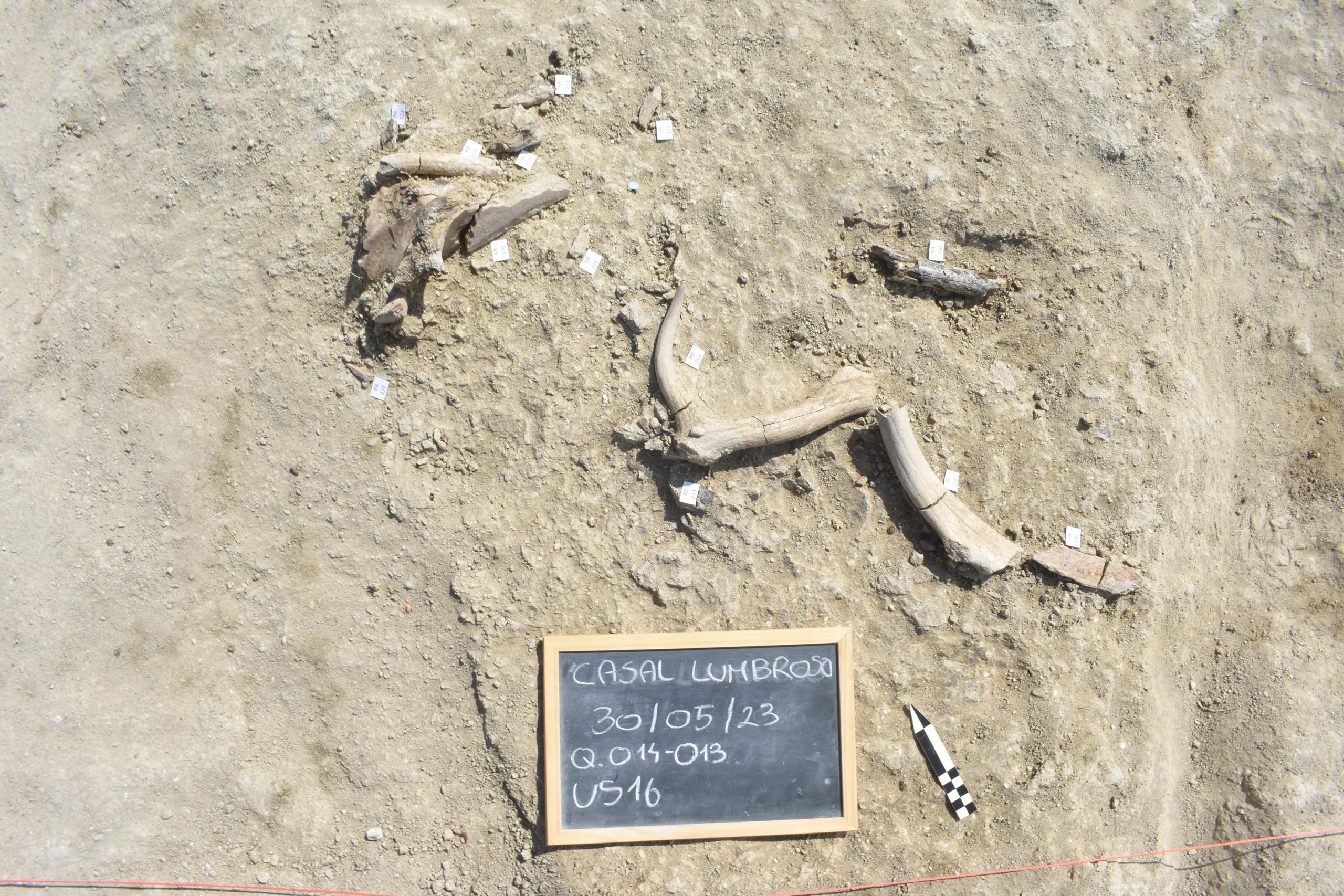
Archaeologists in Rome have uncovered a 404,000-year-old site where early humans butchered and used elephant bones for tools, revealing sophisticated survival strategies during the Middle Pleistocene in Italy.
A musician's singing at Belgium's Pairi Daiza elephant sanctuary elicited a surprising and curious response from the elephants, who approached and engaged with the music, highlighting their sensitivity to sound and potential for musical interaction.
Scientists are investigating the secrets of longevity in animals like the immortal jellyfish and elephants to understand the biological mechanisms behind their long lifespans.
A new study shows that semi-captive elephants use 38 different gestures intentionally to communicate with humans, suggesting they have goal-directed communication skills similar to primates, which may help them navigate complex social lives and offers insights into animal cognition and evolution.
Motty was the world's rarest elephant, a hybrid between an African and an Asian elephant born at Chester Zoo in 1978. His brief life ended just 10 days after birth due to health complications, but his existence provided valuable insights into interspecies hybridization and genetics. His case remains unique, highlighting the complexities and rarity of such hybrid animals.
A study published in Royal Society Open Science provides the first evidence that elephants use goal-directed gestures to communicate their desires, demonstrating a level of intentionality in their behavior similar to primates, especially when a visual audience is present.