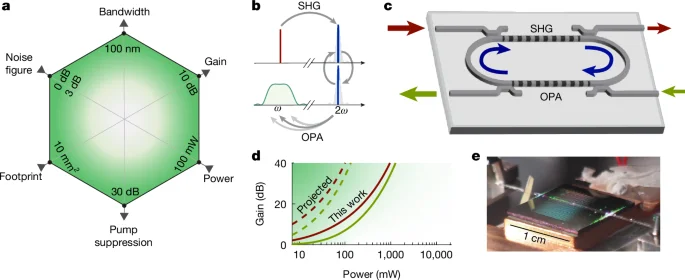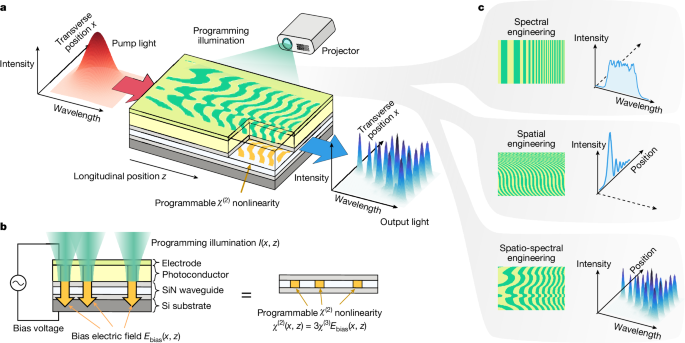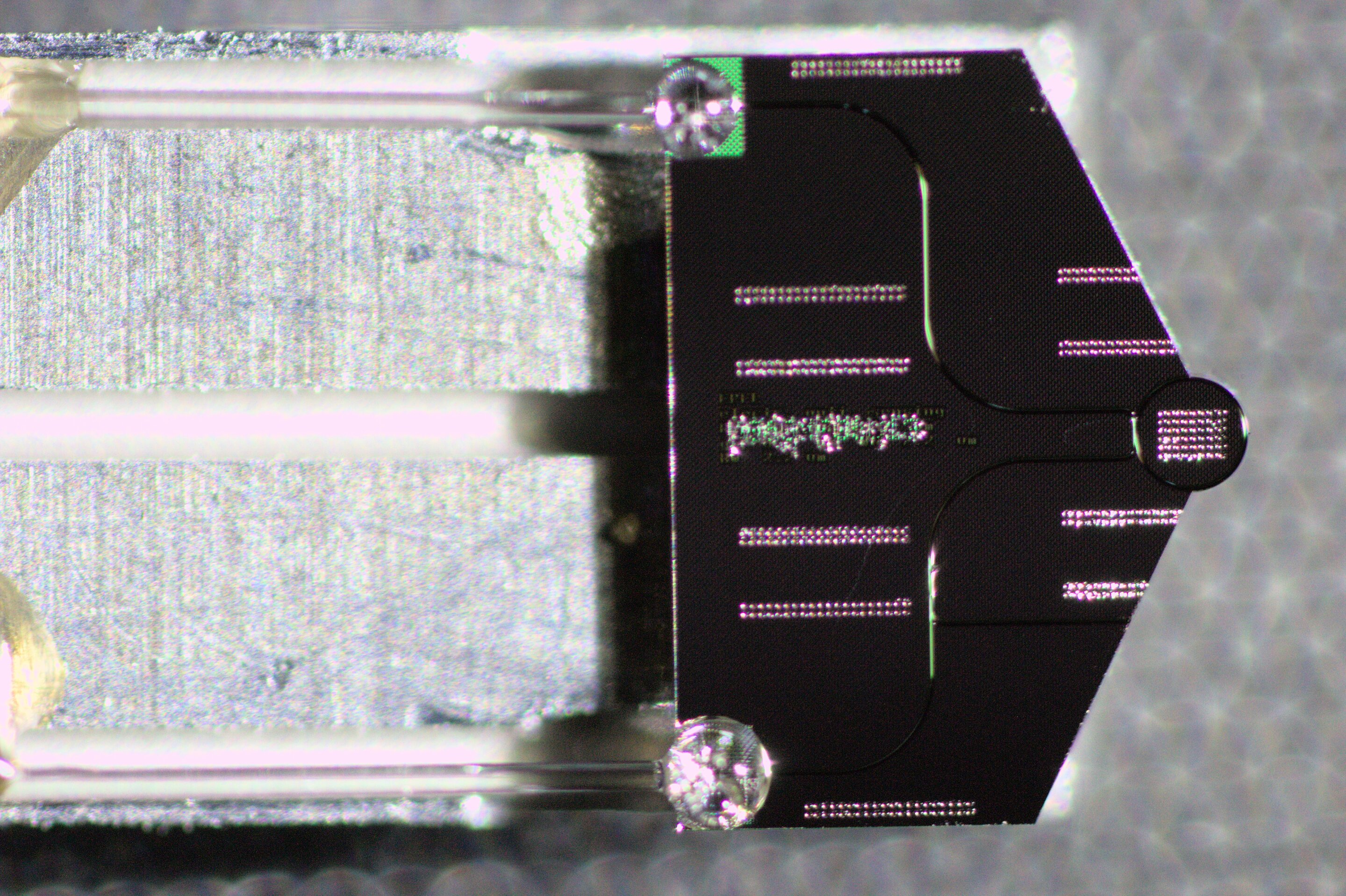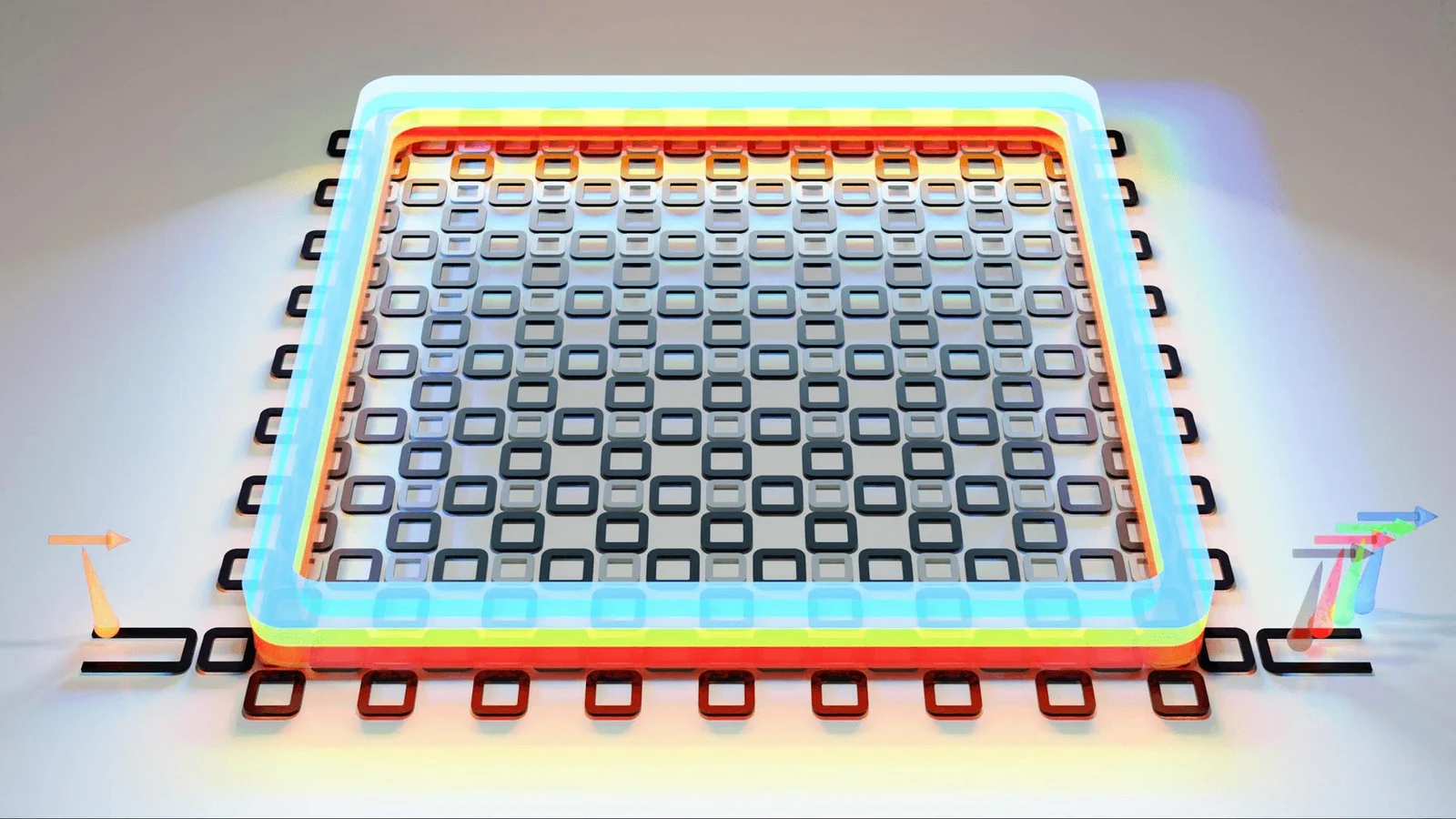
The article discusses a novel programmable nonlinear waveguide that allows dynamic control of χ(2) nonlinearity for versatile nonlinear optical functions, demonstrated through experiments on spectral, spatial, and spatio-spectral engineering of second-harmonic generation, with potential applications in integrated photonics and quantum technologies.
Researchers have developed a new ultra-thin, tunable optical device inspired by butterfly wings, enabling dynamic control of nonlinear optical processes at visible wavelengths, with potential applications in camouflage, biosensing, and quantum computing.
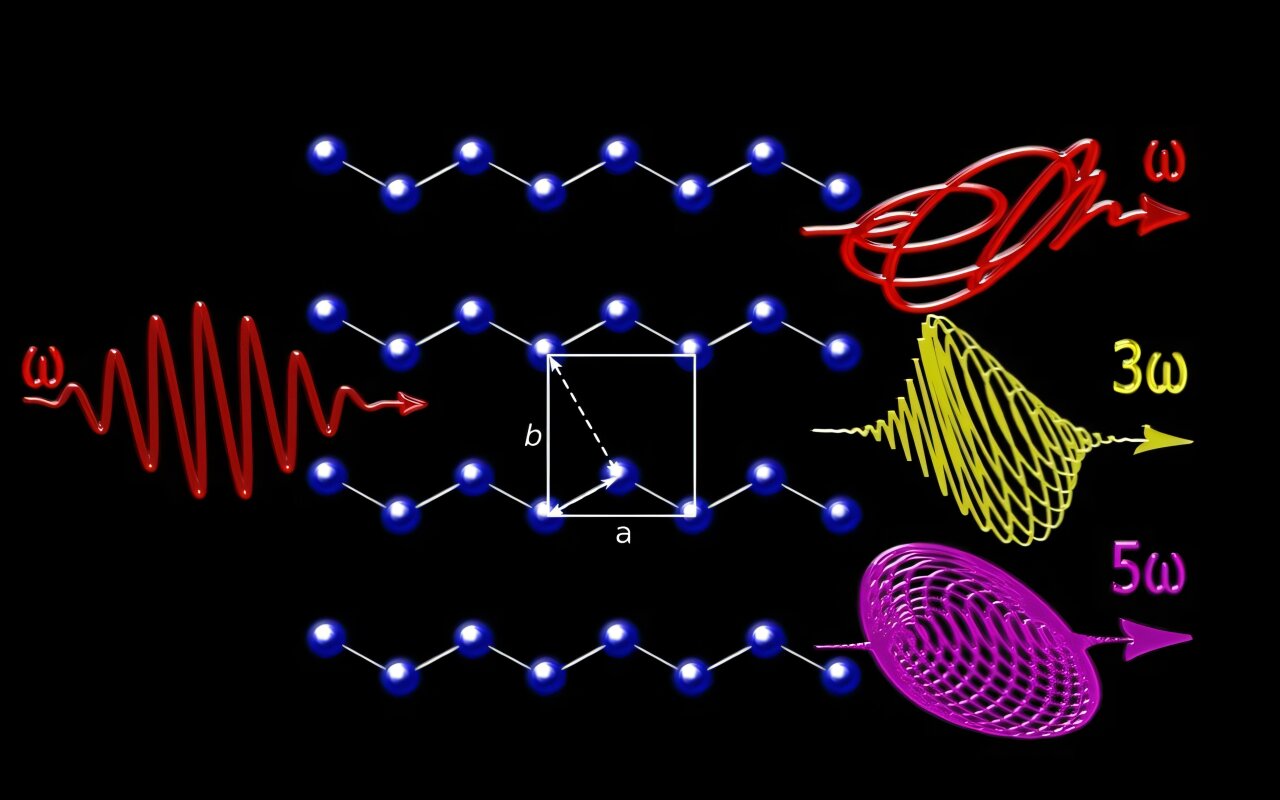
Researchers have discovered that nonsymmorphic symmetry in quantum materials like nodal-line semimetals suppresses even-order optical responses and enables polarization-dependent light emission patterns, opening new avenues for ultrafast lightwave-based devices and quantum technologies.
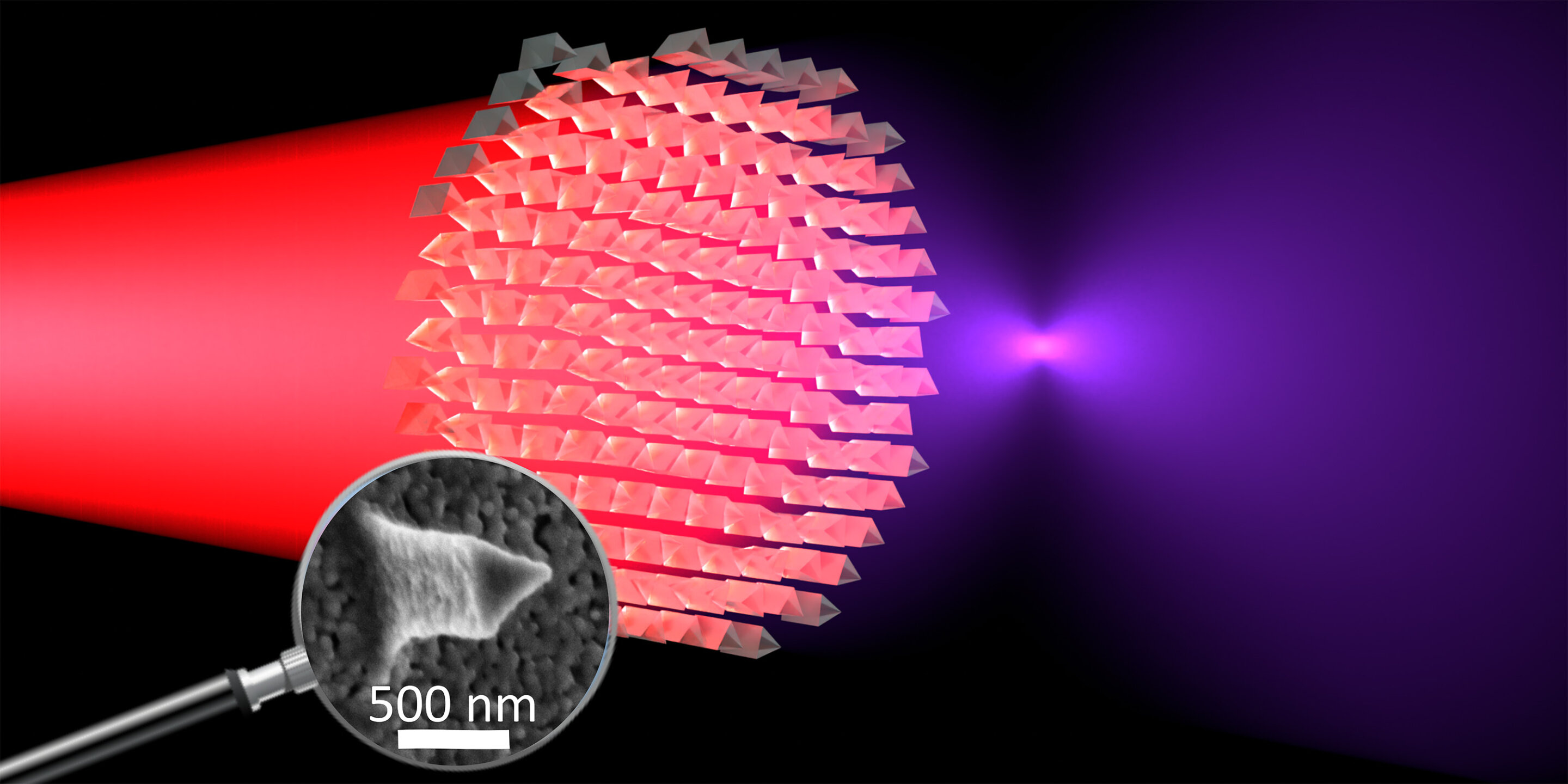
ETH Zurich researchers have developed ultra-thin metalenses made from lithium niobate that can convert infrared light into visible light by halving its wavelength, using nanostructures and nonlinear optical effects, with potential applications in security, imaging, and electronics.
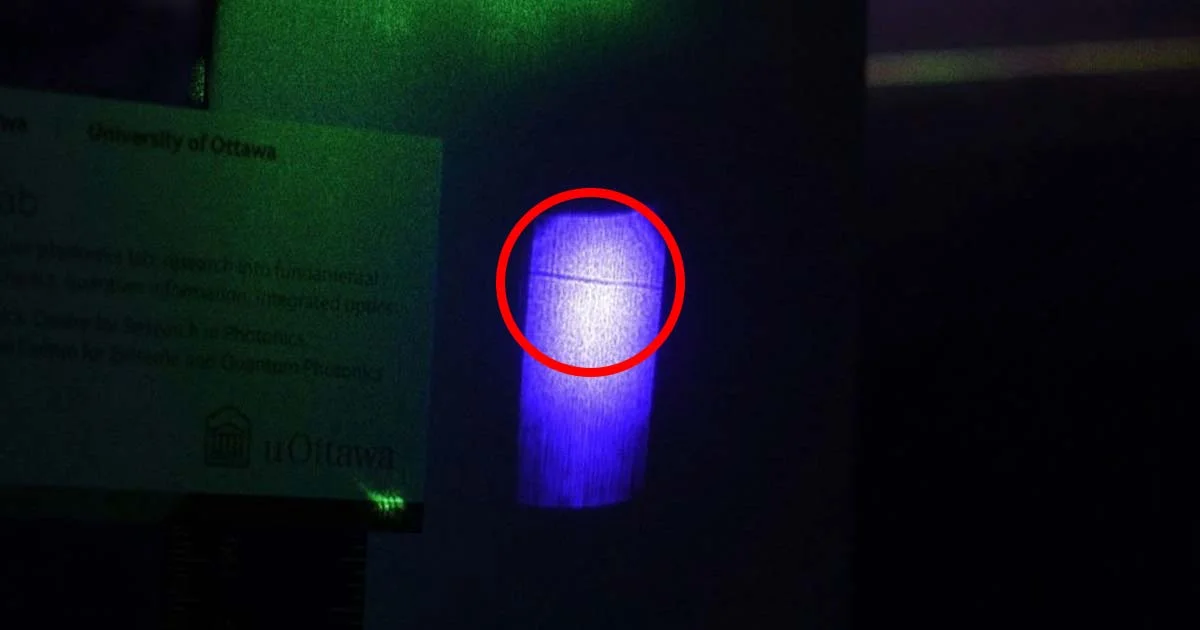
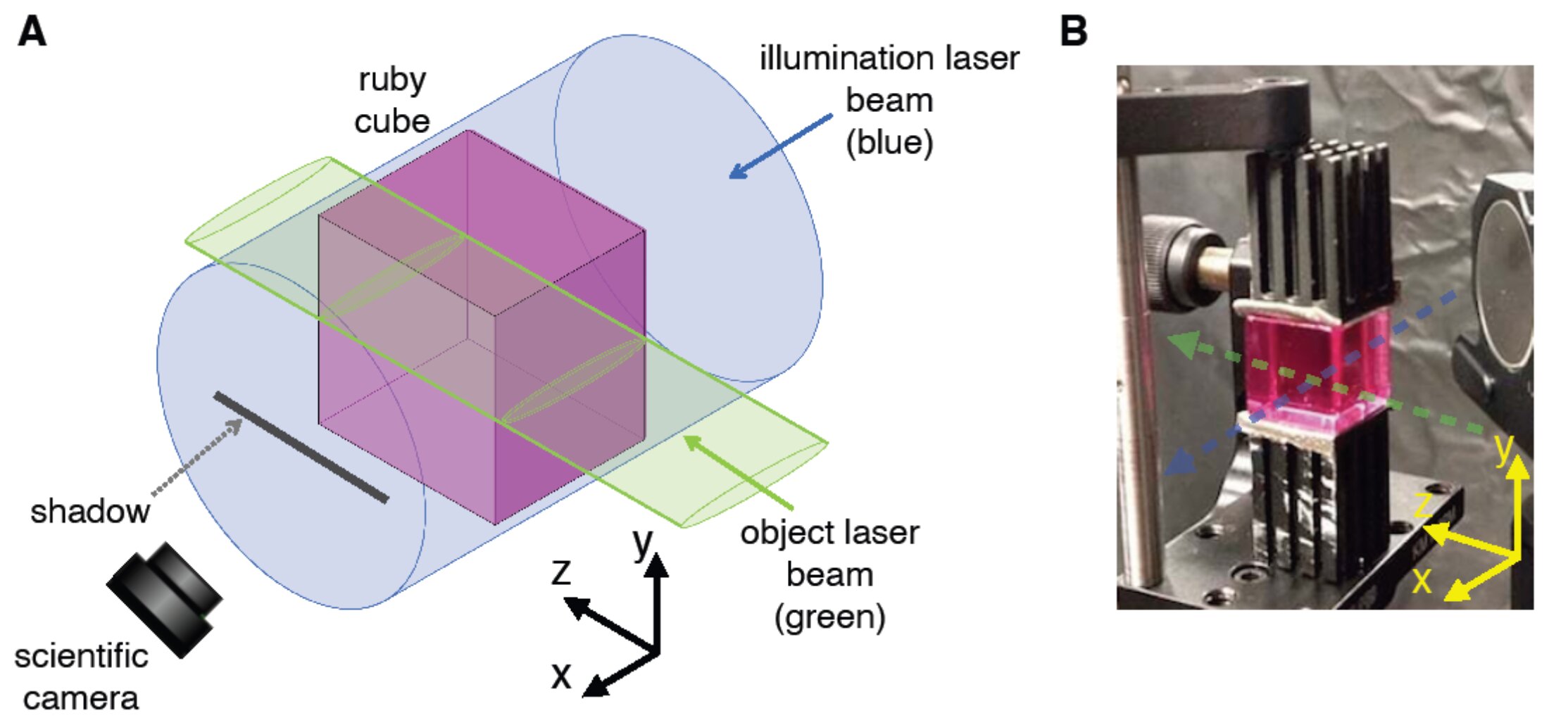
Scientists at Brookhaven National Laboratory have discovered that a narrow green laser beam can cast a shadow when passed through a larger blue laser beam inside a ruby crystal, challenging conventional understanding of light interactions. This phenomenon, attributed to optical nonlinear absorption, could lead to new applications in optical switching and light transmission control. The research, published in Optica, opens up possibilities for further exploration of light-matter interactions using different wavelengths and materials.
Researchers have discovered that under certain conditions, a laser beam can cast a shadow, challenging traditional understandings of light and shadow. By directing a high-power green laser through a ruby crystal and illuminating it with a blue laser, the green laser increased the optical absorption of the blue light, creating a visible shadow. This finding, published in Optica, opens new possibilities for technologies that use laser beams to control other light sources, such as optical switching and precise light transmission control.
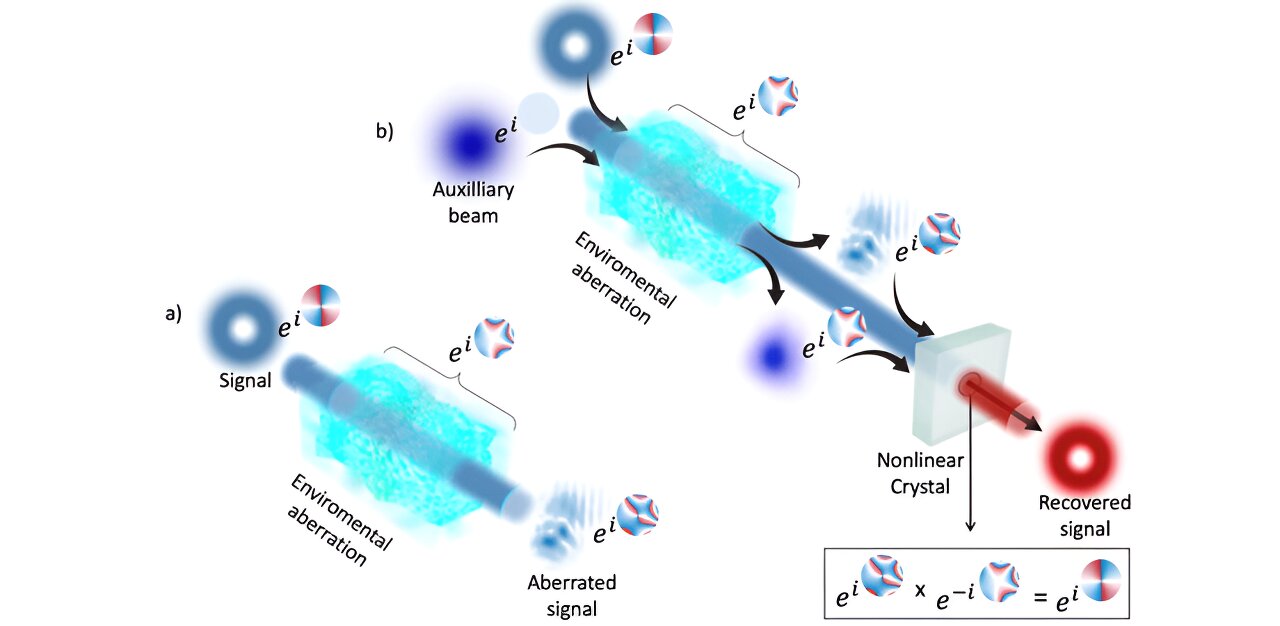
Researchers have developed a method to correct aberrated light coming out of a noisy environment by pairing it with another unstructured beam of light that experienced the same aberration. Using difference frequency generation in a nonlinear crystal, the structured beam is automatically restored without the need for knowledge of the aberration, enabling a nonlinear form of adaptive optics that works at the speed of light. This breakthrough has the potential to be integrated into systems for diverse applications, such as communications, imaging, and optical trapping, and also allows for communication and detection with different wavelengths.
Scientists have successfully integrated nonlinear optical phenomena, specifically "Kerr solitons," into a transmission electron microscope (TEM) using a photonic microresonator chip. These stable, localized pulses of light interacted with a beam of electrons, enabling ultrafast modulation of electron beams and demonstrating the potential for high repetition-rate ultrafast electron microscopy and particle accelerators on a small photonic chip. This breakthrough opens up new possibilities for probing nonlinear optical dynamics at the nanoscale and developing nonlinear photonic devices.
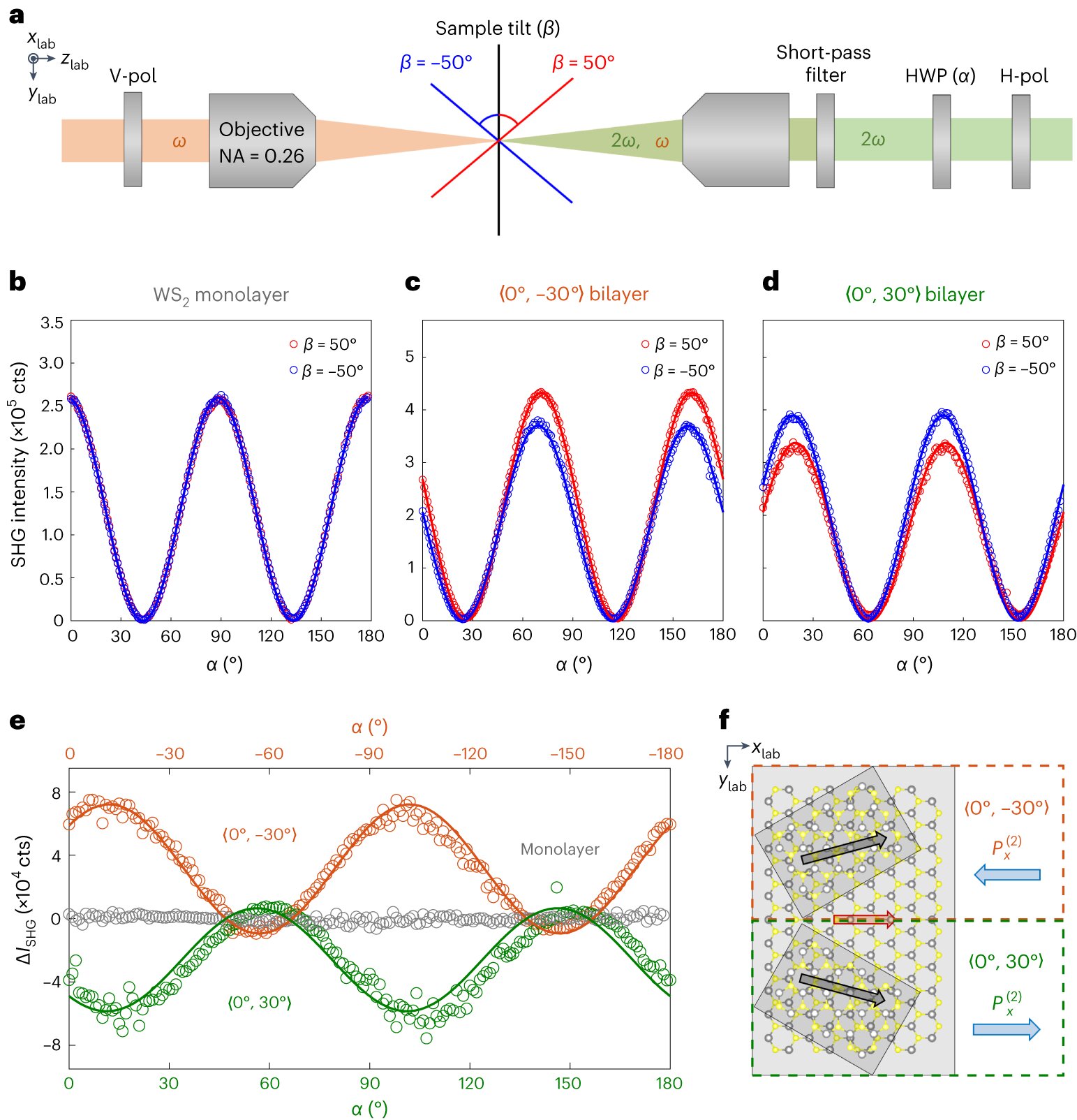
Researchers have developed a new approach to engineer atomic structures by stacking two-dimensional arrays in spiral formations, enabling metamaterials to overcome technical limitations and unlock novel light-matter interactions. By controlling the twist angle between layers of tungsten disulfide (WS2), the researchers created 3D nonlinear optical materials with chiral responses and tunable nonlinear properties. This breakthrough could have significant implications for next-generation lasers, imaging, and quantum technologies.
Theoretical physicists at the Max Planck Institute for the Structure and Dynamics of Matter in Germany have conducted the first ab initio investigation of high harmonic generation from topological insulators and found no evidence of universal topological signatures. Their study challenges the assumption that topological information can be extracted from the emitted spectra. Instead, they suggest that non-topological aspects of the material, such as crystal structure and band symmetry, dominate the response. While the researchers do not rule out the existence of topological signatures in high harmonic generation, they call for more complex and robust ideas to measure topology through nonlinear optics.