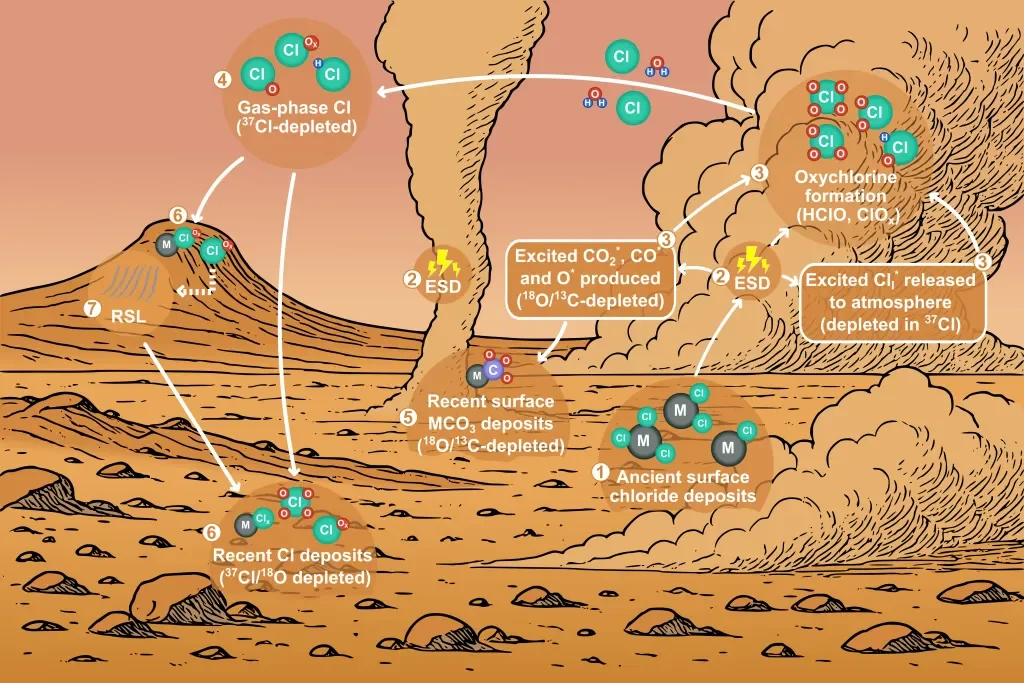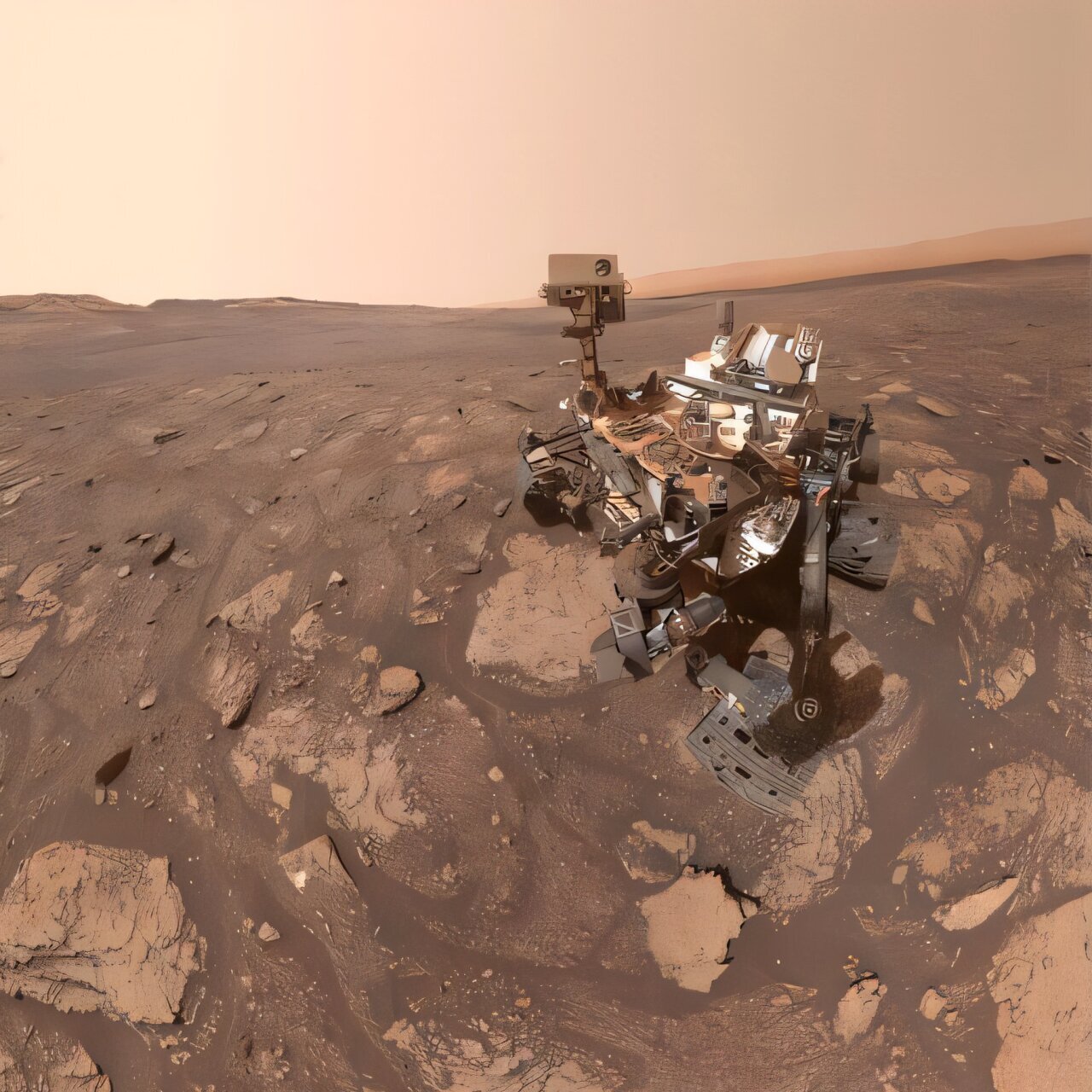
A study analyzing oxygen isotopes in rocks sampled by NASA's Curiosity Rover suggests that 3.7 billion years ago, Gale Crater on Mars had a warm, dry environment with significant evaporation, providing insights into the planet's past habitability and water cycle.
Astronomers discovered rare isotopes of methanol in the gas around the young star HD 100453, providing insights into the organic ingredients available for planet formation and the potential origins of life, with implications for understanding how complex molecules necessary for life may develop in star systems.
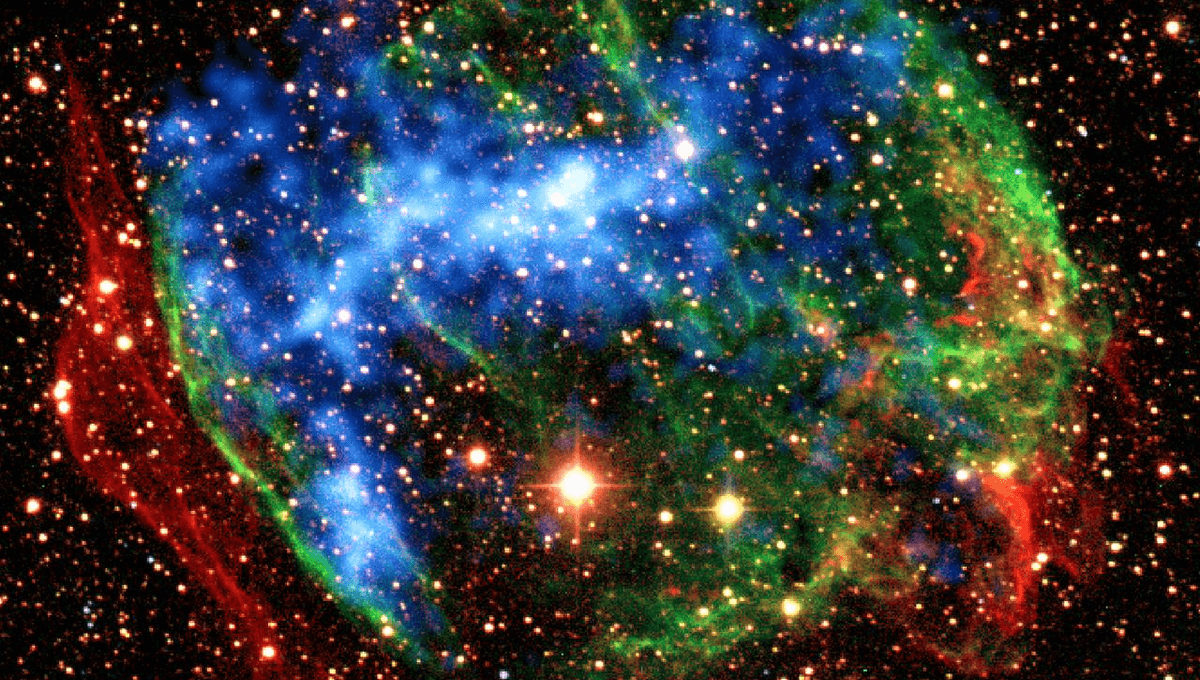
A rare dust particle found in an ancient meteorite has been determined to be older than the Sun, with a composition indicating it originated from an unusual type of supernova. The grain's isotopic ratios suggest it was formed by a hydrogen-burning supernova, a rare type of Type II supernova. This discovery provides valuable insights into the formation of the Solar System and the types of stars that contributed to its composition.
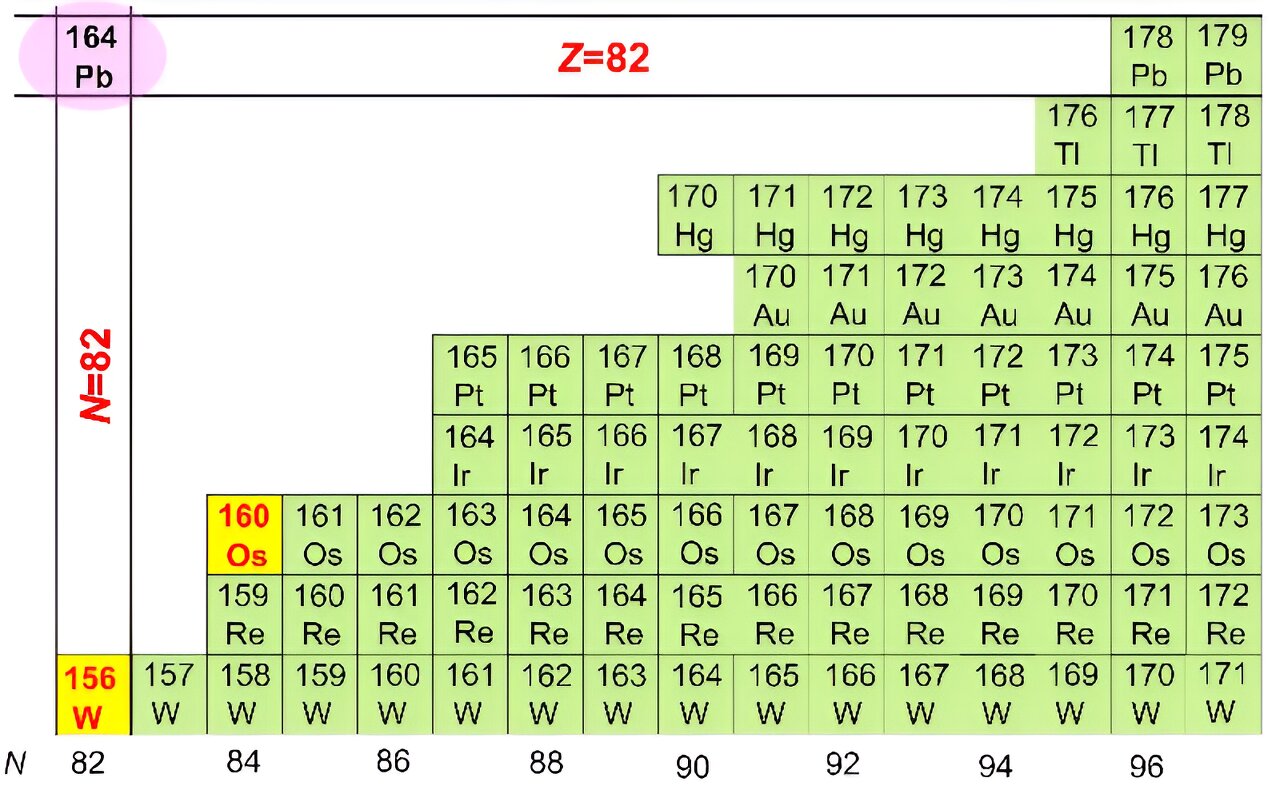
Physicists at the Institute of Modern Physics and collaborators have discovered two new isotopes, osmium-160 and tungsten-156, challenging traditional views on nuclear stability and magic numbers. This breakthrough suggests potential for lead-164 to be a stable, doubly magic nucleus, enhancing the understanding of nuclear physics and the architecture of atomic nuclei. The study, published in Physical Review Letters, indicates a significant step forward in nuclear theory and stability, with implications for the development of nuclear forces and deepening our understanding of nuclear physics.
Scientists at the Facility for Rare Isotope Beams (FRIB) at Michigan State University have synthesized five new isotopes, including Thulium-182 and ytterbium-187, which have never been found on Earth before. These isotopes could help scientists understand how collisions between neutron stars create heavy elements like gold and silver. The research, published in Physical Review Letters, represents a step towards recreating superheavy elements on Earth to better understand the creation of heavy elements and their implications for nuclear physics.
Researchers at the Institute of Modern Physics (IMP) of the Chinese Academy of Sciences have synthesized two new isotopes, osmium-160 and tungsten-156, shedding light on nuclear structures and suggesting the potential doubly magic nature of lead-164. The study, published in Physical Review Letters, reveals the enhanced stability of the N=82 shell closure on the neutron-deficient side, providing valuable insights into nuclear forces and the potential disappearance of traditional magic numbers in extremely neutron-deficient regions. The findings were highlighted as an Editors' Suggestion, emphasizing the significance of further exploration to enrich and develop nuclear theories.
Physicists at Michigan State University have discovered new isotopes of rare-Earth elements thulium, ytterbium, and lutetium by breaking apart the nuclei of platinum using the Facility for Rare Isotope Beams (FRIB). This achievement will aid in understanding neutron-rich nuclei and the processes that forge new elements in neutron star collisions, potentially replicating the rapid neutron-capture process (r-process) responsible for creating heavy elements in the Universe. The discovery demonstrates the power of FRIB and its potential for advancing nuclear physics and astrophysics.
An international research team at the Facility for Rare Isotope Beams (FRIB) has successfully created five new isotopes, bringing them closer to understanding the natural processes that produce new elements in stars. These isotopes can help refine our understanding of fundamental nuclear physics and may provide insights into the creation of heavy elements like gold in neutron star collisions. The team's achievement opens up new opportunities for nuclear research and paves the way for further exploration into the unknown realms of nuclear science.
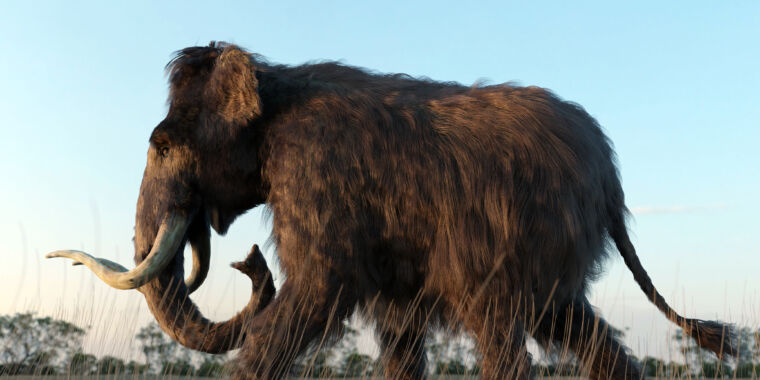
Using ancient DNA and isotopic analysis of a mammoth's tusk, researchers have tracked the life and travels of a female mammoth named Élmayųujey’eh in Alaska, approximately 14,000 years ago. This study, along with earlier work on a male mammoth, provides unprecedented insights into the lives of specific animals and Pleistocene ecology. The tusk's isotopic information revealed her movements and connections to areas once inhabited by ancient humans, shedding light on her life and environment. The mammoth's name, chosen by the Healy Lake Village Tribe, reflects Dene humor and affection, and the research showcases the potential of combining scientific analysis with Indigenous knowledge.
The 600-mile journey of a young female wooly mammoth, revealed through isotopic analysis of her tusk, sheds light on the behavior and potential extinction factors of these ancient creatures. The mammoth, named Élmayuujey'eh, traveled from Canada to Alaska, where she coexisted with early human migrants. The study suggests that human hunting and climate change may have contributed to the wooly mammoth's extinction, and the findings could inform efforts to reverse their extinction through rewilding.
A 14,000-year-old mammoth tusk named Élmayųujey’eh has provided insights into the animal's life and its interaction with Ice Age humans in central Alaska. Analysis of isotopes in the tusk revealed the mammoth's migration from southeastern Beringia to the Swan Point archaeological site, where it likely died coinciding with the seasonal occupation of the area by humans. While there is no explicit evidence of human involvement in the mammoth's death, the site's collection of mammoth bones underscores the overlap between mammoths and humans during the Ice Age.
New research challenges the popular "late veneer" theory, which suggests that essential elements for life arrived on Earth after its core formation through asteroid impacts. The study indicates that volatile elements, including sulfur and nitrogen, may have existed on Earth from its early formation. Using computational techniques, researchers analyzed isotope signatures of chalcogens and found that many volatiles evaporated during Earth's formation, but a significant amount remains today. This research sheds light on Earth's geologic history and has implications for understanding the habitability of other terrestrial planets. Further studies will explore the behavior of other life-critical volatiles and their isotopes under extreme conditions, as well as the potential habitability of exoplanets.
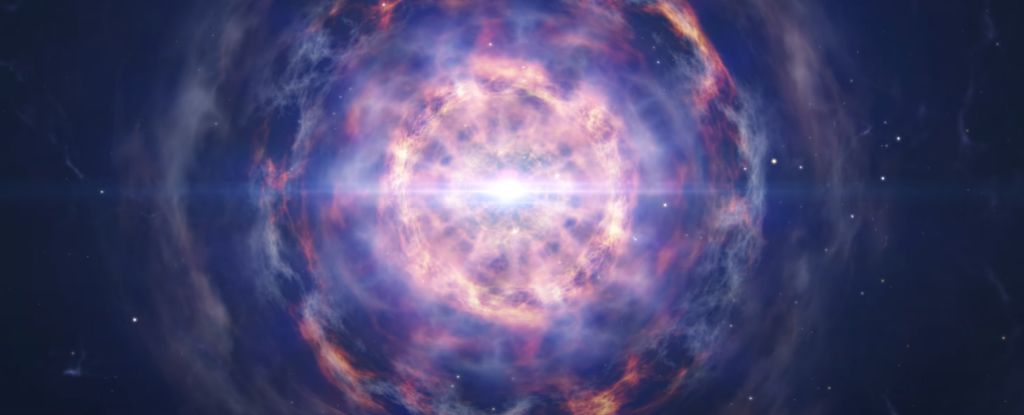
Scientists have discovered evidence of a nearby kilonova event that occurred approximately 3.5 million years ago. The presence of isotopes Fe-60 and Pu-244 in ocean sediments suggests the occurrence of a cataclysmic event, such as the merger of two neutron stars or a neutron star with a black hole. The specific ratio of these isotopes, along with simulations, indicates that the kilonova was located about 500-600 light years away from Earth. While this event did not pose a threat to life on Earth, it serves as a reminder of the potential dangers present in the universe.
Scientists have discovered evidence of a kilonova, a cataclysmic event involving the merger of neutron stars or a neutron star and a black hole, that occurred 3.5 million years ago in our galactic backyard, about 500-600 light years away. The discovery was made through the analysis of isotopes, specifically Fe-60 and Pu-244, found in ocean sediments. The presence of Pu-244, which is only created in certain types of supernovae, suggests that a kilonova was the most likely source. The research also indicates that the kilonova had a specific debris ejection pattern and a certain tilt during the merger event. While the event did not pose a threat to life on Earth, it serves as a reminder of the dangers present in the universe.
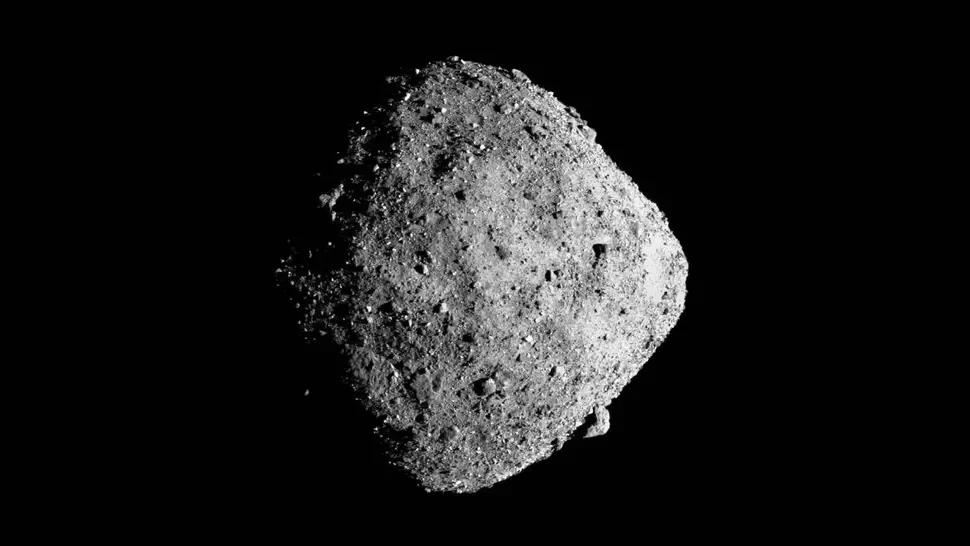
Water that existed on the parent of asteroid Ryugu has influenced the distribution of elements on the asteroid, according to a study. Researchers compared isotopes of chromium and titanium and found that the ratios between isotopes of chromium varied significantly, suggesting exposure to water. The findings indicate that water circulated on Ryugu's parent body, influencing the asteroid's chemical history before it broke away. This study aligns with previous research that also found evidence of water on Ryugu's parent body.