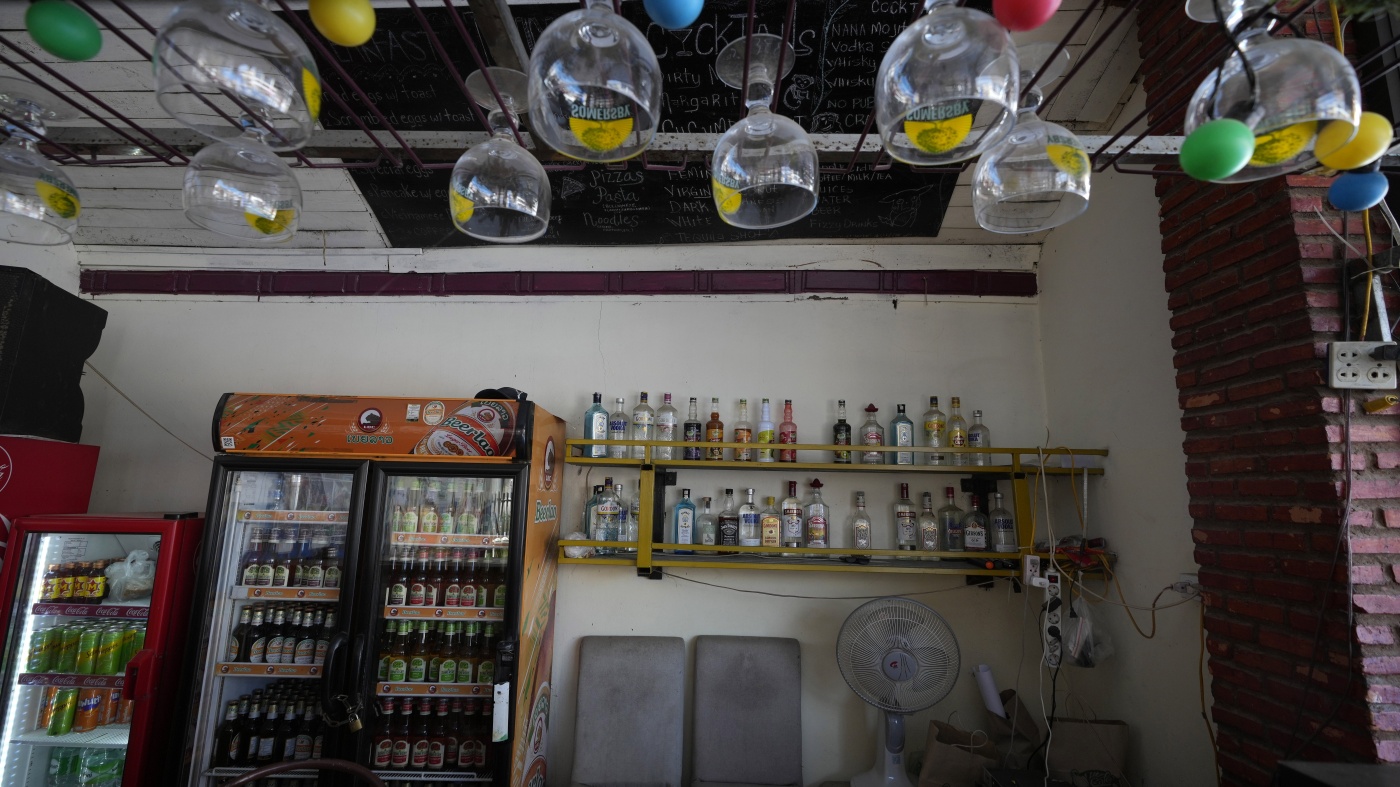
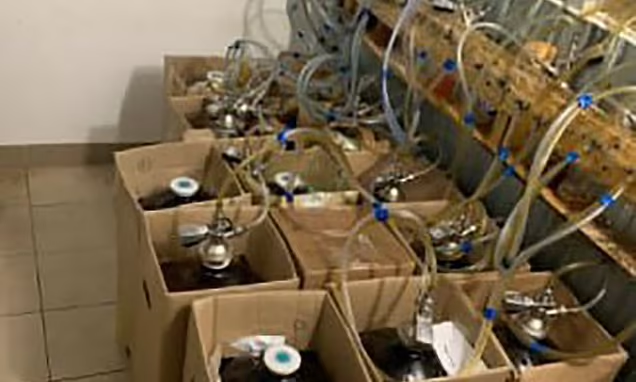
Brazil is on high alert after a wave of suspected methanol poisoning from tainted alcohol has resulted in deaths, blindness, and comas, prompting health warnings and a crackdown on illicit spirits, with investigations into organized crime involvement.
At least 19 people have died from suspected methanol poisoning after consuming tainted homemade alcohol in Russia's Leningrad region, highlighting ongoing issues with counterfeit spirits and alcohol-related deaths in the country and globally.
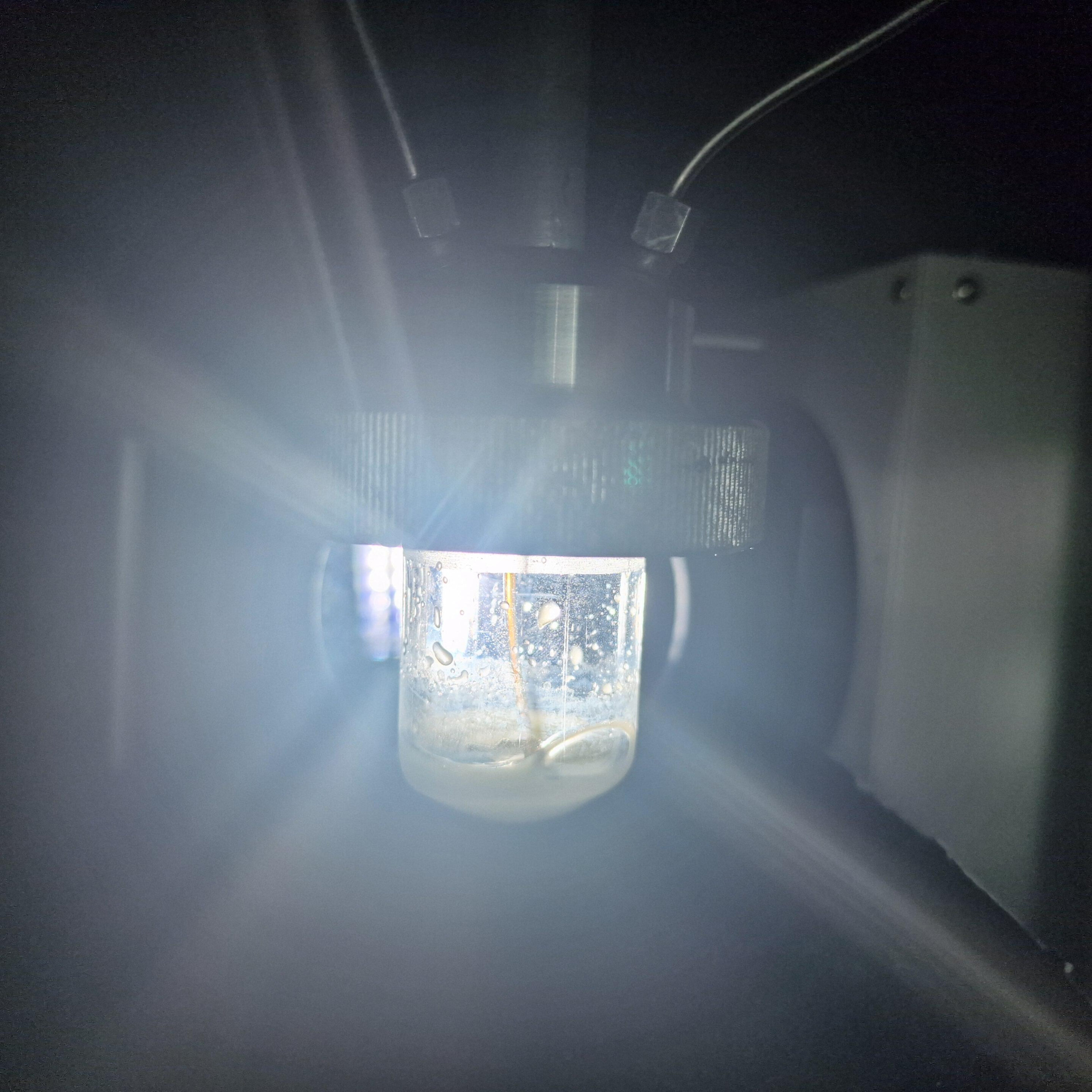
Researchers detected methanol and its isotopes in the gas around the young star HD 100453, providing insights into the organic ingredients necessary for life and supporting the idea that comets may have delivered these materials to Earth, aiding in the development of life.
Researchers detected methanol and its isotopes in the disk of a young star, HD 100453, providing insights into the organic ingredients necessary for life and supporting the idea that comets delivered these materials to Earth, potentially aiding in the development of life.
Astronomers discovered rare isotopes of methanol in the gas around the young star HD 100453, providing insights into the organic ingredients available for planet formation and the potential origins of life, with implications for understanding how complex molecules necessary for life may develop in star systems.
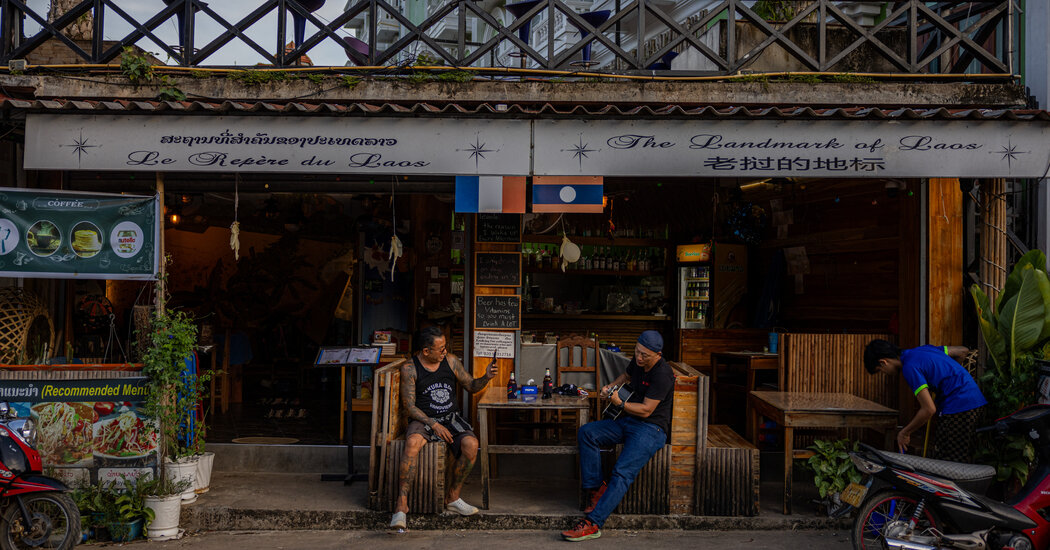
A recent outbreak of methanol poisoning in Vang Vieng, Laos, has resulted in the deaths of six tourists, prompting international warnings about the dangers of tainted alcohol. Methanol, a toxic industrial alcohol, can be lethal in small amounts and is sometimes used in drinks due to its low cost. The U.S., U.K., and Australia have issued travel advisories, urging tourists to purchase alcohol only from licensed vendors and to be vigilant for signs of tampering. Methanol poisoning can mimic regular intoxication but leads to severe symptoms and requires immediate medical attention.
A series of methanol poisonings in Laos has raised health concerns, prompting authorities to investigate the source and spread awareness about the dangers of consuming contaminated alcohol. Methanol, a toxic substance, can cause severe health issues or even death if ingested. The incidents highlight the need for stricter regulations and public education on alcohol safety.
British lawyer Simone White died in Laos from suspected methanol poisoning after consuming alcohol in Vang Vieng, a popular backpacking destination. Her death is part of a series of similar incidents affecting tourists, with six fatalities reported. White's parents expressed their devastation, describing her as a vibrant and generous person. Methanol, often found in bootleg alcohol, is highly toxic and can be fatal even in small amounts. Investigations are ongoing, with the manager of a hostel where some victims stayed being questioned by police.
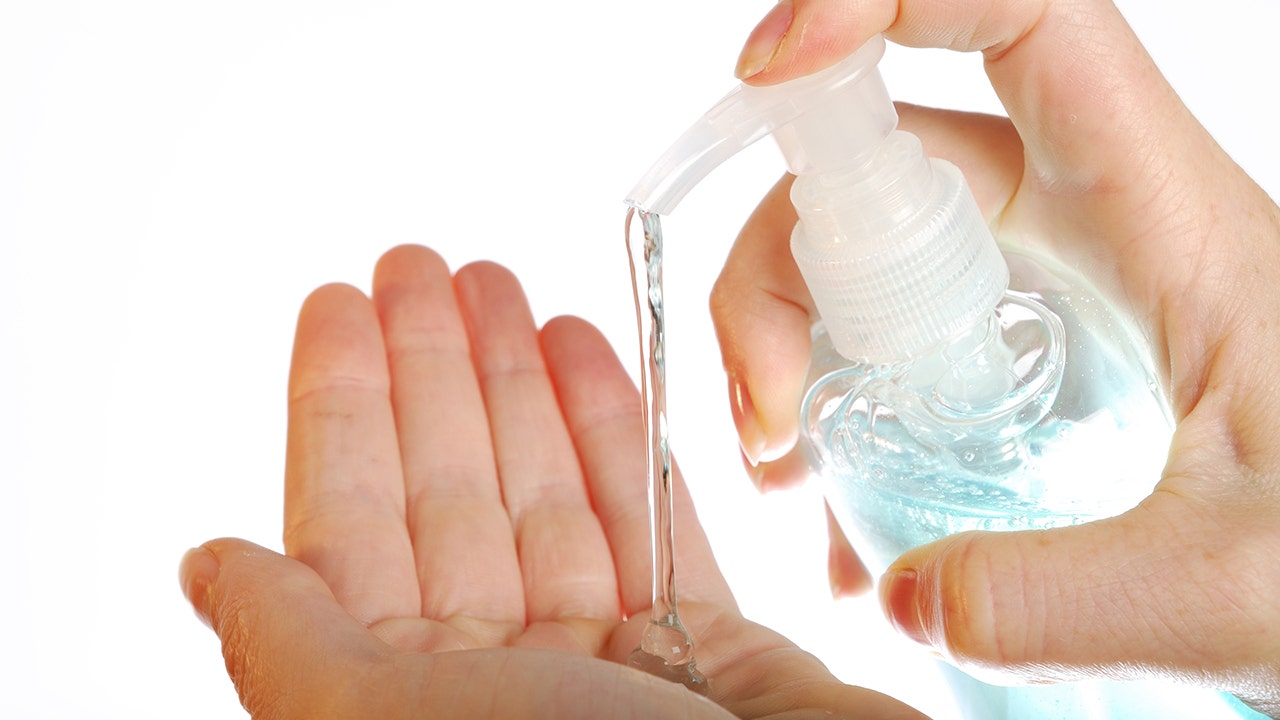
The FDA has issued a recall for 40 lots of Aruba Aloe Hand Sanitizer Gel Alcohol 80% and Aruba Aloe Alcoholada Gel due to the presence of methanol, which can cause serious health issues including coma, seizures, and blindness. Customers are advised to stop using the products and discard them. The affected products were distributed between May 1, 2021, and Oct. 7, 2023, and were sold in the United States online through Aruba Aloe Balm N.V.'s website.
Researchers have developed a material consisting of copper anchored on nanocrystalline carbon nitride, which, when exposed to sunlight, can efficiently convert CO2 into methanol, a green fuel. This breakthrough paves the way for creating sustainable fuels and reducing the impact of carbon dioxide, the primary contributor to global warming. The new catalyst, made of abundant elements like carbon, nitrogen, and copper, demonstrates high efficiency and selectivity, offering a promising pathway for the development of highly tunable catalysts at the nanoscale for CO2 conversion.
The global shipping industry is exploring greener technologies to mitigate its significant contribution to climate change. Danish shipping giant Maersk has introduced the first ships powered by green methanol, which can reduce greenhouse gas emissions by 100 tons per day. However, the adoption of greener fuels faces challenges, including the need for new ships and infrastructure, limited production of green methanol, and higher costs compared to conventional fuels. The industry is also awaiting global regulations from the International Maritime Organization to level the playing field and incentivize the transition to low-carbon fuels. While progress is being made, there is still a long way to go to decarbonize the vast fleet of cargo ships that currently operate worldwide.
Ten people died and over 140 were sickened after drinking home-made liquor made with methanol at a party in Alborz province, Iran. Since the country banned the production and consumption of alcoholic beverages in 1979, methanol is often added to home-made brews as a cheaper alternative to ethanol. Drinking alcohol is punishable by a cash fine and lashes. Methanol poisoning sickened 768 people in Iran between September and October 2018 alone, killing 76.
At least 18 people have died and dozens more have fallen ill after drinking adulterated cider in western Russia's Ulyanovsk region. The cider contained lethal amounts of methanol, also known as methyl alcohol or wood alcohol, and is much more toxic than the ethanol found in regular alcoholic drinks. Authorities detained one person on suspicion of causing death through negligence and ordered the affected goods to be removed from sale. The consumption of homemade alcohol remains a problem in Russia despite tightened controls on the production and sale of alcohol after previous incidents of alcohol poisoning.
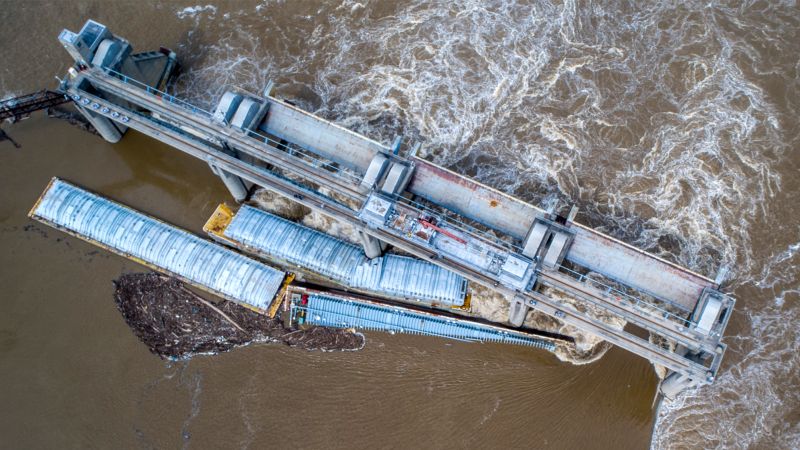
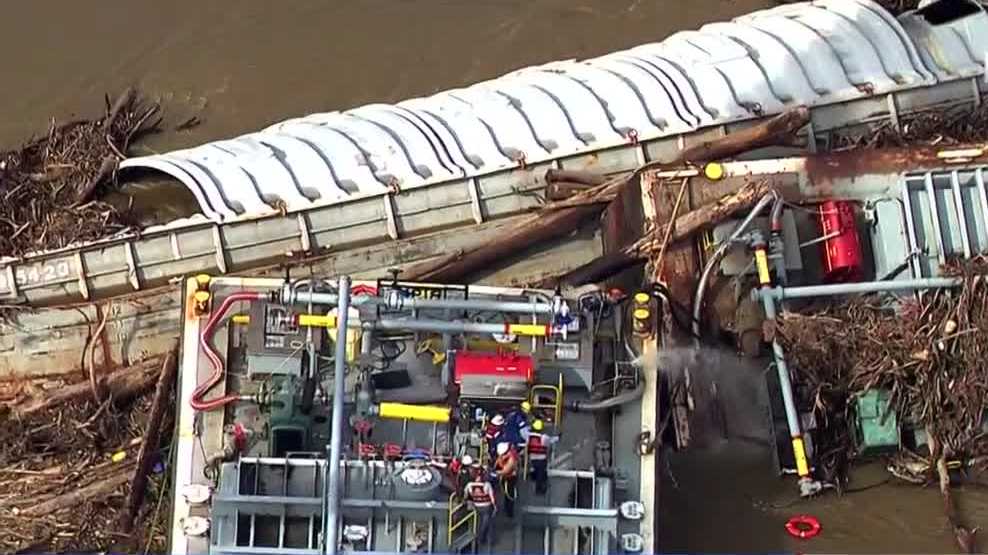
A barge carrying methanol that was stuck on the Ohio River for more than a week has been safely removed. The barge broke loose from a vessel on the river and became stuck against the McAlpine Dam near Louisville, Kentucky. Methanol was pumped from the barge before it was pulled off the structure. No methanol was released into the environment, and tests have found no sign of it in air or water. Crews will continue to free the remaining barge stuck on the dam, which is carrying corn.
A barge containing methanol that was stuck at the McAlpine Dam on the Ohio River has been successfully removed by crews. The remaining methanol will be transferred from the tank barge into a receiver barge. Air and water testing showed no methanol detected from 243 samples taken. Salvage crews will continue to work on removing the last barge, which is carrying a load of corn, through the weekend.