Scientists have discovered a new 'Island of Inversion' in the symmetric nucleus Mo-84, where traditional nuclear shell rules break down, challenging previous beliefs that such effects only occur in neutron-rich nuclei. This finding provides new insights into nuclear forces and structure, especially in proton-neutron symmetric regions.
Scientists have developed a novel technique using a single molecule of radium monofluoride as a tiny particle collider to study the nucleus of radium atoms, potentially shedding light on fundamental questions about matter-antimatter asymmetry in the universe.
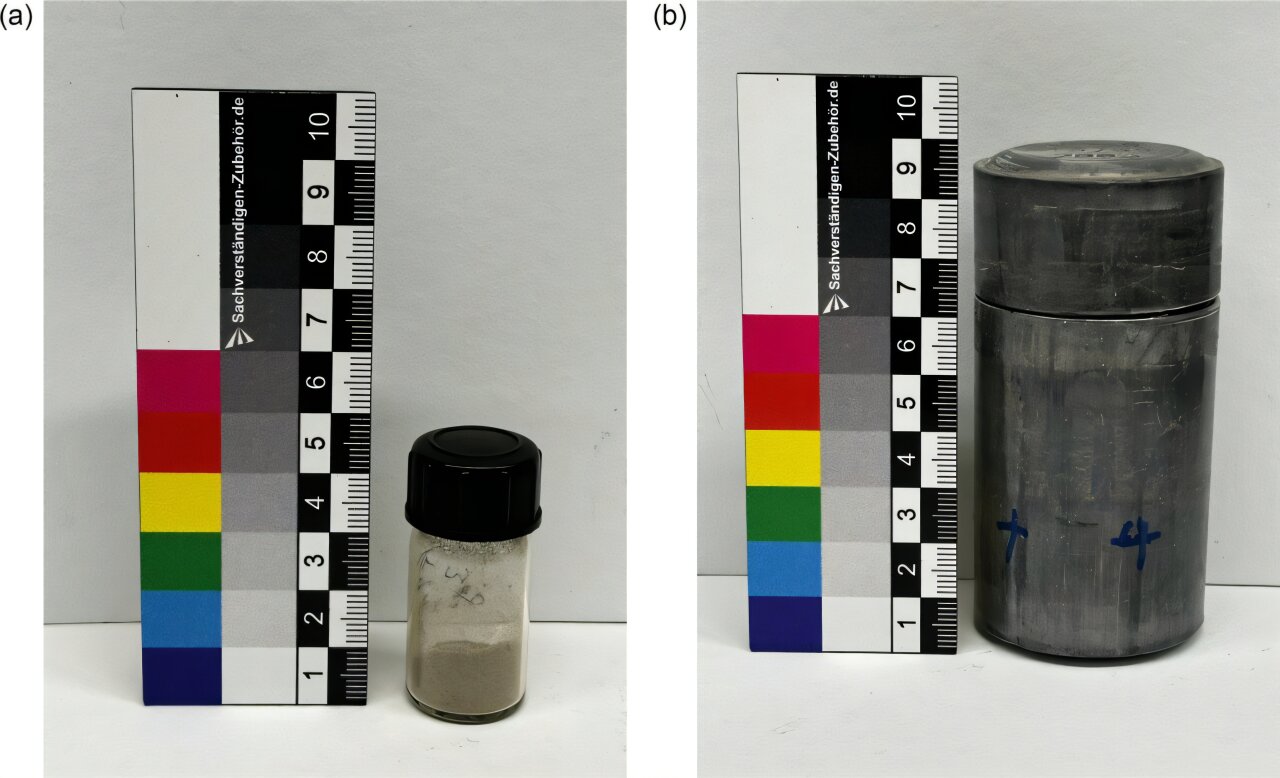
A research team from the University of Cologne has experimentally confirmed the electron capture decay of technetium-98, a process previously only theorized, by detecting rare decay events using advanced shielding and measurement techniques, thereby enriching the understanding of nuclear decay pathways and updating the nuclear periodic table.
A Chinese research team has confirmed that proton number 14 is a new magic number in nuclear physics by precisely measuring silicon-22, an exotic, short-lived nucleus, revealing new insights into nuclear stability and the fundamental building blocks of matter.
Magic numbers in nuclear physics are specific counts of protons and neutrons (2, 8, 20, 28, 50, 82, 126) that lead to especially stable atomic nuclei, explained by the nuclear shell model where complete shells confer stability, similar to electron shells in atoms.
Scientists at CERN's ISOLDE facility have identified the boundary of the neutron-rich 'island of inversion' near neutron number 40 by studying chromium-61, revealing where the traditional nuclear shell model breaks down and aiding in understanding nuclear structure evolution.
Researchers discovered a new, watermelon-shaped isotope of astatine that decays by emitting a proton, a rare form of radioactive decay, providing insights into the structure and behavior of unstable nuclei and expanding understanding of atomic stability.
Scientists propose using radioactive nuclear waste with advanced technology to produce tritium, a key fuel for nuclear fusion, potentially solving the tritium shortage and advancing clean energy efforts, though it requires significant investment and planning.
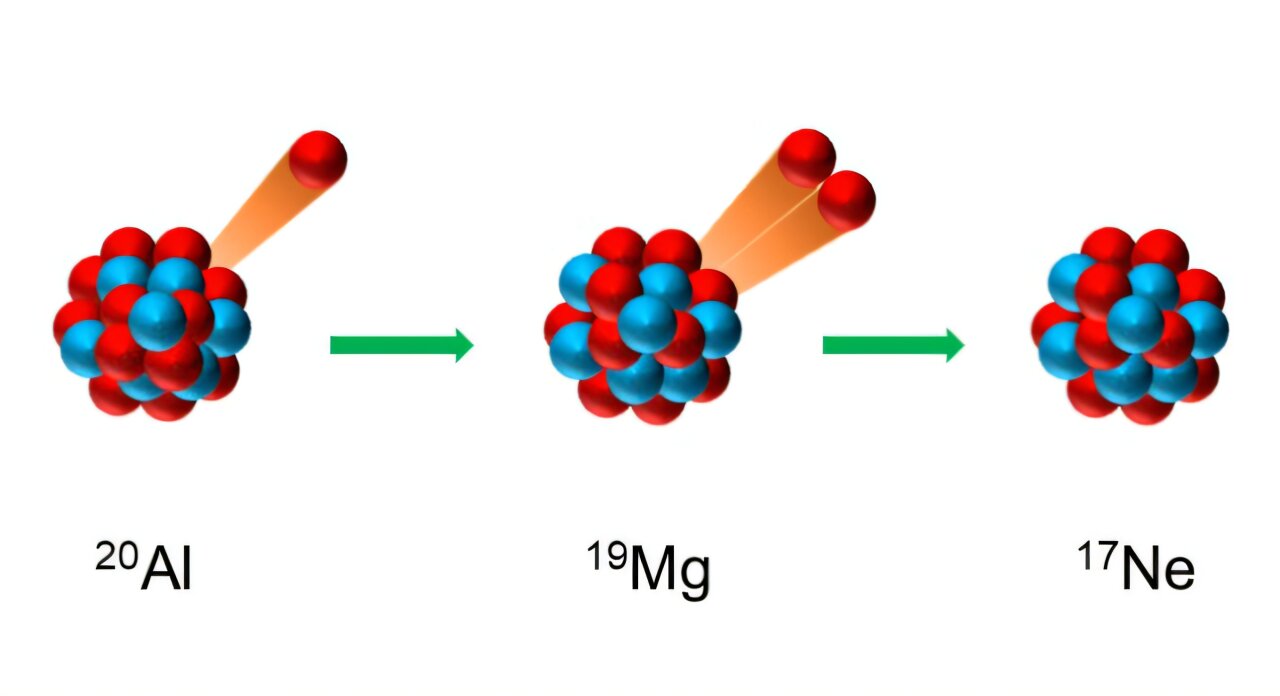
Physicists have discovered and characterized aluminum-20, a new isotope that decays via rare three-proton emission, providing new insights into nuclear structure and decay processes beyond the proton drip line.
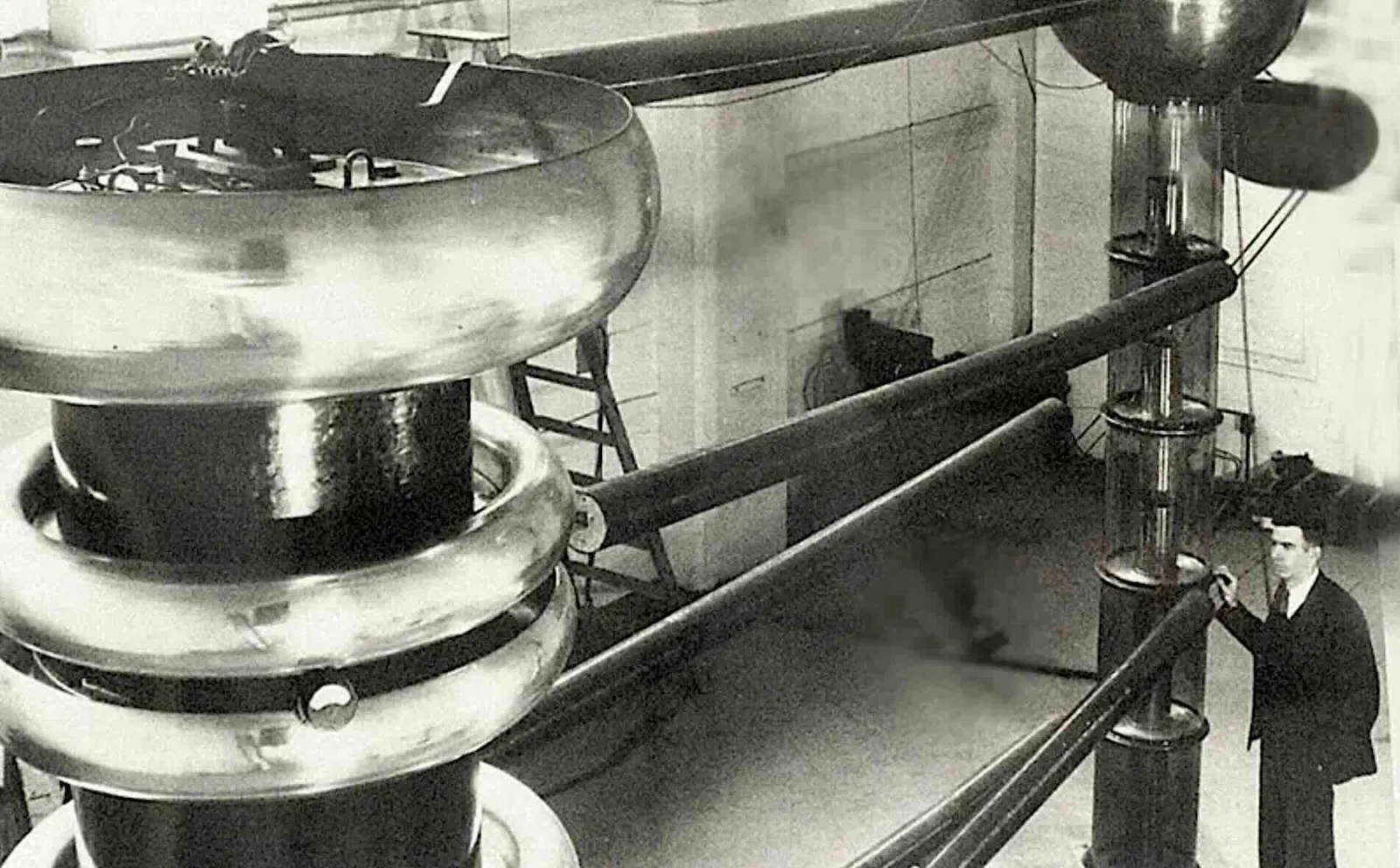
A 1938 experiment by Arthur Ruhlig, which first observed deuterium-tritium fusion and was largely forgotten, has been rediscovered and replicated by modern scientists, confirming its findings and shedding light on the early history of nuclear fusion research.
Researchers at FRIB discovered that cobalt-70 isotopes can exhibit two different shapes—spherical and deformed—at nearly the same energy levels, providing new insights into nuclear structure and shape coexistence phenomena.
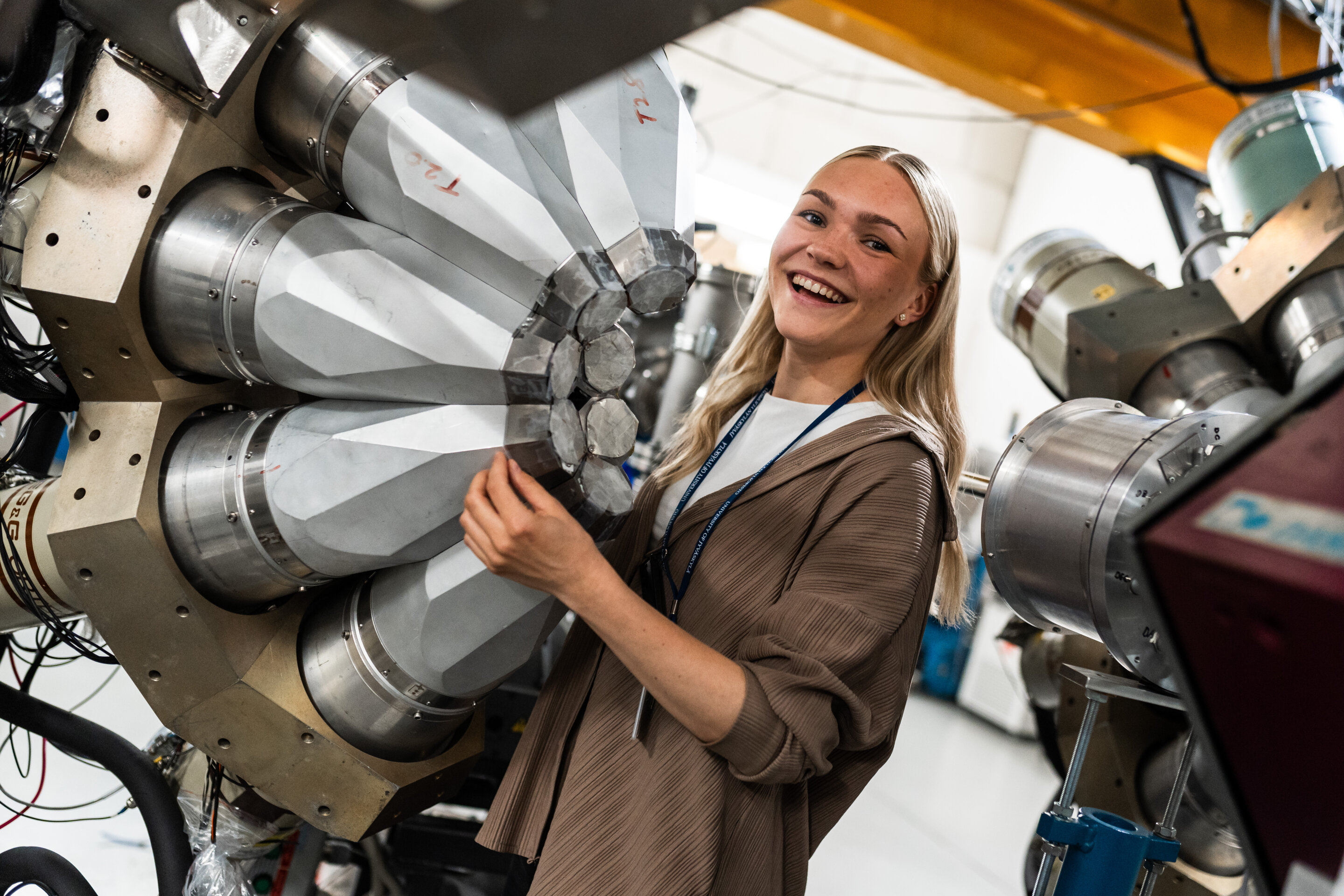
Researchers at the University of Jyväskylä have measured the decay of the heaviest nucleus emitting protons for the first time in nearly 30 years, identifying a new isotope of astatine (188At) and expanding understanding of nuclear structure and interactions.
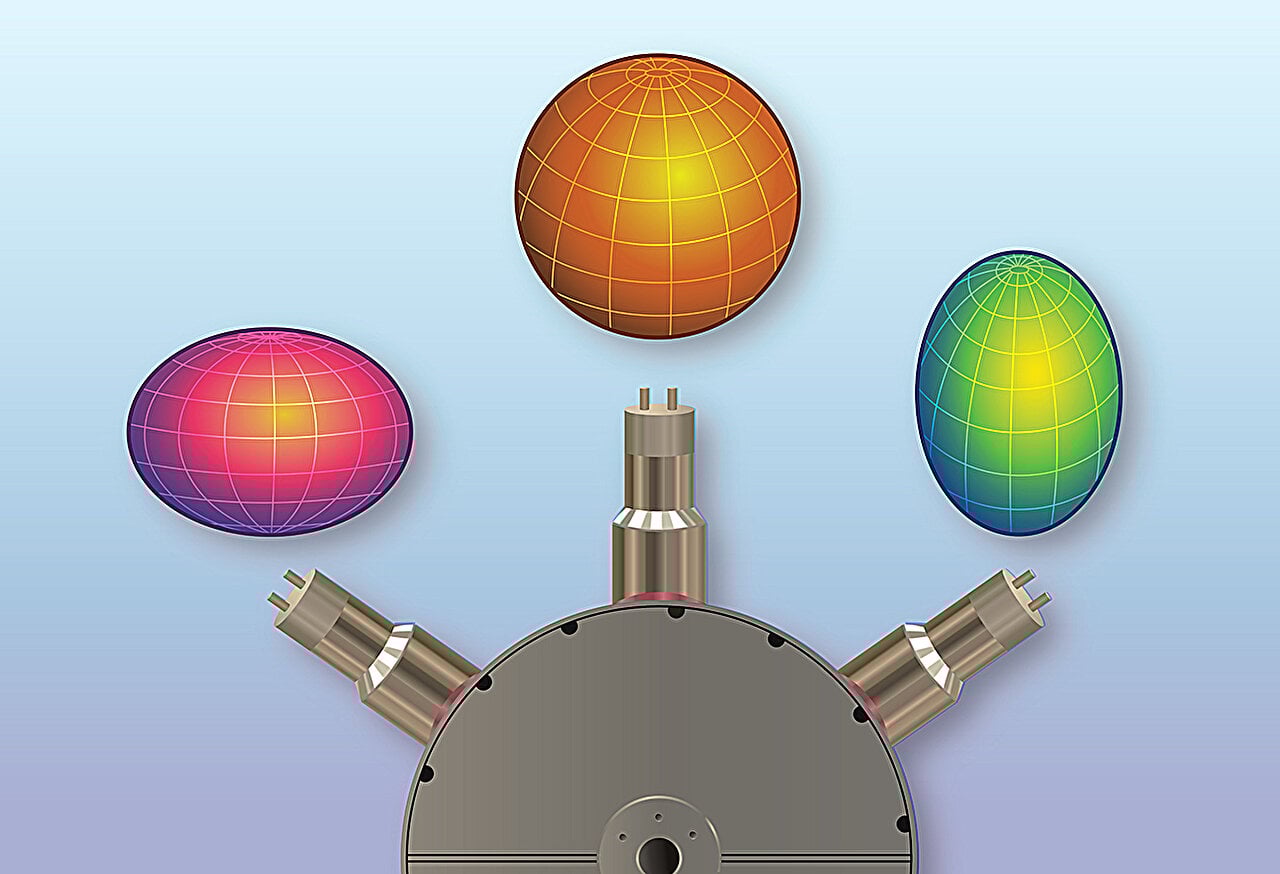
Most atomic nuclei are not round but are often deformed into shapes like prolate or pear-shaped, challenging the traditional view of spherical nuclei. This deformation is linked to quantum mechanical properties and collective behaviors within the nucleus, with most nuclei exhibiting a prolate shape, and the reasons behind these shapes remain an open question in nuclear physics.
Physicists at Jefferson Lab have made the first measurement of J/psi particle production below the energy threshold in nuclei, providing new insights into the behavior of gluons that bind protons and neutrons inside atomic nuclei, which could advance understanding of the strong force and nuclear structure.
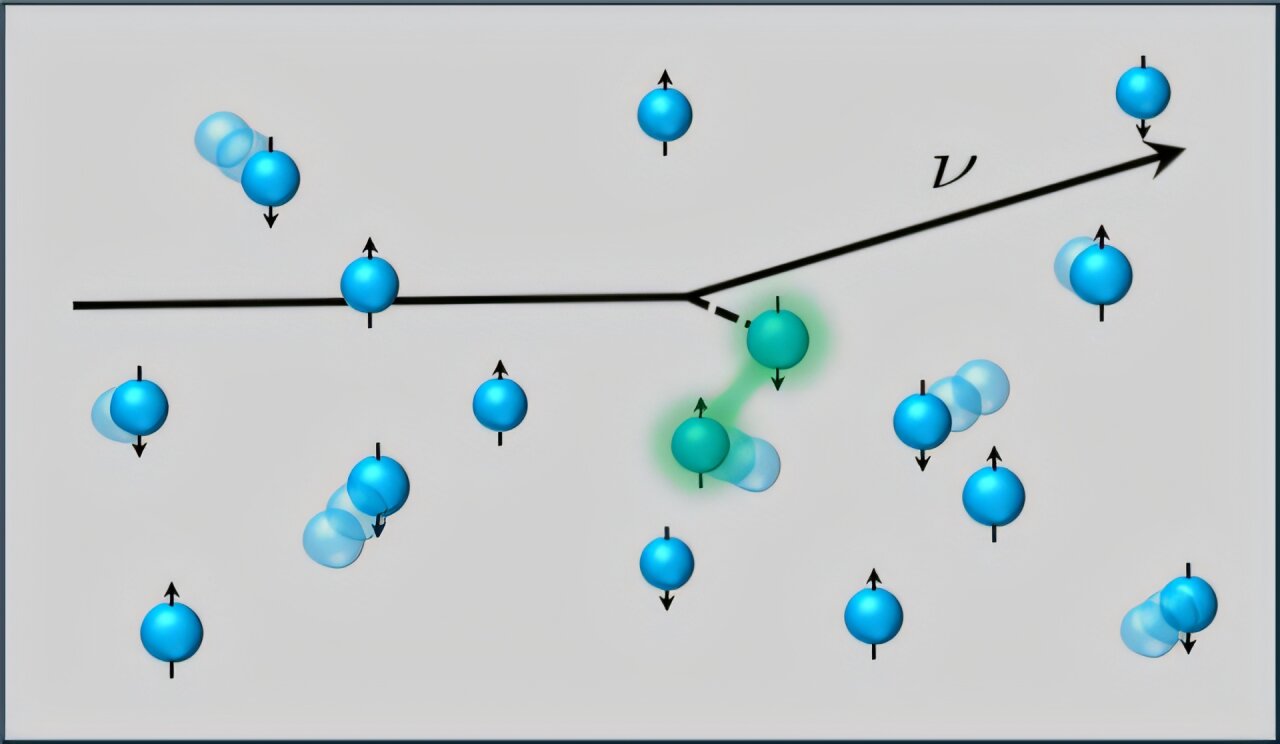
Researchers from multiple countries have developed a new simulation method to better understand spin and density correlations in neutron matter, which are crucial for studying neutrino interactions in neutron stars and supernovae. Using the "rank-one operator method," they achieved more efficient calculations, enhancing the accuracy of supernova explosion simulations. This advancement could provide deeper insights into the behavior of neutron stars and the role of neutrinos in supernovae.