The article highlights the resilience and impact of grassroots climate justice movements worldwide, emphasizing recent victories like the first-ever just transition mechanism at Cop30, regional fossil fuel phaseout initiatives, and international legal rulings that hold governments accountable, all driven by community-led efforts and Indigenous knowledge, offering hope amid ongoing climate chaos.
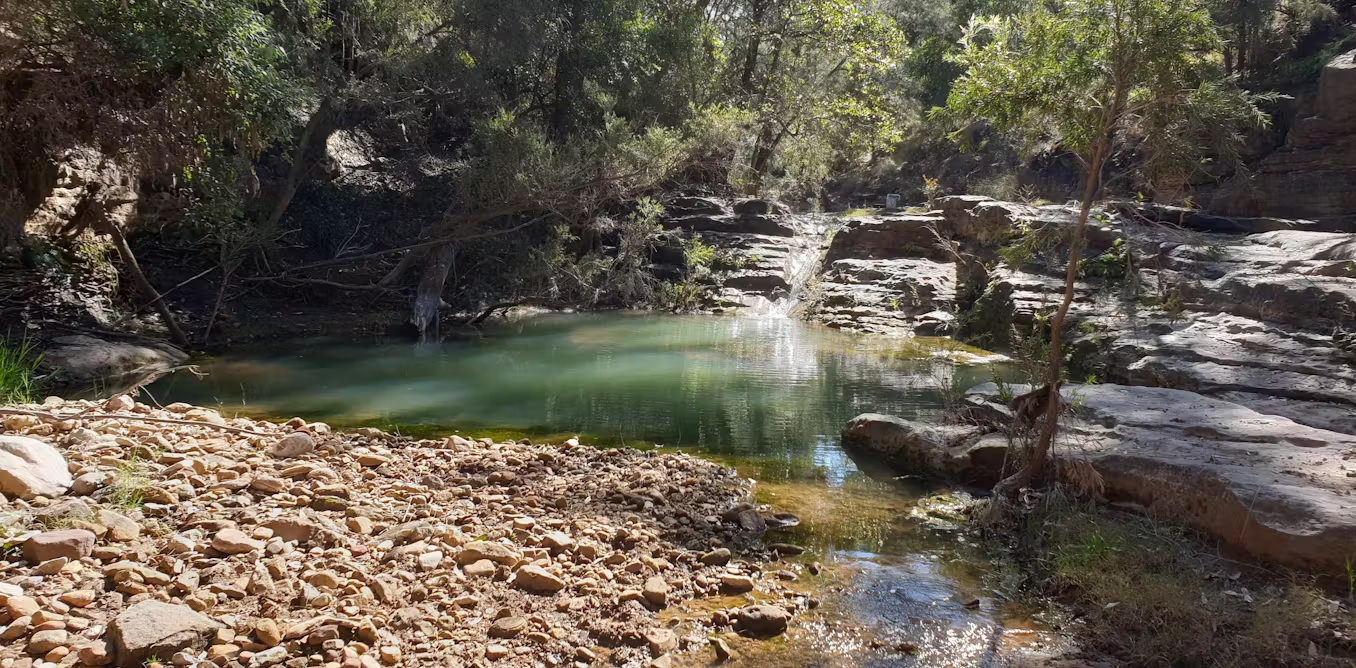
The article discusses how the myth of 'aqua nullius'—the idea that water belongs to no one—perpetuates colonial injustices in Australia's groundwater management, ignoring Indigenous knowledge and rights. It emphasizes the importance of integrating Indigenous perspectives and traditional practices into water governance to ensure sustainable and culturally respectful management of groundwater resources, especially as climate change and industrial pressures increase.
Research on the 2023 Maui wildfire reveals a 67% increase in local mortality beyond official counts, highlighting the broader health impacts of natural disasters and emphasizing the need for improved disaster preparedness that incorporates Native Hawaiian ecological practices to mitigate future risks.
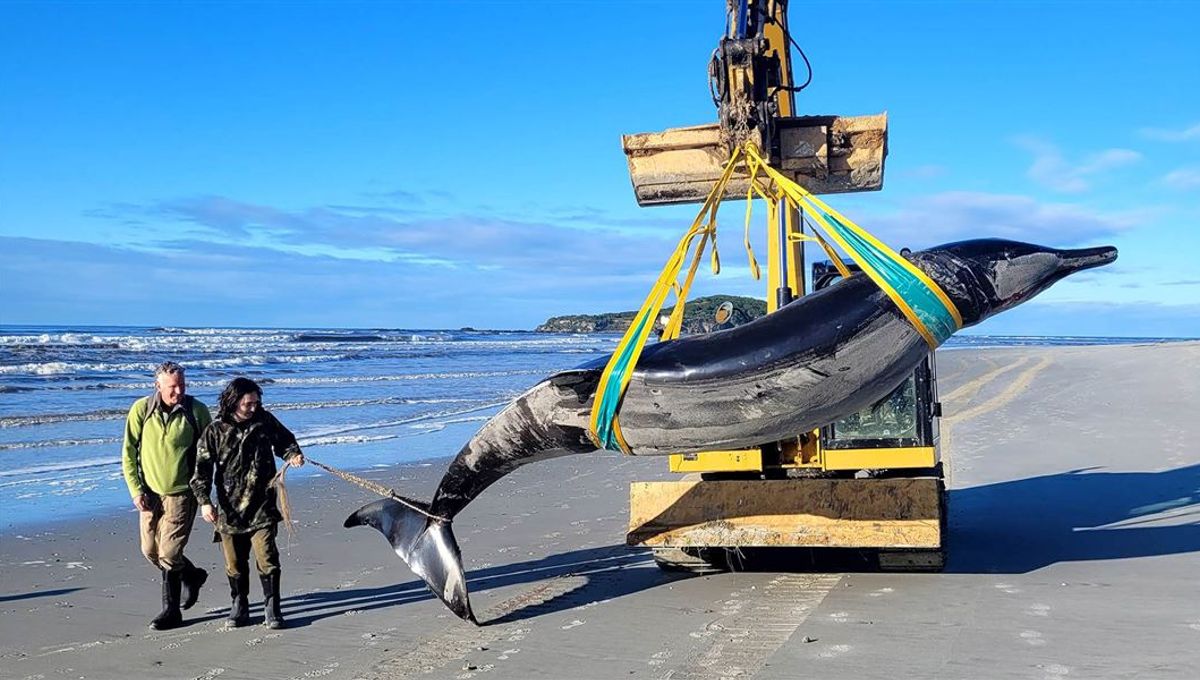
The rarest whale, the spade-toothed whale, with only seven known specimens and never seen alive, was recently dissected in New Zealand, revealing new insights into its anatomy, vestigial teeth, and stomach structure, highlighting the importance of combining indigenous and scientific knowledge for conservation.
A new book reveals that the Northern Dene people of Alaska and Canada possess extensive traditional knowledge about the stars, which was historically overlooked by scientists, highlighting the importance of respecting indigenous cultural practices and understanding their astronomical insights.
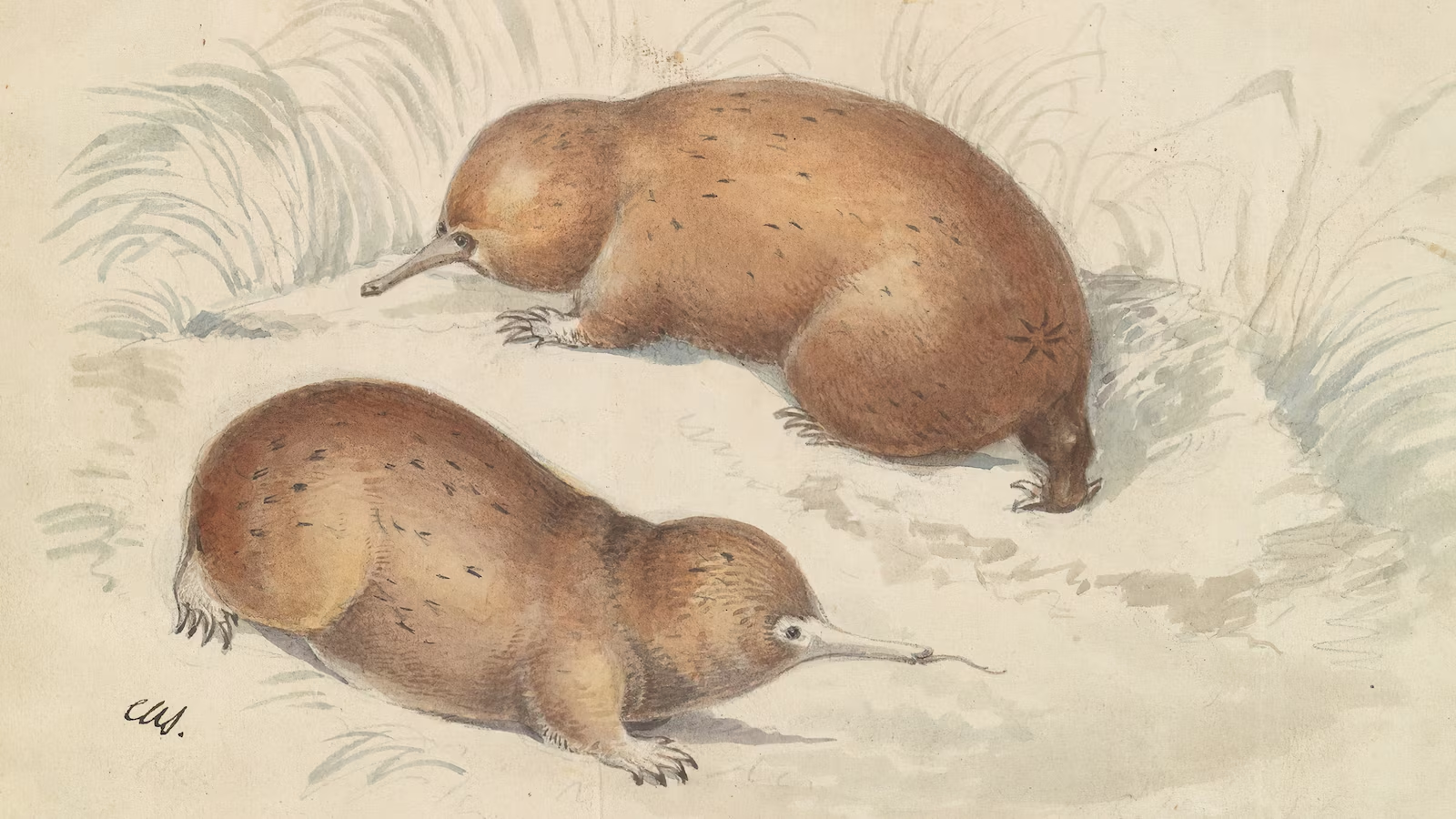
Scientists confirmed the existence of the long-beaked echidna, a 200-million-year-old egg-laying mammal thought to be extinct, through a combination of modern technology, indigenous knowledge, and camera trapping in Indonesia's Cyclops Mountains, reviving hope for other lost species.
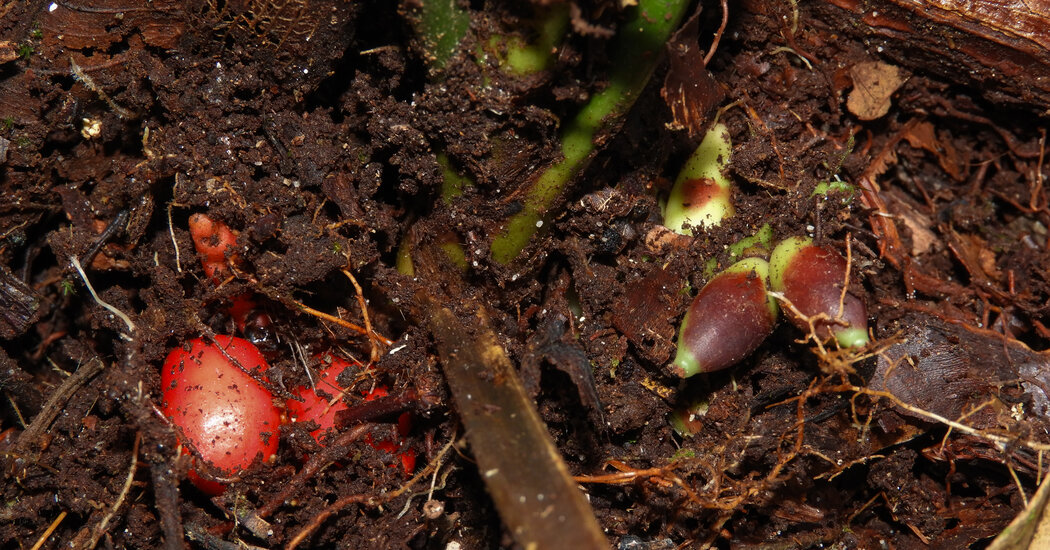
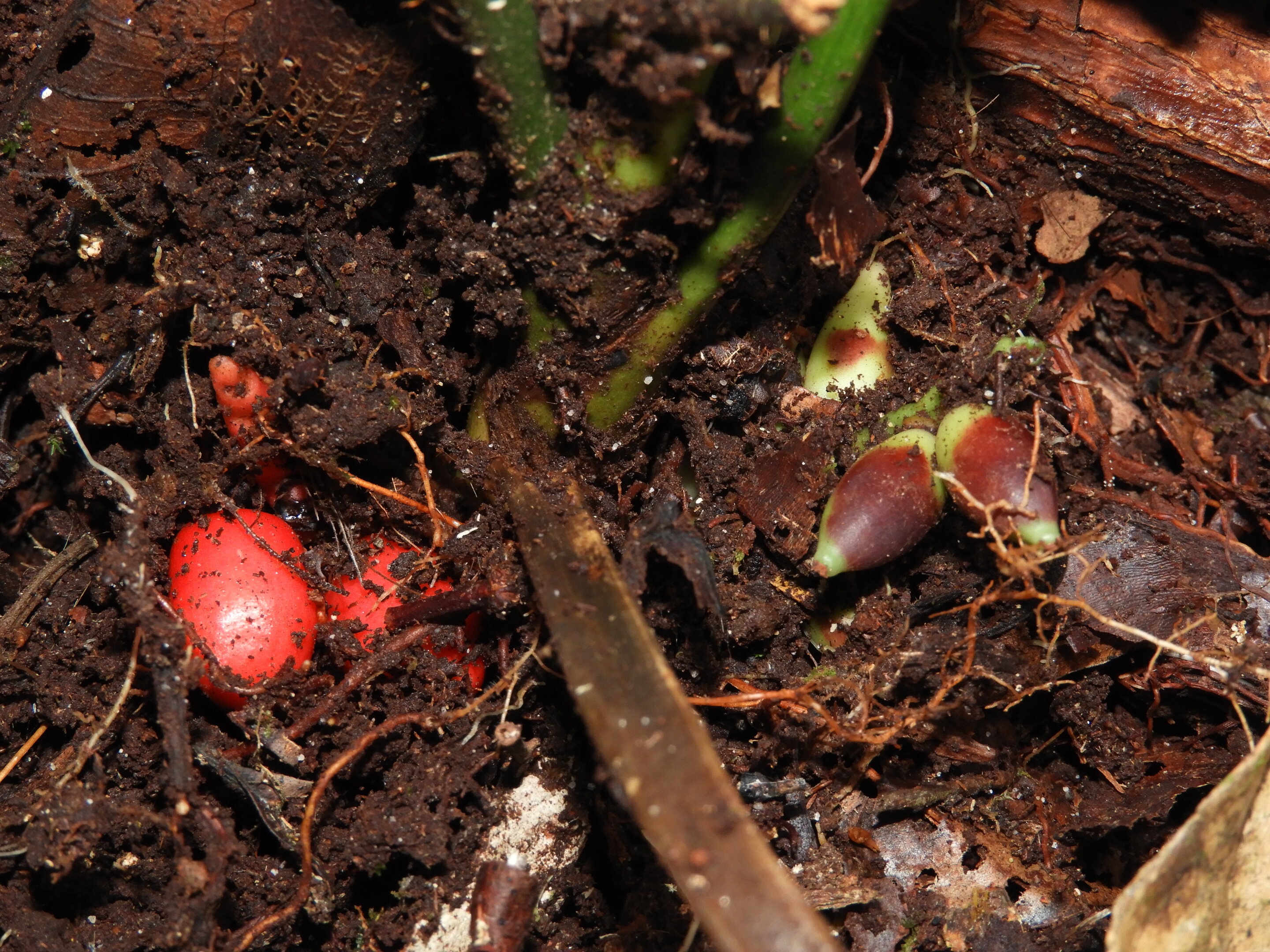
The Royal Botanic Gardens, Kew, recently named Pinanga subterranea, a palm that flowers underground, as a new discovery, although it has long been known to local Indigenous people in Borneo. This rare plant was found abundantly on the island, and its "discovery" serves as an example of conventional science catching up with Indigenous knowledge.
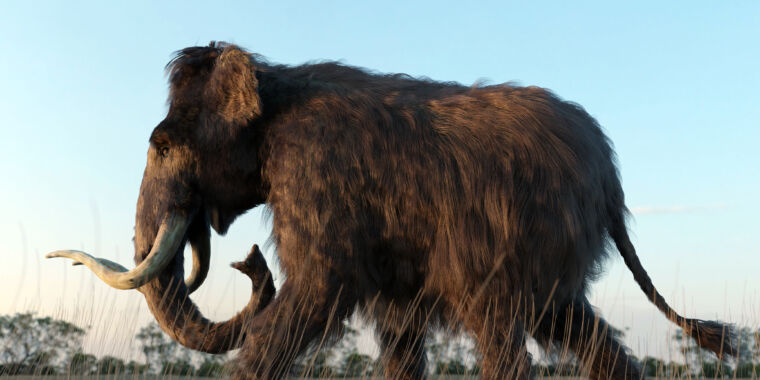
Using ancient DNA and isotopic analysis of a mammoth's tusk, researchers have tracked the life and travels of a female mammoth named Élmayųujey’eh in Alaska, approximately 14,000 years ago. This study, along with earlier work on a male mammoth, provides unprecedented insights into the lives of specific animals and Pleistocene ecology. The tusk's isotopic information revealed her movements and connections to areas once inhabited by ancient humans, shedding light on her life and environment. The mammoth's name, chosen by the Healy Lake Village Tribe, reflects Dene humor and affection, and the research showcases the potential of combining scientific analysis with Indigenous knowledge.
Researchers have discovered a rare palm species, Pinanga subterranea, in Borneo that flowers and fruits almost entirely underground. The plant, known to locals for its sweet and juicy fruit, had gone unnoticed by scientists until now. This discovery highlights the importance of collaborating with Indigenous communities and their knowledge of the landscape. The species is a unique case of geoflory and the first known example of its kind in the palm family. The researchers are still unraveling the mysteries surrounding this unusual plant, including its pollination mechanism. Up to half of the known palm species may be threatened with extinction.
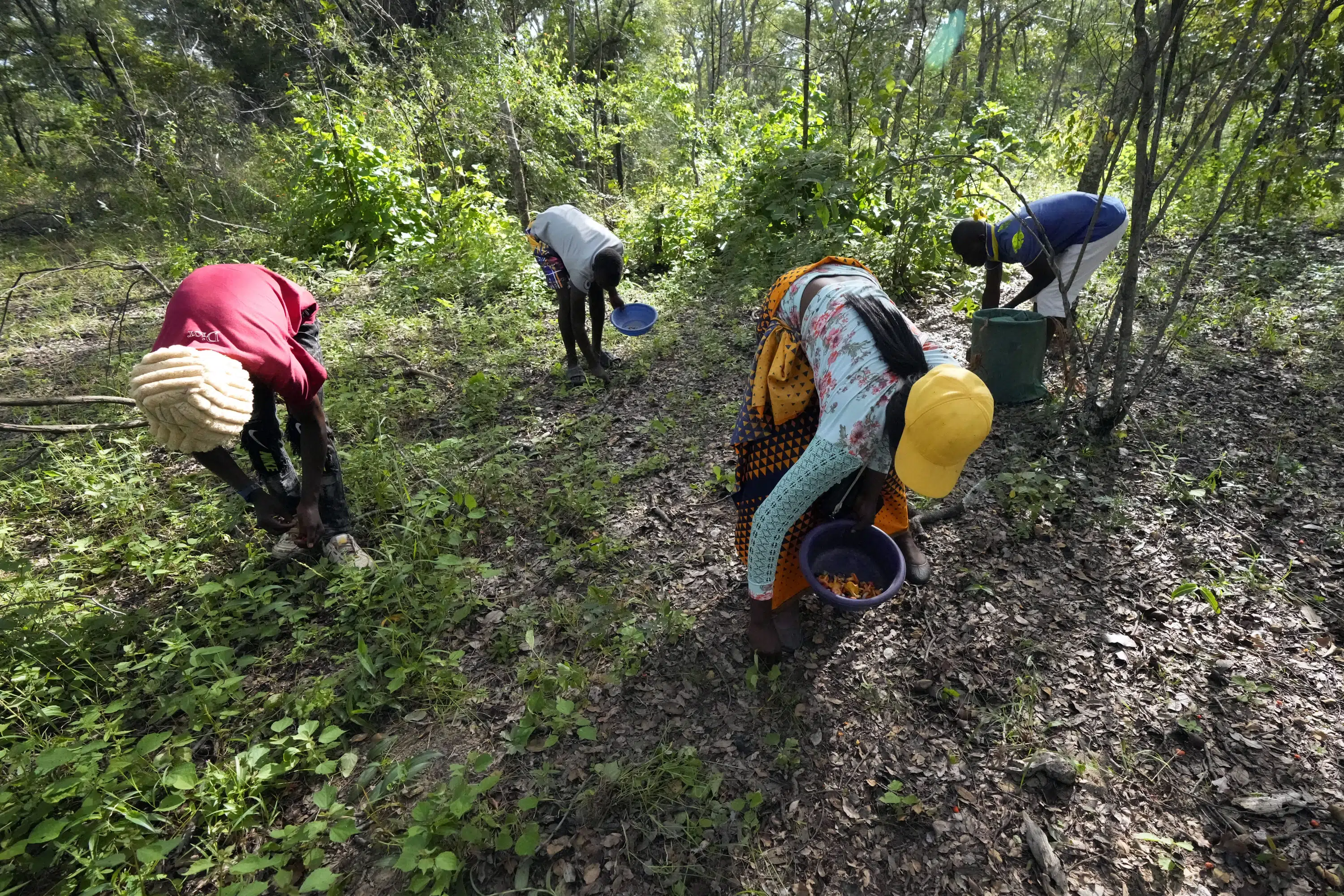
In Zimbabwe, the rainy season brings a bounty of wild mushrooms that many rural families feast upon and sell to boost their incomes. However, each year there are reports of people dying after eating poisonous fungi. Discerning between safe and toxic mushrooms has evolved into an inter-generational transfer of indigenous knowledge from mothers to daughters. Women are dominant players in Zimbabwe’s mushroom trade, and they transfer the indigenous knowledge from one generation to the other. About one in four women who forage for wild mushrooms are often accompanied by their daughters. On average, each family made just over $100 a month from selling wild mushrooms, in addition to relying on the fungi for their own household food consumption.