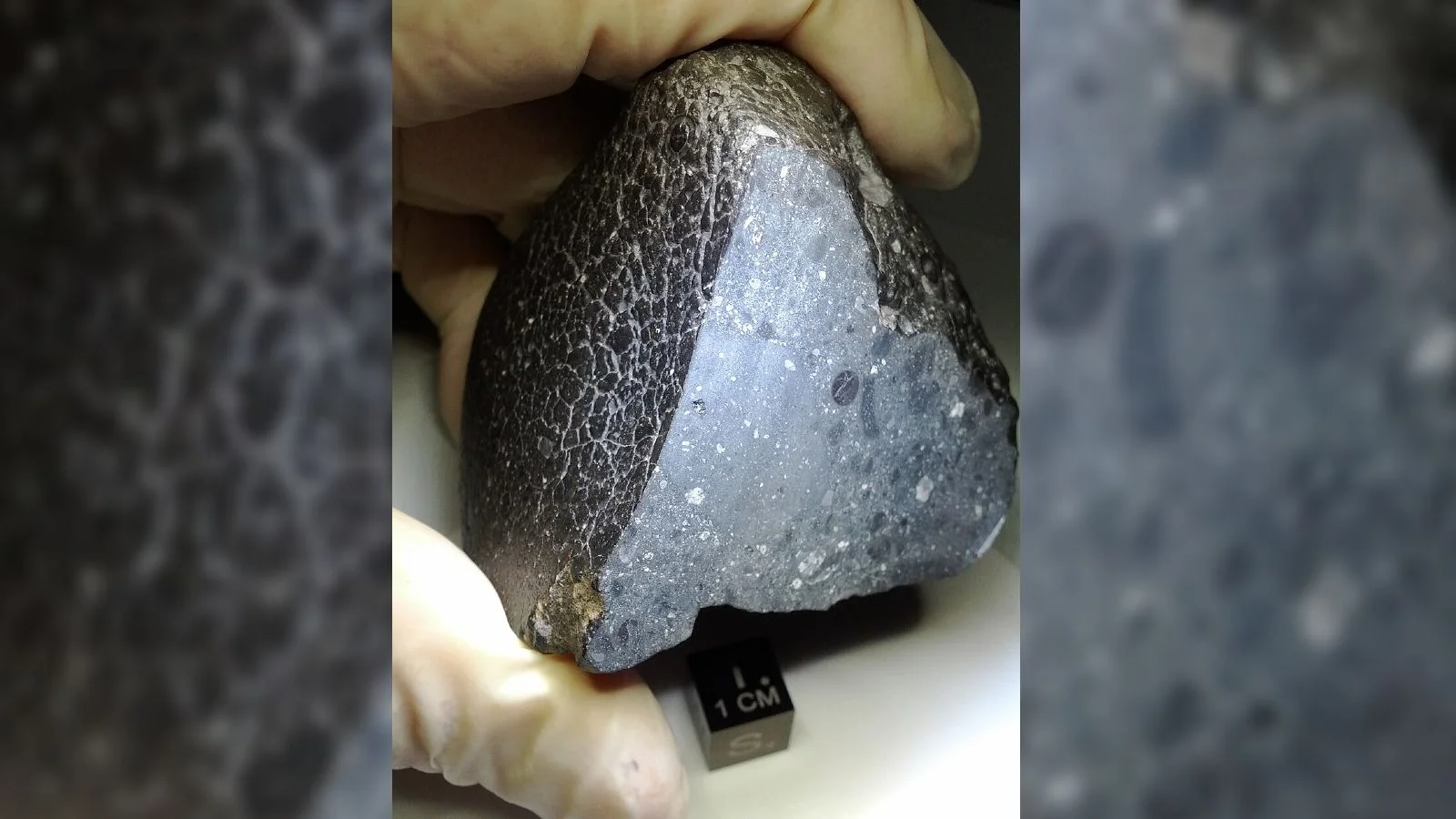
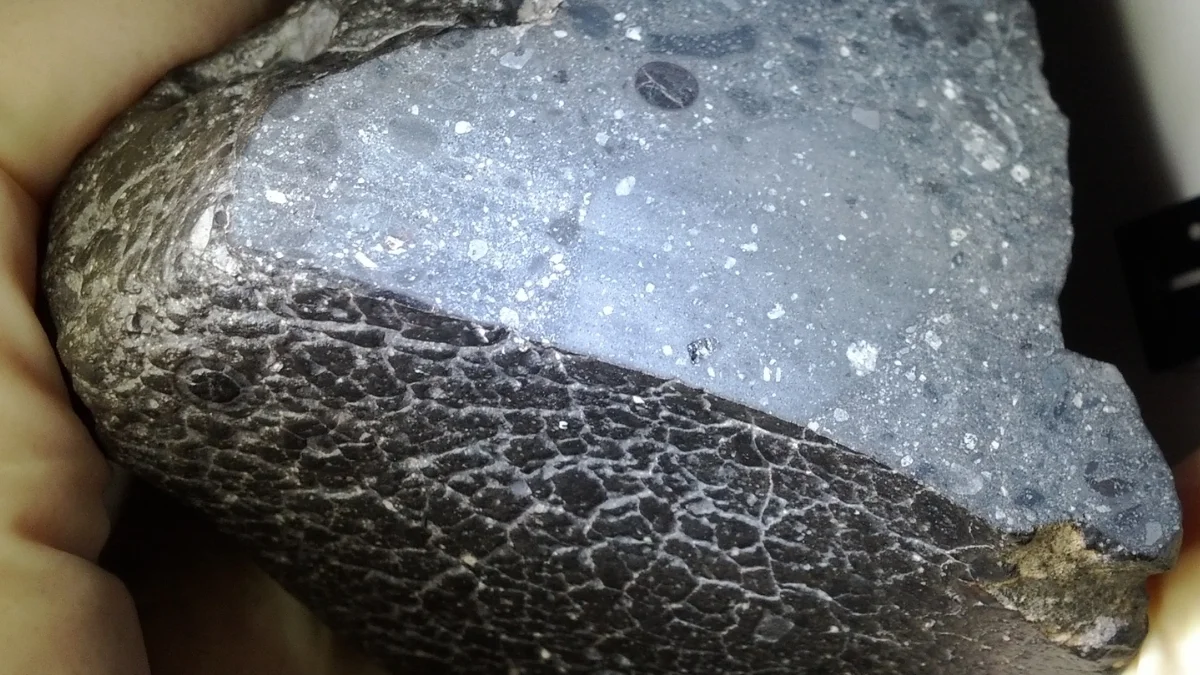
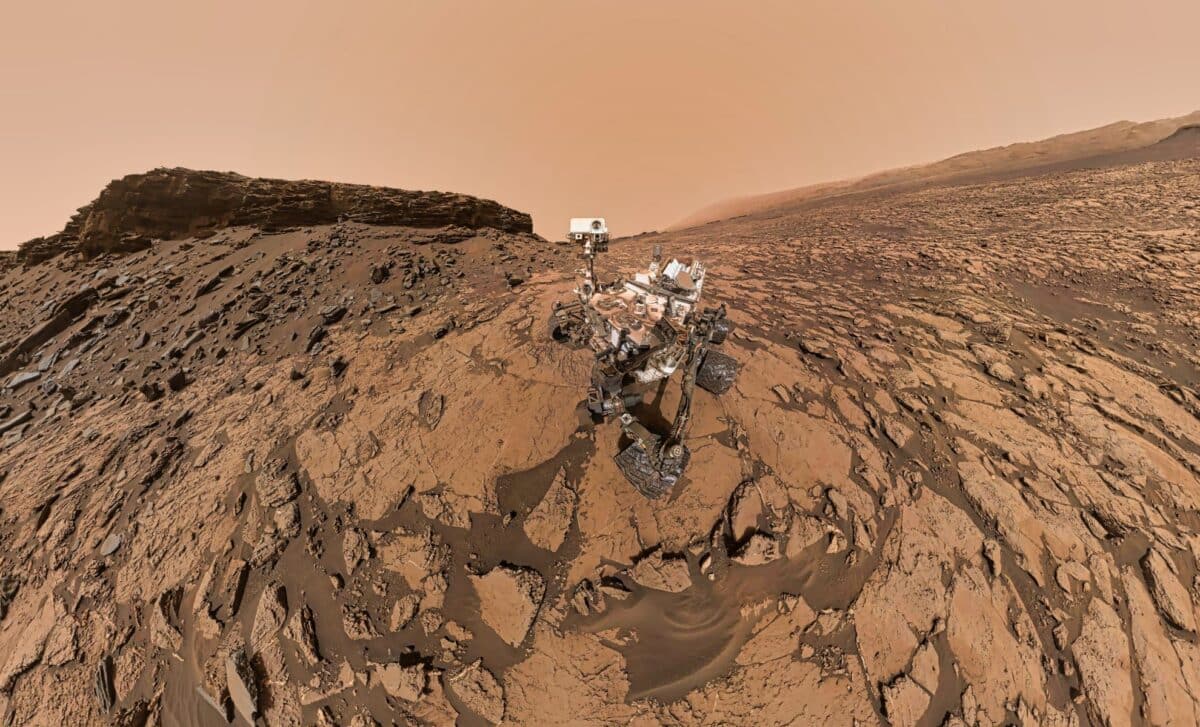
A new neutron-scanning CT analysis of the Martian meteorite NWA 7034 (Black Beauty) shows roughly 0.6% of its mass is water, locked in hydrogen-rich iron oxyhydroxide, revealing more Martian water than previously thought and offering fresh clues about Mars’ watery past.
Scientists used X-ray and neutron CT scans on the Martian meteorite NWA 7034 (Black Beauty) to non-destructively identify hydrogen-rich iron oxyhydroxide clasts (about 0.4% of the rock's volume), which account for roughly 11% of its water content. The findings support the presence of ancient surface water on Mars and demonstrate the value of non-destructive scanning for future Mars Sample Return work, though the mission is currently on hold.
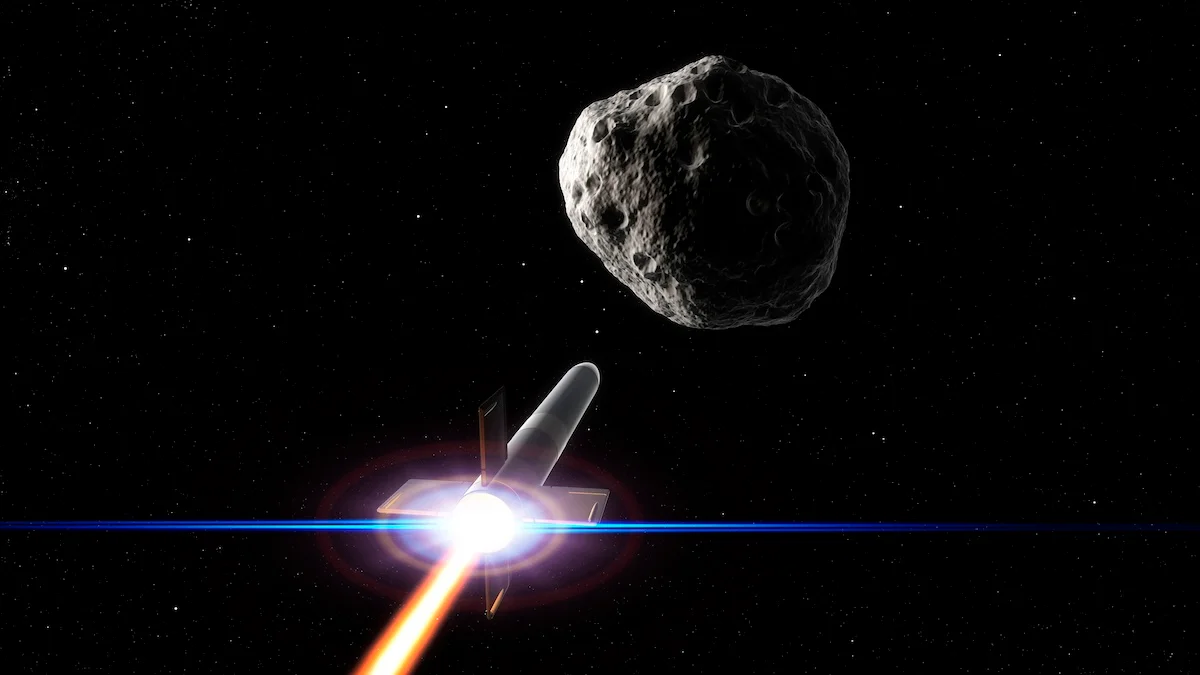
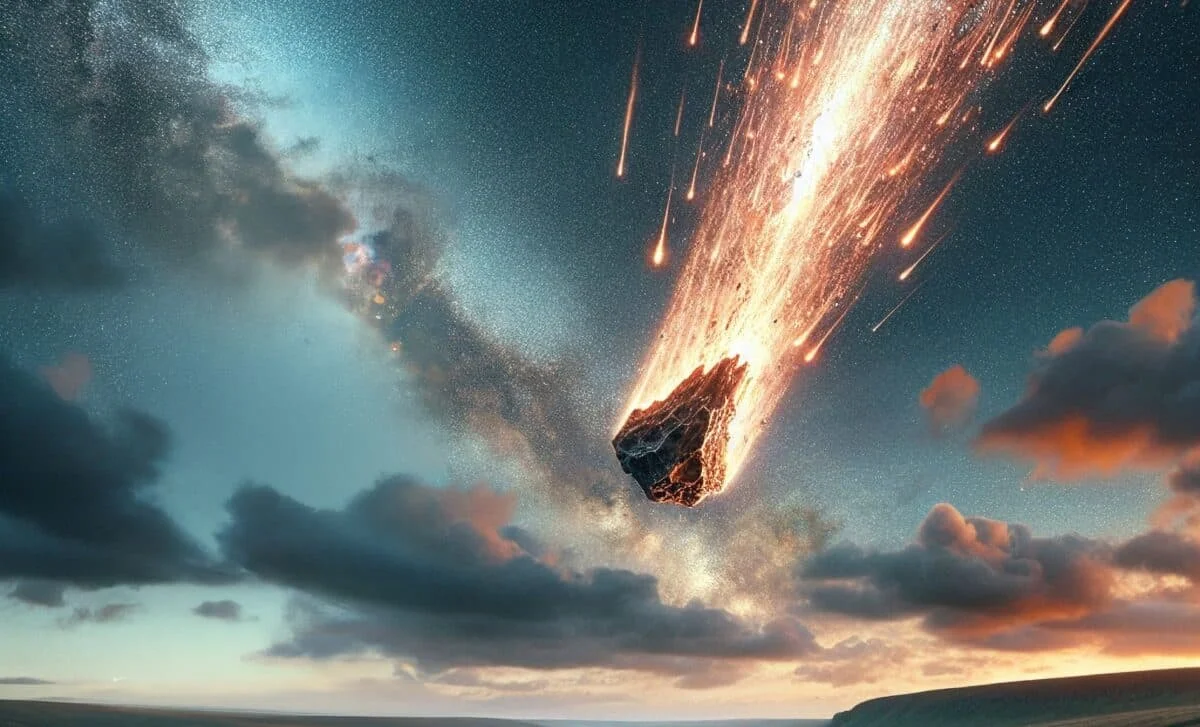
A new Nature Communications study suggests a nuclear deflection could be a viable last-resort method to steer an Earthbound asteroid, because iron rocks can strengthen under extreme stress and dissipate energy in real time. Experiments at CERN’s HiRadMat irradiated a Campo del Cielo meteorite sample, revealing non-destructive, real-time deformation including strain-rate dependent damping, which helps explain why some models underestimate asteroid resistance. The work emphasizes that deflection strategies must depend on asteroid composition and may favor a stand-off nuclear detonation near the surface over a direct blast, with more research needed across different asteroid types.
Scientists studying the Alaska-caught enstatite chondrite meteorite LAR 12252 found hydrogen sulfide in its rock matrix, a result unlikely from contamination. This supports the idea that Earth’s water could have formed from native materials during its formation, challenging the long-standing view that water was delivered later by water-rich asteroids.
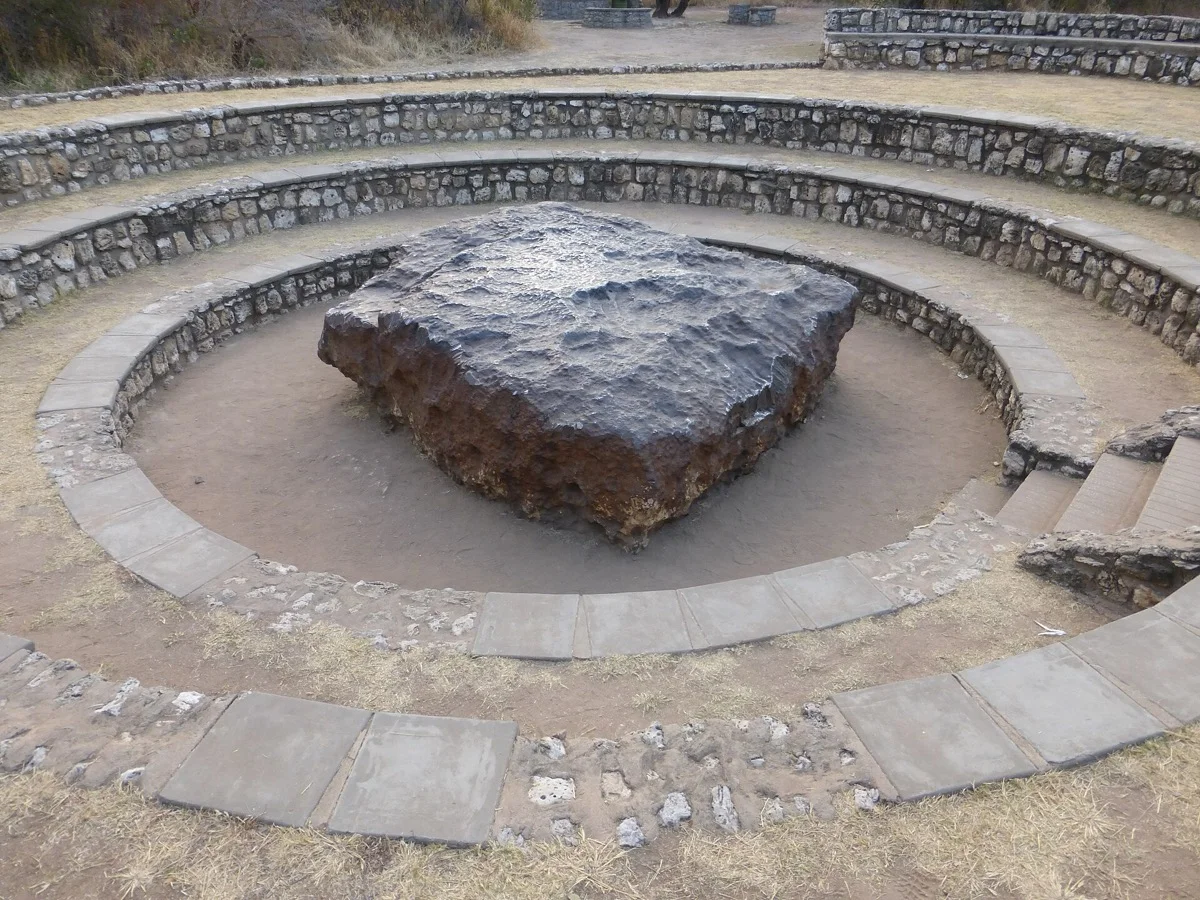
The Hoba meteorite in Namibia, weighing about 60 tons and dating to roughly 80,000 years ago, has never been moved and remains exactly where it struck Earth, with no crater observed. Scientists think its flat shape and atmospheric slowdown caused a gentler impact, leaving it as a national monument that visitors can touch.
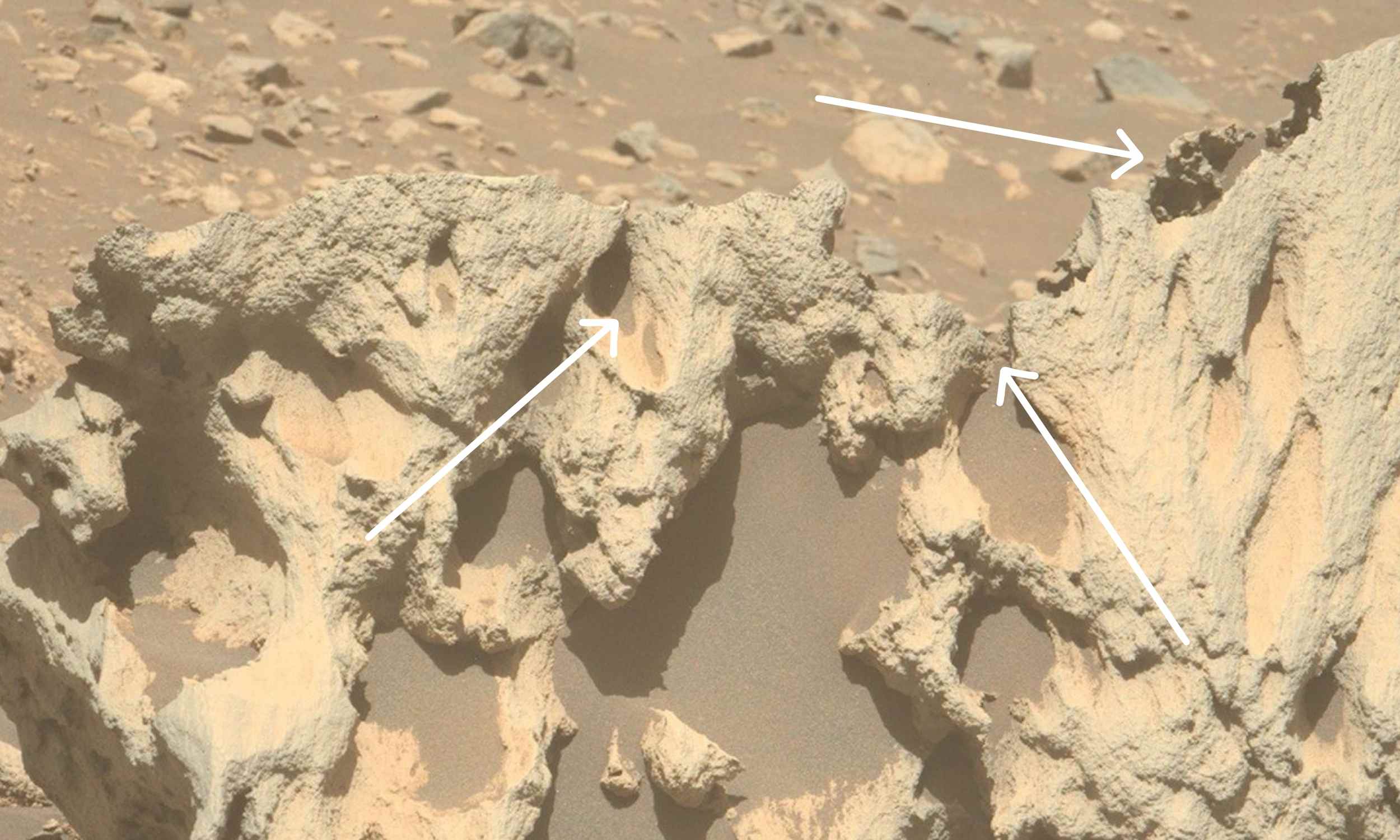
NASA's Perseverance rover discovered a desk-sized rock on Mars, named Phippsaksla, that appears to be an iron-rich meteorite, offering insights into asteroid material and Mars' impact history, with potential implications for future Mars exploration and resource utilization.
NASA's Perseverance rover has discovered a meteorite named Phippsaksla on Mars, which could provide valuable insights into the planet's geological history and the early solar system. This marks the first time Perseverance has identified a meteorite, and the find could help scientists understand impact effects on Mars and the preservation of space debris on the planet's surface.
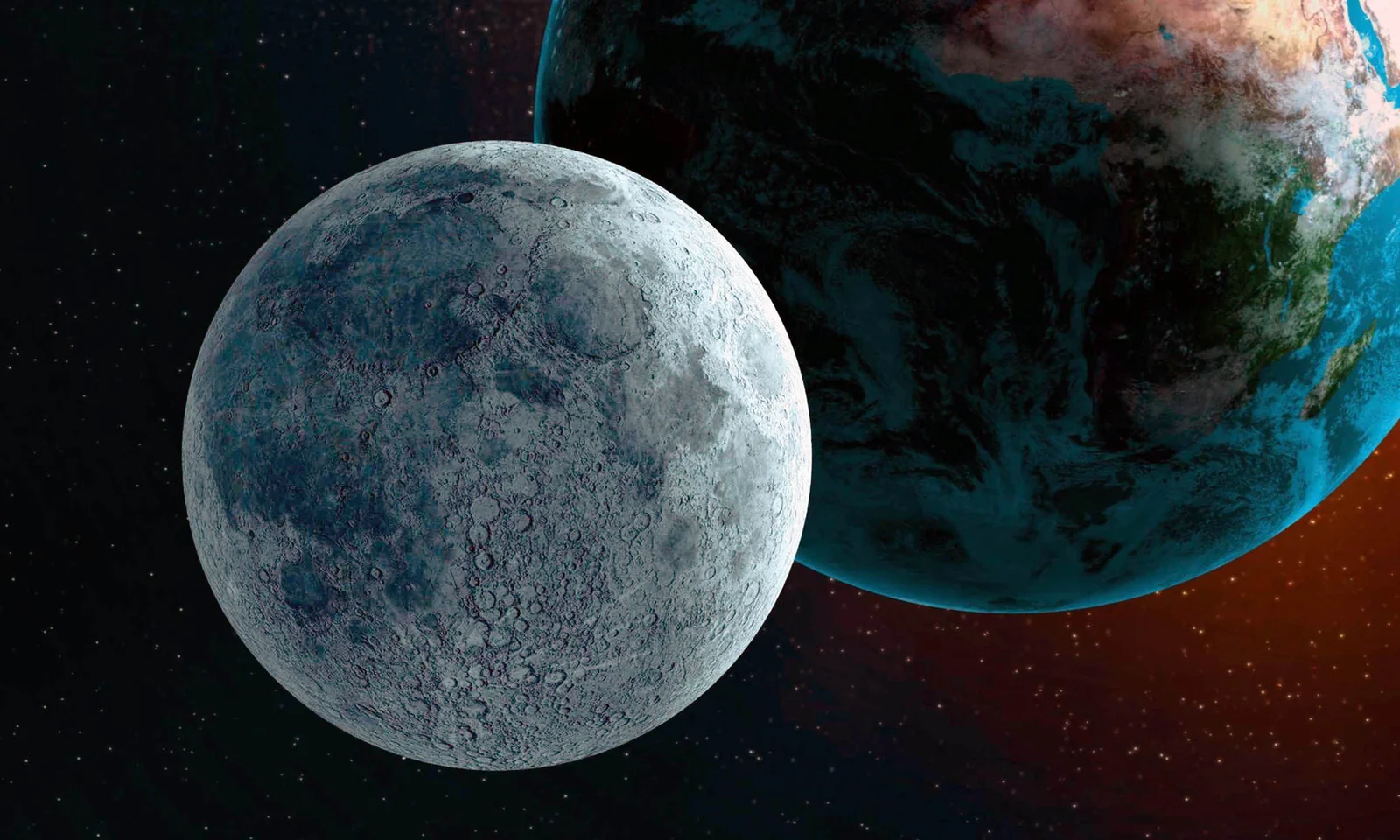
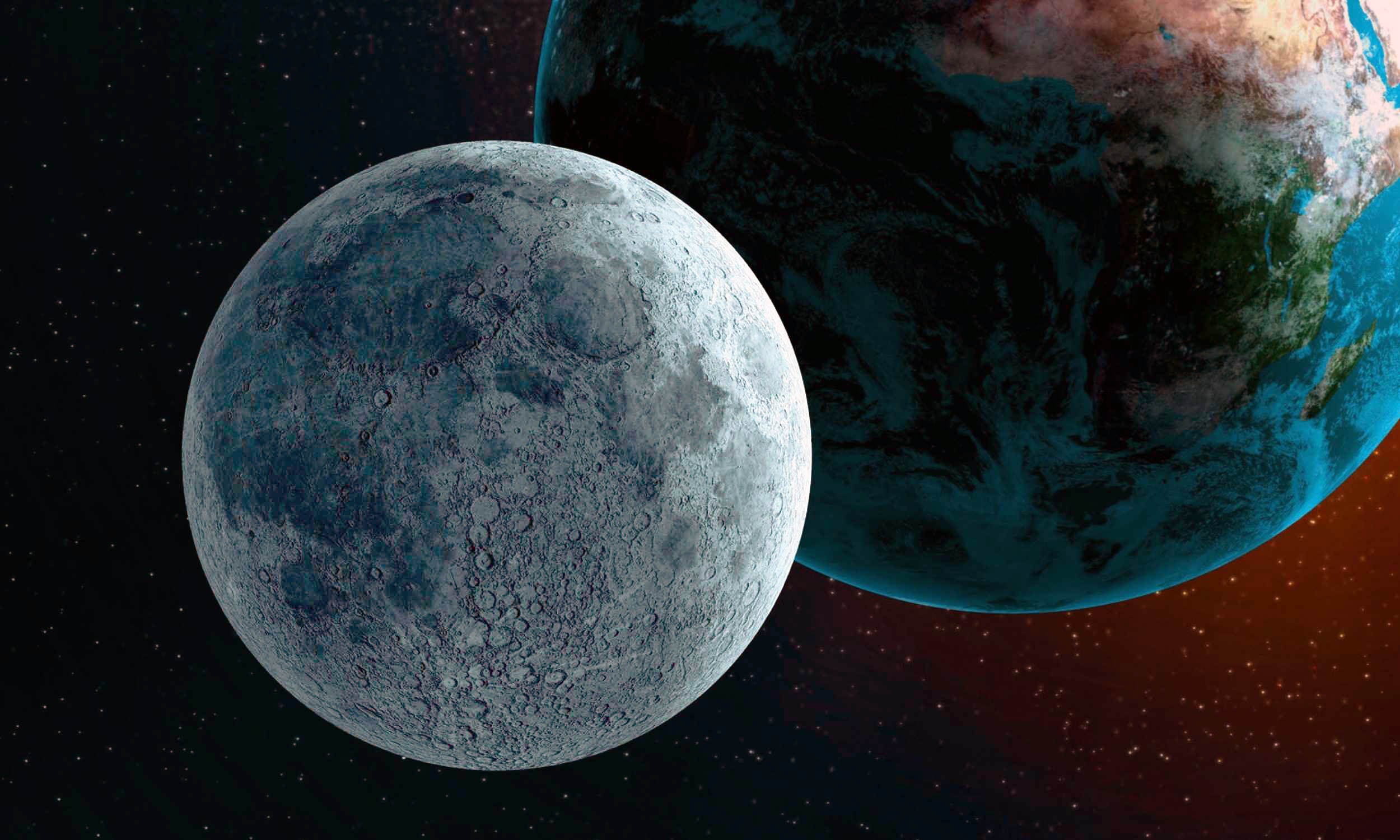
China's Chang'e-6 mission discovered rare CI chondrite meteorite traces in lunar soil, providing evidence of ancient water-rich asteroid impacts on the Moon, which may have contributed to Earth's early water and volatile inventory.
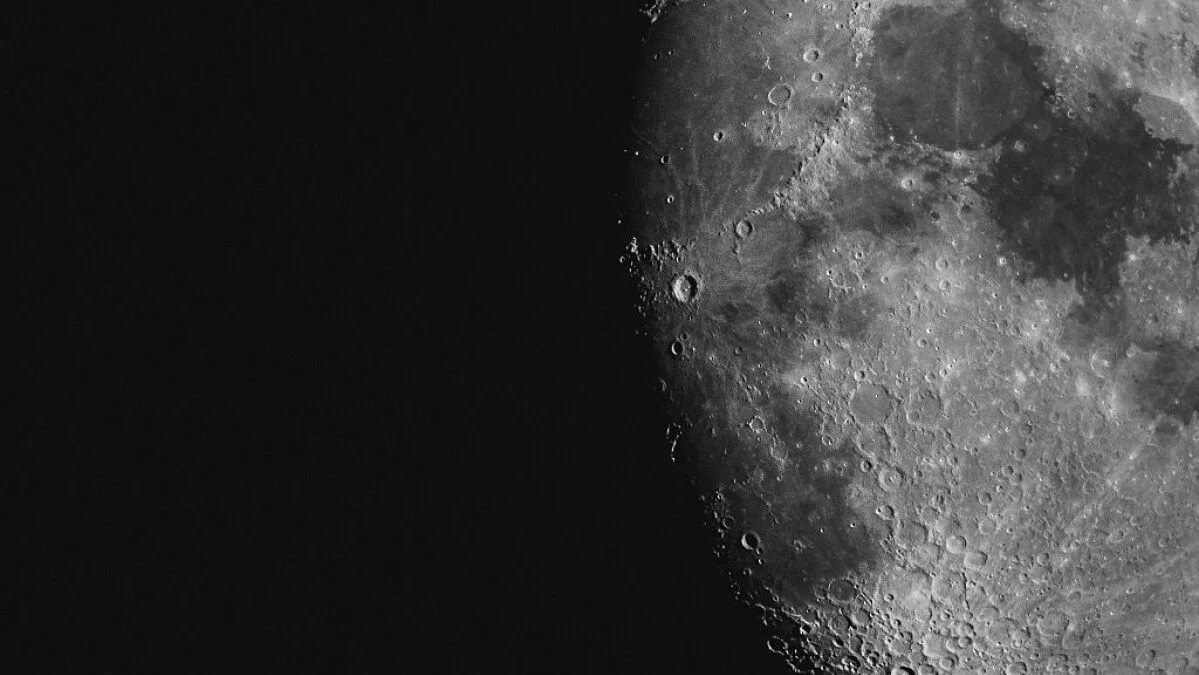
An Irish astronomer captured a rare video of a meteorite striking the moon during the Geminid meteor shower using the Armagh Robotic Telescope, highlighting the moon's ongoing bombardment by space debris and the importance of studying such impacts for planetary defense.
China's Chang'e-6 mission discovered rare CI chondrite meteorite traces in lunar soil, providing evidence of ancient water-rich asteroids impacting the Moon and potentially Earth, and offering insights into the early Solar System's composition.
In 1954, Ann Elizabeth Hodges was the only person confirmed to have been hit by a meteorite, which crashed through her ceiling and left her with a bruise, making it a unique and historic event in space-related incidents.
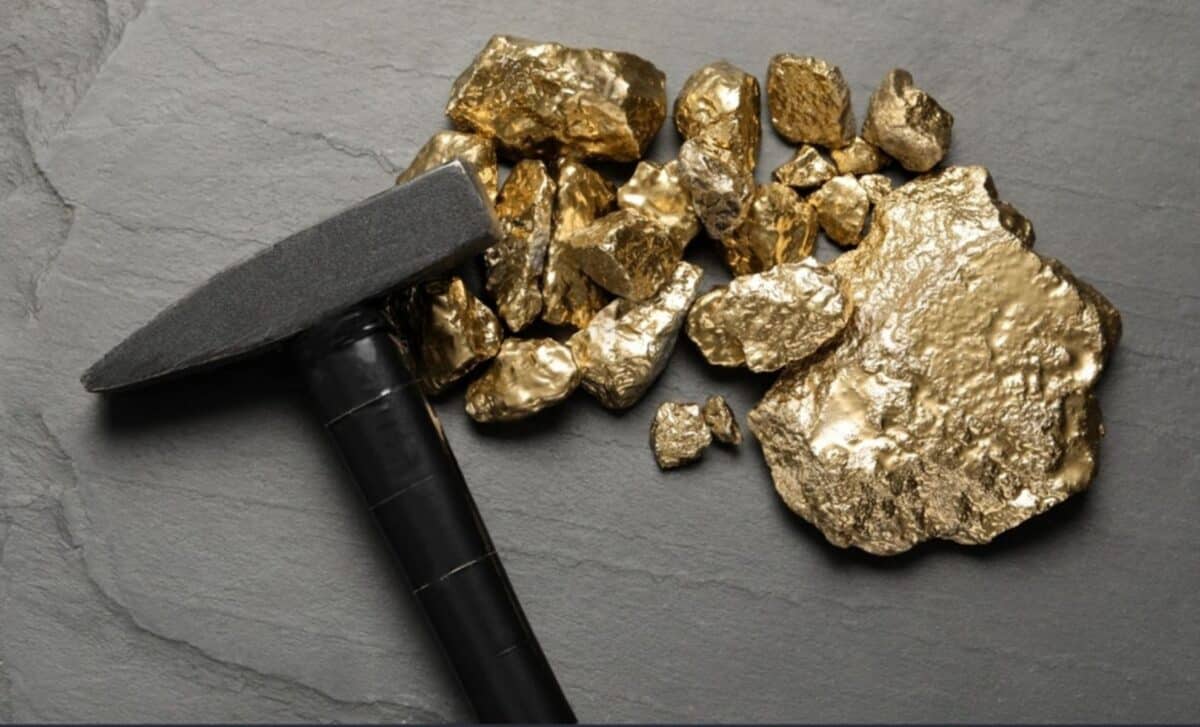
A man in Victoria thought he found a gold nugget but it turned out to be a rare 4.6-billion-year-old meteorite, worth more than gold, providing valuable insights into the early solar system.
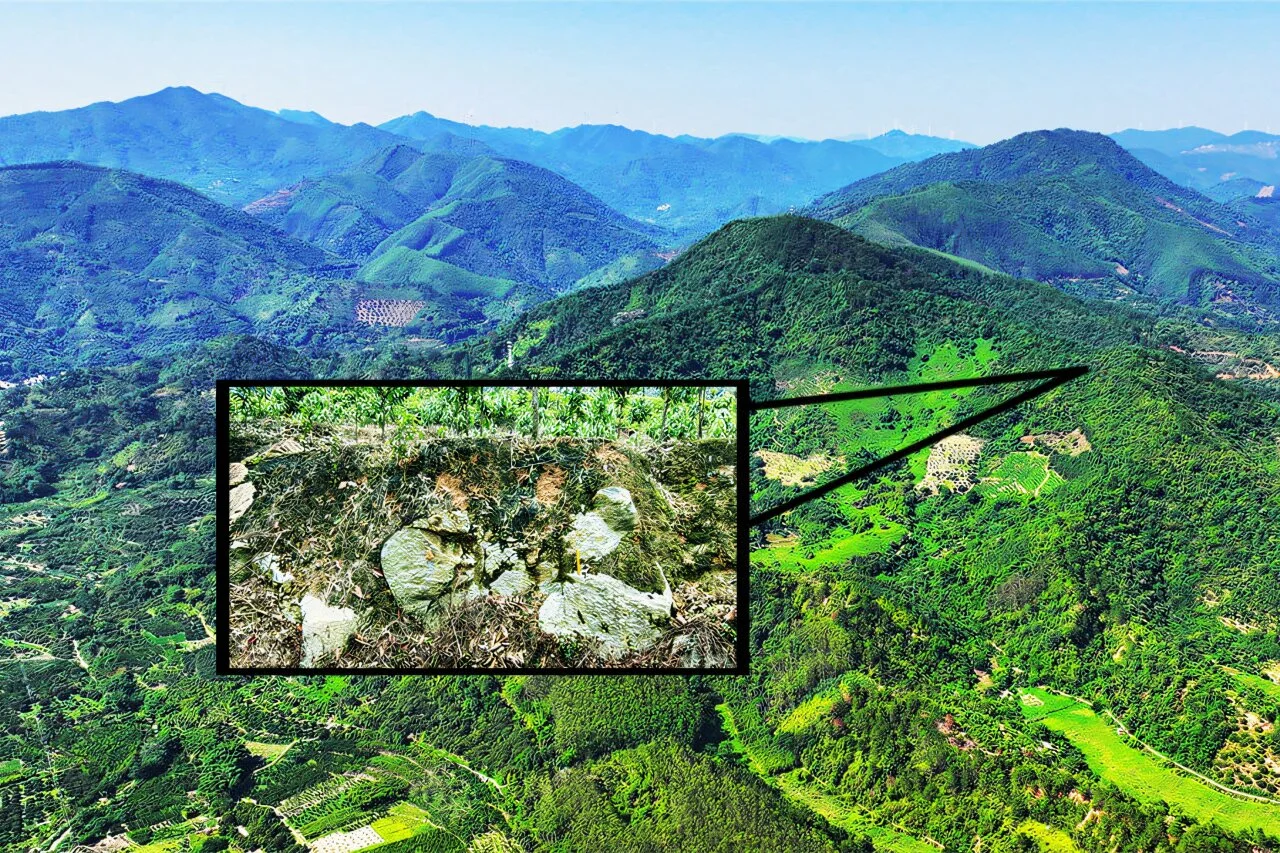
Scientists in China have discovered the Jinlin crater, the largest known impact crater from the Holocene epoch, measuring 900 meters in diameter and remarkably well-preserved despite environmental conditions, shedding new light on Earth's impact history and the frequency of extraterrestrial collisions.
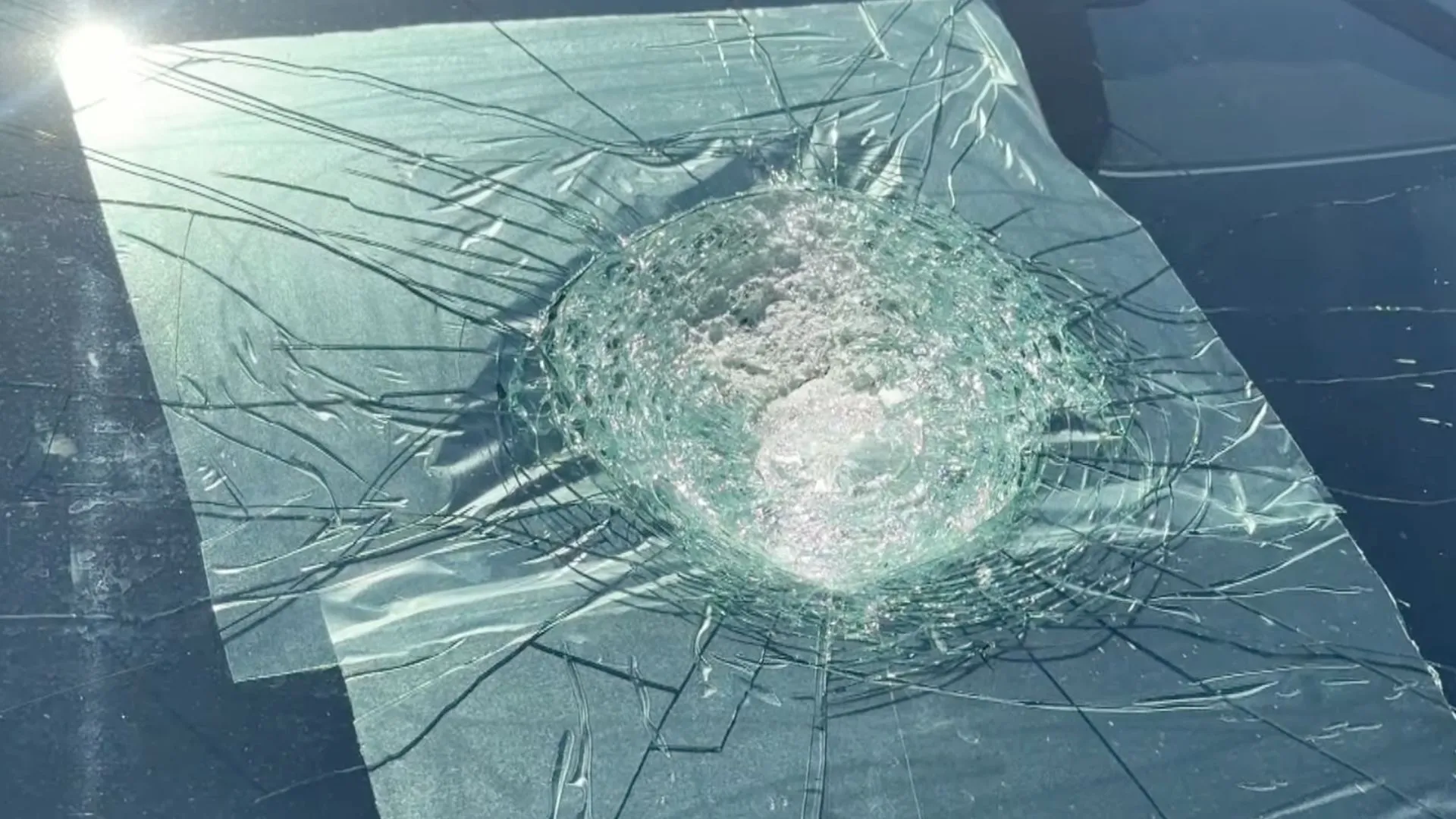
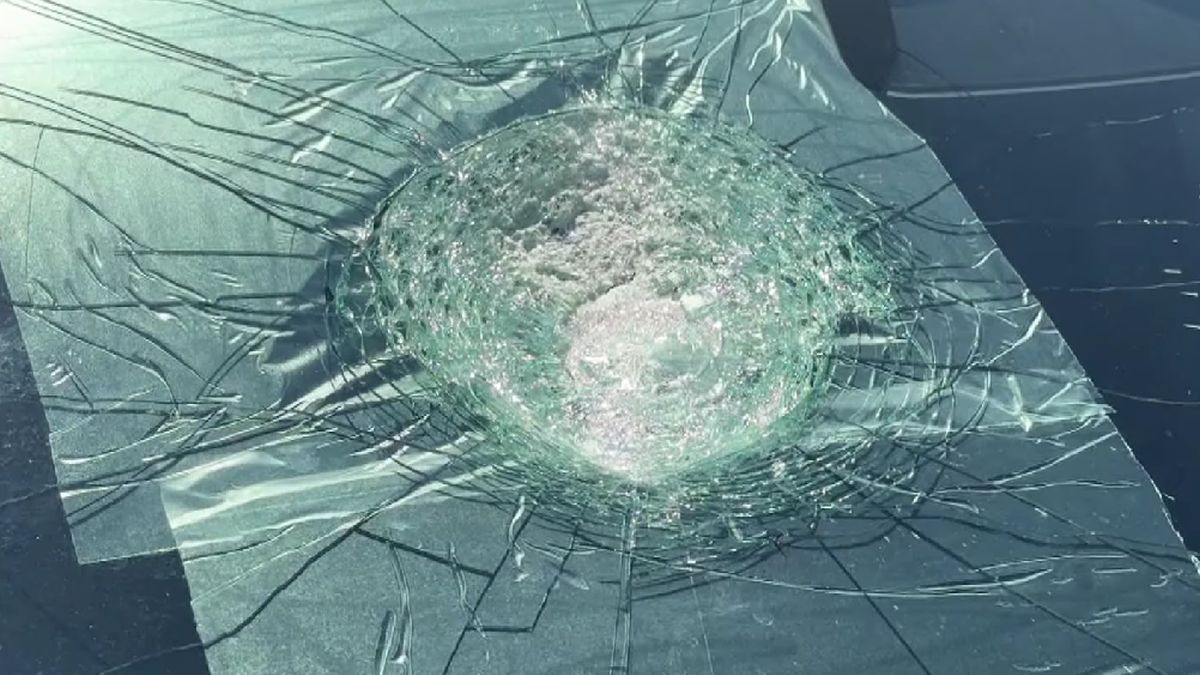
A Tesla in South Australia was struck by a mysterious object, possibly a meteorite, causing the windscreen to melt and leaving experts skeptical about its space origin, with investigations ongoing to determine the true nature of the impact.
An Australian man’s Tesla was struck by an object that may have been a meteorite, potentially marking the first recorded instance of a meteorite hitting a moving vehicle, with investigations ongoing to confirm its origin.