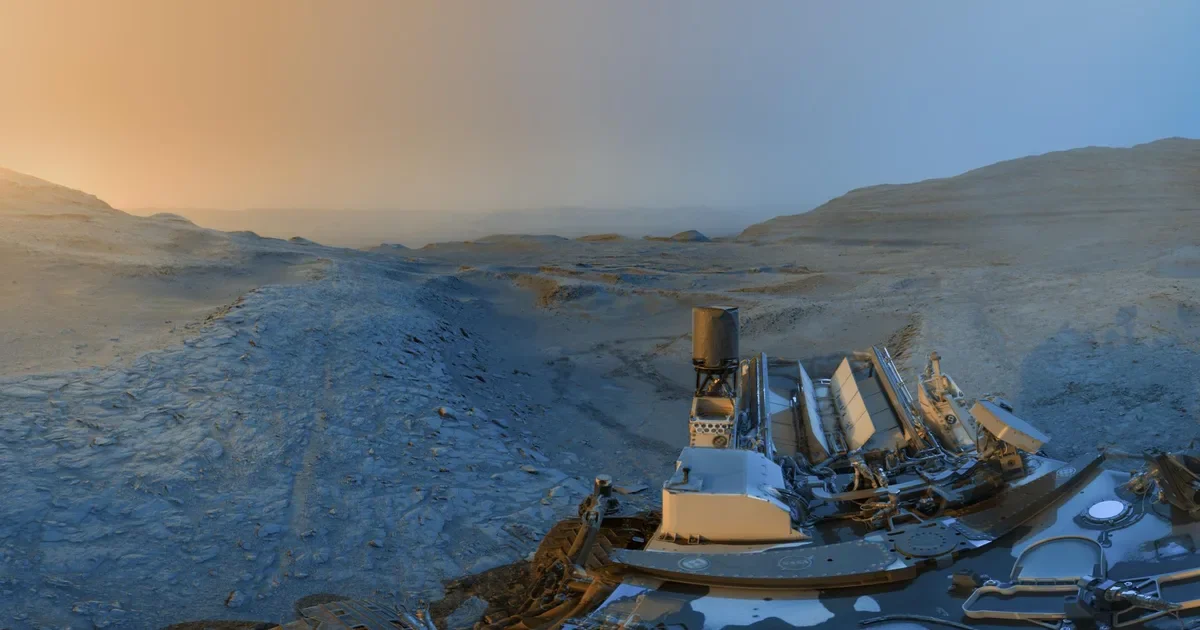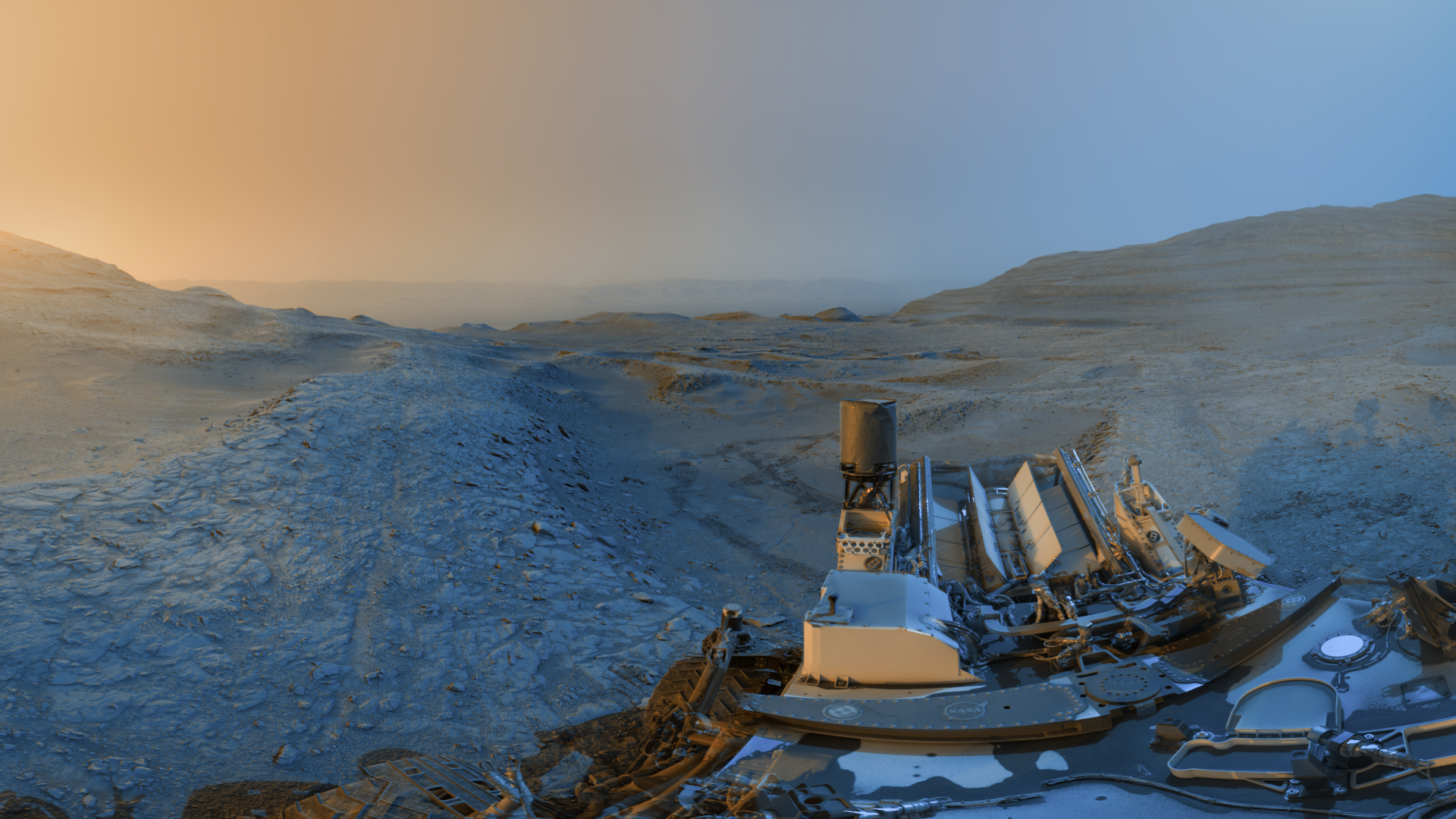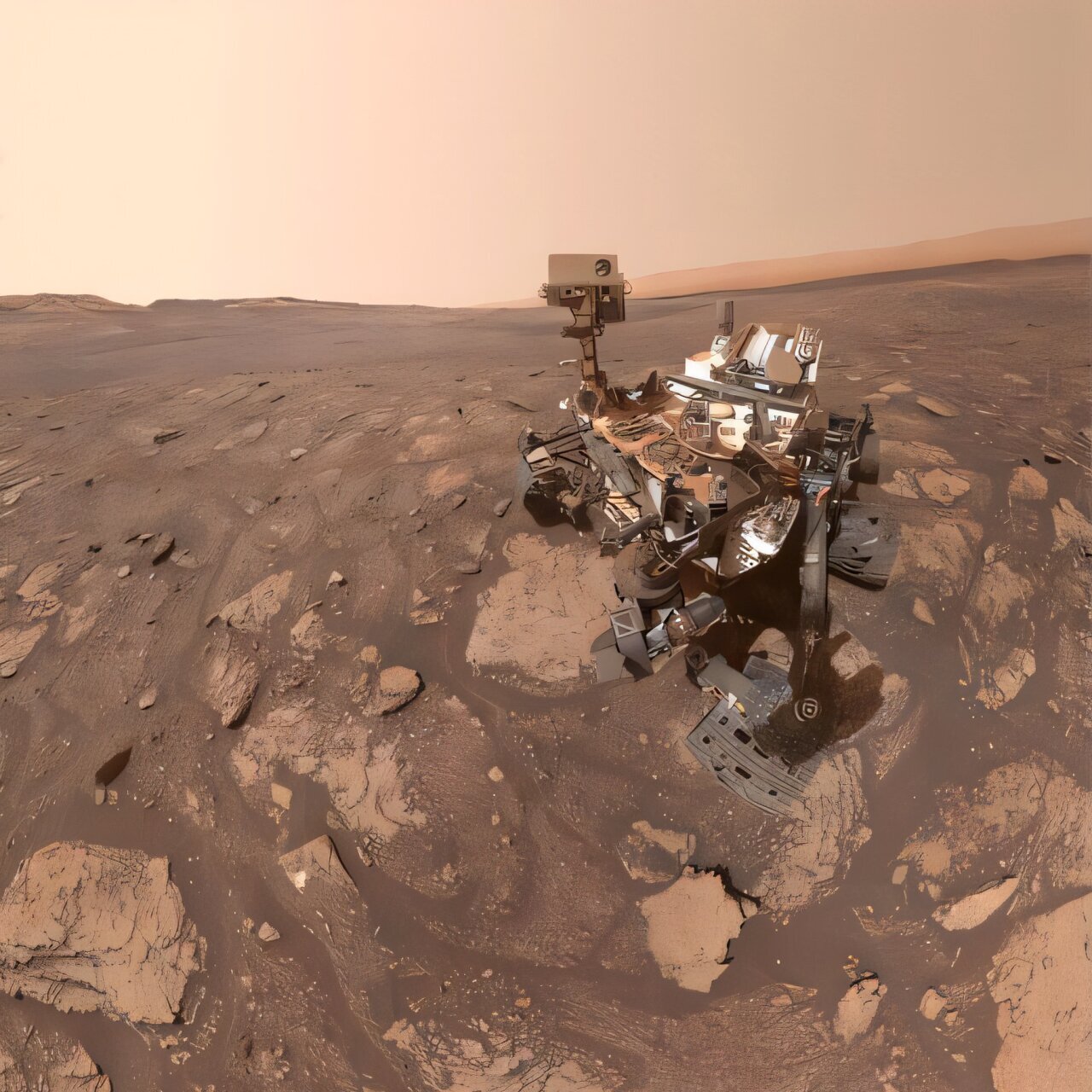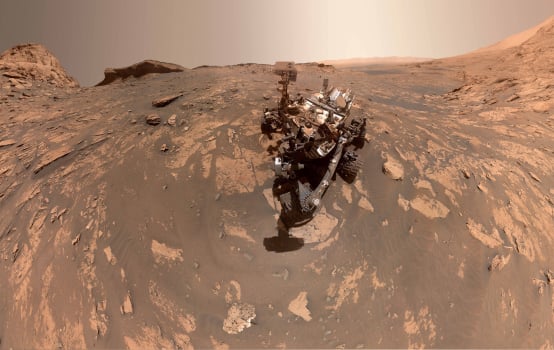
NASA's Curiosity rover captured a stunning panoramic view from Mount Sharp on Mars, highlighting ancient water-related geological features and continuing its scientific mission after over a decade on the planet.
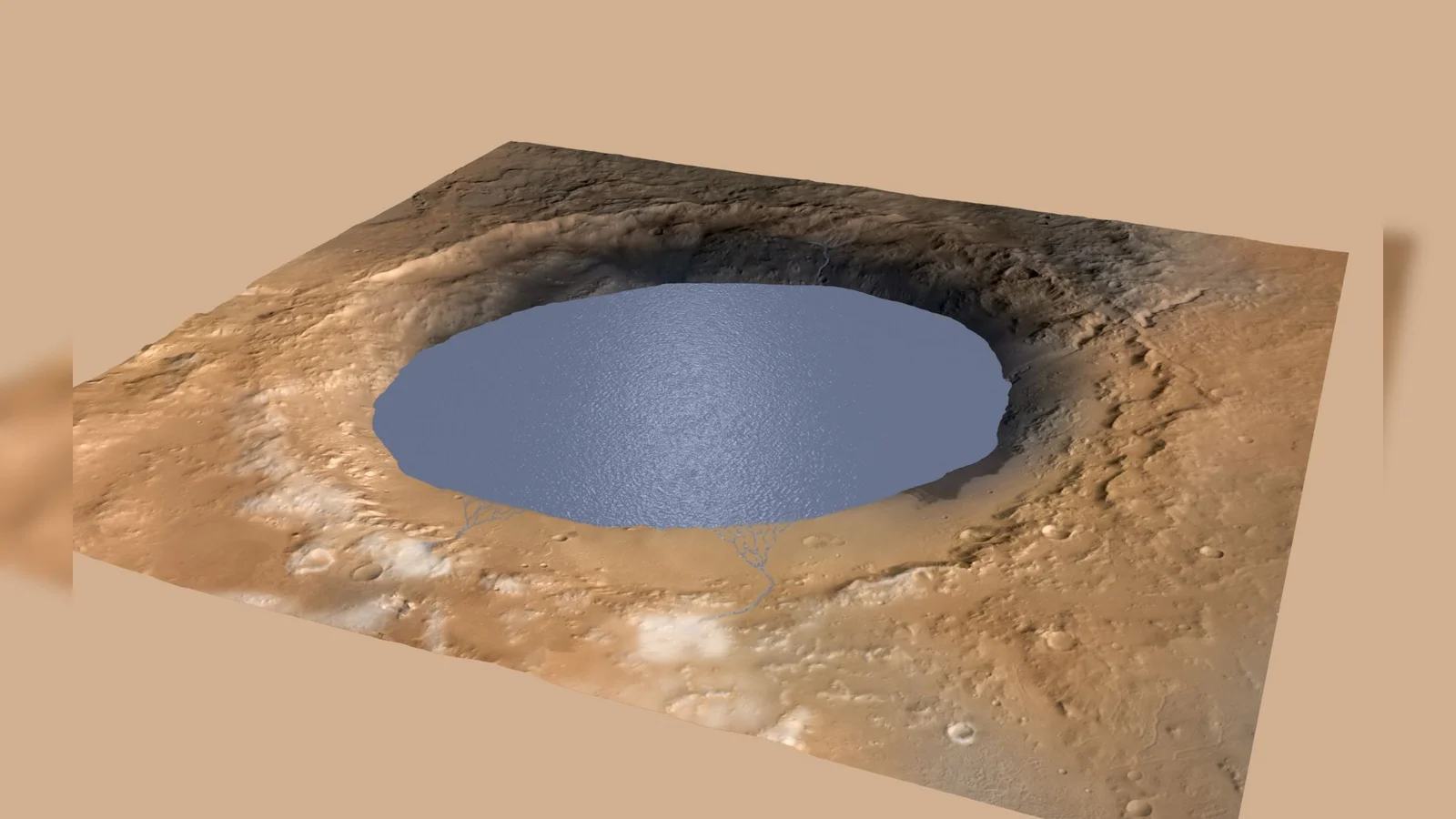
A study analyzing oxygen isotopes in rocks sampled by NASA's Curiosity Rover suggests that 3.7 billion years ago, Gale Crater on Mars had a warm, dry environment with significant evaporation, providing insights into the planet's past habitability and water cycle.
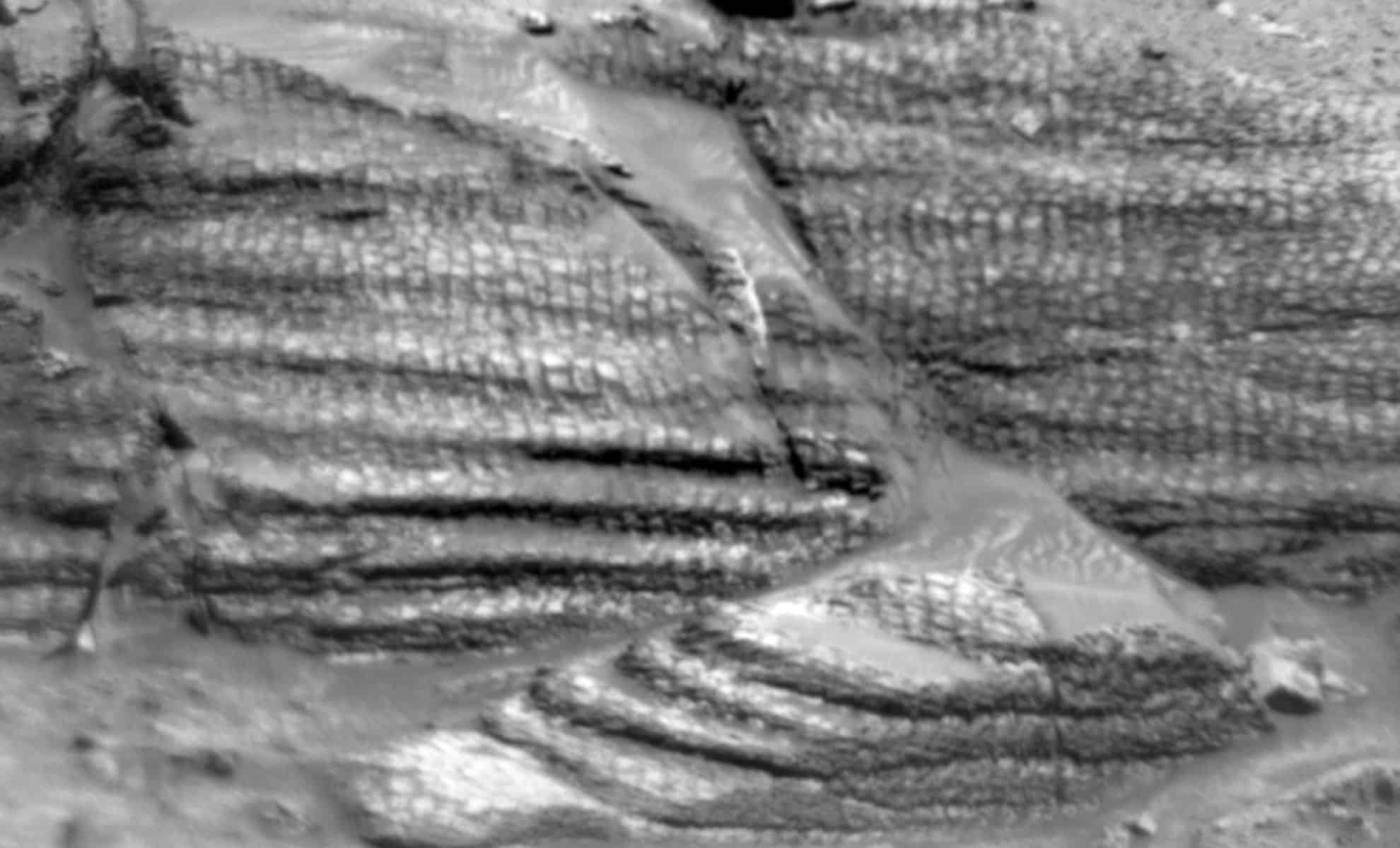
NASA's Curiosity rover has captured images of intriguing 'boxwork' terrain on Mars near Mount Sharp, which may have formed from mineral-rich fluids and erosion, providing clues about Mars' watery past and potential habitability.
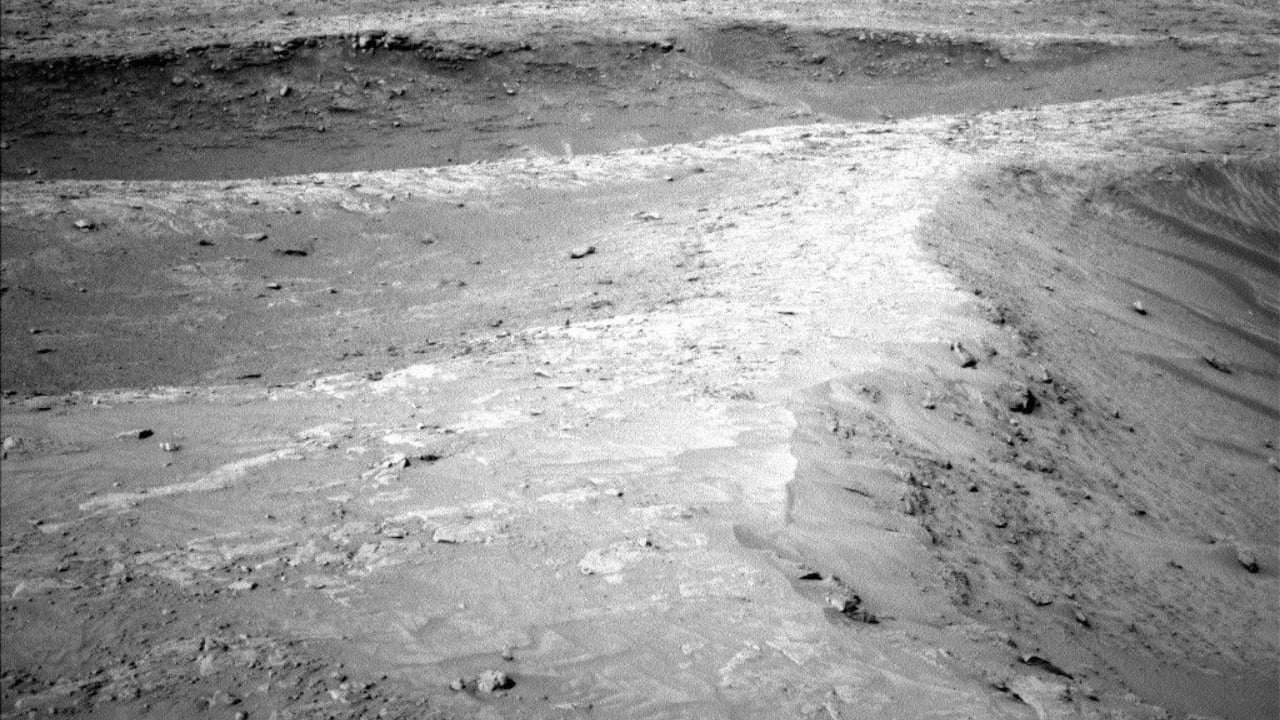
NASA's Curiosity rover captured images of an intersection of three ridges on Mars, called 'Ayopaya,' within Gale Crater, revealing ancient water flow patterns and providing insights into Mars's environmental history and potential past habitability.
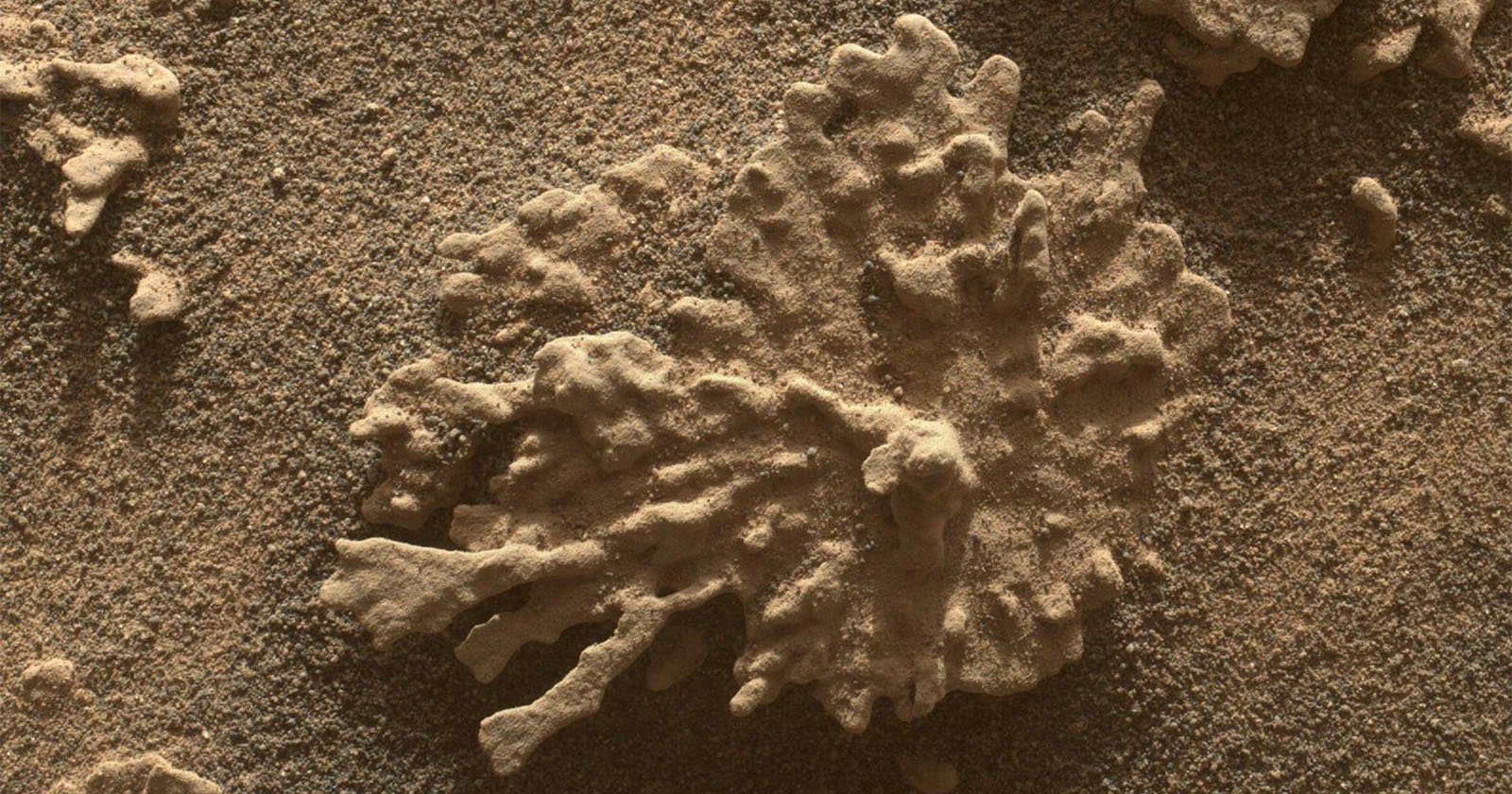
NASA's Curiosity rover captured images of coral-like rocks on Mars, formed by wind erosion and water activity billions of years ago, providing evidence of past habitability on the planet. The rover continues its mission, exploring Gale Crater and adapting with new software upgrades to extend its operational life.
Recent data from the Curiosity rover suggests that Mars once had a fluctuating desert environment with intermittent water oases, driven by cycles of carbon dioxide trapping in rocks and changes in solar luminosity, which over billions of years led to the planet's current cold, dry state.
NASA's Curiosity rover has successfully positioned itself in a stable location on Mars, enabling detailed geological analysis of rocks and formations that suggest past water activity, while preparing for a new 54-meter drive to continue its scientific exploration and atmospheric studies.
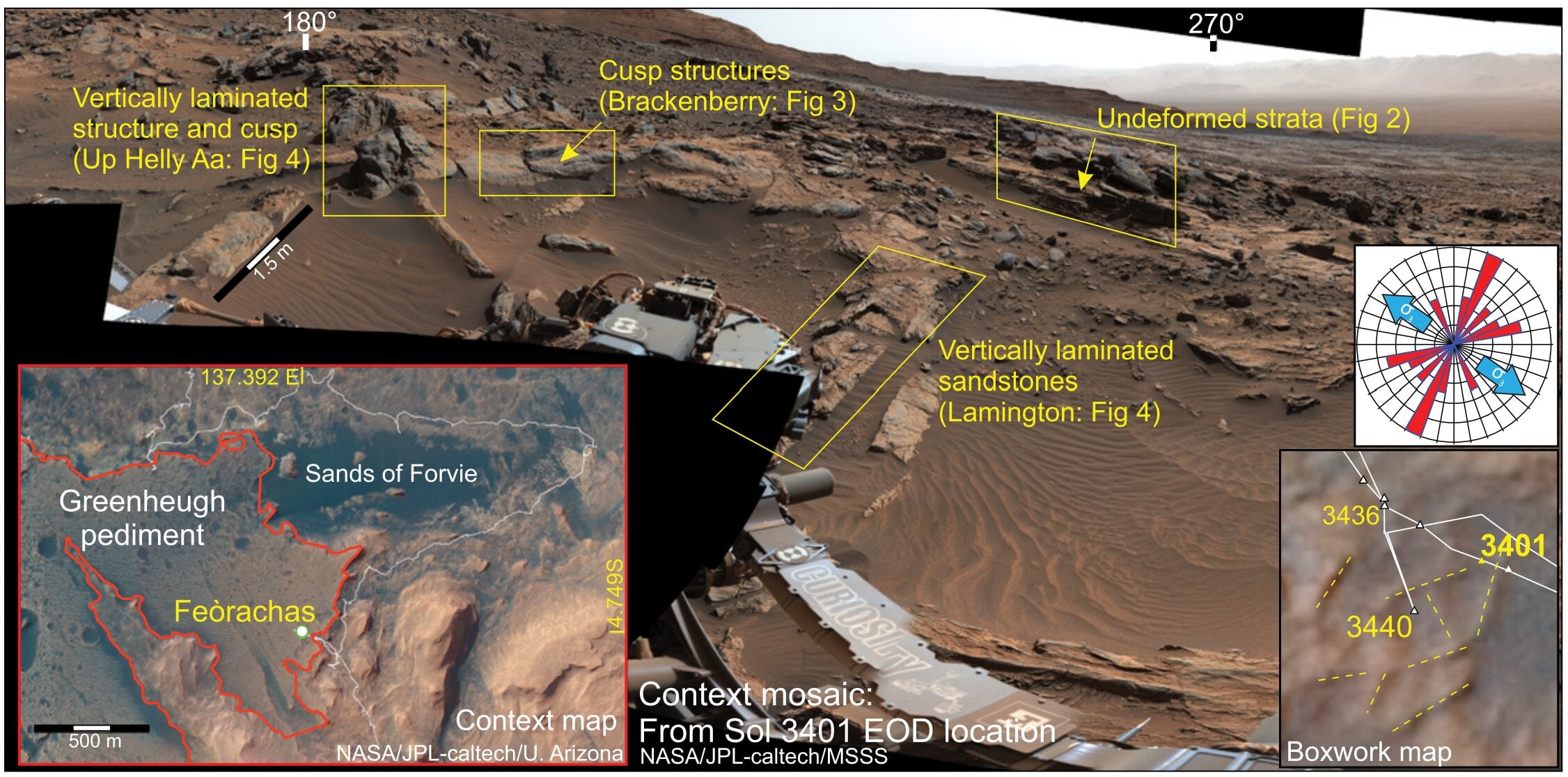
A study led by an international team of researchers has found evidence that water persisted in Mars' Gale crater for longer than previously thought, suggesting that the planet may have been habitable for a longer period of time. Using data from NASA's Curiosity rover, the researchers discovered deformed layers within desert sandstone, indicating the presence of water. These findings have implications for understanding Mars' changing climate and the search for signs of habitability, extending the timeline of water persisting in the region surrounding Gale crater and highlighting new avenues for exploration.
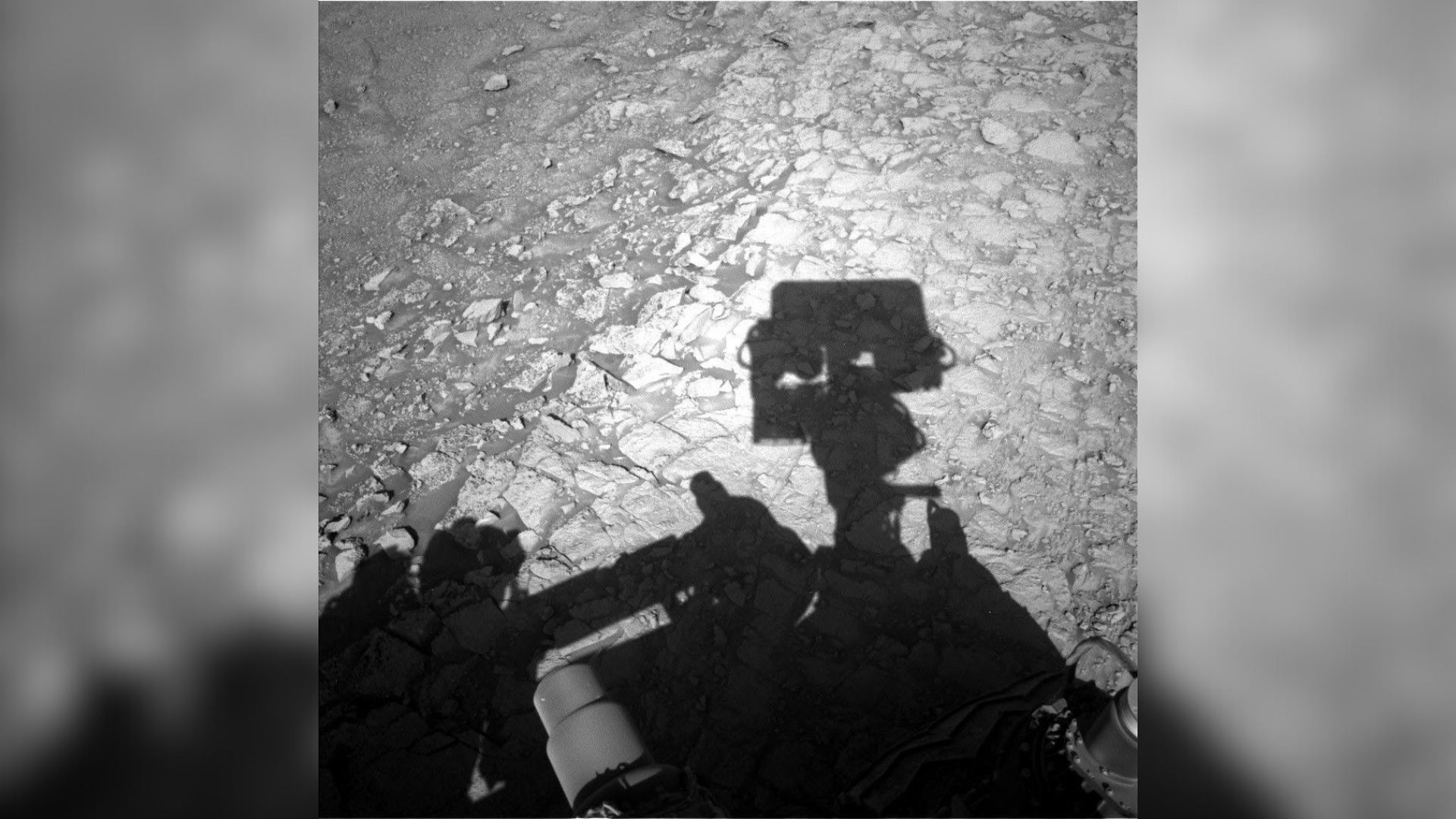
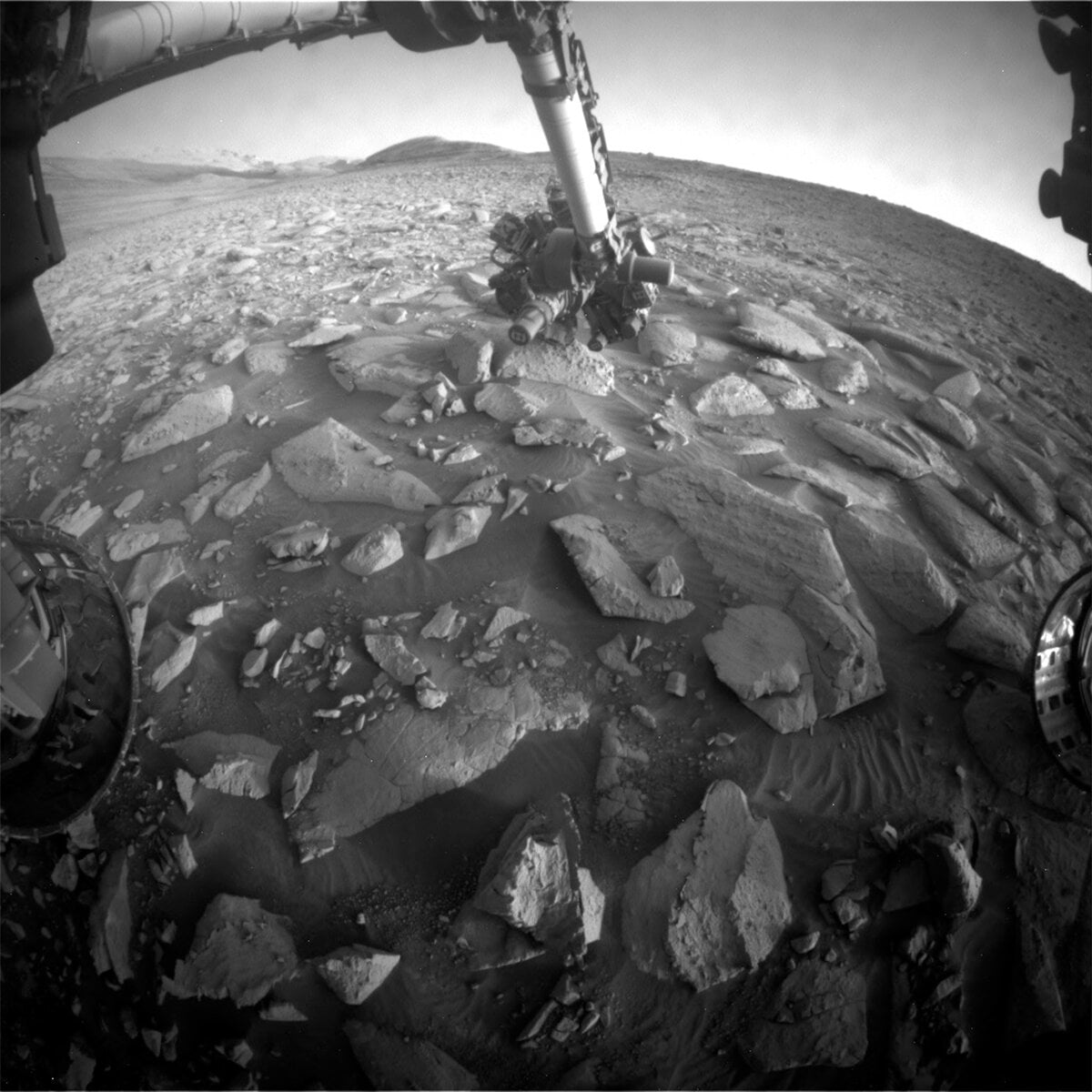
NASA's Curiosity rover faced some challenges during its mission on Mars, with one wheel perched on a rock, making it unsafe to unstow the arm and perform contact science. However, the science team made the most of the situation by increasing targeted science observations and acquiring imaging of the Gediz Vallis ridge to understand its formation. They also examined an elongate resistant feature called "Olympia" and analyzed resistant bedrock with APXS. The team plans to continue documenting the immediate vicinity of the rover and will take a Navcam dust devil movie before driving away.
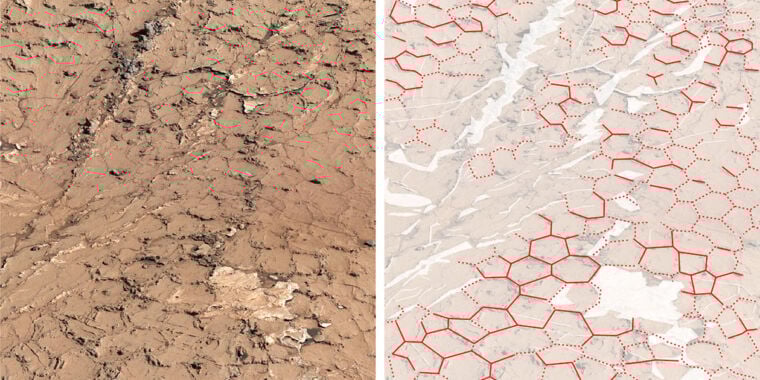
The Mars rover Curiosity has discovered evidence of seasonal floods on Mars, indicating that at least one part of the planet went through wet/dry cycles. The rover found hundreds of hexagonal-shaped rock deposits in Gale Crater, dating back to Mars' wet Hesperian period. These hexagons, formed by mud drying out and creating cracks, suggest repeated flooding events. The chemistry of the rocks supports this, with deposits of calcium and magnesium sulfates indicating the presence of water. This new evidence helps scientists understand the past environment of Mars and its potential for supporting life.
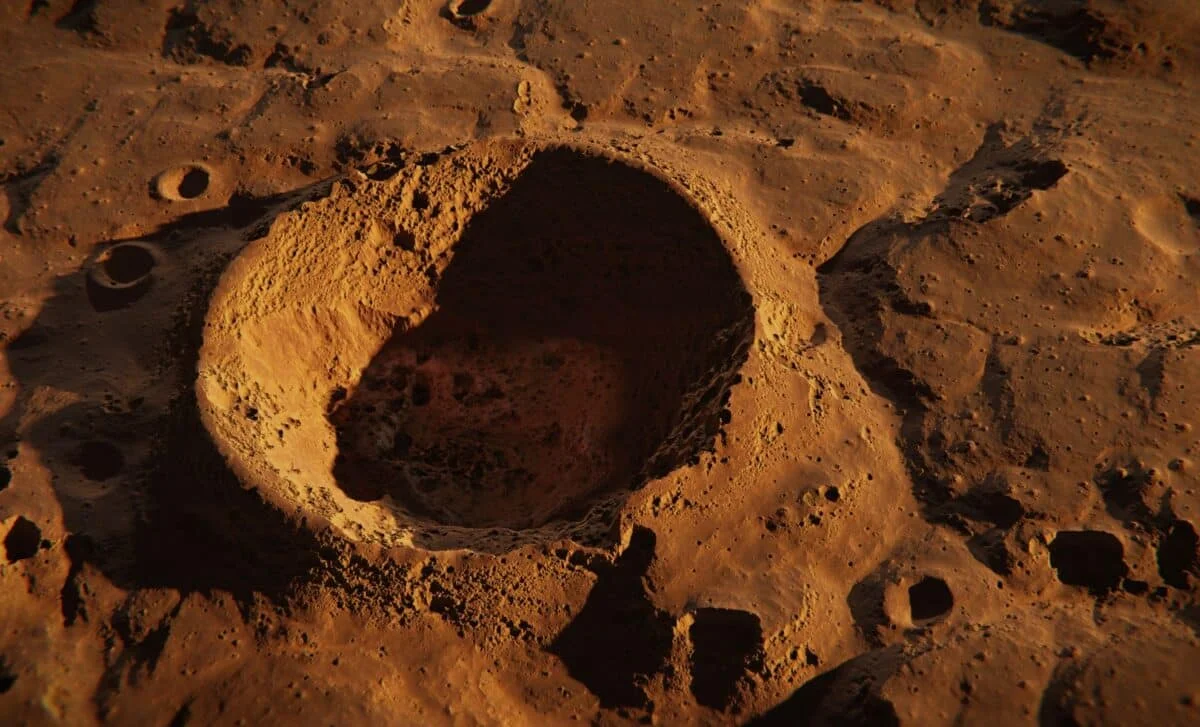
NASA's Curiosity rover, which landed on Mars in 2012, is celebrating its 11th anniversary by continuing its climb up Mount Sharp in Gale Crater. The rover recently explored a region called Jau, known for its numerous impact craters, providing scientists with valuable insights into Mars' ancient history and the presence of liquid water. Despite facing challenging terrain, including steep slopes and large rocks, Curiosity's team of rover drivers and planners carefully navigate the rover's path using daily commands and imagery analysis. The rover has encountered faults along the way, but its safety protocols ensure it stops immediately when hazards are detected. With Jau behind it, Curiosity will continue its ascent up Mount Sharp, uncovering the secrets of Mars' red soil.
NASA's Curiosity rover has captured an image of a strange rock formation on Mars that has been dubbed the 'most bizarre' by an expert. The images show spikes protruding from a rock lying at the base of the Gale Crater. Some have compared the structure to a fish bone or branch of a fir tree, and said it would be 'difficult for it to be a natural rock formation' here on Earth. Curiosity has been exploring the Gale Crater since August 2012 as part of NASA's Mars Science Laboratory mission.