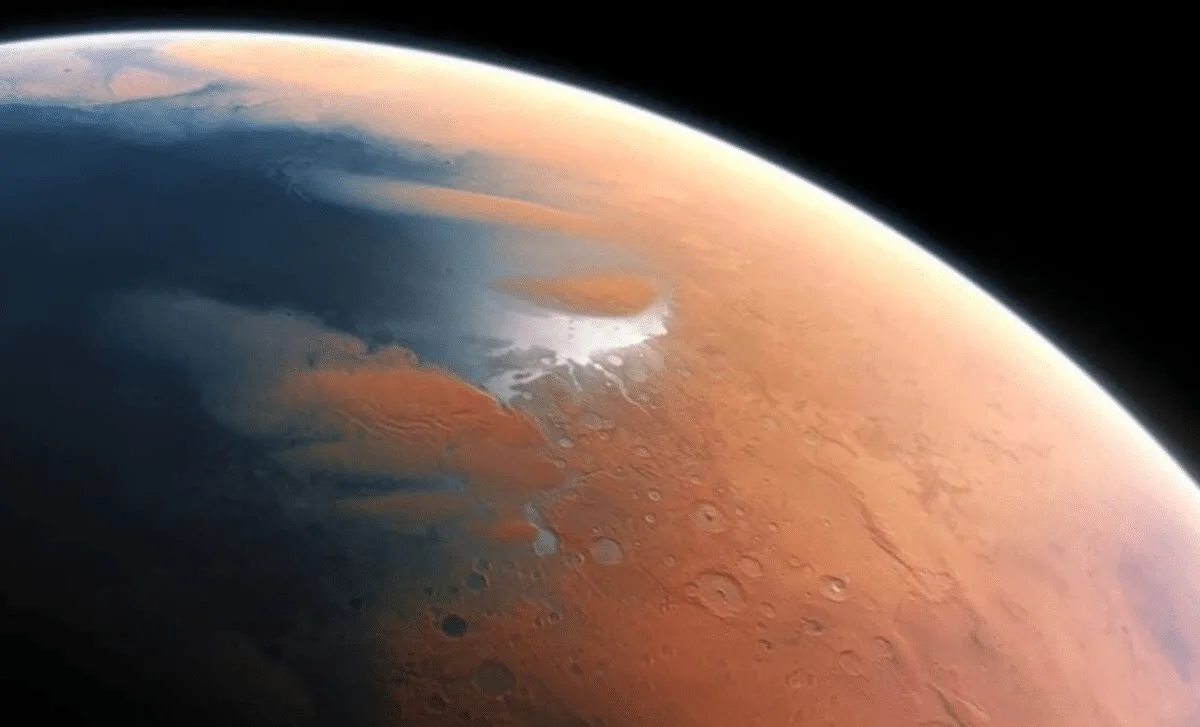
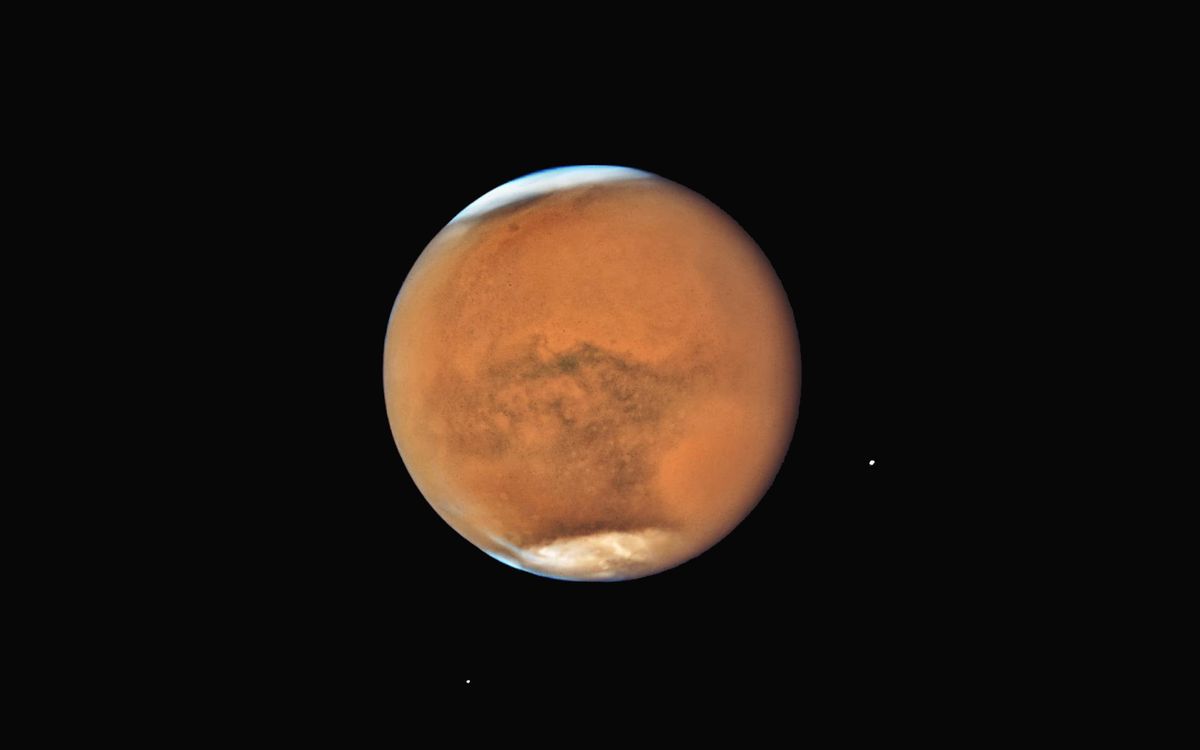
A new study shows that small, regional dust storms on Mars can lift water vapor to higher altitudes and boost hydrogen escape, significantly contributing to the planet's long-term water loss and prompting updates to climate models.
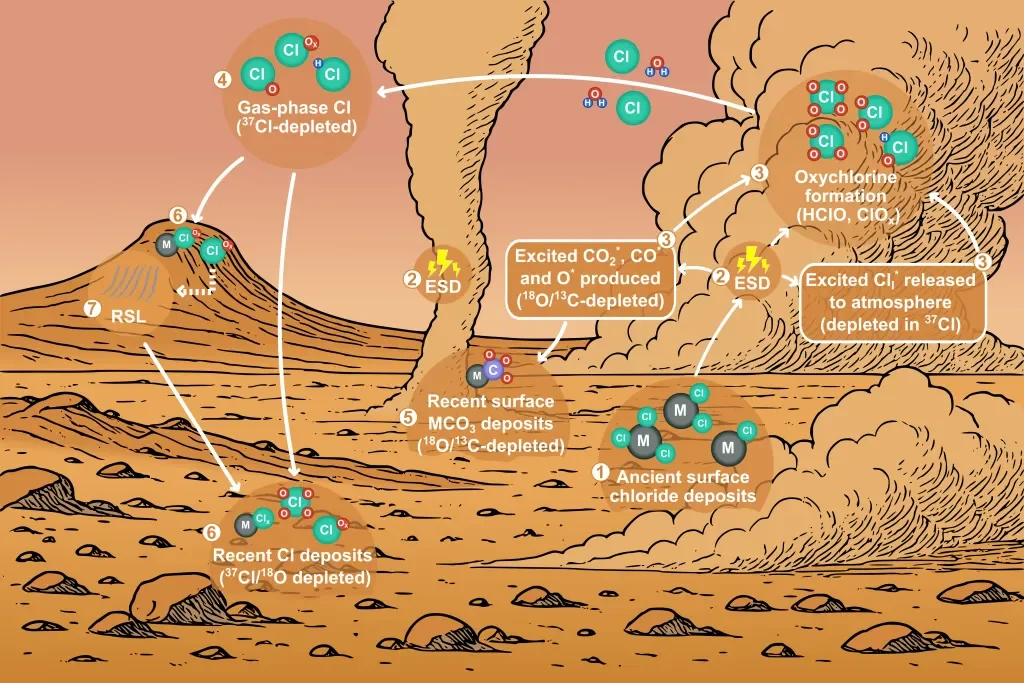
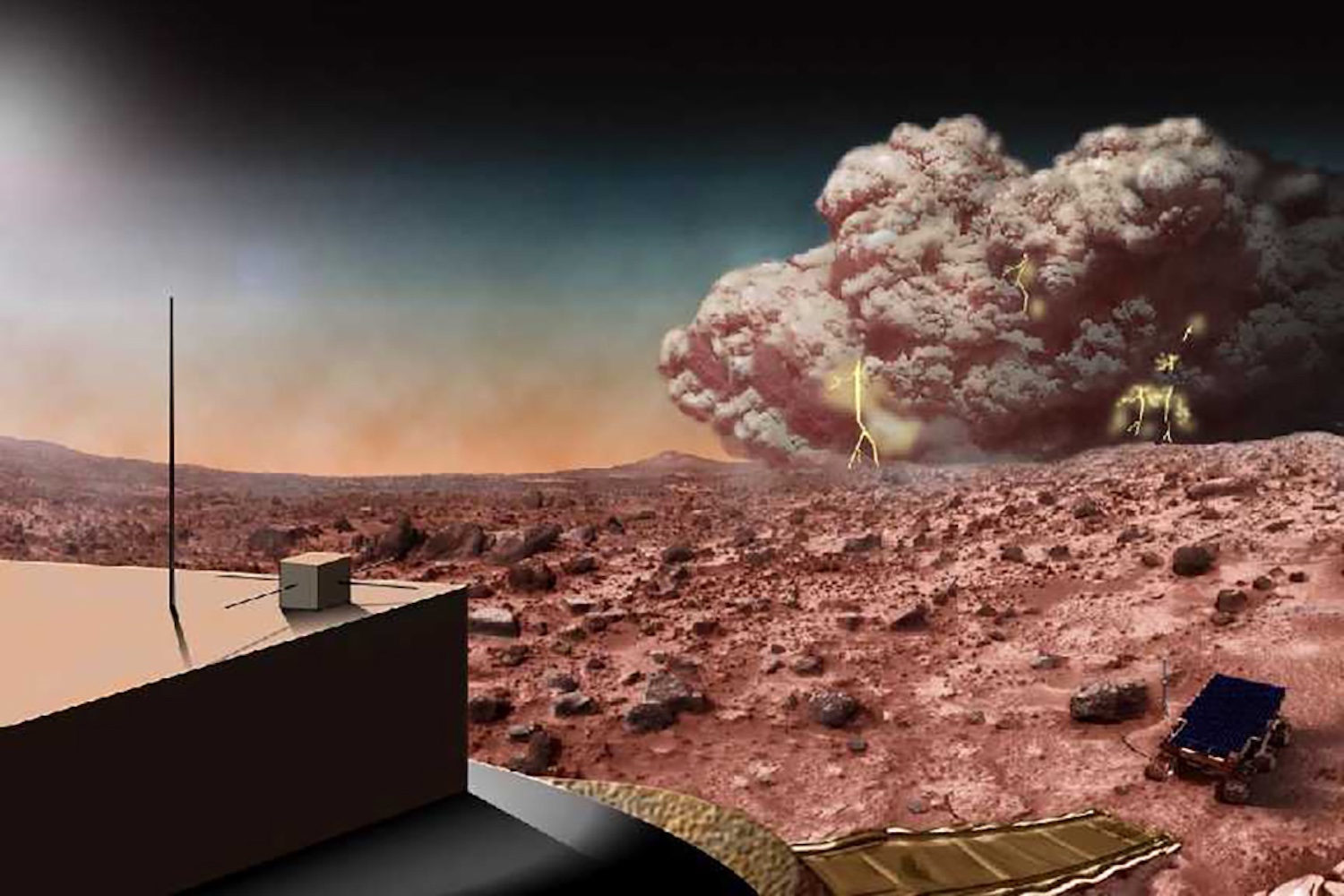
A new study argues that Martian dust storms generate electrostatic discharges that create high-energy electrons, driving reactions between atmospheric CO2 and ground chloride salts to form perchlorates and carbonates without liquid water. This electrochemical pathway also explains the observed isotopic imbalances, with lighter isotopes preferentially involved in these reactions. The research, demonstrated in lab chambers simulating Mars’ environment, suggests electrical processes are a key driver of Mars’ surface chemistry, poses ongoing challenges for future missions (due to perchlorates), and may have parallels on other dusty worlds.
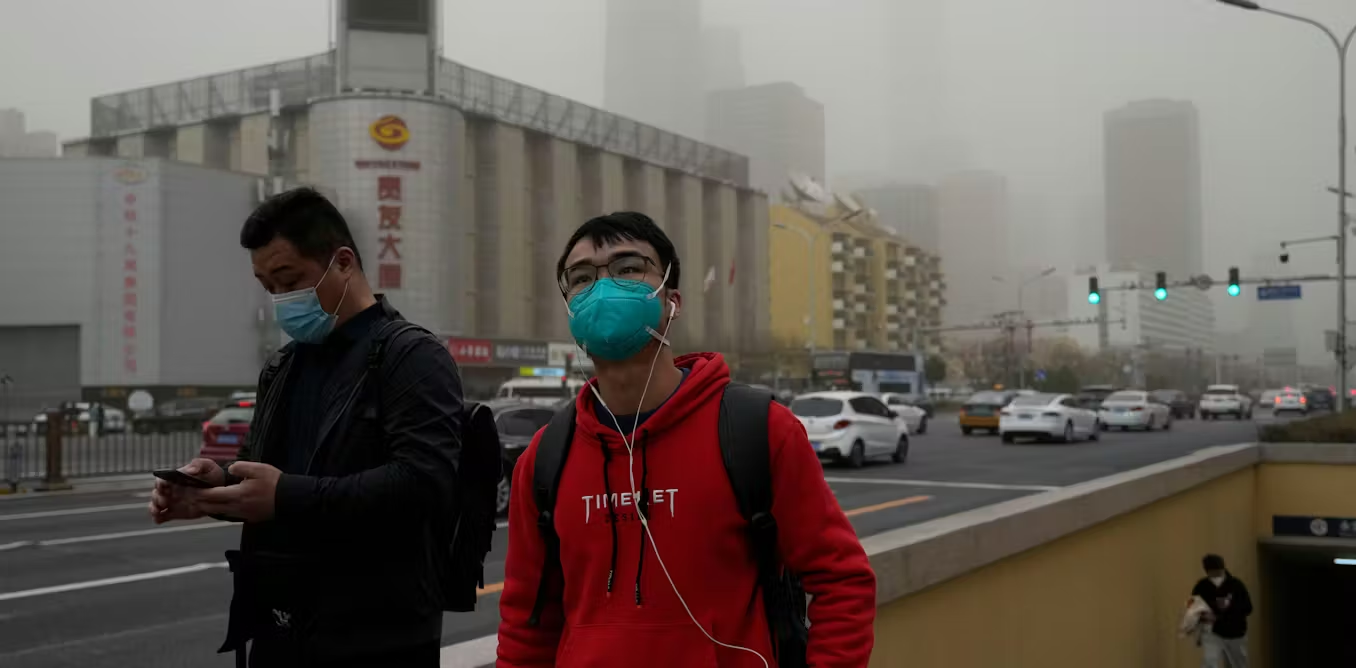
China and Mongolia are engaged in efforts to combat dust storms and desertification, with China sharing its expertise and Mongolia hosting a UN conference on the issue, amid concerns over environmental degradation, climate change, and territorial sensitivities.
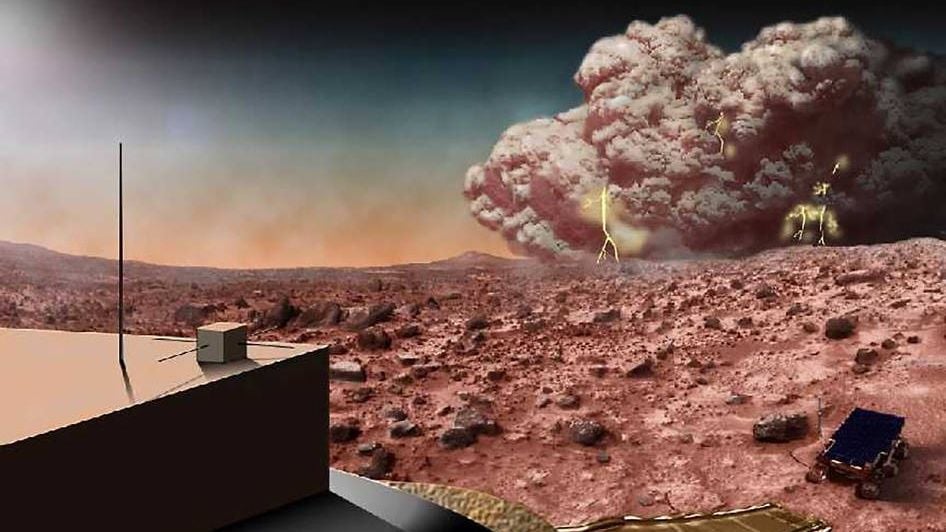
Scientists have detected tiny lightning bolts on Mars for the first time, occurring around dust storms and dust devils, which helps explain the presence of oxidants like hydrogen peroxide on the planet and opens new avenues for understanding Martian weather and potential habitability.
New research reveals that dust storms around the Great Salt Lake are more frequent than previously thought, posing health risks especially to children due to toxic metals like arsenic and lead. The study highlights the need for better monitoring and preventative measures to protect communities from airborne pollutants originating from the lake's receding shoreline and industrial activities.
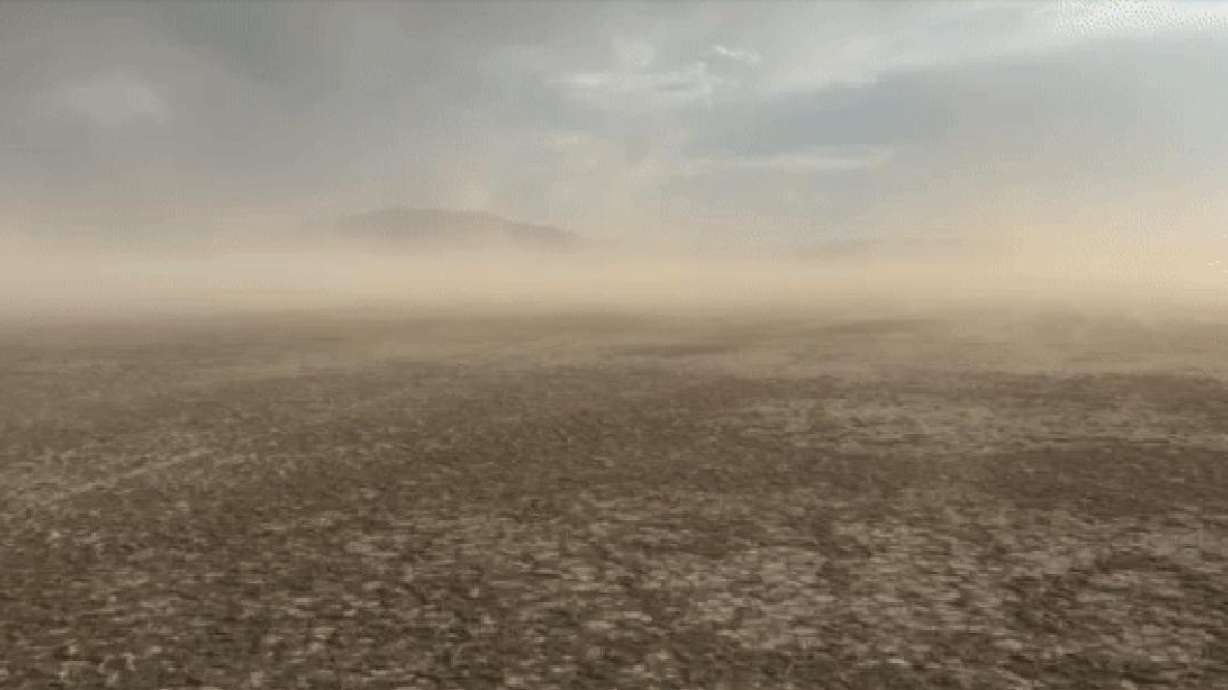
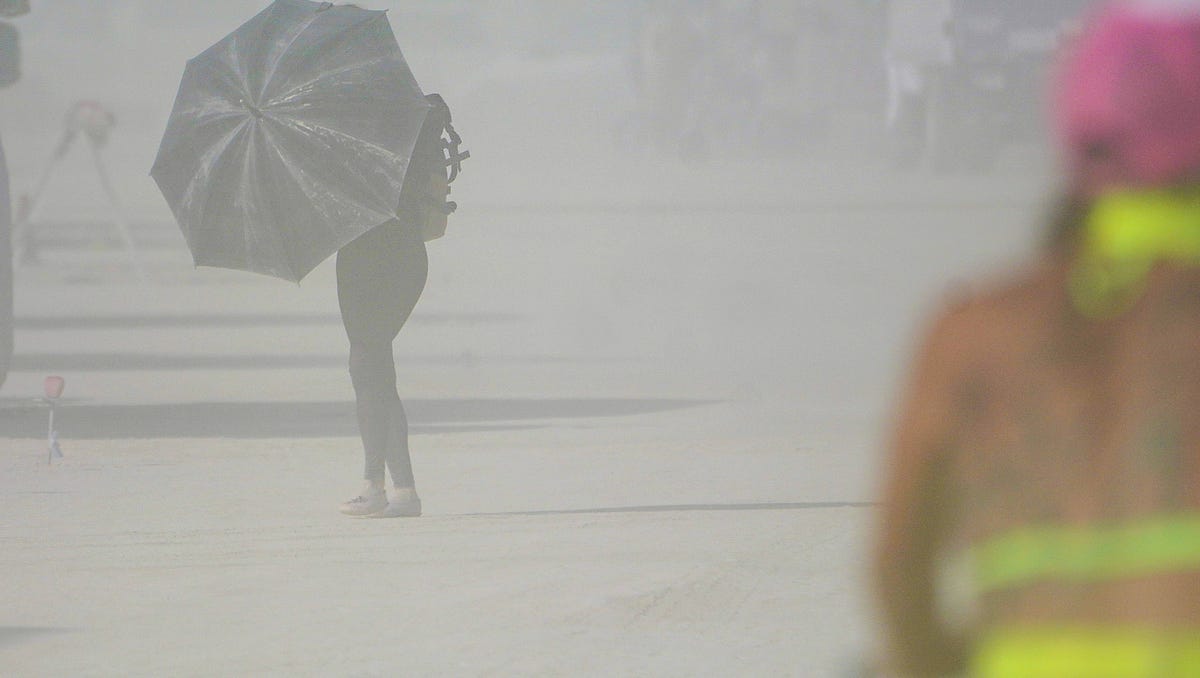
Burning Man attendees in Nevada's Black Rock Desert face severe weather, including dust storms, high winds, heat, humidity, and potential flooding, causing delays, injuries, and challenging conditions at the festival.
Researchers have found that 78% of dust storms on Mars are preceded by increased solar heating, suggesting a potential method for forecasting these storms. Dust storms pose significant challenges for Mars missions, affecting rovers and future crewed missions by covering solar panels with dust. The study, using data from NASA's Mars Reconnaissance Orbiter, highlights the correlation between warmer days and dust storm activity, although the exact physics of storm formation remains unclear. This research could aid in predicting and preparing for dust storms on Mars.
A team of scientists from the University of Colorado Boulder has identified weather patterns that may trigger major dust storms on Mars, which could pose risks to future human missions. Using data from NASA's Reconnaissance Orbiter, they found that around 68% of these storms are preceded by a rise in surface temperatures due to warm and sunny weather. Understanding these patterns is crucial for predicting and mitigating the impact of dust storms on Mars, especially as NASA plans to land astronauts on the planet by 2030.
Increasing winds are causing dust storms at the Burning Man encampment in Black Rock City, Nevada, with conditions expected to worsen on Friday. The National Weather Service has issued warnings for gusts up to 40 mph, which can cause problems for outdoor activities and result in blowing dust. Showers and possibly a thunderstorm are forecasted for Friday, along with cooler temperatures. The wet conditions have already delayed the construction of art installations and camp structures. Burning Man runs through Monday, with planned burns depending on the weather.
Dust storms, worsened by drought, climate change, and land management, are becoming more common in parts of the US and can lead to fatal accidents. A recent study found 272 fatalities attributed to dust storms between 2007 and 2017. Dust storms can cause respiratory disease, cardiovascular issues, and fungal infections. While the Southwest is experiencing more dust storms, other regions may experience fewer as overall precipitation increases. Experts recommend adopting new land management and air quality measures to mitigate the impact of dust storms.
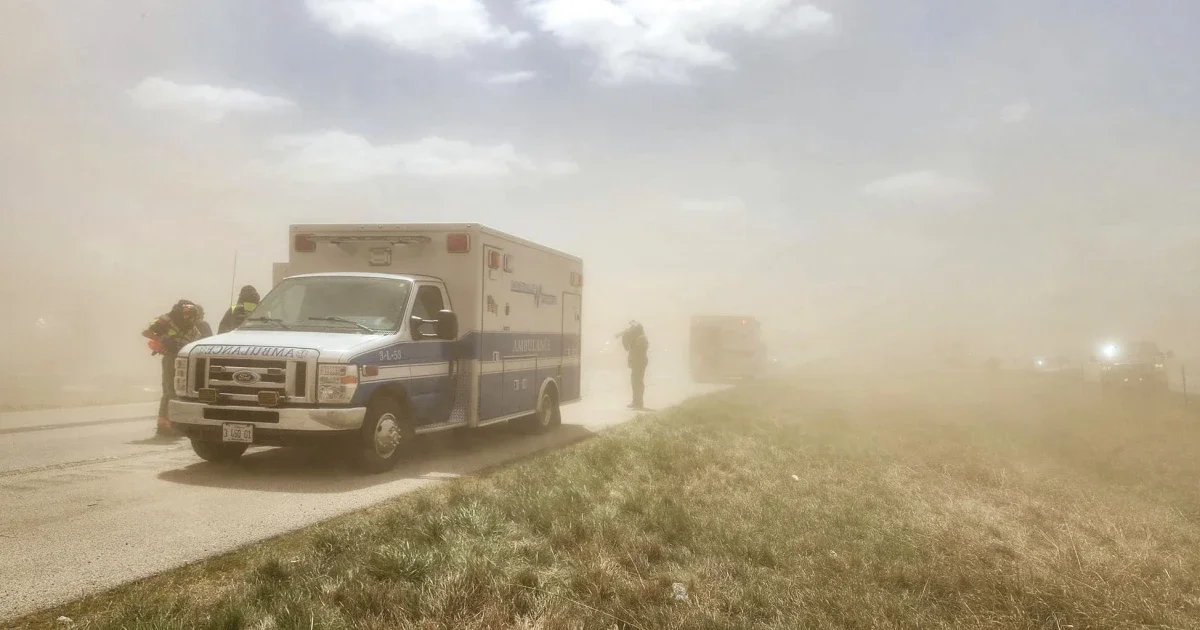
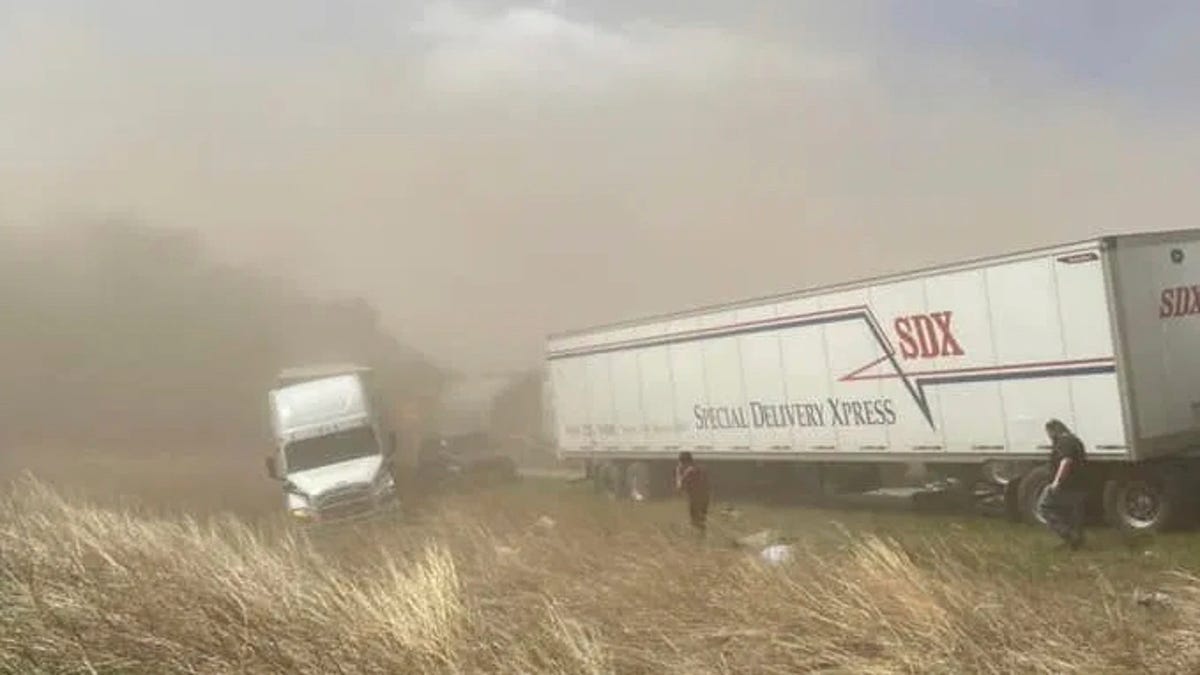
Climate models show that the US will likely see more dust storms as rising temperatures dry out the ground and rains fall less frequently. The National Weather Service office in Springfield, Illinois, issued a blowing-dust warning Monday for the first time ever after a blinding dust storm sprang up south of Springfield, Illinois, causing a deadly highway pileup. The crashes killed at least six people and injured dozens Monday morning. The horrific crashes involved 40 to 60 passenger cars and multiple tractor-trailers, two of which caught fire.
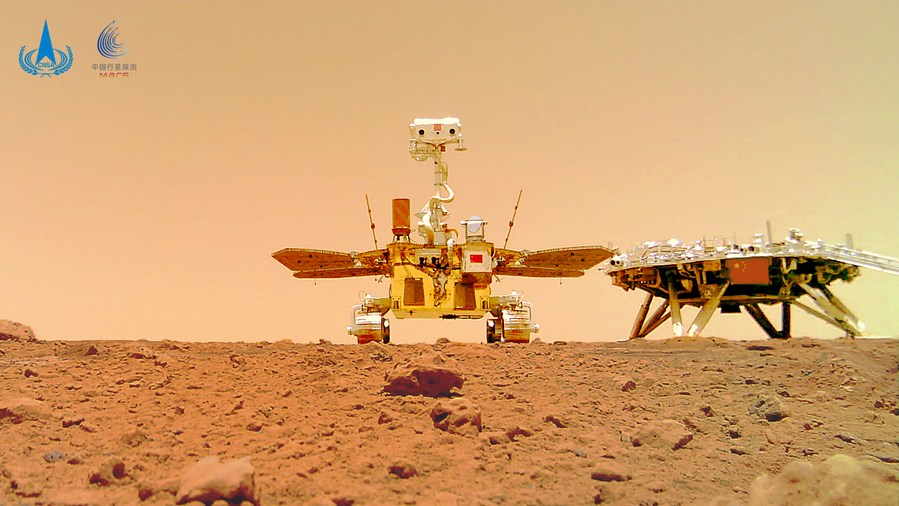
China's Zhurong Rover on Mars has not shown any signs of activity since it entered hibernation mode due to a dust storm in May 2022. The rover's chief designer, Zhang Rongqiao, believes that the lack of sunlight reaching the minimum level for power generation is the reason for the rover's inactivity. The most likely possibility is that an unpredictable accumulation of Martian dust has led to a decrease in the power generation capacity, which is insufficient to wake it up. Changing seasons on the red planet are expected to strengthen the Sun's rays at Zhurong's location in the near future, which could bring power levels back within operational norms. Tianwen-2, the next deep space mission in the Tianwen series, is expected to launch in May 2025 and will be a sample return mission from a near-Earth asteroid named 2016 HO3.