Tag

Electrochemistry

All articles tagged with #electrochemistry

science-and-technology2 years ago

"Electrifying Breakthrough: Scientists Speed Up Chemical Reactions"

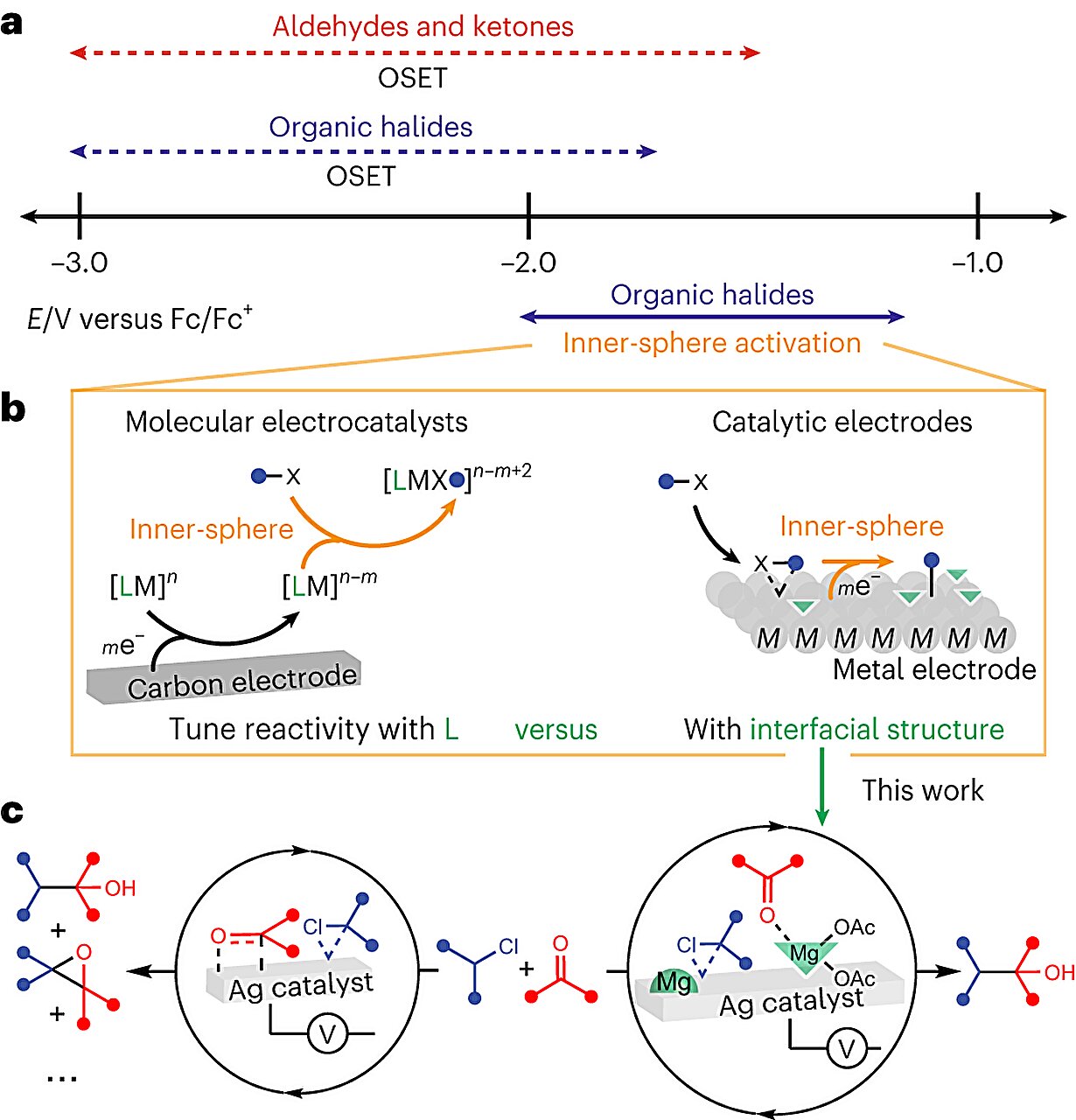
University of Chicago chemists have discovered a new method to enhance chemical reactions using electricity, a process known as electrocatalysis. This advancement, published in Nature Catalysis, could lead to more sustainable and efficient chemical manufacturing, particularly in synthesizing pharmaceuticals. By adding a Lewis acid to the reaction and using special imaging techniques, the researchers were able to control the reaction at the molecular level, achieving near-complete yields and demonstrating the potential for reusing the electrode, thus moving towards more sustainable synthesis methods.

science-and-technology2 years ago

Harnessing Microbial Enzymes and Light Activation for Efficient Carbon Dioxide Capture and Release

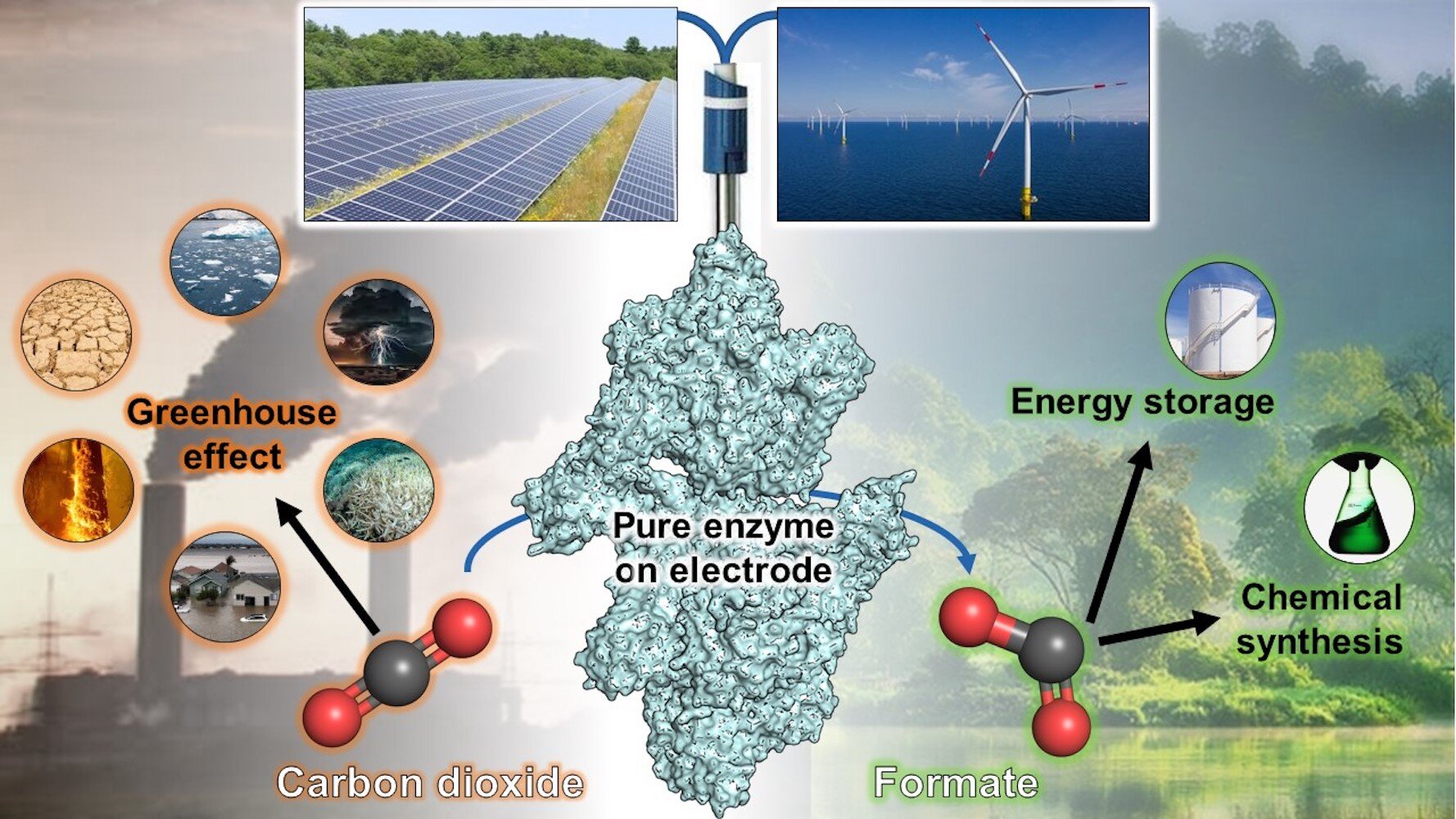
Scientists have isolated an enzyme from a microbe that efficiently converts carbon dioxide (CO2) into formate, a stable compound that can be used for energy storage or synthesis. When the enzyme was attached to an electrode, it demonstrated perfect efficiency in converting CO2 to formate. This discovery could inspire new CO2-fixation systems for capturing and utilizing CO2, potentially contributing to efforts to mitigate climate change. The enzyme-bound electrodes offer an efficient and attractive solution for gas conversion procedures, as they directly deliver the energy required for CO2 capture without electric current loss or the need for expensive or toxic chemical compounds.

science-and-technology2 years ago

Revolutionary Carbon Conversion Tool: From Formula to Climate Solution.

Scientists at Cornell University have repurposed the 120-year-old Cottrell equation to understand the reactions carbon dioxide undergoes when subjected to electrochemistry, with the goal of converting the gas into useful products like ethylene, ethane, or ethanol, effectively transforming an environmental issue into a renewable resource. The equation enables a researcher to identify and control experimental parameters to take carbon dioxide and convert it into useful carbon products. The study was funded by the National Science Foundation, a Cornell Energy Systems Institute-Corning Graduate Fellowship, and the Cornell Engineering Learning Initiative.