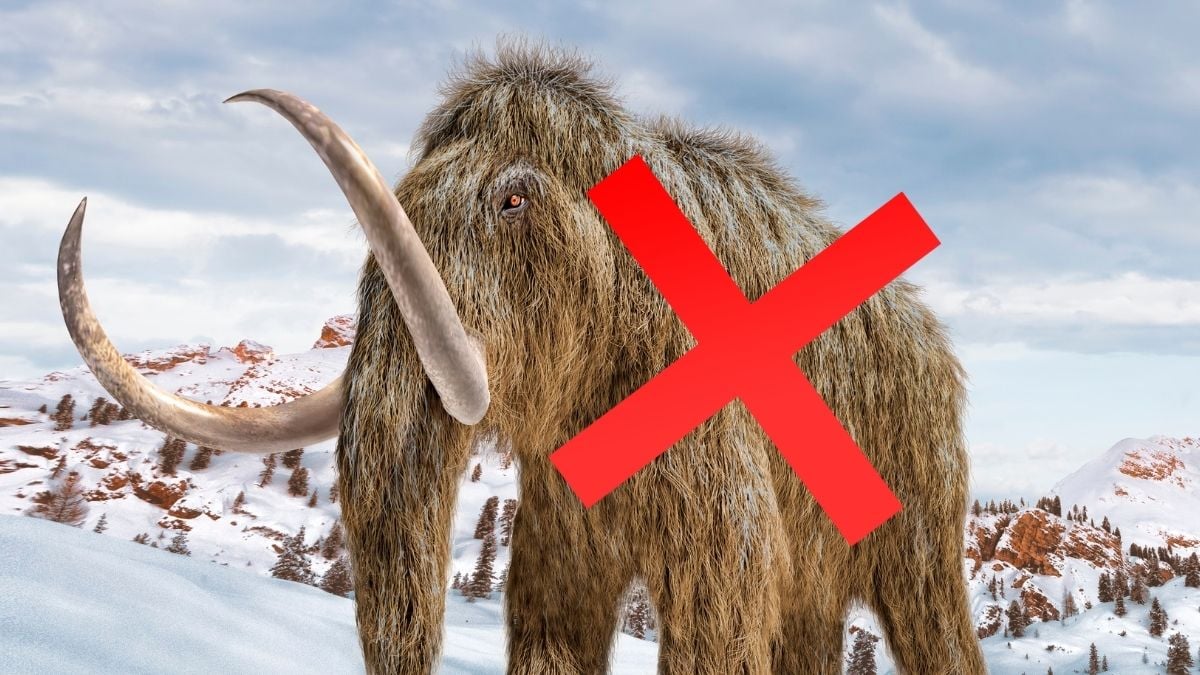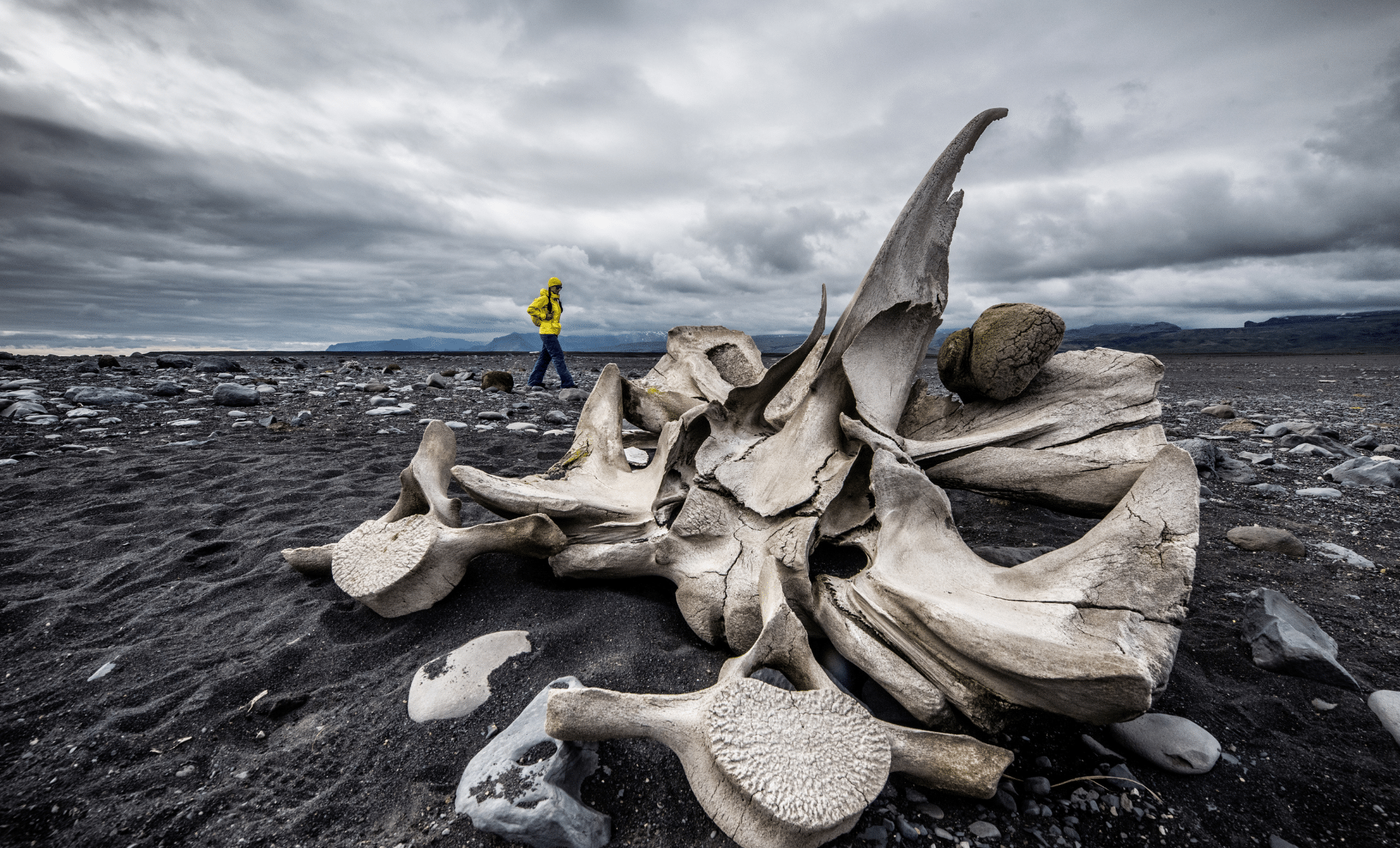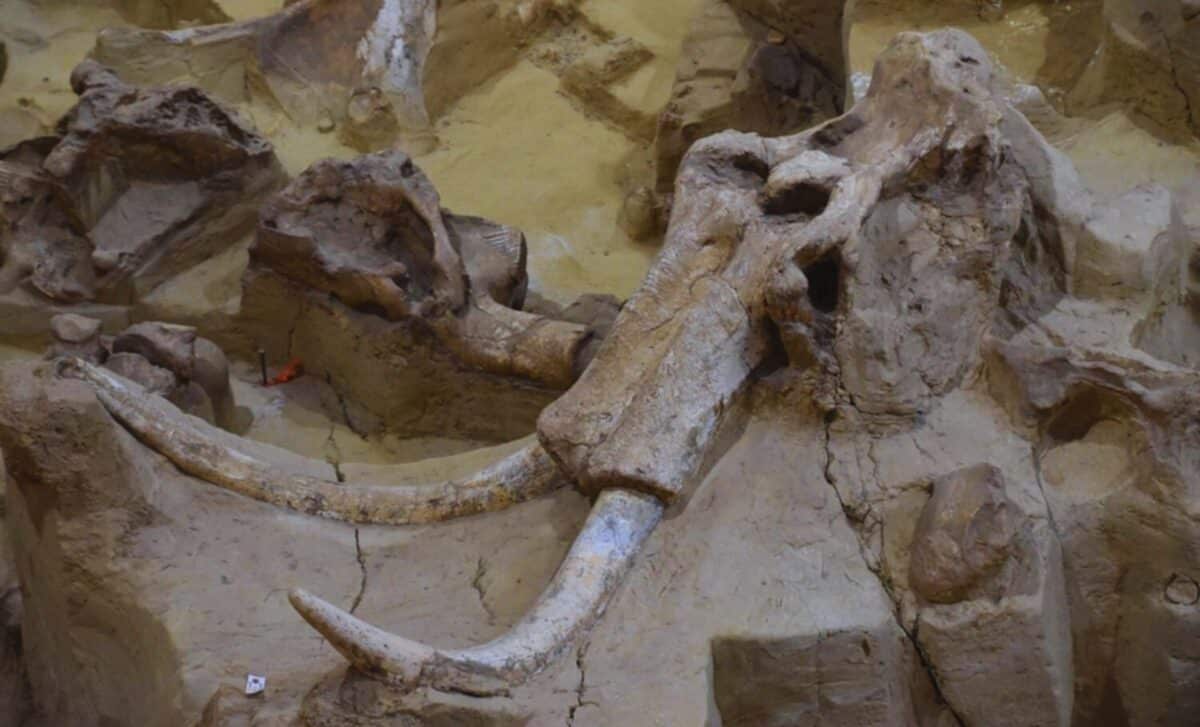
Fossilized bones in an Alaskan museum thought to be the last mammoth turned out to be whale bones, dating from 2,000 to 3,000 years ago, challenging previous assumptions about their age and origin, and highlighting the importance of DNA analysis in accurate species identification.
Recent analysis of fossils housed in Alaska's University of Alaska Museum revealed that what were thought to be mammoth bones from the Ice Age are actually from two ancient whales, a discovery confirmed through isotope and DNA analysis, challenging previous assumptions about the fossils' origins and highlighting the importance of modern scientific techniques.
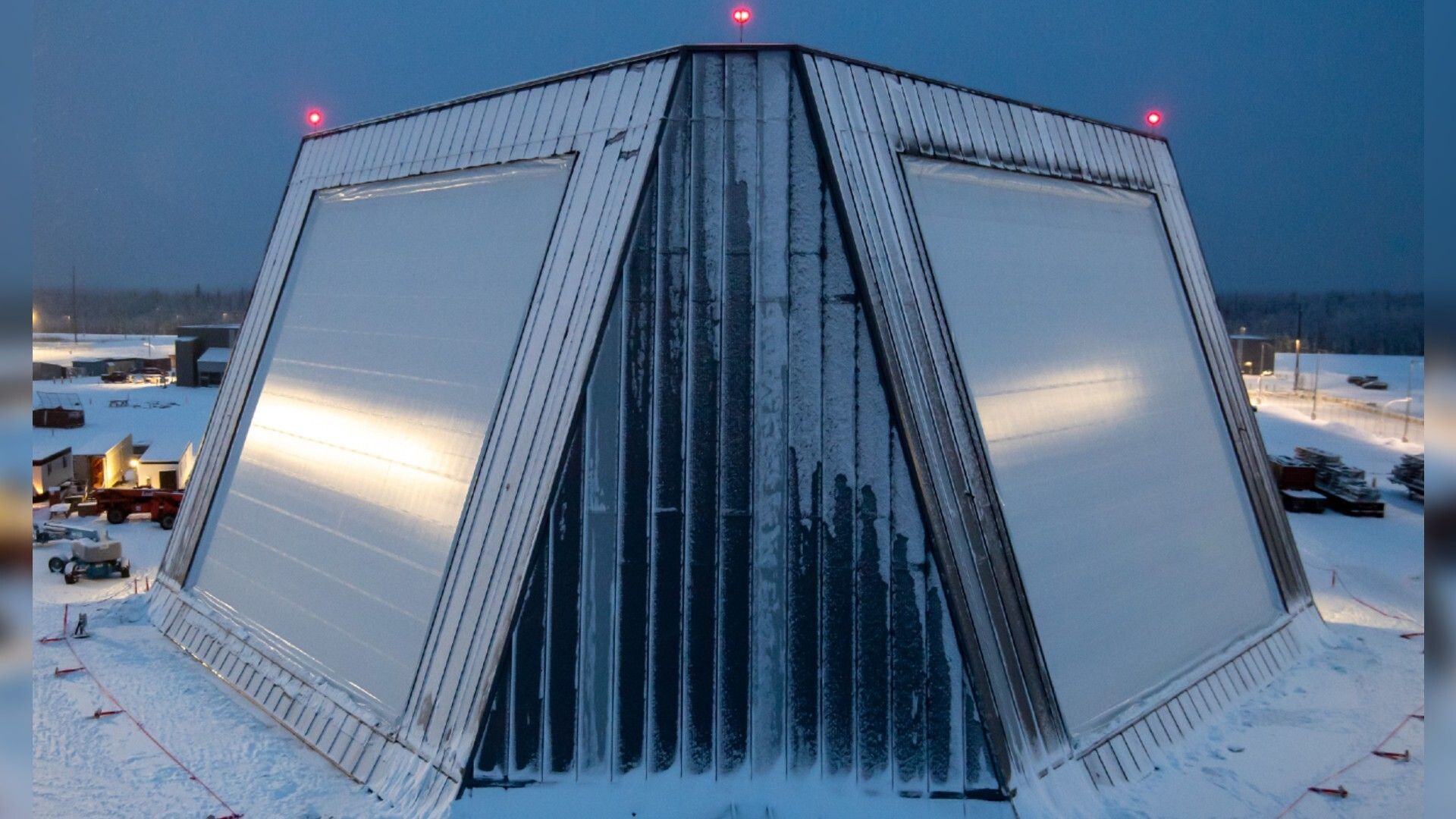
The U.S. Space Force has officially taken control of the Long Range Discrimination Radar (LRDR) at Clear Space Force Station in Alaska, marking its transition from testing to operational use to enhance missile defense capabilities with more precise tracking and faster response times.
The Trump administration announced the first awards from a $50 billion rural health fund, with Alaska receiving $272 million, highlighting disparities and priorities in rural healthcare funding amid ongoing Medicaid concerns.
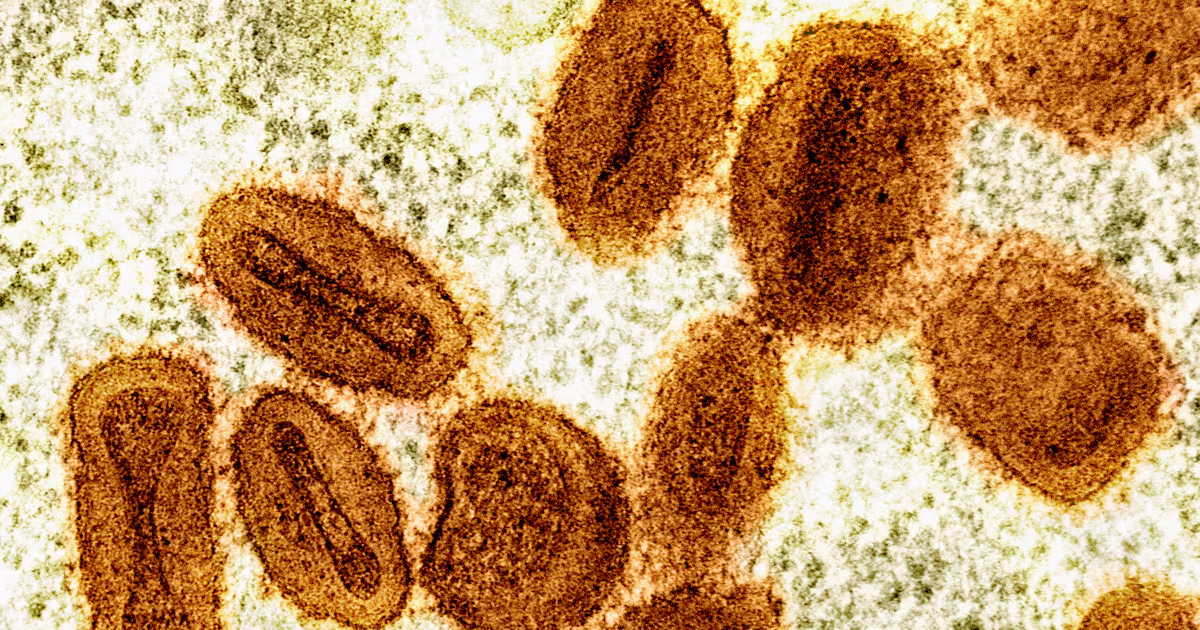
Health officials in Anchorage confirmed a case of mpox in an unvaccinated adult who recently traveled out of state; no local transmission has been detected, and close contacts are being monitored. The virus spreads through contact with infected individuals or materials, with symptoms including fever, rash, and lesions. Vaccination is available for prevention, and health authorities advise on reporting and monitoring potential cases.
Fossils initially thought to be the youngest mammoth remains in Alaska were later identified through DNA testing as whale bones, revealing a case of mistaken identity and raising questions about how whale bones ended up far inland.
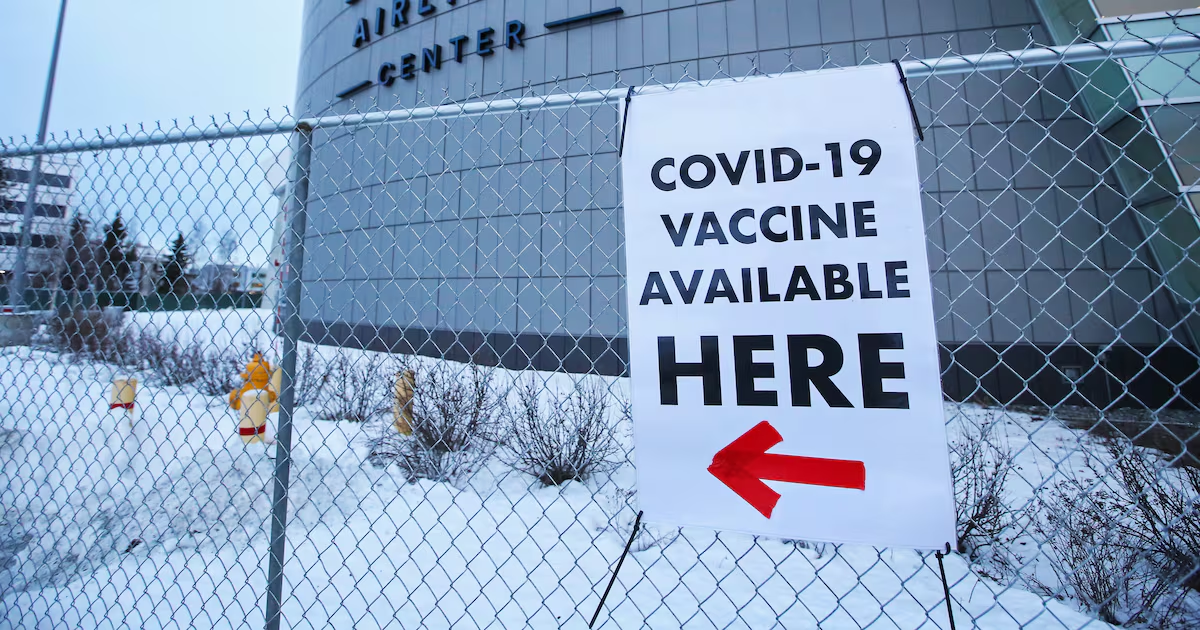
During the three-year COVID-19 pandemic in Alaska, 1,564 residents died, equating to 1 in 500 people, with higher mortality among unvaccinated and certain racial groups, and significant impacts from the delta variant. The report highlights the evolving nature of the pandemic and the importance of vaccination in saving lives.
Apple TV+ has canceled the thriller series 'The Last Frontier' after one season, despite its promising premise and star Jason Clarke, due to its slow pacing and lack of entertainment value, with only 10 episodes aired since October 10.
A couple in Kodiak faces potential deportation due to a years-old error by the Alaska DMV that mistakenly registered them to vote as U.S. citizens, leading to their citizenship oath being canceled; the error may have affected dozens of others, highlighting flaws in the state's voter registration process and raising concerns about wrongful deportations.
'The Last Frontier,' a thriller series on Apple TV starring Jason Clarke as a U.S. marshal in Alaska, was canceled after one season due to mixed reviews and convoluted plot development, despite initial discussions about a potential second season with new locations.
Looming federal budget cuts threaten to worsen Alaska's opioid crisis by reducing funding for law enforcement and public health programs like HIDTA, which are crucial for combating drug trafficking and overdose deaths, especially in remote areas. Proposed Medicaid reductions could also limit access to addiction treatment, further exacerbating the crisis. Local officials and advocates are urging Congress to preserve funding to prevent a devastating impact on Alaska's efforts to fight overdose fatalities.
Scientists in Alaska are developing a new insulation material made from mycelium, the fungal network beneath mushrooms, to provide a sustainable, biodegradable alternative to plastic foam for housing in extreme climates, addressing environmental concerns and housing needs in the face of climate change.
Scientists discovered the world's oldest salmon fossil in Arctic Alaska, dating back 73 million years, revealing that ancient salmonids thrived during the Cretaceous period and suggesting their origins in northern high-latitude regions.
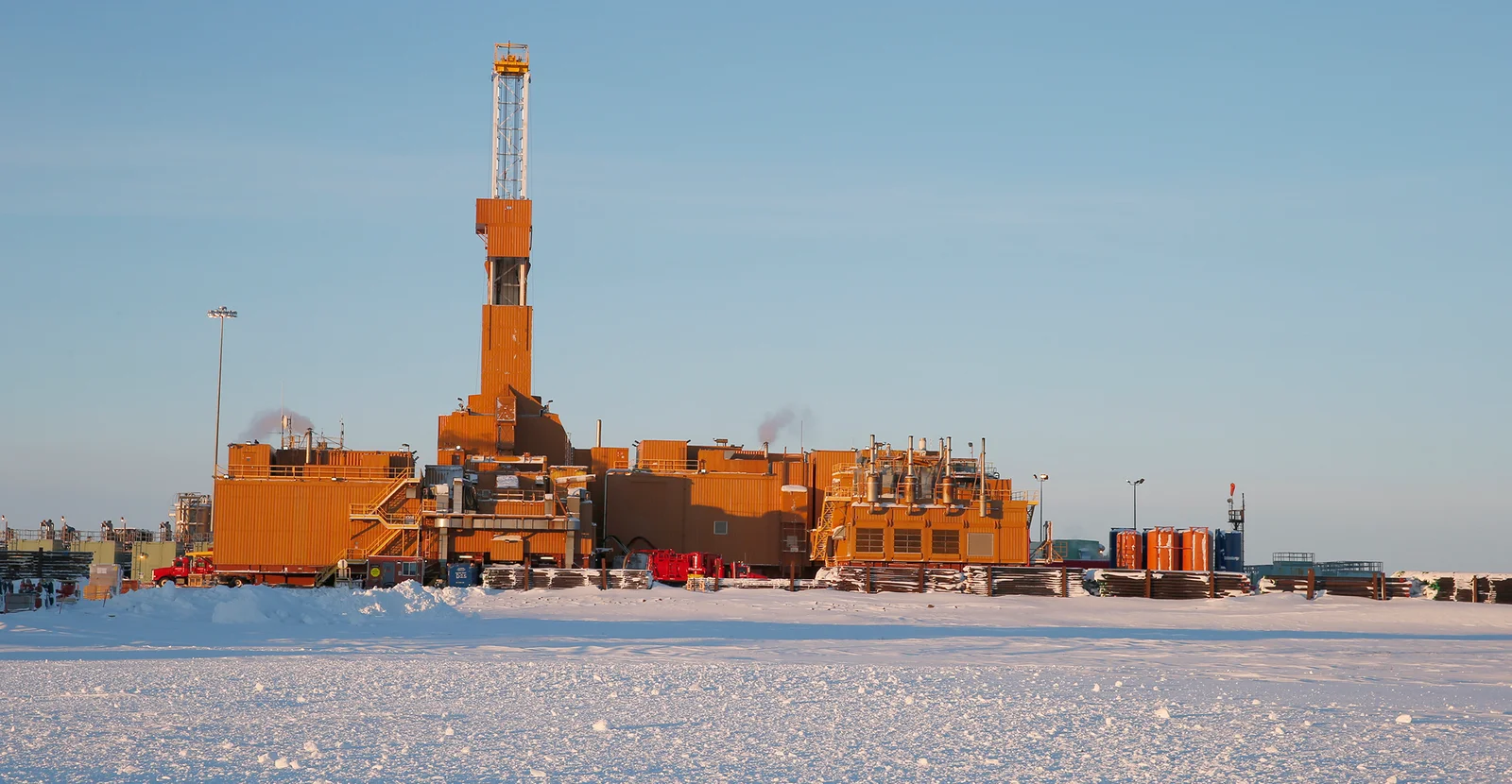
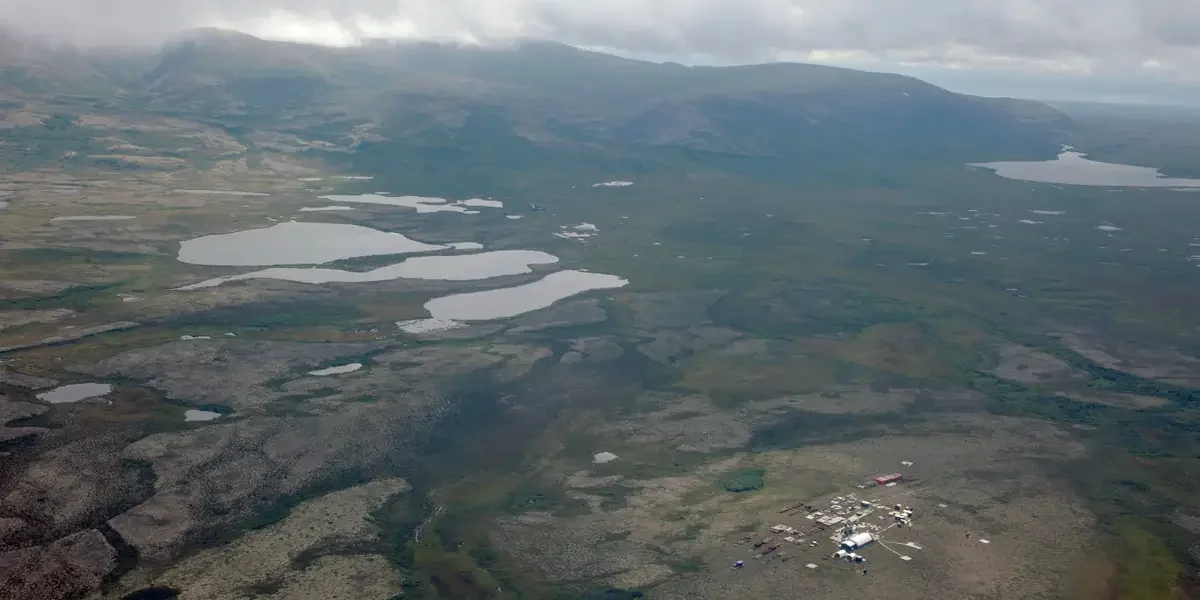
The Trump administration finalized plans to open Alaska's Arctic National Wildlife Refuge's coastal plain to oil and gas drilling, sparking controversy among Indigenous groups, environmentalists, and local communities, while also completing a land exchange deal for a road connecting King Cove to Cold Bay.
The Trump administration has approved expanded oil and gas drilling in Alaska's Arctic National Wildlife Refuge, reversing previous protections and sparking criticism from environmental groups and indigenous communities due to potential ecological and cultural harm.