space-and-physics3.085 min read
Scientists Uncover Cosmic Clues to Time Travel and Universe Anomalies
1 year ago•Source: IFLScience

The latest space and physics stories, summarized by AI
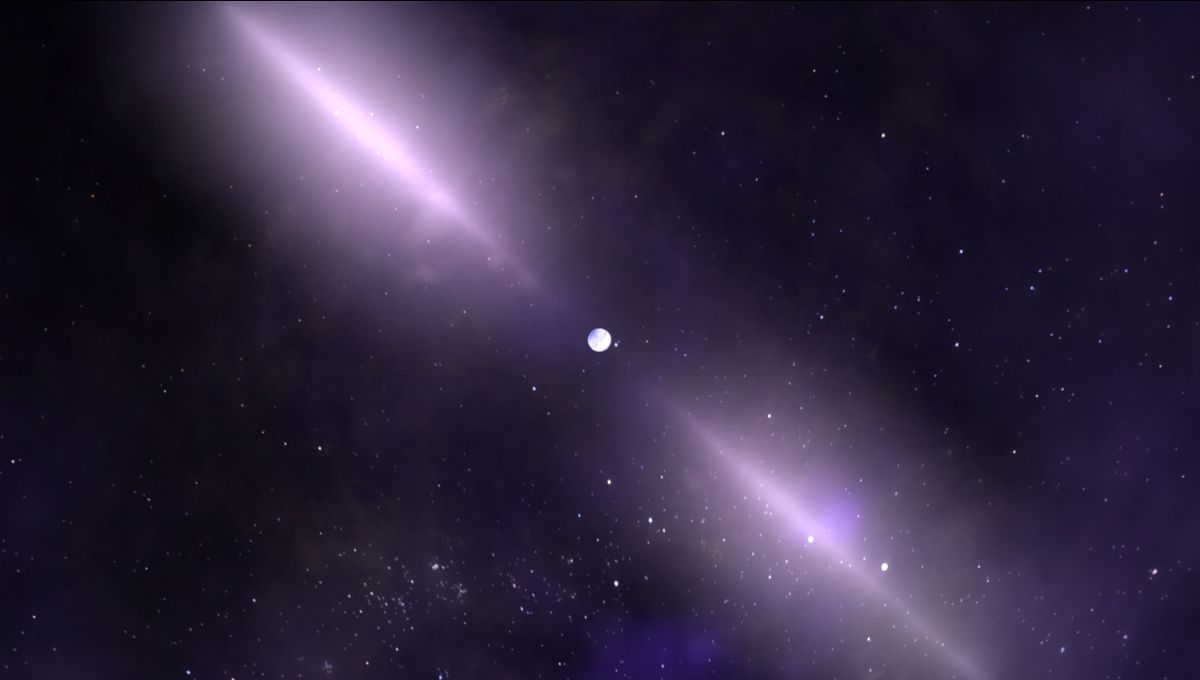
Researchers are using millisecond pulsars as precise cosmic clocks to detect invisible mass concentrations in the Milky Way, which could be massive rogue planets, small stellar objects, or clumps of dark matter. By measuring the timing of pulsar signals, they aim to identify these objects, though their exact nature remains uncertain.
IFLScience•1 year ago
IFLScience•1 year ago
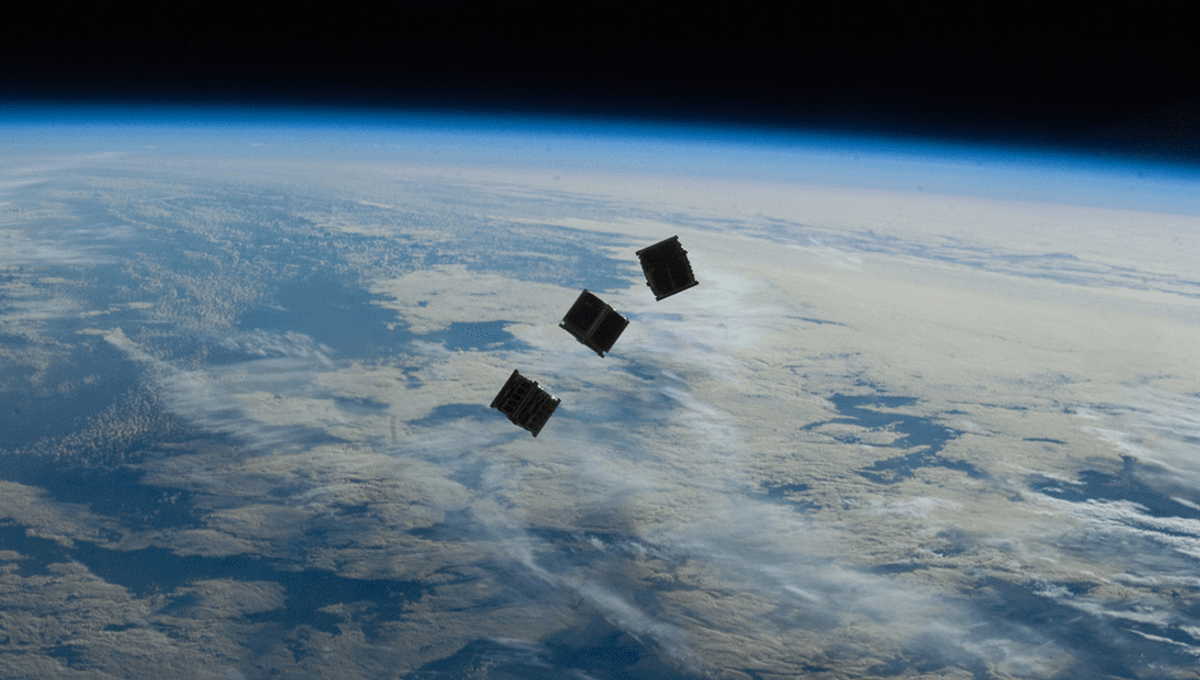
China's reusable test spacecraft has released a seventh unidentified object nearly six months after its launch, following six other objects that emitted repeating signals. The purpose of these objects remains unclear, with speculation ranging from subsatellite deployment to hardware ejection. The Chinese government states the spaceplane is testing reusable technology and conducting space science experiments.
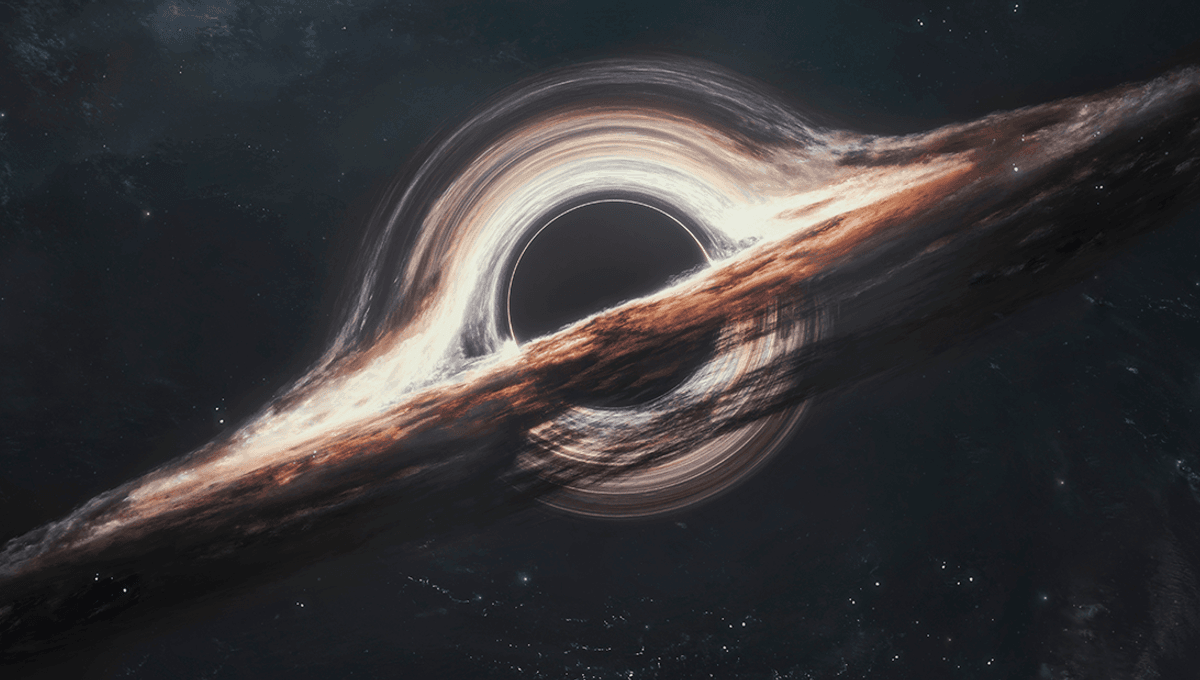
The James Webb Space Telescope (JWST) has discovered unexpectedly large black holes in the early universe, challenging existing theories of black hole formation. These black holes, observed in galaxies from just 330 million years after the Big Bang, are much larger than anticipated. One emerging theory suggests these supermassive black holes may have formed through "direct collapse" of massive gas clouds, bypassing the intermediate stellar phase. Further observations are needed to confirm this hypothesis and understand the origins of supermassive black holes.
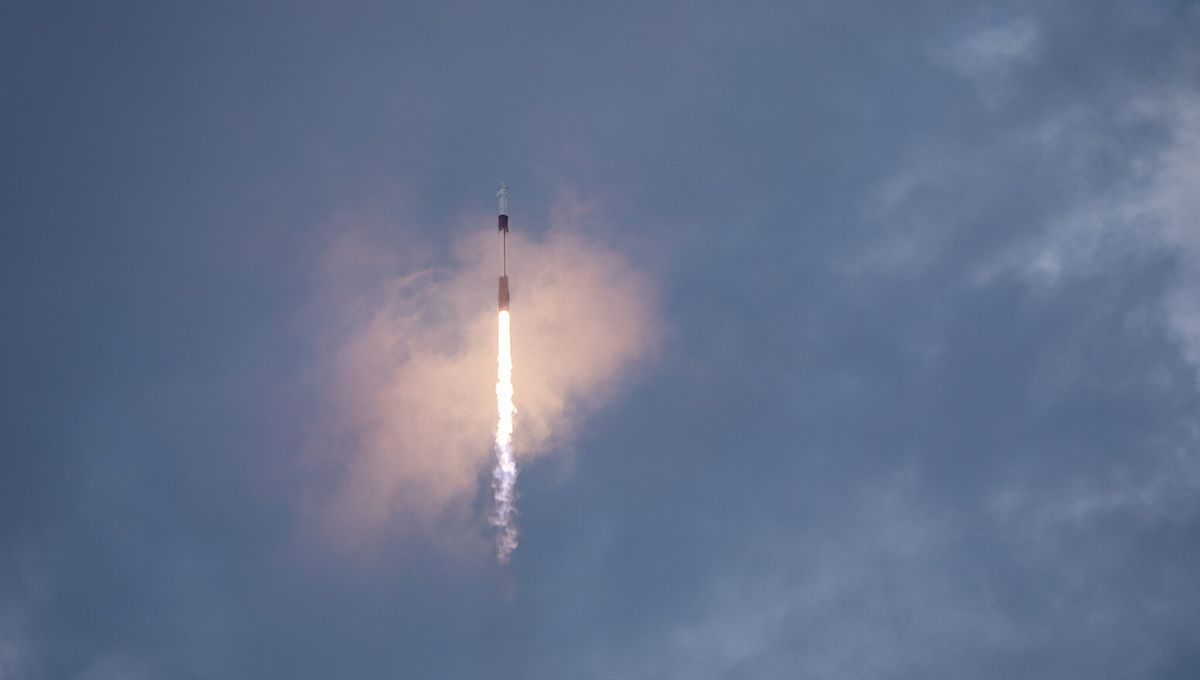
A large piece of space junk from a SpaceX mission crash-landed on a farm in Saskatchewan, Canada. The debris, weighing 40 kilograms and measuring 2 meters wide, is believed to be from the Dragon Trunk section of the Axiom 3 mission. The incident highlights the increasing risk of space debris falling to Earth and potentially causing harm.
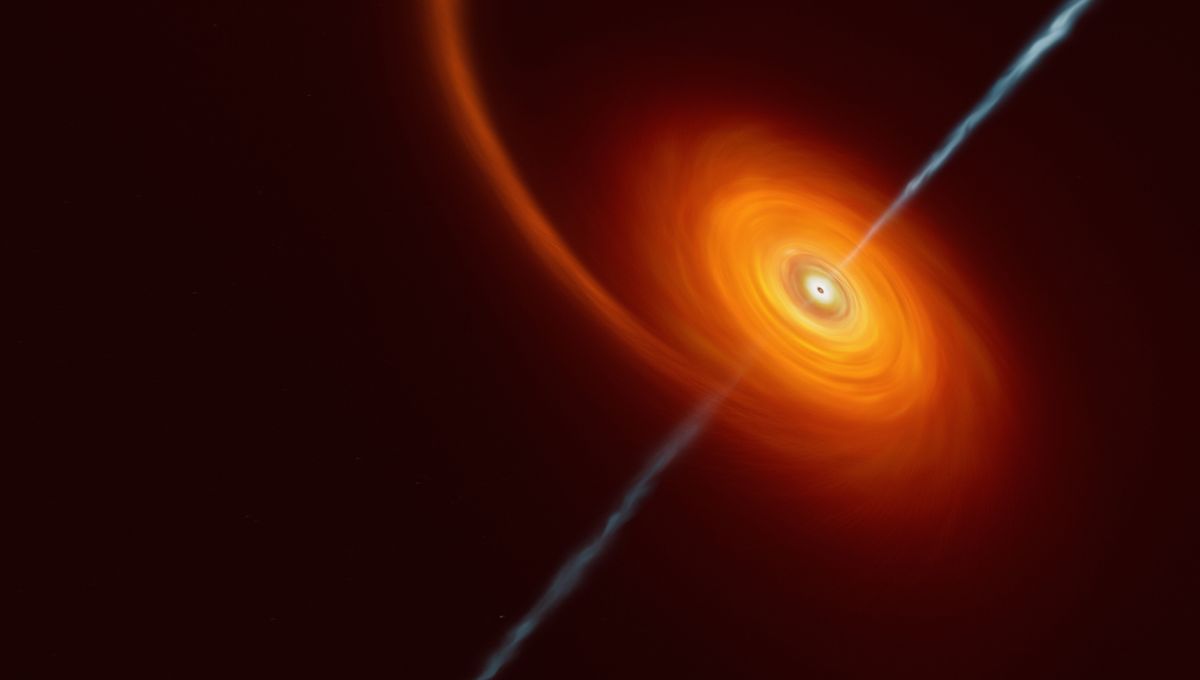
For the first time, astronomers have measured the spin of a supermassive black hole using the wobble of a hot accretion disk formed from a star that was torn apart by the black hole. The event, known as AT2020ocn, revealed that the black hole's spin is less than one-quarter of the speed of light. This discovery, made using the NICER telescope, provides new insights into the growth and evolution of supermassive black holes.
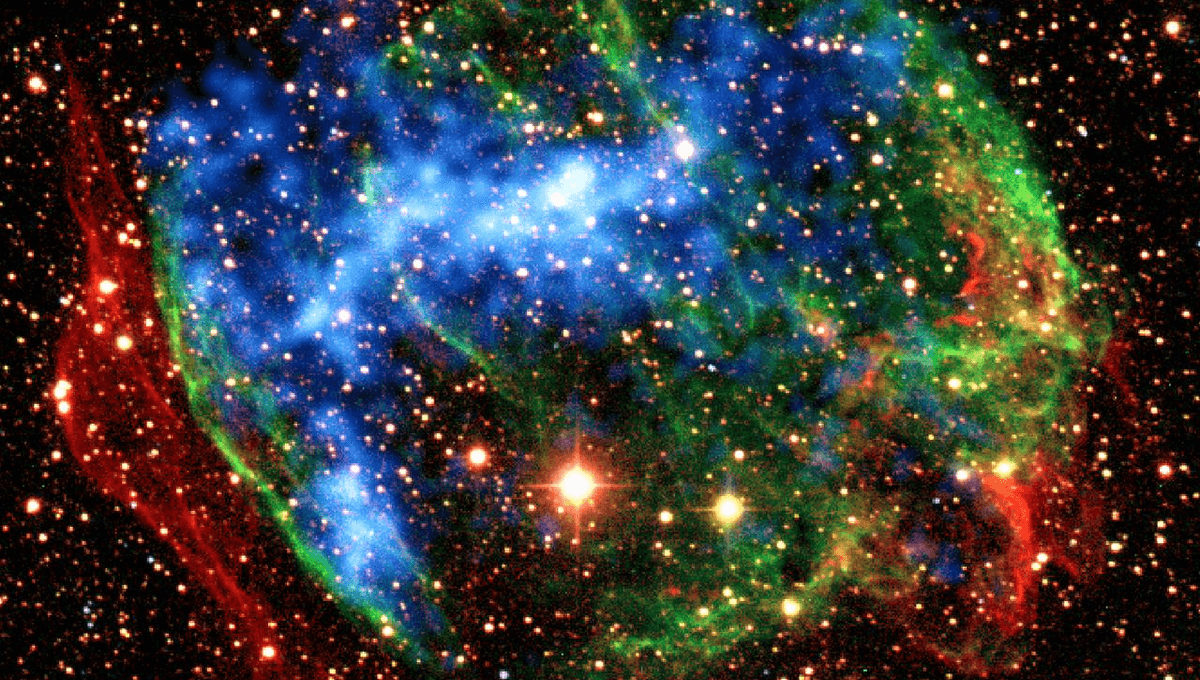
A rare dust particle found in an ancient meteorite has been determined to be older than the Sun, with a composition indicating it originated from an unusual type of supernova. The grain's isotopic ratios suggest it was formed by a hydrogen-burning supernova, a rare type of Type II supernova. This discovery provides valuable insights into the formation of the Solar System and the types of stars that contributed to its composition.

The discovery of life on Mars could have significant implications for humanity, according to Oxford University philosophy professor Nick Bostrom. He believes that finding evidence of advanced civilizations would be good news, but discovering the wrong stages of life in our own solar system would be the worst possible news, indicating that the bulk of the "Great Filter" is still in humanity's future and raising the probability of human extinction before technological maturity.

Fragments of a walnut-sized meteorite from asteroid 2024 BX1, which exploded over Germany, have been found by researchers from the Museum für Naturkunde Berlin. The asteroid was only the eighth-ever object predicted to collide with Earth, and its impact was detected about three hours before. The discovery highlights the importance of asteroid prediction systems for Earth's safety and the potential for retrieving pristine asteroid samples to aid in understanding the formation of the Solar System.

The Event Horizon Telescope (EHT) has released a new, more detailed image of the supermassive black hole M87*, revealing a shifting shadow and changing brightness of the accretion disk. The image, captured in 2018, shows the brightness peak has shifted by about 30 degrees counterclockwise compared to the 2017 image, confirming predictions based on general relativity. This milestone provides insight into the behavior of the magnetic field and plasma around the black hole, and was made possible by combining observations from radio telescopes around the world. The study is published in the journal Astronomy & Astrophysics, marking a significant advancement in black hole astrophysics.

European Space Agency astronaut Andreas Mogensen has captured an image of a rare electrical discharge known as a red sprite, or transient luminous event (TLE), from the International Space Station's Cupola observatory module. TLEs, which occur between 40 and 80 kilometers above the Earth, are rarely seen from the surface and are caused by a build-up of electrical charge within clouds. The study aims to better understand how lightning in the upper atmosphere affects greenhouse gas concentrations.
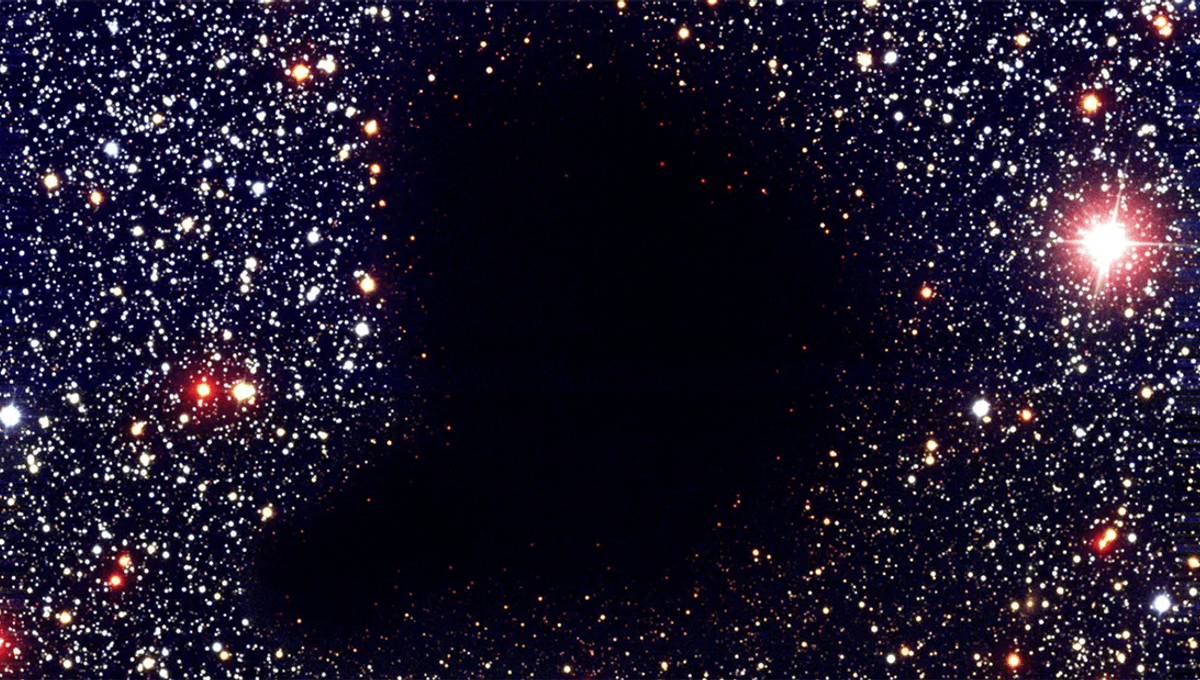
The Vanishing and Appearing Sources during a Century of Observations (VASCO) project has found around 100 stars that have disappeared from view in the last 70 years, leaving astrophysicists puzzled. Possible explanations include failed supernovas, gravitational lensing, gamma-ray bursts, or the presence of closer moving objects like asteroids. The search for these vanished stars also aimed to find evidence of advanced civilizations, such as Dyson Spheres, but no good candidates have been identified so far.