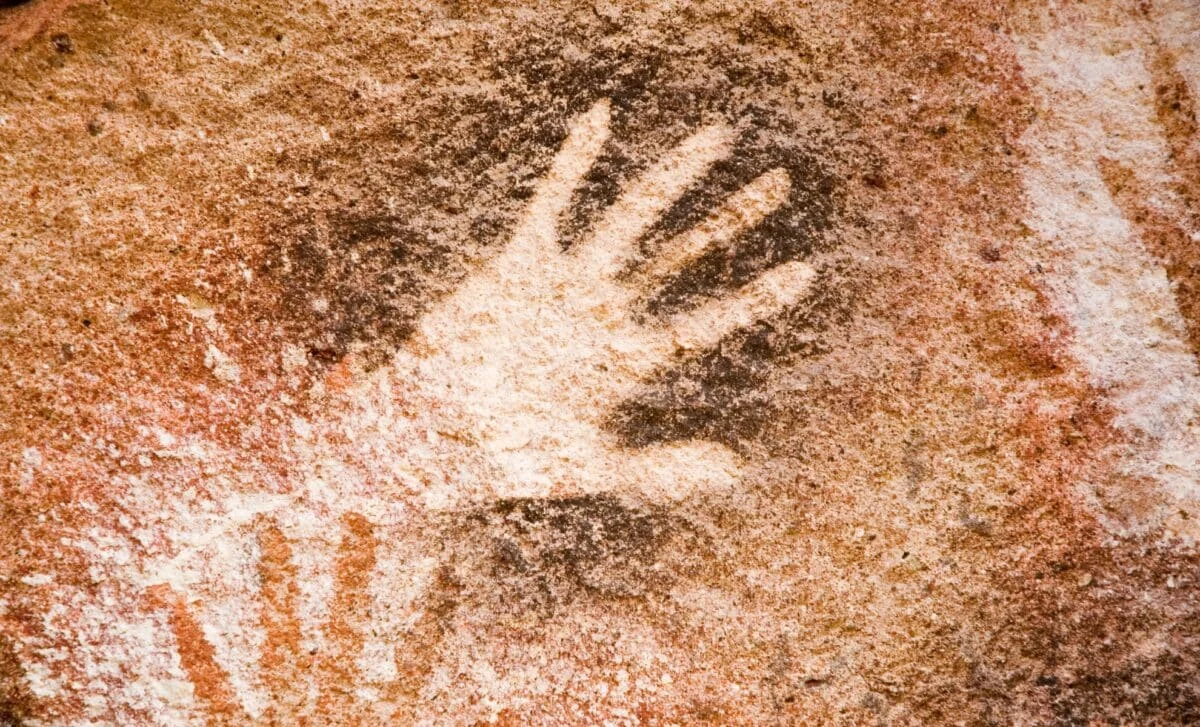
A hand stencil from Liang Metanduno cave in Indonesia is dated to at least 67,800 years ago using U-series dating, making it the oldest reliably dated rock art and implying early Homo sapiens used symbolic art and may have carried cultural practices across migration routes toward Sahul.
The article explores fascinating facts about the vastness and complexity of time, from the ancient formation of the Appalachian Mountains to the relative experience of time during cosmic events and human history, highlighting how our perception of time is limited compared to its true scale.
The article explores how ancient DNA studies have shed light on the process and timeline of transforming wild horses into domesticated, rideable animals, highlighting their profound impact on human societies.
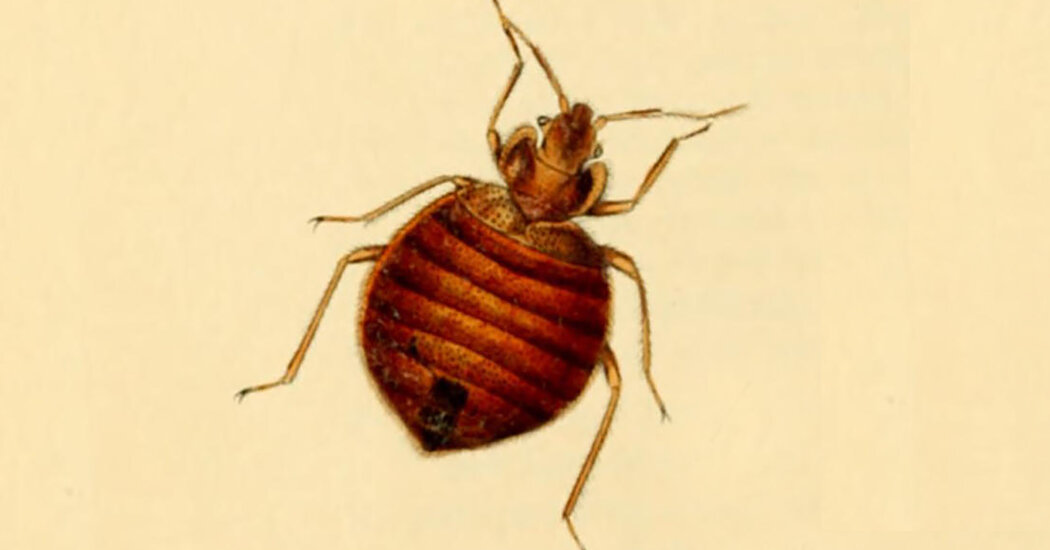
A new study reveals that bedbugs were the first urban pests, thriving in human cities for over 13,000 years, establishing a long-standing, exclusive relationship with humans as bloodsuckers that do not transmit diseases but cause mild irritation.
A new study suggests there may be millions of undiscovered genetic variants within the human species, challenging the long-held belief about our past and the extent of genetic variability. The "All of Us" research program is analyzing a large number of genomes and has already found over 275 million new genetic markers, potentially reshaping our understanding of human history. However, a recent study argues that genetic codes may not be as influential as previously thought, emphasizing the impact of external factors on gene expression. This raises questions about the significance of genetic research and its implications for our understanding of human development and history.
Danish historians have discovered evidence of the first mouth-to-mouth kiss on a clay tablet from ancient Mesopotamia, challenging previous beliefs that South Asia was the birthplace of kissing. The tablet reveals that lip-locking was practiced after lovemaking, rather than as foreplay, and suggests that the urge to kiss a lover is innate and has been observed in our primate relatives. This discovery sheds light on the cultural and historical significance of kissing in human history.
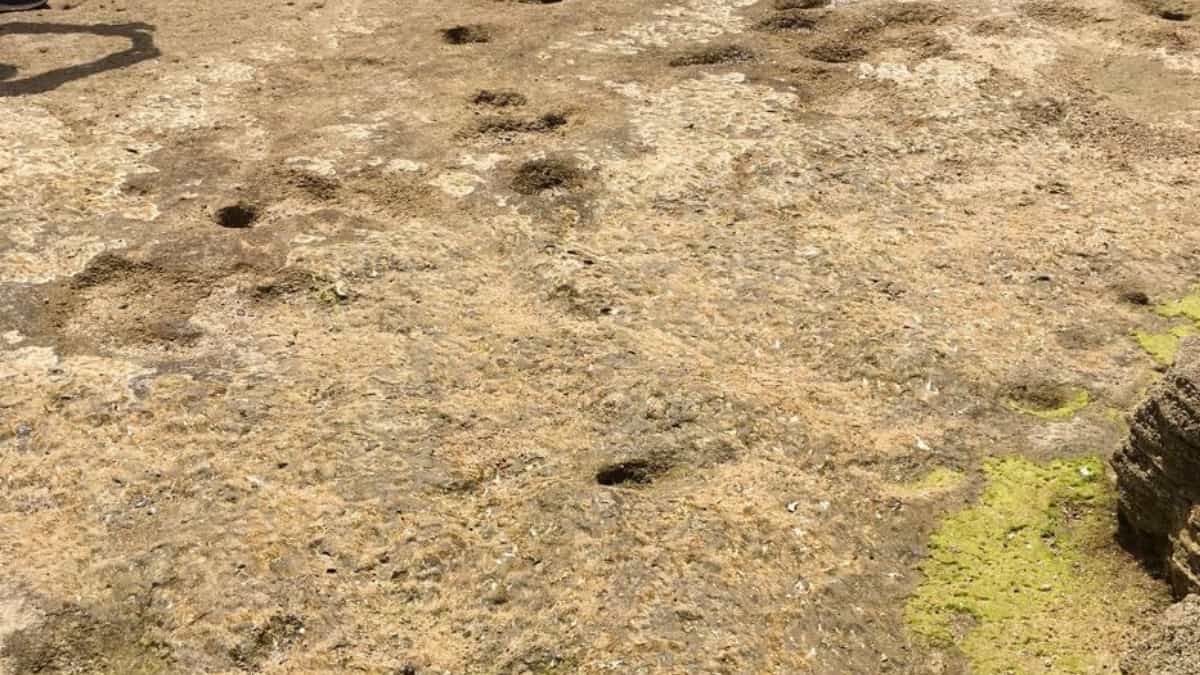
Scientists in Morocco discovered two trails of 90,000-year-old human footprints on a beach, likely the oldest and best-preserved trackways ever found, indicating a multigenerational group of early modern humans. The footprints, found using optically stimulated luminescence dating, suggest the presence of children, adolescents, and adults during the Late Pleistocene. The exceptional preservation of the footprints is attributed to the beach's layout and the tides' rapid burial of the tracks.
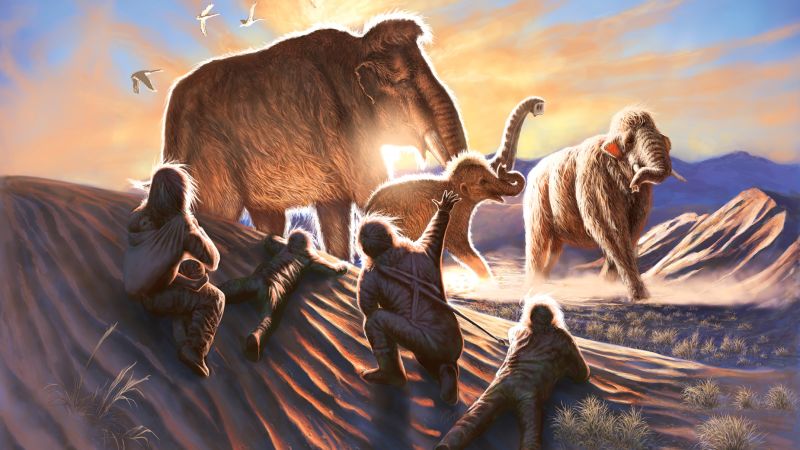
A 14,000-year-old woolly mammoth tusk named Elma has provided insights into the relationship between early Alaskans and mammoths, as researchers discovered that human settlements in Alaska closely aligned with the movements of this mammoth. Using a new isotope analysis tool, researchers tracked Elma's movements and found that humans set up seasonal hunting camps where mammoths gathered. The study sheds light on the interaction between humans and mammoths, offering a new perspective on prehistoric life and challenging the traditional image of aggressive hunters, depicting a family instead.
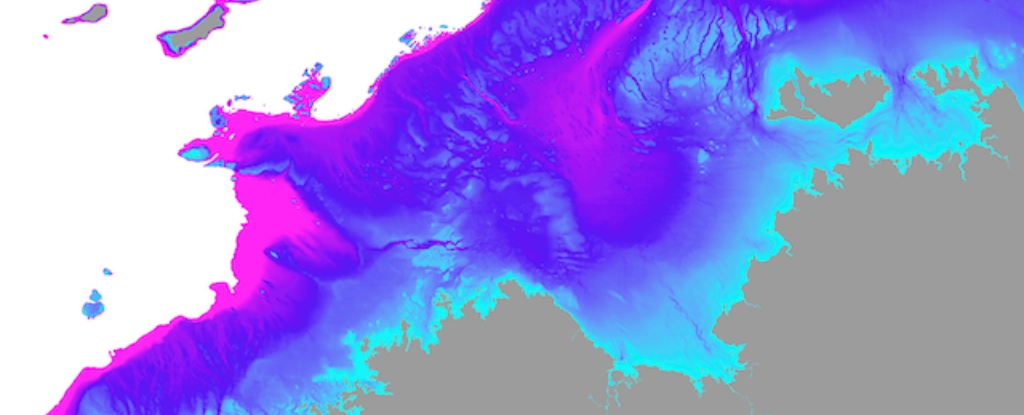
A recently published study reveals the existence of a vast, habitable realm on the now-submerged northwest continental shelf off the coast of Australia, which connected the Kimberley and western Arnhem Land. This area, larger than New Zealand, likely formed a single cultural zone with similarities in technology, rock art, and languages. The landscape included archipelagos, lakes, rivers, and a large inland sea, and may have supported a population of 50,000 to 500,000 people at various times over the past 65,000 years. The findings highlight the need for Indigenous-led environmental management and the importance of Indigenous knowledge in adapting to changing climates.
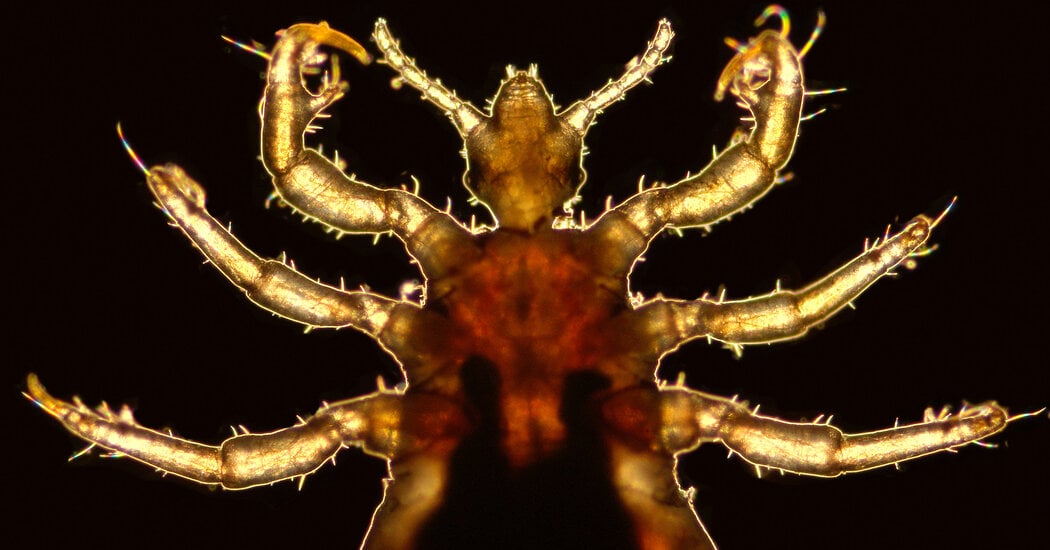
A new study on lice genetics reveals insights into ancient human history. Lice have been companions to humans throughout our evolutionary journey, adapting alongside us. By analyzing the DNA of lice, researchers have discovered that some lice in the Americas are hybrids of those carried by Native Americans and European colonists. Lice DNA also provides clues about human migration patterns, with genetic links found between lice in different parts of the world. Further research on the entire louse genome may shed light on how lice evolved and how our ancestors acquired them.
Head lice, considered a nuisance, have been living on human heads for centuries and have recorded our history in their DNA. A recent study suggests that the DNA of head lice reflects the massive human migrations that led to the colonization of the Americas. The research found evidence of two distinct genetic clusters in lice, indicating that they arrived in the Americas twice: first with Native Americans thousands of years ago, and then with Europeans during colonization. The study highlights the potential of lice DNA to provide insights into human history and interactions with other hominid species.
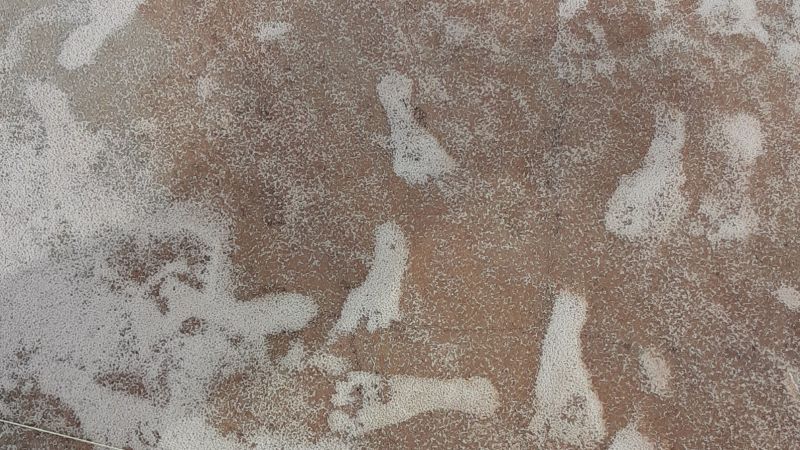
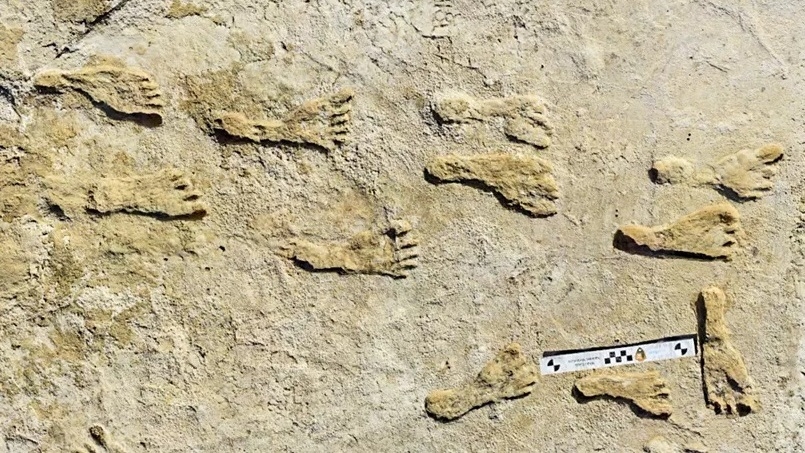
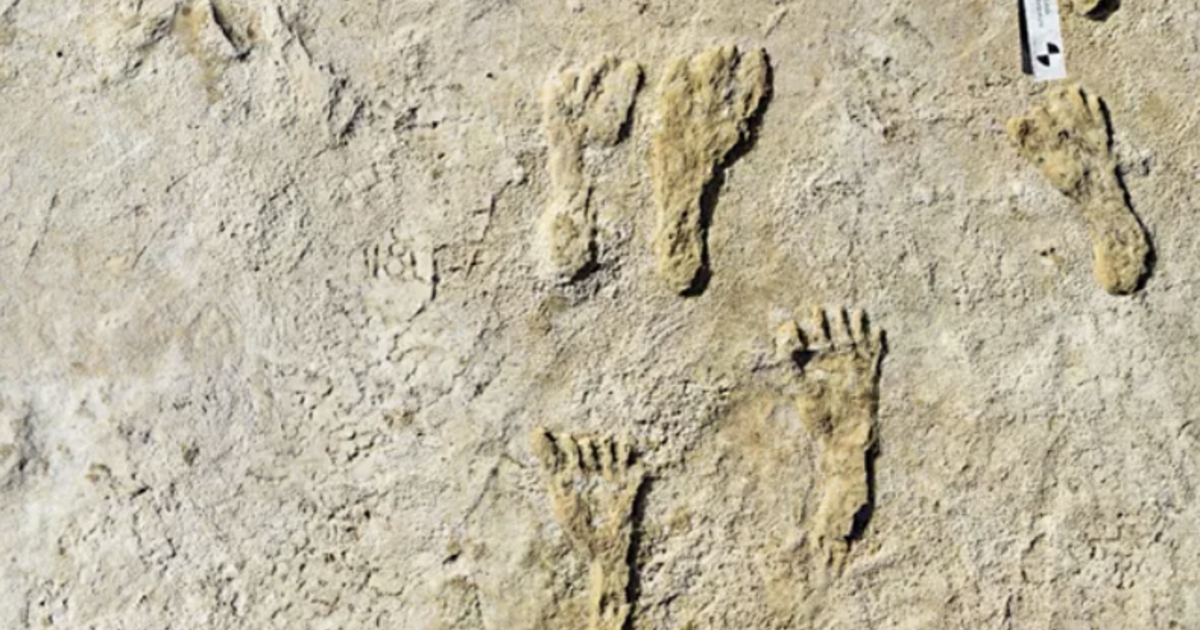
The discovery of 61 fossilized human footprints in New Mexico's White Sands National Park has provided new insights into the timeline of early humans living in the Americas, suggesting they arrived well before climate conditions would have made it impossible to reach North America. The footprints, estimated to be between 21,000 and 23,000 years old, represent a crucial missing chapter in human history. In other scientific news, Nobel Prizes were awarded to researchers in chemistry, physics, and physiology or medicine for advancements in quantum dots, short pulses of light, and mRNA vaccines. Astronomers using the James Webb Space Telescope have discovered pairs of planetlike objects inside the Orion Nebula, challenging current understanding of planet and star formation. NASA is preparing to launch its first mission to explore the metal world of Psyche, while China plans to return the first samples from the far side of the moon to Earth. Additionally, the restoration of Redonda Island in the Caribbean has revived its wildlife population, and there is good news about the birth of a Sumatran rhino, the successful collection of material from an asteroid sample, and the upcoming annular solar eclipse.
Fossilized human footprints found in New Mexico's White Sands National Park suggest that humans arrived in North America earlier than previously thought. The footprints, estimated to be between 21,000 and 23,000 years old, challenge the prevailing belief that humans crossed from Siberia to Alaska towards the end of the last Ice Age. The study also raises questions about the coexistence of humans and megafauna and their role in extinction. Critics have challenged the dating technique used, but new evidence from carbon-dating tree pollen supports the original findings. The debate continues, but the research highlights the need for inclusivity and the involvement of Indigenous voices in studying early Americans.
Scientists have confirmed that fossilized footprints found in New Mexico's White Sands National Park are between 21,000 and 23,000 years old, indicating that humans existed in North America much earlier than previously believed. The researchers used multiple lines of evidence, including radiocarbon dating of seeds and conifer pollen, as well as optically stimulated luminescence dating of quartz grains, to establish the age range. This discovery challenges the previous belief that humans arrived in North America around 13,500 to 16,000 years ago.
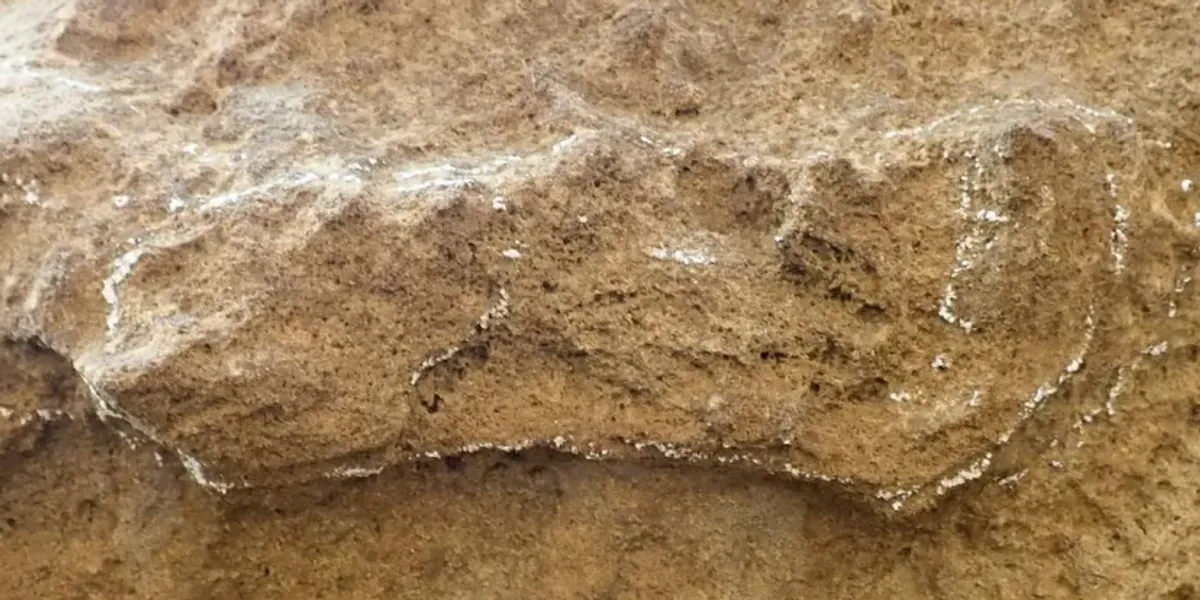
A 153,000-year-old footprint has been discovered in South Africa, proving that humans were walking around 30,000 years earlier than previously thought. The discovery was made using the optically-stimulated luminescence dating method, which analyses how long it’s been since a grain of sand has been exposed to sunlight. The scientists involved believe that the area could be home to many illuminating discoveries given the makeup of the soil and that further hominin ichnosites are waiting to be discovered on the Cape South Coast and elsewhere on the coast.