archaeologyanthropology2.86 min read
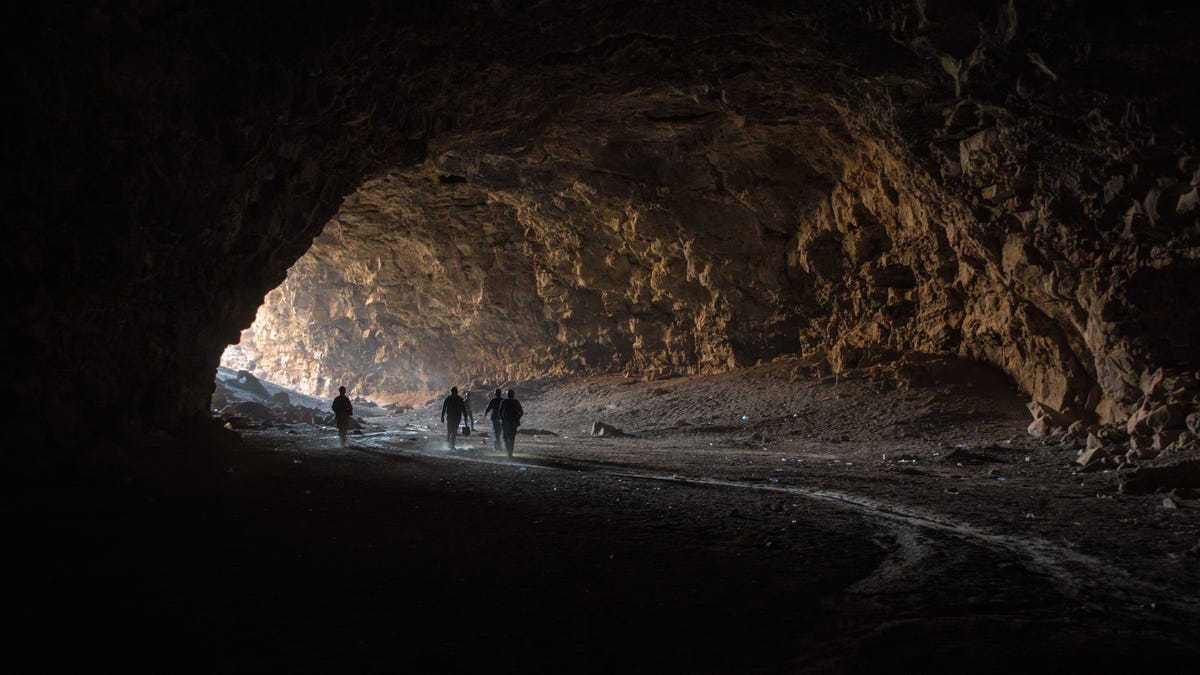
"7000-Year Human Shelter: Uncovering Ancient Life in a Saudi Arabian Lava Tube"
1 year ago•Source: Gizmodo

The latest archaeologyanthropology stories, summarized by AI

An analysis of over 4,000 stone artifacts on Barrow Island off northwestern Australia provides insights into Aboriginal life during the last ice age, revealing connections between the island and the mainland. The artifacts, dating back to 29,000-19,000 years ago, suggest a diverse range of tools and materials, indicating trade and exchange between different groups. The study sheds light on the ancient connections and landscape use by Aboriginal peoples during a time period that is virtually unknown elsewhere on the continent.
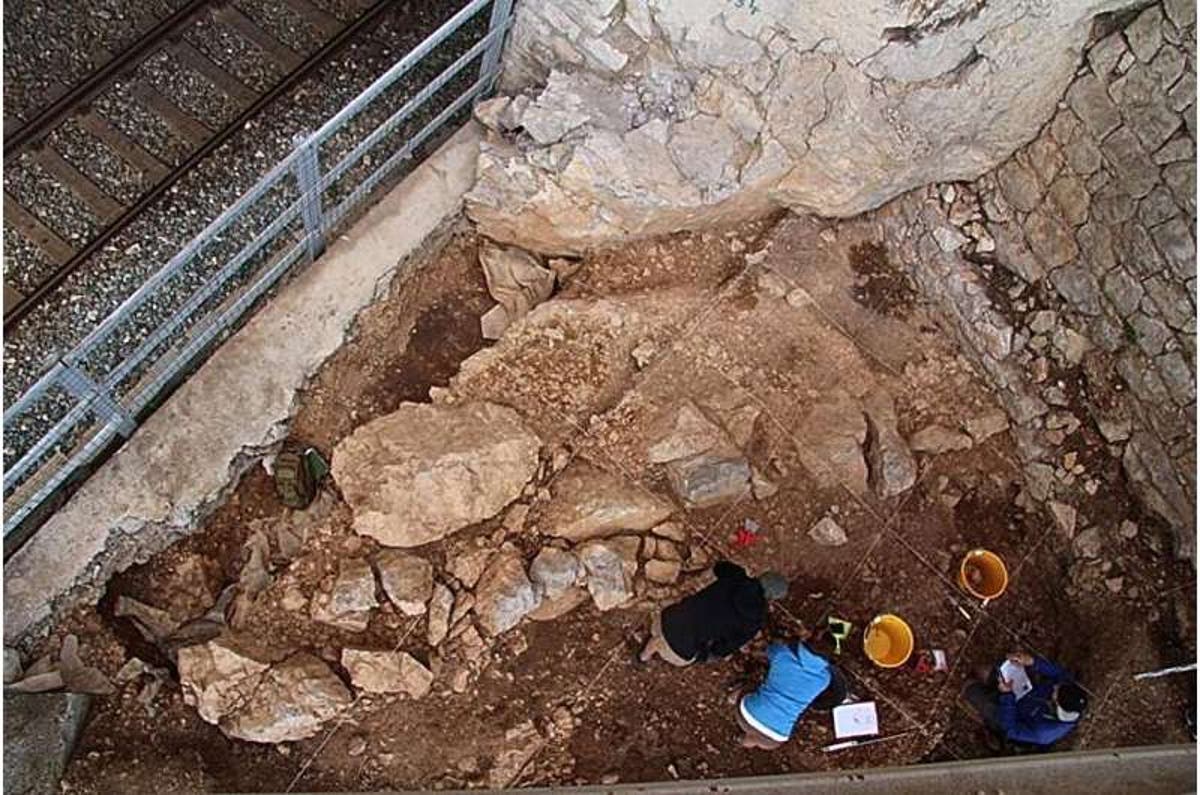

An upcoming analysis suggests that humans may have been communicating for over 1.6 million years, challenging the belief that language development occurred only around 200,000 years ago. Based on various evidence, British archaeologist Steven Mithen proposes that early humans began communicating in eastern or southern Africa. He argues that the development of language was crucial for human evolution and survival, allowing for the transmission of knowledge across generations. This theory could potentially reveal ancient linguistic developments still in use today.
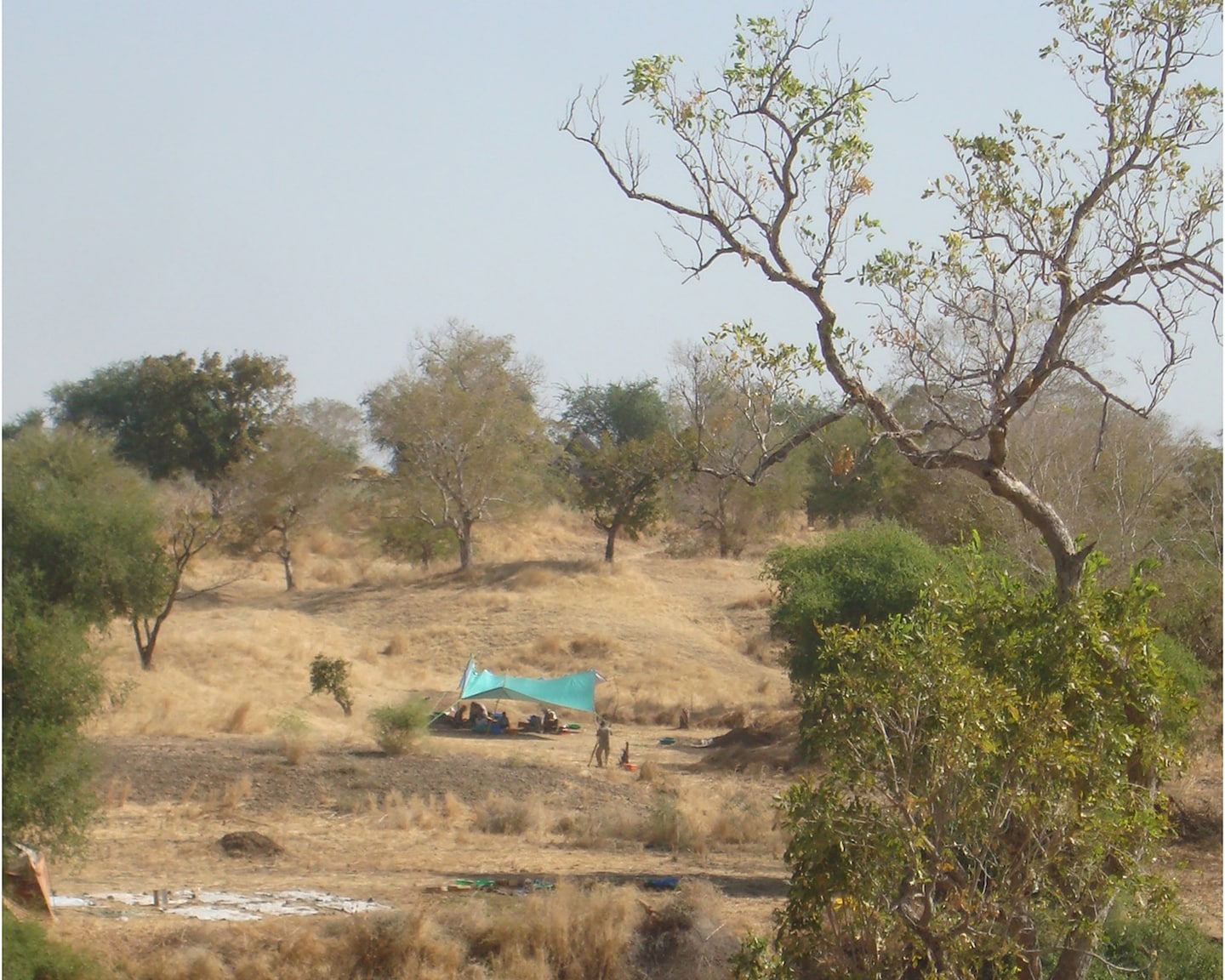
Microscopic glass shards from the Toba supervolcano eruption in Ethiopia suggest that early modern humans survived the event by adapting to extreme arid conditions, shifting their diet to include more fish. This challenges the idea that humans couldn't survive in such climates and offers an alternate theory for human dispersal out of Africa. The study also provides evidence that humans were flexible in their adaptations and could overcome environmental challenges, contradicting the popular belief that the Toba eruption nearly drove humans to extinction.
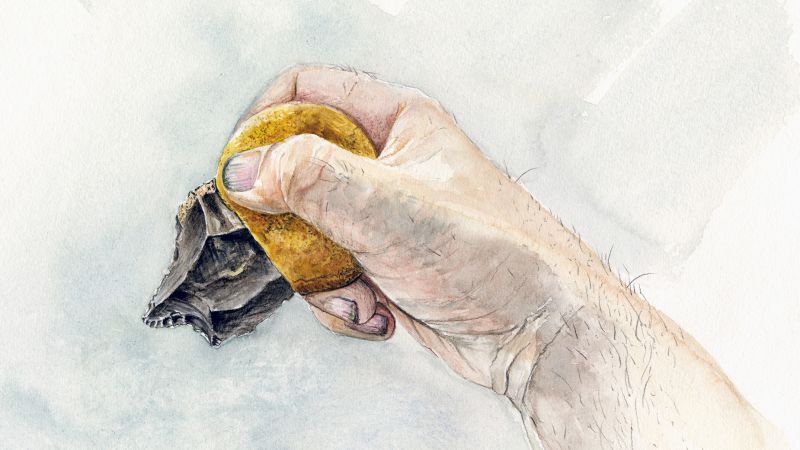
Researchers have discovered that Neanderthals likely engineered a type of glue from ocher and bitumen to create handles for stone tools, shedding light on their complex thinking patterns. The artifacts, found in a French archaeological site, were recently rediscovered in a Berlin museum and date back between 40,000 and 60,000 years. The study, published in Science Advances, suggests that Neanderthals were capable of creating materials according to their needs and challenges the popular stereotype of them as primitive beings.

Researchers have reconstructed the life history of Vittrup Man, a forager-turned-farmer who lived over 5,000 years ago in what is now Denmark, by analyzing isotopes in his teeth. They found that he was from coastal Scandinavia, moved to Denmark later in life, and was likely killed in an act of ritual violence. His diet and genetic ancestry were also revealed, shedding light on his life story. The findings provide unprecedented detail about a person from such a distant past and may help understand similar preserved remains.
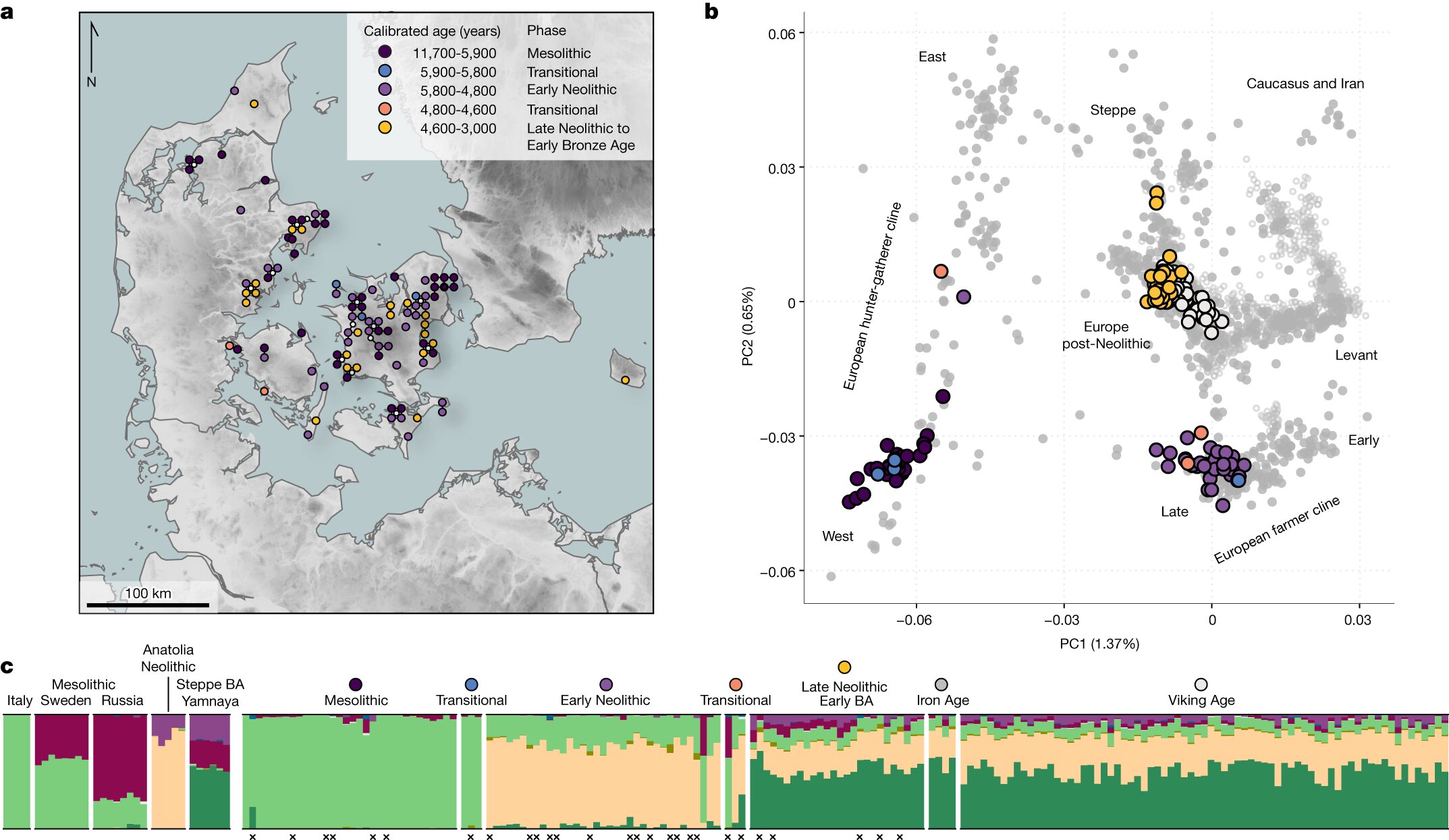
A new study from Lund University in Sweden, published in Nature, suggests that the arrival of the first farmers in Scandinavia 5,900 years ago led to the rapid extinction of the hunter-gatherer population within a few generations, contrary to previous beliefs. DNA analysis of skeletal remains indicates two major population turnovers in Denmark over the past 7,300 years, with the first occurring when a farmer population displaced the hunter-gatherers, possibly through violence and the introduction of new pathogens from livestock. A second turnover occurred about 4,850 years ago when people with genetic roots in Yamnaya, originating from southern Russia, replaced the previous farmer population. The study sheds new light on historical migration flows and provides insights into the development of certain diseases.

Recent stone tool discoveries challenge the prevailing view of a swift cultural and technological revolution that enabled modern humans to surpass Neanderthals and other archaic human species during their spread across Eurasia around 50,000 to 40,000 years ago. The study suggests a more gradual and complex process of cultural evolution, challenging previous assumptions and enriching our comprehension of human evolution. The research reveals a multi-staged evolution characterized by later innovations in tool-making, providing a deeper understanding of the intricate process that has shaped the course of human history.

A study led by researchers at the Nagoya University Museum challenges traditional beliefs about the cultural evolution of Homo sapiens during their dispersal across Eurasia 50,000 to 40,000 years ago. The study suggests that the increase in stone tool productivity did not occur before or at the beginning of Homo sapiens' dispersals, but rather after, coinciding with the development of bladelet technology in the Early Upper Paleolithic. This challenges the view of a sudden cultural revolution and suggests a more nuanced and complex process of cultural evolution involving multiple stages.

Researchers discovered human bones and tools in a German cave, indicating that humans settled in northern Europe over 45,000 years ago, potentially coexisting with Neanderthals. The findings challenge previous assumptions about human migration and the replacement of Neanderthals by Homo sapiens. The discovery suggests that humans repeatedly populated Europe in smaller excursions, living in extreme cold conditions and adapting to hostile environments, ultimately outlasting the Neanderthals.
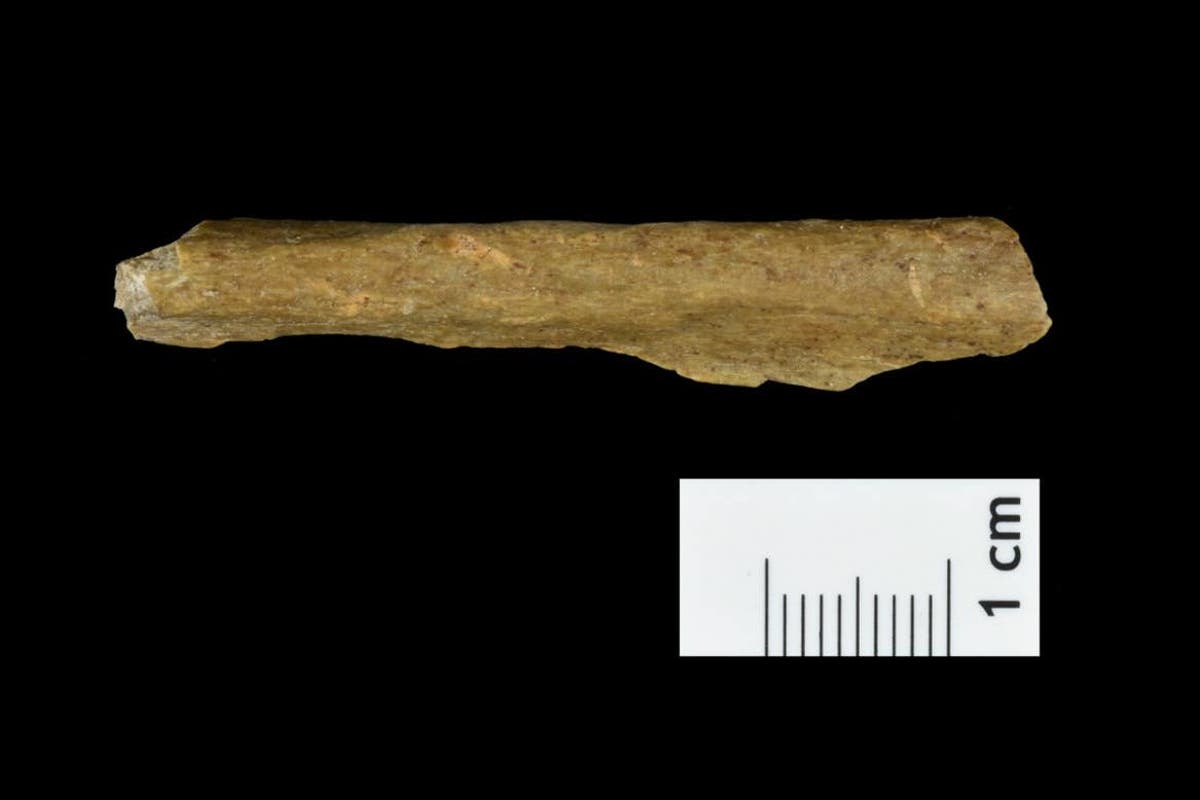
New evidence suggests that modern humans ventured into northern Europe more than 45,000 years ago, living alongside Neanderthals in extremely cold conditions similar to modern-day Siberia or northern Scandinavia. The discovery challenges previous beliefs about the resilience of early European settlers and their ability to adapt to harsh environments. Excavations in a cave in Germany revealed human fossils and stone tools, indicating that Homo sapiens were present in the region earlier than previously thought. The findings also challenge the idea that Neanderthals disappeared from northern Europe before the arrival of modern humans, suggesting that the two groups lived alongside each other and occasionally interbred.
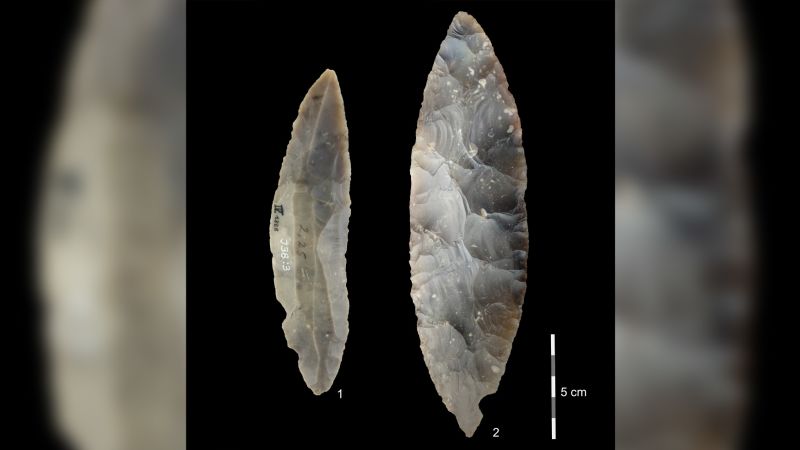
Bones found in an 8-meter-deep pit in a cave near Ranis, Germany, have revealed evidence that Neanderthals and modern humans likely lived alongside each other in northern Europe as far back as 45,000 years ago. Genetic analysis of the fossils suggests that modern humans, not Neanderthals, were the makers of distinctive stone tools, fundamentally changing previous knowledge about the period. The discovery indicates that Homo sapiens reached northwestern Europe earlier than previously thought, overlapping with Neanderthals for several thousand years. The findings were detailed in three studies published in Nature and Nature Ecology & Evolution, shedding light on the early human presence in Europe and their ability to adapt to harsh climatic conditions.